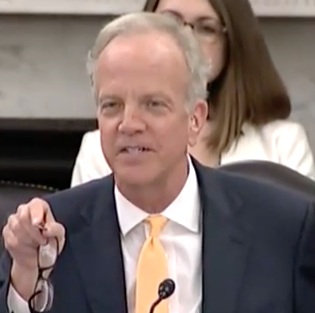
 WASHINGTON – U.S. Senator Jerry Moran (R-Kan.) sponsored a Congressional Review Act (CRA) resolution this week to formally object to the Obama Administration’s latest regulation, which redefines exemptions to overtime rules. The rule will have negative consequences for Kansas nonprofits, higher education institutions and thousands of employers and hard-working Kansans.
“This new Department of Labor rule is the latest example of this administration’s misguided approach to federal regulations that forces Americans to endure the costs of bad policies,” Sen. Moran said. “Though the goal of helping low- and middle-class workers is commendable, the real-world application of this rule would do harm to the very Americans it claims to protect. This legislation will give Kansas organizations, employers and workers a voice against this detrimental act of government intrusion.”
On May 18, 2016, the U.S. Department of Labor (DOL) finalized an update to its overtime rules increasing the minimum threshold salary by which companies must provide overtime compensation to its employee from $23,660 to $47,476 annually. The practical effect is that thousands of Americans will have their work arrangement flexibility restricted and their weekly hours slashed by companies moving to comply with the new rule. Furthermore, the rule will cost many colleges and universities millions of dollars per year in additional operating costs, threatening to raise tuition costs for college students at a time when many can scarcely afford such a hike.
Sen. Moran has been actively fighting against this overtime rule for several months. In April, he sponsored the Protecting Workplace Advancement and Opportunity Act (S. 2707), which would prevent the DOL from finalizing a proposal that will limit opportunities for employees and place significant burdens on job creators.
The passage of this resolution of disapproval signals Congress’ intent to stop DOL from implementing the rule. Under the CRA, the House and Senate vote on a joint resolution of disapproval to stop, with the full force of law, a federal agency from implementing a rule or regulation or issuing a substantially similar regulation without congressional authorization. The resolution of disapproval must also be signed by the president; if vetoed, Congress can only overturn that act with a two-thirds vote in both the Senate and the House.














 TOPEKA, Kan. (AP) — Kansas Attorney General Derek Schmidt wants the state Supreme Court to rescind its warning that the state’s schools may close if the Legislature doesn’t fix funding inequities.
 WASHINGTON (AP) — Kansas and Nebraska are among 21 states suing the State of Delaware to give back more than $150 million in uncashed money orders.
 Listen to Mike Cooper interviewing Cardiologist Dr. Mauricio Anaya, from the DeBakey Heart Institute at HaysMed, with the topic of “Heart Health” by clicking the link above and then clicking the play button


 By BECKY KISER