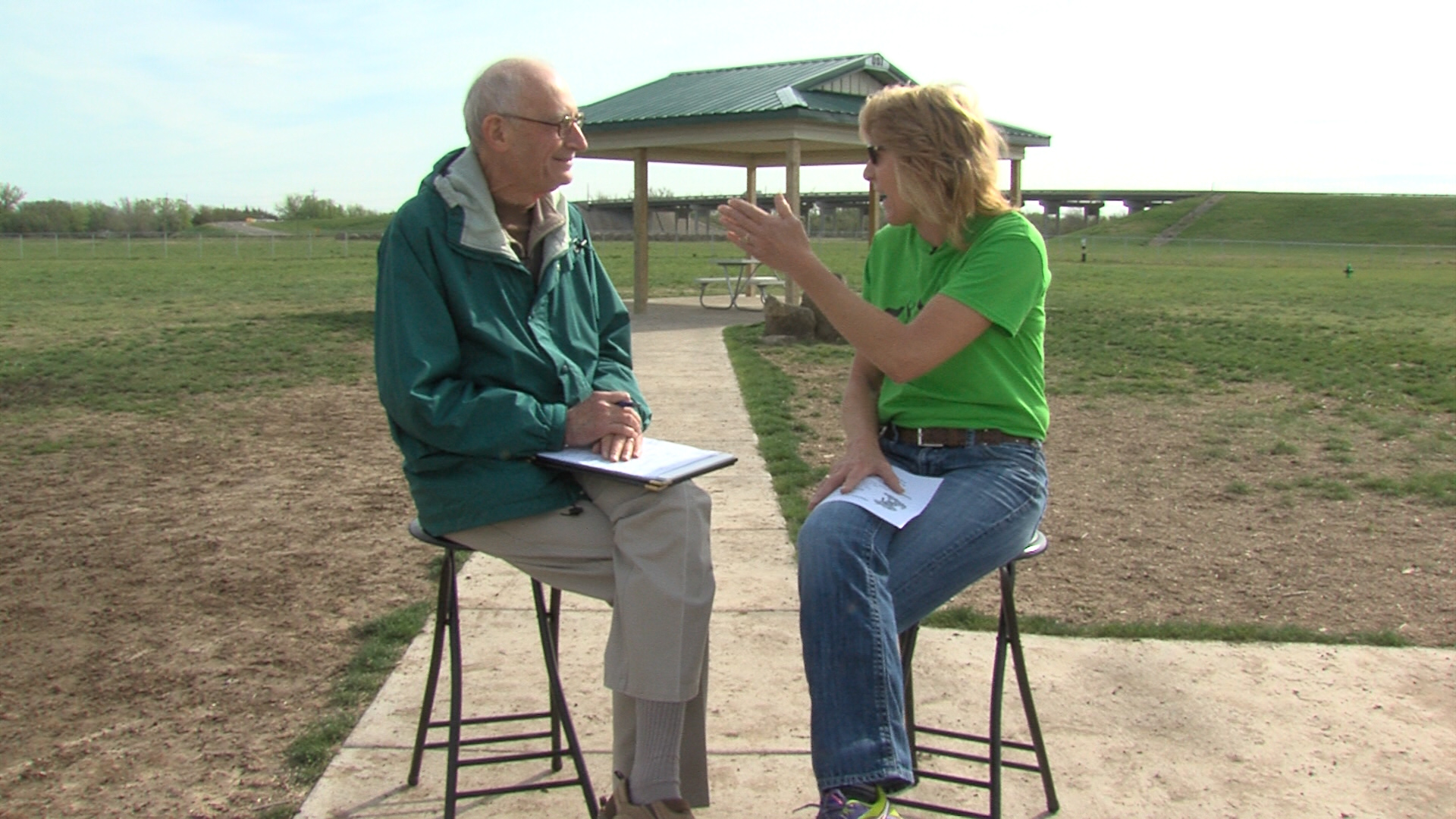
A fundraiser for the Hays Dog Park is scheduled for May 19 & 20 at Big Creek Crossing in Hays, Mike Cooper visits with Laurie Mortinger on what the money will be used for and looks at some of the improvements at the park over the last year.
Month: May 2017
State seeks to ban pedophiles from driving your child’s school bus

WICHITA, Kan. (AP) — New regulations being considered by the Kansas school board includes a lifetime ban on working as a school bus driver for people who commit any crime involving a child.
State director of pupil transportation Keith Dreiling tells the Wichita Eagle the ban was proposed by a law-enforcement representative on the committee that drafted the regulations about three years ago. He says the process has taken this long because the rules have to be reviewed at several government levels.
Current regulations say a person who has committed a crime involving a child doesn’t have to report it to the bus driver hiring agency if the conviction was over 10 years ago. The rewritten rule changes the 10-year threshold to a lifetime.
Wichita school district spokeswoman Susan Arensman says the change isn’t expected to impact the district.
Robert G. McDonald
Logan resident Robert G. McDonald passed away May 3 at the Logan Manor in Logan at the age of 85. He was born July 26, 1931 in Speed, KS. He worked for many years in the oil fields.
Survivors include his wife Vada of Logan, 2 sons, Linn & Jim of Logan; 2 daughters, Carol Haberman of Hays & Mary Dole of Hill City; 2 sisters, Bette Townsend of Norton & Alva Horn of Colby; 7 grandchildren & 14 great grandchildren.
Funeral services will be held Sat. May 6 at 10:30 a.m. in the Logan Christian Church with Pastor Troy Buss officiating. Burial will follow in the Pleasant View Cemetery, Logan, with military honors by the Ft. Riley Honor Guard.
Visitation will be from noon to 9:00 Friday at the Logan Funeral Home.
In Lieu of flowers, memorial contributions may be made to the Cookson Hills Children’s Home, Hospice Services or Donor’s Choice.
Online condolences: www.olliffboeve.com.
Logan Funeral Home is in charge of arrangements.
WaKeeney medical professional honored with national award

 AAPA
AAPA
ALEXANDRIA, Va. — A physician’s assistant (PA) at Trego County Lemke Memorial Hospital in WaKeeney, and a PA in Abilene are two of five people recently recognized by the American Academy of PAs (AAPA) with annual awards to members who have distinguished themselves as PAs in service to patients, the community, the profession and the Academy. The awards were presented at AAPA’s annual conference last month in Las Vegas.
David Day, EdS, MPAS, PA-C, DFAAPA, CPAAPA, from WaKeeney, Kansas, was been selected by both AAPA and the Physician Assistant Education Association (PAEA) as the recipient of the 2017 Preceptor of the Year Award for his dedication to mentoring future leaders of the profession. Day has mentored more than 50 future PA leaders in addition to several nurse practitioner students while working in primary care and emergency medicine at the WaKeeney hospital for more than 15 years. Trego County-Lemke Memorial Hospital is a 25-bed critical access health care facility.
Day has served in multiple leadership roles with the Kansas Academy of PAs and served as a governor-appointed member and chair of the PA Council, an advisory committee of the Kansas Board of Healing Arts.
Marta Klein, PA-C, from Abilene, Kansas, was named the recipient of the Humanitarian of the Year Award for her work providing medical care and building sustainable health solutions in the Democratic Republic of the Congo (DRC). Klein, who works with the Evangelical Covenant Church, found ways to improvise and implement programs in the DRC despite facing adverse conditions. Her work has helped to address the extremely high rates of pediatric malnutrition in the country.
U.S. Public Health Service Rear Admiral Epifanio Elizondo, Ph.D., PA-C, DFAAPA, who lives in Burleson, Texas, was awarded the Academy’s highest distinction, the Eugene A. Stead Jr. Award of Achievement, for his lifetime of service. Elizondo served as the highest-ranking PA in military history and has been a public health leader during hurricanes Katrina and Rita, the Deepwater Horizon oil spill, and the Ebola virus epidemic in West Africa.
Col. Pauline Gross, U.S. Army, PA-C, SP, who lives in San Antonio, Texas, earned the Military Service PA of the Year Award for her lifetime of exemplary service to her patients and nation. Col. Gross is currently Command Surgeon of the U.S. Army Installation Management Command in San Antonio, Texas. She has expanded the role of PAs in the military, highlighted by her appointment as the first PA in this role.
Alison C. Essary, DHSc, MHPE, PA-C, from Scottsdale, Arizona, received the 2017 Publishing Award for her research article entitled, “Women, Family, Medicine, and Career Choice: An Opportunity Cost Analysis” published in the Journal of American Academy of Physician Assistants (JAAPA). Essary serves as director of strategic academic initiatives for Arizona State University’s College of Health Solutions. Her scientific work has broken new ground in the fields of healthcare accessibility, patient-centered care, and gender issues in the family practice setting.
“We are pleased to honor these outstanding PAs who have served patients during public health crises, addressed international issues such as malnutrition, expanded the role of our profession in the military, published important scientific work and mentored future leaders,” said AAPA President and Board Chair Josanne K. Pagel, MPAS, PA-C, Karuna®RMT, DFAAPA.
About the American Academy of PAs
AAPA is the national organization that advocates for all PAs and provides tools to improve PA practice and patient care. Founded in 1968, AAPA represents a profession of more than 115,500 certified PAs across all medical and surgical specialties in all 50 states, the District of Columbia, the U.S. territories and the uniformed services. Visit AAPA.org to learn more.
UPDATE: Court reconsiders death penalty for one of the most notorious crimes in the state
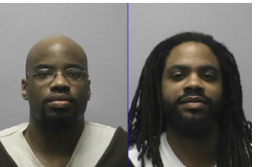

TOPEKA, Kan. (AP) — The Latest on the Kansas Supreme Court’s continued review of the capital murder cases of two brothers sentenced to die for what became known as “the Wichita massacre” (all times local):
12:30 p.m.
The Kansas Supreme Court is struggling with how much discretion it has to spare two brothers from execution for four notorious Wichita slayings following a U.S. Supreme Court decision against them.
The Kansas court heard arguments Thursday in the cases of Jonathan and Reginald Carr. They were convicted of dozens of crimes against five people in December 2000 that ended with the victims being shot in a field. One woman survived.
The Kansas court previously overturned their death sentences in 2014 in part because it believed it was unfair to have them tried and sentenced together rather than separately. The U.S. Supreme Court ruled in 2016 that the U.S. Constitution didn’t require separate proceedings.
Attorneys for the men argued that the Kansas Constitution requires separate sentencing hearings.
———-
TOPEKA, Kan. (AP) — The Kansas Supreme Court is considering for a second time whether to spare two brothers from being executed for four murders in what became known as “the Wichita massacre.”
The justices were hearing arguments from attorneys Thursday in the cases of Jonathan and Reginald Carr.
They were convicted of dozens of crimes against five people in December 2000 that ended with the victims being shot in a field. One woman survived.
The crimes were among the most notorious in the state since the 1959 slayings of a western Kansas family that inspired the book “In Cold Blood.”
The Kansas court overturned the death sentences in July 2014 and cited flaws in their joint trial and sentencing hearing. The U.S. Supreme Court rejected the Kansas court’s rulings and forced another review.
Diane Elizabeth (Geist) DeYoung

 Diane Elizabeth (Geist) DeYoung passed away on Tuesday, May 2, 2017 at her home in Damar, Kansas at the age of 56. She was born on March 21, 1961 in Hays, Kansas to the late Eugene and Lucida (Giebler) Geist. She grew up in Hays, graduating from Marian High School with the Class of 1979, and went on to attend Fort Hays State University for two years. On August 17, 1984 she was united in marriage to Dennis E. DeYoung in Hays. They were blessed with two children, Renee and Calvin.
Diane was an owner and operator in the restaurant business for many years, most of those with the Sale Barn Café. She was always lucky playing Bingo, and enjoyed gaming at the casinos. But the greatest love of her life was being able to spend time with family and friends, creating memories that will last a lifetime.
Diane is survived by her husband Dennis E. DeYoung of their home in Damar; daughter Renee DeYoung of Wichita; son Calvin DeYoung of Colby; brother Neil Geist and wife Susan of Fort Worth, TX; sisters Lois Muller and husband Jim of Wichita, Mary Gross of Wichita, Sue Geist of Dallas, TX, Bonnie Werth and husband George of Colby, and Connie Neises and husband Glenn of Overland Park; brother-in-law David Volkel of Littleton, CO; and many nieces and nephews.
She was preceded in death by her parents Eugene and Lucida Geist, brother Jimmy Geist, sister Jeanee Volkel, niece Heather Muller, and nephew Adam Bruna.
A Mass of Christian Burial will be held at 10:30am on Friday, May 5, 2017 at Sacred Heart Catholic Church in Plainville. Burial will follow in Pleasant View Cemetery near Palco. Visitation will be from 1:00-8:00pm on Thursday at the funeral home with Prayer Vigil at 7:00pm.
Natoma man in custody after foot chase in Rooks Co.

Rooks County Sheriff’s Department
A Natoma man has been arrested after a reported chase in Rooks County on Wednesday, according to a news release from the Rooks County Sheriff’s Department.
Authorities said at 4:21 p.m. Wednesday, sheriff’s deputies attempted to execute a felony arrested warrant on Leonard Ramsey, Natoma, in the 2300 block of R Road in Rooks County.
Upon contact, Ramsey fled on foot, according to the news release. Deputies set up a perimeter on the property and requested addition units to respond. Law enforcement units from the Plainville Police Department, Osborne County Sheriff’s Department, Kansas Highway Patrol K-9 unit and Ellis County Sheriff’s Office K-9 unit responded to assist. A KHP aircraft also assisted.
Ramsey was located on the property and taken into custody without further incident.
🎥Kansas community marks 10th anniversary of deadly tornado

U.S. Senator Pat Roberts Thursday released a statement and video to recognize and commemorate the 10th Anniversary of the Greensburg tornado.
Senator Pat Roberts released the video and details on the 10th anniversary:
On May 4, 2007, an EF-5 tornado ripped through the western Kansas town of Greensburg, destroying nearly 95 percent of the city and killing 11 people.
Roberts’ efforts began immediately. In the pre-dawn hours after the deadly storm, Senator Roberts drove to Greensburg to meet with emergency responders and to ensure the state and local authorities had everything they needed to help Kansans in need. He toured the area, was briefed by officials on the ground, and then traveled to a shelter that had been set up for victims.

After consoling many whose homes had been wiped off the map and armed with his own accounts of the damage of the storm and the needs of the residents, Senator Roberts called President George W. Bush from a McDonald’s restaurant in Pratt – the first place he could get cellular phone service.
Roberts told the President that emergency disaster declaration requests would be coming from the governor and urged his immediate approval. Before Roberts could even finish the request, President Bush assured Senator Roberts the state would have whatever it needed.
Senator Roberts invited President Bush to the state to review the damage first hand, and the president accepted. A few days later, Roberts and Bush led the Kansas Congressional delegation through the town to meet with affected families and businesses.
At the same time, Roberts’ staff immediately responded by opening offices on the weekend to field calls from citizens in need. Senator Roberts tapped one of his senior staffers, Mel Thompson, to full time work in and around Greensburg. Mel was on site every day for months and remained in the community on a regular basis for more than a year.
One of the first pieces of federal assistance to come was FEMA’s declaration that Greensburg and surrounding communities would receive 100 percent reimbursement for any costs incurred during the 72 hours following the storm. Usually, FEMA only covers up to 75 percent of the costs, but with Senator Roberts’ help, the agency agreed that the damage in Greensburg warranted a full reimbursement for reconstruction.
Likewise, Senator Roberts moved to develop federal relief programs for victims of the storm. The Senate passed a package of tax relief provisions, the Kansas Disaster Tax Relief Assistance Act (S. 1532), which was later added to the Food, Conservation, and Energy Act of 2008, commonly referred to as the Farm Bill and passed into law.
The legislation provided small businesses with an employee retention tax credit and increased the expensing limit for businesses who continued to pay their employees while the city was rebuilding. The new rules allowed small businesses to expense up to 50 percent of the clean-up and demolition costs during the renovation process. Finally, the bill waived the penalty for early withdrawal from IRA and other retirement plans for affected individuals.
Following Hurricane Katrina, Greensburg became the national model for rebuilding from a natural disaster. State, local and federal governments worked together to rapidly rebuild and assist those in need based on the model that Senator Roberts’ helped to create in Kansas.
Senator Roberts was honored to be asked to address the Greensburg High School graduation twice, once with President George W. Bush. He recognized each member of the class and declared them the “Class of Dedication and Hope” in 2007 for their perseverance.
Healing After Loss of Suicide May events

 Healing After Loss of Suicide
This program offers family members and friends of those who have lost a loved one to suicide a place to connect with others
who are dealing with this highly specialized grief recovery process. Like all the other grief support programs HALOS is
offered in a confidential and safe but informal environment.
When: Monday, May 8, 2017
Dinner: JD’s Chicken – 5:30 p.m.
740 East 8th
Gathering: 7:00 p.m.
Center for Life Experiences
2900 Hall St., Hays, KS 67601
For more info:
Ann Leiker – Coordinator – Call/Text 785-259-6859
When: Wednesday, May 22, 2017
Dinner: Gambino’s Pizza- 5:30 p.m.
2102 Vine St.
Gathering: 7:00 p.m.
Center for Life Experiences
2900 Hall St., Hays, KS 67601
For more info:
Ann Leiker – Coordinator – Call/Text 785-259-6859
Gilbert Von Lintel
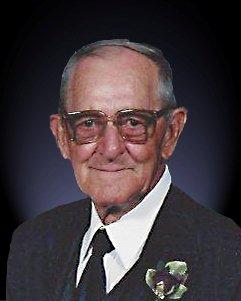
 Hays, Kansas – Gilbert Von Lintel, age 89, died Thursday, March 2, 2017, at the Good Samaritan Society of Hays.
He was born September 4, 1927 in Walker, Kansas, to Henry and Clementine (Dreher) Von Lintel.
He married Vera Mae (Stang) on October 27, 1951 in Victoria, Kansas. She died March 26, 2005.
He was a veteran of the U S Marines and served during the Korean Conflict. He was a member of St. Joseph Catholic Church, Hays, Kansas. He worked for Hunter Construction, Pierce and Schippers Construction and Allied Construction.
Survivors include one son, Glenn Von Lintel, Mesa, AZ; one daughter, Gail Brack and husband, Mark, Ellis, KS; five grandchildren, five great grandchildren, one brother and two sisters.
Services will be at 11:00 A.M. Saturday, May 13, 2017, at St. Joseph Catholic Church, 13th and Ash Street, Hays, Kansas. Inurnment will be in St. Fidelis Cemetery Victoria, Kansas with Military Honors by the Hays V.F.W. Post No. 9076.
The family will received friends from 9:30 to 11:00 A.M. Saturday, at St. Joseph Catholic Church.
Memorial to St. Fidelis Cemetery Fund in care of Cline’s-Keithley Mortuary of Hays, 1919 East 22nd Street, Hays, Kansas 67601.
Condolences can be left by guestbook at www.keithleyfuneralchapels.com or can be sent via e-mail to [email protected].
INSIGHT KANSAS: Where the Legislature is. How it got there.
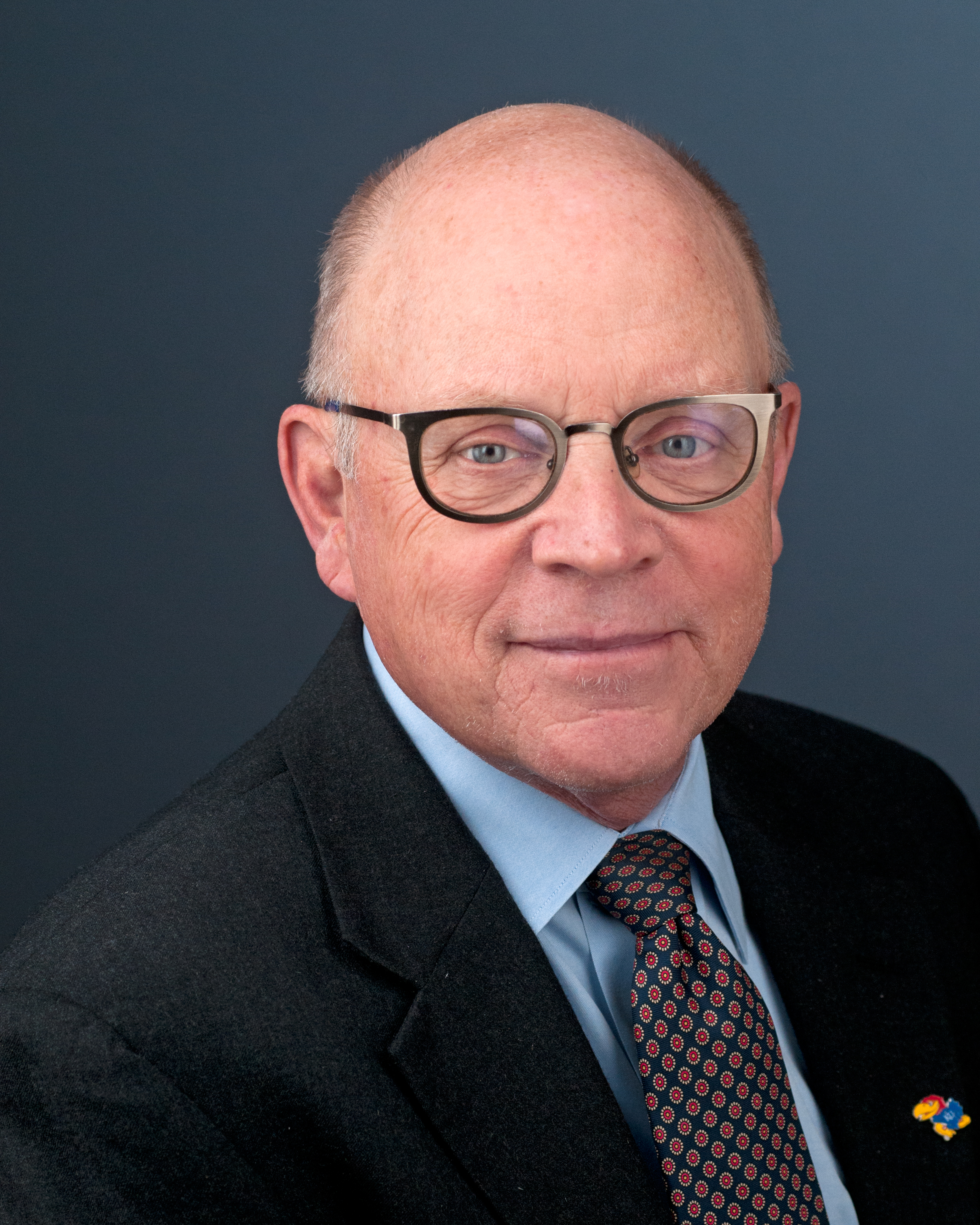
I recently talked to a national reporter who came to Kansas to cover the Legislature’s wrap up session. He wanted to know how we arrived at our current Rubik’s Cube puzzle of revenue, funding, and budget issues.
Here’s my story of how Kansas arrived in its current circumstances.
From the early 1970s until 2010, Kansas was governed by a loose, moderate-conservative coalition of legislators and governors who did a more-than-decent job of representing the wishes of the electorate. Save for four years in the House, GOP lawmakers held clear majorities in both chambers. Still, for much of the period, elections were competitive, especially for governor; a mix of conservative Republicans, moderate Republicans and Democrats governed in responsible ways.

Major governmental obligations, such as education and highways, were funded adequately; the three-legged stool of income, property, and sales taxes provided steady, if not opulent, revenues.
Were there major conflicts within the Legislature during this 40-year period of moderate-conservative governance? Of course. There were fights over education funding, tax levels, prisons, highway construction, abortion, universities, etc. There were partisan battles, and rural-urban skirmishes. In the end, legislators deliberated, compromised, and finished their work in early May, often with cross-party majorities on major issues.
I’m not trying to paint some idyllic version of Kansas politics. A school-funding struggle raged in the courts for ten years, eventually requiring a large infusion of cash. There were winners and losers, and the most conservative Kansans accurately viewed their interests as consistently under-represented. Slowly, over the 1990-2010 period, the right wing of the GOP gained power, both within the party and inside the Legislature. But with Bill Graves, Kathleen Sebelius and Mark Parkinson occupying the governor’s office, moderate-conservative governance remained in place.
The 2010 off-year elections produced state and national Republican landslides. Sam Brownback and a far-right GOP majority won convincingly, more in response to President Obama and his health care legislation than statewide issues. Still, the Governor could argue that he had a mandate to shrink government and cut income taxes.
Although 2011 saw mostly symbolic issues, such as defunding the Kansas Arts Commission, move through the process, the 2012 legislative session produced the set of major income tax cuts that profoundly affected the state. Ironically, the Senate that passed Brownback’s “great experiment” tax cuts represented the last vestige of the moderate-conservativism in state government, as its members had won election in 2008. The Senate leadership trusted the governor to negotiate a more moderate bill, but he ended up signing one with steeper cuts than even he had proposed. And he took full credit.
In 2012, the governor and his allies campaigned vigorously against several moderate and conventionally conservative Republican senators, resulting in far-right chamber that matched the House over the next four years.
With lower income tax rates, total exemptions for 330,000 businesses, and, to be fair, economic downturns in oil, agriculture, and aviation, revenues plummeted after 2013. Any number of stopgap, one-time fixes were adopted, including massive transfers from the state highway fund. Sales taxes were increased, but revenues continued their decline. Once again, the Supreme Court again decided that K-12 education funding was constitutionally inadequate.
Finally, in the 2016 primary and general elections, something approaching the traditional moderate-conservative legislative membership was restored; lawmakers immediately faced the difficult, inter-connected problems of reduced revenues, $900-million in budget deficits, school funding, and Medicaid expansion, along with many other related issues, such as finding $24 million to keep guns out of hospitals.
That’s the Cliff Notes version.
It took a lot of digging to get here. We’ve got a long haul to see daylight.
Burdett Loomis is a Professor of Political Science at the University of Kansas.
Kansas man charged with fatal shooting, child endangerment


TOPEKA, Kan. (AP) — An 81-year-old Topeka man has been charged with fatally shooting another man in the presence of an 8-year-old child.
The Topeka Capital-Journal reports that Anthony Darcy was charged Wednesday with premeditated first-degree murder in the Monday night killing of 36-year-old Stephen Snyder. Darcy also faces felony charges of aggravated assault with a deadly weapon and aggravated child endangerment. Bond is set at $1 million cash or professional surety.
District attorney Mike Kagay said in a news release that Snyder was on the driveway of a home suffering from what appeared to be multiple gunshot wounds when police arrived. Darcy was at the home and taken into custody.
It wasn’t immediately known whether Darcy had an attorney. The prosecutor’s office didn’t immediately return a phone message seeking comment.
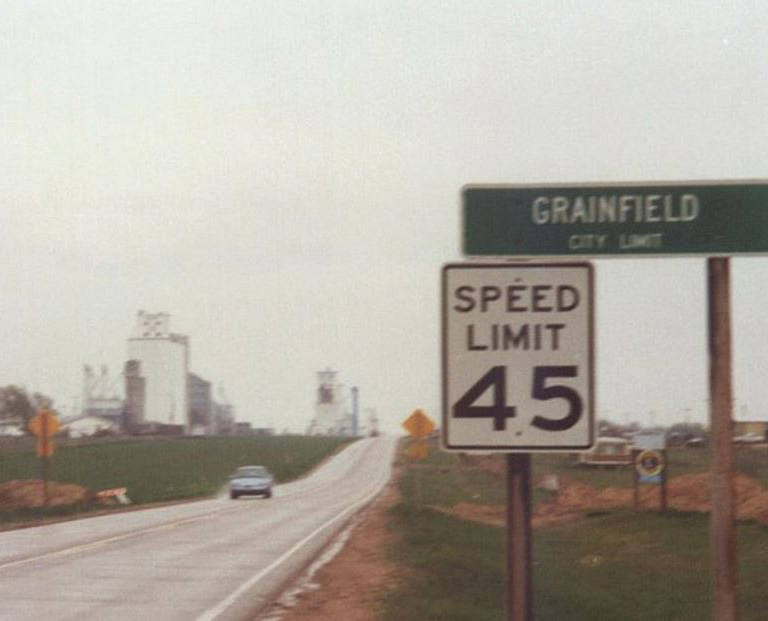
Water now okay in Grainfield
 KDHE
KDHE
TOPEKA – The Kansas Department of Health and Environment (KDHE) has rescinded a boil water advisory for the city of Grainfield located in Gove County.
The advisory was issued because of a power outage that caused a loss of pressure in the system. Failure to maintain adequate pressure may result in a loss of chlorine residuals and bacterial contamination.
Public water suppliers in Kansas take all measures necessary to notify customers quickly after a system failure or shutdown. Regardless of whether it is the supplier or KDHE that announces a boil water advisory, KDHE will issue the rescind order following testing at a certified laboratory.
Laboratory testing samples collected from the city of Grainfield indicate no evidence of contamination, and all other conditions that placed the system at risk of contamination are deemed by KDHE officials to be resolved.