We have a brand new updated website! Click here to check it out!

LETTER: Why not smaller bonds?

There have been several questions regarding one large bond versus several smaller ones. This was a concept that we discussed at length within the Community Vision Team, but here are a few reasons why we decided against it.

First, construction rates are projected to continue to increase at around 6%. If we borrow $40 million now and $38.5 million in 15 years, the parts of the project that we put off for 15 years would cost around $90 million to complete. So we could split it up, but we’d be asking for $40 million now and about $90 million in 15 years, which is more than the $78.5 million that is currently proposed. This number reflects only construction increases and doesn’t take into account increases in interest rates or expenses associated with proposing the second bond.

We’d also miss out on the operational savings that the district will experience once this project is complete. Based on research and national standards, four section elementary schools are the best option for both educational outcomes and efficiency. Combine the changes to the elementary schools with improved systems at the high school, and the district will save around $300,000 per year in operational costs. Staggering the project diminishes this return.

Third, the state has imposed statewide limits on the total amount that districts can propose in any given year, so even if we decided to propose another bond in 10 or 15 years, we’d likely have to wait in line for several more years before putting it to a vote. We’re exempt from this limit this one time only because we haven’t passed a bond in over 25 years. Given this limitation, the committee felt that it was important to affect as many students as possible with this bond proposal.

Finally, the needs in the district are pressing. If we had been doing small bonds the past forty years, then our district wouldn’t need the attention it does now. Some districts have done that, and they will continue to do that. We’re past that point in Hays, and passing small bonds every decade or two will never get us back on track. This bond accomplishes a lot for the money, and it will set the district on track to not need major corrections like this in the future. Once this bond is paid off and regardless of the obstacles, we should get in the habit of passing small bonds to keep the district moving in a positive direction, but doing it now will not address the needs we’re facing as a district and as a community.

Jennifer Teget
Community Vision Team Member
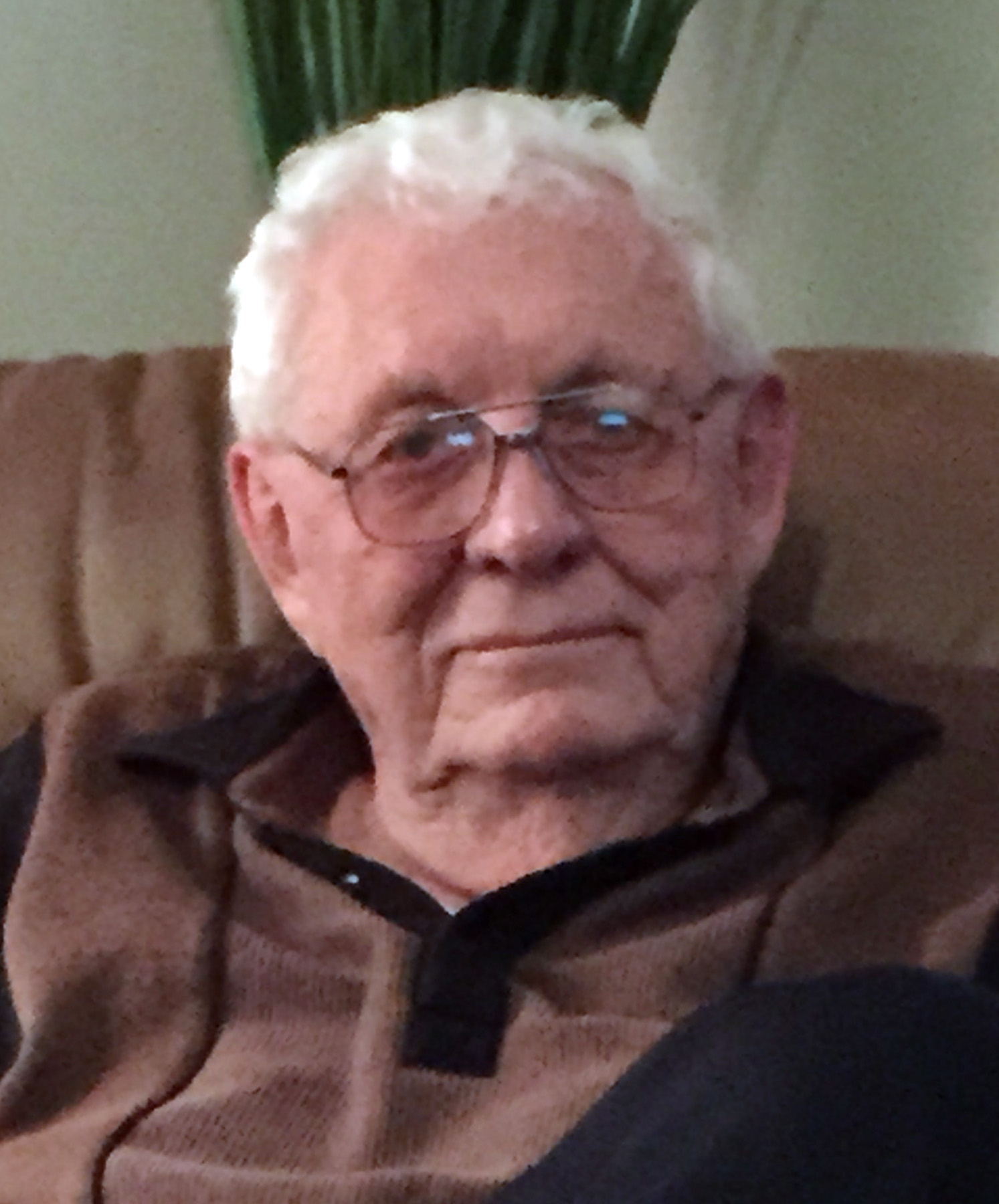
Albert ‘Bud’ Malsam

Lifelong WaKeeney resident Albert “Bud” Malsam, age 89, passed away Monday, October 23, 2017 at Trego County Lemke Memorial Hospital Long Term Care, WaKeeney. He was born June 22, 1928 in rural Collyer, Kansas to George and Frances Clara (Keller) Malsam.

On August 19, 1950, Bud was united in marriage to Dora Lee Gano in Collyer, Kansas. They enjoyed eighteen years of marriage together until Dora Lee passed away on October 6, 1968. On April 17, 1971, he was married to Roseann Schmidt in Dodge City, Kansas. They were wed for forty-three years before Roseann passed away on April 9, 2015.

Bud owned and operated Malsam Terracing Company for many years.  He designed and patented components used in the manufacturing of the Malsam Terracer. Bud also farmed throughout his adult life.

Bud enjoyed driving through the countryside, watching the wheat and milo in all phases of growth. He had a mental compass on these drives, where he would never be lost. He could tell you what county you were in based solely on the road surface. According to Bud every road “was a good road”, and could be traversed without difficulty regardless of your vehicle. Daily morning stops at the local coffee shop was also a favorite activity for Bud. The visits with his community peers were important to him. He will be dearly missed by many.

Survivors include a son, Doug Malsam (Laura) of WaKeeney; five daughters, Colleen Taylor of Litchfield Park, Arizona, Judy (Richard) Hearting of WaKeeney, Jody (Dan) Hoeffner of Las Vegas, Nevada, Micki (Roger) Hammer of Olathe, Kansas, and Vicki (James) Smith of Woodbury, Minnesota; seventeen grandchildren; twenty-one great-grandchildren; a brother, George (Margaret) Malsam of Denver, Colorado; and four sisters, Georgia (Dick) Austin of Medicine Lodge, Kansas, Gerry Wildeman of Denver, Madeline (Joe) Gallagher of Ft. Collins, Colorado, and Lavetta (Tom) Kazda of Chicago, Illinois. He was preceded in death by his parents; his first wife, Dora Lee (Gano) Malsam; his second wife, Roseann (Schmitt) Malsam; and four siblings, Bill, Renilda, Lorina, and Alvin.

Mass of Christian burial will be 10:30 a.m., Friday, October 27, 2017 at Christ the King Catholic Church, WaKeeney. Burial will be in the church cemetery.

Visitation will be Thursday, from 5:00 to 7:00 p.m. with a parish vigil to be held at 7:00 p.m., all at the funeral home in WaKeeney.

Memorial contributions are suggested to the Trego Hospital Endowment Foundation (LTC or Assisted Living) or Christ the King Catholic Church. Contributions made to the organization may be sent to Schmitt Funeral Home, 336 North 12th, WaKeeney, KS 67672.

Condolences may be sent to the family online at www.schmittfuneral.com.

HaysMed’s Convenient Care Walk In Clinic 
to open Nov. 2

HaysMed, part of The University of Kansas Health System, will open its Convenient Care Walk In Clinic on Thursday, Nov. 2, at its new location at Big Creek Crossing. The multi-tenant building is located at the northwest corner of the property, where the former Montana Mike’s once stood.

Starbucks will occupy the other portion of the building.

“This will be a great location for our walk in clinic,” said Shae Veach, Vice President for Regional Operations and Marketing. “The parking is great and the office is located just off of Vine allowing for easy access for our patients who live in Hays or might just be visiting and need medical care.”
The 4,000-square-foot area will feature seven exam rooms, two procedure rooms, a large waiting room and easy check-in area. The individual registration offices afford patients more privacy when checking in at the clinic.”

The hours will remain the same, Monday through Friday 8 am to 7:30 pm, Saturday 9 am to 4:30 pm and Sunday 11 am to 4 pm. The clinic is closed on Thanksgiving and Christmas but open 9 am to 4:30 pm for New Year’s Day, Memorial Day, Christmas Eve, Labor Day and Fourth of July.

“We are very excited the new location afforded us the opportunity to be built to the specifications that we need for Convenient Care” Veach said. “The response to opening our walk in clinic two years ago has been so phenomenal that we expect to see even more patients once we move to this new location.”

Police: Kansas teen uncooperative after shot, during ‘internet sale’

SHAWNEE COUNTY — Law enforcement authorities are investigating a shooting during a robbery.

Just after 1a.m. Thursday, a 16-year-old-male shooting victim entered the emergency room of a Topeka hospital with a non-life threatening gunshot wound, according to Police Lt. Steve Roth.

The medical staff contacted law enforcement after the victim arrived by private vehicle. Although the victim was uncooperative, he did state that he had engaged in an internet sales action.

During the interaction in the 3200 Block of SE 6th in Topeka, he was shot in the hand by a white male with long brown/blonde hair who fled the scene in a van.

The victim did not wish to cooperate further.

Anyone with information regarding this incident is encouraged to contact the Topeka Police Criminal Investigations Bureau.

Junior FHSU student, frat hope to ‘Pink Out’ Saturday’s football game

By CRISTINA JANNEY
Hays Post

Jesy Strnad, a junior in broadcasting, is partnering with his fraternity Alpha Gamma Rho to organize a Pink Out at Saturday’s Fort Hays State University’s football game.

The group is encouraging those attending the game to wear pink in honor of National Breast Cancer Awareness Month. The game is at 2 p.m. Saturday against Emporia State.

Strnad has a special place in his heart for the cause. His mother, Jolene Strnad, 56, died of breast cancer a year ago. Strnad mother was sick for about three years before her passing, and her illness and death has been very difficult on his family, especially his father.

There was not a history of breast cancer in Strnad’s family.

He said he knows it means a lot to breast cancer survivors and those who have lost loved ones to breast cancer to see the support of the community.

Strnad organized a similar event at his high school, Republic County High School in Bellville, last year.

“I thought if there was anything I could do here in Hays, I would give it a shot,” he said.

One in eight women are diagnosed with breast cancer. The instance of breast cancer goes up substantially after age 40, and both males and females can be affected.

For more information on breast cancer screenings, assessing your risk, and signs and symptoms visit the National Breast Cancer Foundation’s or Susan G. Komen Foundation’s website. Also talk to your physicians about self exams and mammography.

INSIGHT KANSAS: Navigate the political terrain of Kansas

Kansas politics is challenging terrain for any gubernatorial aspirant, and this primer on the state’s political landscape is kindly offered to the 17 announced candidates for governor in 2018 and those yet to follow.

The state’s political geography may be seen in three pieces: five urban hubs, the smallest rural counties, and larger rural regional centers, each with unique challenges in a statewide campaign.

H. Edward Flentje is professor emeritus at Wichita State University.

The urban hubs of Johnson, Sedgwick, Shawnee, Wyandotte, and Douglas counties are growing—adding 69,000 to their population since 2010 and now comprising 54 percent of the state’s total. Their politics are competitive and distinct, ranging from racially diverse Wyandotte with voter registration favoring Democrats more than 3 to 1, to suburban Johnson—having a 2 to 1 Republican advantage over Democrats and three times the population of its metropolitan neighbor. The politics of Sedgwick, Shawnee, and Douglas are colored by the economies of their major cities: Wichita, the state’s largest city, a manufacturing center; Topeka, home of state government; and Lawrence with a dominant state university complex.

Even though the urban partisan division favors Republicans by 59 to 41 percent, a Democratic candidate must win here by a substantial margin to claim the governorship. Kathleen Sebelius won with urban vote margins of 40,000 (2002) and 110,000 (2006). Paul Davis won these counties by 35,000 votes in 2014 but still lost.

Small rural counties, representing 23 percent of the state’s population, are mostly homogeneous demographically and politically. They are dominated by agriculture and for the last century have fought a losing battle against the forces of mechanization, technology, and economics. Three of every four of the smallest 85 rural counties reached their peak populations in 1930 or before and have dropped steadily since then. Exceptions are found in a few counties neighboring growing urban areas and those benefiting from the red meat industry in southwest Kansas.

In the 85 smallest rural counties Republican registrations outnumber that of Democrats by 3 to 1, and Republican candidates expect to build healthy leads here. These rural voters gave Trump a 150,000 vote margin in 2016, representing two-thirds of his statewide margin. In the closer 2014 gubernatorial race these voters handed Sam Brownback the 50,000 vote margin that allowed him to overcome Davis’ urban edge.

Fifteen larger rural counties serve as regional economic centers and are scattered across the state—from Leavenworth to Finney, Crawford to Ellis. They comprise 23 percent of the state’s population and have grown slightly since 2010. Most have major state or federal facilities, such as state universities (Crawford, Ellis, Lyon, and Riley), correctional institutions (Leavenworth and Reno), or military installations (Geary and Leavenworth). Others border the urban hubs (Butler, Cowley, Harvey, and Miami). Finney and Ford have grown with the meat packing industry; Montgomery and Saline have independent regional reach.

Politically, the regional centers form a bridge between the urban hubs and smaller rural counties. Republicans hold a registration advantage over Democrats of slightly less than 2 to 1 in these centers. In general elections their voters tend to line up with other rural voters but with less partisan leanings. The outcome of competitive Republican primaries is more likely determined by voters in these rural centers plus the smaller rural counties than in the urban hubs.

Add to this partisan mix 525,000 “independent” voters, 30 percent of all registered voters, who are unaffiliated with any political party and slightly less prominent in smaller rural counties than in urban hubs and regional centers.

So gubernatorial hopefuls, consider this territory. Map out a winning campaign for 2018 and have at it. Best of luck.

H. Edward Flentje is professor emeritus at Wichita State University.

LETTER: Bond issue is by the people, for the people

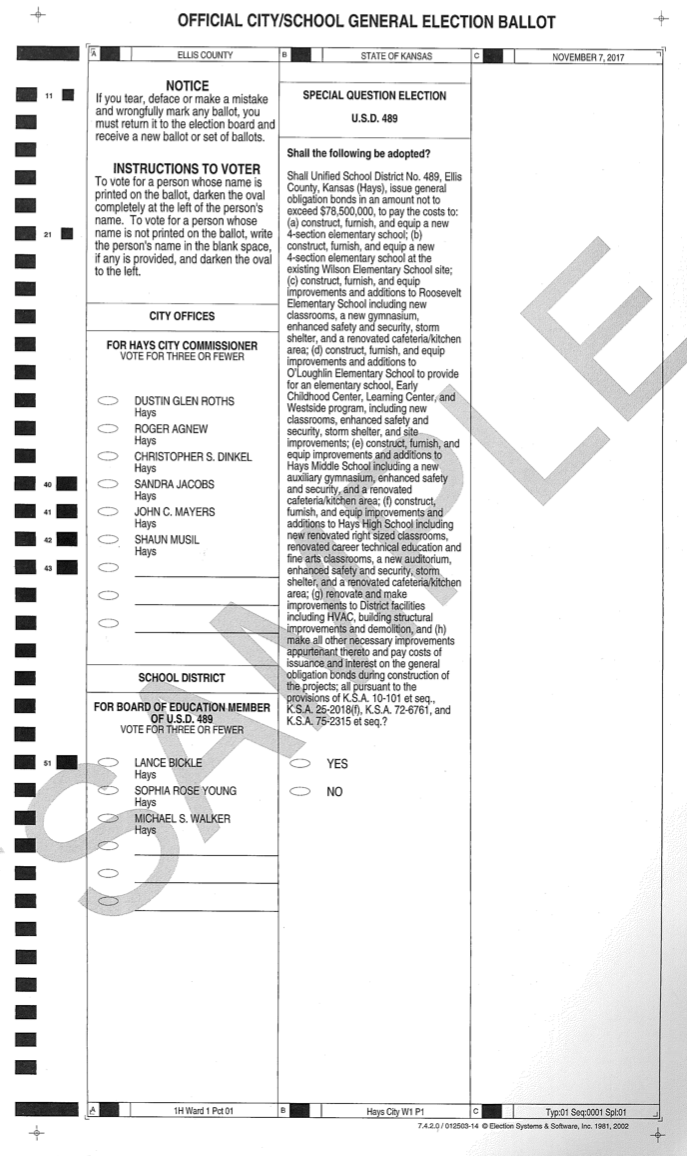
Bond elections do not occur in a vacuum, and as the Vision Team worked on this bond, we were painfully aware of the trust issues that Hays has with our school board. That’s precisely why a Vision Team was created with community members to offer input towards this bond.

As a result, a plan was developed that addresses the most pressing needs of our schools while still lowering the dollar amount of the bond from the last bond. There’s been plenty written about the content of this bond, but I feel that the process of developing this bond is worth noting.

Too often, these projects are top-down affairs developed behind closed doors with no input from the community, by a group of leaders who have vested interest in the project. However, that could not be further from the truth in this case.

From the beginning of the process, the scope and content of this bond was developed by a volunteer committee that was open to the public and composed of a variety of individuals from throughout the community. We worked in open meetings with input from anyone who chose to attend. We incorporated feedback from our educators, administrators, and community polling while deciding specific pieces of the bond. The content of this bond was exhaustively discussed and debated. Every project proposed in this bond is there for a specific, defensible reason that can be explained.

So I would ask any of you who don’t support this bond because you don’t trust the school board to reconsider and understand this bond was created by our community. Developing this bond was truly a grass-roots effort. It will greatly benefit our community if our citizens vote YES on Nov. 7.

Alaina Cunningham

🎥 City employee insurance renewal rate to drop slightly

Erin Giebler

By BECKY KISER
Hays Post

Health insurance for employees of the city of Hays in 2018 will be discussed during Thursday’s city commission meeting.

Blue Cross Blue Shield of Kansas’ renewal rates for 2018 includes a decrease of 0.67% based on the city’s expected enrollment, according to Human Resources Director Erin Giebler.

(Click to enlarge)

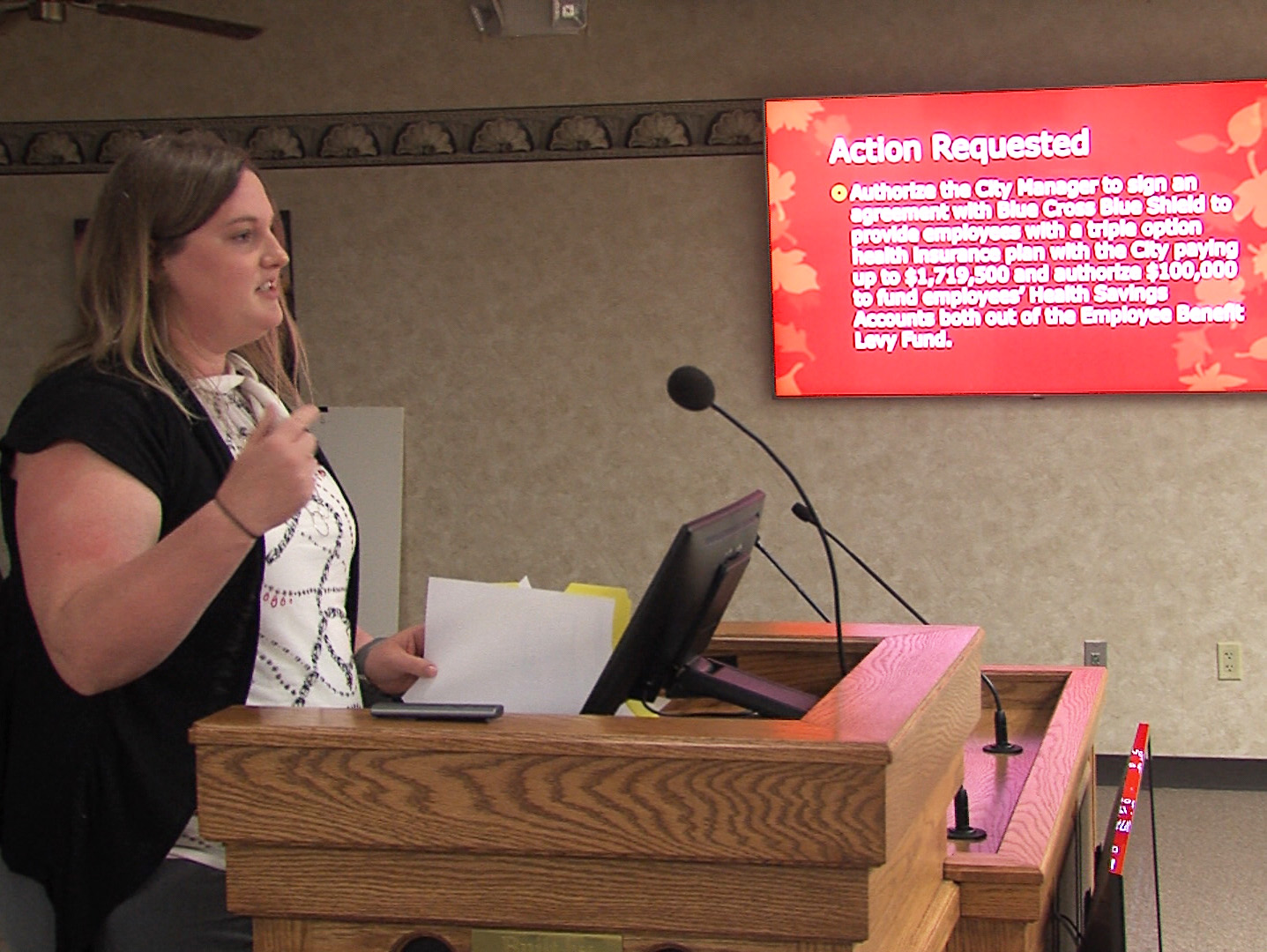
She is recommending the city continue with the fully insured triple option plan for 2018 with the same employee costs as 2017. The recommendation, with the city paying up to $1,719,500, keeps the health insurance within the budget cap set by the city commission in 2010.

“The high deductible health plan is consumer-driven and designed to help control costs. It was the most popular plan with 60 percent of those enrolled in the city’s health insurance electing this option,” Giebler told commissioners. “Due to higher medical costs, the city was expecting up to a 21 percent renewal increase. But due to our low utilization, the city saw a slight decrease in premiums.”

Nineteen percent of the employees chose the premium plan and 21 percent chose the base plan.

Staff is also recommending using $100,000 out of the Employee Benefit Levy’s Contingency fund to provide up to $700 in employer match for employee’s Health Savings Account (HSA) in 2018 only.

“This will encourage employees to fund their own Health Savings Account and encourage employees to enroll  in the high deductible health plan,” said Giebler.

Employees have contributed more than $137,000 into their own HSAs, Giebler reported. “Remember, when they contribute into that, the city actually gets tax savings as well when they do that. The city has put about $65,000 in.” The HSAs can be rolled over year to year.

“Last year when we went into discussions, it was the employees who were really asking for this high deductible health plan,” Giebler pointed out.

Other agenda items include consideration of a bid for construction replacement of the water treatment plant’s carbon dioxide system not to exceed $312,000 and an update of the reconstruction of the wastewater treatment plant.

Mayor Shaun Musil will also make presentations to city employees for 5, 10, 15, 20, and 25 years of service.

The complete Oct. 26 agenda can be seen here.

The meeting starts at 6:30 p.m. in Hays City Hall, 1507 Main.

FHSU instructors present their book at international congress

Pandora Rupert Bolt
FHSU University Relations

Fort Hays State University’s Pandora Rupert Bolt, instructor of leadership studies, and Andrew Bolt, instructor of English, recently presented their paper, “The Value of Decentralized Approaches to Environmental Regulation,” at the second Mediterranean International Social Sciences Congress.

Pandora and Andrew Bolt are faculty in FHSU’s China partnership with Shenyang Normal University Center for International Business.

Andrew Bolt

The conference, hosted by the International Vision University in Gostivar and its partners in Turkey, Serbia, Montenegro, Bosnia and Herzegovina, was held at the Hotel Metropol in Ohrid, Macedonia. Presenters from around the Balkans and scholars from the larger European community, Asia and North America were featured at the conference.

“Over the last four years we have presented at conferences in Malaysia, Sri Lanka and the United Arab Emirates, always with the goal of gaining international insight on the topics of primary concern to our leadership and business students in China,” said Pandora Bolt.

“As teachers in the international programs at FHSU, we feel it’s our duty to ensure that our scholarship represents a truly global perspective on the issues that tomorrow’s leaders will have to address,” she said.

Kansas communities fight becoming a ‘chicken town’

Photo Amy Hughes Overmiller

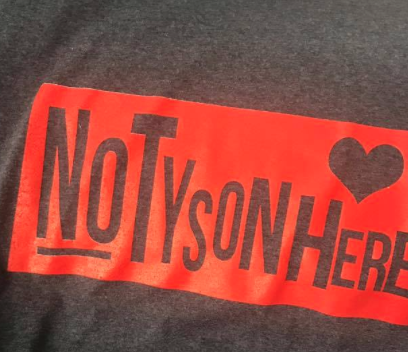
TONGANOXIE, Kan. (AP) — Residents were quick to mobilize after Tyson Foods announced its plans to build a chicken-processing plant outside Tonganoxie in northeastern Kansas.

But they weren’t on social media to court the Springdale, Arkansas-based company. They used their posts to organize protests to drive Tyson away.

Shannon Reischman says she didn’t want the bedroom community of about 5,300 people becoming a “chicken town.” She and others worried it would be overcome by environmental problems, newly crowded schools and heavy truck traffic.

photo courtesy Lori Lawrence

Two weeks after the early September announcement, local officials withdrew their support of the $320 million plant and Tyson started looking elsewhere.

Industry and state officials are a bit mystified that any community would turn away 1,600 jobs. Kansas is still trying to attract the plant. Officials announced recently Cloud, Sedgwick and Montgomery County are finalists.  However, there is growing opposition to the plant in Sedgwick County.


Partly sunny, windy Thursday

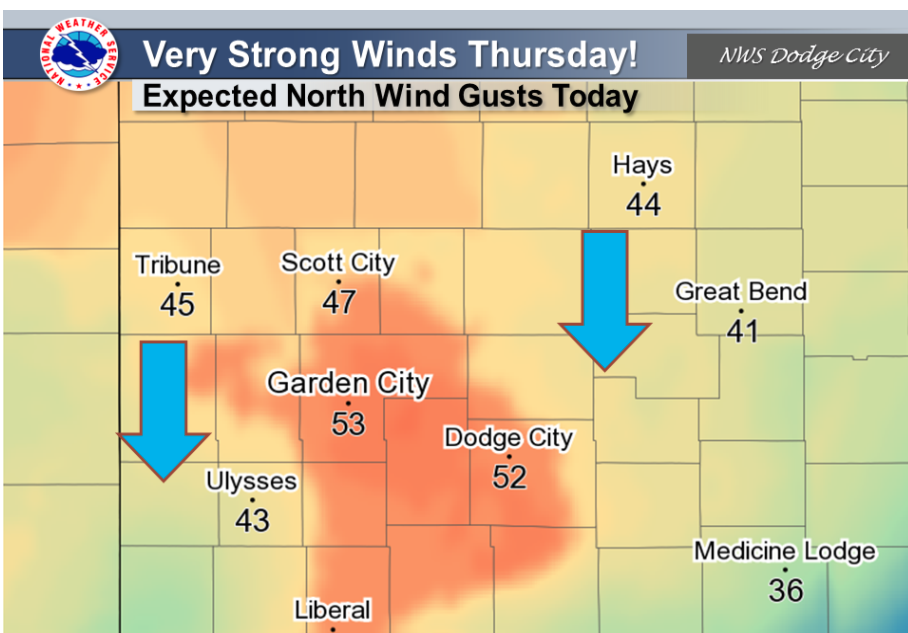
Today Increasing clouds, with a high near 66. Very windy, with a north wind 9 to 19 mph increasing to 23 to 33 mph in the afternoon. Winds could gust as high as 44 mph.

Tonight Partly cloudy, with a low around 26. Very windy, with a north wind 26 to 31 mph decreasing to 20 to 25 mph after midnight. Winds could gust as high as 41 mph.

Friday Sunny, with a high near 48. Breezy, with a north northwest wind around 24 mph.

Friday Night Mostly clear, with a low around 21. North northwest wind 13 to 18 mph decreasing to 7 to 12 mph after midnight. Winds could gust as high as 28 mph.

Saturday Sunny, with a high near 56. West wind 7 to 9 mph.

Saturday Night Partly cloudy, with a low around 31.

Sunday Sunny, with a high near 68.

FHSU women’s soccer remains at No. 8 in NCAA Central Region Rankings

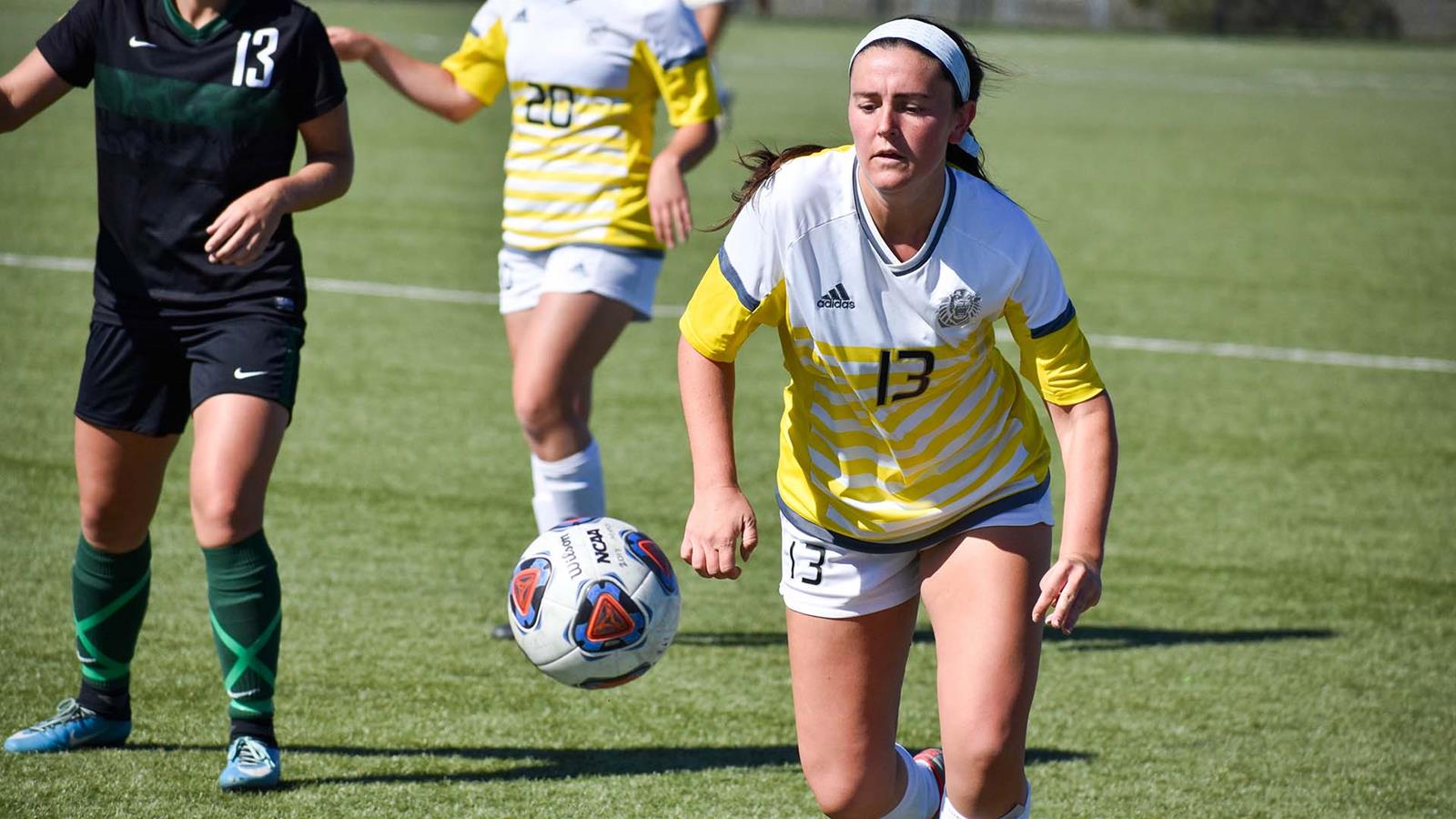
The Fort Hays State Women’s Soccer team remains at No. 8 in the NCAA Region Rankings released on Wednesday (Oct. 25). The Tigers have claimed the eighth spot in now both set of rankings this season. The Tigers are 8-5-3 overall so far in their first season under head coach Blake Reynolds with just two regular-season MIAA matches remaining.

Fort Hays State remains one of four schools from the MIAA in the top eight of the Central Region rankings. Central Missouri has captured the No. 1 spot for the second-consecutive release at 16-0 overall. Missouri Western moved up to No. 3 at 14-2-0, while Northeastern State slides up to No. 5 at 13-2-0. FHSU defeated Missouri Western earlier this season, but fell recently to Northeastern State. The Tigers also tied the No. 6 team in the region, Augustana (S.D.) in a neutral site match earlier this year. Six teams are selected to compete in the Central Regional of the NCAA Tournament.

Fort Hays State advanced to the Central Regional Final of the NCAA Tournament last year, where it faced Central Missouri. The Tigers and Jennies were co-champs of the MIAA last year in the regular season.

Below are the NCAA Central Region Rankings for October 25, 2017.

Rank Team Division II Record In-Region Record
1 Central Missouri 16-0-0 16-0-0
2 Bemidji State 13-0-2 13-0-2
3 Missouri Western 14-2-0 14-2-0
4 Minnesota State 13-2-1 13-2-1
5 Northeastern State 13-2-0 13-2-0
6 Augustana (S.D.) 10-2-4 10-2-4
7 Oklahoma Baptist 11-1-2 11-1-2
8 Fort Hays State 8-5-3 8-5-3

Copyright Eagle Radio | FCC Public Files | EEO Public File