We have a brand new updated website! Click here to check it out!

Gov. Colyer tours drought stricken SW Kansas

OFFICE OF GOV.

TOPEKA – Governor Jeff Colyer along with Secretary of Agriculture Jackie McClaskey and Kansas Water Office Director Tracy Streeter toured parts of southwest Kansas Thursday, March 15, surveying the drought conditions currently affecting the entire state. The governor made an executive order declaring a state of drought in all the counties in Kansas earlier in the week.

The entire southwest region is currently experiencing extreme drought conditions.

“Farmers and ranchers have a tough job that becomes even more difficult when dealing with a lack of water,” said Governor Colyer, “It was important to me to take the time to visit some of the areas where the drought is affecting our farmers and ranchers, so I can listen to their concerns, understand what challenges they are facing, and offer support however we can.”

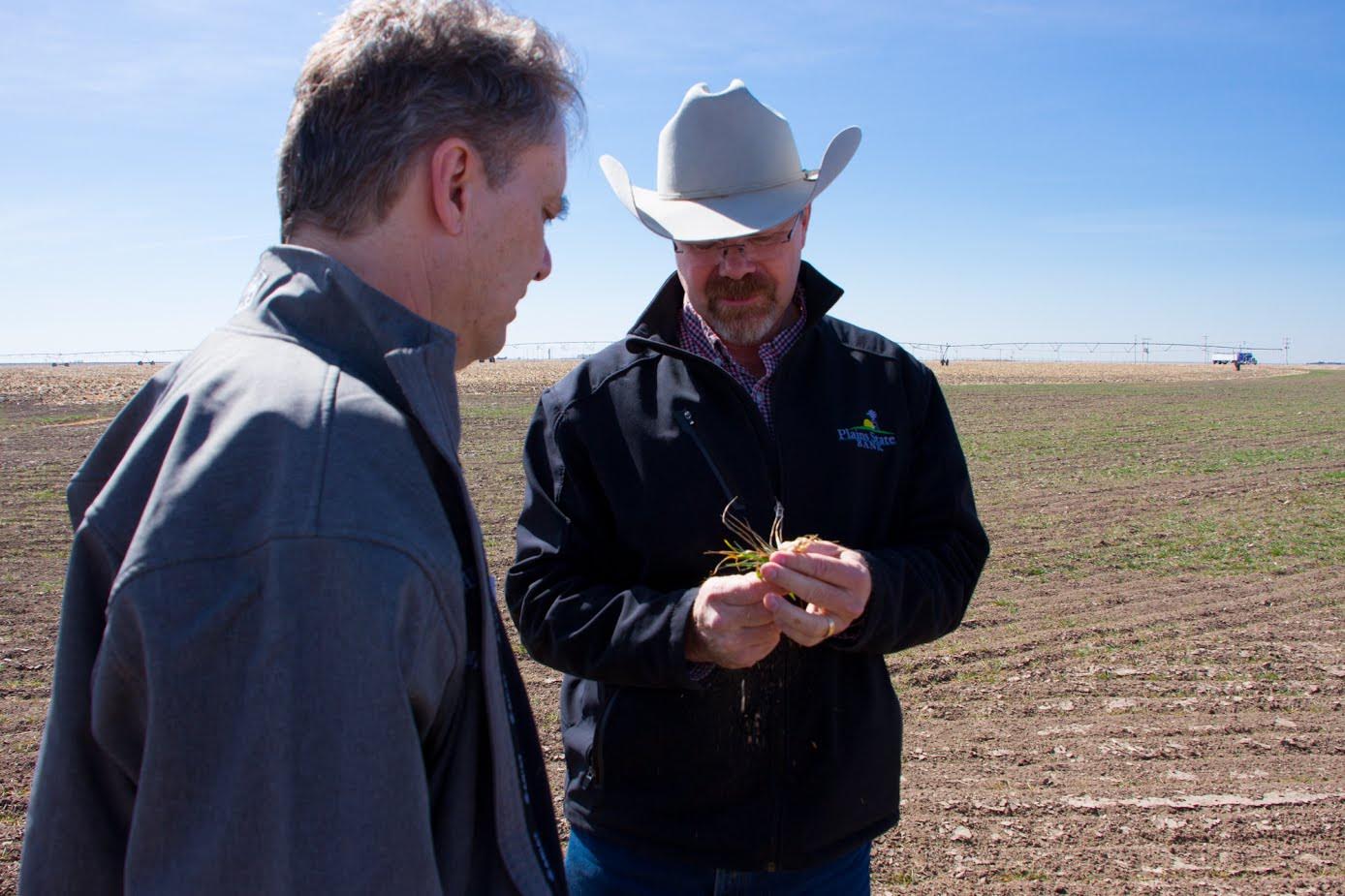
David Clawson shows drought-stricken wheat to Gov. Jeff Colyer.

The governor started the tour at the Clawson Ranch Partnership just west of Meade, Kansas, where David Clawson showed the governor winter wheat fields that are struggling to come out of dormancy due to the extreme lack of moisture in the soil.

The next stop on the tour allowed the Governor and all tour participants, including leaders from the Kansas Farm Bureau and Kansas Livestock Association, to see firsthand examples of technologies, including soil moisture probes that farmers are implementing to better manage their water resources. Across Kansas, farmers are incorporating new technologies and practices, from participating in voluntary Water Conservation Areas to utilizing more efficient irrigation practices, in their crop management plans. These technologies and management practices have enabled farmers to improve water management and conservation practices, which becomes especially important in tough drought years.

“Kansas farmers are implementing proactive water conservation practices, as we saw today,” said Streeter. “These water-saving strategies are important in our efforts to preserve natural resources for future generations, as well as to persevere through drought years.”

The final tour stop was at the Gardiner Angus Ranch near Ashland, which was the site of devastating wildfires that burned more than 650,000 acres in Kansas last March. Rancher Greg Gardiner showed the governor areas of the ranch that burned last year and efforts that continue to rebuild the operation, including rebuilding fences and other infrastructure. Current drought conditions dramatically increase the risk of wildfire disasters, in addition to the direct challenge the drought poses for the survival of crops and livestock.

Earlier this week, Governor Colyer encouraged county Farm Service Agency (FSA) committees to begin the process of requesting access to Conservation Reserve Program (CRP) acres for haying and grazing. The Governor says he is hopeful FSA will grant this request, as accessing CRP will provide additional forage resources and help reduce wildfire fuel load and aid in fire suppression.

“We witnessed some incredible examples of the resilience of the farmers and ranchers of Kansas, and the significant efforts they are making to persist through these times of difficulty,” said McClaskey. “Agriculture is the largest industry in Kansas, accounting for 45 percent of the state’s economy. The impacts of this drought will be felt by every Kansan, and we stand ready to support farmers and ranchers however we can during this drought emergency.”

Governor Colyer’s drought declaration signed by executive order on Tuesday will provide assistance to farmers and ranchers as they cope with the impact the drought will continue to have on crops and livestock. The executive order applied to all 105 counties in the state; at that time 57 counties were in D2 (severe) or D3 (extreme) drought levels. Thursday’s U.S. Drought Monitor brought that number up to 66 counties, with no improvement in conditions in the near future.
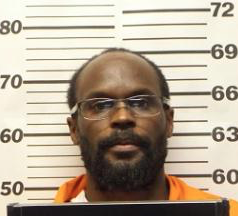
State defends 241-year prison sentence for 16-year-old

WASHINGTON (AP) – Missouri is defending a prison sentence for a man who committed robbery and other crimes as a 16-year-old and now isn’t eligible for parole until he’s 112.

Bostic- photo Mo. Dpt. of Corrections

Republican state Attorney General Josh Hawley says in a U.S. Supreme Court filing that defendant Bobby Bostic’s 241-year sentence for 18 crimes doesn’t violate the Constitution’s ban on cruel and unusual punishment.

Hawley says in the brief filed Thursday that a Supreme Court ruling in 2010 that outlawed life sentences for people under 18 who didn’t kill anyone applies only to a sentence for one crime.

The St. Louis judge who sentenced Bostic disagrees. She now believes the term is unjust. She’s backing Bostic’s high-court appeal.

Now 39, Bostic has been in prison more than 20 years.

Freeze on social activities at KU fraternities voided

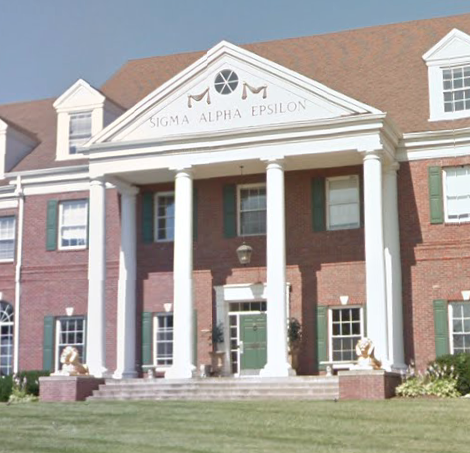
LAWRENCE, Kan. (AP) — The organization governing fraternities at the University of Kansas is canceling a policy announced earlier this week that temporarily froze social activities for the 24 fraternities.

The University of Kansas Interfraternity Council voted Thursday to rescind the freeze, which was instituted Monday. The council said the proposed social activities freeze was unconstitutional and was imposed without following proper procedures.

The Lawrence Journal-World reports the council said the freeze was not voted on by the General Assembly and was supported by only two of the four executive board members.

The university said Monday the council had self-imposed the freeze because of systemic problems at the fraternities, although school officials have declined to be specific about the problems.

The four members were relieved of their IFC duties on Tuesday, pending an investigation.

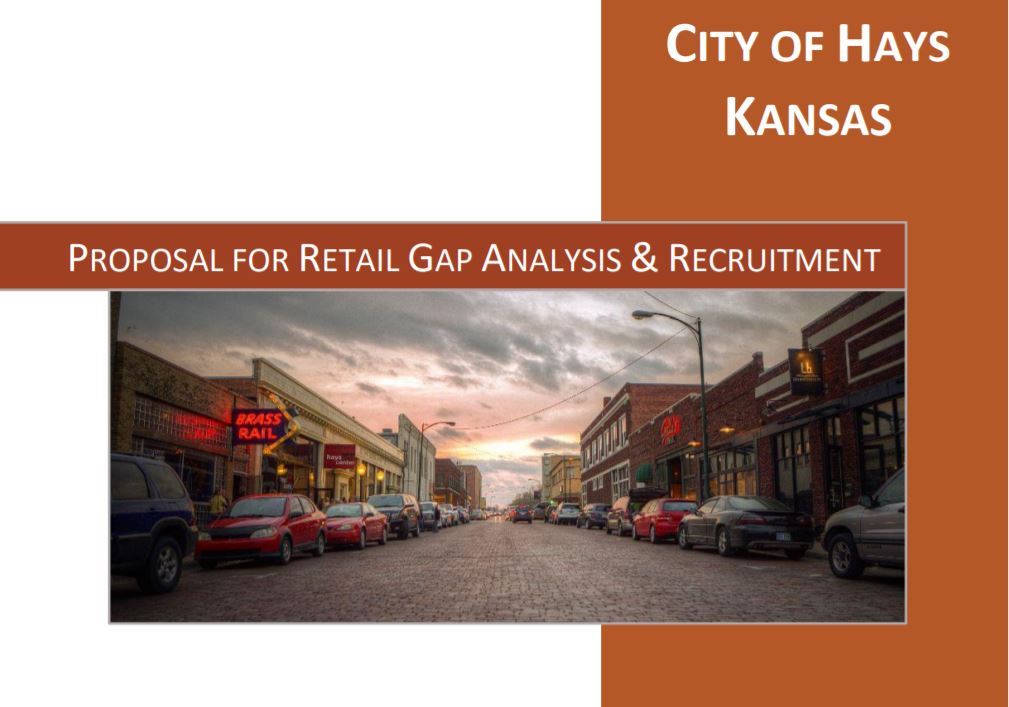
🎥 Asst. City Manager: ‘Retail recruitment is not short term’

By BECKY KISER
Hays Post

“This is not a short term thing. … You can’t expect that if we hire a retail recruitment consultant that within three months we’ll have 10 stores open,” Hays Assistant City Manager Jacob Wood told city commissioners Thursday night. “It’s a long game. These projects take time.”

In November, the city of Hays issued a Request for Qualifications (RFQ) for retail gap analysis and recruitment firms.

Wood and other city staff members are recommending Retail Strategies of Birmingham, Ala., at a cost of $50,000 for one year and the option to renew for two additional years at $45,000 each year.

The three other companies submitting RFQs are “data centric” with their proposals, according to Wood.

“Retail Strategies has the contacts in the market. They know the retailers, the people who are in the game,” Wood said. “They said they want to do the analysis as quickly as possible and then take that with them to recruit businesses at the International Council of Shopping Centers conference in Las Vegas in May.”

Commissioners agreed to act on the recommendation at their next regular meeting with a preference to start with a one-year contract only.

“I’m anxious to see what they can do,” said Sandy Jacobs.

Shaun Musil also liked the proposal from Retail Strategies but wondered what they would do differently from previous efforts to lure new business to Hays.

Wood pointed out that analyses have been done before but the city has “never had anybody that’s actually gone out to the retailers and said this is why you need to come to Hays.

“We may have had the data before but Retail Strategies can fashion the data in a way they know realtors are looking for.” That information includes which retail stores like to be in situated in the same area.

Mayor James Meier asked if the data would be helpful to the Ellis County Coalition for Economic Development.

“I would argue that’s not what the coalition does,” interjected City Manager Toby Dougherty. “They’ve pulled some high-level data but there was also a lot of asking what people would want to see in Hays.”

The city’s 2018 budget includes $43,775 that was intended to support the Ellis County Coalition for Economic Development. The coalition has chosen not to request funding from the city in 2018.

Vice-Mayor Henry Schwaller recommended that unused allocation be used for economic development. “Right now, it’s this retail recruitment,” he said. The allocation, along with additional economic development monies from the General Fund, would be used to hire Retail Strategies.

The firm would then become available to also work with local developers, realtors, brokers and landowners.

“We want to maximize what they can do,” Wood said.

“I have to admit, I was skeptical about this from the beginning,” he added. “We’re kind of at a tipping point with things now. We’re gonna have some stuff land. We’ve got the convention center coming in.  Do we really need this?

“But after talking to references, the people who have worked with these guys, I think it will be money well spent,” said Wood.

“What do we have to lose?” Meier said. “We’ve spent almost twice this amount every year for many years.”

Some Larned State Hospital workers told to work 16-hour days

LARNED, Kan. (AP) — Some employees at Larned State Hospital are being required to work 16-hour shifts because of a severe staffing shortage at the psychiatric hospital.

A hospital administrator on Tuesday issued an order requiring mental health technicians to work double shifts because of a 22 percent vacancy rate in those positions at the hospital in western Kansas.

The Topeka Capital-Journal reports officials say employees at the hospital are unwilling to voluntarily work after 9 p.m. The interim chief nursing officer’s directive will keep technicians until 11 p.m., even if that means a 16-hour workday.

Tim Keck, secretary of the Kansas Department for Aging and Disability Services, said the order was necessary to guarantee that patients get continuous and consistent care.

Robert Choromanski, head of the Kansas Organization of State Employees, called the order unjust and unfair.

Timothy Allen Burris

Timothy Allen Burris, 25, of Russell, Kansas, passed away Monday, March 12, 2018 from an ATV accident in Russell.

Timothy was born December 11, 1992 in Tulsa, Oklahoma. He was the son of Harry Lee Burris and Teresa A. Hunt. He grew up in the Pawnee, Oklahoma and Enid, Oklahoma areas. He graduated from Enid High School.

Timothy was a self employed auto mechanic. He lived in Enid, Oklahoma, then Edmond, Oklahoma, then Salina, Kansas before moving to Russell in June, 2015. He enjoyed restoring old cars and motorcycles, fishing, camping and spending time with his friends.

Timothy’s surviving family includes his mother, Teresa “Terry” Hunt of Russell, Kansas; brothers, J.B. Burris (Cynthia) of Hays, Kansas and Ronnie Hoff (Moria Ballard) of Russell, Kansas; Grandparents, Karen and Al Wulffenstein of Enid, Oklahoma; and many aunts, uncles, cousins, nieces and nephews.

Timothy was preceded in death by his father Harry, aunt Patty Christy; maternal and paternal grandparents.

Celebration of Timothy’s Life will be held at 1:00 P.M., Monday, March 19, 2018 at the Russell V.F.W. Post. Graveside services will be held 1:00 P.M. on Wednesday, March 21, 2018 at the Crescent Cemetery in Crescent, Oklahoma. Visitation will be held from 1:00 PM to 8:00 PM, Sunday, March 18, 2018 at Pohlman-Varner-Peeler Mortuary with the family present to greet friends from 6:00 PM to 7:00 PM. A Memorial has been established with the Shrine Children’s Hospital. Contributions and condolences may be sent to Pohlman-Varner-Peeler Mortuary, who is in charge of these arrangements.

HFD Captain Chris Stegman retiring after 28 years of service

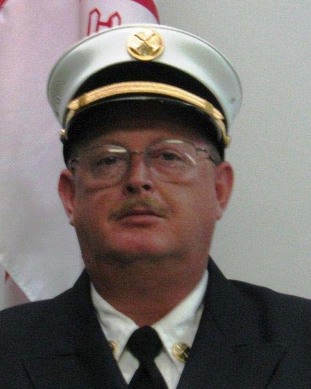
Stegman

Captain Chris Stegman of the City of Hays Fire Department is retiring after 28 years of service to the people of Hays and Ellis County. A retirement reception to honor Captain Stegman will be held on Thursday, March 22, from 3 to 5 PM in the City Commission meeting room at City Hall, 1507 Main. The public is invited to attend.

In 1990, Captain Stegman started as a volunteer firefighter with the Ellis County Fire Department at the Hays rural fire company station. On May 28, 1998, he was appointed as a career firefighter with the City of Hays Fire Department. He advanced through the ranks until he was promoted to Captain in command of the HFD A-shift on Jan. 2, 2005.

Stegman was one of the first Hays firefighters trained as a fire investigator and hazardous materials technician. He is also nationally certified as a fire inspector, fire instructor and basic and advanced fire officer. Captain Stegman graduated from the University of Kansas Certified Public Manager program and he completed a management course of study at the National Fire Academy in Emmitsburg, Md.

During his service with the HFD, Captain Stegman took extra training to become an expert in hazardous materials safety codes. In addition to his other duties, he worked with the businesses in our community to help make sure hazardous materials storage and use met current safety standards.

From 1988 to 1996, Stegman served with the U.S. Army Reserve. He was activated during Operation Desert Storm and served with the 44th Evacuation Hospital in Saudi Arabia.

“Captain Stegman has been an important member of the City of Hays Fire Department. Over the years he has contributed a great deal to help us advance as a professional organization. He truly cares about the people of Hays and the members of the fire department. While he may be retiring he will always be a part of the City of Hays Fire Department,” said Chief Gary Brown.

— HFD news release

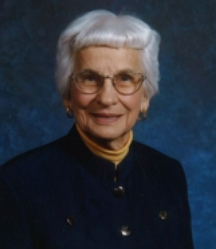
Esther ‘Elizabeth’ (Auchard) McReynolds

Esther “Elizabeth” (Auchard) McReynolds passed away Thursday, March 15, 2018 at Solomon Valley Manor in Stockton, Kansas at the age of 95. She was born on February 21, 1923 in Riley County, Kansas near the town of May Day, the middle child of five, to the late Francis Edward and Elizabeth Jane (Dwyer) Auchard. Her siblings were Edward D., Frederick Lester, Clarence Denny, and Glenna Marie.

Elizabeth grew up, and attended school, in several small Kansas towns. Beginning in Riley County, she started school at Heller rural schoolhouse near Randolph. She would eventually attend schools in St. Paul, Ozawkie, Corning, and Luray before graduating high school with the Class of 1940. She went on to attend York College in York, Nebraska for two years, followed by summer school at Fort Hays Kansas State College where she received her teaching certificate. She then began teaching school in Woodston, Kansas from 1942-1945.

While teaching school, Elizabeth met and married Marvin McReynolds on December 21, 1944 in the Evangelical United Brethren Church. Together they lived on the McReynolds family farm south of Woodston in a small house they moved and placed across the driveway from Marvin’s parents. They were blessed with three sons: Jerry Cecil, Stanley Gene, who died in infancy, and Tony Marvin.

Both Elizabeth and Marvin were active in their church, schools, community, and farm activities. Together, they were selected as Master Farmer and Master Homemaker Class of 1976. Beyond the local church, she also served on the district and conference levels for many years as a lay member to the conference, as well as working with the women’s ministry. She and Marvin also led Lay Witness Missions in many United Methodist churches, and marriage enrichment encounters. Of course she never failed to help with farm work whenever the need would arise.

When Elizabeth’s youngest son, Tony, started college, she continued her education until she received her bachelor’s degree in 1971. She then began a second teaching career at Osborne Elementary School where she taught for 17 years. After retiring in 1987, she and Marvin moved from the farm into Stockton and spent much of their time traveling extensively. She enjoyed writing poetry, listening to music, playing the piano, and had a lovely voice herself. Her favorite holiday was Christmas and she especially loved sharing it with her grandchildren.

Elizabeth is survived by her husband Marvin of Stockton; sons Jerry McReynolds and wife Diane of Woodston and Tony McReynolds and wife Wynn of Stockton; grandchildren Shawn McReynolds, Renée Laird, Michelle Ziegler and husband Gary, Joel McReynolds and wife Jennifer, Aron McReynolds and wife Laura and Sara McReynolds; and great-grandchildren Ava, Andrew, Avery, Maggie, Julia, Jacey, Jasiah, Gabriel, Micah and Gracia.

She was preceded in death by her parents Francis and Elizabeth Auchard; infant son Stanley McReynolds; brothers Edward, Lester and Denny Auchard; and sister Glenna Bott.

Elizabeth was a woman of strong faith, deep hope, and extraordinary love. With a heart and spirit that cared more for others than herself, she showed us every day that the greatest of these is love. Although we will miss her greatly, we rejoice that her love has found its fullness as she joins her Lord in eternal glory.

Click HERE for service details.

Dog sent overseas by mistake returned to Kan. family

WICHITA, Kan. (AP) — A dog who was mistakenly flown to Japan is back with his family in Kansas.

The German Shepherd, named Irgo, arrived at a Wichita airport Thursday night after a flight on a private plane from Japan.

Kara Swindle and her two children were flying on United Airlines from Oregon to Kansas City, Missouri, earlier this week during a move to Wichita, Kansas.

When they went to pick up Irgo, they instead were given a Great Dane.

United said in a statement that the dogs were somehow put on the wrong flights during a connecting flight in Denver.

Swindle wouldn’t say Thursday whether she is considering legal action. But she was pleased with United’s efforts to return Irgo. She said the dog seemed healthy and happy to be home.

FHSU KWEC programmer wins state conservation award

KDWPT

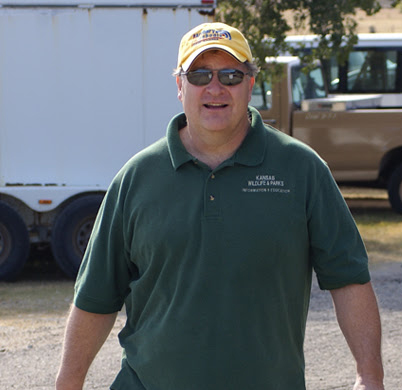
PRATT – Mike Rader, wildlife education supervisor for the Kansas Department of Wildlife, Parks and Tourism, has been selected by the Kansas Association for Conservation and Environmental Education (KACEE) to receive the John K. Strickler Award.

Each year, KACEE recognizes leaders in education with its Excellence in Conservation and Environmental Education Awards. Nominated by their peers, recipients are chosen for exhibiting outstanding innovation, leadership and achievement, as well as collaboration and cooperation within and beyond the environmental education field.

“These award recipients are the best in their field and KACEE is pleased to honor these deserving individuals and organizations, who contribute so much to environmental education in Kansas,” said Gina Penzig, KACEE president and media relations manager at Westar Energy.

The John K. Strickler Award, named after one of KACEE’s founders and first executive director John K. Strickler, honors the lifetime achievements, contributions, and leadership of individuals in the Kansas conservation and environmental education field. Rader was selected because of his long-term commitment to environmental education, which began early in his career when he worked as a conservation worker at Wilson State Park.

At Wilson State Park, Rader provided visitors with educational programs about the unique wildlife in the park, as well as his love for the area.

In 2007, Rader was promoted to wildlife education coordinator where he took his passion for teaching about the environment statewide. Currently, Rader oversees staff and programming at the Milford Nature Center, Prairie Center in Olathe, Pratt Education Center and Museum, Southeast Kansas Nature Center in Galena, and the Fort Hays State University Kansas Wetlands Education Center at Cheyenne Bottoms. Rader also coordinates the Outdoor Wildlife Learning Sites (OWLS) program, promoting and funding outdoor classrooms at 167 schools across the state, where students can engage in onsite, hands-on outdoor learning labs.

Rader also spearheads ECO-Meets, which are statewide scholarship competitions for high school students. Hundreds of high school students from around the state participate each year, many of whom go on to pursue careers in the natural sciences as a result of their experience.

Other award winners recognized alongside Rader this year include:

KACEE Awards – Flint Hills Map and Education Program, Elmdale (Community/Non-Profit);Sperry-Galligar Audubon Society, Pittsburg (Community/Non-Profit);Judy Boltman, Topeka (Government);Melanie Falcon, Lindsborg (PreK-16 Education);Park Management and Conservation Program, Kansas State University, Manhattan, KS (PreK-16 Education).

Connie Elpers Rising Star Award – Amber Myers, Manhattan

Kansas Green School of the Year Award – Chisholm Middle School, Newton

Awards will be presented at a celebration hosted by KACEE on Friday, April 6, 2018, at the Sunset Zoo in Manhattan. The event is sponsored by KACEE, the Kansas Department of Wildlife, Parks and Tourism, Sunset Zoo, Midwest Energy, and the Franklin County Conservation District.

To purchase tickets, and for more information on the awards, visit www.kacee.org or call (785) 532-1902.

YOUNKER: More than one way to maintain and improve soil health

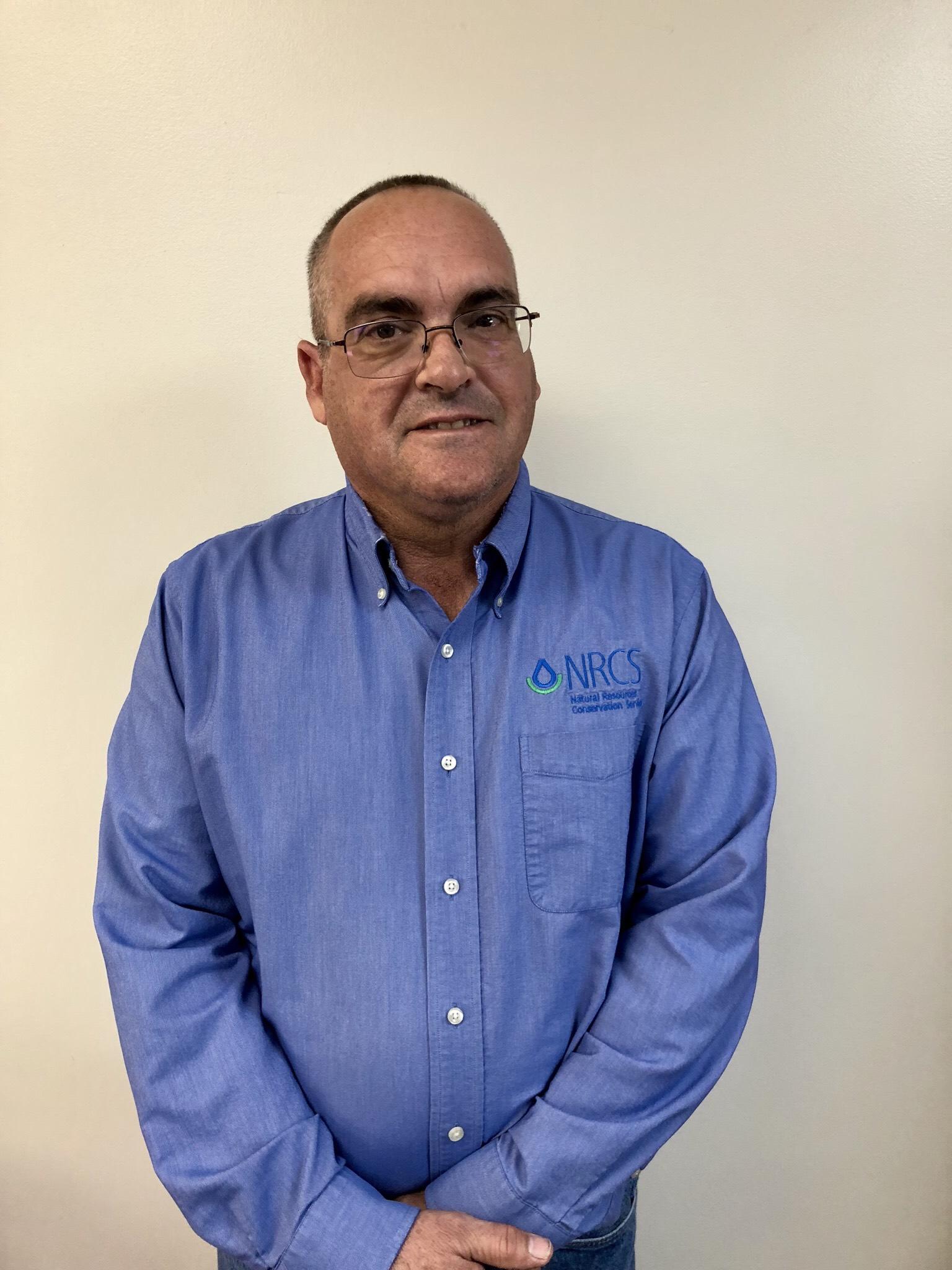
Dale Younker is a Soil Health Specialist with the USDA Natural Resources Conservation Service (NRCS) in Jetmore.

If you are like me, many of you might have recently attended a no-till/soil health conference where you have heard numerous speakers from various parts of the country talking about what they are doing and accomplishing in the soil health arena.

Most of the time the focus of these conferences is on integrating cover crops and livestock into cropping systems to improve the health of the soil, which, if implemented correctly, no doubt can.

My concern is that focusing on just of couple of these practices, which seem to be the current hot items, we may not be paying attention to, or thinking about other ways to improve soil health. We need to remember that they are just tools in our soil health toolbox and when used for the right job work great. But there is also a wide array of other tools in that box that may work better to accomplish what we want to accomplish.

Other things you can do to maintain and improve soil health is to have a balanced fertility program using the 4Rs concept (right product, right rate, right time and right place).

Soil pH needs to be maintained at optimum levels. Aggressive tillage should be avoided. Soil compaction layers should be removed and managed. An appropriate crop rotation that provides adequate groundcover should be used. On marginal soils the best thing is to maybe plant those areas back to grass. These are all practices that are good for yield and the soil.

But one of the most important and underlying themes is that no matter what we implement it needs to make economic sense for you the farmer. Sometimes I think we do not not work through all of the associated expenses and potential income and tend overlook this part of the equation, which in my mind is the most important. You need to make a profit or eventually you won’t be around to take of the soil.

We also need to remember that implementing soil health practices can be very site and producer specific. There is not a one size fits all. I know that on our own farm we have struggled to find a fit for cover crops. They could potentially provide a lot of soil health benefits but without a livestock enterprise to be able to gain some economic value from grazing them, my crop budgets currently do not favor using them.

Which brings me to my next point. Figure out if it will work for you before implementing any of these practices on a large scale. Start small, experiment and adjust the practices to fit what you are wanting to accomplish with them.

We haven’t totally discounted the use of cover crops in our rotation. But we will proceed with caution, adjust things as we go and only do them on a few acres until we can really determine if they are a fit for us or not.

For more information about soil health practices you can contact me at [email protected] or any local NRCS office.

Dale Younker is a Soil Health Specialist with the Natural Resources Conservation Service, Jetmore.

Copyright Eagle Radio | FCC Public Files | EEO Public File