We have a brand new updated website! Click here to check it out!

6-year-old struck along KC highway had run from foster home

KANSAS CITY (AP) — Authorities say a 6-year-old girl who was struck by a car along a Kansas City highway had run from a state foster home at least twice.

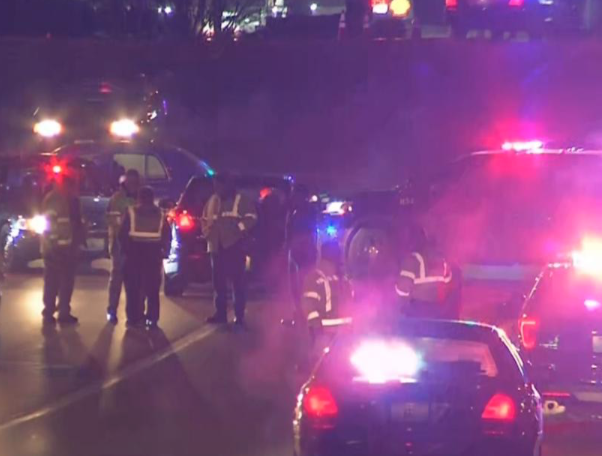
First responders on the scene of the Dec. 21 accident-photo courtesy KCTV

The child remains in critical condition after she was hit Dec. 21 running across U.S. 40 toward the Tool Shed Lounge biker bar.

Ten days earlier, bar patrons called police to come get the girl after finding her wandering in the dark along the four-lane highway. Kansas City Police spokesman Capt. Lionel Colón says officers returned the child to her foster home. He says police also alerted “a state-appointed social service worker.”

A Missouri Department of Social Services spokeswoman says no records can be released until it’s determined that doing so won’t harm the child or siblings.

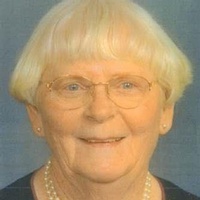
Pearl Mae Ganstrom

Pearl Mae Ganstrom, age 90, left this life for her eternal home on January 2, 2019, at Cloud County Health Center, Concordia. She was born May 14, 1928, in Concordia, Kansas to Carl and Edith (Olson) Johnson. She and her twin brother, Earl Rae, were the youngest of five children.

Pearl attended Concordia schools and graduated from Concordia High School in 1946. She married Gene Ganstrom on August 23, 1951, at The Baptist Church in Concordia, Kansas and they have lived in the community their entire lives. After her children were in high school, Pearl worked for Dr. Stan Christensen as a dental assistant for 22 years.

Pearl was active in The Baptist Church from the time of her birth. In her adult life she was a deaconess, taught children’s Sunday school classes, was very involved in ABW, and prepared the communion bread for many years. She was especially known in the church and community for her delicious pies.

She is survived by her husband of 67 years, Gene, her son, Sheldon (Linda) Ganstrom of Hays, daughter, Kathryn (Doug) Herman of Concordia and her brother Earl Johnson of Junction City. Pearl is also survived by five grandchildren and 20 great-grandchildren. They are Landen (Danielle) Ganstrom of Charleston, SC and daughters Lilli and Luna; Tiara (Ryan) Gottschalk of Hays and children Lexi, Katelyn and Nolan; Jenny (Shawn) Sullivan of Topeka, KS and children Drew, Grace, Brooke and Claire; Alissa (Ben) Smith of Olathe, KS and children Gavin, Ella and Liam; and Russell (Ashley) Herman of Haysville, KS and children Brianna, Kyren, Taegan, Raegan, Rylee, Treysen, Tyus and Tobin.

Pearl was preceded in death by her parents, her sister Mabel (Stanley) Ostrom, her brother Paul (Faith) Johnson, her brother Carl Jr. (Therese) Johnson, and her sister-in-law Goldie Johnson.

Visitation will be from 4:00 PM until 8:00 PM on Friday, January 4th at the Chaput-Buoy Funeral Home, Concordia, with the family greeting friends from 5:30 PM until 7:00 PM. A celebration of life service will be held at The Baptist Church in Concordia at 2:00 PM on Saturday, January 5th, 2019 with Pastor Jonathan Peppers officiating. A private, family burial at Pleasant Hill Cemetery will precede the funeral. Memorial contributions may be made to The Baptist Church of Concordia and left in care of the funeral home. For online condolences, please visit www.chaputbuoy.com.

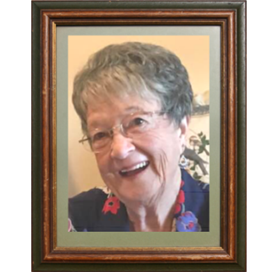
Shirley Ann Hrabe

Shirley Ann Hrabe, 79, passed away Thursday, January 3, 2019, at Hays Medical Center, Hays.

Arrangements are pending with All Faiths Funeral Chapel.

Jarrod S. Taylor

April 21, 1979 – December 30, 2018

A celebration of life for Jarrod S. Taylor, born April 21, 1979, in Wellington, will be from 11 a.m. to 2 p.m. Saturday, Jan. 12, at City Limits Restaurant in Colby.

Memorial donations can be made in Jarrod’s name to be designated at a later date.

Kersenbrock Funeral Chapel is in charge of arrangements.

AP Exclusive: Big jump in U.S. Catholic dioceses naming names

By CLAUDIA LAUER
Associated Press

PHILADELPHIA — Over the past four months, Roman Catholic dioceses across the U.S. have released the names of more than 1,000 priests and others accused of sexually abusing children in an unprecedented public reckoning spurred at least in part by a shocking grand jury investigation in Pennsylvania, an Associated Press review has found.

Nearly 50 dioceses and religious orders have publicly identified child-molesting priests in the wake of the Pennsylvania report issued in mid-August, and 55 more have announced plans to do the same over the next few months, the AP found. Together they account for more than half of the nation’s 187 dioceses.

The review also found that nearly 20 local, state or federal investigations, either criminal or civil, have been launched since the release of the grand jury findings. Those investigations could lead to more names and more damning accusations, as well as fines against dioceses and court-ordered safety measures.

“People saw what happened in these parishes in Pennsylvania and said, ‘That happened in my parish too.’ They could see the immediate connection, and they are demanding the same accounting,” said Tim Lennon, national president of the board of the Survivors Network of those Abused by Priests, or SNAP.

The recently disclosed accusations date back six or seven decades in some cases, with the oldest from the 1910s in Louisiana. Most of the priests were long ago removed from ministry. An AP examination found that more than 60 percent are dead. In most cases, the statute of limitations for bringing criminal charges or suing has run out.

Nevertheless, advocates say exposing molesters nearly two decades after the scandal first erupted in Boston in 2002 is an encouraging step, in part because it gives some victims a sense of vindication after decades of official silence or denials. Also, it could increase pressure on dioceses to set up victims’ compensation funds, as the church has done in Pennsylvania already. And it could result in the removal of molesters from positions outside the church that give them access to children.

“This is a milestone. We are getting closer and closer to what this ought to be, the true coming to terms that would have to be at a national level,” said Joe McLean, who filed a lawsuit with other victims seeking to compel the U.S. Conference of Catholic Bishops to release files on alleged abusers nationwide.

The Pennsylvania investigation, led by state Attorney General Josh Shapiro, identified nearly 300 “predator priests” dating back seven decades and accused church leaders of covering up for the abuses, in some cases by returning priests to duty after short stays in treatment centers or reassigning them. Advocates said the report had big impact because it was the largest to date in scope, encompassing most of the state.

Victims’ advocates and others, including some church officials, said the report was largely responsible for the urgency now being shown by the church. Many bishops cited those findings and other scandals — including the resignation over the summer of Washington Archbishop Theodore McCarrick, accused of groping an altar boy in the 1970s — in their letters to their congregations.

The biggest list of names has come from the Jesuits West Province, a religious order that encompasses nine Western states. It identified 111 priests. The New Orleans Archdiocese and the Diocese of Syracuse, New York, named 61 and 57 respectively. The Great Falls-Billings, Montana, Diocese disclosed 47 names, including those of a few nuns, while the Los Angeles Archdiocese reported more than 50 from the past decade or so.

Some dioceses, like Peoria, Illinois, released only names with no information on the allegations or the church’s response. Others detailed such things as parish assignments, numbers and dates of allegations — including an Omaha priest with 20 to 35 accusations against him — and attempts at treatment, restriction and punishment.

And more names could be coming in places where attorneys general have launched statewide investigations such as New Jersey, New York, Nebraska, Florida and Delaware, or in cities like Houston or Cheyenne, Wyoming, where local prosecutors are looking into individual priests.

In his Christmas address last month, Pope Francis made an unprecedented call for priests who had abused children to turn themselves in and vowed the church will “never again” hide their crimes. The world’s bishops will hold a summit at the Vatican next month to forge a comprehensive response to the crisis.

The U.S. bishops adopted new reporting procedures and other reforms after the furor in Boston but held off on any further measures recently at the direction of the Vatican. The bishops are holding a retreat outside Chicago starting Wednesday for “prayer and reflection” upon the scandal. Messages left by the AP seeking comment from conference officials were not returned.

In the 16 years between the Boston scandal and the Pennsylvania investigation, only about 30 dioceses around the country had released lists of priests they deemed credibly accused of abuse. Most of those dioceses came clean because they were forced to do so by lawsuits or bankruptcy filings. Some dioceses declined to name any deceased priests, since they could not defend themselves, and some would not identify any clergy members at all.

Now, 13 dioceses have hired outside consultants including FBI agents and former judges to review their files, and dioceses that had previously been secretive are coordinating to release statewide lists in such places as Texas and New Jersey.

Bishop Anthony B. Taylor of the Little Rock Diocese in Arkansas disclosed the names of 12 priests in September and announced the hiring of a consultant to review diocesan files.

“The Pennsylvania grand jury report kind of helped us firm up our decision to move forward with what we were doing. It affected the timing rather than the decision,” Taylor said.

In October, the pope accepted the resignation of Cardinal Donald Wuerl, archbishop of Washington, D.C., after he was accused in the report of mishandling some allegations of abuse against priests and others while bishop of Pittsburgh from 1988 to 2006.

The report is also credited with spurring an uptick in victims contacting support networks or law enforcement. Pennsylvania’s clergy abuse hotline has received more than 1,400 new allegations since August, and Lennon said there has been a dramatic increase in victims reaching out to SNAP.

While praising the release of names, many experts said the lists are often incomplete. Terence McKiernan, co-director of BishopAccountability.org, which has tracked abuse for more than a decade, said many dioceses have left off names of known abusers his group has published in its online database.

“It’s not enough,” agreed Pennsylvania’s Shapiro. “I do not believe that the church is capable of policing itself though. They need outside forces, ideally law enforcement, to hold them accountable.”

Shapiro said he has spoken to 45 other attorneys general since his report, and 14 have publicly acknowledged some form of investigation. Other investigations have become public because of dioceses acknowledging subpoenas, reporters documenting raids or state agencies advertising victim hotlines.

Illinois Attorney General Lisa Madigan printed a copy of the Pennsylvania report the day it came out. In mid-December, she issued a blistering preliminary report saying a review of church files showed dioceses in Illinois had withheld the names of at least 500 clergy accused of sexually abusing children.

“It was obvious that this type of concealment, this type of unresolved action in Pennsylvania, that we were going to find the same thing in Illinois,” Madigan said.
KZ Country Cheesy Joke of the Day 1/4/19

khaz cheesy joke logo 20110802

A man walks into a bar and orders a drink. Then he notices there are pieces of meat nailed to the ceiling of the bar so he asks the barman what they are for. The barman replies, “If you can jump up and pull one of them down you get free beer all night. If you fail, you have to pay the bar $100. Do you want to have a go?”

The man thinks about it for a minute before saying, “Nah, the steaks are too high!”


Join fans of 99 KZ Country on Facebook:  https://www.facebook.com/99KZCountry

Theraplay to expand pediatric occupational, physical therapy offerings to Hays

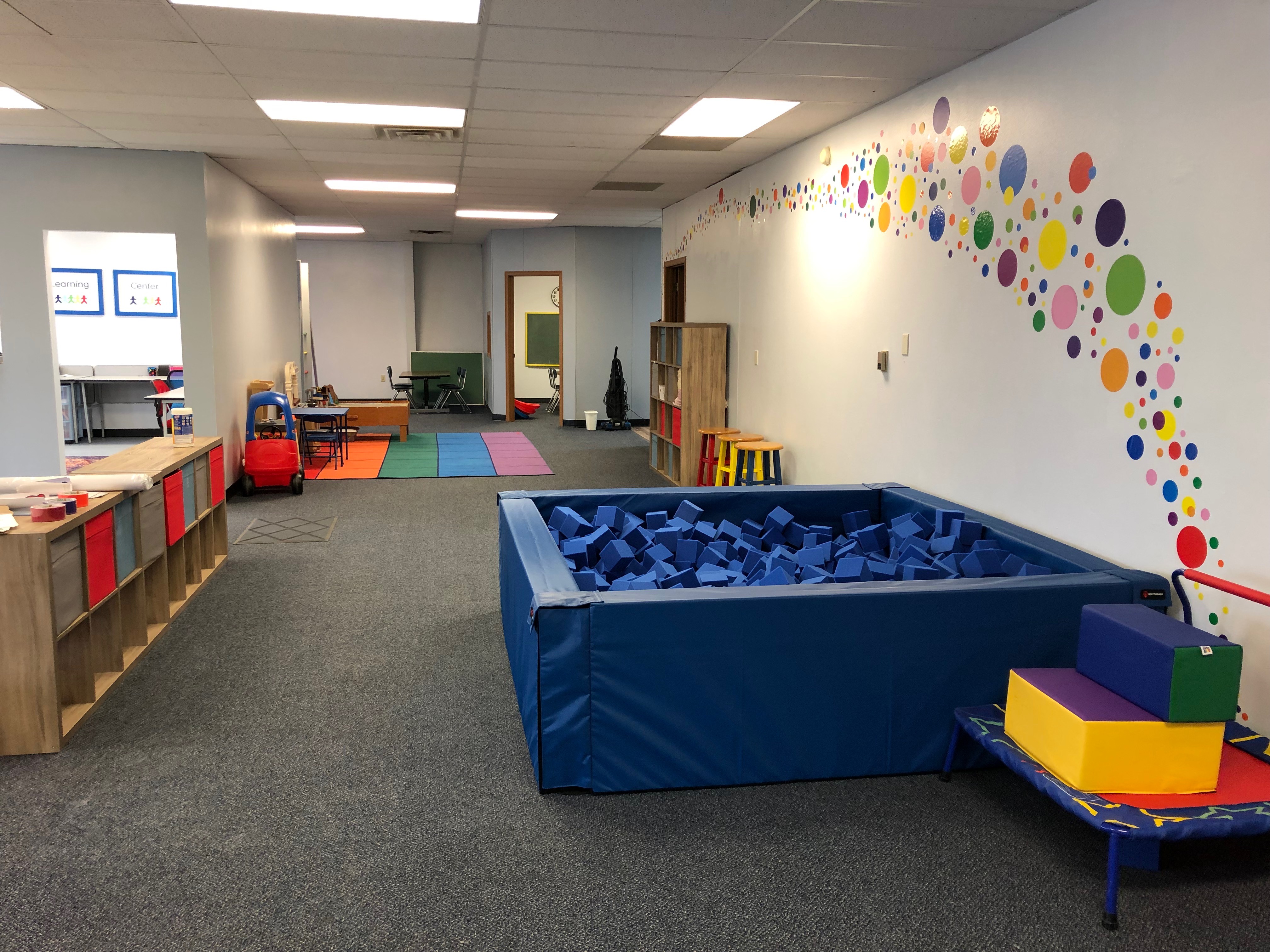
Theraplay Learning Center opens Monday at 1007 E. 13th in Hays. Join the staff for an open house from 9 a.m. to noon on Saturday.

By CRISTINA JANNEY
Hays Post

Theraplay Learning Center, a pediatric occupational and physical therapy center, is opening a new location in Hays.

Theraplay was founded in Norton by Renee Miller, OT, Sue Rossi, OT, and Randa Vollertsen, PT. It is the only outpatient clinic for pediatric occupational and physical therapy in northwest Kansas.

Hannah Hesston, who will be an occupational therapist at the new clinic, said the partners in Norton hoped they could reach more children by expanding into Hays. She said the center hopes to be another resource for parents.

“The children right now get services through the school district,” Hesston said. “That has all that has been around because there hasn’t been a clinic. There’s additional interventions and activities and areas that an out-patient clinic could focus on.”

Both clinics will serve young people ages birth through 21 years old.

Climbing helps the children learn to use both sides of their bodies and develop motor planning, where your brain learns to move one arm and then the next.

Some of the areas that the therapists at the centers specialize in are traumatic brain injury, autism, spectrum disorders, sensory processing differences, handwriting challenges, fine and gross motor developmental delays, feeding difficulties, genetic disorders, reflex integrations, orthotics, infant torticollis (which is condition affecting the muscles in a newborn’s neck), and plagiocephaly, which is a flat spot on a baby’s head.

The therapies at both centers are play based. Hesston gave the example of child who might have sensory issues. A therapist might introduce play using water or have them dig through beans to help that child to feel more calm when experiencing that sensation.

The enter also has a climbing structure. The climbing helps the children learn to use both sides of their bodies and develop motor planning, where your brain learns to move one arm and then the next. Swings help children with balance and their sense of movement.

Play can also help with children’s attentiveness and mood regulation.

“Children, play is their biggest occupation. It is how they learn, so we wanted to create a space where we could address the needs in more of a play-based setting,” Hesston said.

She said the ultimate goal is to increase children’s independence.

Swings help children with balance and the sense of movement.

Insurance generally covers the cost of therapy. Both centers work with insurance companies from across the state, and Theraplay is working to contract with insurance providers in Nebraska.

The owners also hope to soon add speech therapy services to their clinics.

Parents can seek referrals from their children’s physicians or can self refer.

You can make an appointment with the Hays center by calling (785) 675-0443 or emailing [email protected].

Hesston said she and the other therapists would be happy to answer any questions. The Hays center will have an open house from 9 a.m. to noon Saturday at 1007 E. 13th.

The Hays center will open for business on Monday. Definitive hours have yet to be set, but the center will be open Mondays through Fridays by appointment.


Hays High Wrestling wins at Liberal

The Hays High Indian’s wrestling team dominated their dual in Liberal on Thursday winning 60-12.  The Indians opened the 2019 portion of their schedule with seven pins in the eleven victories.  Hays heads to the Topeka Seaman Invitational today.


Hays (HAYS) 60.0 Liberal (LIBE) 12.0
106: Gaspar Falcon (LIBE) over Devon Mayfield (HAYS) (Dec 7-2)
113: Brayden Hines (HAYS) over Irving Mendez (LIBE) (Fall 1:34)
120: HAYS received Forfeit
126: Corey  Hale (HAYS) over Cristobal Sanchez (LIBE) (Fall 2:40)
132: Creighton Newell (HAYS) over Aldo Hernandez (LIBE) (Fall 5:29)
138: Hazen Keener (HAYS) received Forfeit
145: Carlos Mora (LIBE) over Kyle  Casper (HAYS) (Dec 6-2)
152: Max Lugo (LIBE) over Landon Summers (HAYS) (Fall 5:37)
160: Kreighton Meyers (HAYS) over Easton  Zapien (LIBE) (Fall 3:19)
170: Dalton Dale (HAYS) over Isaias Crus (LIBE) (Dec 6-2)
182: DaVontai Robinson (HAYS) over Daniel Grandez (LIBE) (Fall 0:57)
195: Cole Schroeder (HAYS) over Francisco Gomez (LIBE) (Fall 1:10)
220: Gavin Nutting (HAYS) over Jaime  Arenivas (LIBE) (Dec 7-2)
285: Logan Schulte (HAYS) over Zeth Mansell (LIBE) (Fall 5:52)

HaysMed cardiologist using new device for heart attack patients

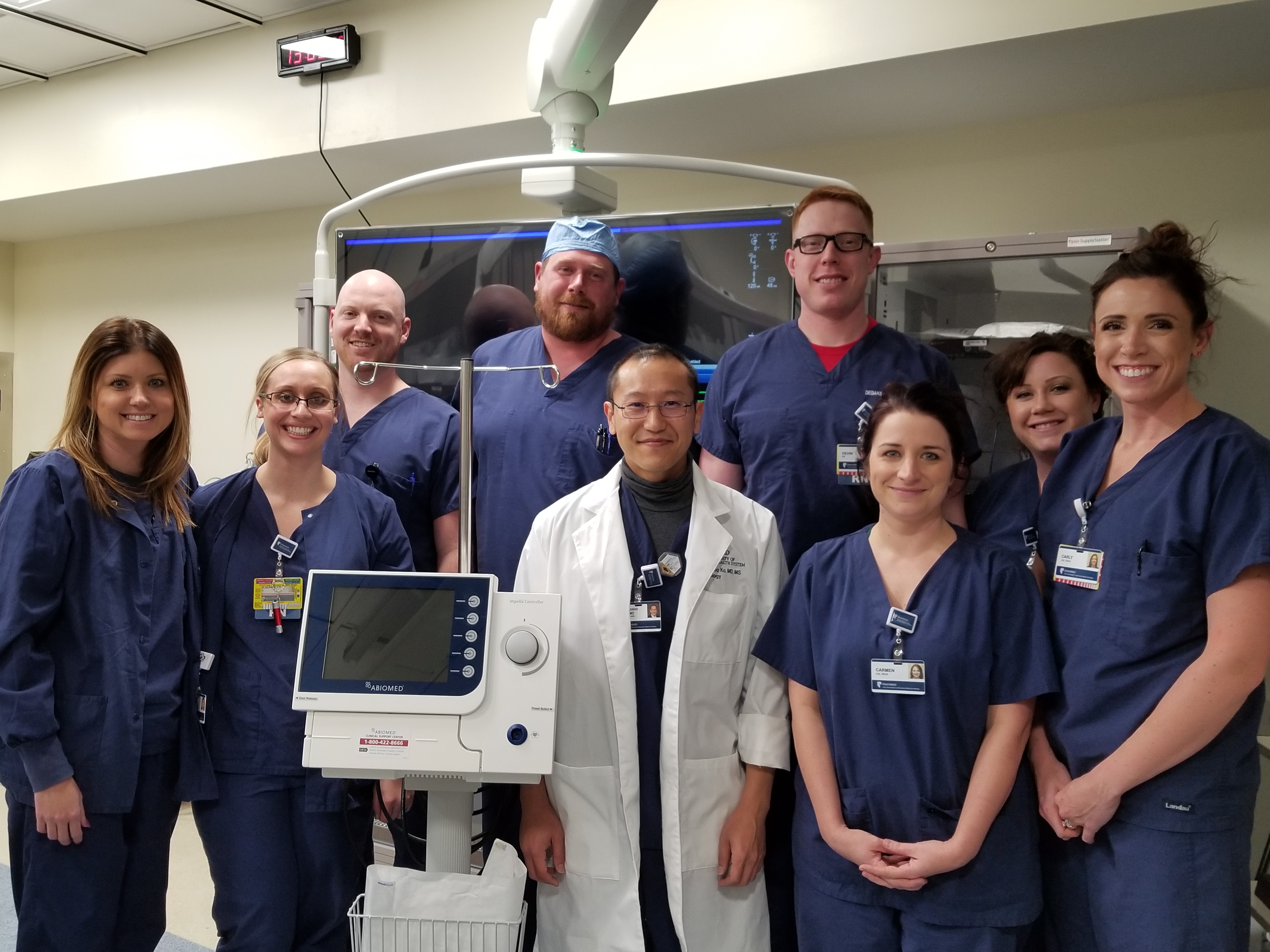
Dr. Byungsoo Ko, cardiologist, and the Cath Lab Team.

HaysMed cardiologist Dr. Byungsoo Ko is now using a new device to treat heart attack patients whose hearts aren’t strong enough to sustain traditional open heart surgery.

The Impella, which is the world’s smallest heart pump, allows cardiologists to perform percutaneous coronary intervention (opening up the blockage in the heart arteries with stents) in patients whose heart function is not strong enough to withstand heart surgery. This percutaneous (being placed without requiring any surgery) heart pump can also be used in patients with a life threatening condition called “cardiogenic shock”, meaning the patient is dying from an acute heart (“pump”) failure.

“This is the only FDA approved device that can be used in this sickest of the sick patient population with a rapidly failing heart” Ko said.

Inserted through a groin artery, the Impella pumps the blood from the heart into the aorta (the big artery that comes out of the heart) thereby helping the pumping function of the weakened heart. It can pump as much as 3.5 liters of blood per minute (more than half of how much a health heart can pump) to provide extra blood flow to important organs such as brain or kidneys to protect any irreversible damage.

“Now we have a heart pump that can be inserted within 15 minutes in cardiogenic shock patients either from a heart attack or from heart failure,” Ko said. “Furthermore, we can use the device in patients with blockages in the heart but whose heart function is too weak to withstand an open heart surgery.”

Within a couple of weeks of the launch of the program, two patients have benefited from this device. Both patients had very weak hearts and were too sick to undergo surgery. With the help of the device and the expertise of the cath lab staff and anesthesia, both patients’ blockages were successfully opened with stents.

“I am very grateful to HaysMed’s commitment to provide a full cardiovascular service to people in western Kansas.” Ko said. “Many patients will benefit greatly from this device.”

Farmers’ market workshop schedule includes Hays session

MANHATTAN — The Kansas Department of Agriculture, K-State Research and Extension and the Kansas Department of Health and Environment will host six regional workshops in February 2019 to assist farmers’ market vendors and managers.

Kansas farmers’ markets not only provide a fresh food source, but also stimulate the local economy. In 2018, 95 farmers’ markets were registered with KDA’s Central Registration of Farmers’ Markets.

“Farmers’ markets provide growers a wonderful opportunity to have real interaction with consumers, and a chance to tell their farm’s story,” said Londa Nwadike, consumer food safety specialist with K-State Research and Extension and the University of Missouri. “It’s also important for farmers to understand certain legal, safety and financial parameters before choosing to sell at a farmers’ market.”

Workshop topics will vary slightly by location. Highlighted topics include:
• Vendor Marketing and Communications
• Pest Control and Soil Health
• Regulations on Selling Meat, Eggs and Poultry
• Sales Tax for Vendors

KDA’s weights and measures program will also offer free scale certification at the workshops for attendees.

Dates and locations for the Farmers’ Market events are as follows:
Friday, Feb. 1 — Olathe: KSU Olathe
Saturday, Feb. 2 — Parsons: Southeast Research and Extension Center
Friday, Feb. 8 — Dodge City: Ford County Fair Building
Saturday, Feb. 9 — Wichita: Sedgwick County Extension Office
Friday, Feb. 15 — Manhattan: Pottorf Hall
Friday, Feb. 22 — Hays: K-State Agricultural Research Center

Registration for the February workshops is now open and is $20 per participant. Registration includes lunch; however, lunch will only be guaranteed to those participants who register prior to the respective workshop date. Registration forms can be found at FromtheLandofKansas.com/FMworkshop or at local extension offices.

Onsite registration for the workshops will open at 8:30 a.m. and the workshops will begin at 9:00 a.m. and conclude by 3:00 p.m. The Wichita workshop will begin onsite registration at 8:15 a.m. and the workshop begins at 8:45 a.m., concluding at 4:30 p.m.

Now That’s Rural: Blake Lynch, K-State kicker

Ron Wilson is director of the Huck Boyd National Institute for Rural Development at Kansas State University.

By RON WILSON
Huck Boyd National Institute for Rural Development

Does a little guy have a chance in football? The game of football is obviously populated with big, strong players. For example, the players on the Kansas State University offensive line in 2018 averaged 6 feet 5 inches tall and 306 pounds in weight. Those are some big guys. But sometimes I like to cheer for the underdog – the little guy. Today we’ll meet a young man from rural Kansas who is small in stature but has made a big mark on K-State’s football season.

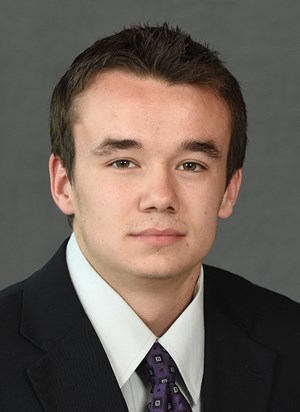
Blake Lynch from Goddard, Kansas, was the starting placekicker on the K-State football team during the past season. His was one of the feel-good stories of 2018.

Blake grew up west of Wichita at Goddard, a rural community of 4,746 people. Now, that’s rural. His parents are Jason and Kim Lynch. Jason has a roofing and construction business in the Wichita area. Kim attended K-State and Bethel College.

At Goddard, Blake played soccer in his freshman and sophomore years. During the next two years, he lettered on the football team where his younger sister also took up kicking.

Blake got expert training. He attended camps with former K-State kicker Anthony Cantele.

Blake Lynch / K-State Sports

During Blake’s senior year, he made 7 of 11 field goals, including an amazing kick of 51 yards. For his accomplishments that season, he was named an all-state player by the Topeka Capitol-Journal and the Wichita Eagle.

Blake went to K-State where he majored in financial management. He also went out for the football team. He began as a grayshirt and then redshirted the following year.

At that time, K-State’s placekicking was dominated by Matthew McCrane, who was the most accurate placekicker in K-State history and went on to the NFL. But when McCrane graduated, K-State fans wondered who would take his place?

Blake Lynch was described by some as the third string kicker on the roster when camp began. One thing was evident when he took the field: He didn’t look very big. He was officially listed at 5 feet 5 inches tall and 141 pounds. That made him the smallest player on the K-State roster. A video later in the season noted that he had to jump up in order to high five his holder, who was 6 feet 1.

But something else was evident when Blake took the field: He worked very hard, he was highly competitive, and he sought to improve. That improvement showed itself.

By the time the season began, he had worked himself into the starting field goal kicker position. His performance was tested quickly. In K-State’s first game of the season, he was called upon to attempt four field goals – and he made all four.

In fact, all four makes came in the first half, including a long of 44 yards. His four first-half conversions were the most since 1999. That also represented the most field goals of any K-State placekicker in their debut.

In the course of the 2018 season, Blake Lynch was 6 for 6 in kicks from 20 to 29 yards, 5 for 5 in kicks from 30 to 39 yards, and 3 for 3 in kicks from 40 to 49 yards. How does a guy who is not very big kick the ball so far and so accurately? One report said that he focused on contact, not leverage. Whatever his system, it clearly worked.

On K-State’s senior day in November 2018, Blake Lynch was again called on four times to attempt field goals. Again, he made all four. His performance in the team’s 21-to-6 win over Texas Tech was recognized by the Big 12 Conference. On Nov. 19, 2018, the smallest player on the K-State roster was named the Special Teams Player of the Week by the Big 12.

“It is so fun to watch him,” said his mother Kim.

Is there a place in football for a little guy? The performance of Blake Lynch suggests that there is. We commend Blake Lynch and all small town Kansas players who are making a difference with their willingness to outwork the bigger competition. Hooray for the little guy.

Copyright Eagle Radio | FCC Public Files | EEO Public File