The Hays Cheer Association is currently having sign-ups for the 2019 football season. HCA is open to first- through sixth-grade students and is open to the public. Hays Cheer Association is coached by Jenny Linenberger and Holly Linenberger. This is the squad’s second year.
Open registration
Registration fees are $125, which include cheerleading gear.
The kids will cheer for the Hays Football Association, which is the Hays Oilers traveling football team. Although they are a traveling football team, the squad will only cheer at home games.
The squad is excited to announce that this year it will be have a mini cheer camp with the Ellis High School Cheerleaders on Sunday, Aug. 18.
The Ellis High School Cheerleaders hold the titles of All American Cheerleaders, 2017 Game Day Cheer Showcase KSHSAA Champions, 2018 Game Day Cheer Showcase KSHSAA Champions and 2019 UCA Camp Champions.
The squad’s first game is Sept. 7.
Most of the games are on Saturdays and are at Hays Middle School. Playoff games will take place at Fort Hays State University. The squad members will perform at the playoff games at Fort Hays State University.
The Oilers Cheerleaders will participate in the Hays High School Homecoming Parade and the Fort Hays State University Parade.
Along with participating in the parades, the squad members will perform at the annual Downtown Hays Christmas Tree Lighting.
In the Hays Cheer Association Program, the members learn cheers, stunts, dances, jumps and performance material. Along with this, they learn sharpness and motion techniques. The cheer squad provides the tools to increase cheerleading skills. It also allows the members the opportunity to build fundamental life skills and relationships that last a lifetime, while having fun.
If you are interested and want to join the squad, follow the squad’s Facebook page, where the squad’s registration link is available.
The closing date for registration is Aug. 8. First Practice will be Aug. 10.
Registration fees, signed waivers are due and fittings will take place on Saturday, Aug. 17.
MANHATTAN — Law enforcement authorities are investigating a suspect for alleged sex crimes.
On Friday, detectives with the Riley County Police Department made a probable cause arrest of Robert Iacobellis, 60, Manhattan, for the offenses of Rape and Aggravated Indecent Liberties with a Child. He is being held on a $500,000 bond, according to the police department arrest report.
Due to the nature of the alleged crimes and the ongoing investigation, police released no additional information.
LAWRENCE — Sustainability. Locally sourced. Farm-to-table.
These are familiar concepts to Americans who are hoping to improve their eating habits.
But the term that indigenous food activists are also adopting is “food sovereignty,” which refers to healthy and culturally appropriate food generated by a community that oversees the entire process, from production to trade to sustainability.
For Devon Mihesuah, a member of the Choctaw Nation, food sovereignty has taken on an even more personal meaning.
“Tribes are not sovereign and probably never will be. But we still like this term because that is our great goal: to have complete control over production of our food, our environment and our politics,” she said.
Her latest book (which she co-edited with Elizabeth Hoover of Brown University) contains 14 essays addressing topics such as revitalizing ancestral gardens, protecting hunting and gathering rights, climate change, treaty abrogation and racism. Mihesuah penned three of the essays.
“All of the contributors are food and environmental activists, and most of them are not in academia,” she said of the book, which incorporates a multitude of tribal viewpoints from across the country, including Alaska and Hawaii.
Mihesuah hopes the 390-page effort will illuminate and clarify a number of issues involving indigenous food sovereignty, not the least of which is specifying what is actual indigenous food.
“The topic that goes through many of these essays is what does traditionalism mean? What is traditional food?” she said. “And for a lot of native people, that’s fry bread. So we talked about the meaning of true, traditional, pre-contact food and how that is a connection to one’s culture.”
She admits it’s easier to explain what pre-contact food isn’t than what it is.
“It’s not chicken, cows, sheep, goats — so we didn’t have milk, dairy, eggs, cheese. For instance, pre-contact foods are elk, white-tailed deer, turkeys, corn, squash, beans and bison,” she said.
While many assume native foods to be things such as okra, black-eyed peas and watermelon, those are all actually African imports that accompanied the slave trade. Pawpaws, persimmons and black walnuts that can be foraged in Kansas represent some of the actual fare.
“The importance of protecting our natural resources was one of the big themes of this book. And that includes the plants we forage for,” she said.
But she also notes “indigenous” should not be confused with vegan or vegetarian.
“Gardening and farming are very important, but not every tribe has an agricultural tradition,” she said. “Comanches, for example — my husband’s tribe — did not farm. They don’t have memories of seeds. They’re not going to thunder across the plains after bison anymore. So what should they do? What foods do they return to?”
Mihesuah herself has always been health-conscious, having grown up consuming these foods.
“In fact, the first novel I wrote (2000’s “Roads of My Relations”) is based on family stories where the garden was meaningful, even before we (the Choctaw) were removed in the 1830s. So I have kept this same garden going, trying to emulate the one my grandparents had in Muskogee, Oklahoma. And now my kids have learned how,” she said.
Part of the challenge has been getting her own community to adopt such practices, especially following decades of poor eating habits.
“I’ve become a real activist against fry bread, which makes a lot of people angry,” she said. “To me, that’s a symbol of everything that is wrong with the colonized diet tribes have adopted. Obesity, high blood pressure and diabetes have taken over. It’s like a tidal wave. And if you decide you’re going to eat fry bread every day, that’s really symbolic of the problem.”
Mihesuah earned her doctorate in American history from Texas Christian University. She’s written 19 books, including five fictional novels, and served as editor of the American Indian Quarterly for nine years.
A faculty member at KU since 2005, Mihesuah focuses on indigenous methodologies and feminism, American Indian stereotypes and violence in American Indian territory.
Currently, she is also revising and expanding her first cuisine-related book, “Recovering Our Ancestors’ Gardens: Indigenous Recipes and Guide to Diet and Fitness.” This won a special jury award at the Gourmand World Cookbook Awards in 2005.
“We want young native people and older native people to really try to revisit their traditional ways of eating and their food ways, and to engage with those within their tribe who are knowledgeable about it,” Mihesuah said.
“Ultimately, I want indigenous people to become food activists.”
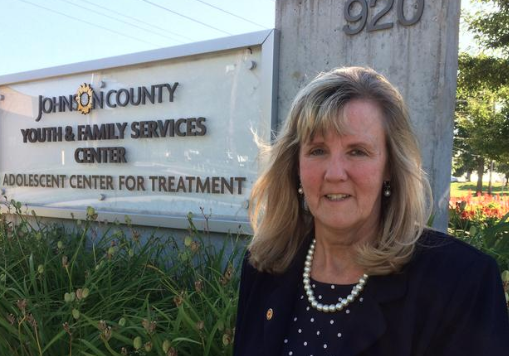
Johnson County Commissioner Becky Fast worries about consequences for youth and family services and other government functions as large retailers challenge their appraisals and tax bills. LYNN HORSLEY / Kansas News Service
While residents are in an uproar this summer over residential property assessments in Jackson County, Missouri, an equally important battle is underway in Johnson County, Kansas, where big box stores are successfully challenging major increases in their commercial property values.
The trend could significantly reduce future tax dollars for Johnson County schools, libraries and cities. Government leaders are worried and trying to plan for worst case situations.
“That is a scenario that is catastrophic, in my opinion, to the city,” Overland Park City Manager Bill Ebel told the city council in mid-July. “Potentially 25-30% of our property tax revenue could be at stake there.”
At issue are the county appraisals for large retailers such as Walmart, Target, Bass Pro, Home Depot and Walgreens. The companies argue the county has overvalued their stores by 30% to 40%. So far, they’ve won some major rulings from the Kansas Board of Tax Appeals. If those rulings stand, it could eventually reduce their property tax bills by millions of dollars.
Johnson County is appealing those rulings to the courts, and the companies have been paying their taxes under protest. But County Chairman Ed Eilert warns that if the rulings stand, it could require hefty refunds to the stores and shift the tax burden to small property owners.
“It will be a big, big impact on the tax base,” Eilert told KCUR.
Eilert said he worries it could eventually lower tax payments not just from dozens of big box stores but from shopping centers, office, grocery and industrial businesses. And as those businesses see their taxes go down, homeowners could see their taxes go up.
“They would have to pick up a bigger share of the tax burden and that would be mom and pop businesses and residential property,” he said.
Johnson County Commission Chair Ed Eilert has raised concerns about budget impacts to schools and governments if big box retailers prevail in their tax appeals.
CREDIT LYNN HORSLEY / Kansas News Service
Attorneys for the big box retailers say the budget fears are overblown, and the county appraiser is using the wrong approach to value these properties for tax purposes.
The retailers won a decision on June 28, when the Kansas Board of Tax Appeals ruled that Johnson County had overvalued 11 Walmart and Sam’s Club stores by $60 million in both 2016 and 2017. The county appraised the stores collectively at about $175 million, while the appeals board set the value at about $115 million.
That would lower Walmart’s collective annual tax bill in Johnson County from about $5.5 million to about $3.5 million.
The retailers began appealing after their property values and tax bills shot up dramatically between 2015 and 2016. The Johnson County appraiser’s office says those increases were warranted because data from 2015 sales showed the county’s commercial appraisals that year were too low.
County officials say the property value should be based on its worth to the current owners, compared to stores of the same quality and use.
The retailers, however, argue the county should just be valuing the land and the buildings, said Linda Terrill, a Johnson County lawyer who is president of the American Property Tax Counsel, a national organization of real estate tax attorneys.
“It shouldn’t matter whether the sign says Betty’s Five & Dime or Lord & Taylor,” she said. “It’s how you sell your house. You don’t care who lives there before or if they won the lottery.”
Some critics call that a “dark store” theory, saying that for tax purposes, these profitable businesses want to treat their stores as if they are vacant.
But Terrill said the dark store label is unfair, and that the lawful way to evaluate the real estate is without regard to the success of the existing business.
The June 28 Walmart ruling follows similar findings since 2018 for Johnson County Targets, CVS, Walgreens and the Bass Pro store in Olathe. Nordstrom, JC Penney and Macy’s have cases pending before the tax appeals board.
“This could be like a tsunami,” Johnson County Commissioner Becky Fast said. “It’s just one after another.”
Fast noted that Johnson County isn’t alone. Big box stores have challenged their property tax bills in Wichita and in other Midwestern states including Wisconsin, Michigan and Indiana, with varying degrees of success.
The Johnson County appeals could take several years to make their ways through the courts.
No one is panicking yet, but they are monitoring the situation. Ebel, the Overland Park city manager, has cautioned that the Walmart and Target decisions could lead to a cascade of other businesses also successfully appealing their values.
He said it’s difficult to plan, but at some point he would have to “start making decisions on how to curb spending to accommodate the loss of tax revenue.”
The biggest impact would be on the schools, which rely heavily on property taxes.
Shawnee Mission School Superintendent Michael Fulton discussed that possibility at a July 22 school board meeting. He said the budget implications aren’t yet clear, but could become more apparent next year.
“It’s really important that you plan for the worst, because if you don’t and there’s a big bill that comes due it can really send you into a tailspin,” he told the school board. “It’ll cause major issues when and if the ruling comes down and is upheld.”
Devin Wilson, a parent of two children in the Shawnee Mission School District and a candidate for school board, said the public needs to be more aware of the potential consequences.
“That’s my biggest concern, that it would have an immediate effect of lessening funding for Johnson County schools,” Wilson said.
At a county commission budget hearing July 29, Overland Park resident Julie Berggren told the commission she was “extremely worried” that if the county loses its appeals, the tax burden will fall hard on residents.
Commissioners responded that if tax money drops, they will manage the budget as they have during economic downturns. But they acknowledged it could be a challenge.
After a settlement between Johnson County and Lowe’s, Roeland Park officials such as finance director Jennifer Jones-Lacy had to identify other funds for Roe Boulevard improvements.
CREDIT LYNN HORSLEY / Kansas News Service
At least one city, Roeland Park, is already seeing a budget impact. A recent settlement between the county and Lowe’s lowered its tax bill, requiring Roeland Park to refund $350,000 to the company. The city had planned to spend that money on Roe Boulevard improvements but is now using other funds, said finance director Jennifer Jones-Lacy.
If the Walmart, CVS and Walgreens stores in Roeland Park also reduce their tax bills, it could affect other capital improvement projects.
“It could potentially reduce what we do,” Jones-Lacy said. “It’s all a guessing game at this point.”
Tom Cox, a Kansas legislator from Shawnee, says he can see both sides of the argument. On one hand, he believes the county boosted commercial appraisals too dramatically in 2016.
“They went bold and risked it, but they’re getting their hand slapped hard,” Cox said. Still, he questions how the stores can be valued regardless of the occupant.
He says the issue will most likely have to be resolved by the courts, rather than by the Kansas Legislature.
Fast, the county commissioner, says if the courts side with the companies, it may require some hard decisions.
“Do we have to look at shifting the burden to residential property taxes or do we look at significant program cuts?” she asked. “I think that will need a lot of community conversation.”
Lynn Horsley is a freelance journalist and was a veteran reporter for The Kansas City Star. Follow her on Twitter @LynnHorsley.
Officer Ryan Blecha hands out chips to hungry swimmers at the Hays Aquatic Park during Thursday’s HPD Community Night Out.
BY BECKY KISER Hays Post
As usual, Hays police officer Ryan Blecha was on duty Thursday evening, but this shift did not require a patrol vehicle or even the official uniform.
This duty called for wearing shorts and a special T-shirt as Blecha manned the chip station in the food line for the Hays Police Department’s “Community Night Out” at the Hays Aquatic Park (HAP).
“He’s very important,” laughed Mackenzie Blecha, Ryan’s wife.
Mackenzie and Gentry Blecha
Mackenzie and daughter Gentry, 18 months, were some of the Hays police officers’ family members enjoying the fourth annual event. It included free swimming for everyone and a hot dog or hamburger meal for the first 1,000 people.
Gentry loves swimming, according to Mackenzie. “She’s been a water bug since she was six months old. She just goes and goes and goes, doesn’t care how cold it is.”
The Blecha family goes swimming together every couple of weekends when Ryan is off, but this weekday was a special experience.
“I think it’s important for us to show up also because we’re not only supporting him but were supporting the community and supporting the pool.
“I think it’s good for these guys to be out here and show their softer side,” Mackenzie said with a smile. “They get to communicate with everybody in an informal way.”
No waiting in line for Gentry as her dad hands her chips.
Ryan Blecha has been on the Hays police force for two and half years. “We moved here in March 2017 and then found out two weeks later we were having Gentry,” Mackenzie laughed again. “It’s in the Hays water,” she quipped.
Ryan is originally from Norton and Mackenzie is from Hoxie. She’s a dental assistant at Lifetime Dental Care. Mackenzie will be back at the pool Tuesday at 1 p.m. with her Lifetime Dental team. “We’re going to hand out Popsicles to all the kids just for a little fun summer freebie.”
Prior to joining HPD, Ryan served five years in the Marine Corps as a military police officer.
Mackenzie says the Marine Corps prepped her for the sleepless nights that come with being the wife of a law enforcement official.
“We did a seven month deployment so this was just kind of cake after that.
“Night shift is just a little bit harder. That’s another reason we’re down here today because we want to get every ounce of him that we can. He will start back on night shift in September so we’ll be missing him a little bit. It’ll be more of the single parent life.”
Hays police officers rotate between day and night shifts every four months.
City commissioners Eber Phelps and Shaun Musil
Several city officials also enjoyed Community Night Out, including city commissioners Eber Phelps, Ron Mellick and vice-mayor Shaun Musil.
Phelps joked he was glad the event had not been scheduled for Wednesday when the high temperature in Hays was 107 degrees. Thursday’s high was 92 degrees.
Attendees also got to check out a HPD patrol cars, the SSRT (Special Situation Response Team) van and some of the gear used by the police.
“Community Night Out” is sponsored by the city of Hays, Walmart, Hays Recreation Commission, Pepsi of Hays, Heartland Building Center, Fraternal Order of Police Hays Lodge 48, Phaze 2 and Nex-Tech.
The LPN Program at NCK Tech – Beloit Campus has recently been ranked No. 2 in the state of Kansas by www.practicalnursing.org.
The website looked at nineteen schools, which included community colleges, technical colleges and private career schools in the state of Kansas.
Criteria for ranking included NCLEX-PN exam first time pass rate over the past several years. NCK Tech’s overall score listed was 98.71. The overall pass rate for the Beloit program has been 100% for the past several years.
The college has two campus locations – Beloit and Hays with both campus locations offering the LPN program. The Hays campus also offers an RN/ADN program. “At NCK Tech, practical nursing students receive training to perform nursing intervention with precision and efficiency consistent with current evidence-based practices,” stated www.practicalnursing.org. “Nursing professionals provide nursing theory instruction in the classroom, lab and at clinical sites.”
For a ranking of Kansas LPN programs and additional information regarding LPN programs in the state, read the complete article on www.practicalnursing.org. To learn more about NCK Tech’s nursing programs, visit www.ncktc.edu.
Ron Wilson is director of the Huck Boyd National Institute for Rural Development at Kansas State University.
By RON WILSON Huck Boyd National Institute for Rural Development
Could the extension service do for health what it has done for agriculture through the years? During the past century, American agriculture – with assistance from agricultural research and extension – has been transformed from subsistence farming to an agricultural system that is the envy of the world. Could similar progress occur in the health arena? To do so would require a deep cultural change that would value health as a priority. In short, we might say it requires a culture of health.
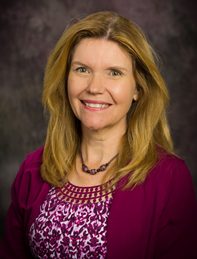
Dr. Paula Peters is associate director of extension programs for K-State Research and Extension. The term “extension” refers to the state- and county-based educational outreach programs which extend helpful research results from the nation’s land-grant universities to the public.
“For years, (extension) has done work on nutrition, foods, and physical activity,” Paula said. In a larger sense, extension has worked to support the health of families, farms and communities since the extension service was founded in 1914.
In 2014, the national Extension Committee on Policy supported the development of a national framework for extension work in public and community health. That report included the aspirational statement that extension could do for health what it has done for agriculture.
In Kansas, even before that time, the Kansas Health Foundation provided an endowment to support extension work in health. Those funds supported an Office of Community Health for several years.
“We wanted to build the capacity of our local extension agents to work in the health area,” Paula said. Funds were redirected to support grass-roots health-related extension initiatives.
Peters
This initiative reflected the fact that a deep, cultural commitment to health was needed. The initiative was called Culture of Health. “People think of improving physical health, but we are looking more broadly than that,” Paula said. “It’s also mental health, financial health, the health of the community itself.”
The initiative began with a series of facilitated community conversations with extension professionals and community partners around health issues. Then grants were offered to county and district extension units. The grant applications required that a local needs assessment be completed and that the work be implemented through collaborative coalitions.
In February 2019, K-State Research and Extension awarded $170,000 in grants for 32 projects in 51 counties across the state. These supported multiple kinds of health-related projects, such as healthy food access, physical activity, mental well-being, anti-poverty, and much more. Because they were implemented through local coalitions, agencies worked together in beneficial ways.
As a person who loves a good acronym, I appreciated projects with titles like Johnson County EATS – Easy, Affordable Tasty Solutions, Atchison County’s BOOK – Believing in Opportunities for Our Kids – and Meade County’s CATCH – Coordinated Approach To Community Health. Meade is a rural community of 1,721 people. Now, that’s rural.
Beyond the, um, catchy titles, this work dealt with serious, long-term issues. For example, the Marais des Cygnes Extension District worked on suicide prevention and mental health intervention. The Twin Creeks Extension District worked on a produce buying incentive program for low income buyers at a local farmer’s market.
In addition, the state extension team sponsored adult mental health first aid training for more than 100 extension professionals in spring 2019. “We’re not counselors but we can connect people to the resources they need.”
Another training was held in June 2019 on policy systems and environment. “We need to do more policy work to assure that healthy behaviors are supported and sustainable,” Paula said.
Most of all, this has led to a new level of collaboration on health issues. “It’s been fun to watch our agents reach to their collaborators and also each other,” Paula said.
Can extension do for health what it has done for agriculture? If Paula and her team have their way, it will. We commend Paula Peters, her specialists, and all those extension agents who are making a difference by improving our healthy behaviors. They remind us that health isn’t just going to the doctor. This is about a culture of health.
And there’s more. Next week we’ll learn about a local initiative for a basket-full of health.
By RANDY GONZALEZ FHSU University Relations and Marketing
It began as a training ground at Fort Hays State University for young western Kansas band students back in the 1940s, and it’s still going strong as one of the state’s music education leaders.
The High Plains Music Camp now also offers a week of summer instruction for middle school and high school orchestra and vocal students. It serves as a recruiting tool for the university as well.
Dr. Ivalah Allen, associate professor of music at FHSU and the camp’s director, estimated as many as half of the students in attendance enroll at FHSU in a variety of majors.
Luis Valencia, a Fort Hays State sophomore-to-be from Leoti, is majoring in music education and vocal performance. He attended two High Plains camps while in high school and served as a counselor this year. Attending the camps factored into his decision to choose FHSU.
“I’m really happy I chose Fort Hays State,” he said. “I feel like all the faculty are basically family to me, and they are mentors to me. It just feels right being here.”
A lot of other students feel the same way. Each summer, several students complete seven years at the camp.
This year, about 220 participants learned from 21 counselors, many of them former students at the camp. For those in orchestra and band, students range from sixth grade to current high school graduates. Vocal students can begin attending the camp the summer before entering high school.
Even as the 72nd annual event was winding down in mid-July, Allen was busy preparing for next year’s event as well as the big 75th annual camp down the road. She wants to welcome back former students and camp instructors for the event’s diamond anniversary.
The camp was founded in 1947 by former Fort Hays State band director Harold G. Palmer because there was no outlet for youth musicians to learn during the summer. At first it was solely a band camp, and orchestra and vocal students were added over the years.
Students from all across Kansas and neighboring states converge on the FHSU campus for instruction and to give performances in all three areas of concentration. Several of the instrumental and vocal instructors brought in each year are FHSU graduates. Allen said she knows of no other camp like it.
“It’s not just how they individually grow,” Allen said. “They take this back to their schools with the knowledge that they have gained. It’s an amazing opportunity.”
A limited number of scholarships are available, focused on both ability and need. Allen said she just hopes to break even financially each year.
“This is strictly for us to train young musicians,” she said, “not for us to make money as a department.”
The Dane G. Hansen Museum announced its 5th Annual 5K Run/2 Mile Fun Walk will be in conjunction with the 46th Annual Arts & Crafts Fairon Saturday, Aug. 17, 2019, at the Dane G. Hansen Museum in Logan, Kansas.
All entry fees will be donated to Phillips County Hospice Services. Entry fees are $20 for adults and $10 for youth 15 and under.
Check-in and T-shirt pick up starts at 7 a.m. on the corner of Douglas and Main in front of the museum. The 5K run will begin at 8 a.m. with the 2-mile walk to follow at 8:15 a.m. Paid registrations received by Aug. 5, receive a free T-shirt.
Prizes awarded to each divisions’ top male and female finishers. For more information, contact the Dane G. Hansen Museum at 785-689-4846. This event is sponsored by the Dane G. Hansen Museum with funds from the Dane G. Hansen Foundation.
The Dane G. Hansen Museum is open 9 a.m. to noon and 1 to 4 p.m. Mondays through Fridays, 9 a.m. to noon and 1 to 5 p.m. Saturdays and 1 to 5 p.m. Sundays and holidays. It is closed Thanksgiving, Christmas and New Year’s Day.
The Museum is handicapped accessible and admission is always free thanks to the generous support of the Dane G. Hansen Foundation. For more information, call 785-689-4846.
The City of Liebenthal is seeking one or more individuals to fill the following part time positions. A valid driver’s license is required. Individuals seeking to fill multiple positions will be given priority in hiring.
MAINTENANCE/MOWING POSITION – Knowledge of operation and maintenance of mowers, tractors, chainsaws, trimmers, etc. Will be responsible for maintaining streets and city properties. Ability to
maintain equipment is also necessary. $400.00/month
WASTEWATER OPERATOR – Lift station and Sewer System maintenance. Must have a Small Systems Waste Water operator license or willing to test within one year of start date. Yearly training to maintain wastewater license will also be required. $400/month
WATER OPERATOR – Must have a Small Systems Water Operator License or willing to test within one year of start date. Training every two years (or as regulated by the KDHE) is also required. Some water operator duties include: Clean and monitor well houses, collect water samples, monthly residential meter readings, assist with water repairs, flush fire hydrants, etc. $400/month.
Anyone interested is asked to submit inquiries and contact information to [email protected] or by calling 785-259-8778.
Scroll to the bottom for a map of garage sale locations. Hays Post offers FREE garage sale listings weekly. Having a garage sale next weekend? Click HERE to submit your information.
3905 Fairway Dr. Hays
August 2nd – 3pm-8pm and August 3rd – 8am-11am
-Furniture
-Home decor
-Men’s, women’s, and children’s clothing
-Shoes
-Jewelry, hats, bags, etc
-Kitchen items
-Children toys, books and movies
-Blankets, pillows, and comforters
——————–
3194 Olympic Lane, Hays
Friday, August 2nd, 3-7pm; Saturday, August 3rd, 8am-1pm
Furniture, antiques, kitchen, lawn/garden, tools, hobby gear, and so much more!
——————-
211 E. 29th, Hays
Friday, Aug. 2, 11:00 a.m.-7:00 p.m. & Saturday, Aug. 3, 8:00 a.m.-Noon
Household & decorative items, kitchen items, tons of $1 DVDs, Gameboy/gameboy games/DS games, Ipad, clothing (little girls’ size 2-6; teen girls; women’s small to plus size; boys pre-teen/teen; & men’s), shoes, US Army digicamo, sports misc. (including water sports & golf balls), grills, books, toys & games, and much more!
——————
119 W 38th, Hays
Friday, August 2 Noon – 7 pm – Saturday, August 3 – 8 am – 1 pm
FOUR FAMILY SALE – Lots of furniture – bedroom set (queen), chairs, desks, window AC units, TV cabinet, etc., toys, baby clothes, baby bouncer, stroller, Little Tykes race car toddler bed, adult men & women clothes, purses, shoes, Christmas decor, books, clothes rack, ironing board, DVDs, VHSs, lots of misc.
—————–
3005 Tam O’Shanter, Hays
Aug. 2 9:00-7:00, Aug. 3 9:00-12:00
HAYS – The Hays Eagles Senior American Legion baseball team scored double figure runs for the seventh straight game as they defeated the Great Bend Chiefs 14-7 Friday in the final game of pool play at the AA/AAA American Legion State tournament.
Coach Dustin Schumacher postgame interview
Brock Lummus gave the Eagles (33-6) the lead in the first inning on nan RBI single but Hays left the bases loaded and led 1-0 after the first inning.
Great Bend took the lead in the second inning, scoring a run on a sacrifice fly and an error.
Down 2-1 through two inning the Hays Eagles sent 12 men to the plate in the third inning and scored eight runs to take a 9-2 lead. Dominic Bainter singled in a pair of runs and Trey Riggs drove in two more runs with two-out double.
Hays battered around in the fourth inning as well as the Eagles scored three runs in the top of the inning. Tate Garcia singled in a pair of runs in the inning as the Eagles took a 12-2 lead into the bottom of the fourth.
The Eagles had a couple of chances to end the game early via run-rule but Great Bend kept hanging around before Hays was able to earn the 14-7 win.
Eagles starter Cody Petersen earned the win for the Eagles. He allowed five runs, two earned, on seven hits with three walks and five strike outs in six innings.
Tate Garcia finished two-for-three with three RBI’s and Trey Riggs added three RBI’s as well.
Hays advances to the semifinals on Saturday and will take on Sabetha at 10 a.m.
Sabetha lost to Iola Friday and finished second in pool B. Iola won pool B and will take on Emporia in the second semifinal game at 12:30 p.m.
The two winners will play in the championship game at 3:15 p.m.
























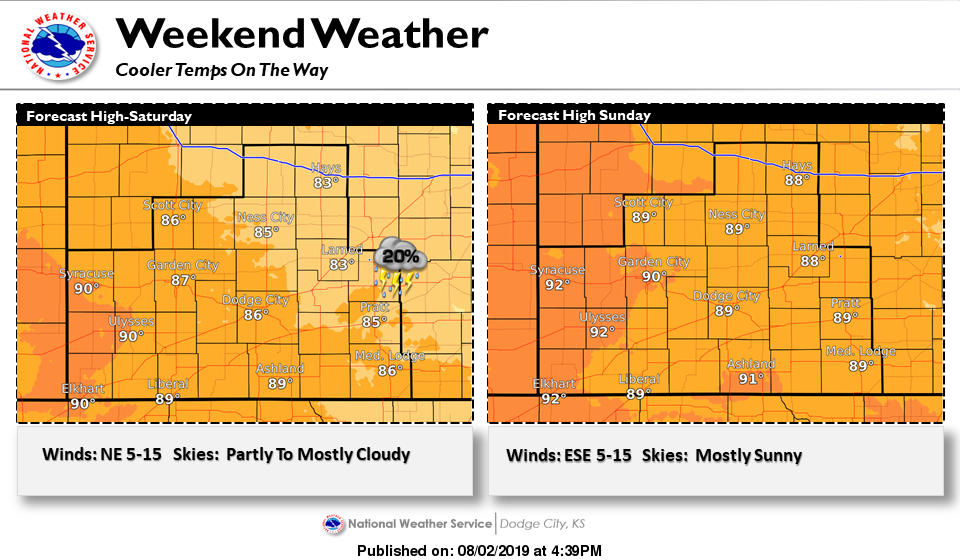
 Saturday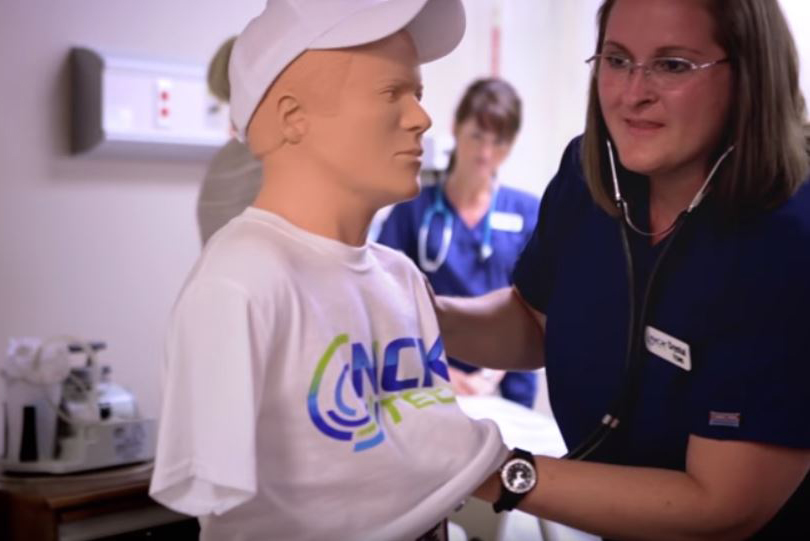









 Hays-area garage sales