We have a brand new updated website! Click here to check it out!

Roosevelt Elementary celebrates 50th anniversary with reunion

By CRISTINA JANNEY
Hays Post

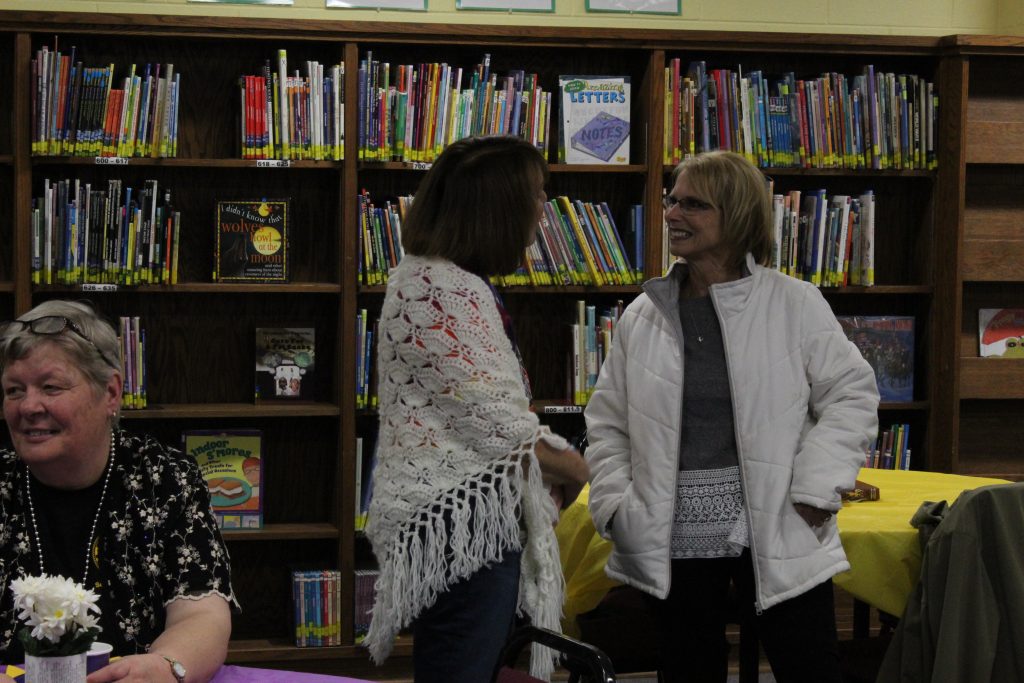
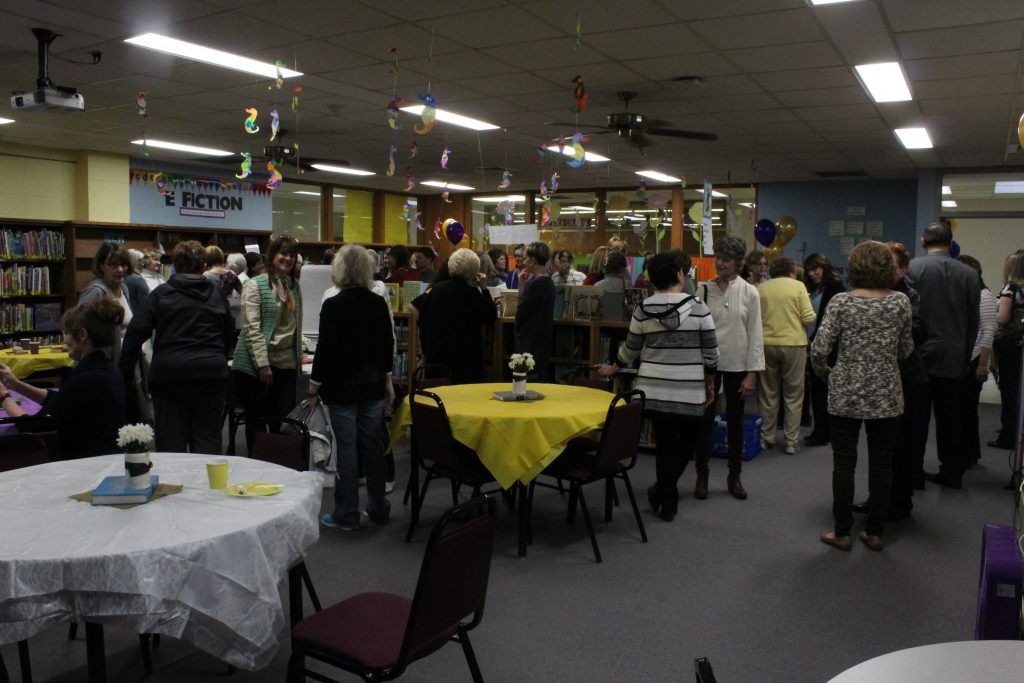
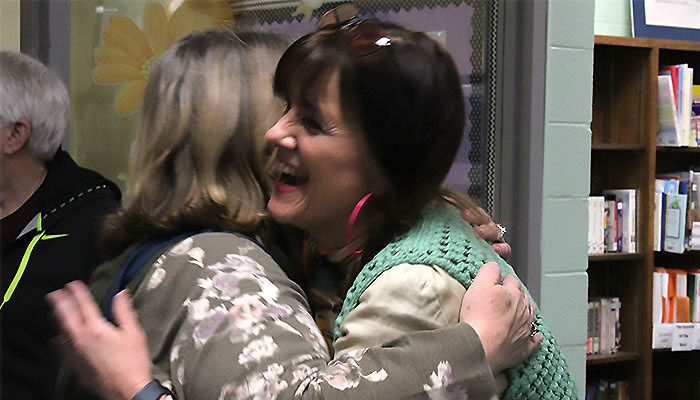
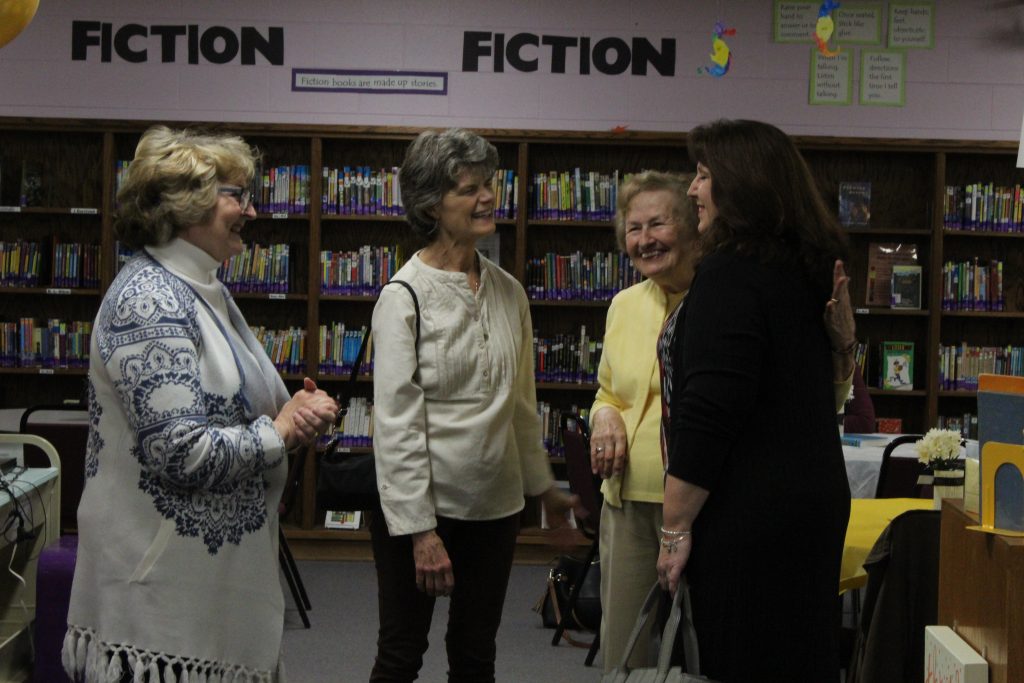
Former teachers and staff came back to Roosevelt Elementary School on Wednesday afternoon to celebrate the school’s 50th birthday.

The teachers and staff hugged, caught up and reminisced about their time at the school.

Pat Schumacher was a special education teacher at Roosevelt from 2005 to 2013. Schumaker’s sister was in one of the first classes to graduate Roosevelt, and Schumaker’s children also attended the school.

“You know this is a good school. It really is,” she said. “They are very cohesive. The staff is very supportive, especially when you are a special ed teacher, you tend to be a little more isolated from some of the classrooms, but we have some wonderful teachers who embrace the kids with special needs and made them feel a part of the classroom.”

Schumacher said she enjoyed seeing the students’ art displayed in the halls as she came in.

“There are some good memories, and I see the artwork from the art teacher and that reflects not just their ability to express themselves in art, but their ability to have free expression,” she said.

Donna Stehno, 80, was a school nurse for the Hays school district for 17 years, seven years of which was at Roosevelt in the early to mid-’80s.

“It was just a good time, great staff and great students,” she said. “It was a good time.”

She said she especially remembered potlucks in the teacher’s lounge.

Joanne Wasinger started teaching kindergarten at Roosevelt in 2006 and left two years ago.

She fondly remembered the students in her class getting eggs in the spring and hatching chicks.

“It was a spring thing. Every year, it was something that the kids looked forward to, we did it, and it was tradition here,” she said.

Former Principal Lee Keffer, who retired last school year, also attended the school reunion.

“It is nice to come back and see the staff members, and if kids are around it is nice to see them,” he said.

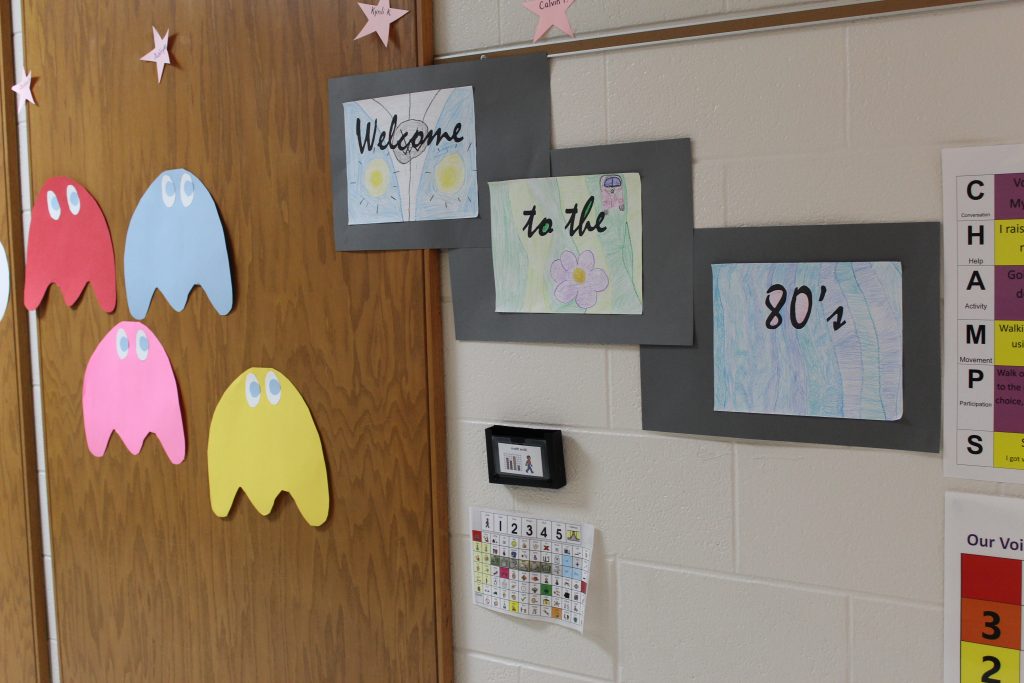
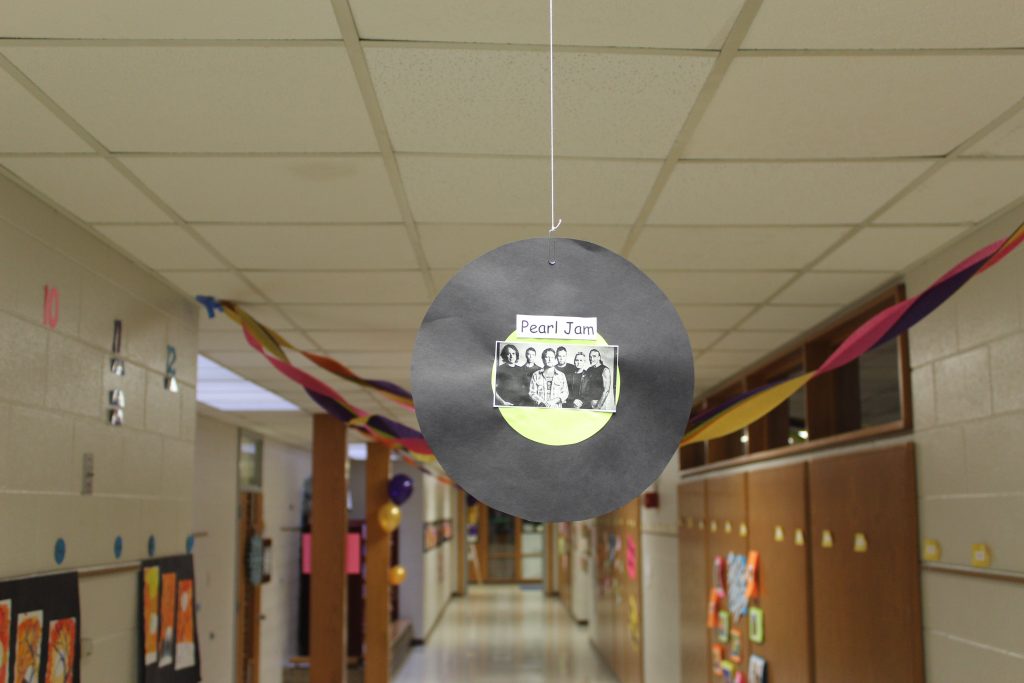
Paula Rice, current principal, said the students have been celebrating the decades the school has been open with decorations in their hallways, dress-up days and special activities that help them learn about the last 50 years of history.

Monday the fifth-grade celebrated the ’90s, Tuesday the fourth grade celebrated the ’80s, Wednesday the second and third grade celebrated the ’70s, today is kindergarten and first grade celebrating the ’60s, and on Friday all of the students and staff will wear 50th anniversary T-shirts that the home and school organization bought and participate in a sock hop. The sock hop will include an Elvis impersonator and donated ice cream from Freddy’s Frozen Custard & Steakburgers.

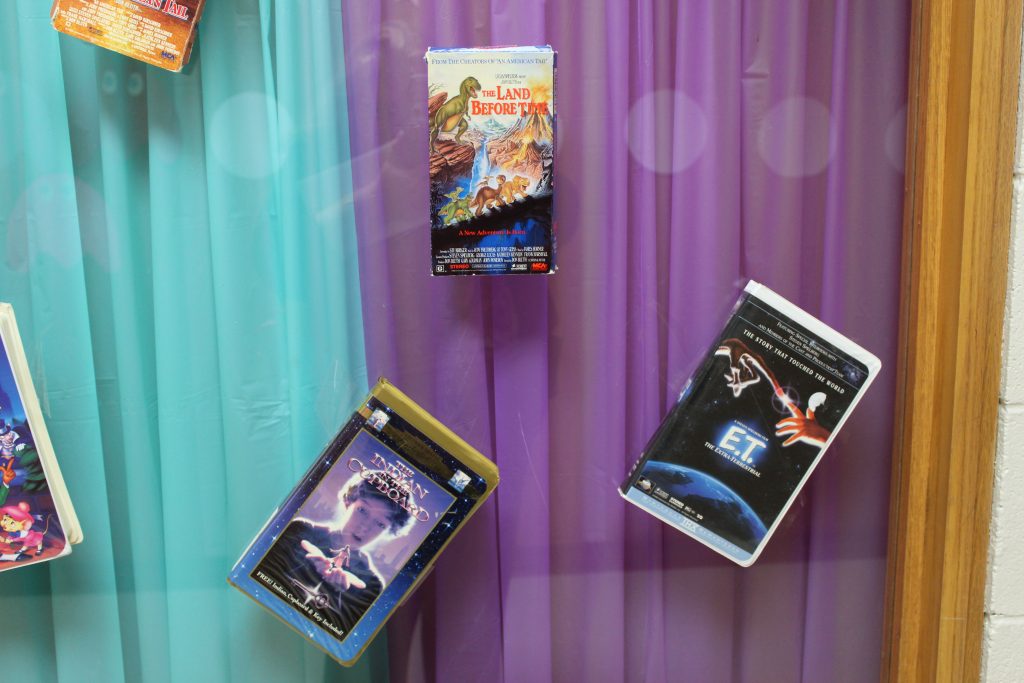
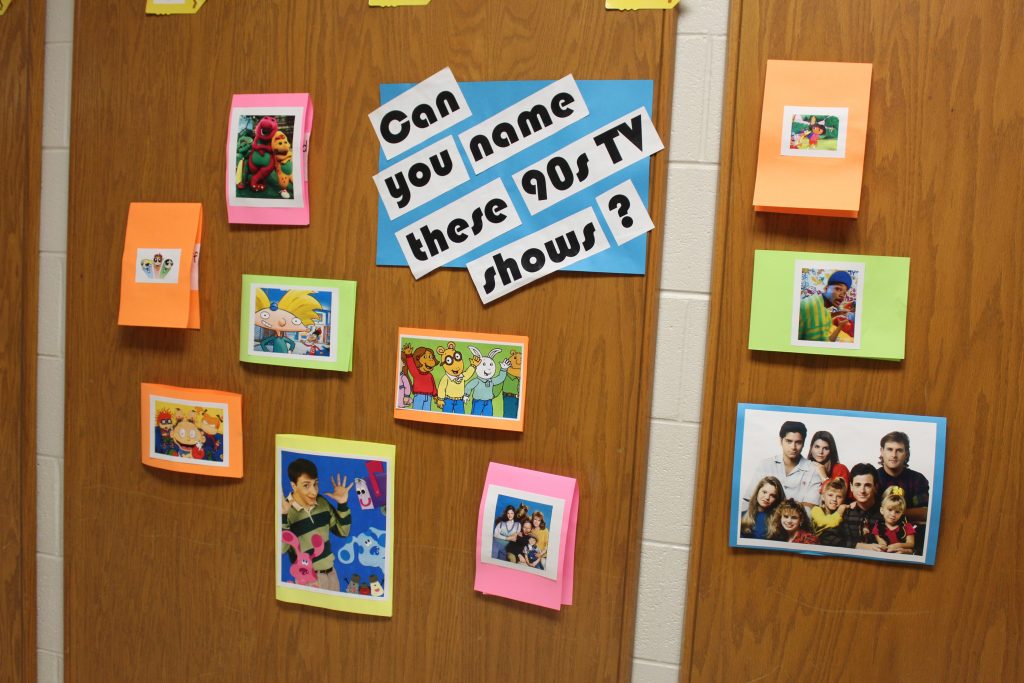
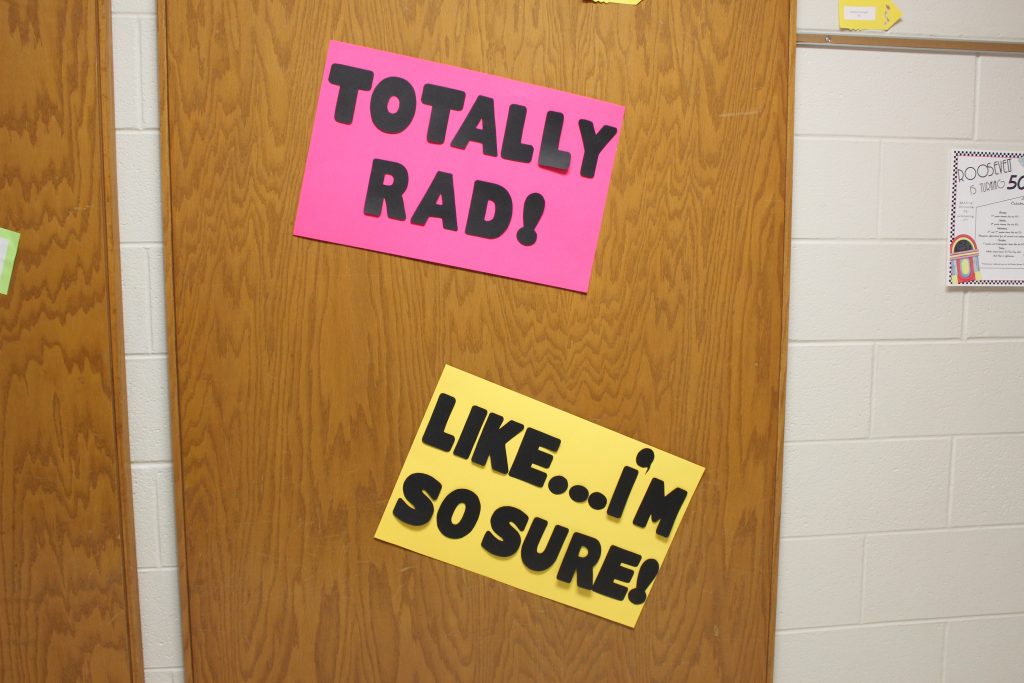
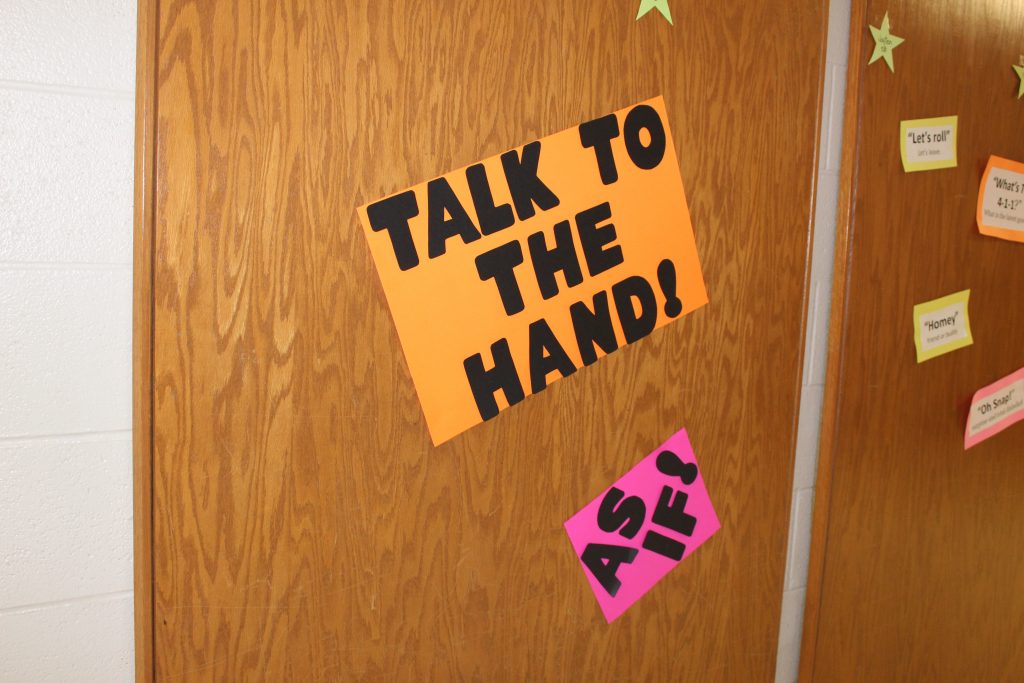
“The staff has gone out their way to decorate to help the kids vision the era,” she said. “The fifth-grade hallway has a lot of ’90s out. The teachers brought with them pictures of them from the ’90s. They have put up TV shows from the ’90s and a lot of ’90s slang— the same with fourth-grade hall and the second- and third-grade hall.”

Rice has used slang from the different eras during the announcement, such as valley girl for the ’80s. The school is also playing some of the biggest hits from the decades of the day over the intercom as the students go to and from classes in the morning.

“Hays being that hometown that it is and still having that strong family feeling and hopefully always will,” she said, “there are so many past Roadrunners that may leave to go to college and come home, so their kids and their grandkids can be Roadrunners.

“I think it is important to understand why that legacy, why that tradition is so important. Is also important for them to understand what their contribution to society and what their contribution to school is. It is a two-way system. The school educates you, but you help the school educate everybody else.”

The students are also learning about history. The fourth-grade recently finished a novel about Martin Luther King Jr. Another class watched “Remember the Titans.”

“Not only did it take them back to the time period, but they were fully immersed in the conversations. They learn there were positive and not just struggles and there were struggles with all the positives. It is a good conservation for them and then they take that to their real life,” Rice said.
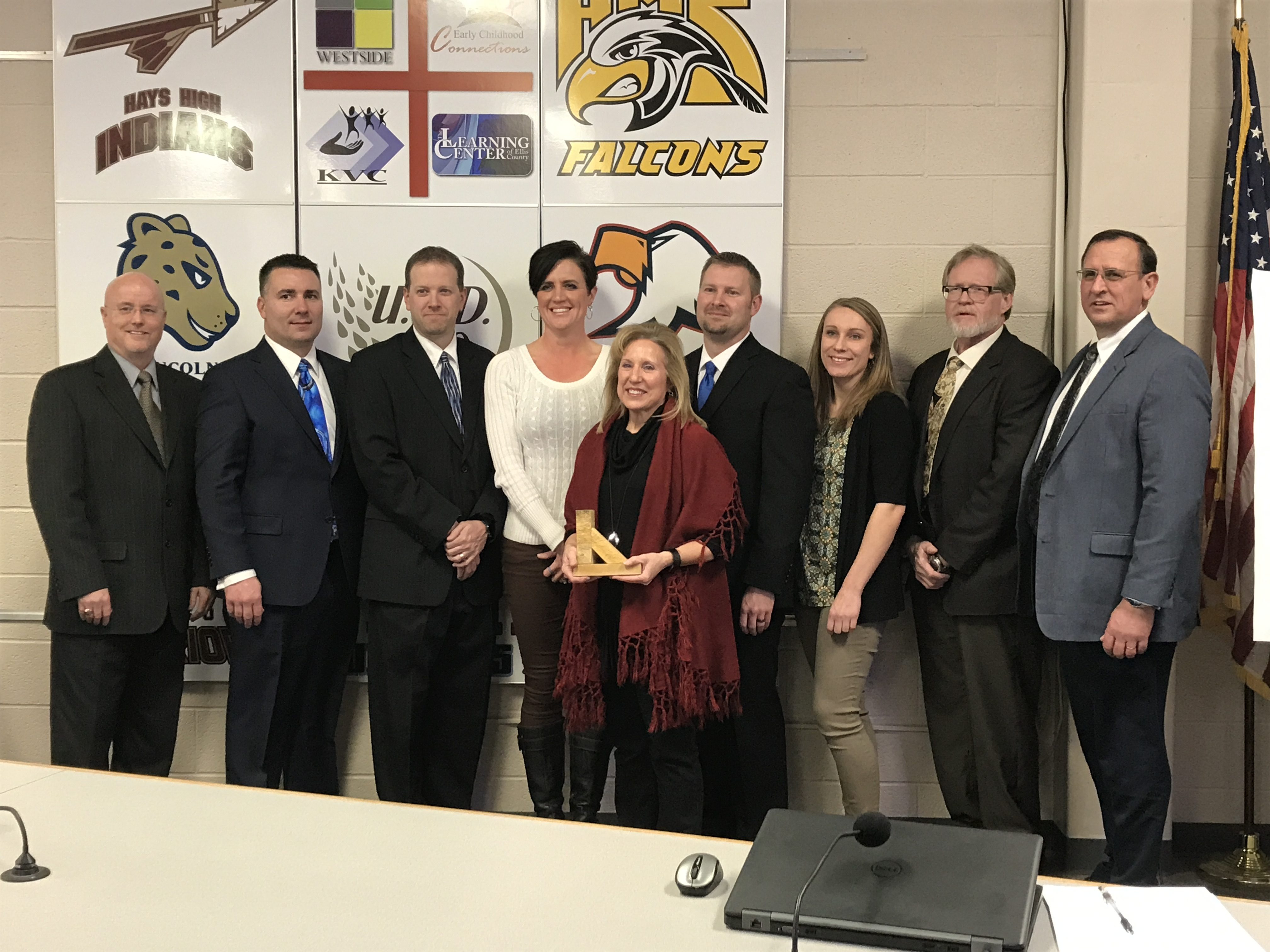
Lincoln principal, Wilson student named USD 489 Best of the Best

By CRISTINA JANNEY
Hays Post

Lincoln Elementary School Principal Elaine Rohleder was named January’s USD 489’s Best of the Best at a school board meeting Monday night.

Rohleder was nominated by Monica Dreiling, fifth-grade teacher at Lincoln.

“Elaine Rohleder is an exemplary administrator,” she said. “When teachers want to implement new projects and ideas within their classrooms, she is supportive and provides resources when necessary. Elaine’s demeanor encourages staff and students to do their best each day. Guidance is provided in a caring and supportive manner.”

Rohleder takes time to get to know each student and their families, Dreiling said.

“She understands the importance of making these connections with students, parents and staff, resulting in excellent rapport. She is genuinely interested in building relationships,” Dreiling said.

Mariella Dreiling, Lincoln student, continued with the nomination letter, saying Rohleder had an open-door policy and is available to hear concerns and successes whenever she has a free moment.

“She gives authentic praise, demonstrates extreme patience and has high expectations,” she said. “Mrs. Rohleder understands the unique challenges of working in education and provides support in meeting these challenges.”

About a half dozen of Rohleder’s colleagues attended the meeting Monday in support of her nomination.

Marla Stecklein, Lincoln second-grade teacher, also offered kind words about Rohleder.

“I appreciate all the support that I receive each and every day in doing my job at Lincoln with the students, and she is very deserving of this award,” she said.

Rohleder thanked her staff.

“I am so blessed to be a part of USD 489, especially Lincoln Elementary School. The staff there is so dedicated to not only their students but to their families. Being a part of USD 489 has been a blessing for 24 years. I think the community needs to realize how fortunate the community is to have their children come to a school in USD 489, because everybody from the classified staff to the certified staff to the administration, their heart and soul is there every single day. They are giving their very best to make sure the students are great citizens and continue to serve on boards like you guys do.”

The student award winner of Best of the Best for January was Carter Werth, a Wilson Elementary School fifth grader.

He was nominated by Wilson Principal Anita Scheve.

Werth is a role model at Wilson. The job of these students is to help students get to class.

At the beginning of the school year, a kindergarten boy was having difficulty leaving his mother. Werth bent down to talk to the student, comforted him and offered to walk him to his classroom. He did this for about a month, until the student felt more comfortable.

“Carter made that transition very smooth for that kindergarten student,” Scheve said, “and he did that all on his own. I really felt that Carter took a little extra time and showed what it meant to be a role model — a true role model — and a good citizen of Wilson, caring, concerned and connected to others.”


Wilson Elementary sets McDonald’s fundraiser for Thursday

Wilson Elementary School teachers and staff will tie on aprons from 5 to 8 p.m. Thursday at McDonald’s, 3406 Vine St., during a McTeacher Night to raise funds for the school.

Wilson will earn a portion of the proceeds of all sales at the front counter and the drive thru.

The school will also earn 100 percent of all the two for $1 chocolate chip cookie sales sold by the school personnel.

There is no coupon or flyer required for the fundraiser.

Ellis County spelling bee honors champion

Mackenzie Hagerman

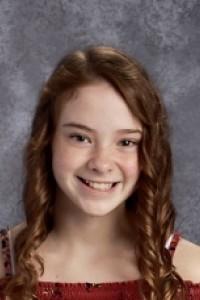
The Ellis County Spelling Bee champion Mackenzie Hagerman, seventh grader from Hays Middle School, was crowned Tuesday night at the Beach Schmidt Performing Arts Center.

Hagerman won the competition by correctly spelling the word excruciating.

Second place went to Carson Brooksher, eighth grader at Hays Middle School.

The Fort Hays State University chapter of National Student Speech-Language Hearing Association sponsored the event.

Students from Hays and Ellis both public and Catholic schools competed in the contest.

Soda Shoppe undergoing remodel, set to reopen in March

By CRISTINA JANNEY
Hays Post

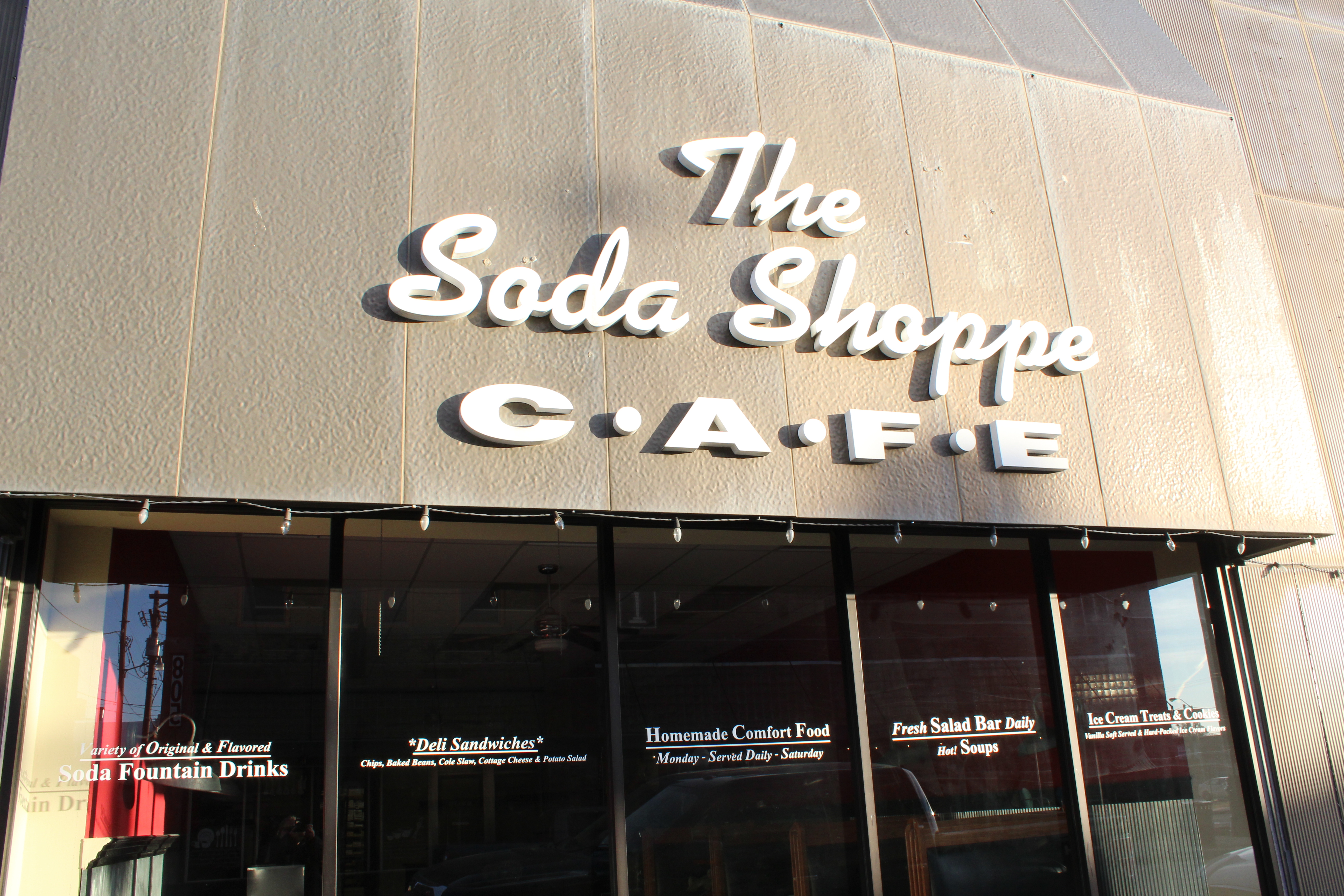
The Soda Shoppe Cafe, 800 Main, is closed temporarily for remodeling, but will reopen soon with most of your same favorite food offerings.

Jim Keller, owner, said after 25 years of business, much of the equipment was wearing out and needed to be replaced.

The old soda fountain needed to be replaced, and he said it was impractical to try to keep the business open during the remodel. The old fountain was so large, when it was originally installed in the building, the front windows had to removed to place the counter.

During renovation, the fountain was removed through the front doors, but Keller said it still was a massive undertaking.

The renovation includes a new soda fountain, new equipment and new decor.

Keller said he was unsure when the business will reopen, but he was aiming for the beginning of March.

“It is going to be exciting,” he said. “We will be all brand new.”

The Soda Shoppe is known for its traditional hand-mixed soda drinks, including a variety of ice cream flavors, specialty sundaes, old-fashioned shakes, malts and floats, as well as handmade sandwiches, wraps, hearty soups, garden fresh salads and desserts.

Hays school board debates district’s one-to-one tech policy

By CRISTINA JANNEY
Hays Post

What was supposed to be a discussion at Monday’s Hays school board meeting about the purchase schedule for student computers morphed into a larger debate about the necessity of the district’s one-to-one technology initiative.

To avoid a large budget spike to replace all the devices at once, the district’s Technology Committee was charged with creating a schedule for the replacement of those computers over a four-year period. That schedule would cost an average of about $225,000 per year, starting with the high school computers in 2018-19.

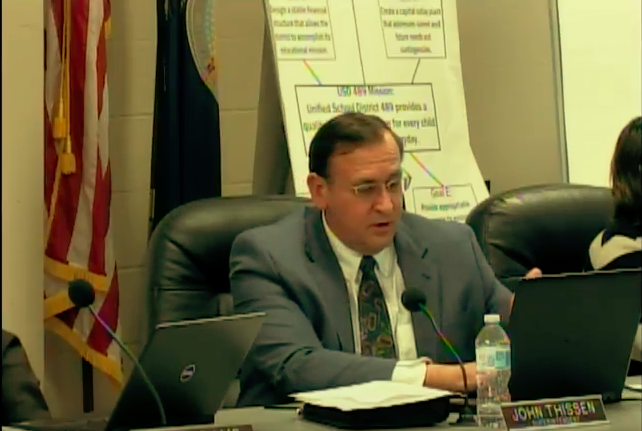
This makes the per-student cost of the program about $75 per year, or 43 cents per day, Superintendent John Thissen said.

However, board member Greg Schwartz raised concerns about the validity of the one-to-one program. Schwartz asked Thissen what the goal of the one-to-one program was.

Thissen said the technology is a tool that provides information to the students. Students also learn to use the technology and are better prepared to harness that technology when they enter the workforce or go on to higher education,” he said.

“From what we can gather, it does appear that just about any job requires some kind of need of utilizing a tablet or some sort of computer. That necessity is there in just about any job at this time,” Thissen said.

Schwartz questioned the purchase of iPads for students, arguing the district should look at less expensive options.

“I think sometimes we get in a cycle where we say this is the latest, greatest thing. We all want that. It is human nature to want the cool, new thing, but the question is what are we trying to accomplish with it?” Schwartz said. “If we can accomplish it with something that is cheaper, then shouldn’t we do that?”

Thissen said, “Curriculum is the most important. You pick the best curriculum for your students and then you find tools. If we end up picking the best curriculum for students, and we end up picking a tool that is unable to work with that, that is wrong. You don’t pick a tool and end up utilizing a curriculum that is tied to it just because of the better deal. You need to have the best with the curriculum. The tool is what you can end up making the deals with.”

The Technology Committee did not recommend a device or brand at the meeting Monday night.

Marie Henderson, instructional technology specialist, said she has not seen another device that allows the communication the iPads allows. 

“Apple is by far superior with giving a student the ability to analyze and synthesize the information that is available on a learning objective — the data and topic of your curriculum — and then allowing the student in a powerful way to communicate what they have learned in way that we never did with poster board when I was a kid,” she said. “They are now able to incorporate multimedia in really, truly amazing ways and communicate and show their voice in a wide variety of choices with this device we have currently given them.”

Thissen said the iPads are reliable and have high resale values.

Board president Lance Bickle asked if there is enough data to determine if the one-to-one program has benefited students.

Schwartz said he would like to see an objective measure, such as an increase in test scores or a test that would measure computer skills.

Anita Scheve, Wilson principal and member of the Technology Committee, said technology is so interwoven into the curriculum, discipline, student engagement, classroom participation and student emotional health that it is impossible to separate it out as a single variable that might affect test scores.

Schwartz said the technology purchases become huge expenditures and need to be justified.

“If they say we were going to buy a new school bus, we could measure the effectiveness of that and whether to buy one at 10 years versus 15 years. You could measure the breakdowns between 10 and 15,” Schwartz said. “I understand that technology is a little different. If you want to say that we need these kids to have (technology) to master these set of skills, then, to me, the easy thing would be to create a grade-level or school-level test.”

Board member Paul Adams provided to the board a study, which indicated students with access to one-to-one technology increased their writing, project-based learning, student ownership of their learning and student/teacher communication.

Schwartz suggested a bring-your-device policy at the high school.

Hays High Principal Marty Straub said he did not think that was practical with more than 40 percent of the students at HHS now qualifying for free or reduced-price lunches. He said he is seeing many households with multiple cell phones, but fewer and fewer homes with computers.

Schwartz asked what sacrifices has the board made to take care of its deferred maintenance, adding it is difficult to ask voters to sacrifice for a bond without the board and the district also making sacrifices.

“But you can’t sacrifice the students for the buildings,” Board member Luke Oborny said. “That scares me a lot.”

The technology schedule will come back before the board at a subsequent meeting. Thissen said he would include the schedule for the replacement of teacher computers with the next board report on the issue.

Hays school board approves HHS air-conditioning project

By CRISTINA JANNEY
Hays Post

The Hays USD 489 school board voted Monday night to approve $782,000 for improvements to HVAC system at Hays High School.

The work will add rooftop units for the main gym, auxiliary gym and wrestling room. The program will also improve controls for other parts of the high school. The district hopes to complete the project this summer.

The project will be paid for through capital outlay funds.

Board member Greg Schwartz had questioned the use of a construction manager at risk instead of using a traditional bid process on the project. He also questioned the cost of the project and, at the last board meeting, asked a comparison be made between the cost of the high school project and a similar project completed in 2015 at Hays Middle School.

Building Controls and Services, the construction manager at risk, estimated the cost of the high school project would be $12.75 per square foot, and the cost of the HMS project was $17.29.

Schwartz questioned the numbers, arguing the numbers might be skewed because of the amount being spent on controls in Hays High School project. However, he said after reviewing the additional data, the costs were close enough he could support the project.

The project passed the board unanimously.

Both Schwartz and Board President Lance Bickle said they would prefer that future projects use a traditional bidding method.

This is the first phase of a multi-phase project to improve the HVAC system at HHS. The total cost of the project is estimated to be $4 million to $5 million.

Superintendent John Thissen said the district chose the gyms as the first phase, because they are used the most during the summer.

Special ed co-op board recommends to not renew director’s contract

By CRISTINA JANNEY
Hays Post

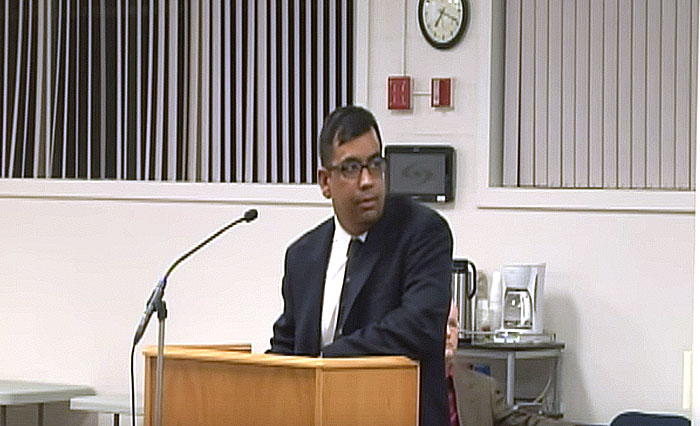
The advisory board for the Hays-West Central Kansas Co-op has recommended to not renew the contract of its special education director.

Raj Sharma was named as the director of the coop on July 1, 2016. Contracts for Hays school district administrative staff are discussed in February each year.

The school board will vote on the recommendation at its next meeting on Feb. 12.

Sharma was the special education director in Wellington before taking the job in Hays.

The co-op covers the Hays, Ellis, La Crosse and Victoria school districts.

The contracts for Superintendent John Thissen and Assistant Superintendent Shanna Dinkel will also be up for review on Feb. 12. Thissen has recommended renewal of Dinkel’s contract. Dinkel was also appointed as assistant superintendent as of July 1, 2016.

Thissen’s contract will be reviewed by the school board. He has asked to be moved from a two-year contract to a one-year contract to be parallel with the other administrative staff.

Hays school board discusses using federal funds for facilities

By CRISTINA JANNEY
Hays Post

The USD 489 school board discussed the possibility of applying for federal grants to renovate facilities during its meeting on Monday.

Superintendent John Thissen discussed facilities needs with the board. If the school district moved the Early Childhood programs into an existing building in the community or an existing elementary in the school district, it might be able to apply for federal funds to make renovations.

“The exciting thing about this is that you can’t buy a new building and receive federal funds for it, but you can buy used and renovate and use federal funds. That is another reason why this may make sense,” Thissen said. “Washington and Munjor are federal programs that we could perhaps get some money for that we are not normally able of getting.”

The district received about $150,000 in federal grant money when ECC moved into the former Washington Elementary School on Main Street.

New construction runs about $200 to $300 per square foot, but if a suitable building could be found, renovation could cost $100 square foot, Thissen said.

In three to four years the state has said it wants to expands its preschool programs to all day. The Washington building is full, so additional room would be needed to meet the demand. Washington also has accessibility issues, no storm shelter and sewer issues. In addition, the district would like to vacate the Munjor building, which has roof issues and no storm shelter.

Washington is more than 90 years old, and Thissen questioned the advisability of investing significant amounts to remodel a building that old.

Another version of this option is also moving Rockwell’s offices into a renovated building. Vacating Rockwell, however, would leave the district without an auditorium. The heating for the auditorium is controlled by the boiler for the rest of the building. Thissen also said the value of the Rockwell property is in the land, and he doubted a buyer would want the property with the auditorium left on it.

This still leaves the issue of the elementary schools, which Thissen said he thought could be addressed with a bond. He said the district could consider building a five-section elementary school that would consolidate O’Loughlin and Lincoln elementaries.

Thissen said preliminary numbers indicated this could be achieved with about a $40 million bond, which would be at a cost in the range for $10 to $12 per month for a $150,000 home. He said he thought this might be accomplished with a 15-year bond.

If O’Loughlin was vacated, it could be renovated for the Learning Center, Rockwell and maintenance.

Consolidating Munjor, Washington and Lincoln into a new building would be another option, but that project would not qualify for federal funds.

Board member Greg Schwartz said he would like to see a further explanation building by building of the facility needs.

Board member Paul Adams said he would like to have a special board meeting just to talk about the facility needs and a possible future bond.

Humane Society Soup ‘R Bowl raises money for care of animals

By CRISTINA JANNEY
Hays Post

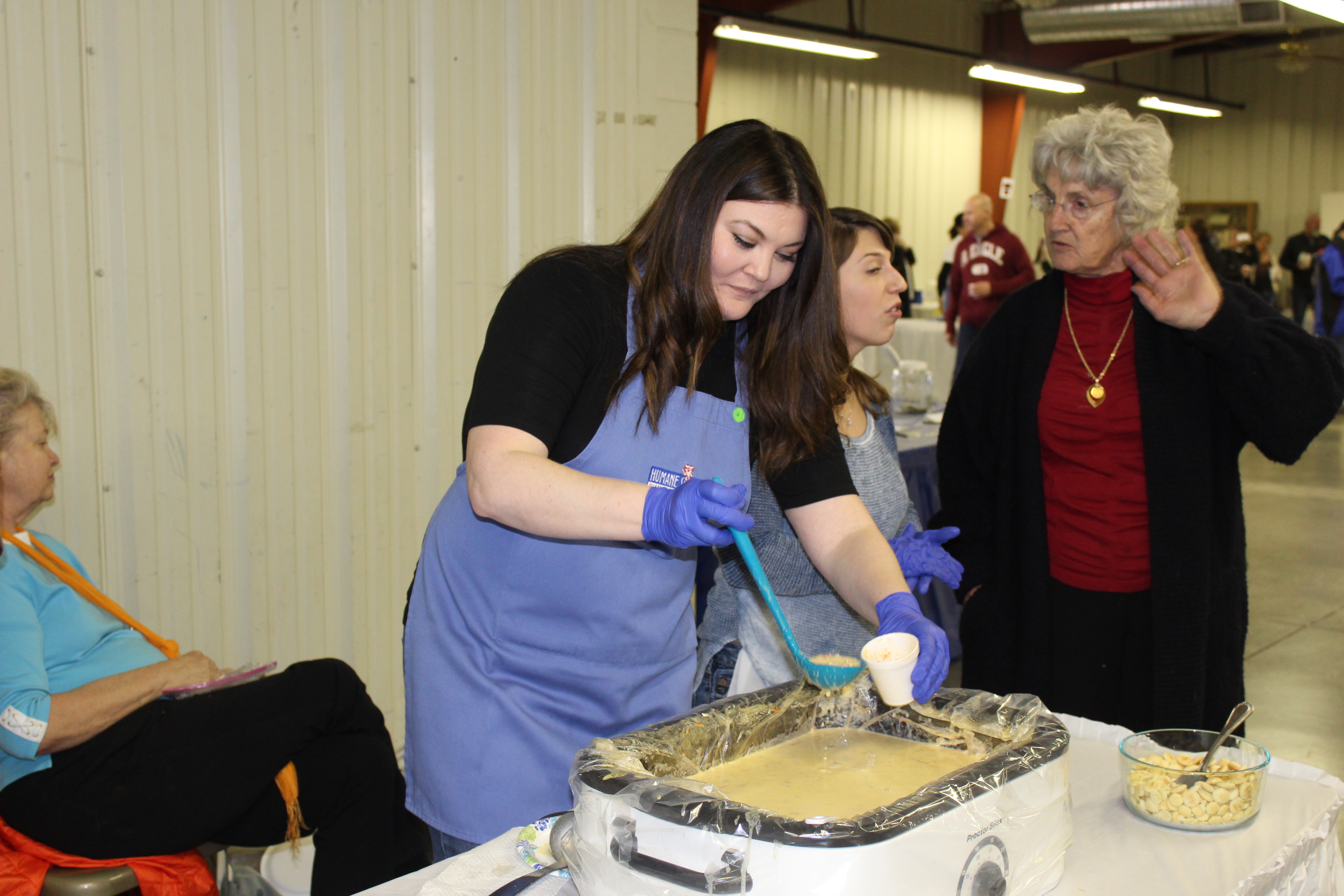
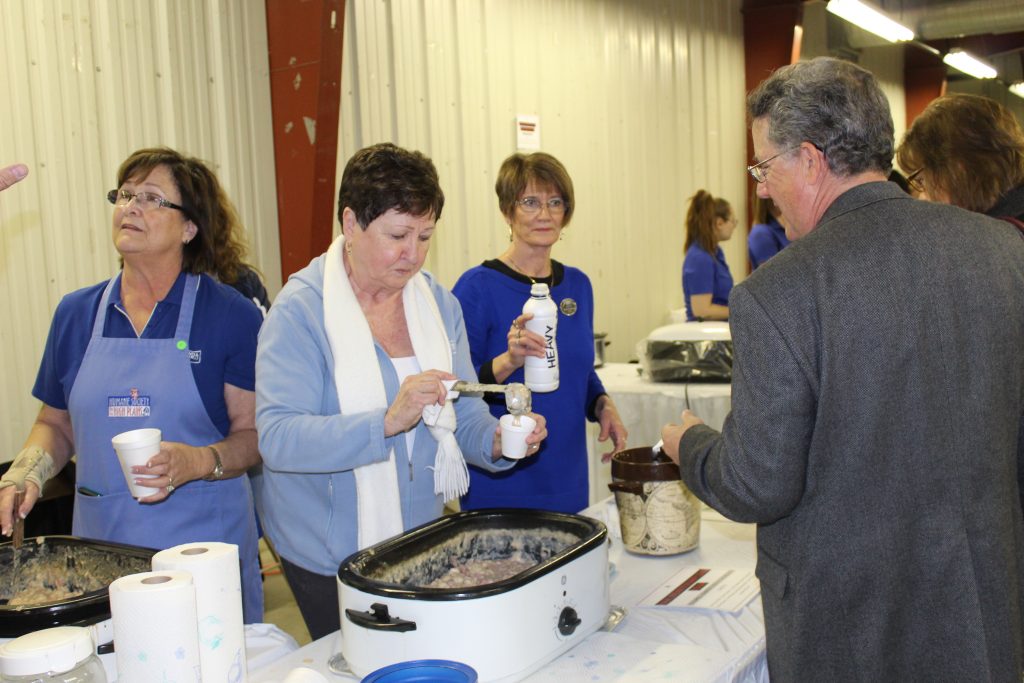
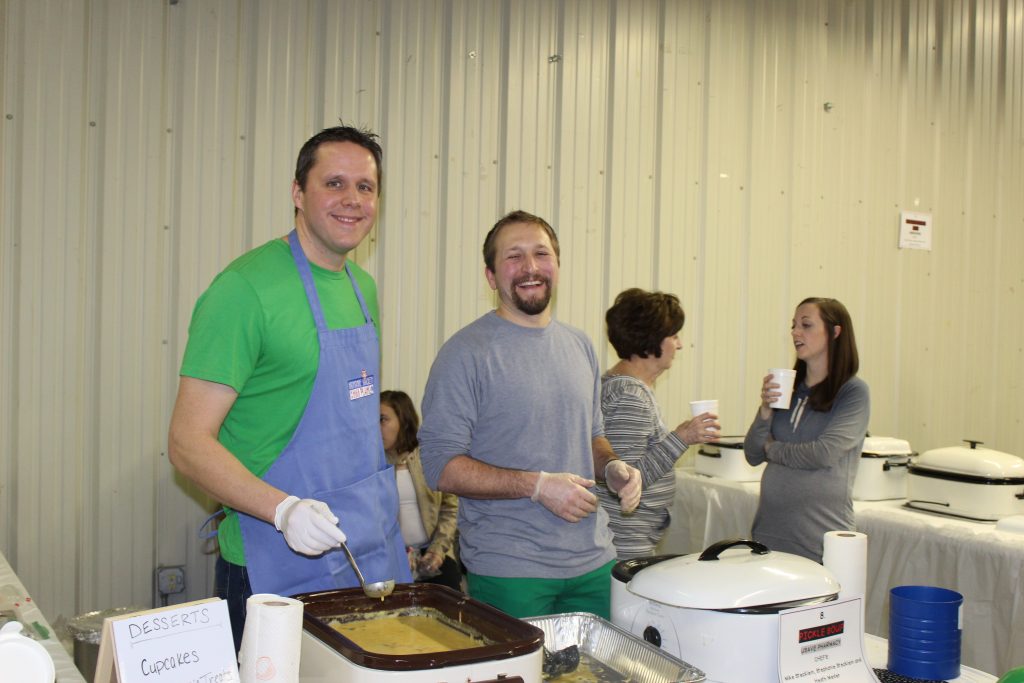
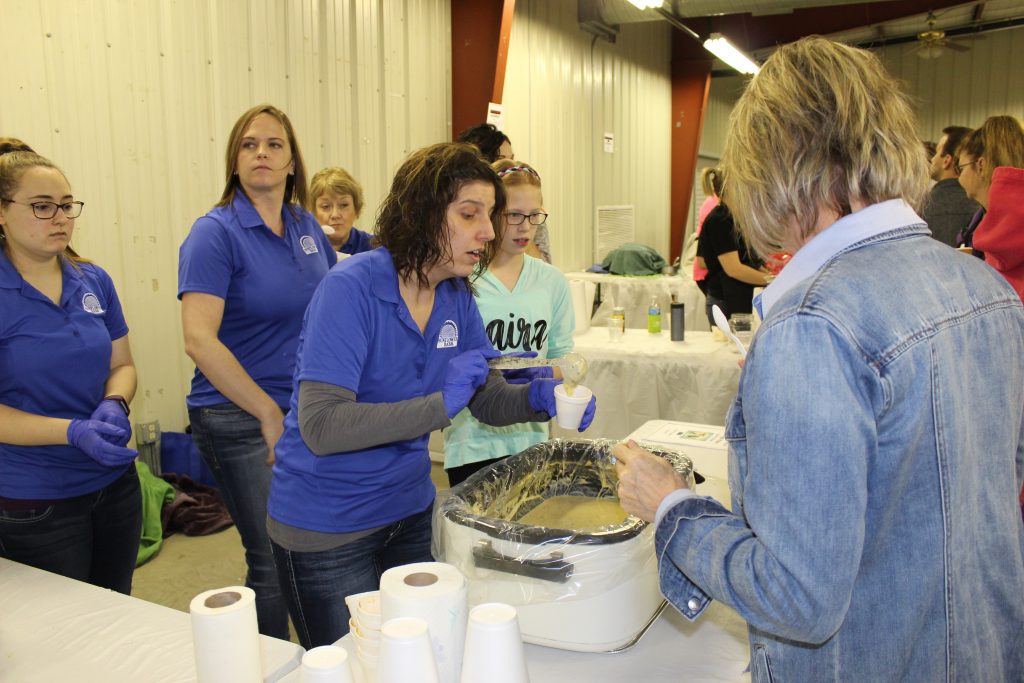
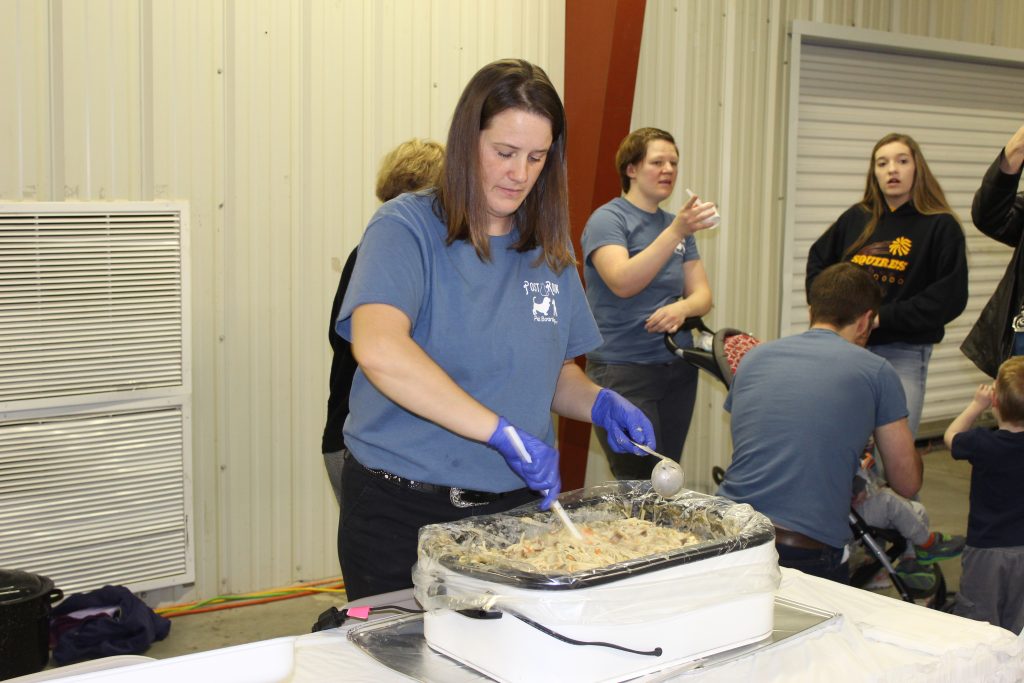
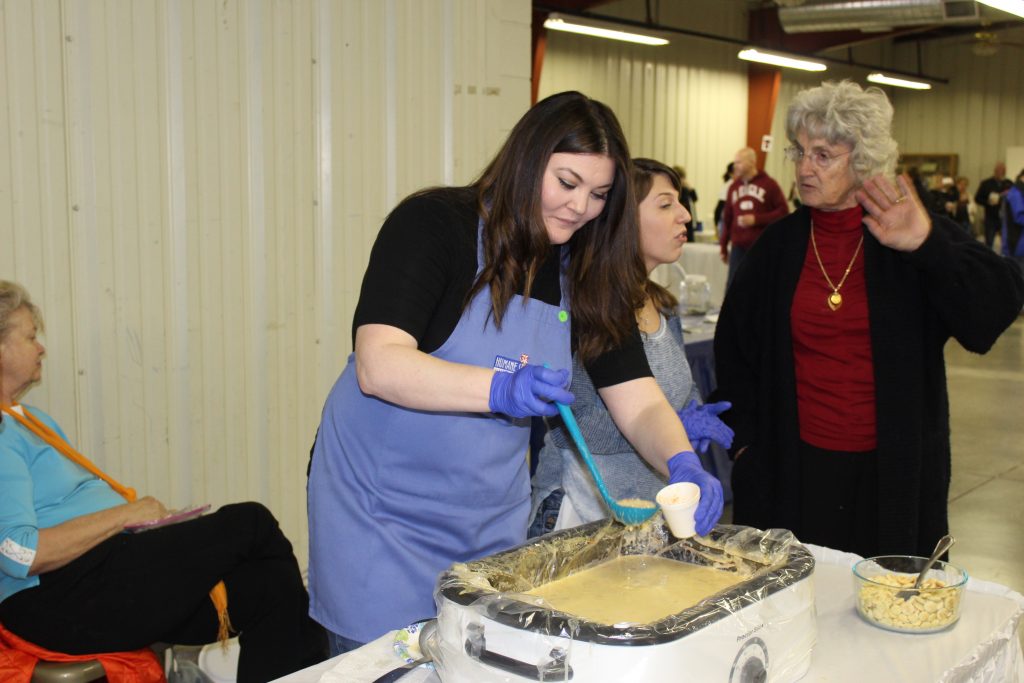
Hundreds gathered Sunday at the Ellis County Fairgrounds for the Humane Society of High Plains Soup ‘R Bowl.

The Soup ‘R Bowl is the main fundraiser for the Humane Society with all the proceeds going to the care of the animals.

Twelves businesses and organizations served soups and chilis to event goers, who paid $7 each for tasting kits. Each kit contained tickets to vote for their favorite dish.

The winning business this year was Fur is Flying Pet Grooming with chef Bunnie Bowen, who made a Creamy Reuben Soup. Bowen will be the keeper of the Golden Ladle for the next year.

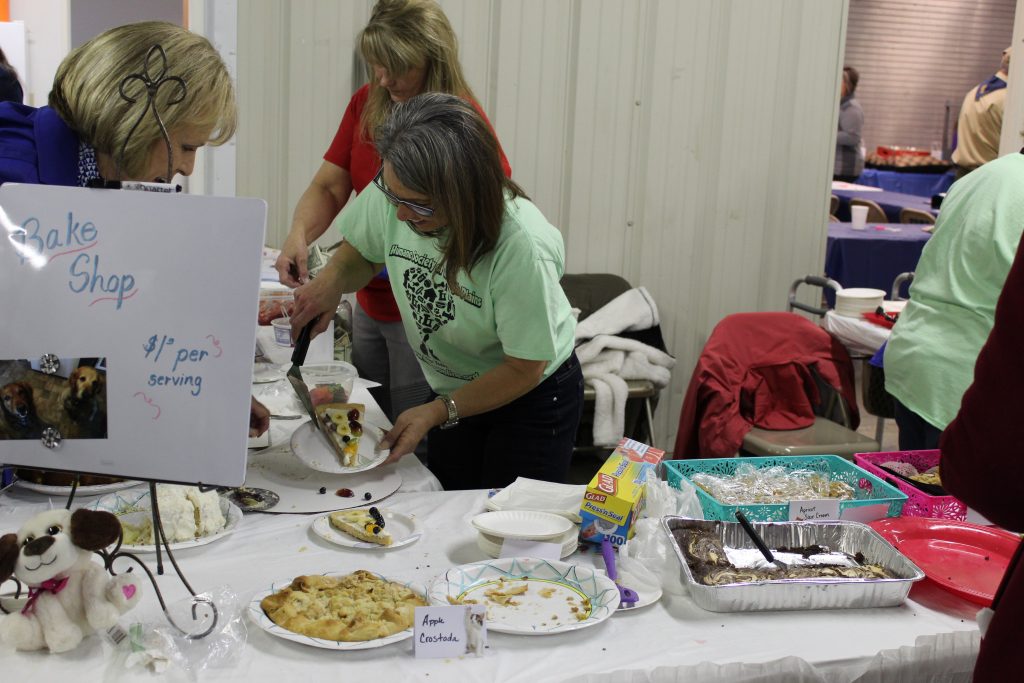
The event also offered a large variety of desserts, door prizes and a raffle drawing. The Humane Society produced a cookbook with all of the soup recipes, which sold out.

Final fundraising totals and a head count won’t be available until later in the week. However, Alicia Tripler, board member, said she was pleased with the turnout.

About 600 people attend the event last year, and Tripler said she hoped the event would reach at least that threshold again this year.

She said she wanted to thank all the people and organizations who helped with this year’s event, especially Fort Hays State University.

The university baseball team help set up for the event, Alpha Kappa Psi members volunteered, Victor E. Tiger was on hand, and the Athletics Department donated football tickets and provided green bean dumpling soup, which ran out before the end of the event.

Barbara E. Sprinkle

COLBY—Barbara E. Sprinkle, 76, of Colby died Friday, Jan. 26, 2018 in Bentonville, Arkansas.

She was born June 6, 1941 in Colby, Kansas. She was a homemaker.

She was preceded in death by her husband, Robert E. Sprinkle, on Oct. 22, 2007 and her son Dan T. Sprinkle on March 31, 2008.

Survivors include her son Chad C. Sprinkle of Cassville, Missouri; brothers William “Bill” Adams and Richard “Dick” Adams and Charles Adams; and three grandchildren.

Visitation will be from 3 to 5 p.m. Wednesday, Jan. 31 at Kersenbrock Funeral Chapel, Colby.

There will be a graveside service at 11 a.m. Thursday, Feb. 1 at Beulah Cemetery in Colby with the Rev. James Mardock officiating.

Memorials can be made in Barbara’s name and be designated at a later date in care of the funeral home.

Condolences can be made at kersenbrockfuneralchapel.com.

Hays FFA student experiences South African culture, wildlife

Marie Reveles of Hays traveled to South Africa over her winter break with a FFA group to experience the country’s culture and religion.

By CRISTINA JANNEY
Hays Post

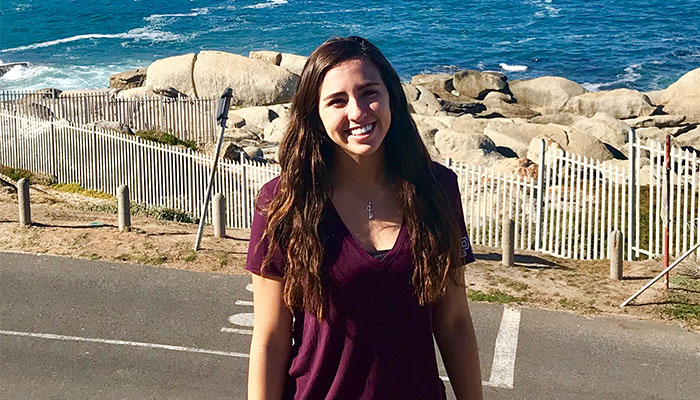
Marie Reveles of Hays spent her winter break on the plains and mountains of South Africa.

Reveles, 19, a freshman at Kansas State University, and other FFA students traveled to South Africa from Jan. 4 through 15 to experience the culture, religion and agriculture of the African nation. Reveles, who was a state FFA officer when she was at Hays High, applied to participate in the trip.

“The culture there was amazing, and it was so amazing because I think it did remind me of my hometown of Hays, Kan. The people there are very, very generous. Even if they don’t have a lot to share, they will share what they can. They are always there to help people out,” she said.

The group’s tour guide told the FFA students he once lived in a neighborhood in which a man lost his home and everything he had. The neighbors rallied to his aid and helped him with anything and everything he needed until he could get back on his feet.

Reveles said she was most affected when she visited a poor community. The residents had no running water. Two wells served the village of 15,000 people. The homes were made of sheets of metal propped up against each other. The ground looked like a gravel parking and was very difficult to grow anything in. Only 400 students in the community can attend school.

“It was a very eye-opening experience,” she said. “It grounded me that this was not a vacation, but it was a learning experience too. When we visited there, we saw some very sad situations, but they were very happy people. It was very interesting to me that community thrived because they help one another whenever they need it.”

The residents greeted the students, sang, danced and acted out stories.

“We saw these two little boys. They were playing tag, and they were laughing so loud. The youth were singing and dancing. That was my favorite part. I started tearing up,” she said. “I have never seen such passion and energy and excitement in what they were doing. It reminded me that you don’t need a lot of things — material things — to be happy. Because those people basically had next to nothing, and they were the happiest people I have ever seen in my entire life.”

Marie Reveles and her fellow students were able to come within 10 to 12 feet of this cheetah mother and her cubs at Kruger National Park in South Africa.

Reveles had a close encounter with Africa wildlife at Kruger National Park. The students were on a safari when their guide spotted fresh cheetah tracks. Within five minutes, the group spotted a mother cheetah with her three cubs. The students were able to leave the confines of their vehicle and walk 10 to 12 feet from the big cat and her cubs. Although some of the students were eager to regain the safety of the vehicle, Reveles stood firm.

“I was really not frightened. I was really excited,” she said. “Things like that intrigue me.”

While visiting the preserve, Reveles tried roasted wildebeest for the first time. On the trip, the group sampled other native dishes, including ostrich steak springbok, blesbok, calamari and a variety of fish dishes.

Reveles visited a variety of farms on their trip. The South Africans grow a great deal of corn. Farmers there grow both yellow and white corn, but there they eat the white corn and feed the yellow corn to livestock. Corn was an important staple for poor families in Africa, especially during Apartheid. Today South Africans have developed both sweet and savory corn dishes and serve these dishes at breakfast, lunch and dinner.

South Africa has a warmer climate than Kansas, so the country also grows nuts, citrus fruit, bananas and avocados.

The South African farmers struggle with many of the same issues that American farmers do, including water shortages and pests. In the warmer climate, fruit growers use nets or bags to cover fruit to prevent sunburn. Just like in the U.S., South African farmers find it more difficult to market blemished fruit to consumers.

The FFA students visited a banana plantation. The farmers use sacks, like this blue one, to cover the bananas to protect them from pests and sunburn.

South African Farmers use organic farming methods as well herbicides and pesticides. Farms can be small family farms or large corporate operations; however, in South Africa, what is grown is largely dictated by the government.

The students visited a farmer’s market in Pretoria, which Reveles compared to a mini-carnival or state fair. In addition to fresh fruit, the market featured local arts, crafts and coffee stands.

In addition to the farming operations, the students visited several points of interest in the county. These included Table Rock Mountain, the Cape of Good Hope, the most southern point on the African continent, and an area that was home to African penguins.

Reveles was so inspired by her ag teacher at Hays High, Curt Vajnar, she has decided to major in ag education and hopes to eventually teach agriculture at the high school level. She hopes she can share her experiences in FFA, including her trip to South Africa, with other young people.

“My adviser, Mr. Vajnar, was so influential to me,” she said. “Without him, I would not be where I am today, and I would love to be that person for hundreds of students.”

Hays High School DECA raises money for Miracle Minutes

USD 489

Hays High School DECA students participated in collecting money for the Ronald McDonald houses Miracle Minutes project.

DECA students took advantage of good crowds at the Bob Kuhn Prairie Classic by collecting spare change from spectators during the wrestling tournament.

All money raised for the Miracle Minutes project will go toward helping children with significant medical needs in Kansas.

Students were able to raise about $500 for their Miracle Minute project this year.

Copyright Eagle Radio | FCC Public Files | EEO Public File