We have a brand new updated website! Click here to check it out!

Now That’s Rural: Matt Crubel, Silver Creek Creative

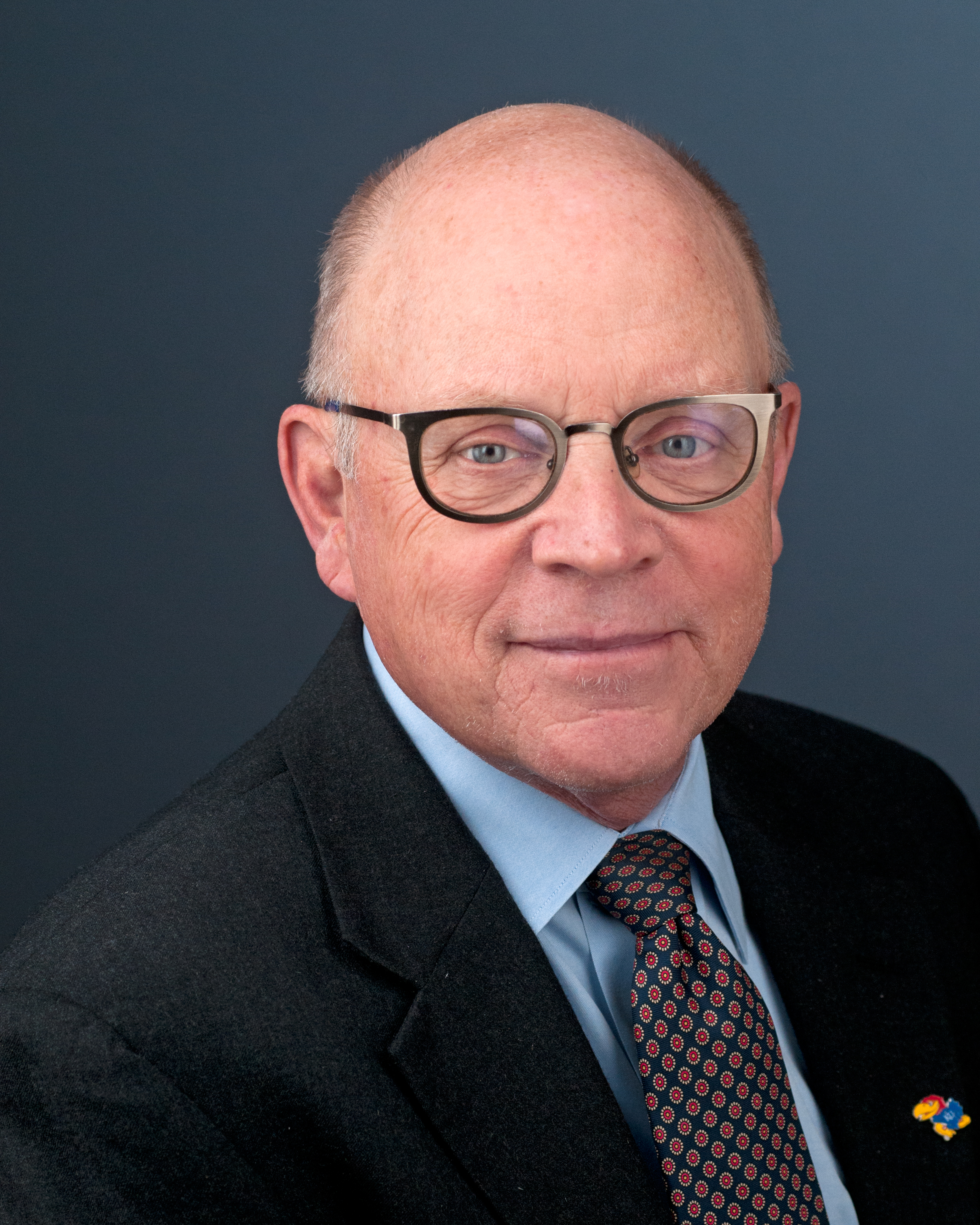
Ron Wilson is director of the Huck Boyd National Institute for Rural Development at Kansas State University.
By RON WILSON
Huck Boyd National Institute for Rural Development

“Cherish your memories through film.” Many of us have happy memories which we might be able to picture in our minds, but what if those happy times were recorded in an actual video which we could play and share? Today we’ll meet a young entrepreneur who is capturing and preserving those happy memories for others.

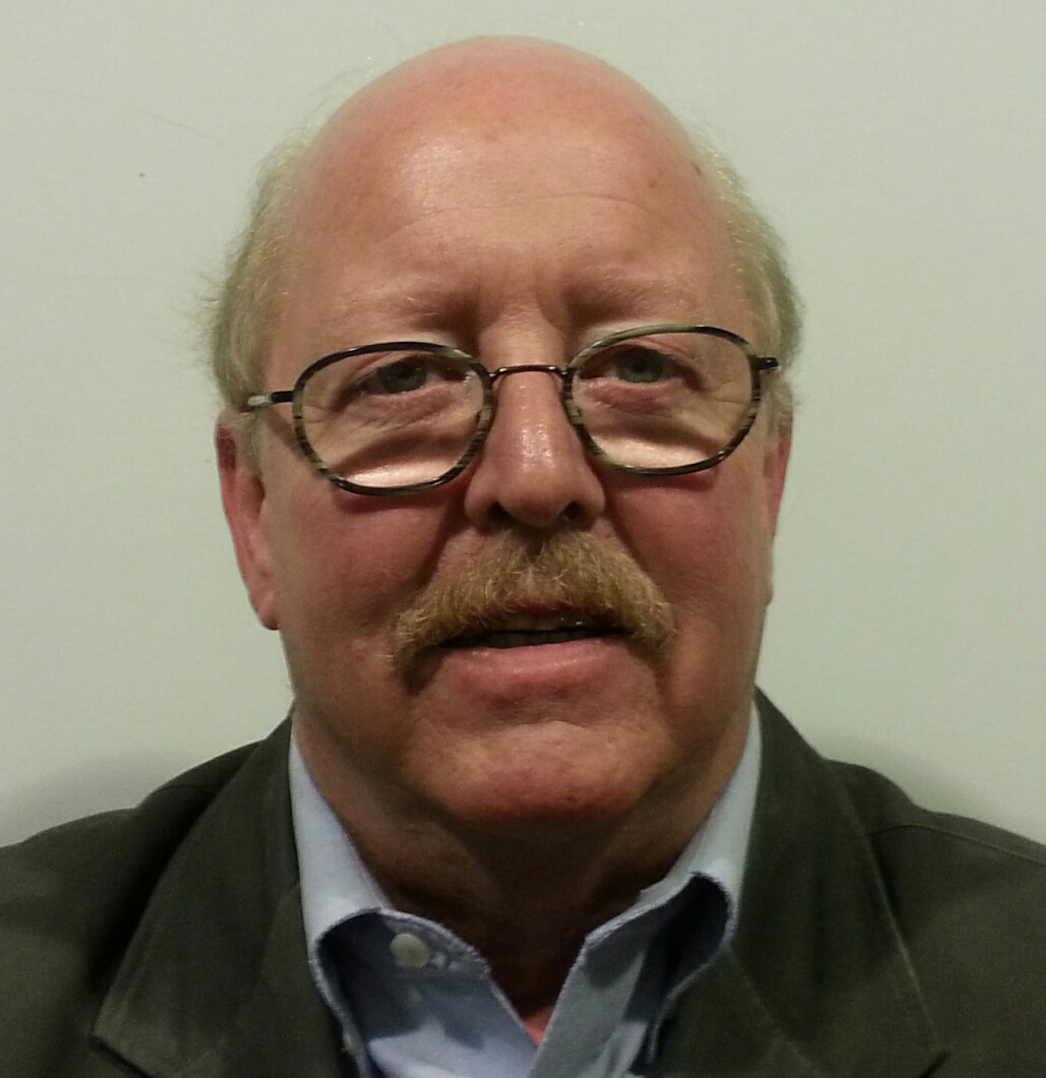
Matt Crubel is the founder and owner of Silver Creek Creative, a video production company near Manhattan. Matt grew up at Manhattan and attended Riley County High School where he was an outstanding basketball player.

He also took media classes and became highly interested in video. “I and some other guys told the teacher that we wanted to help put together highlight videos for the sports teams,” Matt said. He helped produce highlight films for football, basketball, baseball, and track and field.

Matt went on to play for Manhattan Christian College and Neosho Community College. He came to K-State and played on the practice squad during the time that the team made it to the final eight. He also took some video classes.

Matt is an outdoorsman. “Some guys wanted me to film one of their hunts,” Matt said. It was a lot of fun. He went to work for some guys who had a hunting film production company and eventually went out on his own. He spent seven years in the hunting film industry. His company primarily filmed whitetail deer and turkey hunts in Kansas and sent crews as far away as a deer hunt in Wisconsin and a bear hunt in Canada.

Matt and his friend Curtis went into another business together. They opened an outdoor store of their own called Boone’s Outdoors in Manhattan.
Matt also got asked about doing videos of weddings. “I did a wedding video and the couple fell in love with what I did,” Matt said. He liked the challenge. “These videos required a little more skill and creativity.”

Meanwhile, Matt married Brandi whom he had met at Riley County High School. They eventually had a little daughter named Revae. When she was six months old, her parents got shocking news: Revae was diagnosed with cancer. There was a football-sized tumor on her kidney.

Matt and Brandi were devastated, but they carried on. Revae had immediate surgery and follow-up treatments. Today, she is cancer-free.

Matt went to work for the City of Manhattan and proceeded to pursue work in wedding videography on the side. In early 2017, he launched his own wedding video production company. Since he and Brandi live on Silver Creek Road west of Manhattan, they named the company Silver Creek Creative.

His studio is in their home which is located west of the rural community of Keats, an unincorporated community with a population of perhaps 200 people. Now, that’s rural.

Today, Silver Creek Creative offers wedding videos and other types of videos such as advertising, realtor home tours, parties, and more. He also subcontracts with another video company. In addition to conventional cameras, Matt has a drone which takes aerial views. This is especially useful for outdoor home tours for realtors and also provides some spectacular footage of wedding sites.

Silver Creek Creative offers various wedding packages which include the ceremony plus varying features. Typically brides get a musical compilation of the ceremony plus raw video footage of the day.

“It’s a day of joy,” Matt said. “I use the phrase, `Cherish your memories through film,’ because the video lets you relive your wonderful day second-by-second. It makes me happy to share that compassion with the couple and know that what I produce will brighten their joy and brighten their future.”

For more information, and to see Matt’s touching video about his daughter, Revae, and her successful and valiant fight against cancer, go to www.silverccreative.com.

Cherish your memories through film. Many of us have happy memories, but this entrepreneurial business is capturing those memories and saving them for the future. We salute Matt Crubel of Silver Creek Creative for making a difference with his creativity and ingenuity. It is a wonderful thing to watch.
KLM: Increasing voter engagement in Kansas communities

(Click to enlarge)

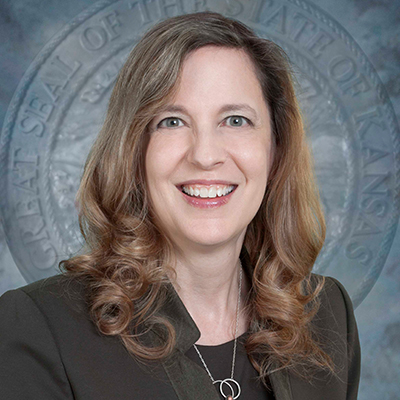
By MEGAN GILLILAND
KLM

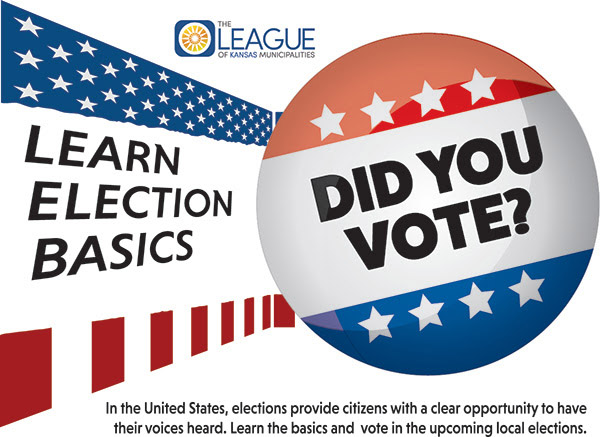
In a few weeks, Kansans across the state will participate in their first fall local elections. Last year the Kansas Legislature voted to shift local elections from spring to fall to parallel the gubernatorial and Presidential elections that are held in November of even-numbered years. As county election offices prepare for voters on November 7, 2017, the Kansas League of Municipalities (KLM)has prepared an infographic, best practices and a social media campaign to assist citizens and elected officials in this transition.

The League values the importance of voting and encourages Kansans take part in elections and actively participate in decision-making for their communities through voting and other forms of civic engagement. Through our efforts, and other entities across Kansas, we hope to increase voter turnout by providing useful resources that can help voters navigate the election process. Voter participation is not just about getting residents to the polls; it is also about creating an environment of trust in which the opinions of all engaged members of the community are heard and influence changes that are made.

Recently, we published an article in the Kansas Government Journal with strategies for increasing voter engagement. These strategies included teaching the election process to residents, establishing community conversations and creating a social media strategy to encourage voter participation. We encourage communities to use these suggestions to introduce or re-engage voters in local elections. The benefit to communities is that voters will participate on Election Day and, to an even greater extent, continue to ask questions and express opinions which help create change in their community.

The League created a printable infographic for candidates, local government officials or the public to use to encourage voting and educate residents about voter registration, voting locations and types of ballots. There may be variations of the information provided based on counties, but the dates provided give each county’s residents the opportunity to have a counted ballot. The infographic is available online on the League website.

Wheat growers’ organizations dispute Corker’s food aid position

Joint release from the National Association of Wheat Growers and U.S. Wheat Associates

In remarks to the American Enterprise Institute on Oct. 19, Sen. Bob Corker (R-TN) stated that he has talked to farmers and that farmers “do not care” about U.S. in-kind food aid.

“I don’t know what farmers Senator Corker is talking to because I can assure you wheat farmers care a lot about in-kind food aid,” said Dighton wheat farmer Ron Suppes. “In 2016, U.S. government donations of milling wheat, that helped feed food insecure populations or were monetized by NGOs to fund local food security projects, reached a level that would be equal to a top ten export market.”

“Sen. Corker’s call to eliminate in-kind food aid donations in favor of all cash gifts is an extreme position, shared by AEI, a group that regularly attacks farm programs and farmers,” said Gordon Stoner, a wheat farmer from Outlook, Mont. “In-kind food aid and monetization are still important tools for delivering greater food availability and easing local market price volatility.”

At a June House Committee on Agriculture hearing, Suppes testified on food aid and a trip to Tanzania where he saw development programs that utilized wheat.

“I saw first-hand how food aid can also generate goodwill with other countries,” he said. “By encouraging agricultural development in countries like Tanzania, we’re ultimately spurring economic growth, which means Tanzania is more likely to be a stronger trading partner in the future. And the tangible presence of U.S. wheat in that equation is a symbol that cash can’t match.”

In fact, one of the goals of the U.S. PL-480 food program is to get food to the places where it is needed most. Over time, this program has also had beneficial effects for U.S. farmers. The Philippines and Taiwan are countries that once received in-kind food aid from the United States. Today, both markets are major importers of U.S. wheat and other food ingredient commodities.

“U.S. Wheat Associates and NAWG believe time-honored U.S. food aid programs have been engines of peace, food security and local capacity building in countless countries around the world,” said Stoner. “In-kind food donation and monetization should remain a vital part of America’s tradition of global generosity.”

LETTER: Setting political priorities

Last weekend, I walked in the Hays High Homecoming parade to hand out materials about the USD 489 bond project.

As we were lining up and I watched other candidates for City Commission getting ready, I started to worry about the fact that I didn’t have my name on the side of a truck with hundreds of #VoteDinkel flyers to hand out. I started to regret having missed the other parades while my wife, son and I were in Albania visiting her family, and I started to wonder if I had made a mistake investing so much time promoting this bond at the expense of my own campaign.

However, the more flyers I handed out, and the more kids I saw along the parade route, the more I realized that I was doing exactly what I needed to do.

Don’t get me wrong, I want to be on the City Commission. I believe I would be an effective member of the commission and would bring ideas to the table that would help push Hays forward, but I also believe that passing this bond is essential for the future of Hays and that I need to do everything in my power to promote it.

By the end of the parade, I had stopped worrying.

I came to the conclusion that I would rather support a candidate who went down fighting for a cause that he or she believed in than a candidate who turned a blind eye to issues that would benefit the town they represent. This may be the idealist in me speaking, but I’m trusting that the people of Hays feel the same way.

For better or worse, you won’t see any #VoteDinkel signs around town this year, but if you wanted a sign to support me, I’d ask you to get a sign to support this bond, instead. I hope you’ll support me for City Commission on November 7th, but I desperately hope you’ll vote YES for the school bond.

Chris Dinkel
Hays city commission candidate
USD 489 Vision Team volunteer

INSIGHT KANSAS: The lure of the independent, the reality of the parties

Political independents continue to fascinate journalists. The Kansas City Star’s op-ed page recently included a piece by Greg Orman, Kansas’s independent 2014 candidate for the U.S. Senate, and one by Jacqueline Salit, of IndependentVoting.org. Orman’s continuing message is that the mud wrestling of partisan politics needs an infusion of centrist independence, while Salit argues that today’s apparent growing numbers of independents are somehow different from previous generations, when most independents actually had strong partisan leanings.

Burdett Loomis, Professor, Political Science, College of Liberal Arts and Science

The lure of an independent, centrist candidacy and the fantasy of legions of thoughtful, independent voters are powerful storylines in a politics that has become increasingly coarse, tribal, and allergic to facts.

Orman would have us believe that in a three-way 2018 race for governor, he could prevail over the two major party candidates. We do not know who the candidates are, but in this red state, a Republican gubernatorial candidate begins with about 40 percent of the vote. A Democrat with maybe 30 percent. Where does that leave an independent? In a deep hole.

In 2014 Orman ran a strong, well-funded senate race, and still lost to Pat Roberts, the weakest Republican incumbent in the country, by 11 percent in a two-way race. This year, with Democrats running strongly in the second and third congressional districts, and with their desire to maintain their 2016 state legislative gains, a Democratic gubernatorial nominee will have solid party backing. If the GOP nominee is Kris Kobach, any Democrat will have substantial additional support, much of it coming from outside the state.

Still, multiple reports suggest that Orman will run for governor as an independent. Beyond the numbers, let me suggest how his Kansas-based reasoning is flawed. He writes, “The two major parties that run our country don’t seem to care. They are running their own version of professional wrestling: There’s lots of fighting, name calling, and posturing, but nothing is really happening.” That’s a powerful assertion, and one that has creedence at the national level.

In Kansas, however, his analysis simply falls apart.

Over the course of more than forty years, through 2010, a coalition of Democrats and moderate Republicans combined to provide reasonably responsive policies to the state across both Democratic and Republican regimes. Of course, there were partisan battles, but legislative majorities ordinarily provided consistent governance.

In 2005, for example, under the gun of a Supreme Court school finance decision, the Legislature came together – not altogether happily – to respond to the court’s requirements. From 2011 through 2016, conservative Republicans ruled the roost, after the blowout 2010 election. Many Kansans disagreed with their policies, but there was no deadlock at all. Party government prevailed. The response to this far-right rule was to contest the 2016 elections – both primary and general – with vigor.

In the wake of the historic 2016 elections, the state moved back to moderate conservative governance, with Democrats, moderate Republicans, and some conservatives providing the votes to readjust the state’s income tax policies. Again, there was tough politicking, but the Legislature resolved its issues.

Overall, the three parties of Kansas politics – conservative Republicans, moderate Republicans, and Democrats (mostly moderates) – have governed the state in line with their voters’ preferences. There has been tough campaigning, but also notable accomplishments, from both sides of the aisle.

In short, Greg Orman’s ambition has clouded his analysis and judgment as to Kansas politics. Party politics, albeit of the three-party variety, has served the state well. The romantic ideal of an independent candidate simply ignores the fact that the state’s parties have historically responded to the wishes of the electorate, usually ending up near the center.

Burdett Loomis is an emeritus professor of political science at the University of Kansas.

BEECH: Helping children be good eaters

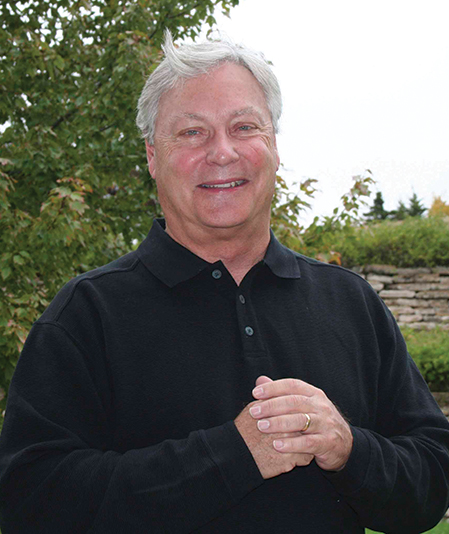
Linda Beech

We all want our children to be good eaters so that they will be well-nourished and grow to be healthy young people. But children have their own ways of behaving with food. Understanding that children behave differently from adults is the first key to success with helping kids learn to eat well.

Child nutrition expert, Ellyn Satter, in her book Child of Mine: Feeding with Love and Good Sense (Bull Publishing Company, 1986, 2000), defines the “division of responsibility” in feeding young children:
The adult is responsible for what is presented to eat and when and where it is provided. The child is responsible for how much and even whether or not to eat.

Her message is that parents and child care providers are responsible to choose and prepare a variety of nutritious foods, provide a regular schedule of meals and snacks, make eating times pleasant and expect age-appropriate behaviors from their children. The children are responsible for everything else!
With the division of responsibility in mind, Satter shares these insights into helping children to be good eaters:

Children challenge themselves to eat. Children are naturally skeptical about new food and cautious about eating it. “New” to children can be a food they haven’t seen before, a familiar food prepared in a different way, or someone they don’t know doing the cooking.

Children learn to like new foods by having them served repeatedly, by seeing their friends eat them, by tasting them many times and by having someone they trust eat the same food with them.

Children need to feel in control of their eating. Kids eat better when they can pick and choose from foods that are available and decide whether and how much they are going to eat. They need the freedom to turn down food they don’t want, or the reassurance that they can taste a food and decide not to finish it. When given a “way out” with food, children can will often be more daring and cooperative than if they feel they “must” eat.

Children are erratic about their eating. Children have built into them the ability to eat a variety of food. They may eat a lot one day and a little the next, accept a food enthusiastically one day and turn it down the next. Their internal sense of hunger, appetite and fullness is stronger than adults’ and they know how much to eat to grow properly. They’re more likely than adults to stop when they are full rather than when the food is gone.

Children waste food. Food consumption surveys show that plate waste goes up when there are children in the family. Adults tend to clean their plates and eat the expensive foods (like meat.) Children do not–and they often don’t finish their milk. A certain amount of waste is inevitable.

Children won’t eat food that is unappealing to them. Adults eat food because they like it. But they also eat food that doesn’t taste the greatest because the food is good for them or because they paid for it or to keep from getting hungry later. Children don’t. They eat because food tastes good. And they eat what appeals to them right at the moment.

Children need limits. Kids don’t benefit from being allowed to say “YUK!” at meal time. They do benefit from learning to be respectful of other people’s feelings. They benefit from learning to turn down food politely (a simple “no thank you” will do), to be matter of fact about choosing not to eat something, and to be subtle about getting something back out of their mouths when they don’t want to swallow it.

If children are rude about food, look for ways grownups are putting pressure on their eating–the kids may be fighting back.

Adult interference can backfire. Parents and child care providers can only provide a variety of attractive, wholesome food in pleasant surroundings and encourage positive approaches to eating. After that, it is up to the child to eat.

Taken on a day-to-day basis, it can sometimes look like children aren’t accepting foods well. But over the long term, children will eat and they will learn to like a variety of food. Putting pressure on children to eat more or waste less won’t work. Children eat less well, not better, when they are forced, bribed or cajoled to eat.

Linda K. Beech is Cottonwood District Extension Agent for Family and Consumer Sciences.

LETTER: Current classroom space is inadequate

Through the process of identifying needs of the district, both students and staff identified small classrooms and space limitations as barriers to teaching and learning.

A key guiding principle of engaging learners selected by stakeholders was noted as being hindered by the size of classrooms and absence of programmatic spaces. In addition, the results of the Educational Environment Assessment identified the lowest scores for the district as classroom size and project-based and student-centered spaces.

The current space of the academic classrooms at Hays High School falls short of this need; the core classroom size on average is approximately 681 square feet compared to the recommended 850 square feet.

The average square footage of the current academic classrooms simply do not meet the recommendation for 21st century learning. The students of the present and future need far different skills than were needed in the past, requiring educators to redesign learning environments for post-graduation success.

Many Hays High School teachers understand this and identified the right-sizing of classroom space as their top priority when surveyed on building needs. The district vision of providing a quality learning experience for every child in every classroom every day can be better met with learning environments that allow for project workspaces, independent work areas and collaboration spaces. Active exploration, deep inquiry and student-centered approaches require well-designed learning environments that are part of the high school and elementary renovations on the ballot Nov. 7.

Shanna Dinkel
Assistant Superintendent, Hays USD 489

SELZER: Cyber security includes responsible information sharing

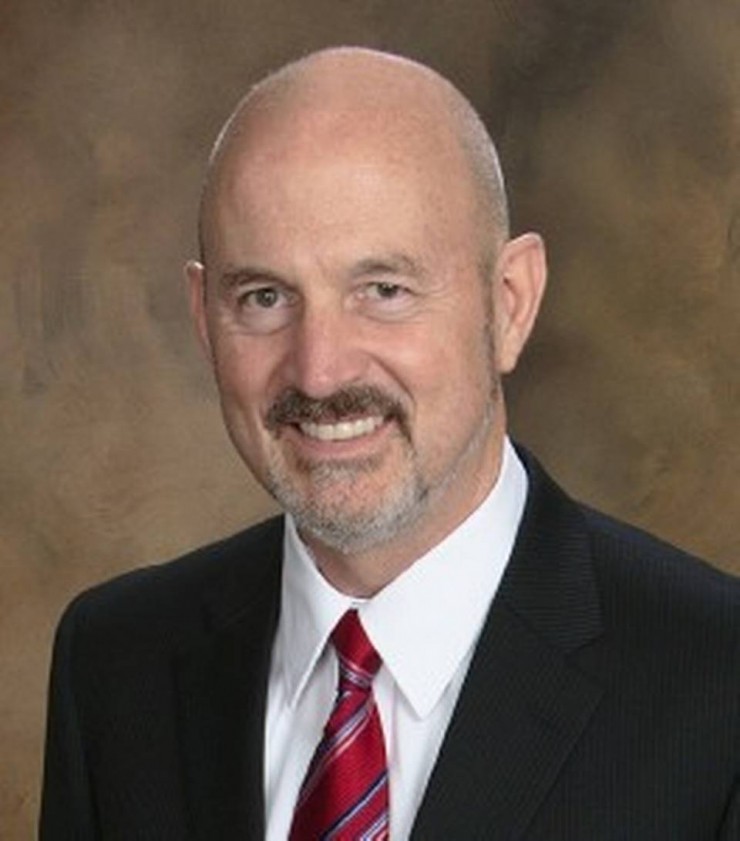
Ken Selzer, Kansas Insurance Commissioner

October is National Cyber Security Awareness Month, a time for Kansans to think about how they handle their personal data on their phones and computer devices. With increased nationwide computer breeches and illegal activities, I urge you to protect your electronic communication activities, whether for insurance or other personal data.

Check out the following tips from the National Cyber Security Alliance, with more information available on the organization’s https://staysafeonline.org website.

Lock down your login
Your usernames and passwords are not enough to protect key accounts like email, banking and social media. Strengthen online accounts and use strong authentication tools – like biometrics, security keys or a unique, one-time code through an app on your mobile device – whenever offered.

Keep a clean machine
Keep all software on internet-connected devices – including personal computers, smartphones and tablets – current, to reduce risk of infection from ransomware and malware.

When in doubt, throw it out
Links in email, tweets, posts and online advertising are often how cybercriminals try to compromise your information. If it looks suspicious, even if you know the source, it’s best to delete or, if appropriate, mark it as junk.

Back it up
Protect your valuable work, music, photos and other digital information by making an electronic copy and storing it safely. If you have a copy of your data and your device falls victim to ransomware or other cyber threats, you will be able to restore the data from a backup.

Own your online presence
Set the privacy and security settings on websites to your comfort level for information sharing. It is OK to limit how and with whom you share information.

Share with care

Think before posting about yourself and others online. Consider what a post reveals, who might see it and how it might affect you or others.

Personal information is like money. Value it. Protect it.
Information about you, such as purchase history or location, has value – just like money. Be thoughtful about who gets that information and how it is collected by apps, websites and all connected devices.

Common sense action will help to make your personal data secure from unscrupulous hackers.

Ken Selzer, CPA, is Kansas Commissioner of Insurance.

KHAKOVA: KS Energy Conference shows need for solar development

Olga Khakova, CEP Program Director

We at CEP were thrilled to partner with the Kansas Department of Commerce in hosting the conference this year. The 18th Kansas Energy Conference brought over 260 attendees from across Kansas and the region. 59 speakers and moderators shared their expertise and led thought-provoking discussions about the energy opportunities in the state. The presentations can be accessed here.

Some take-aways:

  • Although wind energy has experienced tremendous growth in the last 10 years, untapped future opportunities are abundant, with the right policies.
  • Kansas is missing out on tapping our solar resource and economic growth from solar development. Stakeholders need to come together to work through barriers.
  • Energy Efficiency has helped cities, utilities, and energy consumers save money and provide better customer service, but we need robust funding options and sources for meaningful energy efficiency implementations across the state.
  • Electric Vehicles (EV) can drive economic growth in the region. But we must be proactive and thoughtful in creating welcoming EV infrastructure that is fairly-funded by the stakeholders.
  • Transmission overload could slow economic investments in new generation. Privately-funded projects like Clean Line could open doors for more energy developments in the state.
  • Technological innovations and more engaged consumers are changing the way energy is produced, transmitted, and used. Kansans have an opportunity to create an intentional vision for the energy future we want to see in the state.

The main conference wrapped up with prize drawing donated generously by Nest, Polsinelli, EDPr, Prosoco and the Kansas Department of Commerce.

One of the highlights for me, was the post conference Distributed Generation workshop. Hearing the diverse perspectives on distributed wind and solar reminded me of the complexity of the topic and the importance of those different voices of when forging future regulations that impact distributed generation.

We are grateful for our sponsors and exhibitors’ support, which made this conference possible: Apex Clean Energy, Clean Line Energy Partners, Cromwell Solar, Distributed Wind Energy Association, EDF Renewable Energy, EDP Renewables, Foley Power Solutions, Good Energy Solutions, ITC Great Plains, Kansas Electric Cooperative (KEC), Kansas Corporation Commission, KS Soybean Commission, MC Powe, Midwest Energy Efficiency Alliance, Midwest Energy, Inc., NEC Energy Solutions, NextEra, Olsson Associates, Polsinelli, Prosoco/Build SMART, Seward County Community College, Stanion Wholesale Electric, Stantec, Tradewind Energy, US Small Business Administration, Westar Energy, Wichita State National Institute for Aviation Research, Wilson and Company.

Olga Khakova is Program Director of the Climate + Energy Project in Hutchinson.

SCHROCK: No ‘taking a knee’ in China

John Richard Schrock is a professor at Emporia State University.

October 1 was China’s “National Day,” their “4th of July.” There were dignified ceremonies in Tiananmen Square. Veterans of their War of Liberation attended. Youngsters in red kerchiefs (Young Pioneers) laid flowers. Some stores posted the national flag. There were fireworks, but they ended about 9:00 pm so as not to disturb people’s sleep.

October 1, 2017 was also the day that China’s “National Anthem Law” came into force “…to ensure appropriate performance of the song.” Starting this month, “the anthem shall be sung at formal political gatherings, including the opening and closing of National People’s Congress sessions, constitutional oath ceremonies, flag raising ceremonies, major celebrations, awards ceremonies, commemorations, national memorial day events, important diplomatic occasions, major sport events and other suitable occasions,” according to the law and as reported in the news here.

In addition, “it is now illegal to use the national anthem during funerals, ‘inappropriate’ private occasions, commercials or as background music in public places. Violators, including those who maliciously modify the lyrics, play or sing the national anthem in a distorted or disrespectful way, can be detained for up to 15 days, and even be held criminally liable.”

And “the song will be included in textbooks for primary and secondary schools, and people are encouraged to sing the national anthem on appropriate occasions to express patriotism.”

Just as our national anthem remembers an episode from our War of 1812, China’s “March of the Volunteers” was chosen in 1949 because it “encouraged Chinese soldiers and civilians during the Chinese People’s War of Resistance against Japanese Aggression from 1931-1945.” It was revised in 1978 and reaffirmed as the national anthem in 1982.

The national emblem of China was already protected by a law effective in October 1, 1991. Their National Emblem consists of a design of Tian’anmen in its center illuminated by five stars and encircled by ears of grain and a cogwheel. The law directs many government agencies, from the military to the courts, to display this emblem.

So if China can have laws commanding behavior relative to its national anthem and symbols, why not the United States?

Simply, our two countries have laws reflecting different histories and different cultural values. China culture contains a central value for maintaining harmony. The United States values independence and religious freedom. And while the Chinese Constitution was modeled after the U.S. Constitution, the language is different and the resulting laws are also different.

When I first began teaching as a permit teacher in northern Kentucky in 1968, I taught under a superintendent who required all students to pledge allegiance and all teachers to lead the class in prayer. But even back then, he was in violation of the law.

Long before in 1943, the U.S. Supreme Court had ruled in West Virginia State Board of Education v. Barnette that requiring public school students to salute the flag violated both the 14th Amendment due process provisions and infringed upon the students’ religious beliefs, thus violating the First Amendment. And schools could not define noncompliance as insubordination. That opinion further declared that “no official, high or petty, can prescribe what shall be orthodox in politics, nationalism, religion, or other matters of opinion or force citizens to confess by word or act their faith therein.”
In the 1990s, a San Diego, California school district decided to still force students to stand silently during the Pledge of Allegiance or face detention. When faced with a federal lawsuit, and its obvious illegality, the district settled out of court and changed its policy.

It is unfortunate that public education does not provide enough background for students to understand their founding history. -That the U.S. is founded based on a freedom of religious belief. -That we will not force a person to put country before their god. -That those who do not believe in killing can serve as conscientious objectors. Nor do we teach the basics of semantics. -That the map or symbol is not the territory. -Or that a wife who loses her wedding ring down the garbage disposal is no longer married.
This close to Veteran’s Day, it is important to remember that our veterans fought not for a pattern of colored cloth or set of song lyrics, but for a society so structured that genuine freedom could be lived out in everyday life.

John Richard Schrock is a professor at Emporia State University.

KDHE SECRETARY: Help prevent Sudden Infant Death Syndrome

Dr. Susan Mosier, secretary of the Kansas Dept. of Health and Environment

Approximately 3,500 infants die annually in the United States from sleep-related infant deaths, including sudden infant death syndrome.

October is Sudden Infant Death Syndrome (SIDS) Awareness Month, and the Kansas Department of Health and Environment (KDHE) remains committed to educating providers, parents, and caregivers about the risks associated with SIDS and how to keep infants safe during sleep.

While some sleep-related deaths are attributed to SIDS, many are complicated by factors related to unsafe sleep environments. KDHE reminds parents of the ABCs of Safe Sleep. Babies should always be placed to sleep Alone, on their Back, and in a safety-approved Crib that is free from blankets, bumpers, pillows and soft toys.

Sleep sacks are the safe way to keep babies warm while sleeping and help to avoid overheating. In addition, the American Academy of Pediatrics recommends room sharing without bed-sharing as an effort to decrease the risk of SIDS. Parents are encouraged to set up a crib or a portable crib in their room, so that they can hear their baby and get to their baby easily for feedings — but the baby is not in the same bed with them.

Babies who share a sleep surface have an increased risk of suffocation, strangulation, and asphyxia. Additional recommendations for SIDS reduction include the avoidance of exposure to smoke, alcohol, and illicit drugs; breastfeeding; routine immunization; and use of a pacifier.

Communication regarding infant care practices at home and away from home can reduce the risk of SIDS as well as unintentional suffocation and strangulation. It is important for parents and child care providers to communicate with each other about safe sleep. This important conversation needs to take place before the very first day the child is cared for and should be consistently reinforced. The Safe Kids Kansas Safe Sleep Tip Sheet has information and recommended safety guidelines for both parents and child care providers on safe sleep environments, and safe sleep positions.

By working together on innovative ways to address infant deaths and continuing to educate health care providers, parents, and caregivers about safe sleep, we can make significant progress in reducing the risk of SIDS and other sleep-related causes of infant death.

More information about Safe Sleep and the efforts to reduce sleep-related deaths can be found on the KIDS Network website www.kidsks.org. Find out more about maternal and child health programming at www.kansasmch.org. Review more statistics at https://www.kdheks.gov/phi/index.htm.

Susan Mosier, MD, MBA, FACS, is the Kansas Department of Health and Environment Secretary.

SCHLAGECK: Eat smart, stay healthy

John Schlageck writes for the Kansas Farm Bureau.

Every day consumers can read or hear about something new concerning diets. Diets are as plentiful as the assortment of foods we can now pick from the shelves of our supermarkets. No wonder consumer skepticism about dietary advice continues to increase along with this country’s collective waistline.

A few of today’s popular diets embrace protein and the red meat industry. Several times during the last couple of decades, beef led a list of meats that was considered off limits by some. Such meats were said to be one of the leading causes of poor health in this country.

Because of all the information at our fingertips today, some of it misleading, there is a risk of consumer confusion and uncertainty. When it comes right down to it, many of us have a difficult time knowing what to believe. Still, most of us continue to eat whatever we want.

Overwhelming scientific evidence points to a diet of moderation and variety. That includes: red meat, vegetables and yes, some carbohydrates. What causes trouble in many people’s diet is processed food – and there is a truckload of it out there.

You all know what I’m talking about too, rolls, chips, cookies, French fries, pie, cake, candy – all those foods that taste so good. The problem is we could probably get by with eating a few of these wonderful tasting foods but we can’t just eat one chip, a small candy bar or one donut.

Today, many Americans eat candy by the pound bag; they drink sodas with two and sometimes three servings in them. Some folks eat donuts by the half dozen.

Look at that small snack bag of chips. How many servings does it have? If you read the nutritional label, you’ll see it contains two or three.

What about that 20 or 24-ounce soda? How many servings are in it – two, three?

A decade ago, most sodas were 12 ounces. Heck, I can remember the small, glass bottles of my drink of choice and it contained eight ounces of Coke goodness sweetened with real cane sugar. Yum.

The trouble with Americans is we have little, if any, will power when it comes to eating and drinking. The bigger the bag of chips the better. That means more for me to eat. The same holds true for our soft drink industry and my goodness, the money Madison Avenue is spending to get us to belly up.

The food guidelines of today prescribe a balanced diet that includes red meat and one that is healthy for us, if we’d only follow these simple suggestions.

The key remains not to overdo any one of those nutrients. One reason so many Americans may be victims of cancer is not because of the red meat, it’s a lack of vegetables, fruits and whole grains in their diets. It is essential to include all of the food groups.

Individuals with specific health concerns which require dietary modifications should be diagnosed and have diets prescribed by a physician or dietician who has a history of the patients with these concerns.

America’s farmers and ranchers continually heed the call of consumers for lower-fat content in beef and pork by producing cattle and hogs with less trimmable fat. This has occurred through advances in genetics, feeding and management practices.

Many of the major farm organizations and commodity groups provide consumer with healthy and helpful eating guidelines. Research projects on their products are contracted with qualified academic institutions, private research or food industry laboratories. Accuracy and credibility of these studies are reviewed by scientific specialists.

Consumers remain hungry for new dietary products, but they also have a ravenous appetite for information supported by facts and science – not myths and misconception.

John Schlageck, a Hoxie native, is a leading commentator on agriculture and rural Kansas.

HAWVER: Special committee will look at interesting Kan. election overhaul

Martin Hawver
Every now and again, you read about a legislative interim committee that proposes the full Legislature take a look at some new concept, whether it’s payday loans or auto insurance or building a new prison.

Pretty much stuff that we have an idea of what a perceived problem amounts to in our lives—and just who perceives it as a problem—and if or whether the Legislature ought to fix it.

Simple when it’s something that we can all understand, like driving in the right-hand lane unless you’re passing or not selling liquor to kids.

But later this month, the Special Committee on Elections is going to consider something new—at least to Kansans—a way to elect state officeholders based on their popularity in their districts: You put all the candidates on the ballot; voters at the primary election choose from everyone running and rank them. The top two vote-getters regardless of party affiliation wind up on the general election ballot.

Almost sounds like a way to get candidates to campaign to every voter in their district, of all parties, and likely represent the majority view of that district; political affiliation just sort of fades away.

We’re not thinking that the political parties are going to be fans of the idea. Say the Democrats like a moderate or liberal Republican for a certain office. This way, they could rank that politician high and get him/her into the general election with not much in the way of dependence on the party leadership. Or, say that one party or another typically draws such a small percentage (based on registration) of the total vote that a party candidate gets to the general election with a small number of votes.

(Yes, that’s why the growing GOP slate of candidates for the party’s nomination for Kansas governor reduces the amount of support needed for a candidate to make it to the general election. Ten candidates? Eleven percent of the party’s primary vote can call the winner. It’s long division…)

Rank by voter preference the top two candidates, and whether they are from the same or different parties, the whole complexion of the general election changes. Two Republicans rank highest and get to the general election? Then it’s probably going to mean that they campaign on issues, not just party affiliation, and we see whether Republicans will vote for a candidate more or less conservative than the voter is. Two Democrats (tricky in all but a couple dozen of the state’s 105 counties)? All of a sudden, the party line grows dim, and the general election campaign broadens to more issues, to more voters.

It’s a pretty dramatic change that the interim committee will look at, probably not endorse but at least set Kansas lawmakers to thinking about.

What if we see candidates who bear one party label but really are just campaigning to a platform or the latest trickle-down theory of whoever is president?

Seems like this concept might change the general direction of the Legislature. Or it might just return the same results in terms of philosophy, if not party label, and you have to wonder whether that’s all bad or good—or just complicates things.

Does that mean that political parties, their staff, leaders, fund-raisers and such become unnecessary? Don’t bet on it, but it probably would require the parties to broaden their stance, talk less about platforms and more about the voters of a district.

Complicated? Maybe. But it’s a whole new way of electing the people who represent us. Waiting to see just how this comes out…

Syndicated by Hawver News Company LLC of Topeka; Martin Hawver is publisher of Hawver’s Capitol Report—to learn more about this nonpartisan statewide political news service, visit the website at www.hawvernews.com

Copyright Eagle Radio | FCC Public Files | EEO Public File