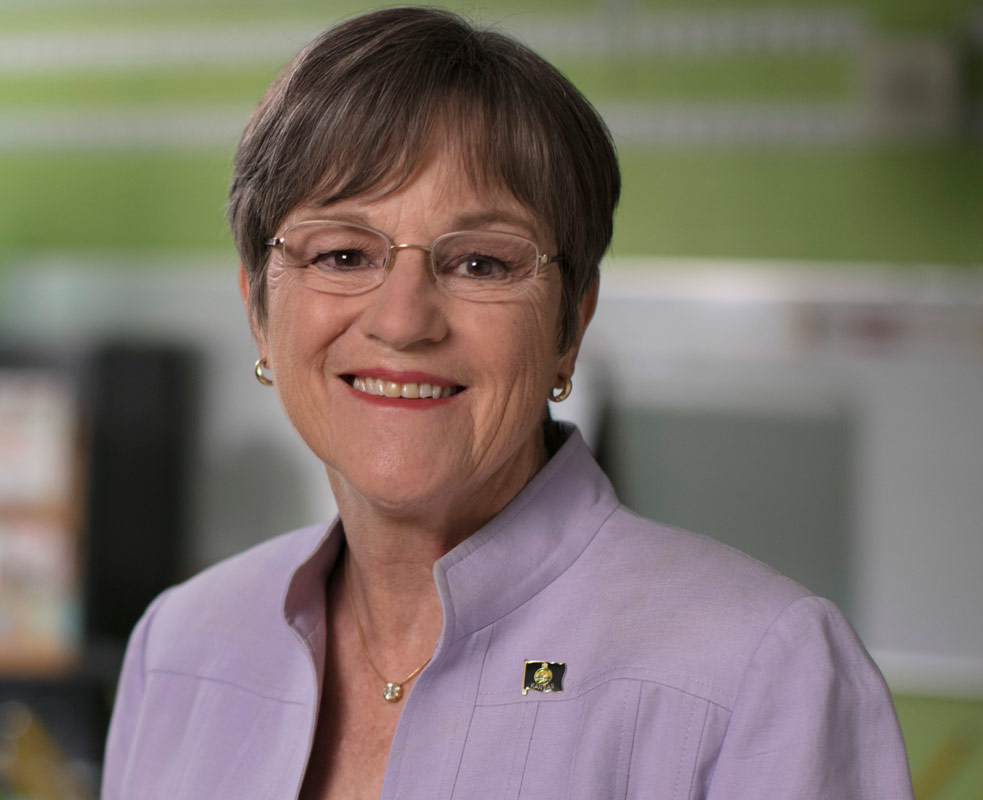
Outstanding women have served with distinction at the Kansas District U.S. Attorney’s Office in Wichita.
In Kansas, we have been honored to serve with a long line of talented and dedicated women. They have excelled in their field and paved the way to success for other women.
During Women’s History Month, we recognize the following women:
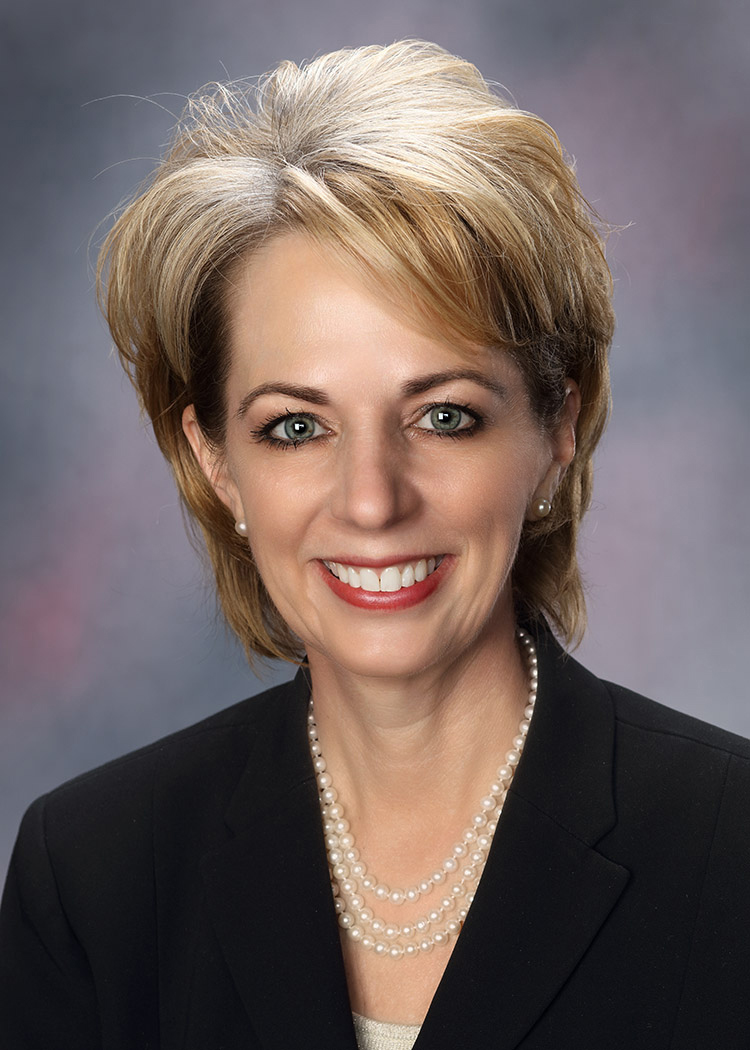
Mary Beck Briscoe served as an Assistant U.S. Attorney from 1974 to 1984 in the District of Kansas. Today she serves on the U.S. Court of Appeals for the Tenth Circuit.
Karen Humphreys served as an Assistant U.S. Attorney from 1978 to 1983. She was appointed U.S. Magistrate Judge in 1993, serving until she retired in 2015.
Janice Miller Karlin served as an Assistant U.S. Attorney from 1980 to 2002. She went on to become a bankruptcy judge, serving until she retired in 2018.
Julie Robinson served as an Assistant U.S. Attorney from 1983 to 1993. From 1992 to 1994 she served as Senior Litigation Counsel in the U.S. Attorney’s office. In 1994, she was appointed as a bankruptcy judge. In 2001, she became the first African American woman appointed to the U.S. District Court in Kansas, and she currently serves as Chief Judge of that court.
Karen Arnold-Burger served as an Assistant U.S. Attorney from 1989 to 1991. She is now Chief Judge of the Kansas Court of Appeals.
Nancy Moritz served as an Assistant U.S. Attorney from 1995 to 2004, before serving on the Kansas Court of Appeals and the Kansas Supreme Court. In 2014, she took a seat on the U.S. Court of Appeals for the 10th Circuit.
Today, women make about half the employees of the U.S. Attorney’s office in Kansas, including 13 attorneys and 37 members of the support team.
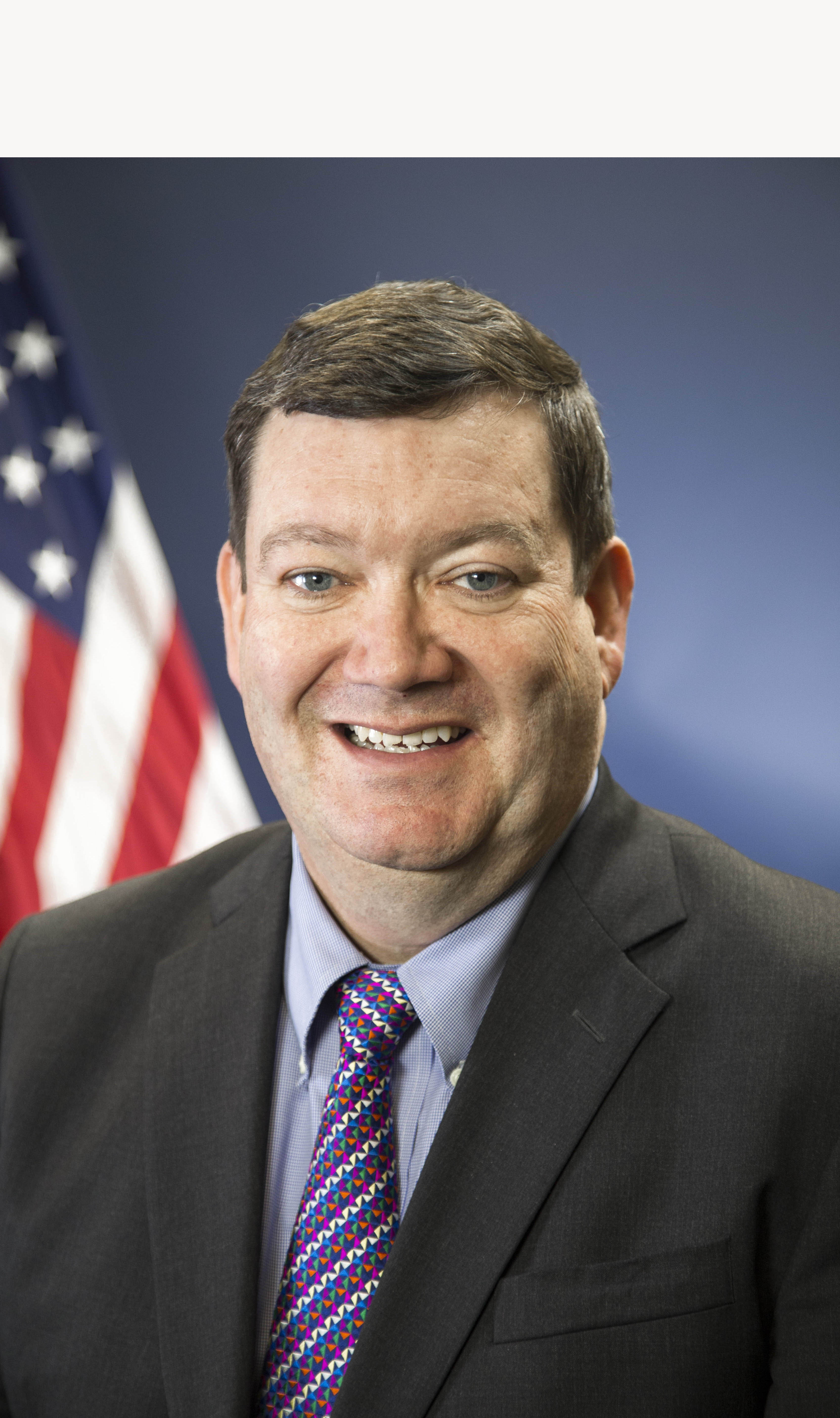
Stephen McAllister is the U.S. Attorney for the Kansas District.
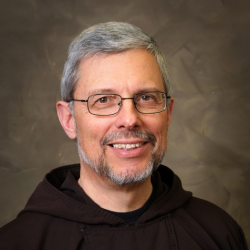
Fr. Christopher Popravak, O.F.M.Cap., Provincial Minister
Dear Brothers and Sisters in Christ,
Many are shedding tears these days, including myself, because of the great harm caused to minors and vulnerable adults by priests, deacons and religious brothers. On behalf of the Capuchin Franciscans I must beg your forgiveness for the trust betrayed by our abusive friars.
The knowledge has caused me personal grief. I am good friends with one of the victims, a student of mine who I taught at TMP-Marian. It took the individual many years to come forward and let me know what had happened. Sometimes victims are filled with shame and guilt. These feelings though, should not be theirs. The shame and guilt rightly belongs with the friars, especially those who caused the harm.
From an early age, I became aware of the disastrous effects of sexual abuse. When I was in the minor seminary back east, a classmate came to me and shared the horrible truth that he was being abused. The offender was not a priest or friar. The offender was the groundskeeper. I encouraged the young seminarian to report the abuse. He did.
The groundskeeper was fired. I don’t know whether the abuse was ever reported to authorities. The young man was asked to leave the seminary. I never saw him again. It grieved me then, it grieves me now.
Years later, when the Boston Globe made their revelations, I read that abuse victims can become victimizers themselves. Hurriedly I searched the internet and learned to my horror, that the former seminarian had become a priest and had, in fact, committed abuse himself. He was imprisoned for that.
So many people have been harmed. There is so much grief: the grief of victims, the grief of families of victims and families of abusers, the grief of scandalized parishioners, and even the grief of priests and friars who are faithful, dedicated servants but who are reeling with the constant disclosures about so many perpetrators. We cannot allow this to ever happen again.
I don’t believe that we friars will ever fully comprehend the great harm done to the victims of sexual abuse. I understand that there are people very disappointed with the church for not taking concrete steps to address these terrible crimes. Apologies are not enough. In fact, after a point, apologies sound meaningless, unless accompanied by protective measures. Worse still, apologies may have the effect of opening deep wounds of the survivors.
I hope that people refer to our webpage (www.capuchins.org) to see what positive actions we have taken to prevent this kind of sexual abuse from ever happening again. Many of the steps we are taking are mirrored across this country.
As believing Christians and as ministers of the Gospel of Christ more is expected of us. We must not only be above reproach, we must be instruments of healing in our church and in our world. Franciscans especially are called to be channels of God’s mercy, compassion and forgiveness.
We want to reach out to any who may have experienced abusive treatment at the hands of our brother Capuchins. Please come forward and report the abuse if you haven’t already. We want to work towards reparation of the harm done. We want to help restore faith in the Catholic Church and in the witness of those who follow the Gospel in the footsteps of St. Francis of Assisi.
I myself have tried to accompany victims in their healing process, as have other provincial ministers. We have not always done this well. Some victims were disappointed, even angered by our ineptitude. We need to do better.
We Capuchins also have a history of working to promote the conversion of abusers. Not everyone knows that the attacker of 11 year old Maria Goretti, Alessandro Serenelli, lived out his final days in a Capuchin friary. In his crazed passion, the young Alessandro repeatedly stabbed Maria. Maria died the following day, her last words, “I forgive Alessandro Serenelli.” Serenelli was imprisoned for that heinous crime. Capuchins helped him live a life of penance and conversion after his release. He lived to see Maria become a saint. In a public act of reconciliation, Maria Goretti’s mother forgave Alessandro and together they were present for her canonization.
St. Maria Goretti is often seen as the patron not only of those who were abused, but also of those guilty of abuse.
Let us pray through her intercession for the healing of those who have been deeply wounded and for the conversion of all those involved.
Dear God, we ask you to help all those who suffer from abuse. Help them find healing and peace in their lives. May Maria Goretti, who was strengthened by Your Grace, join with us in prayer for the healing of all victims of abuse, particularly those abused as children or young adults.
Grant us your Love that we might reach out to them in Your Name with hope in times of trial. As Maria prayed for her attacker, grant us the grace to pray for the true conversion of all involved with the abuse: that they might seek Your Mercy through prayer and penance.
Loving God, pour into our hearts and lives your healing Spirit, that the sacredness of every human person might be respected and protected as the precious image of God. Help us to live in the peace which Maria Goretti had found in Christ and in the love of his mother Mary.
We ask this in the name of Jesus Christ our Lord. Amen.
Dr. Tisa Mason, FHSU presidentBrandon Penny is the epitome of how at Fort Hays State University we unlock untapped potential – just ask our Art and Design Department Chair Karrie Simpson Voth. Soon after graduation in 2013, Brandon, a graphic design major from Burlington, Colo., decided to pick-up and move to New York City.
New York City? Yes – and with no job. Karrie said she was terrified for him and thought New York would “eat him up.”
But she was wrong, because she and others had prepared him to succeed by seeing his potential and inspiring him to live up to it.
Brandon will tell you that earning his degree in graphic design was the smartest decision of his career. He describes the experience as “the most intensive and thorough program I have ever completed.” He also says that he welcomed the challenge. “Some of my happiest memories come from late nights spent in Rarick Hall with the most creative people I’ve ever met. It was there I gained my drive and skill set.”
The funny thing about unlocking potential is that although the drive always comes from within the student, it is still about relationships. Most importantly, it is about helping students discover and refine their talents and passions. The student comes first, not the major. It is about listening, learning, and holding up a metaphorical mirror. It is about really seeing each unique Fort Hays State student. The process can come from one person or many (professors, peers, staff). It can come from assignments and campus involvement and be amplified by experiences both on and off campus (internships, community service, churches).
Brandon describes his unlocking:
“I made countless lifelong friends in my general education courses and truly learned from professors because they cared about the material and my success. My freshman year I had a scholarship and was Victor E. Tiger! I was also an active member in theatre at Felten-Start, performing on stage and designing the posters and programs for each show. I wasn’t just a number; I was a student that mattered with a name and a story. I am now a well-rounded person that exceeds standards and qualifications and can withstand any obstacles that come my way.”
Not only can Brandon withstand obstacles, his self-reliance and talent proved unstoppable – even in New York. With a larger-than-life personality, confidence in his design skills and an outstanding portfolio, Brandon networked his way into the New York design scene by freelancing with The Society of Publication Designers. Shortly thereafter, he landed the first-ever design internship with Billboard Magazine and was later recruited to work in the design and photo departments at People Magazine.
Brandon credits many for his metamorphosis – especially Karrie. She is very invested in the lives of her students and cares deeply about each student with whom she works – their dreams, hopes, and ambitions. Brandon and Karrie continue to keep in touch. Fun fact: Every year, Brandon sends Karrie a personalized video of him singing Happy Birthday as well as a Happy Mother’s Day text.
There is so much I love about Brandon’s story: the friendships he developed here; his on-campus involvement; the joy he brought others, whether through creating late night memories in Rarick Hall or through his interactions as Victor E. Tiger and the many roles played in Felten-Start Theatre; and especially the young professional he became. Today, he is a member of the creative team as a graphic designer for Saks Fifth Avenue in New York. An icon of style and luxury, Saks is a legendary company with a rich history that employs world-class adventurers, like Brandon Penny, who explore uncharted territory, challenge convention and work with imagination and fun.
And it all started at Fort Hays State.
Brandon says that ultimately, what he loved about his time at Fort Hays State is that after graduation, he walked away with an amazing portfolio of work and something to look forward to: A bright future. That is what it means to unlock untapped potential, and it is my hope and dream for every student.
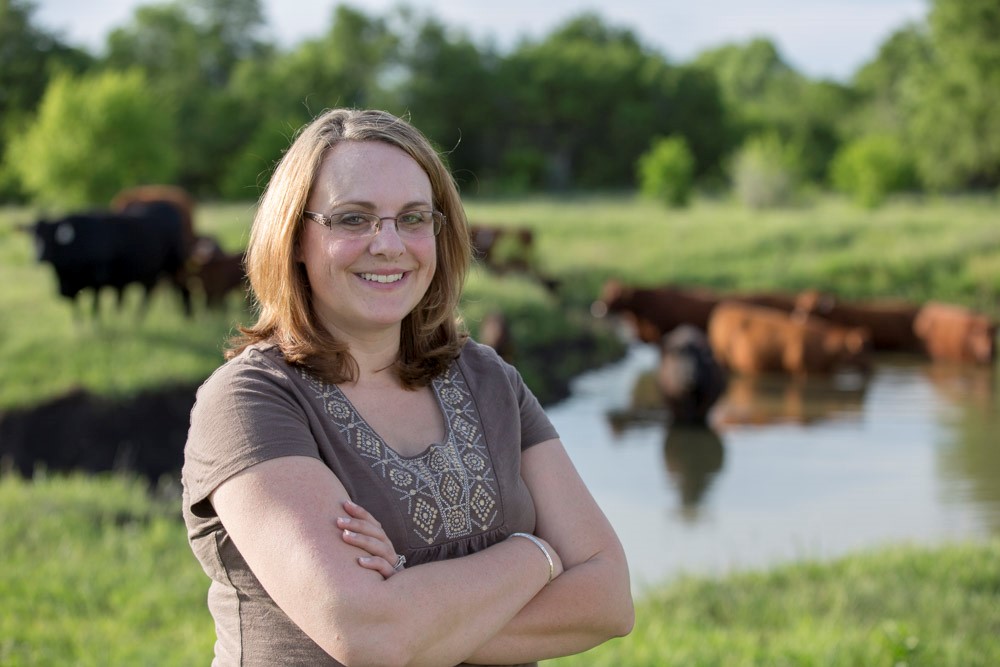
As in life, sometimes things don’t go as planned on the farm. A prime example is when my husband and 6-year-old son recently brought home an orphaned heifer from a family friend’s herd. The calf was just a few hours old when she moved into our barn and started receiving care. It was during one of the bitter-cold weeks when farmers were working around the clock to ensure — to the best of their abilities — the health and safety of their animals. The mother didn’t make it, and without stepping in, the calf would not have survived either.
When the calf was in the barn, the boys immediately fed her, and put a heat lamp on her. Over the next few days my son, husband and I taught that calf how to drink from a bottle.
It wasn’t easy. It was cold. It required putting on extra layers and leaving the comforts of our home to trudge to the barn in the dark at times. It required waking up earlier or stepping away from a favorite cartoon or waiting to eat a meal. It required patience and strength while the calf was held and slowly, but surely, learned how to get its milk. During this time the calf was not the only one learning.
At first, my son was quite apprehensive about holding the bottle while a squirmy, hungry calf made her best efforts to fill her belly. Besides, holding four pints of milk replacer in a large bottle can be tough for a kindergartener.
Soon the calf figured out how to nurse, and my son became comfortable with feeding.
We’re at the point now that our son can take the bottle out to the barn before he leaves for school in the morning and when he gets home at night. He feeds his calf without our help. Yes, we still assist him on occasion, but our kindergartner is the one making sure the calf is fed and cared for every day. (My husband and I keep a watchful eye on him from a distance.)
When I mentioned my son’s chores and newly assigned responsibilities to a coworker recently, the response I received was, “Wow! That’s a lot for a little boy his age.”
I thought about that comment for perhaps a little too long and began to question whether our expectations of our son are set too high. In the end, I came to the same conclusion I’m sure my parents and my husband’s parents came to when we were children: it’s an appropriate age, especially for our child.
Lady Bird Johnson once said “children are apt to live up to what you believe of them.”
My son is capable of this responsibility because I know he can do it.
Even though the initial days with that little calf were trying, and tears were shed, and the “I can’t do it” statements were made, and the feedings took an extremely long time to complete, my husband and I assured our son that he was capable of handling this situation.
My husband and I are setting the stage for our son to experience grit, determination, hard work and the ability to persevere. And while living on a farm requires all of the above plus more, life in general does as well. We’re doing our part to prepare our son to face and respond to challenges in the future.
While a lot of things don’t go as planned for us on the farm, one thing will remain a constant: our children will be accountable and held responsible for tasks on our farm — even if they seem daunting for a child — because we believe our children can and will meet the expectations set for them. I have found when things don’t go as planned, we too learn new ways of doing things and find out what is possible to accomplish within the farm and within ourselves. Our son is finding this out with his calf.
Chores that once seemed daunting are now fun, he has a sense of purpose and an understanding that his calf depends on him for its wellbeing. The lessons learned in the barn on these cold mornings before school will be ones we as parents feel will help him succeed in school and life, whether he chooses to follow us on the farm or make his own path in the world.
“Insight” is a weekly column published by Kansas Farm Bureau, the state’s largest farm organization whose mission is to strengthen agriculture and the lives of Kansans through advocacy, education and service.
Just two short years ago, the State of Kansas found itself on the brink of financial disaster. Even after depleting state savings and enduring multiple rounds of devastating budget cuts, unsustainable tax policy continued to perpetuate fiscal crisis. We saw schools close and class sizes grow. We saw an overwhelmed child welfare system let children fall through the cracks. And despite promises of immediate prosperity, Kansas routinely ranked among the nation’s worst in multiple economic indicators.
As the budget hole continued to grow, the legislature passed two sales tax increases, swept more than $2 billion from the state highway fund, delayed numerous payments to the state pension system, accumulated historic levels of debt, and raided every critical investment from early childhood education to public safety. But in the end, none of these short-term band aids could stem the bleeding caused by the reckless Brownback tax experiment. In November of 2016, Kansans called for change.
The very next year, the state hit “reset” in a historic act of bipartisanship with the passage of comprehensive tax reform. Our credit score improved within a week. The number of Kansans participating in the labor force increased for the first time since 2014.
We have only just started the rebuilding process. Our recovery is uncertain; our budget is fragile. The State of Kansas cannot afford to make a U-turn now.
Senate Bill 22 – another reckless tax plan – would absolutely dismantle all the progress we’ve made. It would throw our state once again into a self-inflicted budget crisis, diminishing all the investments we’ve worked so hard to rebuild and restore. It would put our future at risk once again in order to give significant tax breaks to entities who need them the least, while continuing to leave working families behind.
I share Kansas lawmakers’ desire to keep the state tax burden as low as possible and that will continue to be a priority. In January, I presented a structurally balanced budget that funded our schools and roads, reduced state debt, left Kansas with the largest ending balance in 20 years and did so all without a tax increase.
I was a math major. This is about basic math. My budget proposal left a healthy, fiscally responsible ending balance. If I had signed Senate Bill 22, the budget that just passed the Senate would fall to more than $600 million in the hole within two years.
That is unacceptable. That is irresponsible.
We must be patient, thoughtful, and prudent as we evaluate tax policy. And, when we move forward with sustainable, commonsense tax relief, we must ensure that it benefits the Kansans who need it the most. We will focus on reducing the sales tax on food and providing real tax relief to working families.
The people of Kansas elected me to rebuild our state. They elected me to bring fiscally conservative and responsible principles back to our government. And I refuse to endorse another round of fiscally reckless policies – similar to the Brownback tax experiment – that left our state in shambles and our families struggling.
I commit to you – the people of Kansas – that I will stabilize our state’s budget, invest in our shared priorities, and continue the recovery we have all fought so hard to begin. By following through on this commitment, our state has every reason to expect a bright and successful future.
Senate Committees continued to review bills which have been sent over from the House and we had two days of General Orders this week in the Senate. As we work though committee bills on the floor, we will also begin to have Conference Committee reports to vote on as well. A Conference Committee is a small, bipartisan and bicameral committee that works to smooth out the differences between the House’s and Senate’s version of a similar bill. Once the Conference Committee comes to a compromise, the committee’s version of the bill will be sent to both the House and the Senate for a final vote, before advancing the bill to the Governor’s desk.
FLOOR ACTION
EXTENDING RURAL OPPORTUNITY ZONE PROGRAM – Senate Bill 125 would extend the Rural Opportunity Zone Program by five years. SB 125 extends the deadline for a participant to begin in the student loan repayment portion of the program and the individual income tax credit portion of the program to July 1, 2026.
ADDING CERTAIN COUNTIES TO LIST OF RURAL OPPORTUNITY ZONES – Senate Bill 135 would expand the list of eligible counties for participation in the Rural Opportunity Zone (ROZ) Program. SB 135 would add the following counties: Atchison, Cowley, Crawford, Dickinson, Ford, Franklin, Miami, Pottawatomie.
THE KANSAS CLOSED CASE TASK FORCE – Senate Bill 102 would create the Kansas Closed Case Task Force. SB 102 requires the task force to create a plan relating to hits on closed cases, including a mechanism to ensure uniform compliance at the local law enforcement agency level.
ALCOHOLIC BEVERAGE CONTROL LICENSES – Senate Bill 164 would amend law relating to the issuance of licenses by the Division of Alcoholic Beverage Control (ABC) within the Department of Revenue, by providing license terms commence on the effective date specified on the license. SB 164 also provides that licenses for Class B clubs, drinking establishments, public venues, and caterers will be issued for two years commencing on the effective date specified on the license.
CALCULATING COST OF KEEPING CIVIL PRISONERS IN COUNTY JAIL – House Bill 2097 amends law relating to the cost of keeping civil prisoners in county jail. HB 2097 changes the amount taxed as costs in an action for keeping a civil defendant imprisoned in county jail from $1.50 per day to an amount equal to that provided by the county for the maintenance of other prisoners.
AMENDING THE KANSAS NATIONAL GUARD EDUCATIONAL ASSISTANCE PROGRAM – House Bill 2123 would remove the requirement that an eligible Kansas National Guard member have at least one year remaining on such member’s enlistment contract at the beginning of any semester for which the member receives assistance under the Kansas National Guard Educational Assistance Program to participate.
ELIMINATING MARKING REQUIREMENTS FOR CERTAIN TRUCKS – House Bill 2127 would remove statutory requirements for lettering to be painted or otherwise durably marked on the sides of a truck or truck tractor with a registered weight of more than 12,000 pounds to identify owner or lessee.
SALES TAX EXEMPTION FOR NONPROFIT INTEGRATED COMMUNITY CARE ORGANIZATIONS – Senate Bill 178 would provide a sales tax exemption for purchases made by nonprofit integrated community care organizations. Nonprofit integrated community care organizations would be defined as any entity that is exempt from federal income taxation, certified to participate in Medicare as a hospice focused on providing care to the aging and indigent population across multiple counties, and approved by the Kansas Department of Aging and Disability Services to provide services under the Program of All-Inclusive Care for the Elderly.
REGULATING USE OF ELECTRIC SCOOTERS – House Bill 2126 prohibits any person from operating an electric scooter on any interstate highway, federal highway, or state highway. The bill also allows the governing body of a city or county to adopt an ordinance or resolution further restricting or prohibiting the use of electric scooters on public highways, streets, or sidewalks within such cities or counties. HB 2126 would apply traffic regulations applicable to bicycles to electric scooters.
ALLOWING THE BOARD OF REGENTS TO PURCHASE CYBERSECURITY- House Bill 2209 would amend law pertaining to the Committee on Surety Bonds and Insurance to permit the Kansas Board of Regents to purchase cybersecurity as they deem necessary to protect student records, labor information, and other statutorily protected data the Kansas Board of Regents maintains.
The $18.1 billion appropriation bill includes $92.7 million in court-ordered funding for K-12 to settle the lawsuit, an additional $100 million for KDOT bringing the total new money for KDOT to $160 million through FY20, and additional funds for mental health programs that help disabled Kansans. The budget does assume $200 million from Senate Bill 22, which returns the unexpected federal windfall from the federal tax cuts and provides a 1 percentage point food sales tax reduction. The budget also assumes the $115 million KPERS debt payment from Senate Bill 9 all credited to the school group and then an additional payment of $736 million for the FY20 payment. The budget adds $1.5 million, all from the State General Fund, to fund Hepatitis C treatment for the 100 inmates within correctional facilities that the agency’s health care provider is capable of providing treatment to in FY 2019. It adds $6 million, all from the Evidence Based Juvenile Program account of the State General Fund, in FY 2019. The budget will also add $2.1 million from the State General Fund in FY 2019 to provide funding for Community Mental Health Centers providing Crisis Center services due to an estimated shortfall of revenue from lottery vending machines.
VISITORS FROM SENATE DISTRICT #36
Two student groups visited Topeka this week – Rock Hills seniors and Rooks County government students both sponsored by Farm Bureau. For the 15th year in a row, Lincoln County Leadership held their annual trip to the Capitol with tours and lunch with the Kansas Grain and Feed sponsoring the trip. Angie, Mike, Bryleigh and Brooklyn McKenna from Russell were special guests on the Senate floor for the reading of the World Down Syndrome Day resolution.
MARCH 21ST – WORLD DOWN SYNDROME DAY RESOLUTION – 2019
Senators Bowers, Alley, Baumgardner, Berger, Billinger, Braun, Denning, Doll, Estes, Faust-Goudeau, Francisco, Givens, Goddard, Haley, Hardy, Hawk, Hensley, Hilderbrand, Holland, Kerschen, Longbine, Lynn, Masterson, McGinn, Miller, Olson, Petersen, Pettey, Pilcher-Cook, Pyle, Rucker, Skubal, Suellentrop, Sykes, Taylor, Tyson, Wagle, Ware and Wilborn introduced the following Senate resolution, which was read:
SENATE RESOLUTION No. 1726―
A RESOLUTION recognizing World Down Syndrome Day in Kansas. WHEREAS, World Down Syndrome Day is celebrated on March 21, 2019; and WHEREAS, In 2006, World Down Syndrome Day was observed for the first time by many nations across the globe; and WHEREAS, On December 19, 2011, the United Nations General Assembly designated March 21 as World Down Syndrome Day to raise public awareness on Down syndrome. The third month and its 21st day were chosen to symbolize the triplication or trisomy of the 21st chromosome; and WHEREAS, Down syndrome is the most common irregular chromosomal condition. According to the Centers for Disease Control and Prevention (CDC), approximately 6,000 infants, or 1 in 700, are born annually with Down syndrome in the United States; and WHEREAS, While Down syndrome is a lifelong condition, the CDC reports that when infants and children are offered intervention services early in life, they are often able to improve their physical and intellectual abilities. These services are typically offered across the nation and may include speech therapy, physical therapy and occupational therapy; and WHEREAS, Known Down syndrome organizations in Kansas include the Down Syndrome Guild of Greater Kansas City, the Down Syndrome Society of Wichita, the North Central Kansas Down Syndrome Society, the Northwest Kansas Down Syndrome Society, the Southeast Down Syndrome Society and Team Up for Down Syndrome. These estimable organizations are committed to raising public awareness and providing aid and empowering individuals and families of individuals with Down syndrome: Now, therefore, Be it resolved by the Senate of the State of Kansas: That we recognize March 21, 2019, as World Down Syndrome Day in Kansas; and Be it further resolved: That the Secretary of the Senate shall send five enrolled copies of this resolution to Senator Bowers. On emergency motion of Senator Bowers SR 1726 was adopted unanimously.
Thank you for all of your calls, emails, and letters regarding your thoughts and concerns about happenings in Kansas. As always, I’ll keep you updated on the activities of the Senate while we continue through the last few weeks before the break this spring. Schedules, bills, and other helpful information can be easily accessed through the legislature’s website at www.kslegislature.org. It is easy to “get into the weed” on pieces of legislation that seem on the surface to have universal appeal, but for those who want to pursue a more in-depth analysis of the ones which did not have such agreement, pull up “Bills & Laws,” then Senate Bills,” before scrolling to the desired number and hitting “SN” (Supplemental Notes) for a general explanation which is written by the Legislative research & reviser staff. You are also able to ‘listen in live’ at this website. This week both the House and the Senate will meet at 10:00 a.m.
Elaine Bowers, R-Concordia, is the 36th Dist. state senator and serves as the Senate Majority Whip. The 36th Senate District includes Cloud, Jewell, Lincoln, Mitchell, Osborne, Ottawa, Republic, Rooks, Russell, Smith and Washington counties and portions of Marshall and Phillips counties.
Last week was the final week for committees to meet.
The most important thing we did this week was passing the budget out of the Senate.
Some of the highlights are: Sub SB75 K-12, school funding, which includes over $4 billion. Part of the funding is an inflation factor of $92.7 million in court ordered funding for K-12 to settle the lawsuit. It also includes $197 million additional new money for K-12. This budget includes full funding of $7.37 million for this years KPERS payment. The Board of Regents will receive an additional $5.5 million in new money.
Additional funds were allocated for Corrections in order to address a shortage in staff and for the treatment of Hepatitis C for inmates.
KDADS, DCF, mental health and the IDD community will all receive a small increase in funding.
KDOT will receive $160 million through FY 2020. The Governor’s budget continues to transfer $200 million per year from KDOT to the state general fund.
A 1% increase was included in the budget for Community Home Base services. Senate Democrats did not vote for this bill even though it follows most of the recommendations made by the Governor, other than the re-amortization. Over 90% of the budget consists of education, Kan-care caseloads and corrections. The Senate Democrats wanted to postpone voting on the budget until next Tuesday in order to determine whether the Governor will raise taxes on middle class Kansans and Kansas businesses that do business in foreign countries. If the Governor vetoes SB 22 it will add $200 million to the ending balance. The Democrat Minority Senate leader, Senator Hensley, stated that he was hopeful that the Governor would veto SB 22.
SB 125 passed the Senate and will extend the Rural Opportunity Zone Program by 5 years.
SB 125 extends the deadline for a participant to begin in the student loan repayment portion of the program to July 1, 2026 and the individual income tax credit portion of the program would be extended through tax year 2026.
For the next 3 days we will be on the floor debating House and Senate bills.
I would like to thank everyone who stopped by the Capitol and my office last week.
I am honored and grateful to represent the 40th Senate District of Kansas.
Please do not hesitate to contact me by e-mail at [email protected] or call me with your questions and concerns. My office number is 785 296-7399 or my cell is 785-899-4700. If you are in Topeka stop by my office at 236-E.
Sen. Rick Billinger, R-Goodland, is the Kansas state senator for the 40th District, which includes Cheyenne, Decatur, Ellis, Gove, Graham, Logan, Norton, Rawlins, Sheridan, Sherman, Thomas, Trego and Wallace counties as well as portions of Phillips County.
Well, the clock, or rather, calendar, is ticking–or whatever calendars do to make noise—on the tax bill that the Republican legislature sent to Democrat Gov. Laura Kelly, who doesn’t want it.
And…that ticking clock is aiming toward Friday, the 10th day that the governor will have had the tax bill–that she didn’t want passed–on her desk. By or on Friday, she can sign the bill (in which case, we suspect a breath alcohol test would be in order), veto as expected or allow it to become law without her signature (another breath test?).
You know the story, the $220 million bill that she continues to say she doesn’t like and which she said would return Kansas to the former Gov. Sam Brownback “tax experiment” days that drained the state budget and caused massive reduction in services.
The bill is good for an initial estimated $137 million in tax cuts for businesses which have international earnings the federal government is now taxing, about $50 million for individual income taxpayers, about $42 million in reduced sales taxes on food and about $21 million in additional revenues to the state from taxing some Internet purchases. That all adds up to about $220 million less money coming into the State General Fund in the year which starts July 1.
(OK, time for the cultural explainer: Conservatives say that the income tax bill’s provisions aren’t a tax cut, they are merely a tax stabilizer. Those conservatives say Kansas didn’t change the federal tax code that makes more money available for Kansas to tax, and those “adjustments” just keep Kansas from profiting from the federal tax law change.)
Timing is the big issue here. Kelly will have to do something with the tax bill before there are solid numbers on how the federal tax law changes the state’s tax receipts from corporations and individuals.
Kansas leaders aren’t likely to know just how much “extra” federal trickle-down money the state is going to receive from that December 2017 federal tax law change until April 18. That’s when the state’s Consensus Revenue Estimating Group figures out how much money the state is going to take in next year, and presumably how much of it is from those federal tax law changes.
By the way, the Legislature will be on Spring Break on April 18, will return for its “Veto Session” May 1, and have 16 days to work out the tax/budget issue before coming to the end of its traditional 90-day session.
Hmmm…taxes and spending, the two major duties of the Legislature, and so far, there’s been passed a major tax-cutting bill before lawmakers know how much they need to spend next year. Admittedly, lawmakers are working on what they call the “Mega” budget, which is essentially, well…the essentials for operating government. There will be at session’s end the “Omnibus” bill to deal with new expenditures, to reshuffle spending once they know just how much money they will have to spend and to figure out what they can afford.
But the tax bill action this week is going to shuffle everything. Veto the bill, there’s more money to spend, sign (or allow it to become law without the signature of Kelly) and there’s less money to spend.
Who’s in the gunsights: Look for the real scrap to be over the biggest tax reduction, that for corporations, which want the tax cut badly but don’t vote.
The tax bill, interesting fight between the governor and the Republican-dominated Legislature. We’ll see whether the revenue report April 18 resuscitates any of those tax cuts…
Syndicated by Hawver News Company LLC of Topeka; Martin Hawver is publisher of Hawver’s Capitol Report—to learn more about this nonpartisan statewide political news service, visit the website at www.hawvernews.com
The drilling rig counts in Kansas are up while the national numbers are down. Independent Oil & Gas Service reported an increase in the number of active drilling rigs in Kansas. There are four active rigs in the eastern half of the state, up two, and 26 west of Wichita, up four. Nationwide, Baker Hughes reports a big drop in its weekly rotary rig count, which was down nine oil rigs and down one gas rig for a total of 1,016 active rigs. Texas was down four rigs, Oklahoma and New Mexico were each down two. Louisiana was down three.
Regulators approved 13 permits for drilling at new locations across the state last week, five in eastern Kansas and eight west of Wichita, with one new permit in Russell County and one in Stafford County.
Independent Oil & Gas Association reports 30 newly-completed wells for the week, bringing the total so far this year to 401. There were four new completions east of Wichita and 26 in Western Kansas including one in Barton County, one in Ellis County, two in Russell County and one in Stafford County.
Kansas Gov. Laura Kelly appointed a former executive director of the Kansas Corporation Commission to a vacant seat on the commission. Topeka Metropolitan Transit Authority general manager Susan Duffy will replace former Senator Jay Emler on the commission. Duffy previously served as KCC executive director from 2003 to 2011. She also served in the Kansas Legislative Fiscal Research Department, the Kansas State Historical Society, the Kansas Department of Revenue and the Division of the Budget.
The KCC regulates several key sectors of the state’s economy, including oil and natural gas exploration and production, as well as investor-owned utilities, and commercial trucking. The commission consists of three members appointed by the governor and confirmed by the Senate for overlapping four-year terms.
The Trump administration finalized changes to sweeping federal land use plans for the West. Officials say the new guidelines will ease restrictions on energy companies but still protect the habitats of the sage grouse, a ground-dwelling bird that ranges across parts of 11 western states, including Kansas. Opponents are expected to challenge the changes in court.
U.S. refiners aren’t just buying crude to turn into gasoline and diesel — they’re competing with producers and traders to export it. According to Bloomberg, two of the three biggest U.S. Independent fuel makers, Marathon Petroleum and Phillips 66, are making inroads in Asian markets to sell U.S. crude. Both are part owners of existing and new pipelines connecting the Permian Basin to the Gulf Coast.
U.S. crude oil production gained 104-thousand barrels per day last week to 12.084 million barrels per day. According to government reports, we were producing just over 10.4 million barrels per day last year at this time.
The U.S. Energy Information Administration reports imports were up 186,000 barrels per day on the week. EIA said the four-week average is about 11.2% less than a year ago.
The government reports crude oil inventories dropped 9.6 million barrels last week to 439.5 million barrels. That’s about two percent below the five-year seasonal average.
The House of Representatives in Oregon voted to approve a ban on hydraulic fracturing, even thought there are no current fracking operations in the state. The ten-year ban now goes to the Oregon Senate. Developers say there’s potential for coal bed methane extraction in the Willamette Valley, which this bill would also block.
A U.S. judge has blocked oil and gas drilling across a large area of Wyoming, saying the government must consider the impacts of climate change more broadly in leasing public lands for exploration. Prior rulings focused on individual lease sales and permits, but the new ruling orders officials to consider emissions from past, present and foreseeable future oil and gas leases nationwide.
Senators in North Dakota have killed a measure that would have used earnings from a voter-approved oil tax savings account to offset income taxes. The GOP-led Senate defeated the bill 41-4 after it had passed the House by a wide margin. The measure would have used half of any earnings over $300 million from the state’s Legacy Fund to reduce individual and corporate income taxes.
The U.S. continues to ship more oil and petroleum products by rail, as pipeline capacity fails to keep up with increasing output. According to the Association of American Railroads, the total for the week ending March 16 was 12,124 rail cars. an increase of more than 21% over the same week last year. Canadian rail traffic increase by more than 12% to nearly nine thousand rail cars.
U.S. sanctions on Venezuela have resulted in some surprising winners and losers. The sanctions have hamstrung refineries in the United States, where facilities need the heavier Venezuelan oil to produce high-margin refined products like diesel and jet fuel. Reuters reports that refiners in need of substitutes are settling on immediate replacements from BP and Royal Dutch Shell. Trading volumes in these grades of oil have surged to their highest levels in months, and prices reached five-year peaks after sanctions were imposed. Heavy crude accounts for nearly two-thirds of U.S. oil imports. Last year ten percent of that came from Venezuela. Offshore Gulf oil prices have hit five-year highs, and sales are up sharply, according to company executives, market participants and data reviewed by Reuters.
Kansas Governor Laura Kelly (D)The following message is from Governor Laura Kelly regarding the veto of Senate Bill 22:
Just two short years ago, the State of Kansas found itself on the brink of financial disaster. Even after depleting state savings and enduring multiple rounds of devastating budget cuts, unsustainable tax policy continued to perpetuate fiscal crisis. We saw schools close and class sizes grow. We saw an overwhelmed child welfare system let children fall through the cracks. And despite promises of immediate prosperity, Kansas routinely ranked among the nation’s worst in multiple economic indicators.
As the budget hole continued to grow, the legislature passed two sales tax increases, swept more than $2 billion from the state highway fund, delayed numerous payments to the state pension system, accumulated historic levels of debt, and raided every critical investment from early childhood education to public safety. But in the end, none of these short-term band aids could stem the bleeding caused by reckless tax policy. In November of 2016, Kansans called for change.
The very next year, the state hit “reset” in a historic act of bipartisanship with the passage of comprehensive tax reform. Our credit score improved within a week. The number of Kansans participating in the labor force increased for the first time since 2014. And we’ve finally begun to heal from the unprecedented devastation found in state agencies and state programs.
However, we have only just started the rebuilding process. Our recovery is tenuous; our budget is fragile. The State of Kansas cannot afford to make a U-turn.
Unfortunately, Senate Bill 22 would absolutely dismantle all the progress we’ve made. It would throw our state once again into a self-inflicted budget crisis, diminishing all the investments we’ve worked so hard to rebuild and restore. It would put our future at risk once again in order to give significant tax breaks to entities who need them the least, while continuing to leave working families behind.
Additionally, as noted by the Senate President during the floor debate, Senate Bill 22 will put Kansas out of compliance with the Streamlined Sales and Use Tax Agreement. This would potentially cost Kansas up to $18 million in lost revenue — on top of the bill’s already unaffordable $200 million price tag in the next fiscal year.
I look forward to working with the Kansas Legislature in the future to achieve our common goal of a reduced food sales tax. However, as I explained repeatedly — both as a candidate for governor and after I took office – we cannot responsibly enact a food sales tax cut until our state’s fiscal health stabilizes. This is not the time.
I share Kansas lawmakers’ desire to keep the state tax burden as low as possible and that will continue to be my priority. In January, I presented a structurally balanced budget to the Kansas Legislature that funded our schools and roads, reduced state debt, left Kansas with the largest ending balance in 20 years, and did so all without a tax increase.
The people of Kansas elected me to rebuild our state. They elected me to bring fiscally conservative and responsible principles back to our government. We must be patient, thoughtful, and prudent as we evaluate tax policy. And, when we move forward with commonsense tax relief, we must ensure that it benefits the Kansans who need it the most.
Therefore, under Article 2, Section 14(a) of the Constitution, I hereby veto Senate Bill 22.
Several transitions will occur in the Cottonwood Extension District in the weeks ahead. The first change is that Berny Unruh, who has directed the 4-H and Youth program in Barton County the past 15 years, will switch her program area to cover the Family and Community Wellness programming in the Hays office.
Her first day in Hays was Monday. We have a welcome event planned from 4-5:30 p.m.Monday at our office located at 601 Main in Hays. If you’re able to stop by on Monday, we’d love to see you. A farewell reception hosted by Barton County 4-H’ers is set for March 31st, from 3-5 p.m. at the Great Bend Recreation Center – Burnside Room.
We’ll be having interviews soon to fill the 4-H and Youth position in the Great Bend office. Another position that is currently open on the KSRE website is our Cottonwood District Horticulture Agent. Applications are due by April 3rd and interviews will be held later in the month. If anyone who is reading this knows of someone who has a Horticulture or related degree, please direct them to the K-State Research & Extension website, where the application process is posted.
Click to expand
Besides the full time agent positions we are in the process of filling, we have a summer intern position open in both the Hays and Great Bend offices. We are looking for an energetic college student who has an interest in learning more about Extension work. It’s nice to have some extra help in our offices when we are preparing for County Fair events and other summer 4-H and Youth activities.
Cottonwood District Agents are busy with spring programming. In my program area I’m happy to report we have nearly 40 Walk KS teams in the district. It’s so nice to have some warmer temperatures as Walk KS participants keep track of the number of minutes they are exercising each week.
If you are on our e-mail list, watch for our quarterly District newsletter, which should be posted during the 1st week of April. If we don’t have your e-mail address and you would like to receive it, give either of our offices a call to share your contact information.
Thank you all for supporting the educational programs in the Cottonwood Extension District.
Donna Krug is the District Director and Family & Consumer Science Agent for the Cottonwood Extension District. You may reach her at: (620)793-1910 or [email protected]
Dr. Roger Marshall, R-Great Bend, is the First District Kansas Congressman.
Friends,
It seems spring has finally arrived in Kansas and I have enjoyed the opportunity to get back to the district and catch up with folks during our town halls and round-table discussions. Last weekend I met with the leadership team at Seward County Community College to learn how they are developing education programs to meet the workforce needs of western Kansas and held town halls in six different counties in southwest Kansas.
Fort Riley Excellence Award
Fort Riley has always stood as a symbol of excellence and leadership and last week the Army recognized those efforts and awarded Fort Riley the Bronze Medal for the 2019 Army Communities of Excellence Award.
This prestigious award, which recognizes the progress of management across all components within the Army installations including leadership, analysis and knowledge management, workforce and operations, comes on the heels of national recognition for the work being done at Irwin Army Community Hospital at Fort Riley.
I am honored to represent the men and women who serve our country and believe this honor validates the division’s motto of “No mission too difficult, no sacrifice too great, duty first.”
Brazil to Open Quota for U.S. wheat
Last week, President Trump met with Brazil’s new President, Jair Bolsonaro, to lay the groundwork for a new partnership between our two countries. The leaders made a number of trade-related commitments, including the announcement that Brazil will implement a Tariff Rate Quota (TRQ), allowing for the annual importation of 750 thousand tons of American wheat at a 0% rate.
The agreement for a duty-free TRQ on wheat exports to Brazil is something our wheat farmers have spent over a decade fighting for and I was proud to join them in this fight.
I recently led a letter with a number of my colleagues to Chief Agricultural Negotiator Gregg Doud, a native of the Big First, requesting that the TRQ issue be a top priority for these negotiations, and I was very pleased to see Ambassador Doud and President Trump come through for our producers back home.
KU Republicans
KU College Republicans
It’s always exciting to meet with college students and discuss the future of our country. Last week I had the opportunity to speak with members of the University of Kansas College Republicans, I shared with them my work on bi-partisan legislation to make colleges and technical schools eligible for the USDA’s Community Foods Projects grants that help nonprofits address hunger. We also had good discussions surrounding the students’ hopes for impactful but pragmatic approaches to fixing our broken healthcare system and innovative solutions to clean energy production.
I was impressed with the students’ understanding of the issues and solutions and hopes to make a positive change in their communities.
Harvesters helping Kansas Food Banks
Food banks play an important role in many communities across the Big First and the state. The success of this service is largely due to the volunteers and organizations like Harvesters in Kansas City that supplies these food banks with the resources they need to care for their local families.
Early last week I had the opportunity to tour Harvesters and learn just how many people and volunteer hours it takes to keep the operation going. The facility hosts more than 200 volunteers a day and in 2018 Harvesters provided more than 52.5 million pounds of food to its 26-county distribution area, including pinto beans grown by the farmer-owners of 21 Century Bean in Sharon Springs, Kan.
Our family has a long history of volunteering at our local food bank, and I continue to support food banks across my district as I believe they provide an essential service for our communities.
The Crisis in Venezuela
President Trump has continued his efforts towards the goal of seeing the tyranny of the Maduro regime come to an end, and I want it to be known that I fully support him in these efforts. The good people of Venezuela continue to be oppressed by the Maduro regime in what is well beyond a humanitarian crisis. I send my prayers to those suffering and pledge all the support I can give in congress.
For more on my position on the crisis in Venezuela please see my Op-Ed on the subject.
Passing of Dick Nichols
Last week we mourned the passing of former Congressman Richard “Dick” Nichols. The WWII veteran and fellow Rotarian was a proud husband, father, and grandfather and a mentor to me as I made my way to Congress.
He served one term in the U.S. House of Representatives, serving the 5th Congressional District before it was lost following the 1990 census. He returned to banking but continued to guide and support elected officials at all levels.
Our deepest sympathies go out to his family as they mourn the loss of a great man.
Response to the Opioid Crisis
Last week the Department of Health and Human Services released their second installment of State Opioid Response grants. Kansas received $2,112,683 to expand treatment and reduce opioid overdose-related deaths through prevention and recovery initiatives for those suffering from addiction.
This funding will expand access to treatment that has been proven to work by focusing on medication-assisted treatment coupled with appropriate social support. As a nation, we are continuing to tackle this crisis head-on, and we are starting to produce results! That is due primarily to our communities, law enforcement, first responders, and our legislators all working together to address this deadly epidemic.
Dr. Roger Marshall, R-Great Bend, is the Kansas First District Congressman.
There is a lot of “libel talk” — and filing of mega-million-dollar lawsuits — in the air, and as long as such stays there the people’s ability to openly criticize public officials is safe.
Advocates of free speech, free press and holding government publicly accountable — liberals and conservatives alike — need to keep cautious eyes on new, perhaps coordinated, efforts to chill critics and water down legal protections regarding public comments about officials and famous individuals. In the space of a few weeks:
Justice Clarence Thomas called for the U.S. Supreme Court to revisit its landmark 1964 decision New York Times Sullivan, which set a high standard for public officials and figures of having to prove “actual malice”— knowing or reckless disregard for the truth — in our speech;
Devin Nunes, R-Calif., has said he will sue Twitter, a political consultant and the anonymous holders of two Twitter accounts for at least $250 million, claiming Twitter has a “political agenda” by allowing the consultant and anonymous accounts — @DevinNunesMom and @DevinCow — to remain active. Nunes also claims Twitter has restricted his ability to reply and “amplified” abusive and hateful content aimed at him;
Nicholas Sandmann, a Kentucky high school student, has sued The Washington Post for $250 million and CNN for $275 million over news coverage of a January incident at the Lincoln Memorial in Washington, D.C., where Sandmann and classmates were face-to-face with a man at an Indigenous Peoples March. The lawsuit claims the Post’s news reports were a “modern-day form of McCarthyism” and — given Sandmann was wearing a Trump-themed baseball call — that its coverage was skewed by a “well-known and easily documented biased agenda against President Trump” and his supporters. Sandmann’s lawyers also said they sent letters to about 50 media organizations signaling potential legal action against those outlets.
President Trump has called for changes in libel law — mistakenly speaking of a federal law on defamation, which does not exist — to make it easier for politicians to sue news organizations. When Sandmann’s lawsuit was announced, Trump tweeted, “Go get them Nick. Fake News.”
Thomas’ call for revisiting the 9-0 Times decision was not supported by any other justice and most court observers consider it more of a call to action in upcoming years — perhaps when more sharply conservative justices are appointed.
In the Times decision, the Supreme Court held that public debate in a democracy should be “uninhibited, robust and wide-open” on matters of public interest and when public officials are involved — later expanded to include most public figures.
Nunes’ lawsuit isn’t given much chance of success: Opinion, satire and hyperbolic language are protected speech. Section 230 of the Communications Decency Act of 1996 protects social media sites because they don’t originate speech or information, but merely convey it. Given that hundreds of news outlets carried initial reports of the incident involving Sandmann similar to the Post and CNN, it may be difficult to single out their coverage as biased because of what the lawsuit calls an anti-Trump “agenda.”
As such, many consider Nunes and Sandmann lawsuits as little more than political posturing. But the impact of bringing those lawsuits — and the potential for more like them — ought to concern us all, whether or not the news outlets ever pay a dime on these two complaints.
We must not forget it’s not just news organizations or social media moguls that would be affected — or the White House or Congress more emboldened — by weakening the Times standards, or by legislative action in states.
All of us would be more exposed when criticizing public officials at any level — and there are tens of thousands of local public officials and staffers who might just want to chill, punish or silence the critics and watchdogs in their particular community.
The nation’s founders faced insults and satire far beyond what officials today face. In 2008, a CNN report documented exchanges in the 1800 presidential race: Vice President Thomas Jefferson’s camp accused President John Adams of being a “hideous hermaphroditical character, a fool, a hypocrite, a criminal and a tyrant.” Adams’ backers called Jefferson “a mean-spirited, low-lived fellow, the son of a half-breed Indian squaw, sired by a Virginia mulatto father” and a “weakling, an atheist, a libertine and a coward.”
From bumper stickers to yard signs to social media posts, we generally can join without fear in the back-and-forth of that “uninhibited, robust and wide-open” exchange envisioned by the high court more than 50 years ago.
The next battles over our freedom to speak, write and post with a critical — sometimes vulgar, even erroneous — manner will take place in the rarified air of our society, and involve the Post, CNN, Congress and perhaps the Supreme Court.
Make no mistake: The impact of chilling or weakening the Times legal protections will reach into every home, every cellphone and every social media post any one of us chooses to make on matters of “public interest.”
Gene Policinski is president and chief operating officer of the Freedom Forum Institute. He can be reached at[email protected], or follow him on Twitter at@genefac