We have a brand new updated website! Click here to check it out!

Now That’s Rural: Richard Pitts, living history

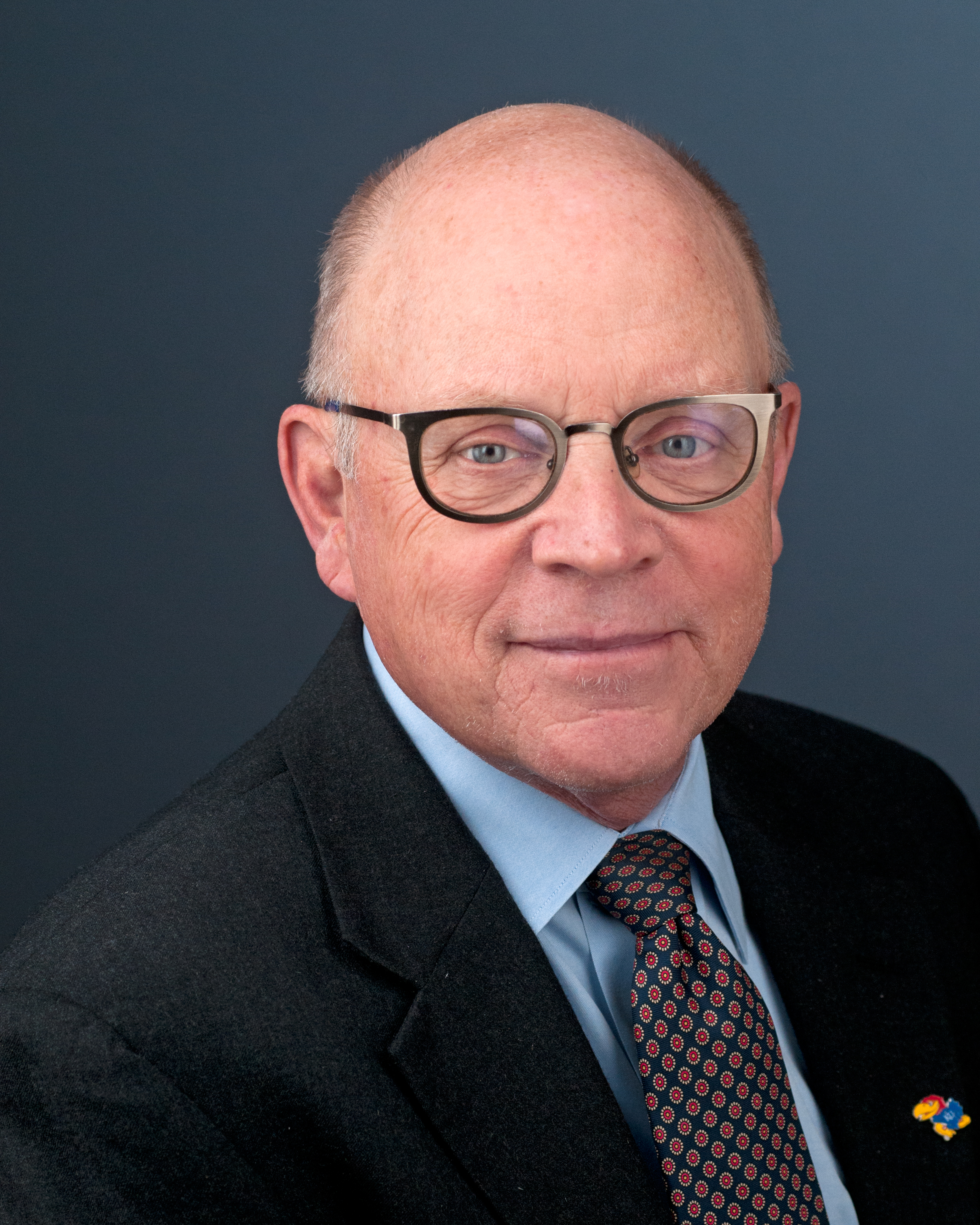
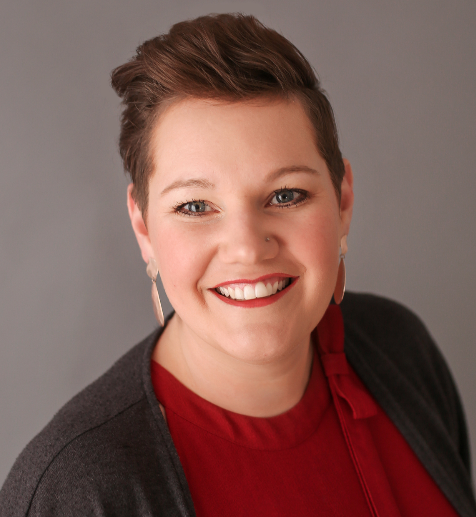
Ron Wilson is director of the Huck Boyd National Institute for Rural Development at Kansas State University.

By RON WILSON
Huck Boyd National Institute for Rural Development

What if you could meet Harriet Tubman in person? What if you could see John Brown in the flesh? What if you could hear Frederick Douglass or Clarina Nichols first-hand? The closest this will happen without a time machine is to participate in a living history experience where these characters are depicted, live and in person. Such a living history experience is now being planned for rural Kansas.

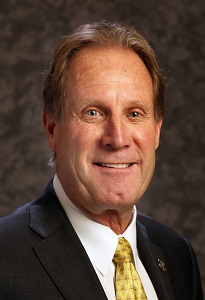
Richard Pitts is director of the Wonder Workshop, a children’s museum which carries out exhibits and programs to teach about the arts, sciences, and humanities. Richard is originally from New Jersey. He came to Manhattan, Kansas to study history at K-State. “I fell in love and it was the best thing that ever happened to me,” Richard said. He met and married Cindy and they stayed in Manhattan to raise their family.

In 1989, Richard began developing the concept of a children’s educational program in the arts, sciences and humanities. The concept was tested with displays and programs at the Manhattan Arts Center. Interest was evident so Wonder Workshop opened downtown in 1995. For a time, the program operated in a building owned by the school district.

In 2000, Wonder Workshop acquired land near Tuttle Creek Lake where nature-based programs and leadership camps are offered to groups and businesses. Opportunities include hiking, treehouses, ziplines, fossil-finding, science exploration, a climbing wall, and more.

“In 2013, we also acquired a house on 4th Street where we offer exhibits and programs,” Richard said. “Thanks to Bethel AME Church, it is rent-free for 20 years.” The house had fallen into major disrepair. “I could look up through the roof and see the sky,” Richard said. The house was refurbished with a grant from the Caroline Peine Foundation and became the primary location for Wonder Workshop.

Today, Wonder Workshop offers a variety of opportunities such as after-school programs for students from kindergarten to sixth grade, parents night out, discovery days when school is out of session, birthday parties, field trips, and much more in addition to the summer camps. “We operate with volunteers from the community and K-State,” Richard said.

“Our goal is to develop self-reliant children, families, and community members,” according to the website. “Our hands-on activities and exhibits instill a desire for lifelong learning, recognizing our cultural diversity, and fostering creative potential.”

Richard Pitts has always had a strong interest in African history, including the Underground Railroad through which men and women escaped from slavery prior to the Civil War. He started leading tours of historic free-state-related sites southeast of Manhattan. Those sites included the Underground Railroad route along the Kansas River Valley and the Beecher Bible and Rifle Church in the rural community of Wabaunsee with a township population of 456 people. Now, that’s rural.

Richard knew of locations in the eastern U.S. where living history presentations were staged using the Underground Railroad as a theme. He had the idea of implementing such a program in the Manhattan area.

In April and May 2019, Wonder Workshop is conducting the living history experience near Manhattan. Full disclosure: This event will be held on land my family owns south of town, which we volunteered for this purpose.

The program is called “Our Continuing Journey: From Bondage to Freedom.” From 4:00 to 6:30 p.m., participants will be placed in the role of slaves. They will experience an auction, an escape, and personal encounters with the costumed characters of Harriet Tubman, Frederick Douglass, John Brown, and Kansas abolitionist Clarina Nichols. This will be followed by a meal and time for discussion and reflection. The event ends at 7:30 p.m.

Advance registration is required. The event is targeted at adults and children, 10 years of age or older. For more information, go to www.wonderworkshop.org.

Harriet Tubman, John Brown, Clarina Nichols, Frederick Douglass. How interesting it would be to meet them first hand. We commend Richard Pitts and all those involved with Wonder Workshop for making a difference by providing growth opportunities for children, in addition to this special opportunity for people to join in this participatory theater experience. I hope it will help our understanding of these issues to come alive.
WAYMASTER: From the Dome to Home March 22

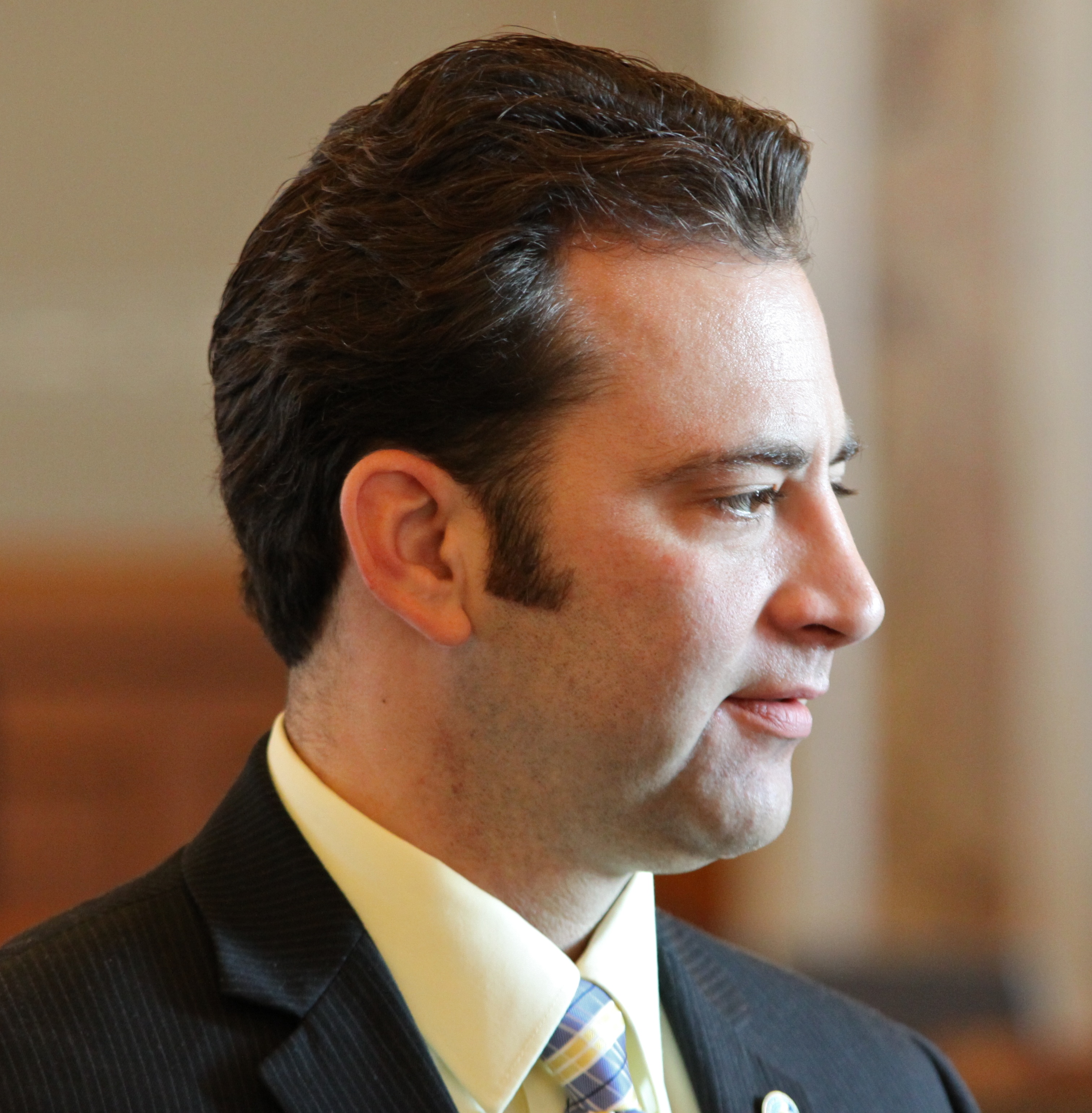
Rep. Troy Waymaster, R-Bunker Hill, 109th Dist.

Medicaid Expansion Passes the House
On Wednesday, March 20, we were planning to debate House Bill 2066, which would have updated the regulations for Advanced Practical Registered Nurses. However, in a process referred to as a “gut and go” an amendment was used to strip all of the language from HB 2066 and insert the policy for Medicaid Expansion.

This amendment provides coverage for individuals who are 138% below the Federal poverty level. The idea for states in implement Medicaid Expansion derived from Affordable Care Act (ACA) because a segment of the population did not qualify for Medicaid or ACA due to their income level. The cost to the state of Kansas is expected to be $47 million annually since there is a cost share mechanism with the Federal government providing 90% of the funding and Kansas will be responsible for the remaining 10%. I did present an amendment to help with these costs, which passed, that would require a monthly fee for those in Medicaid Expansion of $25 each month or $100 maximum for families. My amendment stipulates that if the Federal government ever would reduce the amount of funding below the 90%, the state of Kansas “shall” be able to opt out of Medicaid Expansion. Even with my amendment passed, I have continually said that I could not vote in favor of Medicaid Expansion in amendment form. This needs to be vetted and worked as a bill in the Health and Human Services committee. Since it came as an amendment, I could not support HB 2066. The bill did pass the House, 69-54.

Budget Bill
The Appropriations committee passed out the budget bill for fiscal years 2019 and 2020 late in the afternoon on Wednesday, March 20. We had a lengthy deliberation on the budget that was submitted by Governor Kelly, requests from the many state departments and agencies, and the recommendations of the budget committees that report to the Appropriations committee. Some of the details of the budget bill address the many needs of social services across the state of Kansas, increasing the number of social workers for the next two years for the Department of Children and Families, reinstating funding for the Kansas Main Street Program, a 2.5% pay increase for state employees, and continuing to make our obligations to the Kansas Public Employee Retirement System (KPERS). We are planning to debate the budget bill on the House floor on Monday, March 25.

House Bill 2369 – Transportation Tolling
In addition to passing the budget out of the Appropriations committee, we also deliberated on some details for the future transportation plan. During the interim, I served on the Joint Legislative Transportation Task Force, where we addressed the future needs for the Kansas transportation infrastructure. One of the recommendations from that task force dealt with tolling in the state of Kansas and how we could address infrastructure needs by tolling.

House Bill 2369, authorizes the Secretary of the Kansas Department of Transportation to construct new toll projects or designate existing highways as toll roads. This bill expands this authority for the Secretary, although, she would need to be granted approval by the Kansas Turnpike Authority Board and the State Finance Council, of which I am a member, for each new tolling project. The intent is also for the local communities to have a decision on the new tolling projects, as well. This bill was discussed and passed out of the Appropriations committee Thursday morning and hope to debate it next week on the floor.

Contact Information
As always, if you have any concerns, feel free to contact me (785) 296-7672, follow on twitter at @waymaster4house, visit www.troywaymaster.com or email me at [email protected]. Also, if you happen to visit the statehouse, please let my office know.
It is a distinct honor to serve as your representative for the 109th Kansas House District and the state of Kansas.

Please do not hesitate to contact me with your thoughts, concerns, and questions. I always appreciate hearing from the residents of the 109th House District and others from the state of Kansas, as well.

Troy Waymaster (R-Bunker Hill) is the 109th Dist. state representative and chairman of the House Appropriations committee. The 109th District includes Osborne, Russell, and Smith counties and portions of  Barton, Jewell, Lincoln and Rush counties.

NORLIN: Should Prosperity prosper?

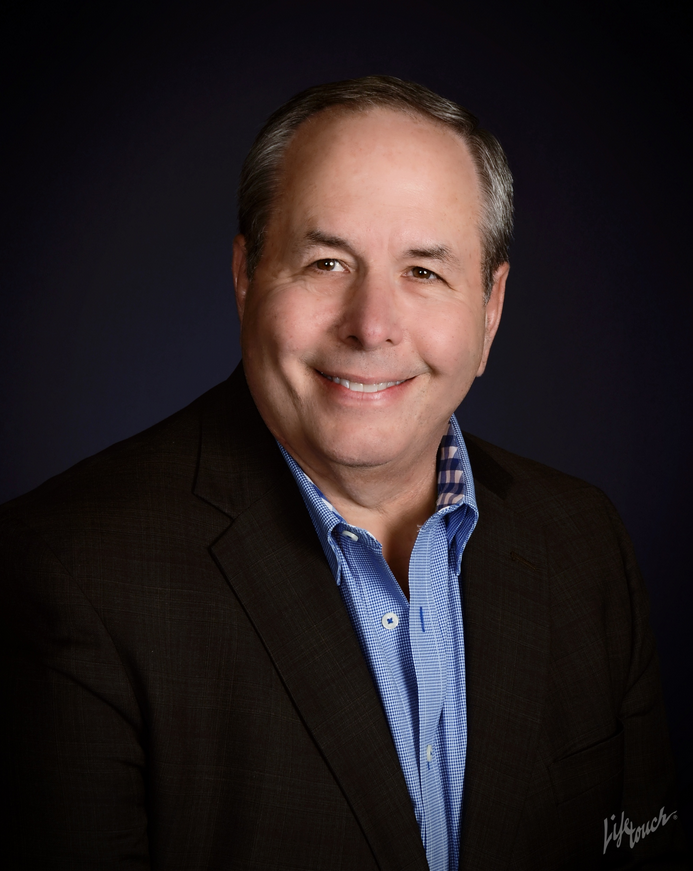
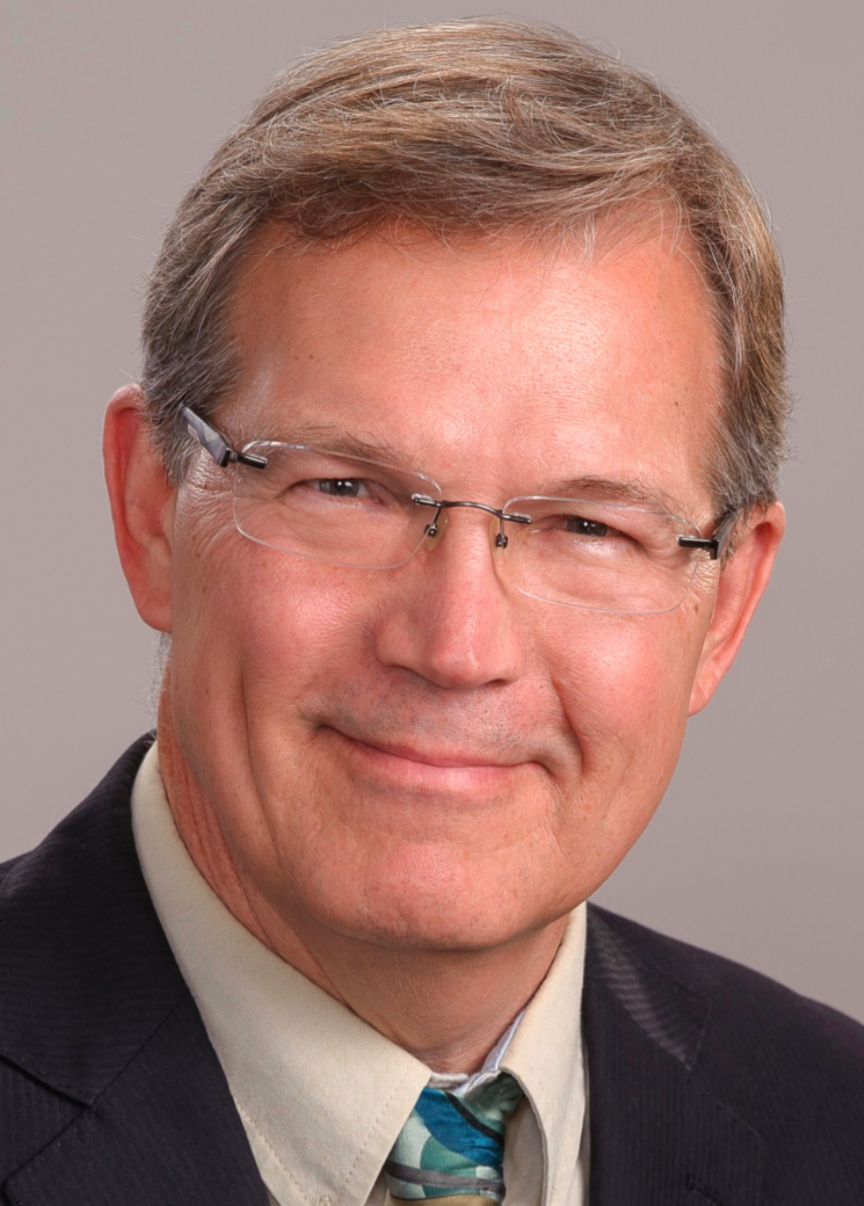
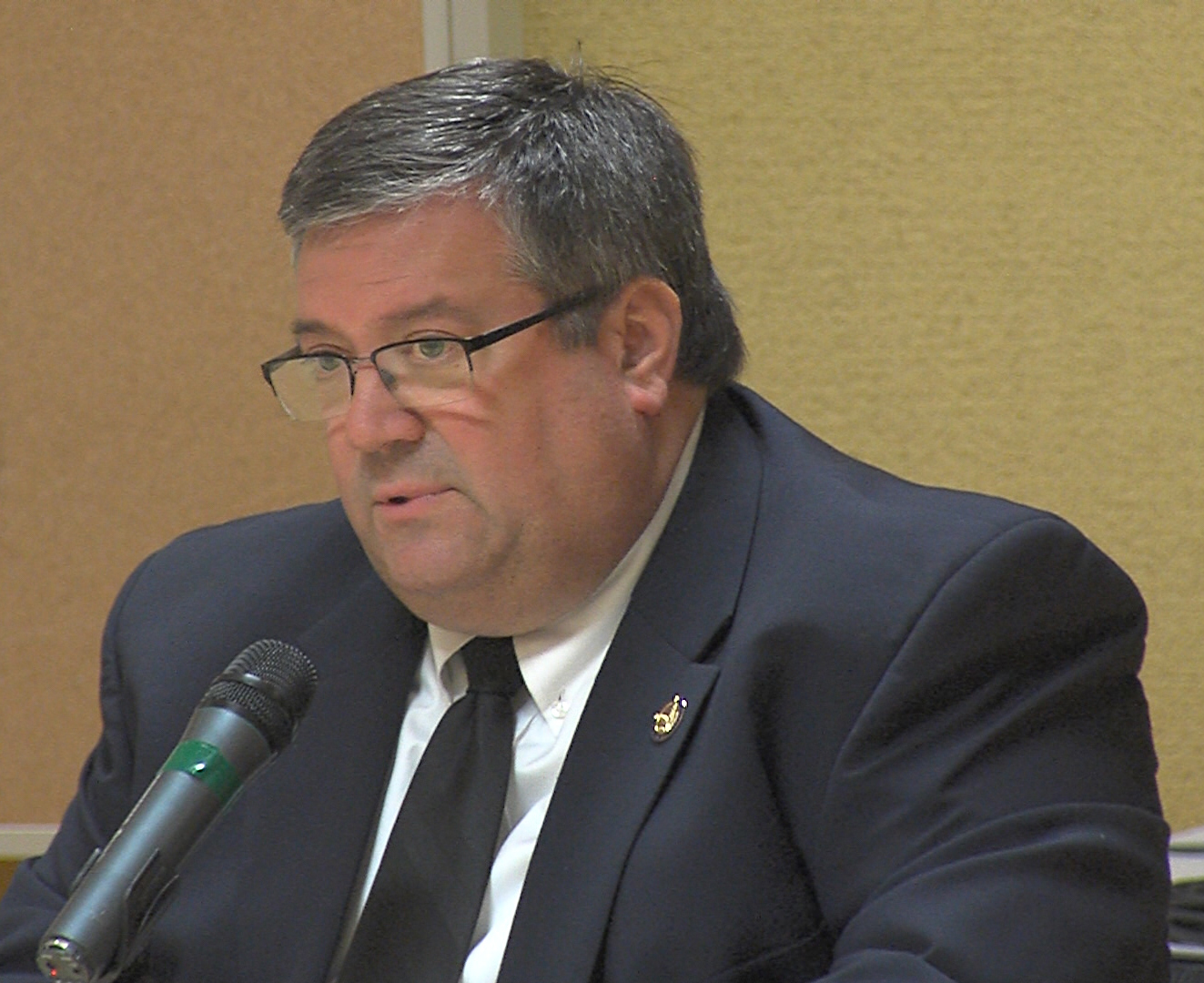
David Norlin is Chairman of the Salina Planning Commission, former President of Salina Access TV, and a former College Director of Broadcasting and English Department Chair. He has twice run for Kansas State Office.
It was quite a show.

Americans for Prosperity (sic) was called out at a Salina legislative forum this past weekend by a State Senator. Kudos to the Senator. Such confrontation is unusual, perhaps even uncomfortable. But a frank confrontation with facts is often necessary to get the whole picture.

Here’s the “rest of the story” area readers—and voters—should know.

Many Chambers of Commerce traditionally host ‘legislative forums” for give and take with constituents. For this vital service, the Chambers have our gratitude.

But.

If citizens and media are to get a complete picture, procedure is everything.

Present Salina procedure allows only written questions, selected and read by a Chamber Moderator. No one else has a sense of where the question comes from, control over questions asked, nor control of time consumed by legislators’ responses.

At the previous month’s Legislative forum, nearly half the questions were submitted by AFP field director Rob Fillion of Wichita (not Salina, not Abilene). No citizen attending knew. Thus was AFP able to cloak itself in a righteous pro-citizen mantle, while promoting only its own members’ interests. And he was back again this month.

Who is AFP? From Wikipedia: “According to NBC News, The New York Times and others, some of AFP’s policy positions align with the business interests of the Koch brothers and Koch Industries, including support for rescinding energy regulations and environmental restrictions, expanding domestic energy production, lowering taxes, and reducing government spending, especially Social Security, Medicare, and Medicaid.”

Most recently, AFP has advocated for SB22, thus handing over $187 million of our tax dollars to the big boys that already run your life. They also oppose Kansas’ expansion of Medicaid. After all, their clients already have health insurance they can afford, and would rather put your money in their coffers, not save some 150,000 Kansans—not to mention community hospitals–from medical disaster or death.

These policy initiatives match almost exactly Republican legislative leadership’s. And for good reason. AFP’s motives are matched by muscle.

In 2018, among all Kansas lobbying groups, AFP was the #1 spender, dispersing a skinny thousand bucks short of a Quarter-Million. If this figure doesn’t stop you in your tracks, consider this: That quarter-million is almost exactly 10 times more than any one of the next 3 top-spending lobbying groups in 2018.

How’s it spent? Perhaps, for field directors’ attempted intimidation of legislators unfriendly to their mission.

If the amount still seems obscene (and it is), remember that this is just an investment, and AFP’s return on investment is phenomenal. If they get their hands on even a portion of that $187 million, their return will look like a 5-bucket jackpot from playing the quarter slots at Prairie Band Casino.

Long story short, you don’t matter to them. They can outspend you every day of the week. And unless you demand it and see through it, now and at election time, their curtain of secrecy will keep you in the dark.

Here’s what the Chamber should do. Allow questions from the audience directly, with a time limit for questions, say 4 minutes. Allow legislators to answer, but not filibuster, as one local legislator is wont to do, by creating a 5-minute time limit.

Present procedure leaves difficult questions unasked—and unanswered.

One thing citizens can do, more than halfway through the ledge session, with little done, is ask why there’s so little action on vital issues. It’s time to push back against failed Republican leadership, and help our legislators avoid becoming “ledge-is-laters.”

Real citizen input can help, along with democratized forums that should hold both lobbyists and legislators accountable.

David Norlin is past Chairman of the Salina Planning Commission, former President of Salina Access TV, and an occasional Salina Journal columnist. He is a retired College English Department Chair and Director of Broadcasting. He has twice run for the Kansas Legislature.

INSIGHT KANSAS: March Madness comes to the Statehouse

This past Wednesday started off pretty much like any other mid-March weekday, as I perused Twitter and Facebook, did some editing, and planned where I’d watch the Jayhawks play their first-round game in the NCCAA tournament.

Burdett Loomis, Professor, Political Science, College of Liberal Arts and Science, University of Kansas

But then on my Twitter feed came a flurry of tweets: a coalition of moderate Republicans and Democrats was attempting to move Medicaid expansion onto the House floor, to pass Governor Kelly’s proposal. Whoa! For a legislative geek like me this was the equivalent of a potential miracle upset in first-round NCAA game. You can’t quite believe that the underdogs will pull it off, and you’ve got to keep watching.

So it went on Wednesday afternoon. Like many upsets, the real drama came early, as the insurgent forces leapt into an insurmountable lead in the early stages of the contest. As I watched on a YouTube channel, the House upstarts, led by Rep. Kathy Wolfe Moore (D-Kansas City), stole the legislative ball from the Republican leadership with a “gut-and-go” maneuver, which substituted Medicaid expansion into another, slightly related bill.

Speaker Ron Ryckman (R-Olathe) and his fellow leaders, fresh from their raucous Topeka White Linen restaurant team-building exercise, sought a referees’ ruling that the amendment was not germane and that they should get the ball back, so as to win the game. The Rules Committee chair, appointed by the leaders (!) conveniently agreed with Speaker. Bill Self and Bruce Webber surely envied such a cozy arrangement.

Then came the real drama. Rep. Wolfe and teammates, without an actual coach, appealed this ruling. Right there, in the early afternoon, came the turning point. On a 62-55 vote the underdog challengers overturned the ruling and surged into the lead; after that, if this gritty band could maintain their majority on the floor, they could pass Medicaid expansion.

There is no shot clock in this legislative game, and the rest of the afternoon saw the favored leadership team desperately try to break apart the expansion coalition. After a lengthy half-time break, which allowed for some strategizing, the game continued in the late afternoon. The leadership Republicans desperately offered amendment after amendment: on costs, on abortion, on Planned Parenthood. Rep. Brenda Landwehr (R-Wichita), a wily veteran, played the point guard role, probing for weaknesses.

The insurgent coalition bent a bit, but their majority did not come close – not close – to breaking. After an hour or so of delaying tactics, the underdogs ran out the clock by simply holding onto the legislative ball. In the end, by a solid 70-55 margin, they prevailed on the bill, sending it to the next round in the Kansas Senate.

I’ve closely watched the Kansas Legislature for more than 30 years, and I can remember few more impressive performances. The challenging coalition did exactly what it needed to. It pounced on the loose ball of a broadly related bill, which opened the door to the “gut-and-go” maneuver. It then ran up a lead with a key vote on the germaneness rule, which allowed their efforts to proceed.

And then this group – which always knew it had the votes to win on the floor – beat back a series of amendments designed to kill the bill.

High drama and an impressive performance on a March afternoon. Of course, there will be another game in the Kansas Senate, where its conservative Republican leaders will once again seek to deny a majority what should be their rightful victory. But that’s another day’s contest. For now, we should savor the incredible performance we just witnessed.

Burdett Loomis is an emeritus professor of political science at the University of Kansas.

CLINKSCALES: Will you still need me?

Randy Clinkscales
Last fall, I was driving home after two days of client meetings in Wichita. The combination of those meetings, not sleeping in my own bed for two nights, living out of a suitcase, and the prospect of almost three hours on the road left me feeling exhausted.

I turned on the radio and an old Beatles song came on, “When I’m Sixty-Four”. Perhaps for the first time in my life, I felt I was 64 years old and I understood the song. Some of the lyrics of the song are:

When I get older, losing my hair
Many years from now…
I could be handy, mending a fuse
When your lights have gone…
Will you still need, will you still feed me
When I’m sixty-four?

On a professional basis, I work with older clients that face a similar question. Do they still have purpose, do they still have worth, as they grow older? It can become particularly pronounced in a situation where someone has been a caregiver for a spouse, and then the spouse passes away. They feel like they are purposeless.

I am sure you have seen it as well. Some people retire and seem to slide into oblivion. They seem to have no purpose; they seem to have no goals.

But then you see other people; those who seem to spring to life after retirement.

Similarly, I see those who have lost a spouse and die shortly after. On the other side of the spectrum, I see those who carry on. Though they do not forget their deceased spouse, they carry on with a new life. I suspect they know that is what their spouse would want.

If you have not read the book “Being Mortal”, I would strongly recommend it to you. In it, the author discusses that we all need purpose, regardless of age. One of his criticisms of putting someone into long term care is that many times we take away their purpose. Maybe that purpose was to check on the crops; it could have been taking care of their spouse; it could have been their job. But they had a purpose, and now it is gone.

There are ways around that. As the author points out in “Being Mortal”, giving a person in a nursing home a job to do creates purpose. Researchers have shown that even a job of feeding a bird daily provides purpose.

I write this article as I have zoomed past 64 and am looking at the prospects of turning 65 in just a handful of days. I am thankful that I still have purpose in my life, whether that be my work, being a spouse, being a parent, or being a grandparent. It all gives me purpose.

I do not want to overstate this though: turning 65 has caused a lot of retrospective thoughts. More on that later.

Regardless of your age, create purpose. You have to create the purpose. You have to find the purpose. Whether you are turning 65 or 95, you can always have purpose. Purpose is what keeps you going; purpose is what makes the day worth living.

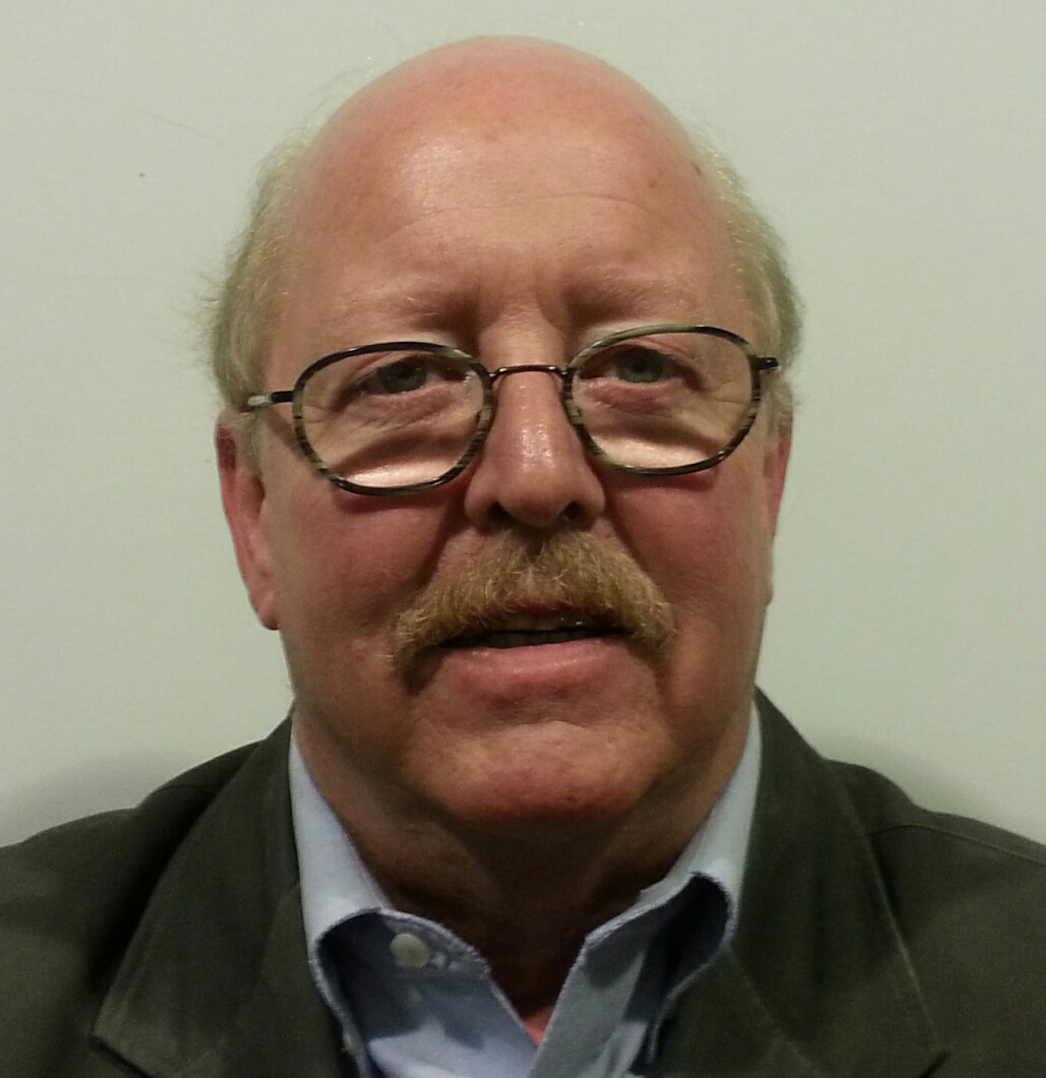
Randy Clinkscales of Clinkscales Elder Law Practice, PA, Hays, Kansas, is an elder care attorney, practicing in western Kansas. To contact him, please send an email to [email protected]. Disclaimer: The information in the column is for general information purposes and does not constitute legal advice. Each case is different and outcomes depend on the fact of each case and the then applicable law. For specific questions, you should contact a qualified attorney.

Transcribed by: https://iDictate.com

BOOR: Great Bend Farm and Ranch Expo right around the corner

Alicia Boor
The Great Bend Farm and Ranch Expo is coming out to the Expo grounds April 10th-12th. The 3-day event will have programs, vendors, and a chance to meet up and see what’s new in farming and ranching.

Together, with K-State Research and Extension, we will be giving informative lunch time programs, so come out, grab a good lunch, and listen to the various specialists discuss what is new in their fields of study.

On Wednesday, April 10th from 10:30 to noon, join KSRE along with the Great Bend Coop at the Research Plot tour. The plot is located north of the Expo grounds at Barton County Road and 50 AVE. Romulo Lollato, K-State Research and Extension’s Wheat and Forage Specialist will be present to discuss his 5 research projects that includes around 500 plots. He will discuss his current research on site that includes: different wheat varieties and how they respond to different management practices, growth regulators, seed treatments, seeding rates, and others. He will also be available to answer any questions that producers have about the 2019 wheat crop.

April 11th at noon will be a Farm Bill update by Monte Vandeveer, Southwest Area Extenstion Agricultural Economist for Kansas Farm Management.  Monte grew up on a farm in south‐central Kansas with wheat and cow-calf enterprises.  He received B.S. and M.S. degrees in agricultural economics from Kansas State University and a Ph.D. in ag economics from Purdue University. His program will highlight PLC and ARC programs and what you will need to know with the new Farm Bill.

On April 12th at noon, Mary Knapp will be at Expo 3 to talk about the K-State Mesonet, weather patterns, and forecasting the upcoming growing season. As part of the Weather Data Library and as service climatologist, Mary Knapp occupies a unique position in the Department of Agronomy. She is responsible for answering questions on climate and weather matters. She also maintains the web site that provides a constant update and complete archive of weather-related data for Kansas. Her program will cover an update on current conditions, and outlooks for the summer. She will also address the why, and the uncertainty associated with the outlooks.

Whatever your interests are when it comes to farming, there is a subject and specialist that can help you with information. Our specialists are happy to come out and share the latest information and research to help you be able to succeed at your farm. Join us during the lunch hour at the Great Bend Farm and Ranch show April 10th through the 12th for all of K-State Research and Extension’s programming.

Alicia Boor is an Agriculture and Natural Resources agent in the Cottonwood District (which includes Barton and Ellis counties) for K-State Research and Extension. You can contact her by e-mail at [email protected] or calling 620-793-1910.

BLOOM: Change is a good thing

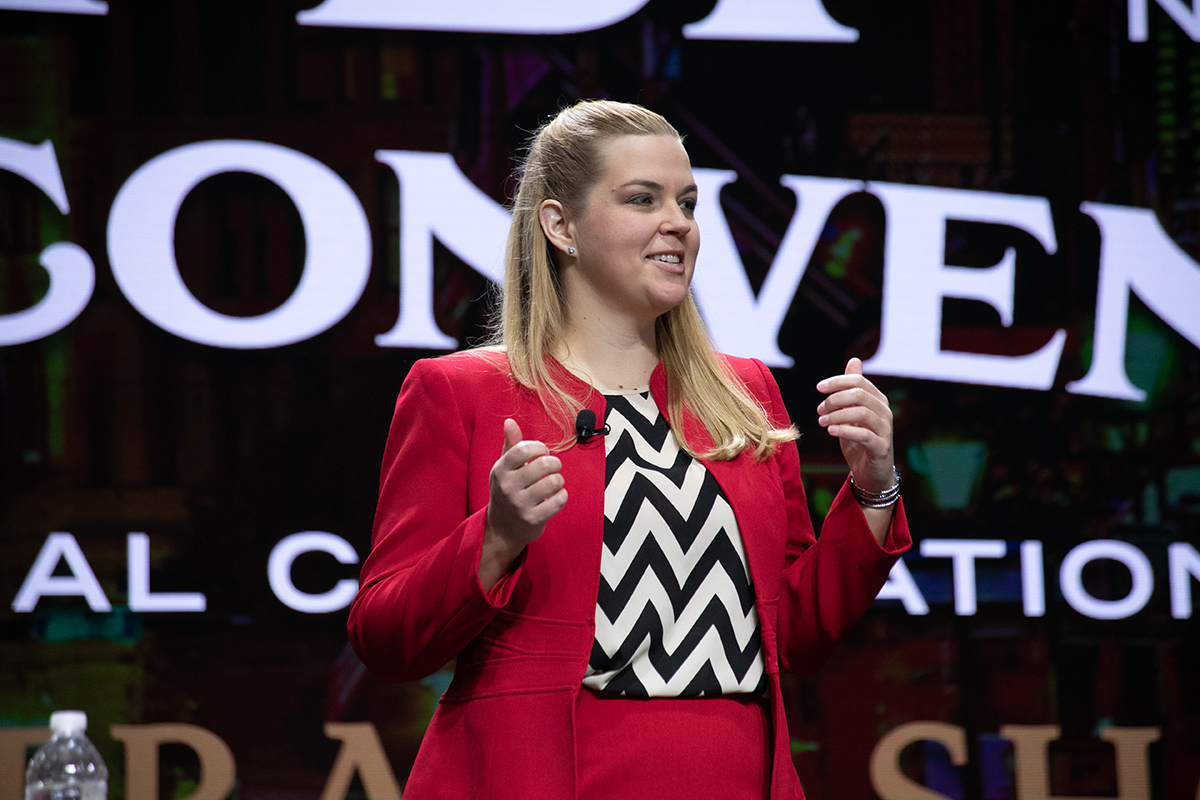
Sara Bloom is the Downtown Hays Development Corporation executive director.

By SARA BLOOM
Downtown Hays Development Corp.

We can all admit that change is difficult. We all have our routines and to be pushed out of our comfort zones is just that – a push out of something comfortable. However, in most cases, change is not only a good thing but is necessary to grow and thrive as a human, and as an organization or business.

If we didn’t change, we would never grow — literally and figuratively.

I wanted to address this topic of change because it seems Downtown Hays is prime for significant changes. Here’s the thing though, we’re used to it! Downtown has been shaken and stirred up for years now. The area went from a bloody wild west scene to deeply religious Volga-German center — from a bustling retail scene to almost forgotten — a blight on our city to what it is today, a thriving economic mix of businesses, residences and public services.

I truly believe the more things change, the more used to it you get and the easier it is to adapt, to grow, and to improve.

Already in 2019, the downtown area and Downtown Hays Development Corporation (DHDC) as an organization have seen changes.

DHDC welcomed two new businesses with brick presentations already this year, EyeSmile Vision and Dental on 13th and Main as well as Pyle of Treasures at 707 Main Street inside The Niche. No less than three developers are currently working on projects in Downtown Hays right now. We’re sad to see businesses like Goodwin Sporting Goods, and The Blue Heron Boutique leave downtown but also know that this change offers opportunities.

As an organization, DHDC is currently creating two brand new events for the public to enjoy. Cottontails and Cupcakes will debut on April 5. For just $10, guests will enjoy huge discounts, refreshments, and an adult-only Easter egg hunt throughout The Bricks.

On Sept. 6, prepare yourself for a decadent evening at Barrels and Bites. The night begins with a beautiful stroll through downtown businesses. At each stop, guests will sample their choice of wine or spirit and perfectly paired heavy hors d’oeuvres.  After the stroll, guests will enjoy a gathering like no other under the impressive Downtown Pavilion. A dessert extravaganza will be laid out for all to enjoy. Chocolate fountains, cookies, cupcakes, truffles, and more will accompany a silent and live auction.

DHDC hosts these events to bring awareness and foot traffic to The Bricks. Out of all the activities we organize, only two are fundraisers for the organization. The remaining events are hosted for the simple purpose of highlighting our amazing downtown and all it has to offer.

Our organization will continue to host events, but we promise to keep changing those events to meet our community needs and wants. We also promise that those events will not distract from the organization’s other purposes – to grow downtown through development, to work with new businesses seeking to come in, to assist existing businesses with marketing and technology needs, to be a catalyst for change and growth in our area.

Change is a good thing. Here’s to looking ahead.

Prairie Doc Perspectives: To straighten the bent bones of children

Rick Holm

Starting sometime in the middle ages, throughout many lands, there were “bonesetters” who knew about splinting, how to treat broken bones with splints made from sticks, leather and clay. They even had a guild, a medieval union of sorts, a cohesive group of workers organized to ensure quality, consistency and education. Medical schools for physicians existed at that time, but neither bonesetters nor surgeons attended those schools.

In the 1700s, Nicholas Andre’, a researcher and professor of medicine at the University of Paris, formally described splinting, a technique used by bonesetters, as a method to treat boney deformities, such as clubbed feet in newborn children. He likened it to the straightening of young tree saplings. Andre’ wrote a textbook on the subject entitled L’Orthopedie. The ancient Greek word orthos means free from deformity, to straighten; and the ancient Greek word paideia refers to the art of raising a child. Together they provide for the name of a present-day surgical specialty. Literally, orthopedics means to straighten the bent bones of children.

Surgical methods in the 1700s and 1800s were very immature. Anesthesia was first developed during the early 1800s and ether was widely used during the Civil War. After the war, surgeons brought their surgical experience home to small towns throughout the U.S. It wasn’t until after the war that we learned of bacteria and discovered we could avoid infection following surgery. In addition, X-rays were discovered by Wilhelm Roentgen in 1895, which allowed for the marvelous and revealing image of our internal boney structure.

These advancements helped set the stage for expanding the focus of orthopedics from casting and making-straight the boney deformities of children. In the 1890s, Evan Thomas, a well-known bonesetter from Liverpool, England, encouraged his son Hugh to go to medical school. While learning medicine, Hugh learned from his father bone setting and casting methods, which at the time were not being taught in schools. The younger Thomas was influential in bringing this curriculum to medical schools. He later set up practice with his nephew Robert Jones, and the two worked to develop orthopedic surgical methods in treating bone injuries in construction workers, and then war injuries in military men during World War I.

Thus, we trace the evolution from bonesetters, and straightening the bones of children; to anesthetized yet unsterile amputations during the Civil War; to bone setting taught in medical school; to surgical repair of boney injuries in World War I; to the marvelous ever-developing field of orthopedic surgery today.

For free and easy access to the entire Prairie Doc® library, visit www.prairiedoc.org and follow The Prairie Doc® on Facebook, featuring On Call with the Prairie Doc® a medical Q&A show streaming live most Thursdays at 7 p.m. central. 

Kansas Farm Bureau Insight: The art of civil discourse

Jackie Mundt

By JACKIE MUNDT
Pratt County farmer and rancher

The world today is quick to judge. A lurking mob stands ready to provide a sum judgement of a person’s character and worth based on a small sample of actions or choices.

Look at responses to any social media post made by an elected official. Even the most positive statements are used to air a grievance about non-related issues.

Opinions, and the arguments they inevitably bring, are divisive and fierce. Whom you voted for in the last presidential election or where you stand on a water issue will likely earn you enemies without ever meeting them. When we argue, call names and get ugly with each other, what do we gain?

I am not advocating for a shift away from conflict and criticism. When people give me honest feedback it gives me the insight needed to change and grow. Through the processes, I become better and stronger.

My plea is for people everywhere to learn how to disagree productively and exercise civil discourse, which does not aim to tear down but to build a better, stronger future.

Civil discourse is commonly defined as “an engagement in conversation intended to enhance understanding.” The concept is simple, but the effect is game changing.
Civil discourse starts with a basic but vital assumption of respect. Each person is entitled to an opinion and has the right to share their perspective.

No matter how much you disagree with a person’s viewpoint, try not to get emotional. Two people yelling at each other does little more than embarrass other people at the table.

Instead of getting angry, get interested. Why do they feel that way? How did they come to that conclusion? Am I missing something in my knowledge of the subject?

Taking the first step to seek understanding shows an important level of patience. When you seek first to understand others, you show respect for their opinion. Don’t worry about getting your point across. Showing respect will build trust; as trust increases, the conversation becomes more robust and opportunities will arise to bring in a different perspective.
This deference to another speaker also subtly acknowledges that your opinion is not the most important. Humility, which is often missing in disagreements, can diffuse emotional responses.

Humility can also help us to overcome very natural emotions. Do you approach an argument or disagreement with any acknowledgement that you might have your mind changed? Some people who answer this question honestly find they fear being wrong or may be disloyal to someone in the process.
If you aren’t open to changing your mind, why should anyone be willing to have you change his or her mind? Civil discourse has an implied social contract that both parties will equally work toward the best resolution. Try not to let pride and stubbornness prevent you from being an honest player in the conversation.

Listening to another perspective doesn’t make you disloyal to your ideals; it will give you a deeper understanding of the issue and confidence in your position. Play devil’s advocate and try to understand the opposing point of view. Having a truly open mind will make you more likely to ask the tough questions and strive to see the whole picture.

When you reach the end of a civil discourse, you and your fellow conversers may still maintain your original opinions, but you will likely have gained each other’s respect and trust.

“Insight” is a weekly column published by Kansas Farm Bureau, the state’s largest farm organization whose mission is to strengthen agriculture and the lives of Kansans through advocacy, education and service.

HAWVER: Debate heating up in Kansas Legislature

Martin Hawver

It took quite a while, but we’re finally getting to the part of the session where most of the boys would be advised to wear protective cups as debate sharpens over school funding, taxes, the budget…and Medicaid expansion.

Things heated up last week when the Senate passed to the House what is the governor’s proposal to appropriate $92 million to the State Department of Education that the governor and (at least publicly) the Senate believes will meet the Kansas Supreme Court order to adequately finance K-12 schools.

The Statehouse grew hotter when the Senate bought some minor House amendments to its major corporate/individual income tax cut bill and sent it to the governor for a (bet on it) veto.

And the session flashed when both the House and Senate (the Senate more artfully) reached into their separate “Mega” bills–the major appropriation legislation of the session–to take the $14 million Gov. Laura Kelly proposed to expand Medicaid (we call it KanCare in Kansas) health care to more than 100,000 mostly poor Kansans.

That flash point on Medicaid expansion is probably the most insider politically interesting. Kelly put in her budget that $14 million, the state’s first-year pricetag of Medicaid expansion, that will create a system in which the state will pay 10 percent of health-care costs for poor Kansans and the federal government will pay 90 percent of those bills.

The Legislature passed Medicaid expansion in 2017, saw former Gov. Sam Brownback veto the bill, and was unable to override that veto. But the numbers were big, back then. The Senate mustered 25 votes for the measure, the House 81. But 81 votes weren’t enough to override the veto.

This year, it appears that the Senate and House might have votes to expand Medicaid and don’t have to worry about a veto. Getting that expansion bill to the floor for debate is the problem.

So, with conservative leadership in both chambers opposed to Medicaid expansion…what happens to that $14 million that Kelly put in her budget…that $14 million that will draw more than $500 million in federal money for health care for Kansas’ poor?

The House Appropriations Committee just took that money that Kelly proposed for starting the program and tossed it back into the all-purpose State General Fund. Nope, there’s no policy bill on the horizon that would expand Medicaid, but at least that $14 million would have allowed Kansas to operate the program if it found its way to the governor’s desk.

The Senate? It’s Ways and Means Committee was a little more politically clever. A majority of that panel doesn’t want Medicaid expansion, but chose to take that $14 million the governor wants and keep it within the Department of Health and Environment…for a different purpose.

Now, Health and Environment isn’t exactly a cuddly agency, but the Senate committee took that $14 million and appropriated it for an increase in the fees it will pay physicians for care of the poor. Two years ago, the Legislature cut doctors’ KanCare payments by four percent. Restoring that four percent costs about $14 million.

So, the Senate can say it favors health care for the poor, just not a whole lot more of them, as some doctors are now refusing to care for Medicaid clients because of low reimbursement. The Senate panel is voting to pay doctors more to keep them in the Medicaid system, which sounds relatively socially progressive, doesn’t it?

Of course, none of that $14 million juggling matters if Medicaid isn’t expanded. And that’s one reason to watch the budget bill—which can’t be amended to include Medicaid expansion–to see whether that $14 million sliver pops the budget…

Syndicated by Hawver News Company LLC of Topeka; Martin Hawver is publisher of Hawver’s Capitol Report—to learn more about this nonpartisan statewide political news service, visit the website at www.hawvernews.com

LETTER: Save tax money — use paper ballots

Dear Ellis County Commissioners Haselhorst, Schlyer and Roths:

This letter is to ensure that you are aware of the unreasonable, unreliable and dangerous machine voting in Ellis County elections and ask that you agree to budget only for paper ballots. Please do all in your power to persuade the County Clerk to scrap any plan to use machines.

The last election highlighted this issue. It was discovered that the existing machine-based voting system was expensive, not well-maintained, easy to hack and unnecessary.

See the 2007 Evaluation & Validation of Election-Related Equipment, Standards and Testing (EVEREST)” study initiated by the Ohio Secretary of State due to public concerns regarding election equipment such as used in Ellis County. This review was performed by three different well-respected bodies and all three identified and confirmed critical flaws in terms of security and reliability.

The EVEREST study reports that election systems in question, “uniformly failed to adequately address important threats against election data and processes. Central among these is a failure to adequately defend an election from insiders, to prevent virally infected software from compromising entire precincts and counties, and to ensure cast votes are appropriately protected and accurately counted.”

The study makes it abundantly clear that the voting equipment, and others, are at the very least insecure and pose many dangers to both voter privacy and election accuracy.

Ellis County is not immune to these dangers. In the 2018 Kansas House of Representatives election for the 111 th District, it was realized that there were large discrepancies in certain voting districts that almost never happen. Precinct reports came back showing that voters within certain precincts would vote for a certain candidate around 65-70% of the time on paper and in that same precinct the voters supposedly voted for that candidate as low as 43% of the time via machine. Ellis County showed signs of major anomalies in voter behavior and any political expert or analyst would tell you that many of these events just do not happen on their own. Sadly, because of the system used, nothing could be done.

At the very best, the machines, having been sloppily handled, not properly calibrated, not recently maintained, and demonstrably inaccurate, were the cause of deep distrust in the system. The solution is not another expensive set of machines. It is, very simply, to do as we did for decades, conduct our elections using paper ballots.

Ellis County deserves an election free of skepticism and irregularities. When a voter casts their vote, they want to feel like the vote is being properly counted, they want to know that their voice is precisely heard and for this to happen, we need to use an election system that is reliable and accurate. Paper ballots have never resulted in any significant question of the accuracy of election results here.

In “How Voting-Machine Lobbyists Undermine the Democratic Process” an article by Sue Halpern published January 22, 2019 in The New Yorker, Halpern explains many of the multiple issues that arose in Georgia and Delaware because of choosing to stick with machine voting equipment and allowing salesmen and lobbyists to control the voting process,

“Georgia’s Secure, Accessible & Fair Elections Commission voted to recommend that the state replace its touch-screen voting machines with newer, similarly vulnerable machines, which could be produced by E.S. & S. at an estimated cost of a hundred million dollars. In doing so, the panel rejected the advice of computer scientists and election-integrity advocates, who consider hand-marked ballots to be the “most reliable record of voter intent,” and also the National Academies of Sciences, Engineering, and Medicine, which recommended that all states adopt paper ballots and conduct post­-election audits. The practice of democracy begins with casting votes; its integrity depends on the inclusivity of the franchise and the accurate recording of its will. Georgia turns out to be a prime example of how voting-system venders, in partnership with elected officials, can jeopardize the democratic process by influencing municipalities to buy proprietary, inscrutable voting devices that are infinitely less secure than paper ­ballot systems that cost three times less.”

Elections conducted by vote machine systems come at a great cost and even greater risk. Evidence suggests that through systems like we have now, elections can be bought and stolen, and through paper this is just not possible.

Oregon is the “gold standard” when it comes to voting procedures. It performs an entire election, with 2. 7 million registered voters, all by mail because its elected officials, both Republican and Democratic, agreed that the cost is low, and the risk of hacking or tampering is even lower. Not only has going paper created a stronger line of defense against hacking and election fraud, Oregon is also having tremendous success in Voter Turnout and has even seen its demographic least-likely to vote, voters 34 and under, cast votes in record breaking fashion.

Ellis County has the opportunity to become the “gold standard” for Kansas counties and show that a safe and affordable election is possible, even in the face of growing technological concerns. By going paper we will be eliminating the threat of cyber hacking and tampering with our elections, gaining the potential to increase Voter Turnout and saving Ellis County money while doing it.

Although Ellis County has set aside hundreds of thousands of dollars to replace our current voting equipment, blindly deciding to replace it with a newer yet just as vulnerable system is not the answer. Do not allow this mistake to be made. Officials from various states are promoting going paper because it is the safest and most cost-effective form of voting and Ellis County needs to as well.

I ask that you use your budget process to make it clear to the County Clerk that the money presently earmarked for yet another recipe for election malpractice be used to pay down the Ellis County deficit, instead. To paraphrase Everett Dirksen, Republican Senator, “a thousand dollars here and a thousand dollars there, and pretty soon you’re talking about real money.”

This is your chance to show that fiscal conservatism starts at the local level. Do the taxpayer, the voter, and all citizens the favor of safeguarding their right to have their votes counted properly while safeguarding their tax dollars, too.

Thank you for your immediate attention to this.

John Bird, Hays

Billinger newsletter, March 18

Sen. Rick Billinger, R-Goodland, 40th Dist.
SB 142 passed out of the Senate this week and has headed to the House for debate. This bill appropriates funds to the K-12 base aid for FY 2020 and FY 2021.

The legislation supplements the state’s $525 million, five-year investment that passed last year, with a series of additional $90 million bonuses during the next four years. SB 142 was crafted to comply with the Kansas Supreme Court’s instructions to add an inflation adjustment. We passed this with the belief that these additional dollars would finally settle the ongoing lawsuit. This is the bill Governor Kelly proposed to settle our lawsuit.

The State School Board also endorsed this bill. Last week the schools involved in the lawsuit changed their mind on the amount of money that we were adding for additional funding and are now asking for additional funds above the $90 million.

SB 22 was sent to the Governor’s desk last week for her signature. An update on SB 22, which was originally introduced in response to the Tax Cuts & Jobs Act of 2017, and the revenue windfall Kansas is expected to receive because of federal tax reform. SB 22 addresses both individual and corporate taxes by decoupling state law from federal law provisions.

The bill will provide individuals with the ability to itemize when using the federal standard deduction on their tax return. SB 22 provides Kansans with the right to deduct interest on their mortgage, property taxes and health care expenses. The bill also provides incentives for businesses to invest and create jobs in Kansas since it places Kansas on par with surrounding states that have already decoupled from federal law, increasing Kansas’ competitiveness. Kansas is one of seven states that hasn’t decoupled. If SB 22 does not get signed into law, businesses are expected to get hit with $137 million in state income taxes and individual taxpayers would pay an extra $50 million to the state. There were two amendments added to SB 22 by the House.

One amendment provided a 1% reduction in the state’s 6.5% sales tax on food. The food sales tax reduction is expected to provide a $43 million reduction in sales tax, beginning October 1st. The second amendment was an Internet sales tax amendment that requires out-of-state vendors to pay sales tax. Online sales tax is expected to generate about $21 million annually. This will be Governor Kelly’s first opportunity to keep her campaign pledge to not raise taxes.

The Senate passed Sub SB 69 that authorizes an independent $1 million study of retail rates charged by public utilities. This legislation was created in response to Kansas having some of the highest utility rates in the region and is intended to provide information to the Legislature in order to protect ratepayers.

I would like to thank everyone who stopped by the Capitol and my office last week.

I am honored and grateful to represent the 40th Senate District of Kansas. Please do not hesitate to contact me by e-mail at [email protected] or call me with your questions and concerns. My office number is 785 296-7399 or my cell is 785 899-4700. If you are in Topeka stop by my office at 236-E.

RAHJES REPORT: March 18

Rep. Ken Rahjes (R-Agra), 110th Dist.

Hello from Topeka!

It was great to be home over the weekend and see the sun. Our hearts go out to our livestock producers who have had one challenge after another during calving season. But you will not find a more resilient group of folks than those involved in agriculture. Things are ramping up in Topeka, but it looks like this first year of the biennium will be one with out many issues being acted on. One of the issues that is working towards a vote is K-12 school finance.

Last Wednesday, the K-12 Education Budget Committee received an informational briefing on HB 2395. The bill addresses school finance, as well as a number of education policies. The education policies reflect language from bills heard earlier in the session. The bill contains supplemental appropriations for the Department for FY 19, based on the Governor’s recommendations. Appropriations are also included for FY 20, including for the 6 primary funding sources for school districts: State foundation aid; supplemental state aid; special education services aid; capital outlay state aid; capital improvement state aid; and KPERS employer obligations.

Appropriations are also included for: the ACT/Workkeys assessments; professional development for elementary teachers in identification of dyslexia and effective reading interventions; Teach for America; ABC early childhood intervention pilot program; and continuation of the safe schools grants.

Targeting funding for at-risk students; students with behavioral health concerns; dyslexia: The bill also contains a new weighting for behavioral health intervention. This weighting expands the mental health intervention team pilot program from 2018 SB 423. All districts would be eligible to participate. To receive the weighting, a school district must hire a behavioral health liaison for each school included in the program. Approximately $20 million is appropriated for this weighting. The weighting is 0.5 for each student attending a qualified school. The bill also adds 0.026 to the at-risk weighting of each school district. The additional moneys are to be expended only for at-risk evidence-based programs, such as Job’s for America’s Graduates—Kansas (JAG-K). The bill also extends the Legislative Task Force on Dyslexia for an additional three years.

Cash Reserves, Accountability provisions: The bill requires school districts to spend down a portion of their unencumbered balances. If their average monthly unencumbered balance is greater than 15%, the district would be required to spend the difference between that balance and 15% of their operating budget. Capital outlay and capital improvement cash balances are excluded from the calculation. The bill also contains provision to create performance accountability for the state, each school district, and each school. The reports are to be 1-page annual reports on student performance on state assessment, college and career readiness metrics, and the Kansans Can standard. Additionally, the Department will prepare annual longitudinal reports on student achievement, along with annual financial accountability reports. The bill also establishes uniform internet publication requirements, requiring that the Department and each district provide a displayed link on their websites.

Bullying Prevention: The bill creates the Legislative Task Force on Bullying Prevention in Public Schools. The Task Force would meet up to 6 times during FY 20 and twice during FY 21, with reports made to the 2020 and 2021 Legislature. The bill also contains the Kansas Hope Scholarship Act (KHSA), which allows student victims of bullying to participate in a scholarship program to transition to a new school, including a private school. The scholarships would cover the costs of attending a new private school. To be eligible for the program, a student must report they are a victim of bullying. An investigation, made within 30 days of incident being reported, must contain a determination that bullying occurred and who the victim is. If it is decided to transfer the student to another school, school district, or private school, KHSA provides that a certain percentage of the current year BASE aid amount is transferred from the KHSA fund to the student’s account (based on student’s grade level). If the student transfers to another school district, then the State Board is directed to adjust the school district’s state foundation aid.

Additional considerations: The bill amends current law regarding transportation requirements. Under the bill, a school district would be required to provide transportation to students living less than 2.5 miles from their school if there is no safe pedestrian route and if there is no additional cost to the district to provide that transportation. Other provisions address the bonding authority, special education excess cost, requiring a study on computer science and personal financial literacy courses, and the abolishment of the Mineral Production Education Fund.

There are many moving parts to the House version of K-12 spending we will see what survives. The Senate has proposed the Governor’s recommendations on school funding without many of these enhancements.

On Thursday, March 14th, the Senate concurred with the changes the House made to SB 22 with a vote count of 24-16. The House added provisions to reduce the food sales tax and the fix the loophole concerning internet sales tax collections, which will protect our brick and mortar stores, and passed the bill on March 8th with a vote of 76-43.

SB 22 is currently on its way to Governor Kelly’s desk. She will have ten days after receiving the bill to act. She has the option of signing the bill, allowing the bill to become law without her signature, or veto the bill.

Early last week, the House adopted HR 6016, a resolution recognizing the Kansas Small Business Development Center’s 2019 Businesses of the Year. Eight Emerging Businesses of the Year and eight Existing Businesses of the Year award recipients were chosen by the Kansas SBDC’s regional directors and staff. It was great to be on hand when Lost Creek German Shepherds from Clayton was recognized as one of the 2019 Emerging Businesses of the Year. Taylor and John Meitl are doing a fantastic job…Lead On!

The other 2019 Emerging Businesses of the Year are: ArtForms Gallery in Pittsburg, owned by Sue Horner, Janet Lewis, Ruth Miller, and Sylvia Shirley; Ellen Plumb’s City Bookstore in Emporia, owned by Marcia Lawrence; Gravity Wellness Center in Garden City, owned by Kristi Schmitt; Leeway Franks in Lawrence, owned by Lee and K. Meisel; Norsemen Brewing Company in Topeka, owned by Jared and Emily Rudy and Adam and Melissa Rosdahl; Safely Delicious in Overland Park, owned by Lisa Ragan; and Triple Threat Ag Services in Conway Springs, owned by Aaron, Allen, Paul, and Phillip Lange.

The 2019 Existing Businesses of the Year are: Angela’s Wellness Center, LLC in Elkhart, owned by Angela Willey; Bolling’s Meat Market & Deli in Iola, owned by Cara Bolling Thomas; Dod Installations in Wichita, owned by Wilt and Tina Dod; Floyd’s Inc. in Emporia, owned by John and Ruth Wheeler; Good Energy Solutions in Lawrence, owned by Kevin Good; LaCrosse Furniture Co. in LaCrosse, employee-owned; The Winged Lion in Manhattan, owned by Ralph Diaz; and Wolcott Foods in Kansas City, owned by Ron Tilman.

If you come to Topeka during the session, my office is in Room: 149-S. My phone number is (785) 296- 7463 and email is: [email protected] and you can always try my cell number is (785) 302-8416.

It is my honor to serve you in the Kansas House of Representatives.

Rep. Ken Rahjes (R-Agra), is the 110th state representative and chairman of the Higher Education Budget Committee. House District 110 includes Norton and Phillips counties as well as portions of Ellis, Graham, and Rooks counties.

Copyright Eagle Radio | FCC Public Files | EEO Public File