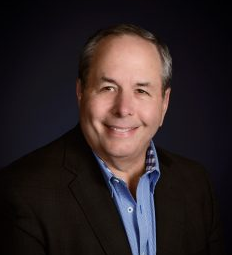
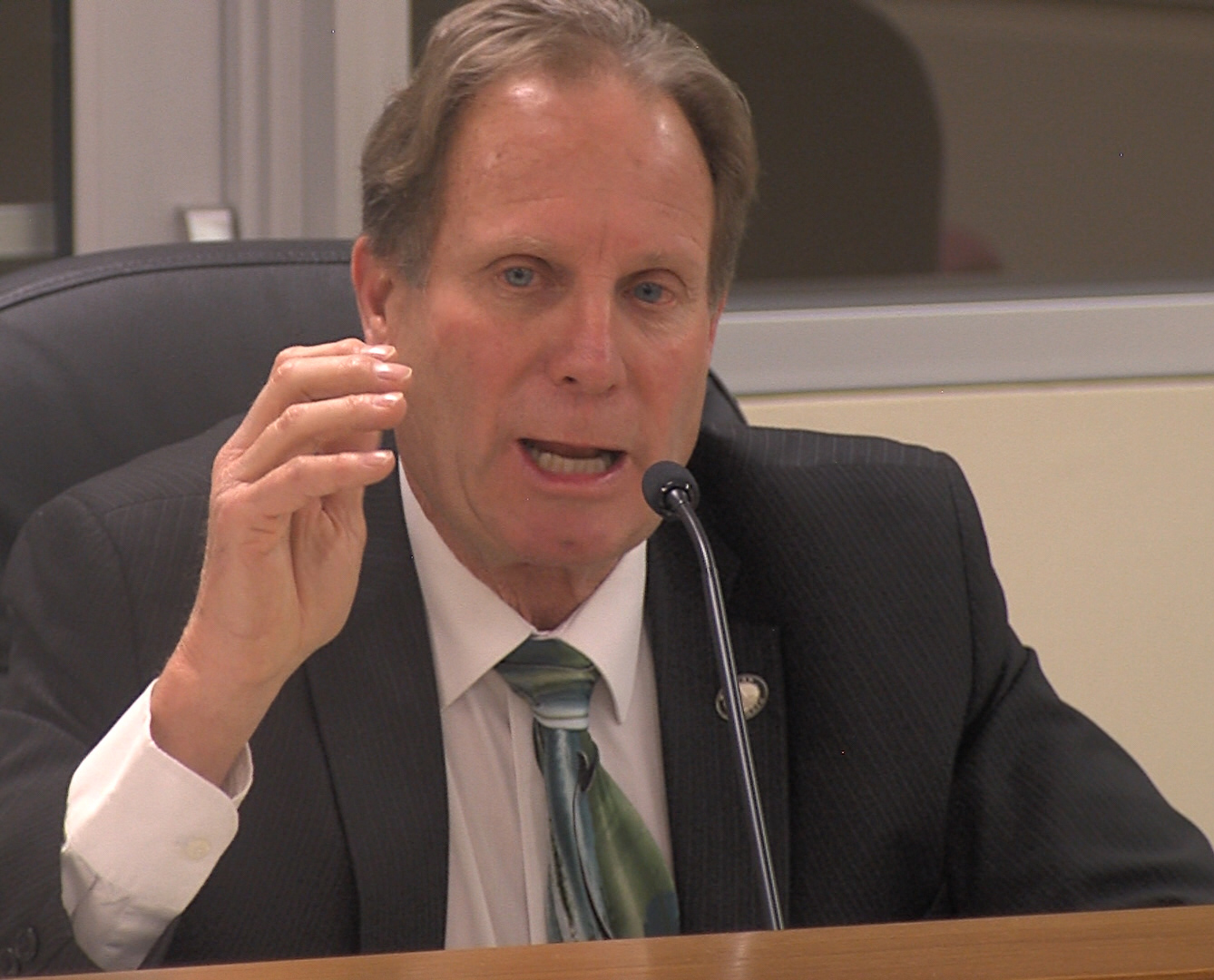
Randy ClinkscalesA few weeks ago, I cooked a ham and invited two of my sons over to have dinner with my wife and I. When we got to the table, my son Josh told a story.
The day before, he had received one of those emails—the kind that you open up and your computer is instantly filled with a virus. He has warned me about those emails.
Despite that, after looking at the email he decided to open it. It contained an attachment. After examining it closely, he decided to open it as well.
At dinner Josh read us the email. It was from a woman in Michigan. Her son is in the first grade, and he had brought home a book from school that he was to read to her for his homework. The attachment to the email was a photograph of the inside of the book. In it was a note that said, “To Josh Clinkscales, Valentine’s Day 1990, Grampy and Grammie Stucky.”
When all of us sitting at the table looked at the page, we instantly recognized Grammie Stucky’s handwriting. Grammie was my wife’s mother, Josh’s grandmother.
There was just a moment of silence and pause, of astonishment, but also of reflection.
In my office, we work with a lot of families dealing with significant chronic illnesses. With those families, a care coordinator (usually a social worker or registered nurse) works with that family to help deal with the aging or chronic illness progress. Usually, we work with those families for the remainder of their lifetime. At the passing of a client, we meet with their family for a final meeting.
By this point, we have become in many ways part of the family. I am always astonished at what I hear from those meetings: reflections of the joy of remembering, stories, and lessons. While there is certainly a sense of loss, there is also a sense of recognition of the importance of the person in the family, and the warmth that brings.
So many of my clients have had such strong, positive influences on not only their children, but their grandchildren as well. They live on through the lessons they have passed on. They live on through their expressions of kindness during their lives. They live on through the moralities that they have taught, both in words and by deeds. They live on through their influences that will not only affect their children and their grandchildren, but generations to come.
When we were sitting at the dinner table looking at that book, with the handwriting of Grammie Stucky, we really felt the presence of Grammie and Grampy in the room as if it were 1990 all over again. It was as if they were standing over us, smiling. We could feel the warmth of the glow of their presence, and we all knew that they were still with us.
Our lives mean more than the property we pass onto our family on our death. Our lives are those lessons, experiences, and stories that we pass on. My lesson from Grammie and Grampy is that the way that I treat my family greatly influences how they will remember me, and how they will treat others.
How did the woman find out about Grammie and Grampy? Apparently the book had been purchased on Amazon. When she read the inscription she started doing some research and found Grammie Stucky’s obituary and it all made sense. She even noted that they got the book in February, the book was from February of 1990, and Grammie had passed away in February of 2017.
The world sure seemed smaller and warmer than it did the day before.
Randy Clinkscales of Clinkscales Elder Law Practice, PA, Hays, Kansas, is an elder care attorney, practicing in western Kansas. To contact him, please send an email to [email protected]. Disclaimer: The information in the column is for general information purposes and does not constitute legal advice. Each case is different and outcomes depend on the fact of each case and the then applicable law. For specific questions, you should contact a qualified attorney.
In 1936, when America was plunged into the worst economic depression in its history, President Roosevelt told us that “the school is the last expenditure upon which America should be willing to economize.” He understood then that creating an outstanding public educational system was worth the cost, but is it worth the cost to Kansans today?
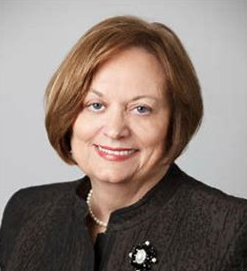
Dr. Sharon Hartin Iorio is Professor & Dean Emeritus at Wichita State University College of Education.
At this writing, the Legislature appears reluctant to respond to the Kansas Supreme Court directive to add approximately $100 million to the more than $500 million over five years the court ordered in 2018. Can the mid-April deadline set by the court be accomplished?
Despite the urgency for closure, school funding remains an ongoing point of contention. Moreover, allocating funds to meet the court order may not guarantee an ending to contention.
Already there are three propositions the Legislature may consider that would weaken and decrease recent court-ordered appropriations to public schools that currently serve 90 percent of Kansas students.
The first proposal would introduce Education Spending Accounts, which are a restructured form of vouchers allowing families to decide whether to use their student(s) per-pupil funding for public school or a private school of their choice. Thus, some of the recently allocated funds would be pulled away from public schools.
Increasing tax credits now going to private school scholarships, if passed into law, would reduce the number of tax dollars coming into the general fund because of the 70 percent, or perhaps more, tax write off that would go to those who can afford to purchase the scholarship tax credits.
The third proposal would broaden charter school independence; thus, drawing per-pupil state dollars away from existing public schools while allowing charters to follow even fewer state policies.
Legislators should address the court mandate that is due in April, then take a comprehensive look at Kansas schools. Recommendations regarding school finance presented to the public by political parties and political action groups are numerous, confusing—even contradictory.
The turmoil pushes the general public into political divides that stem more from ideologies than the educational problems facing our state. It is impossible to correlate the amount of money spent with student achievement or lack thereof.
The resolution of Kansas’ current education finance dilemma does not need to be an economic killer or require a flood of new money that guarantees acceptance of schools’ current status quo. Plus, neither of these alternatives will get us the educational system that President Roosevelt envisioned that envisioned continuous improvement in achievement for all students.
Education is a responsibility beyond the Legislature and shared by all of us even though individuals can only do what we can with the time that we have. Reaching out doesn’t always mean organized, ambitious work of political parties or political action groups. Here’s some suggestions to help move schools forward: Text a friend or post a note about your ideas on education on your Facebook page, tutor or volunteer at a school or not-for-profit children’s center.
Simply do what you can to shift your and others’ thinking away from contentious games played out in the Legislature and toward collaboration and problem solving.
Realistically, this work may go no farther than just you. If it doesn’t we shouldn’t consider that a failure. None of us know how simply trying to help schools may shape the larger public sphere. Even though school choice disputes continue, mutuality, compromise and good will really can lead to more positive outcomes.
Sharon Hartin Iorio is a Professor and Dean Emerita of Wichita State University College of Education.
Make plans to attend the first Stock Growers Field Day on Tuesday, March 26.
The Stock Growers Field Day will be highlighted by a market outlook from CattleFax and by a presentation on increasing production efficiency from the well-known reproductive physiologist, Dr. Rick Funston. The field day, held in Beloit, will be a collaboration from K-State Research and Extension, the Kansas Livestock Association, and the Kansas Bull Test.
“This will give producers a better chance to not only hear from industry leaders, but to also take part in conversation with one another,” says Barrett Simon, Livestock Agent for K-State Research and Extension. “The field day is an effort to bring industry experts right to North Central Kansas. Often times events of this caliber are held in places like Wichita, Manhattan or Dodge City.”
In addition to the speakers, the program will offer breakout sessions where attendees can pick and choose which topics apply to them. Topics discussed may include a producer panel on cover crop grazing, a session on livestock watering considerations for the upcoming summer grazing season and more. More than 30 agricultural businesses will be on hand in the trade show and bulls from the Kansas Bull Test will be available for viewing throughout the afternoon.
The cost to attend the meeting is $15, which includes an evening meal and a copy of the field day proceedings. This event has been generously sponsored by Merck Animal Health, Anipro / Xtraformance Feeds, Guaranty State Bank, and Rawhide Portable Corral.
Questions can be directed to Barrett Simon at 785-378-3174 or [email protected].
Reserve your spot today! Registrations can be mailed to: Post Rock Extension District, 307 N Commercial, Mankato, KS 66956. Please write “Stock Growers Field Day – Registration” in the memo line.
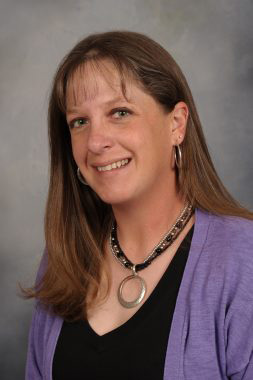
Alicia Boor is an Agriculture and Natural Resources agent in the Cottonwood District (which includes Barton and Ellis counties) for K-State Research and Extension. You can contact her by e-mail at [email protected] or calling 620-793-1910
If one is in a twilight zone, that means a person is somewhere between reality and fantasy. I contend our government in part, all of our politics from the left, and most of media that camps out in D.C’s Disneyland, are no longer even in the twilight zone. It’s all a make believe world.
This letter to the editor is a follow up to one a few weeks ago. In my last writing titled “Disneyland on the Potomac” where our Washington D.C. government is located on a river, we have a political world that seems to be from Mars. Reality doesn’t seem to exist. Hollywood is in second place when we look at who creates the most fiction.
In my last letter I mentioned how out of touch the left is with the climate change issue and open borders for illegals. I also touched on the Trump Russia collusion story that has dominated the news daily for over two years with no evidence whatsoever that collusion occurred or that somehow Russia hacked into our election. I also hit on the fake news coming from media which I intend to address even more.
How about the following for another leftist liberal and progressive whopper! Call it science fiction. Even though real scientists have concluded life begins at conception and an unborn baby can feel pain within 8 weeks of a typical 40 week pregnancy, there are Democrats who want to make it legal to kill a baby after he or she is born and out of the mother’s womb. The epitome of insanity and – and immorality! The Senate Democrats actually killed a bill that would have made it illegal to murder.
You can’t make this stuff up, but it is happening. Call it a bad dream that Dems don’t even value the lives of newborn babies.
Most of the Democrat Party presidential hopefuls are campaigning on the replacement of capitalism in this country with socialism, and that’s at a time America has the strongest economy in the world thanks to capitalism. Socialism has never worked in the many countries that have gone that route, but “so what” is the mindset from Democrats. Did you or I ever think we would see the day when there would be a socialist proposal telling Americans that if you don’t want to work, no problems, you’ll be guaranteed an income equal to those that do work? God help us.
I bring up the fake news issue again because news by mainstream media (known as MSM) permeates all of our lives daily like none other. It is delusional for anybody to think our media is objective and non partisan when 95% of journalists and others employed in media vote Democrat. A recent poll shows that the majority of Americans believe most media purposefully presents false news for the sole purpose of misleading readers and viewers.
The hosts and contributors of political news coming from CNN, MSNBC, the big three networks of ABC, CBS, NBC are making Hollywood actors and actresses look like amateurs. Take note of this scenario. Every morning or the late evening before, there is collaboration by MSM to “manufacture” (make up) talking points for the sole purpose of misleading viewers into falsely thinking Trump is going to be in prison any day now following impeachment.
Surely readers have noticed on TV that if one person on mainstream media has a negative talking point about what Trump does, they all say the same thing. Free press? Not even in our dreams. For example, if the order of the day is to call Trump a racist they all say the same thing hundreds of times throughout the day.
What takes place in liberal mainstream media 24/7 is nothing but an act that all have rehearsed. It’s fake news. It’s spin. The American public is being duped by MSM, which is an arm of the Democrat Party. Call it brainwashing and indoctrination. In fact, one could call it “dumbing down” the public. For example, a recent report by a two year Senate Intelligence Committee of no evidence Trump colluded with Russia media continued claiming there was for some 2,040 minutes with zero minutes spent on the report saying otherwise.
Only the gullible thinks the Mueller Special Council Report, when forthcoming, will nail Trump for collusion. I guarantee you all that if witch hunter Mueller had a bombshell smoking gun he would have said something long ago to distract from the attempted coup to destroy Trump by Mueller’s friends in the FBI and DOJ. It turns out the cops and robbers are one and the same. Trump will get hammered for other things, but not collusion, even though the SC is supposed to be about collusion.
With all the successes Trump has in making America great again, how is it even possible for media to claim they are fair and balanced with wall to wall negative coverage throughout the day? One need not be a rocket scientist to figure out that does not compute logically, but then the left isn’t logical about anything.
AmeriCorps Week 2019 is March 10-16, and Developmental Services of Northwest Kansas (DSNWK) would like to recognize its AmeriCorps VISTA volunteers.
Since 2016, DSNWK has recruited six full-time Americorps VISTAs to volunteer as program support, grant writers, and foodbank coordinators. In summer 2018, DSNWK recruited five Americorps VISTAs to support DSNWK, the Area Agency on Aging, and Learning Cross Preschool.
The main duties of VISTA, which stands for Volunteer in Service to America, is to provide sustainable support to nonprofits to help lift people out of poverty. VISTAs work full-time for a year and provided a stipend from the Corporation for National and Community Service.
On top of their regular volunteer duties, VISTAs with DSNWK held a banquet for first responders on 9/11, visited nursing homes on Veterans Day, and presented programs on the life of Dr. Martin Luther King Jr. and Kansas Day.
Currently, two Americorps VISTAs have made a year-long commitment to DSNWK.
Mathew Vickery, York, Penn., is an AmeriCorps VISTA with DSNWK’s foodbank and pursuing a B.S. in nursing at Fort Hays State University.
Thomas Fuhrmann, St. Louis, Mo., is retired and volunteering as an AmeriCorps VISTA for DSNWK’s College for Living program, which provides day services to adults with intellectual/developmental disabilities.
AmeriCorps VISTA positions to assist with grant writing, events, and software development with DSNWK are currently available.
Help DSNWK thank these volunteers during AmeriCorps Week.
Steve Keil Director of Development Developmental Services of Northwest Kansas
We are ready to begin the second half of the 2019 Kansas Legislative session. At the time I am writing this column, we are at home in the district after having the local county Farm Bureaus along with the Ellis stop co-sponsored by the city of Ellis and Ellis Chamber of Commerce on Friday. It was good to see many constituents brave the weather to discuss topics important to them. It was great to be at selected stops with Senators Billinger and Bowers also.
SB 9 hit the governor’s desk on last Tuesday. This is the KPERS stabilization bill that was passed unanimously by both the House and the Senate. The governor has 10 days to consider whether to sign, veto, or allow the bill to become law without her signature.
SB 9 helps keep our promise to KPERS – the retirement system for our teachers and other public employees – by paying off a $115 million debt that the state owes to the retirement plan. SB 9 is in contrast to the governor’s KPERS proposal, HB 2197, which would have generated $160 million in short-term cash for increased state spending but increased the state’s debt costs in KPERS by $7.4 million.
HB 2197 was met earlier this session with resounding disapproval in the House. The governor’s plan failed on vote of 36-87 with both Democrats and Republicans opposing the reamortization effort.
By passing SB 9 and rejecting HB 2197, we can protect funding for our retirees responsibly pay down the state’s debt and ensure that the next generation isn’t left to pick up the tab for today’s spending.
Before we broke for turnaround there were a few bills worked on the house floor: On Wednesday, February 27, the House passed HB 2006, a bill that makes significant changes to increase transparency in the state’s economic incentives. On a vote of 122-0, the House overwhelmingly approved of the requirement for the Department of Commerce to develop an online database for the purpose of disclosing data on economic development incentive programs. This would include any economic incentive program that is administered by the department, and also includes any tax credit program except for social and domestic credits.
This bill would make economic incentive data readily and easily available and would allow the public to know how their tax dollars are used, where they are used, and by whom they are used. The database must be posted on the department’s website, and it is required that these programs be searchable by name, business, and county. In addition, the history, goals, and purpose of each program would be disclosed, as well as the qualifications for such programs. The total amount of incentives claimed, received and distributed from/by each program, recipient (business), and county would also be public. The bill also maintains the necessary confidentiality parameters regarding private taxpayer information. Lastly, the Legislative Post Audit Committee would be charged with conducting a comprehensive analysis of each incentive to prove its efficacy every three years.
HB 2006 serves as a tool to hold government accountable. This bill would install the necessary safeguards on the executive branch to prevent potential fraud and abuse. Both policymakers and the public ought to know how many economic incentives are issued each year, and to what end have those incentives performed. It encourages scrutiny but also ensures a greater effective use of taxpayer dollars.
Also, on Wednesday, February 27, the House passed HB 2144, also known as the Community College Taxpayer Transparency Act, on a vote of 84-40. Essentially, the bill would require community colleges to post information online concerning fiscal matters. On each college’s website, the bill would require the posting of tuition rates, fees, cost per credit hour, percentage of students attending each campus, enrollment percentage of students residing inside and outside of the community college district, property tax revenues and mills levied over five fiscal years, and scholarship information. This must be posted under an easily identifiable link on their respective websites. The bill would also require imposed student fees, for specific purposes, by the community colleges to be spent specifically on those purposes. Such purposes must also be outlined in their billing statements as well.
Additionally, community colleges would be required to identify which of their offered courses are fully transferable to the Kansas Board of Regents (KBOR) four-year institutions. KBOR and each colleges’ website must specify which particular courses are fully transferable.
Property taxes are levied within a community college district to fund the local community college. Requiring that these colleges post property tax information along with scholarship information, general credit hour costs and other information digitally ensures that taxpayer dollars are spent appropriately. Disclosing the specific purposes of each student fee also guarantees this.
HB 2144 would also allow community college students and prospective students to verify which offered courses will afford them the opportunity to transfer to a Regents institution, should they decide to attend any of those institutions.
I still have some concerns about this issue and I am sure there will be some additions and subtractions when the Senate takes up the measure. Transparency is a good thing. We just need to make sure there is context to the numbers or it is anyone’s guess how the numbers could be used to make a positive or negative impact.
Last week we talked a little about SB 22. Right now, the state budget is set to raise taxes on certain Kansans. If we do nothing, the governor’s budget will trigger a tax increase on Kansans who itemize their mortgage interest, property taxes or medical expenses as well as on several of the state’s largest employers.
Governor Kelly’s plan would keep the federal dollars intended to be returned to Kansans under recent federal tax cuts and instead use those dollars to fund unsustainable state spending increases.
Senate Bill 22 would adjust the Kansas tax code to address the changes at the federal level so Kansans can continue to itemize and so that employers are not hit with a tax hike on income that has historically never been taxed at the state level.
While the governor campaigned on reducing the sales tax on food, her budget keeps the Kansas food sales tax among the highest in the nation and provides no relief for Kansans at the grocery store. SB 22 would reduce the food sales tax by 15% and give help to working Kansans every single time they go to the grocery store. Some say a penny isn’t that much, but to borrow a line: “a little bit goes a long way every week.”
SB 22 also closes a glaring loophole that punishes businesses on Kansas’ Main Streets. For too long, this loophole has put our local businesses at a disadvantage when they’re trying to compete with out-of-state businesses. That loophole is the one that makes Kansas businesses collect sales taxes when they sell online but leaves out-of-state businesses free to scoff at our laws. It also makes Kansans personally responsible for collecting their own sales tax on behalf of those out of state tax cheats.
This bill closes that loophole and stops penalizing Kansas businesses and Kansas customers. It places the burden to collect and pay taxes on the out of state businesses who have had an unfair leg up on our local mom and pop shops. The bill also removes the line for out of state sales tax from Kansas taxpayers’ forms so it’s crystal clear that Kansans are no longer tax collectors for other state’s businesses.
Winter sports season is wrapping up and congratulations to those students who competed in wrestling and basketball. We have a couple of teams playing in the state tournament and a couple that came very close. Overall, with the challenges we have dealt with because of the weather, I think all of us are looking for the warm weather that track and field season brings.
If you come to Topeka during the session, my office is in Room: 149-S. My phone number is 785-296-7463 and email is: [email protected] and you can always try my cell number is 785-302-8416.
It is my honor to by your representative.
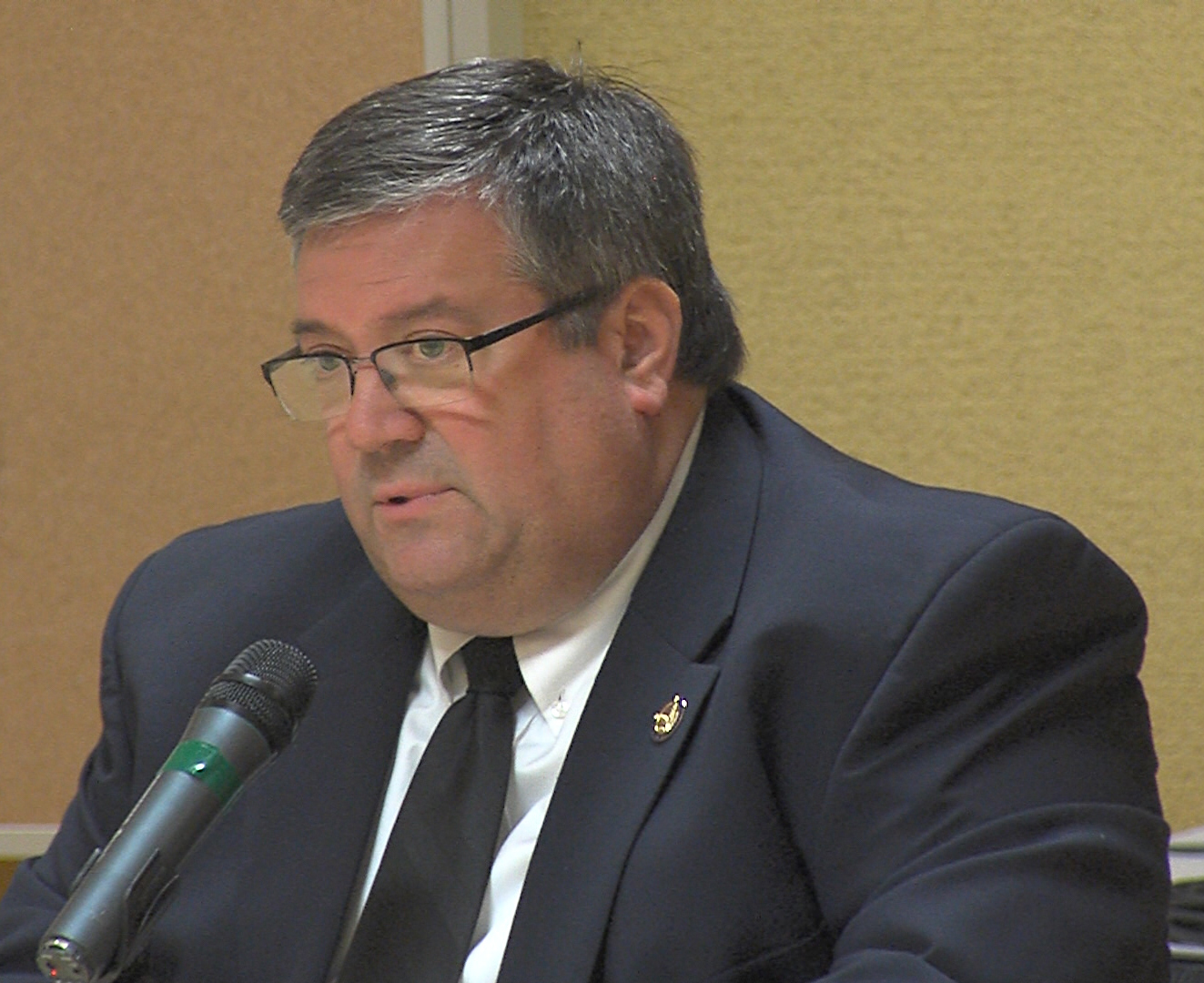
Rep. Ken Rahjes (R-Agra), is the 110th state representative and chairman of the Higher Education Budget Committee. House District 110 includes Norton and Phillips counties as well as portions of Ellis, Graham, and Rooks counties.
Like track runners, farmers and ranchers in Kansas face several hurdles. Whether it’s unpredictable and unfavorable weather, a volatile market that causes commodity prices to fluctuate or correcting misconceptions about agriculture, farmers hurdle many things.
Yet, hurdle after hurdle, farmers and ranchers run the race because they love what they do. They chose it. They want their operation to continue so the next generation can carry on the tradition. For this to happen, our food and fiber producers need to stay healthy.
A recent national survey shows 65 percent of farm and ranch families believe access to affordable health care options is the number one threat to the success of their operation. In the past five years, net farm income has declined by nearly 50 percent, while health insurance costs have spiraled upward. In Kansas, Farm Bureau members report health coverage costs as the most significant expense in their family budget, at times representing 30 to 40 percent of annual expenses. That is a hurdle nearly impossible for farmers to overcome.
Sherman County farmer Tim Franklin has felt the struggle of finding workable and affordable health care. When the Affordable Care Act (ACA) altered the definition of sole-proprietorship, it resulted in their health coverage carrier canceling their group coverage.
“The logic was that we didn’t qualify for the group plan because we didn’t have employees,” the Goodland farmer says. “My parents are involved in our farm but operate separately and we don’t have nonfamily employees that would qualify us to form a new group.”
The family went to the marketplace for coverage and was hopeful to qualify for subsidies, but never received help. Their health care costs continue to increase while their coverages weaken. Between 2010 and 2018, premiums for individuals increased by 176 percent for ACA plans. The cost to cover a family jumped by 216 percent.
In order to advocate on behalf of farmers like the Franklin family, Kansas Farm Bureau introduced Senate Bill 32, which will authorize it to offer members health care benefit coverage.
This legislation is designed for Kansans who don’t have access to a group insurance plan and make too much to qualify for subsidies under the ACA. Typically, these Kansans are spending a fortune for their own individual coverage or are uninsured. It’s another option provided to cover more lives in Kansas.
Kansas Farm Bureau will offer individually rated plans at a significant savings to similar coverage under the ACA. This new option will allow Kansans to choose health coverage that’s best for them. Some may not receive health benefit coverage, while others may have waiting periods for previous diagnoses. In those cases, plans offered through the ACA are still available to them.
Once members are accepted, and they continue to pay their KFB membership and premiums they will not be denied coverage. The health care benefit coverage plans have no annual or lifetime limits. The benefits may include office visits, hospitalization, preventative care services, emergency room services, maternity care, prescription drug benefits, mental health and substance abuse, and dental and vision coverage. Members can decide what level of coverage they’re comfortable with.
Opponents to the measure, the same large companies that have dictated health policy in Kansas for years don’t like this. They want to maintain the status quo so they can continue to control the marketplace and lock in their profits. Kansas Farm Bureau believes there is a better way, build on a free market with a goal of serving members.
For Atchison County farmer Mindy Young, affordable health care has meant a smaller farm because her husband has a job in town mainly for its health coverage.
“The big thing holding us back right now is time,” she says. “With his full-time job, he has a hard time finding time to commit to growing the farm.”
Farm and ranch families and small business owners face uncertain economic times, making their ability to purchase health coverage for their families difficult, resulting in more uncovered lives in Kansas and struggling health systems in rural communities. Kansas Farm Bureau’s proposal creates competition and free-market options for health coverage, supports rural hospitals and providers, and keeps families on the farm.
If you struggle to find affordable health care, tell your legislators your story. Learn more and send your message at www.kfb.org/kshealthcare.
“Insight” is a weekly column published by Kansas Farm Bureau, the state’s largest farm organization whose mission is to strengthen agriculture and the lives of Kansans through advocacy, education and service.
Martin HawverIt’s still a showdown, the GOP-led Legislature and Democrat Gov. Laura Kelly, and they’re holding their cards near their chests and looking at each other’s eyes to see who blinks first.
Those $88-a-day legislators (plus per diem, of course) are still on their Turnaround Day break, presumably exhausted from debating many of the bills in each chamber and sending them across the rotunda to the other chamber. And they’ve sent just one bill to Kelly so far. Best deal for those legislators is that they get paid by the day—not on commission—or we’d see them at street corners with signs seeking lunch money.
That single bill they’ve sent to Kelly is the $115 million repayment of money borrowed from the Kansas Public Employee Retirement System, and Kelly isn’t saying whether she’ll sign or veto it, and it would be out of character for her to just let it become law without her signature.
The bills floating around? Well, they’re still floating at what is theoretically, or popularly, called the “halfway point” of the session. That’s the tax cut bill and the K-12 bill, which at least the Senate Education Committee hasn’t finished up yet and isn’t likely to move to floor debate this week.
The tax cuts? Kelly doesn’t think that the state has enough information on just what those federal cuts are going to do to Kansas revenues. She for the first time last week said out loud that she might not sign a tax cut bill this year.
For some number of Republicans—and mostly party leadership—those tax cuts are politically vital.
The leadership refers to making those federal tax cuts trickle down to Kansans vital. And cutting Kansas taxes now? Well, Republicans call not cutting Kansas income taxes a tax hike, because the less you pay to Washington, the more money is available for taxing by Kansas.
There are also some relatively clever little political games within the tax debate, like a one-cent reduction in Kansas sales tax on groceries, from 6.5 percent to 5.5 percent. Nobody doesn’t want to pay less sales tax. And no legislator doesn’t want to vote to cut taxes on nearly everything—and especially food.
While you read a lot about “helping the poor” with that food sales tax cut, the income tax part of the bill helps corporations and the upper-middle and upper-upper income Kansans who probably haven’t eaten bologna on white bread for years…
It might be interesting, though, to see how that Senate-passed, House committee-amended bill does in full House debate.
***
The issue that pits conservative Republicans against the Kansas Supreme Court on adequately financing public schools? Well, neither chamber has passed a bill yet. The Democrats are eager to at least pay that $93 million next year to meet the court’s definition of “adequate” funding, and Republicans appear split between whether the “unelected judges” (who stand for retention elections every six years) should determine just what “adequate” is, or whether lawmakers should make that decision.
Lots of talk, lots of committee hearings, but nothing has seen full debate.
***
The showdown between Kelly and the Republicans leading the Legislature on nearly every issue?
No winners, just that staring at each other, maybe typing up a little press release, now and again, but so far, nothing very final.
It’s easier when the Legislature and the governor are of the same political persuasion. Little deals are possible.
But when it’s a Democrat governor and Republican legislature? Just try to remember back to high school, and those bad dates…
Syndicated by Hawver News Company LLC of Topeka; Martin Hawver is publisher of Hawver’s Capitol Report—to learn more about this nonpartisan statewide political news service, visit the website at www.hawvernews.com
Average Kansas gas price rises 6 cents to $2.25/gallon in the past week; up 30 cents in past month
AAA
WICHITA – Kansas motorists continue to see more expensive prices at the gas pumps. The Sunflower State’s 6-cent increase in the past week was the fifth largest jump in the nation, and Kansas gas prices have risen 30 cents in the past month.
Whereas Kansas usually enjoys gas prices among the top 10 cheapest in the nation, this week’s average price registers 13th cheapest, still 18 cents less than the national average of $2.43.
“Pump prices rose steadily in Kansas and across the country in February, a month that saw a number of refineries undergoing planned and unplanned maintenance, and an increase in crude oil prices,” said AAA Kansas spokesman Shawn Steward. ““Gas prices have been pushed higher this week due to reduced gasoline stock levels and increased demand. Motorists can expect gas prices to continue to increase as refineries gear up for spring gasoline production and maintenance season.”
Of the 10 Kansas cities regularly highlighted by AAA Kansas (see chart below), eight experienced price increases at the pump. The largest price jumps were seen in Pittsburg (+12 cents), Kansas City, Kan. (+10) and Wichita (+10). Hays (-3) and Salina (-4) gas prices fell from one week ago.
According to AAA Kansas, this week’s Kansas gas price extremes are:
HIGH: Kensington (Smith County) – $2.51
LOW: Mullinville (Kiowa County) – $2.10
National Perspective
The national gas price average has increased nearly 20-cents since the beginning of the year, which is the largest jump during the January-February timeframe since 2015.
Today’s national average is $2.42, which is three-cents more expensive than last week, is 17-cents more expensive than a month ago, but 10-cents cheaper than a year ago.
Quick Stats
The nation’s top 10 largest weekly increases are: Florida (+13 cents), Alabama (+11 cents), Mississippi (+8 cents), Louisiana (+8 cents), Kansas (+6 cents), South Dakota (+6 cents), Texas (+5 cents), North Dakota (+5 cents), Colorado (+5 cents) and Michigan (+5 cents).
The nation’s top 10 least expensive markets are: Missouri ($2.17), Arkansas ($2.17), Utah ($2.18), Mississippi ($2.19), South Carolina ($2.19), Texas ($2.19), Virginia ($2.20), Colorado ($2.20), Louisiana ($2.21) and Tennessee ($2.22). (Kansas is 13thcheapest this week.)
Oil prices rose Monday, boosted by reports of a possible agreement as early as this month to end the U.S.-China trade war. Supply cuts from OPEC and its non-member allies continued to support oil futures as well. A tanker was seen Friday off-loading U.S. Eagle Ford crude oil into a port in China, which Reuters said what would be the first Chinese import of American crude oil in months. The Russian energy minister told Reuters they are increasing the pace of oil production cuts under the “OPEC-plus” agreements, and should post a higher compliance rate in March.
Independent Oil & Gas Service reports a dip in its active rig count for the week, with just two rigs working in eastern Kansas, down one, and 23 west of Wichita, down six. Drilling is underway on one lease in Russell County. Operators are about to spud a new well in Barton County and one in Stafford County.
Baker Hughes reports 1,038 active oil and gas drilling rigs across the U.S. on Friday, a decline of ten oil rigs. Canada checks in with 211 active rigs, down one. The count in Texas was down five. The total in Oklahoma was down two.
Regulators approved 18 drilling permits for new locations across the state last week, just one east of Wichita and 17 in Western Kansas. That’s 133 new permits year-to-date, about half the total last year by the end of February.
Independent Oil & Gas Service reports 48 new well-completions for the week, 24 east of Wichita and 24 out west., including one completion in Barton County, three in Ellis County, and three in Russell County.
The government last week said U.S. crude oil production last week reached an all-time high of just under 12.1 million barrels per day. That’s up 104 thousand barrels per day over the week before, and an increase of 1.8 million barrels per day over last year at this time. The Energy Information Administration said commercial crude oil inventories dropped by 8.6 million barrels from the previous week to about 3% above the five year seasonal average. Imports averaged 5.9 million barrels per day, down by 1.6 million barrels per day from the previous week.
A coalition of environmental groups is fighting a tight oil project near the Utah-Colorado border by a company with ties to Estonia in eastern Europe. The company has invested $60 million to date in the Utah project, which would produce an estimated 50,000 barrels a day if the site is fully built out. Opponents say the plan would drain billions of gallons of water from the Green River, threaten endangered species and generate enormous amounts of greenhouse gas pollution.
Operators in New Mexico could soon be required to chip in a little more to help the government’s efforts to regulate that state’s booming oil and gas industry. A new bill would allow regulators to collect application fees, administrative filing fees, and permit fees to cover the costs regulating the patch. Supporters say regulators’ workload has quadrupled, while top employees are leaving for bigger paychecks in the private sector. According to the Web site “New Mexico In Depth,” lawmakers in Santa Fe are exploring just how much to charge. Some are questioning why fees should be used instead of a regular budget line-item, calling the bill a “license to steal,” and a “self-licking ice cream cone.”
An effort to ban hydraulic fracturing in New Mexico was met with scorn from the oil and gas industry and local boom towns. Such a move could cost the state about $3.5 billion in lost revenue, and could set back local governments more than $300 million, according to a committee report. That report prompted lawmakers to pull the bill off the legislative calendar.
Canada’s energy regulator has endorsed the contentious Trans Mountain pipeline expansion that would almost triple the flow of oil from the Alberta oil sands to the Pacific Coast. The National Energy Board said the expansion is in the country’s national interest, but set out 16 new conditions after a court found it had not properly determined how killer whales would be affected by additional tanker traffic. The court also said there had been insufficient consultation with indigenous communities. As oil flow increases from 300,000 to 890,000 barrels per day, tanker traffic will balloon from about 60 vessels to more than 400 vessels annually.
S&P Global Platts reports the Saudis continue their efforts to increase oil and gas acquisitions and upgrades in the U.S., despite strained political relations. Through a subsidiary, Aramco already owns the US’ largest refinery in Port Arthur, Texas, and is in the early stages of an ambitious $6.6 billion petrochemicals expansion there. Aramco is on the lookout for natural gas assets, having previously been linked to potential stakes in two large producers. But the kingdom is also pivoting to Asia, with several refinery and petrochemical deals announced recently. Those projects are seen as key to gaining outlets for Saudi crude in Asia, at a time when booming shale oil output here has reduced the U.S. reliance on supplies from the Middle East. Platts reports Saudi Aramco aims to nearly double its global refining footprint to nearly 10 million barrels per day.
The following statement is from Governor Laura Kelly:
In the seven weeks since the inauguration, my administration has been hard at work.
I presented a plan that balanced the budget, prioritized schools, paved the way for Medicaid expansion, invested in children and families, enhanced public safety, and left the largest ending balance in two decades.
My budget was structured to stabilize our fragile state finances and pay down the record amount of debt racked up during the last eight years. Not only that, my bipartisan Cabinet hit the ground running with the long, hard task of rebuilding our state agencies.
Together, we’ve increased transparency by sharing, honestly, the severity of the problems we uncovered at the Department of Corrections, Department for Children and Families, and Department of Revenue. We’ve shed light on the number of no-bid contracts hidden throughout state government.
Contracts worth tens of millions of dollars, that didn’t go through the proper channels, and may not be in the best interests of Kansans.
My team at the Department of Administration is currently in the process of developing new, stricter standards of ethics and accountability in the procurement process. We look forward to announcing that plan once it is finalized in the coming weeks. And we are just getting started. We understand the urgency of our work. Our work touches the lives of Kansans every day and we take that very seriously.
Unfortunately, I’m disappointed that the Legislature has yet to act with the same level of urgency, especially given the breadth of our challenges and the deadlines we face.
As a former legislator, I have deep respect for the legislative process. It is not unusual for many of the biggest issues of the session to be resolved later in the session. This is not a race. But the deadlines are real. And they are right around the corner. It’s frustrating that little progress has been made on the most critical issue of the session: school funding.
After seven weeks, I worry that some legislative leaders have allowed serious deliberations and the development of policy alternatives give way to partisan games and unnecessary name calling.
In 2011, the first year of the previous administration, the Legislature debated and acted on 99 more pieces of legislation by this point in the session than they have this year. At this moment, halfway into the session, just one piece of legislation has reached my desk.
I’ve met with leadership. I’ve met with lawmakers of both parties. And my door continues to be open. I’m eager to find bipartisan consensus when lawmakers return for the second half of the session. I’m looking forward to seeing their plans so we can begin negotiations.
On election night in November, I was hopeful that lawmakers could put our differences aside and work together on behalf of Kansas families. Today, I choose to remain hopeful. I am ready to find middle ground.
I was elected to rebuild our state following years of mismanagement and failed policy. I offered a plan to do just that. I hope lawmakers will join me in earnest when they return.
In the meantime, my team will continue to do our work – cleaning up messes and charting a more responsible path forward. We will continue to put the best interest of families first. We will prioritize schools, health care, roads, and job growth.
All Day In The House
Starting last Tuesday, the members of the Kansas House of Representatives spent all day in the House chambers debating and voting on a wide array of bills.
On Tuesday, February 26, 2019, the House debated twenty five bills and Wednesday, we debated eight additional bills.
Some of the bills that we discussed were:
House Bill 2084, which revises the Kansas 911 Act. The bill also repeals three outdated statutes in the existing act.
House Bill 2006 requires that the Kansas Department of Commerce create a database for information regarding economic development incentive programs.
A couple of bills that were debated affected the Board of Regents in the state of Kansas. House Bill 2209 authorizes the Board of Regents to purchase cybersecurity software. House Bill 2168 allows the University of Kansas to sell property located in Douglas County and Kansas State University to sell two properties, one located in Saline County while the other property is in Cherokee County. Wednesday morning I voted in support of all these bills.
The House completed final action on all of the bills debated last week.
Turnaround
The culmination of last week marks what is referred to as “Turnaround,” or simply the halfway point of the legislative session. The Senate and the House spent the majority of last week in our respective chambers debating bills from the bills’ chamber of origin. Most of the House bills introduced so far this session needed to be debated and voted on by Thursday, February 28, 2019, or they would run the risk of not advancing in this session. The same can be said for bills in the Senate.
When we return on Wednesday, March 6, 2019, our focus will be on bills that were debated and passed out of the Senate. The Senate will then evaluate the bills that we in the House have passed. That will be the major work for the committees until we adjourn for our April recess.
More Bills
House Bill 2225 requires that a driver stop the vehicle at least fifteen feet before crossing a railroad track if other track equipment, in addition to a train which is current law, is nearby. I did not support this bill because it is common sense to stop at a railroad crossing.
House Bill 2223 makes revisions to vineyard permits by now calling them producer permits. The bill also allows for wine producers to use a wider variety of agricultural products for wine production. I support this bill.
House Bill 2360 is a bill that came from the Children and Seniors committee, and it concerns background checks for employees and volunteers that have unsupervised access to children, the elderly, or individuals with disabilities. I voted “yes.”
We had planned to debate House Bill 2173, the commercial hemp bill, however it was pulled from discussion this week. Due to the passage of the federal farm bill of 2018, which allows for the production of commercial hemp, we need to have this bill debated to clear up existing statute language that we passed last year.
Anytime that one would like to participate and listen to the developments of committee hearings or discussion on the House floor, one can tune in by listening to the audio footage at www.kslegislature.org.
Contact Information
As always, if you have any concerns, feel free to contact me (785) 296-7672, follow on twitter at @waymaster4house, visit www.troywaymaster.com or email me at [email protected]. Also, if you happen to visit the statehouse, please let my office know.
It is a distinct honor to serve as your representative for the 109th Kansas House District and the state of Kansas. Please do not hesitate to contact me with your thoughts, concerns, and questions. I always appreciate hearing from the residents of the 109th House District and others from the state of Kansas, as well.
Troy Waymaster (R-Bunker Hill) is the 109th Dist. state representative and chairman of the House Appropriations committee. The 109th District includes Osborne, Russell, and Smith counties and portions of Barton, Jewell, Lincoln and Rush counties.
Last week was turn around week at the State House. Turnaround is considered the halfway point of the legislative session. Bills that have passed across the Senate chamber will now go to the House to be considered and bills passed across the House floor will come to the Senate for consideration.
Some of the bills of interest to our Senate District that passed this week are:
SB 67 passed out of the Senate this week. SB67 establishes the Unclaimed Life Insurance Benefits Act. If an insurance company (insurer) shall preform a comparison of its insured’s and force policies, contracts, and retain asset accounts against a death master file, on at least a semi-annual basis, by using the full death master file once and thereafter using the death master file update files for future comparison to identify potential matches of its insured’s.
SB 15 revises the definition for “service-connected” as that term is used to determine death and disability benefits in the Kansas Police and Fireman’s Retirement System. Under current law, service-connected causes for death and disability benefits include heart disease, lung or respiratory disease, cancer and will add blood borne pathogens. This bill passed unanimously.
The Senate passed SB105 authorizing a city to determine the start date of a regular term of office for a city officer by resolution of the city. In law regarding city elections, the bill would require the start date be on or after December 1 following certification of the election and no later than the second Monday in January following certification of the election. If the city does not establish an alternative date, the bill would specify such term would begin on the second Monday in January.
SB 71 passed the Senate, which reauthorizes the Postsecondary Technical Education Authority by repealing the statute specifying sunset date of June 30, 2019. The bill would also require the TEA to make an annual report to the Legislature on the performance of its functions and duties.
School Board Elections: SB7 passed and would amend current law regarding the timing of appointing a replacement school board member, timing of elections of officers of a local board of education; the date local school district board officials take office, and the timing of an election to change the method of election or voting plan for school board members. SB7 also requires the first meeting of the Board of Education to be on or after the second Monday in January or at a later meeting if so determined by the Board at the first meeting, rather than in July.
Passing the Senate was Sub SB130 that amends law concerning advance ballots and associated signature requirements. The bill requires a county election officer to try to contact each voter who submitted an advance-voting ballot without a signature or with a signature that does not match the signature on file and allow the voter to correct the deficiency before the final county canvass.
I would like to thank Jay Smith and Jaelyn Daily for paging for me last week.
Thank you for allowing me to serve the 40th Senate District and please feel free to email or call me at [email protected] or 785 296-7399 or 785 899-4700.
Sen. Rick Billinger, R-Goodland, is the Kansas state senator for the 40th District, which includes Cheyenne, Decatur, Ellis, Gove, Graham, Logan, Norton, Rawlins, Sheridan, Sherman, Thomas, Trego and Wallace counties as well as portions of Phillips County.