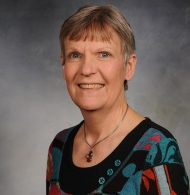
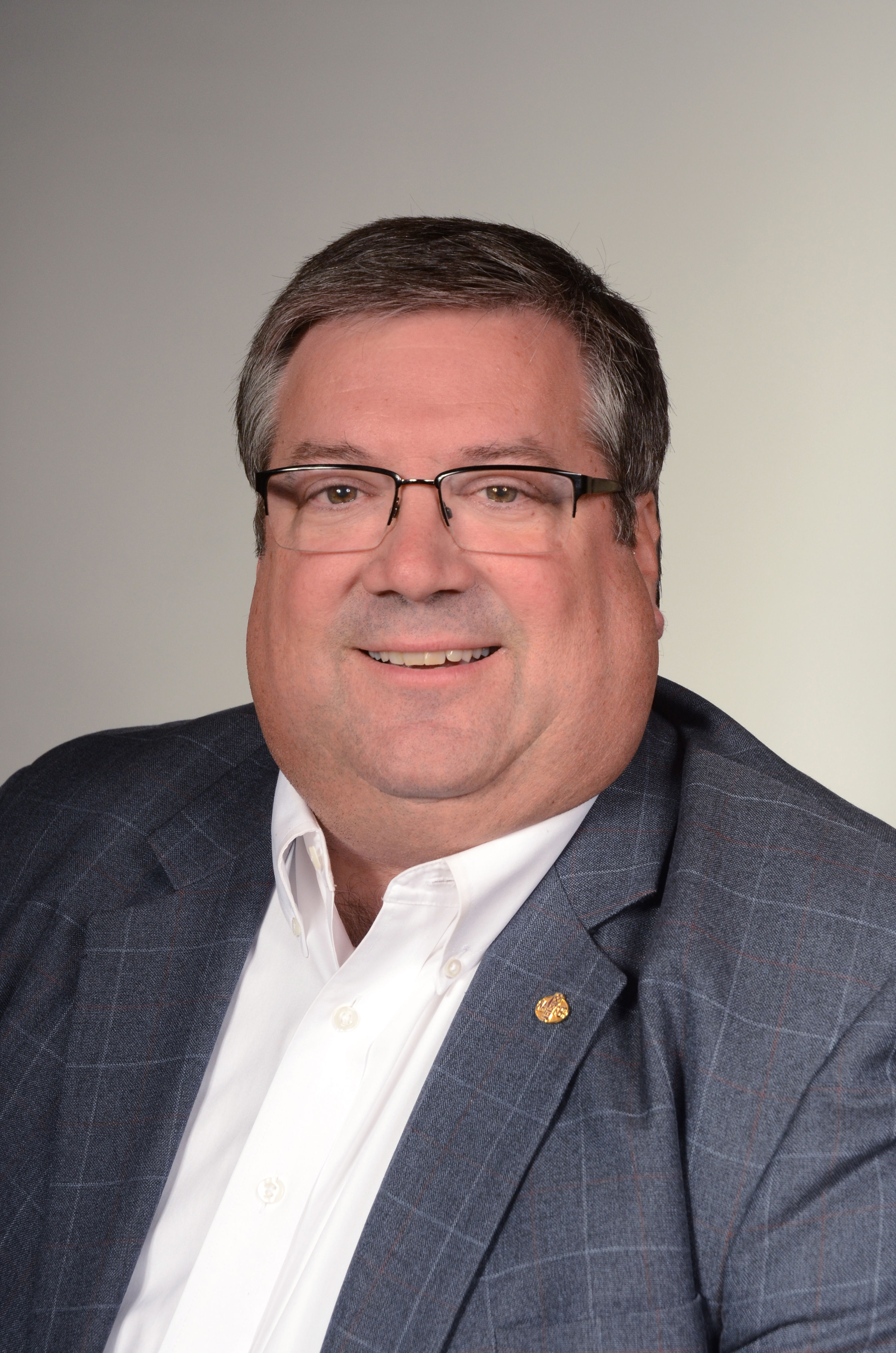
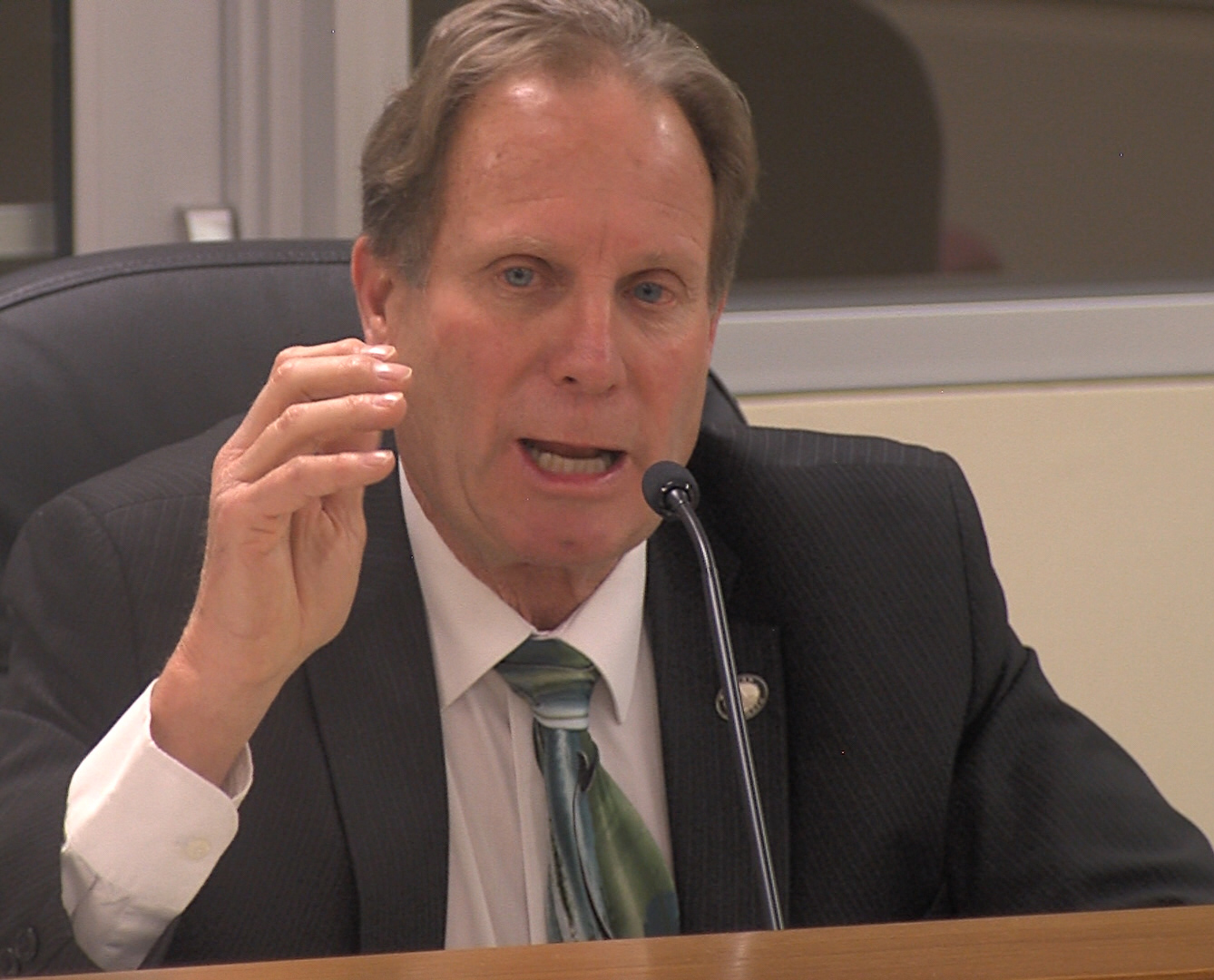
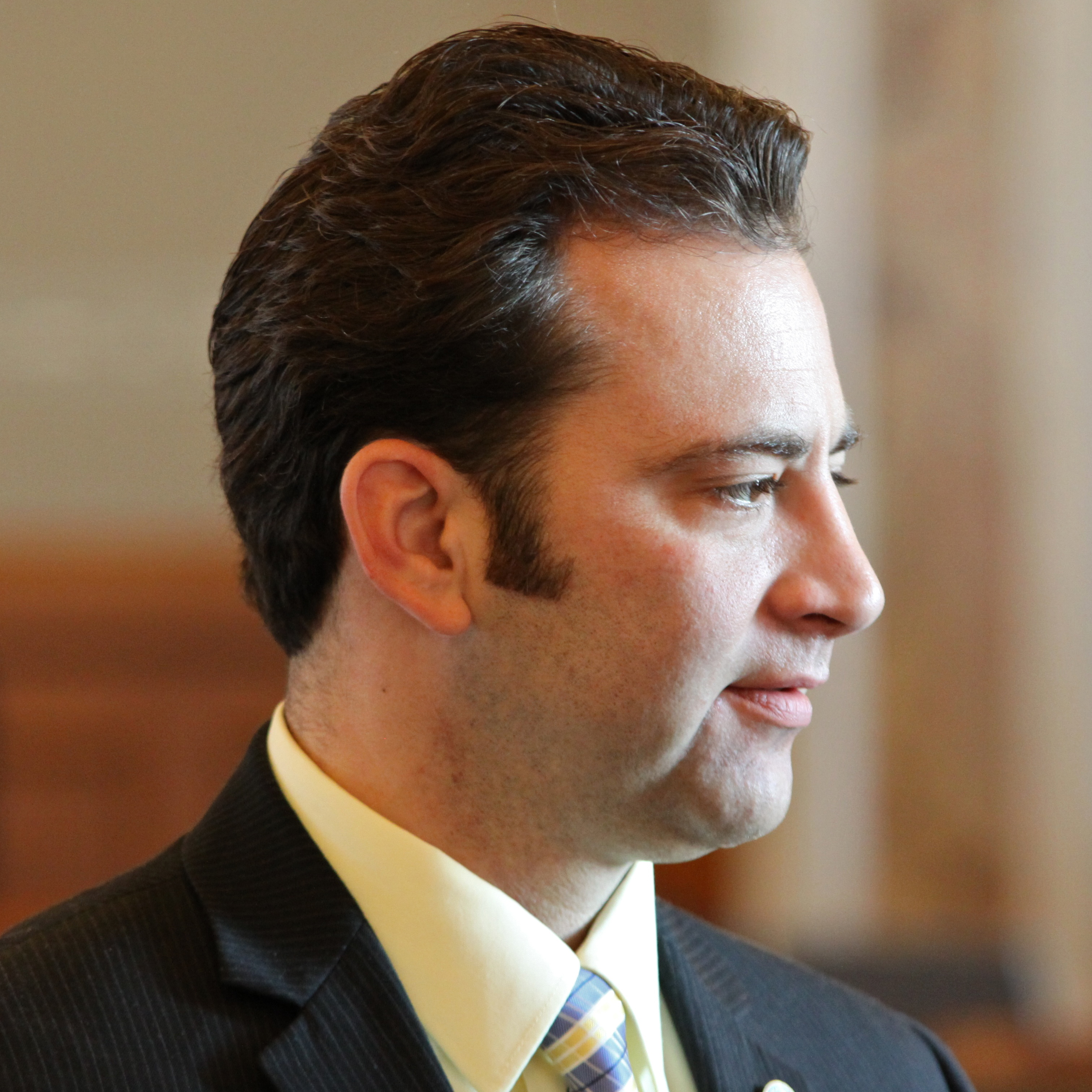
Donna KrugWith freezing drizzle predicted and wind chills in the single digits as I write this column, it sounds a bit crazy to talk about going for a walk, but that is just what I’m going to do.
Walk Kansas is a signature program for K-State Research and Extension that has been around since 2000. Each year this fitness challenge motivates people from all walks of life to get moving. The dates for the 2019 campaign are March 17th through May 11th.
To participate in Walk KS you will need to start by recruiting a team of six people. Many times teams consist of family members, friends or co-workers. Come up with a fun name, register your team, and report the minutes that team members exercise each week, beginning March 17th. All of the registration details can be accomplished on line. There is a fee of $8 per team member or $17 per person if all team members wish to order a t-shirt. Payment by check or cash will need to be made at either the Hays or Great Bend offices. Brenda and Theresa, our office professionals in the Great Bend and Hays offices can answer specific questions you may have as you register your teams.
On-line registration will open for residents of the Cottonwood Extension District the week of February 18th. We would like to complete team registration by Monday, March 11th if possible.
Several interesting activities that support this fitness challenge are planned for the next few months. Mark your calendar for Thursday, February 21st, and join me at noon at the Great Bend Activity Center for the program “Let’s Live a Little: Physical Activity for Fun and Fitness.” March programs focus on “Healthy Choices When Eating Out.” I helped update a K-State Research and Extension publication by the same title and am excited to share the information with everyone. Join me Wednesday, March 6th at noon at the Great Bend Activity Center, or Friday, March 22nd at 1:00 p.m. at the Great Bend Senior Center. My visit to Hays to present “Healthy Choices When Eating Out” is Thursday, March 14th, at 5:30 p.m. at the Extension office meeting room at 601 Main in Hays.
A wrap up celebration for the Walk KS program is scheduled for Wednesday, May 15th, at noon at the Great Bend Activity Center. A free healthy luncheon will be provided for any Walk KS team member. The public may pre-register by May 3rd for lunch by paying $5.
So get your walking shoes ready and your team pulled together and join the 2019 Walk KS program in your community!
Donna Krug is the Family & Consumer Science Agent and District Director for the Cottonwood Extension District – Great Bend office. You may reach her at: (620)793-1910 or [email protected]
Many adults are unaware that teens experience dating violence. Yet in 2010, the U.S. Congress enhanced what had been Teen Dating Violence Awareness Week to Teen Dating Violence Awareness month, based on the rising number of incidents in teens ages 11-17 across the country.
The U.S. Centers for Disease Control (CDC) report that nearly 1 in 9 female teens and approximately 1 in 13 male teens report having experienced physical dating violence. In addition, over 1 in 7 female teens and 1 in 19 male teens report having experienced sexual dating violence. 23% of women and 14% of men first experienced these or other forms of violence by a partner before age 18. (CDC 2017)
Teens who experience relationship violence are at risk for additional difficulties such as depression, substance abuse and suicide. Victims are also at greater risk of experiencing the same patterns of violence later in life.
As a community, we have a responsibility to make dating and domestic violence an intolerable act – anytime, anywhere.
Jana’s Campaign is thrilled that Hays and surrounding communities recognize this is a social issue that can be eradicated, and are willing to do the work involved in that process. We are extremely thankful to the hundreds of people who believe in the #PowerOfPrevention, who help support and fund our work.
We believe education is the most powerful instrument of social change and development. We believe through education, we can change and improve social attitudes, behaviors, customs, interactions, relations and social norms.
Since 2013, Jana’s Campaign has worked with nearly 550 middle and high schools educating about and preventing against gender and relationship violence. We commend these schools for understanding the importance of talking to their students about healthy– and unhealthy–relationships.
Throughout February and beyond, please join our efforts to educate and raise awareness about the hidden social disease of gender and relationship violence – dating and domestic violence, sexual violence and stalking. We ask you to encourage your local school or organization to invite us in for a presentation about these important issues!
Learn more about Teen Dating Violence and Jana’s Campaign at www.janascampaign.org or follow us on Facebook and Instagram.
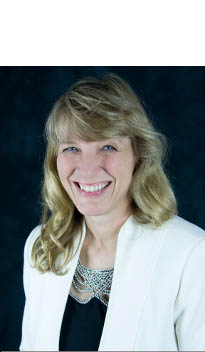
Kim Cebula Jana’s Campaign Executive Director
Hays
Last week, the Senate standing committees continued to hold hearings and bring forward legislation. The Senate will be returning to General Orders where we will see the first committee bills to have a vote from the entire Senate. There was no floor action on bills this week on the Senate floor.
SENATE BILL 22 – TAX
The Senate Select Committee on Federal Tax Code Implementation approved Senate Bill 22 last Thursday. The bill which would allow Kansans to deduct interest on their mortgage, property taxes, and health care expenses, was created in response to President Trump’s historical tax cuts of 2017. The bill is expected to deliver millions from the unexpected tax windfall back to individuals and businesses in Kansas. Numerous proponents of the legislation stressed the point that inaction or failure to pass the bill, would result in a tax increase for Kansans with the possibility of Kansas-based companies leaving the state to find more affordable options. The windfall directly linked to the Trump tax cuts belongs to Kansas taxpayers, not government and Senate Bill 22 would allow Kansans to fully benefit from the Tax Cuts and Jobs Act of 2017. The Kansas Senate is expected to debate SB 22 this week.
SENATE BILL #9 – KANSAS PUBLIC EMPLOYEE RETIREMENT SYSTEM REPAYMENT
The Senate Ways and Means committee sent SB9 to the full Senate for debate – this is the KPERS repayment bill for $115M which is the $97M payment plus interest (at the interest rate of 8%). The $115 million payment would be credited to the public-school unit within KPERS, which has an unfunded liability of more than $6 billion and retains the system’s lowest actuarial funded ratio of 61.6 percent. The bill aims at rectifying a 2016 decision to delay the payment until this session year. KPERS serves about 300,000 current and retired government workers and has $19B in assets with about $1B in contributions coming in each year. In 2018, $1.7B in total benefits were paid out in retirement, life insurance withdrawals and disability payments. It is managed by a nine board of trustees and has a 25-year rate of return of 8.1%.
COMMITTEE REPORTS
Senate Transportation Committee
The Secretary of Transportation Commissioner, Julie Lorenz, presented a report to the committee with an update of the department. Kansas has the 4th largest system in the nation with 142,046 miles of public roads and 24,833 bridges across the state. $600 million of freight is transported daily; there are 2 million plus registered drivers in the state with 2.4 million plus registered vehicles. KDOT has six districts with 1,600 employees and employs 600 employees at the headquarters in Topeka. Senate District #36 spans four of these districts. Traffic fatalities decreased in 2018 with seatbelt usage up at 84% but not to the national average of 90%. The entire report can be found at www.ksdot.org along with 511 updates on road conditions and also includes a link www.safetravelusa.com with travel information for surrounding states.
Highway Patrol Colonel Mark Bruce spoke to the Kansas Senate Transportation committee about the challenges of recruiting and retaining troopers within the Kansas Highway Patrol. He broke down the current makeup of the agency and its attempts to employ a diverse organization that also reflects the population it serves. He detailed efforts to retain current troopers through a competitive compensation plan, training, as well as incentives to keep officers on the job longer through deferred retirement strategies. The KHP has had recent success in its last two graduating classes from the academy with records reached in class size, and the number of minority and female graduates. However, despite those successes a recent study in 2018, determined that agency staffing is over 150 troopers short of what is necessary for the KHP to meet its traffic safety mission. Colonel Bruce indicated he would continue to work with the legislature to increase trooper numbers in order to adequately protect the citizens of Kansas.
Ethics, Elections and Local Government
The new Secretary of State, Scott Schwab, gave his first annual report to the committee with information about the office. The website at www.sos.kansas.gov has a new look and highlights the different services the office provides such as the business section to search for Kansas businesses, applying for Notary stamps, filing annual corporation reports, obtaining Certificate of Good Standings and locating charitable organizations registered in the state. The office also oversees cemeteries in Kansas which must be registered and file a report. The site lists all lobbyist’s and legislator’s campaign reports under the campaign finance tab along with election statistics. The Secretary reported a record number of persons registered to vote for the 2018 general election and a record number of votes cast in gubernatorial year 2018. It was also the highest voter turnout for a gubernatorial year since the passage of the National Voter Registration Act in 1994. The election also included the highest percentage of ballots cast before Election Day (advance votes) for a gubernatorial election. There were 232 total candidates for state and national office with the Kansas House of Representatives electing 28 new members as a result of the primary and general elections.
SENATE BILL #32 – INSURANCE AND FINANCIAL INSURANCE COMMITTEE
Kansas Farm Bureau is seeking legislation that would allow them to offer member healthcare benefit overage. Committee testimony noted nationally nearly 65% of farmers polled say healthcare is one their largest threats to their operations. In the past 5 years new farm income has declined by nearly 50% while insurance costs have increased by more than 200%. KFB members agree and are seeking options to the Affordable Care Act coverage which has become unaffordable for many producers. The KFB member health benefit coverage would be available to any KFB member and anyone may join KFB by applying and paying membership dues. According to the bill, each individual will be rated, and they will select their plans based on their needs. Members may apply for the healthcare benefit coverage by completing an application and the program is voluntary. The plans will be fully insured and backed by the resources of Kansas Farm Bureau.
TOLL-FREE LEGISLATIVE HOTLINE
Kansas residents can access information on legislation, legislative procedure, state government, public policy issues and more by calling 1-800-432-3924. Calls are answered by experienced reference/research librarians at the State Library of Kansas and kept confidential. Lines are open weekdays 8AM-5PM. Callers can also leave brief messages to be delivered to legislators as well as request copies of bills, journals, and other legislative documents. In addition to calling the hotline, residents can also text questions to 785 256-0733, email or instant message at kslib.info/ask. The State Library is located on the 3rd floor, north wing of the Capitol.
NATIVE SONS AND DAUGHTERS OF KANSAS
Marysville business owner, Don Landoll, was recognized as the Business Leader of the Year for 2018 at the annual Native Sons and Daughters of Kansas Banquet. The Board of Directors of the organization selected Don for his many years of success and leadership in his industry and contributing to the betterment of the lives of Kansans through exceptional ingenuity, vision, intelligence and perseverance. Landoll Corporation was founded 55 years ago and continues to thrive in Marysville and Marshall County. Congratulations to Don!
2019 Keep it Clean Kansas Calendar – Kansas Department of Health and Environment
This yearly calendar features the winning artwork of Kansas students’ grades K through 12 who entered the calendar contest. The Bureau of Waste Management has sponsored this contest since 2000 to encourage students, their families and other Kansans to respect and take care of our Kansas land, water and air. Cooper Miller, a kindergartener from Phillipsburg Elementary School was a runner-up and is featured on a page of student artwork of all grades. Lexi Meitler, a kindergartener at Minneapolis Grade School drew the artwork for the January calendar page. Jordyn Wisinger at Phillipsburg High School was the 2019 Grand Prize Winner and is the front cover artist of the KDHE calendar. Calendars are available at no cost at KDHE by calling Julie Coleman at 785-296-1600.
VISITORS FROM SENATE DISTRICT #36
The first three weeks of the legislative session was a busy one with people visiting from home for meetings and to celebrate Kansas Day on Friday – 158 years of statehood. The Municipal Judges, Electric Cooperatives members and Title Company representatives from District #36 had their annual meetings and receptions this month. Members of the Joint Law Enforcement community, County Clerks & County Appraisers, American Legion & VFW, School Board officials, agriculture Retailers & Co-ops and officials from city and county government were in Topeka for their annual events. Doctors across the state attended the Kansas Academy of Family Physicians annual legislative day with Dr. Jen Brull and Dr. Fisher from Rooks County stopping in.
Elaine Bowers, R-Concordia, is the 36th Dist. state senator and serves as the Senate Majority Whip. The 36th Senate District includes Cloud, Jewell, Lincoln, Mitchell, Osborne, Ottawa, Republic, Rooks, Russell, Smith and Washington counties and portions of Marshall and Phillips counties.
Time was when, with a little parliamentary break dancing, 63 votes ran the 125-member Kansas House of Representatives. Something about a “majority of a quorum,” and more broadly majority rule.
Well, not sure that works anymore, this majority rule business that you explain to your kids.
The House this year passed a rule that requires 70 votes to pull a bill out of a committee to the House floor for possible debate. Oh, and it takes another70 votes to override leadership of the chamber to set the bill for debate and eventually a final action vote that either passes the bill to the Senate or kills it.
Used to take a simple majority of 63 to get a bill on the calendar for debate, and then 63 again to pass it. It now takes 70 votes to get to the point where 63 pass a bill.
Now, if it’s a bill that is popular, or politically advantageous, there’s generally no problem to have hearings in a committee which can consider, possibly amend, and then forward the measure to the full House. Majority rule isn’t a big deal when a bill is either popular or relatively inconsequential in the operation of the state.
Another distinctive license plate for members of a group or club that members pay a premium for? As long as it isn’t a flashy distinctive license plate for parolees, or maybe actuaries, there’s generally no real problem.
But say…that members of the House have a bill that would–let’s just use as an example–expand Medicaid in the state to about 150,000 relatively low-income Kansans. The governor likes it, the folks running the House generally don’t.
That bill is in a House committee, and its future isn’t very solid, and it just might take an extraordinary action to pull the bill out of committee and forward it to the calendar and to a floor debate and vote.
Of course, there are some reasons that just pulling a bill out of committee complicates the mechanics of the House, getting the debate calendar updated, giving members of the House a chance to familiarize themselves with the issue and maybe to draw up amendments to it that they might want. Getting ready for a debate even on a relatively simple bill can be time-consuming, and that’s why it might not look like it from the street, but legislating isn’t simple.
Now, we’re not going to hear much about that rule until it gets to an issue like debating Medicaid expansion. So far much of the discussion of the new House has been focused on making sure everyone with Internet access can scan through committee minutes to see who actually thought up a bill and who introduced it and how everyone on the committee voted on its amendments and passed the bill out of committee. It’s that transparency stuff that few folks have the time or maybe bandwidth to spend their time on.
Once a bill gets to the floor of either House or Senate, the votes are widely made public. But it’s that in-committee stuff that has drawn a lot of attention while the decision to hold or pass a bill out of committee is still largely that of the chair. The chairman can just not ask for a vote to pass a bill to the full House, or if things don’t look good from the chair’s viewpoint, can adjourn the meeting with just a rap of the gavel.
This might be a year that rules determine what happens to major legislation.
Syndicated by Hawver News Company LLC of Topeka; Martin Hawver is publisher of Hawver’s Capitol Report—to learn more about this nonpartisan statewide political news service, visit the website at www.hawvernews.com
If you read “Insight” regularly you’ll know the man who started this column back in the late ‘70s, John Schlageck, retired from Kansas Farm Bureau in January.
Filling the shoes of someone who’s lived and breathed telling the story of agriculture for 45 years is no easy feat. And to be honest there’s no replacement for the way John weaves a story and leaves you wanting to read more.
As with all things in life though, they change and evolve. We know people look forward to reading Insight and even though it will be different from what was, we want to continue the tradition.
For a time, we will have guest writers sharing viewpoints from the farm. We’re excited to showcase different voices from across the state. Each of the writers brings a different viewpoint and experience of farm and rural life. We hope you will enjoy this change of pace.
Let us introduce our “Insight” columnists.
Kim Baldwin
Originally a native of New Mexico, Kim has a unique career background as a teacher and a television news professional for PBS and NBC affiliates. She moved to Kansas to marry her husband, Adam, in 2010. With their children, Banks and Isannah, the family raises wheat, corn, soybeans, grain sorghum and popcorn on their McPherson County farm. Kim teaches English and Journalism and serves as the Inman FFA assistant sponsor at Inman Junior/Senior High School.
Glenn Brunkow
Brunkow is a fifth-generation farmer in the Northern Flint Hills of Pottawatomie County, and serves on the Kansas Farm Bureau board of directors. When he’s not working on the farm and ranch, he writes his own weekly column called Dust on the Dashboard. He was a county Extension agent for 19 years before returning to farm and ranch full time.
Jackie Mundt
Jackie grew up on a dairy farm in Wisconsin and now calls Pratt County home. She and her significant other live on an irrigated and dry-land crop and cattle farm in Preston. She’s lived and worked in large cities and today chooses to call rural Kansas home. When she’s not on the farm or mentoring students, she is the Communications and Marketing Manager for Kanza Cooperative Association.
Kim, Glenn and Jackie have made the decision to build a life in the Wheat State. And just like the 30,000 other farm and ranch families who call Kansas Farm Bureau their farm organization, they have decided to live and work in rural Kansas. We think their thoughts, feelings and experiences will resonate with many of our readers.
Thank you for your past support of “Insight,” and we hope you continue to join us on this journey.
“Insight” is a weekly column published by Kansas Farm Bureau, the state’s largest farm organization whose mission is to strengthen agriculture and the lives of Kansans through advocacy, education and service.
Baker Hughes reports a big drop in the active drilling rig count for this week. Nationwide, the total is 1,045 active rigs, that’s up one rig drilling for natural gas, but down 15 oil rigs. Oklahoma and Alaska were each down four rigs. Texas was down three. Independent Oil & Gas Service reported just two active drilling rigs in eastern Kansas last week, down one from the week before. The count west of Wichita was 29 active rigs, down two.
Regulators approved ten permits last week for drilling at new locations across Kansas, one east of Wichita, and nine in Western Kansas, including one new permit in Russell County.
Independent Oil & Gas Service last week reported 26 newly completed wells in the Sunflower State, including one development well in Ellis County. There were nine wells completed in the western half of the state, of which four were dry holes.
Operators filed just 72 new intent-to-drill notices across Kansas in January. There are four new intents on file in Barton County, one in Ellis county, two in Russell County and three in Stafford County.
Kansas operators produced more 2.8 million barrels of crude oil in October of last year, according to the latest totals from the Kansas Geological Survey. That brings the total for the first ten months of 2017 to 29.1 million barrels. The state is on track for smallest annual production total since 2006. Barton County pumped 140-thousand barrels in October, Ellis County added 209-thousand. In Russell County, operators produced 129-thousand barrels, and Stafford County kicked in nearly 86-thousand.
Crude futures prices were three percent lower in morning trading Monday. The Nymex benchmark contract was down $1.53 at $53.73/bbl. London Brent was down $1.09 to $61.66.
Triple-A reported a slight uptick in the average price across America for a gallon of regular gasoline to $2.26. That’s still about a cent and a half lower than last week, a penny less than last month, and nearly 30 cents less than last year at this time. The average across Kansas is$1.963. Prices are below $1.90 a gallon at several locations in Hays and Great Bend. Your 15-gallon fill up will cost you about two dollars less than last month, and 11 dollars cheaper than six months ago.
The U.S. Energy Information Administration reported another increase in domestic crude-oil stockpiles last week, 445.9 million barrels, down 900-thousand barrels. That’s still about seven percent above the five-year average.
U.S. crude production has declined slightly from the all-time high reported in mid-January, but at 11.89 million barrels per day we’re still producing more oil than anyone on the planet. That’s down two thousand barrels from last week, but 1.97 million barrels per day more than last year.
U.S. crude oil imports averaged 7.1 million barrels per day last week, down by 1.1 million barrels per day from the previous week. Current import totals are about 4.5% less than the same four-week period last year.
The Supreme Court of Colorado reaffirmed its ruling that oil and gas regulators there are not required to make health and environmental protection their top priority. The original lawsuit argued that state law requires the oil and gas commission to ensure energy development does not harm people’s health or the environment. The commission refused, saying the law required it to balance health and environmental concerns with other factors including economic ones. The Supreme Court agreed with the commission.
The shortage of pipeline capacity in some areas of the U.S. and Canada continues to send business to the railroad industry. According to the Association of American Railroads, U.S. oil-by-rail shipments increased 18.4% to more than 13-thousand rail tanker cars for the week ending January 26. Canada oil-by-rail was up 21%.
The government said gasoline demand has jumped to levels more typically seen in the summer driving season. Demand reached 9.6 million barrels per day last week, up 700-thousand barrels from the week before, and half a million barrels per day more than the estimates from a year ago. Inventories were down 2.2 million barrels on the week, but EIA said that’s still about five percent above the five-year seasonal average.
Hello from Topeka! Happy 158th Birthday Kansas! On Tuesday January 29th, the Kansas House joined citizens across the state in celebrating the 158th birthday of our great state. Representatives raised their voices in the singing of our state song, Home on the Range. Home on the Range has its origins in the poem, “My Western Home,” written by Dr. Brewster M. Higley in 1871 near Athol.
This week begins the budget hearing process. In Higher Education Budget Committee we will hear from the regent universities, community colleges and technical schools over the next two weeks.
Last week, the Commerce Committee, the Department of Commerce presented an overview of the state’s economic incentive programs. They highlighted their 2018 top successful projects: Geico in Lenexa, Spirit AeroSystems in Wichita, Great Plains Manufacturing in Abilene, and Hopkins Manufacturing Corp. in Emporia. Additionally, they reviewed the state’s various incentive programs including Promoting Employment Across Kansas (PEAK), High Performance Incentive Program (HPIP), Rural Opportunity Zones (ROZ), Sales Tax Revenue (STAR) Bonds, Angel Investor Tax Credit, and the Job Creation Fund. Per the department, during the 2018 calendar year there were 138 successful tax credit projects, which generated 11,548 jobs, with a total capital investment of $1.7 billion. The committee did express a desire to improve transparency with data concerning economic incentives.
The Commerce Committee also heard testimony on HB 2006, a bill that would require the Department of Commerce to establish a database for publishing information on economic development incentive programs. This database must be easily accessible digitally to the public, and would be managed and updated by the department, and would include any tax credits, locally-granted property tax exemptions, and other various programs. This bill is an exact duplicate of 2018 HB 2572, which passed the House with a vote count of 114-7 last year, and also passed the House 119-0 in the form of 2018 SB 449.
Proponents including Rep. Kristey Williams (R-Augusta), the Kansas Policy Institute, and Johnson County Commissioners Michael Ashcraft and Mike Brown (both of whom were testifying as private citizens). They asserted that a public database that is easily accessible would improve transparency efforts, and the state needs to ensure that there is a tangible return and mechanism of accountability with these programs. Opponents to HB 2006 included the Kansas Chamber of Commerce and the Kansas Economic Development Alliance. They contended that the Kansas Legislative Research Department ought to conduct an independent review of each tax credit, rather than placing taxpayer information online. This would also allow the Legislature to make informed decisions on whether to continue each economic development incentive program. Taxpayer confidentiality was also a concern of the opponents. No action has taken place on this bill.
On Tuesday, Wichita State University’s Center for Economic Development and Business Research (CEDBR) presented their Kansas Economic Outlook report to the committee. Chiefly their research found that a recession is looming, with a 30% chance of occurrence in 2020, and a 50% chance of one taking place in 2021 or later. Jeremy Hill, Director of CEDBR, expressed serious concern for the Kansas economy, specifically the aerospace industry—a decline of aerospace production in the past couple of years and civilian aircraft exports have remained flat. However, he remains optimistic as aerospace employment has increased recently, and also expansion of national defense spending is likely. Hill also highlighted crude oil production in Kansas, which has been steadily declining since the 1980s, but also stressed how Kansas has avoided overproduction, and related issues.
Another issue which is seeing a lot of attention is sports betting. Last week, the Federal and State Affairs Committee heard testimony on HB 2032, which would require that any sports gambling authorized by the Kansas Lottery be conducted exclusively at racetrack gaming facilities. This bill was sponsored by Rep. Stan Frownfelter (D-Kansas City), who was also the sole proponent. Additionally, testimony was presented on HB 2068, a bill that would create the Sports Wagering Act. Essentially, this would legalize sports betting through the Kansas Lottery. The Lottery would able to conduct and operate sports betting itself and would be allowed to do so by entering into a contract with lottery vendors and racetrack facilities. As the bill is written, 0.25% of the total amount wagered is paid to the appropriate “sports governing body” (MLB, NBA, NFL, etc.). 6.75% of the total amount wagered minus what is paid to the governing body will then be deposited into either the Sports Wagering Receipts Fund, or the Lottery Operating Fund. No action has taken place on either of these bills.
Chairman John Barker (R-Abilene) appointed a subcommittee to study sports wagering, specifically to examine the logistics of sports betting mobile apps, and to also assess how much governing bodies ought to receive from sports betting earnings. Dates for this subcommittee have yet to be determined.
This past week there were several folks from the district in Topeka: Tim Driggs, City of Phillipsburg; Bret Greenwood from Plainville and many folks from Prairieland, Wheatland and Midwest Energy who were in town for meetings. It was a busy weekend with an appearance on “Kansas Week” on Wichita Public TV on Friday, then Saturday began in Hays for a chamber legislative update, on to the Phillipsburg Chamber and Main Street annual banquet and then Norton Community Foundation Gala. The week was complete by attending the annual Ground Hog Day pancake feed in Agra. It is always great to see so many folks and have the opportunity to meet one on one, so they can share concerns or ask questions on pending legislation.
If you come to Topeka during the session, my office is in Room: 149-S. My phone number is (785) 296- 7463 and email is: [email protected] and you can always try my cell number is (785) 302-8416.
I look forward to seeing you around the 110th District. It is my honor to by your representative.
Rep. Ken Rahjes (R-Agra), is the 110th state representative and chairman of the Higher Education Budget Committee. House District 110 includes Norton and Phillips counties as well as portions of Ellis, Graham, and Rooks counties.
Last week Kansas Farm Bureau appeared before our Senate committee on Financial Institutions, Insurance, Benefits and Pensions providing testimony to seek authority for the largest farm organization to develop member health care benefit coverage.
SB32 will allow Kansas Farm Bureau to establish health care benefits that offers coverage specifically and solely for Farm Bureau members in Kansas. One of the most expensive items in a farm family’s budget is health care cost. Farm Bureau testified that “at times 30% to 40% of the annual budgeted expenses” goes towards health care cost. Many of these farm families do not qualify for Affordable Care Act subsidized products. The purpose of the program is to reduce the number of uninsured Kansans and offer coverage with lower premiums. This bill will offer Farm Bureau members another health care option and our committee hopes to work this bill this coming week.
It was great to see Farm Bureau family members travel to Topeka to testify in favor of this legislation, including Tim Franklin and family from the 40th Senate district.
Our Ways and Means committee passed out SB 9 last week. This legislation will be debated on the Senate floor this Monday, February 4th. SB 9 is a KPERS bill, which will make a $115 million payment that was not made at the end of 2016. At that time revenues were lagging behind and the committee was not sure if the revenue was sufficient to make the payment. At that time the legislature promised to make the payment with interest. The $115 million includes accrued interest from 2016. In next week’s newsletter I will let you know how the Senate votes on this bill.
SB 22, the Tax Windfall Bill, was passed out of the special tax committee last week. This bill would allow Kansans to deduct interest on their mortgage, property taxes, charitable contributions and health care expenses.
The three groups affected by this bill are: 1. Those who don’t have enough deductions to itemize at the Federal or State levels. 2. Those whose deductions now make it better to take Federal standard deductions, but would still like to itemize at the State level. 3. Those who have enough deductions to itemize at both the Federal and State levels.
The first group will see no changes and will benefit from the larger Federal standard deduction and should see larger refunds. The third group who currently itemize and have sufficient expenses to deduct will continue itemizing at the State and Federal level and will see no change. The group that will benefit from this legislation is group two which are currently itemizing at the State and Federal level. With the changes at the Federal level and the change to a larger standard deduction many in this group will be better off taking the larger standard deduction than itemizing. This is where the problem begins. Kansas law mirrors Federal law and if you take the standard deduction at the Federal level you are also required to take the standard deduction on your Kansas tax return. This bill changes Kansas’s law to allow small businesses and individuals to continue to itemize even though they will take the standard deduction at the Federal level.
It was a pleasure to see many people from Senate District 40 last week, including people from the Kansas Electric Cooperatives, Rural Telephone, Nex-Tech and S&T, Kansas Farm Bureau, Kansas Highway Patrol and Sheriff’s Association, County Clerks and Appraisers, Kansas Title Insurance Agents, High Plains Mental Health, Kansas Family Physicians, Public Accountants, KEDA, Sunflower State Trails and the City of Hays.
Middle school and high school students (12 years of age or older) are invited to come to our Kansas State Capitol, in order to be my sponsored Senate Page for a day. The dates available are February 11th, 18th, 25th and March 11th. Please contact my office if you know a student who may have an interest in being a Senate Page.
I am honored and grateful to represent the 40th Senate District in Kansas. Please do not hesitate to contact or call me with your questions and concerns, my office number is 785-296-7399 or my cell is 785-899-4700. If you are in Topeka stop by my office at 236-E.
Sen. Rick Billinger, R-Goodland, is the Kansas state senator for the 40th District, which includes Cheyenne, Decatur, Ellis, Gove, Graham, Logan, Norton, Rawlins, Sheridan, Sherman, Thomas, Trego and Wallace counties as well as portions of Phillips county.
A billboard on a Chinese campus appeals to college students to help tutor rural “left behind” children. With parents gone to work in the city, grandparents often do not have the education level to help their grandchild study the modern curriculum.
A population equal to two-thirds of the United States has moved from rural China to urban China in the last decade. This rapid draw-down in rural communities has resulted in villages of mostly elderly retirees and a shrinkage of rural schools. China’s rapid educational expansion has been a 30-year miracle, dramatically raising the educational level of the younger generations. But this advancement has not been equal between countryside and city. And the shrinkage in rural schools is causing China to consolidate to improve quality.
John Richard Schrock is a professor at Emporia State University.
When I speak to large groups of future biology teachers-in-training at their normal universities, I ask for hands of those who come from the countryside. In spite of more than half of China’s population living in rural areas ten years ago, usually only one-fourth of the students have come from those regions. When I ask how many of them are planning to go back to the countryside to teach, all hands drop. That is their problem.
Rural schools in China face a dramatic shortage of college-educated qualified science teachers–roughly a million nationwide. The term for a countryside person [nóngmín, 农民] or “peasant” is a term that has the connotations of poor and uneducated. And poor pay and primitive living conditions is the reason new teachers will not return. Many country schools are staffed by teachers with less than a college education. This decreases the opportunity for students to get a good education and score high on the high school leaving exam or gāokǎo[高考]. They do not have an equal chance to advance into college, an inequity that I always press when talking with university party secretaries. So that one-fourth who are in university and raised their hands studied hard to overcome the odds.
Young rural parents who migrate to the industrial opportunities in China’s cities have two options. They can leave their child or children (many rural families have more than one child) with the grandparents, send back money, and return to their rural home during this holiday. These are China’s “left behind” children [liúshǒu’értóng, 留守儿童]. The rural “left behind” numbered roughly 60 million in 2005 but have dropped to under 40 million today.
The other option is to take your child (or children) with you to the suburbs of the industrialized cities. However, residency documents or hùkǒu[户口] prevent these children from attending the regular urban schools.They must attend special migrant schools where again, although located in the city, teacher pay is low and students again have lesser-qualified instructors. These urban students are therefore also “left behind” children and numbered about 17 million in 2005. They now have risen to 23 million. When I again point out the inequity in education, party secretaries tell me that there are plans to rotate the good teachers from the “number one” public schools through the migrant city schools. But regular teachers say “no way!”
There are also about 20 million migrant kids whose families move about, especially in distant rural herding communities. Their numbers have not changed and they pose a separate and difficult problem.
But in China’s rapidly changing educational scene, the governments at national, provincial and local levels can and does work to consolidate these shrinking rural schools. Providing the best teachers possible to restore educational equity remains uppermost on their agenda.
The United States faces a similar problem. Unfortunately, providing qualified teachers for our shrinking, mostly-rural school districts in the United States in order to provide educational equity is not at the top of our American education agenda. Many rural areas in America are also depopulating, although not at the breakneck speed of China. Yet, providing qualified teachers and academic equity for rural students is rarely voiced. Arguments made for school consolidation are usually couched in terms of saving money.
In most states, public schooling makes up the biggest state budget item, often comprising half of state tax dollars. With 50 states and 50 different systems for managing schools, it is difficult to generalize. But in the 1950s and 1960s, a national movement toward school consolidation did occur as one- and two-room schools were replaced by larger modern classrooms, often on a township level for elementary schools and county level for high schools. But many states did not fully consolidate. As our rural areas depopulate, the number of school districts that lack a full array of specialized teachers grows. And it is not just our Great Plains and Midwest regions that face this dilemma. States such as Vermont with 270 districts, New Jersey with 545, Maryland, New Jersey, Maine and Virginia also need consolidation. But the desire to keep our undersized local school for sports, community identity, or other political reasons makes consolidation efforts fail.
Americans may disparage China’s central control. But it is the downside of our local control democracy that results in the United States producing educationally “left behind” children.
John Richard Schrock is a professor at Emporia State University.
Ron Wilson is director of the Huck Boyd National Institute for Rural Development at Kansas State University.By RON WILSON Huck Boyd National Institute for Rural Development
Laura was six years old. There was a big present for her under the Christmas tree. She excitedly opened the package and was delighted to find it was a sewing machine from her grandmother. Her interest in sewing grew, and decades later it became a sort of magic carpet which would bring her and her husband back to Kansas.
Laura and Ronn Martin live at Elkhart. They went off to the big city for their careers but came back to Kansas.
Ronn grew up at Elkhart. Laura grew up on a farm near McCracken, a rural community of 190 people. Now, that’s rural.
The two met at Tabor College in Hillsboro. Ronn earned degrees in computer science, and Laura earned degrees in psychology and counseling. They followed his career to the Dallas-Fort Worth area in Texas where he worked in information technology. They also raised a daughter and son.
When Laura was a little girl, her mother had been a seamstress on the farm. “One of my earliest recollections was sitting on my mom’s lap while she sewed,” Laura said. One Christmas, Laura received the aforementioned sewing machine from her grandmother. With help from her other grandma, she even did a 4-H sewing project. Laura loved sewing, but when her mother encouraged her to try quilting, Laura had no interest at the time.
Years later when family came for a visit in Texas, Laura’s mother-in-law went to a local quilt shop. Laura observed the results. “I saw the entire process, from when she took the fabric out of the bag, handed the receipt to her husband, studied the pattern, and carefully cut out the pieces,” Laura said. Then Laura watched a beautiful quilt come to life.
“I thought to myself, ‘I could do that,’” Laura said – “especially the part about handing the receipt to my husband…”. She tried quilting and was hooked. She even worked part-time at a quilt shop in Texas.
When their children graduated, Laura and Ronn decided to make a change and move back closer to family. Ronn’s computer job enabled him to work from anywhere, as long as he had high-quality internet access which they found in Elkhart. It also meant that Laura could have her own quilt shop.
Laura and Ronn bought and remodeled a historic building in downtown Elkhart. In June 2018, Laura opened her new store. She called it Sew Loved Quilt Shop. In addition to the obvious reference to sewing, she cites as inspiration the Bible verse which says God so loved the world.
“There are a hundred women that quilt in our area,” Laura said. “Some of them can make quilts as beautiful as anything you will see at the international quilt show in Houston,” she said.
Quilters can purchase fabric, notions and other supplies at Laura’s quilt shop. Laura offers classes for all levels of experience.
“We offer kids’ sew day on days when there is no school,” Laura said. “Kids can spend a couple of hours and leave with a finished product.”
That was so popular that it led to a moms’ sewing time, which is scheduled later in the evening after supper. Laura also has a longarm device, which is like a giant, automated sewing machine that can quilt great big pieces of fabric.
“People come to the shop by the carloads,” Laura said. “We serve five states.”
What about the transition from the big city to small-town Kansas? “The people are so wonderful and down-to-earth,” Laura said. “We had forgotten what pretty sunsets looked like,” Ronn said.
It’s time to leave this quilt shop in Elkhart. We commend Ronn and Laura Martin for making a difference by returning to their Kansas roots. As we go, we observe one final treasure on display: It’s the original sewing machine which Laura received as a present when she was six years old. It’s a reminder that she was so loved.
And there’s more. Remember how Ronn’s job required high-quality internet access? We’ll learn about that next week.
Last week, the Appropriations committee held numerous informational hearings from varying agencies and departments of the Kansas state government.
On Thursday, the interim secretary, David Toland, briefed the committee on the status and direction of the Department of Commerce.
He mainly focused on his personal direction for the department, then discussed both rural and urban development initiatives. He discussed the top successes for the department and the developmental tools used to generate those successes. The tools that he mentioned were: Promoting Employment Across Kansas (PEAK); High Performance Incentive Program (HPIP); Rural Opportunity Zones; and several others.
He did indicate that while many of these tools the department has at its disposal are generally used for urban development, he wants his department to identify development opportunities for the rural parts of our state using some of these tools. He said that coming from a rural area, he understands and empathizes with the demands of keeping jobs, people, and businesses in rural areas. He also discussed the direction of the governor by creating an office of Rural Prosperity and the House in creating a committee where the major focus is for rural revitalization.
Our State of Indebtedness
Last week the Appropriations committee also held a hearing with the Kansas Development Finance Authority on the outstanding debt for the state. It was compelling to see the increase in bonding from 2005 to 2018. Most of the bonding that has been done by the state has grown over the past several years. The increases have been primarily driven by the financing programs of: KPERS, State Capitol Restoration Project, cost share for the National Bio and Agro-Defense Facility, transportation, and our higher education institutions. The KPERS unfunded liability is not factored in the KPERS bonds, instead those funds are factored in for the state’s overall debt picture, as is the Pooled Money Investment Board loan. It was made apparent that we need to address our debt before adding new spending.
What is the “Windfall?”
There has been movement in the Senate, which passed a bill out of the “special” tax committee, addressing what has commonly been called the “windfall.”
The windfall derives from the recent changes in federal tax law where Kansas taxpayers must take the standard deduction on their state income tax return if they take the standard deduction on the federal return.
Some contend that this may eliminate the opportunity for Kansans with itemized deductions below the federal standard deduction, to itemize on their state return. By amending the tax code, or decoupling from the federal tax law, would allow taxpayers to itemize, or take the standard deduction, on the state’s returns. This is expected to be voted on in the Senate this week.
Contact Information
As always, if you have any concerns, feel free to contact me (785) 296-7672, follow on twitter at #waymaster4house, visit www.troywaymaster.com or email me at [email protected]. Also, if you happen to visit the statehouse, please let my office know.
It is a distinct honor to serve as your representative for the 109th Kansas House District and the state of Kansas. Please do not hesitate to contact me with your thoughts, concerns, and questions. I always appreciate hearing from the residents of the 109th House District and others from the state of Kansas, as well.
Troy Waymaster (R-Bunker Hill) is the 109th Dist. state representative and chairman of the House Appropriations committee. The 109th District includes Osborne, Russell, and Smith counties and portions of Barton, Jewell, Lincoln and Rush counties.
So many news stories these days are centered on the difficulty families across the country are having making ends meet. From home foreclosures to longer than usual lines waiting for public assistance, it is easy to see that the effects of economic problems are everywhere you turn. The good news is K-State Research and Extension has many publications that can guide people through some hard times.
At one of my recent educational programs I shared the activity titled, “Does Your Money Have Wings?” This worksheet has around 25 items that money could be spent on. Things like eating out, cell phone charges, snacks and soda, or magazine subscriptions are among the choices. After the participants mark the ones they use they determine how much money is spent each year for each item. Many times I will hear a gasp from a participant. Then I know that the activity is working; raising their awareness about how money is being spent. My goal is to help participants see the amount of money that is spent on “extras” each year. I like to ask them about what needs they have in their life that they could use the money spent on “extras” for.
Feel free to call me or drop by either the Hays or Great Bend Extension offices to pick up your copy of the worksheet. Some of the budgeting materials are available in Spanish as well. Other publications which are also helpful in the area of money management include a series titled, “Making Ends Meet.” If you have children ages 3 – 14 the publication “Helping Children Learn to Manage Money” is well done. All of the publications I have listed are available free of charge. Get your year off to a great start by getting your spending under control.
Donna Krug is the Family and Consumer Science Agent and District Director with K-State Research and Extension – Cottonwood District. Contact her at (620)793-1910 or [email protected]
Dr. Roger Marshall, R-Great Bend, is the First District Kansas Congressman.
Friends,
I am heartbroken. In recent weeks, two states have taken steps towards legalizing abortion up to the moment of birth. Last week, New York Governor Andrew Cuomo signed a law that would legalize abortion at any time, lifting the cutoff of 24 weeks. Just this past week, Virginia Governor Ralph Northam voiced his support for pending legislation that would allow women to terminate a pregnancy up until the very moment before birth.
Terminating pregnancy up until the moment before birth is not only morally abhorrent but very unsafe. We must not sit idly by as innocent Americans are slaughtered in the name of health care, never to experience the beauties of this world.
Despite these developments, I take solace in the memory of the hundreds of thousands of people who marched here in Washington just a few weeks ago and all across the country in defense of the unborn. I will continue to fight alongside those who acknowledge the sanctity of life in hopes that we will one day put an end to the inhumane practice of abortion.
Happy Birthday, Kansas!
Where I am from we work hard, always put our faith and family first, we support each other, uplift each other, and are resilient through tough times. Kansas is such a special place to call home and is filled with many wonderful, caring people.
I’ve traveled thousands of miles on these country roads, each time loving this state more and more. This week she celebrated her 158th birthday and is still as beautiful as ever.
Please take a moment to watch my newest video that gives just a few reasons why I’m proud to be a Kansan.
Honoring Bob Dole
I was so proud to introduce legislation along with Senator Jerry Moran and Senator Pat Roberts to award one of the most beloved Kansans with an honor long overdue. On Tuesday, I introduced a bill in the House that would award Senator Bob Dole with an honorary promotion to the rank of Colonel. Dole, a Russell native, served in World War II as an infantry lieutenant, where he was severely wounded in combat, and was twice cited for acts of heroism under fire. Following his military service, Dole served the Sunflower State for a combined 35 years as a member of both the House and the Senate. There is no person more deserving of this honor than Bob Dole, and I am reminded every day of the shoes I have to fill while serving in the seat he once held.
Manhattan Among Best Places for Veterans to Live
Each year, a quarter-million military members transition to civilian life. I am proud to see that our very own Manhattan, Kansas was listed as one of the top 10 best cities for those making this transition to settle! I know that it can be a difficult task for our servicemen and women to transition back into civilian life and I take great pride in knowing that our city welcomes them with open arms.
The Navy Federal Credit Union analysis considered several factors such as income, employment rates, proximity to VA hospitals, affordability, and college education access for veterans. With its bustling economy and the wonderful people, it is no surprise that Manhattan has been recognized as one of the best places for military retirees to transition to civilian life.
Irwin Army Community Hospital Leading the Way
After six years of hard work and preparation, the Fort Riley Public Health Department was officially recognized as the first military organization in the Department of Defense global footprint to both seek and receive national certification by the Public Health Accreditation Board.
This recognition symbolizes the department’s high standards, outstanding performance, and commitment to the health and wellbeing of our troops and their families. Through the rigorous certification process, the health department, which operates out of Irwin Army Community Hospital at Fort Riley, found ways to improve the delivery of care, remove healthcare barriers and realize new opportunities for preventative care to reduce illness and injury.
Irwin Army Community Hospital is one of the finest medical facilities in my district, and I applaud everyone involved in this effort for earning such a prestigious honor. Public health is a vital part of community and individual well-being.
Dr. Roger Marshall, R-Great Bend, is the First District Kansas Congressman.