We have a brand new updated website! Click here to check it out!

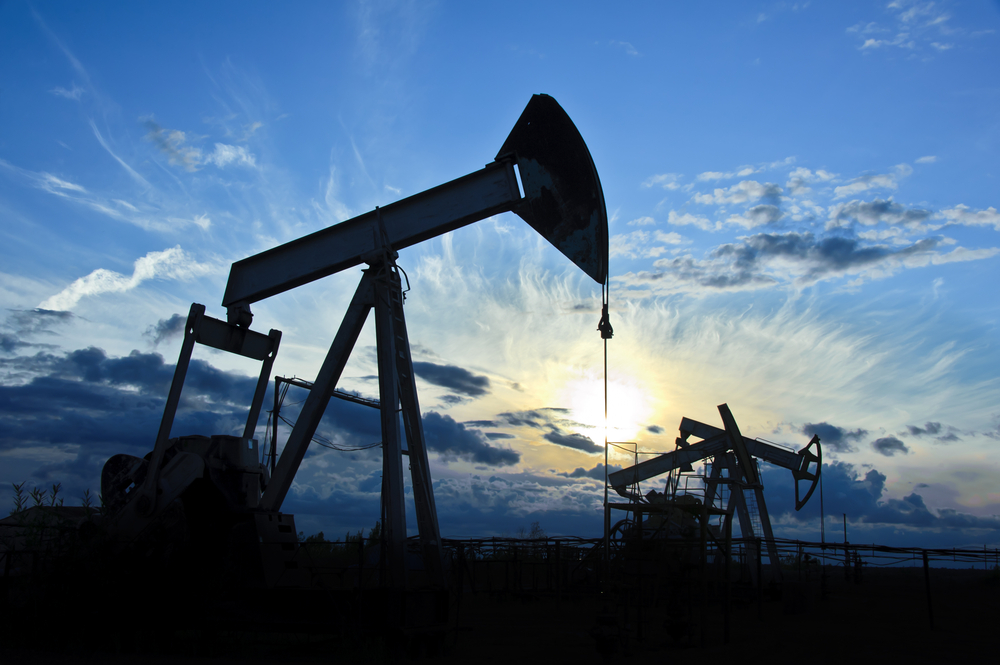
News From the Oil Patch Oct. 8

By JOHN P. TRETBAR

Your 15-gallon fill-up will cost you nearly nine dollars more than it did a year ago.  Gasoline prices range from $2.64 to $2.89 in Hays, and we’re seeing $2.79 a gallon across Great Bend. Across Kansas, the average is $2.753, nearly 45 cents higher than a year ago.  AAA says the national average price for a gallon of regular gasoline was $2.914, nearly four cents higher than a week ago, and 43 cents a gallon higher than a year ago. The government said last week US gasoline inventories dropped half a million barrels but remain about 7% above the five year average for this time of year.
Scientists at Stanford have developed a new way of looking at earthquakes in our area.  They forecast a drop in man-made earthquakes in Oklahoma and Kansas for the next couple of years but say we could see one potentially damaging quake over 5.0 during that time.  The model looks at pressure increases brought on by oil and gas industry wastewater disposal, and places them in the context of known faults in the area.
Baker Hughes reports 1,052 active drilling rigs as of Friday, reflecting a drop of two oil rigs nationwide.  Texas noted a drop of five rigs, while both Oklahoma and New Mexico were up two.  In Canada there are 182 active rigs, up four for the week.  Independent Oil & Gas Service reported no change in eastern Kansas last week, and 33 drilling rigs west of Wichita that are moving in, rigging up or drilling.
Operators filed 40 permits for drilling at new locations across Kansas last week, 1,399 so far this year.  There are 19 new permits east of Wichita, and 21 in western Kansas, including two in Barton County and three in Ellis County.
Independent Oil & Gas Service reports 39 new well completions across the state, 24 in eastern Kansas and 15 west of Wichita, including one each in Ellis, Russell and Stafford counties.  So far this year we’ve seen 1,180 wells completed across Kansas, up nearly two hundred from a year ago, but about one quarter the number of completions reported by early October 2014.
The government said domestic crude oil inventories were up eight million barrels last week to 404 million, which is equal to the five-year average for this time of year.  Imports are up about ten percent over last year at this time.  The U.S. Energy Information Administration in its weekly update said U.S. production increased by about 10,000 barrels per day to 11.082 million barrels per day last week. EIA’s monthly petroleum report, which breaks out production by state, showed Kansas production down about 10,000 barrels per day to 95,000 barrels per day in July (the latest monthly numbers available).
Reuters reports U.S. crude oil shipments to China have “totally stopped” as the trade war between the world’s two biggest economies takes its toll on what was a fast growing businesses.  U.S. crude oil exports to China, which only started in 2016, have not yet been included in among steep new import tariffs, but Chinese oil importers have shied away from new orders recently.  Shipping sources confirm U.S. crude oil shipments to China ground to a halt last month.
Iran’s oil exports dropped again last week to 1.1 million barrels per day, just over a month before renewed U.S. oil sanctions kick in.  The Islamic republic’s exports are down about 1.6 million barrels per day from September, and 2.5 million bpd lower than six months ago.
Russia and Saudi Arabia have reportedly struck a private deal to raise oil output and cool down rising prices.  Reuters reports the two countries came to the agreement after a series of meetings last month, and informed the United States and other producers last week.
Saudi Arabia will invest $20 billion in the next few years to maintain and possibly expand its spare oil production capacity. Reuters reports the kingdom has a maximum sustainable capacity of 12 million barrels per day, and could increase that to 13 million.  The country’s oil minister said the kingdom will surpass the 10.7 million barrels per day in actual production in November.
Canadian crude is still down around $35 per barrel, because of a backlog caused by refinery outages, pipelines at capacity, and new maritime fuel standards.  The spread between the U.S. and Canadian benchmarks is at an all-time high and the CBC reports the country is losing out on billions of dollars in foregone revenues this year.
New revenues from the Oklahoma oil patch helped swell the state’s September tax collections to a new record.  Oklahoma State Treasurer Ken Miller notes that the newly enacted three percent increase in oil production taxes generated an additional $31.2 million in September.  Observers say the booming energy industry is floating revenues in other areas of the economy as well.  Tax collections last month totaled $1.2 billion.
It’s been a long shot for decades.  But now an effort to revoke the sovereign immunity that shields OPEC members from legal action is gaining steam in Congress.  A Senate subcommittee heard testimony on the so-called “No Oil Producing and Exporting Cartels Act,” or NOPEC.  The bill would change U.S. antitrust law to allow OPEC producers to be sued for collusion.  Reuters reports past U.S. leaders have opposed the NOPEC bill, but the possibility of its success may have increased due to President Donald Trump’s recent criticism of the cartel.  More than a dozen NOPEC bills have been introduced over the last two decades, and each was loudly opposed by the U.S. oil and gas industry.

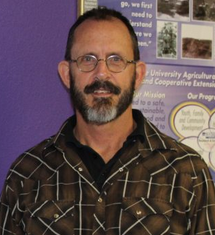
Now That’s Rural: Byron Lehman, Kansas dairyman

Ron Wilson is director of the Huck Boyd National Institute for Rural Development at Kansas State University.

By RON WILSON
Huck Boyd National Institute for Rural Development

“Young cooperator.” That is a nice combination of positive terms. In this case, it literally refers to a young adult who is active in his or her dairy cooperative. Those young cooperators tend to continue to be involved in their cooperative’s leadership. Today we’ll meet a dairy farm family which began as young cooperators and are continuing that legacy into another generation.

Last week we learned about dairyman Steve Strickler, a member of the board of directors of the dairy cooperative known as Dairy Farmers of America. Byron Lehman from Newton also serves on that board.

Byron’s family came from a dairy farm in upstate New York and moved to Kansas in 1953. His family farmed and Byron’s dad started dairying with Byron and his brother. “I think he dairied to keep his boys out of trouble,” Byron said with a smile.

Lehman / Dairy Farmers of America

Byron went to Hesston College and then finished a degree in dairy science from K-State. He joined the family farming partnership that continues to this day. Byron’s wife DeDee is from Denver. They have a daughter named MeLissa who is married to Steven. Steven is a police officer and also helps them farm.

The dairy farm is named Le-Dr Dairy. The Lehmans milk approximately 250 cows and farm 1,000 acres of wheat, corn, alfalfa, milo and soybeans. Their farm is in a rural setting outside of the town of North Newton, population 1,759 people. Now, that’s rural.

Member-owned dairy cooperatives are the primary collectors and aggregators of fluid milk in the U.S. These co-ops also offer various other programs and services to benefit their members such as educational programs for their young farmer-members, who are also known as young cooperators.

Byron and DeDee were selected as young cooperators in the 1980s. In fact, Byron served as chair of the young cooperators committee. He was involved with a dairy cooperative called Associated Milk Producers Inc. or AMPI. In 1987, Byron was elected to the Board of AMPI. When AMPI merged with other cooperatives to form Dairy Farmers of America, Byron Lehman was elected to that board of directors also.

“The staff and the other directors of DFA are fantastic,” Byron said. He explained that the cooperative is organized into seven different councils and then the corporate board makes the overall business decisions.

What are the key trends that he sees in the dairy industry? “When we started, there were 60 dairies in the county,” Byron said. “Today there are three left.” Dairies have gotten much bigger, with new dairies milking thousands of cows.

How does a 250-cow dairy sustain itself? “We watch our input costs and hire the best people we can,” Byron said. “We rely on our co-op and our nutritionist to help.”

Byron and all the leaders of DFA watch dairy consumption trends very carefully. “Fluid milk consumption is down but whole milk has made a resurgence,” he said. “Butter has been great for us, and cheese is a shining star.”

He recognizes it is important to promote the nutritional benefits of milk products. “We work with dietitians all the time on the health benefits of dairy,” he said. He recalls a breakthrough of a few years ago when the cover of Time magazine proclaimed “Butter is good for you.” Another positive step was when the promotion groups got together and encouraged more cheese to be put on pizza.

One concern Byron has is false labeling. “We see things called soybean milk or coconut milk that aren’t truly milk,” Byron said. “Milk comes from a lactating female and is the only food with nine essential vitamins and minerals.”

These trends are important to the future of dairy farming. Byron is especially pleased that his daughter and son-in-law were selected by their cooperative as, you guessed it, young cooperators.

We commend Byron and DeDee Lehman and MeLissa and Steven for making a difference with their hard work in dairy farming. They demonstrate the benefits of cooperation.

And there’s more. The dairy industry has especially grown in western Kansas, and we’ll learn about that next week.

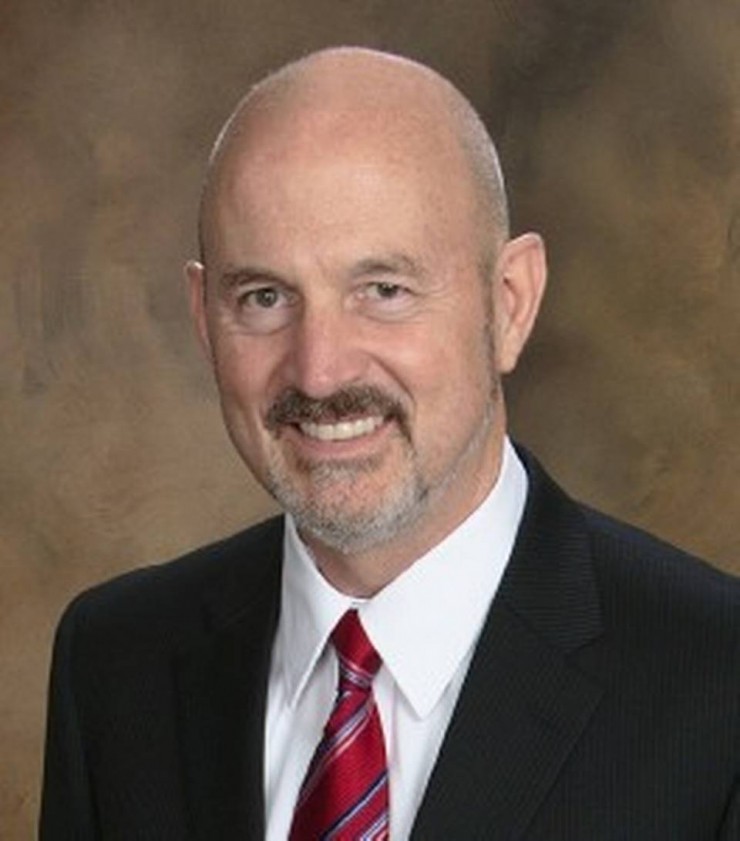
WINKEL: Prepping fall tomatoes and peppers

Rip Winkel
The cold nights will be increasing in frequency now that we are into October. If you had planted tomatoes in your garden last spring, you may still have some fruits that are approaching maturity.

The best thing to do is to leave them on the vine until red-ripe, or until that first freeze has been forecasted. Tomatoes will ripen off the vine but must have reached a certain phase of maturity called the “mature green stage.” Look for full-sized tomatoes with a white, star-shaped zone on the bottom end of the green fruit. 
   

Now, if you are harvesting your tomatoes before a frost, here is an idea you may want to try. Separate those tomatoes into three groups for storage: those that are mostly red, those that are just starting to turn, and those that are still green. Go ahead and get rid of those tomatoes with defects such as rots or breaks in the skin. Then place the tomatoes on cardboard trays or cartons, using layers of newspaper to separate fruit if you are going to stack them. It is common that a tomato may start to rot, leaking its juice everywhere. The newspaper will help keep the juice from contacting the surrounding fruit. Finally, store these groups of tomatoes at, or as close to 55 degrees F as possible until you are ready to eat them.

And as the temperatures begin to fall toward the first freeze this fall, the pepper plants you planted in your garden continue to produce fruit. It is not uncommon for them to still have a slew of green fruits dangling on the branches when that first freeze kills the plants. When you know a freeze is in the forecast, you might want to harvest all of the peppers. The larger ones will be good for eating, but very immature peppers often taste bitter. Ergo, you might want to compost them instead of serving them for dinner.
   

As opposed to tomatoes, peppers can be stored fresh for a much longer period of time. They can usually keep in the crisper drawer of a refrigerator for several weeks if kept moist (not wet). For longer storage, freezing them is a great option. 

Though mushy when thawed, the flavor still comes through when cooked in foods. Try dicing them into small pieces and then freezing on a cookie sheet. The frozen pieces can then be poured into plastic bags, and placed back into the freezer to be used later. Measuring is much easier as the pieces are not frozen together in a clump. This method works just as well for hot peppers, but be sure to wear gloves when handling. 

Rip Winkel is the Horticulture agent in the Cottonwood District (Barton and Ellis Counties) for K-State Research and Extension. You can contact him by e-mail at [email protected] or calling either 785-682-9430, or 620-793-1910.

SELZER: Insurance Matters Oct. 2018

Ken Selzer, Kansas Insurance Commissioner

As we enter the last quarter of 2018, Kansans have been fortunate to have the statewide estimated non-flood storm damages for the year be at the lowest level in the past 10 years. With low storm damage estimates come the correspondingly low number of claims filed.

We always appreciate the calm that comes with a less-than-normal severe weather year. But it is unwise to think that this year begins a new normal for severe weather activity. The statistics say that we will once again, at some future point, be faced with storm damage losses more typical of those caused by Kansas weather events. It is still wise to make sure that you know how to maneuver the claims process successfully when the need arises.

With a little preparation, resolving a claim with your insurance company does not have to be a frustrating, time-consuming process. Being prepared with and keeping track of the information your insurance company needs to process the claim is critical. What you do before making the claim will help in reducing the time between the insurance incident and the resolution of your problem.

Kansans should consider the following ideas to assist with the claims process.

Know your policy. Understand what your policy says. Because it is a contract between you and your insurance company, you need to know what is covered, what is not and what your out-of-pocket costs are.

File claims as soon as possible. Call your agent or your company’s claims hotline as soon as possible. Your policy might require that you make the notification within a certain time frame.

Provide complete, correct information. Be certain to give your insurance company all the necessary information. If your information is incorrect or incomplete, your claim could be delayed.

Keep copies of all communications. Whenever you communicate with your insurance company, be sure to document the communications. With phone calls, include the date, name and title of the person you spoke with and what was said. 

Ask questions. If there is a disagreement about the claim settlement, ask the company for the specific language in your policy that is in question. Find out if the disagreement is because you interpret the policy differently. If your claim is denied, make sure you have a letter from the company explaining the reason for the denial — including the specific policy language that caused the denial.

Don’t rush into a settlement. If the first offer your insurance company makes does not meet your expectations, talk with your local insurance agent or seek other professional advice.

Document auto/homeowners temporary repairs. Auto and homeowners policies might require you to make temporary repairs to protect your property from further damage. Document any damaged personal property for an adjuster to inspect. If possible, take photographs or videotape the damage before making the repairs. Your policy should cover the cost of these temporary repairs, so keep all receipts.

Don’t make permanent repairs. A company might deny a claim if you make permanent repairs before the damage is inspected. If possible, determine what it will cost to repair your property before you meet with an adjuster. Provide the adjuster any records of improvements you made to the property, and ask him/her for an itemized explanation of the claim settlement offer.

Seek accident and health claims details. Ask your medical provider to give your insurance company details about your treatment, condition and prognosis. If you suspect your provider is overcharging, ask the insurance company to audit the bill, and verify whether the provider used the proper billing procedure.

Contact the Kansas Insurance Department (KID).  If you continue to have a dispute with your insurance company about the terms of the claims settlement, contact the KID Consumer Assistance Hotline at 1-800-432-2484, or go to the website, www.ksinsurance.org, to use the Chat feature to make contact with one of our Consumer Assistance Representatives.

Remember, you can get a claim resolved quicker if you have the consumer know-how to fast track the process.

Ken Selzer, CPA, is the Insurance Commissioner of Kansas.

MARSHALL: Doctor’s Note Oct. 5

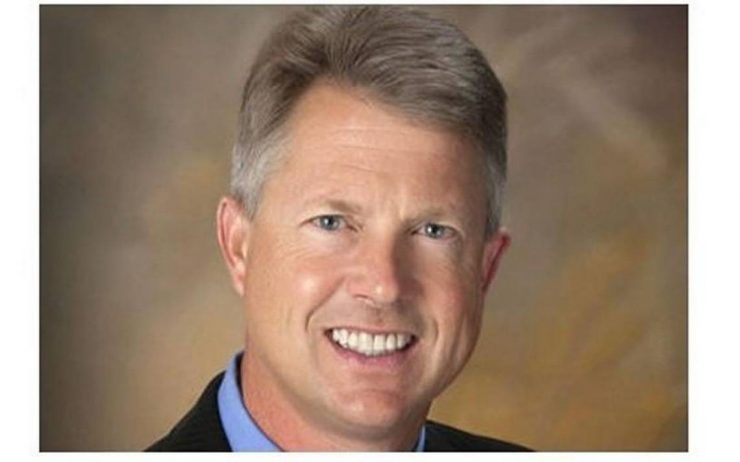
Dr. Roger Marshall, R-Great Bend, is the First District Kansas Congressman.

Friends,

What a week!

On Sunday, at midnight, the 2014 Farm Bill expired. That means 39 important Farm Bill programs lost their funding.

Our producers shouldn’t become the punching bag for political jabs. Compromise is a two-way street.

While extremely disappointed, I do not want to undermine the effort that has been put into the Farm Bill, and I am hopeful my colleagues on the left will come around and drop the “my way or the highway” attitudes and negotiate. I also want to make clear that the differences over SNAP are not what is holding up the work on the farm bill.

On a brighter note, the U.S. and Canada struck a deal in the final hours to secure a modernized NAFTA, now called the USMC deal. Last year Kansas exports to Canada totaled $2.5 billion, so having Canada on board is a huge win for Kansas.

And we end the week hopeful that we will #ConfrimKavanaugh, a tried and true constitutionalist.

ECSTATIC! US-Canada Reach NAFTA Deal

After more than a year of negotiations, I am ecstatic to see Canada agree to a fair deal and join the U.S. and Mexico in reinstating NAFTA, now called the United States-Mexico-Canada-Agreement (USMCA). Last year Kansas exports to Canada totaled $2.5 billion dollars, so having Canada on board is a huge win for Kansas. In total, trade supports 400,000 jobs across Kansas. From day one this administration advocated for fair trade agreements.

The past year has been hard not knowing what agreement would come out of the administration’s tough negotiations, but rural America had confidence in the President and his trade negotiators that we’d strike a better deal. This agreement will eliminate Canada’s class 7 milk pricing scheme and includes provisions requiring equity in grain grading, two significant wins for Kansas. Kansas dairy is a big winner here, and Kansas farmers and ranchers will see the benefit of this deal for decades.

Read more on this agreement HERE.

Confirm Kavanaugh

Read my op-ed on why I believe Kavanaugh will defend our constitution and be a great addition on our Supreme Court HERE.

Breast Cancer Awareness Month

Given that October is Breast Cancer Awareness month, I thought it was an opportune time to mention the efforts taken by Congress to improve the diagnosis and treatment of this horrible disease.

During my time as an Obstetrician-Gynecologist, I, unfortunately, saw a number of patients fighting breast cancer. In the past 30 years, I have seen us get a better understanding and treatment of breast cancer and beyond due to extensive research and federal support for these studies.

I am proud of the work being done by this Congress to better conditions for our patients – after all, improving our nation’s health care system was a top concern driving my run for Congress.

Read my op-ed HERE.

The First District of Kansas is home to a diverse and robust manufacturing industry, employing thousands of individuals and serving as the backbone of many rural communities. On National Manufacturing Day, I want to thank the hard working men and women who build and manufacturer the goods we rely on every day.

FUN FACT:
I was 9 years old, in the fourth grade, the last time this nation saw record low unemployment numbers like this. Today the Department of Labor announced that the U.S. unemployment rate for September is 3.7 percent, the lowest this country has seen since December 1969.
o The unemployment rate for those that graduated high school but did not attend college is the lowest since April 2001.

o The unemployment rate for women matches the lowest rate in 65 years.

o In August, Unemployment in Kansas was at 3.3 percent. (The September Labor Report will be released on Oct. 19th)

Roger Marshall is the Kansas First District Congressman.

LETTER: ‘Dark money’ group’s push polling in Ellis Co. filled with untruths

Open Letter to Fellow Citizens, Friends and Neighbors,

A few weeks ago a “dark money” group used a technique called “push polling” in Ellis County.

A push poll is a fake poll in which the caller makes sensational and untrue claims about a candidate and then pretends to objectively ask if the person being called would vote for the candidate being criticized falsely or the innocent candidate who is actually being promoted by the special interest group. It is a underhanded campaign tactic, like campaign mailers filled with untruths, blatantly attempting to mislead voters.

Unfortunately, this is the first of many such underhanded campaign tactics we will see in our community. The Kansas Chamber and its eastern Kansas partner “dark money” groups have targeted Eber Phelps, our state representative, for defeat. Why? Because he joined over 85 other Republican and Democrat representatives to vote to end the Brownback failed budget experiment.

I do not care what eastern Kansas “dark money” groups want.

To get my vote a candidate will have to support better funding for our local schools and Fort Hays State University, not cuts. To get my vote the candidate will have to support the expansion of Medicaid which will provide $1 million more per year for Hays Medical Center and local healthcare. To get my vote the candidate will need to support funding for our basic roads and highways and support a balanced budget that does not raid funds from retirement accounts or other pre-existing obligations.

The Kansas Chamber PAC and its “dark money” partners are endorsing, planning for and funding Eber’s opponent but they do not support education, Medicaid expansion, roads or a truly balanced state budget. These are the very goals and investments that protect our quality of life in western Kansas. The Kansas Chamber Agenda is not a pro-Hays agenda and may be the reason why the Hays Area Chamber of Commerce and so many other local chambers do not belong to the Kansas Chamber.

After 28 years of watching the shenanigans of the Topeka political environment and no longer being a administrator at FHSU, I urge you to support candidates who defend our western Kansas way of life.

Join me in supporting state representatives like Democrat Eber Phelps (111th Dist.-Hays) and Republican Don Hineman (118th Dist.-Dighton) – that’s right, Democrats and Republicans – who are not controlled by the “dark money” groups of eastern Kansas, and who are representatives that will work for our Hays and western Kansas best interests.

Edward H. Hammond
Hays

Dr. Ed Hammond is the former president of Fort Hays State University.

KSHSAA: Growing up in the digital age

Niehoff

By KARISSA NIEHOFF
Executive Director of the National Federation of State High School Associations
and BILL FAFLICK
Executive Director of the Kansas State High School Activities Association

From the Greatest Generation to Baby Boomers, Generation X to Millennials, teenagers in every era have had challenges growing up.

In today’s digital world, high school students are being tested in unique and demanding ways. The Washington Post confirms that 73 percent of all American teenagers own their own smartphone and, on average, spend almost nine hours a day texting, chatting, gaming, blogging, streaming and visiting with friends online.

Although conclusive research showing a direct correlation between the mental health of teenagers and smartphone usage won’t be complete for years, it isn’t a great confidence builder for a student to discover online that everyone else seems to have more friends.

Faflick

In addition, recent figures indicate that more than 31 percent of America’s 42 million teenagers are overweight or obese, compared to only five percent in 1980. According to the 2016 National Survey of Children’s Health, Kansas is ranked the 25th most obese state in the nation with 30.9 percent of all teenagers considered overweight.

Not surprisingly, many psychologists and researchers agree that today’s teenagers are more lonely, anxious and depressed than ever before.

As the new school year gets underway and social pressures increase, statistics like these verify how important it is for teenagers to participate in high school sports and other activities such as marching band, choir, speech and debate.

The most recent survey by the National Federation of State High School Associations (NFHS) indicates there are almost eight million participants in high school sports and more than four million in performing arts activities. Most of these students would agree the primary advantage of playing a sport or participating in an after-school activity is the opportunity to meet new people and develop meaningful friendships. An online chat is no substitute for working toward a common goal face-to-face, side-by-side for weeks on end with teammates.

And positive social relationships are only the beginning. Among other benefits, high school sports are instrumental in helping teenagers establish nutritional and exercise habits that will carry them for a lifetime. Participating in a sport in high school is a great way to maintain a healthy weight, establish good eating and sleeping habits, discourage the use of alcohol and drugs and develop a greater sense of self-esteem.

Additional benefits of participating in a high school sport or activity are shared by the NFHS on a new website at MyReasonWhy.com, where dozens of high school students address this topic in their own words through videos.

A new school year brings with it an opportunity for teenagers to make new friends and establish new lifestyle habits. Encouraging them to make friends on the field of play as well as online is great way to start.

INSIGHT KANSAS: If Trump doesn’t motivate Kan. Democrats, what will?

President Donald Trump campaigns in Kansas this week. This should provoke Democrats into action.

His campaign stop will likely include: blaming Democrats for his shortcomings, mocking claims of sexual assault, condemning the press as fake news, inflaming racial resentments, demeaning officials in the Department of Justice, calling the Russia investigation a hoax, inflating credit for economic growth, disparaging Obama and Clinton, and denying chaos in the White House, among other provocations.

H. Edward Flentje is professor emeritus at Wichita State University.

Trump havoc may well push the partisan needle blue this November. Most careful analysts project that Democrats will take control of the U.S. House. Control of the U.S. Senate, once thought secure for Republicans, is in doubt.

Kansas Republicans have controlled the state’s four congressional seats for the last eight years, but two eastern Kansas seats are now rated toss-ups or even better for Democrats.

In the Kansas governor’s race, moderate Democrat Laura Kelly is running neck-and-neck with Kris Kobach.

A key question is whether Trump’s antics and high disapproval ratings will seep into critical down-ballot races to the advantage of Democrats.

Two years ago Kansas voters marched in opposing directions, electing bipartisan legislative majorities committed to abandoning the discredited Brownback tax experiment, while supporting Trump by a wide margin.

This year Trump is fully aligned with Kobach and far-right Republicans who want to resurrect the Brownback experiment with yet another round of tax cuts and drastic spending reductions.

All 125 seats in the Kansas House of Representatives are on the ballot this year. Democrats go into the general election uncontested in 23 of those races, more than either the centrist Republican coalition or the right-wing Republican alliance can claim. And Democratic candidates are contesting in 63 of the 65 House seats that remain in competition this November.

On one level the Trump agenda differs starkly from crucial state-level issues: Will the state continue down the road to fiscal sanity initiated by voters in 2016 and implemented by bipartisan legislators in 2017 and 2018? Will the state adequately fund its public schools, colleges and universities, and highways? Will the state repair the damage to services for vulnerable children, seniors, and disabled?

Voters should not ignore how Trump’s actions intersect with state issues and affect Kansas residents. His trillion-dollar tax bill heavily favors big business and those with the highest incomes—just like the Brownback experiment did. His repeated sabotage of the Affordable Care Act undermines health care for many Kansans who rely on the Act’s protections for those with pre-existing conditions. His tariff war forces farmers into accepting handouts instead of engaging in trade.

The Kansas State Chamber and its dark money allies will seek to drown out any Trump effect with its one-note refrain: Cut Spending! That strategy worked in the August primary, as the Chamber targeted and defeated six incumbent Republican centrists who refused to bend to the Chamber’s will.

Democratic candidates will now face the same onslaught of media attacks funded by the same Chamber alliance. Kelly is already being hammered with these assaults. Voters will soon be inundated with postcard smears and other media slurs against the 63 Democratic House candidates. This mudslinging will seek to stain every candidate through deception, innuendo, and scurrilous charges.

Two years ago one of every three registered voters in Kansas did not vote, and roughly 150,000 of those non-voters were Democrats. If Democratic candidates for Congress, governor, and the legislature are to take advantage of the opening created by Trump provocations, they should get their voters to the polls on Election Day.

H. Edward Flentje is professor emeritus at Wichita State University and served with Kansas Governors Bennett and Hayden.

CLINKSCALES: Retirement of your best friend

Randy Clinkscales
A few weeks ago, I related to you that my wife and I went on vacation in August for a couple of weeks. We took the trip to Colorado, and then we had various friends and family come out and visit us there. It was a no-television vacation. I did a lot of cooking, relaxing, and reflecting.

The vacation was a little more significant in that a week after we got back, my wife, Barbara, was to retire from her job at the Department of Children and Family Services (it used to be SRS). She had been there for over 25 years.

My wife and I met after the very first year of law school. It was the summer before our second year. We were both taking a course in commercial transaction. We dated for the next two years, and then married in September of 1980 after graduating from law school in May.

I have only known her as a lawyer or as a law student.

As you may imagine, two lawyers/spouses can have animated conversations. Particularly, during the law school years, Barbara was very hard on me. I was a terrible writer, with terrible writing skills. That is not a good attribute for law school.

I would write a brief for a class, or for my job as a law clerk, and Barbara would go through it with her red pen. She would challenge my thought process. By the time we graduated law school, I had actually become a pretty good writer and could argue effectively in appellate briefs.

Throughout the years, Barbara has been my sounding board. While we respect client confidentiality, we would exchange the dilemmas our clients or employers were facing. Much of that occurred right after work, but more especially, right before I left for work in the morning. That time from about 7:00 in the morning until 8:00 was a time for us to talk about our upcoming day, and what we were struggling with.

Barbara is ready for retirement. I am just not sure I have wrapped my head around the idea that she’s no longer going to be a practicing attorney. In a way, I think it has been harder on me to accept that she is at that stage.

I understand now, maybe for the first time, the impact it may have on a person when their best friend retires. I do not think you can help keep from wondering what, if anything, will change in the relationship?

DCF hosted a very nice farewell gathering for Barb on September 7th. As I expected, Barb held her emotions well, almost.

I strongly suspect that one day soon, Barb is going to be into some new project, and frankly, I would not be surprised if it was somehow law related.

I do not think that there is a good or bad time to retire. I think it is up to the individual person. I am not there yet. Watching Barb retire, I realized I am not there yet. But I did get a feeling of urgency that there are some things that I want to get accomplished before that day comes, either voluntarily or involuntarily.

Randy Clinkscales of Clinkscales Elder Law Practice, PA, Hays, Kansas, is an elder care attorney, practicing in western Kansas. To contact him, please send an email to [email protected]. Disclaimer: The information in the column is for general information purposes and does not constitute legal advice. Each case is different and outcomes depend on the fact of each case and the then applicable law. For specific questions, you should contact a qualified attorney.

SCHLAGECK: Harvest happenings

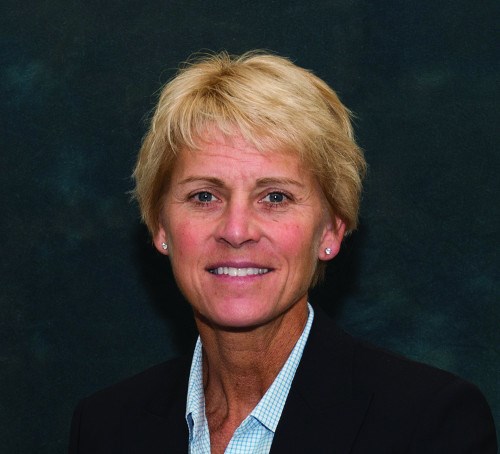
John Schlageck writes for the Kansas Farm Bureau.
Travel out to the fields of Kansas during October and you’ll see them teeming with fall harvest. Combines chomp through the fields of corn, milo, soybeans and sunflowers eager to dump the bountiful crops into waiting trucks and grain carts.

Today’s green, red and silver monsters move through the fields with the urgency of tanks rolling through a war game. Across Kansas, farmers pilot these 12-ton behemoths as easily as the family car.

On gravel and blacktop roads tandem trucks and semis race back from the elevators so the machines can fill them up again. Fall harvest in Kansas marks that magical time of the year when producers of food and fiber reap what they have sown.

Seeing this bountiful production unfold, underscores the importance of farming and ranching in Kansas. Our Kansas farmers – and their contemporaries across this great land – continually risk all that is theirs; hoping success is what each harvest and year will bring.

They work with the land, chemicals, computers and livestock. They must understand markets, people, soil crops and climate. Their livelihood is largely dependent upon factors, especially weather, that are oftentimes completely out of their control.

Still, farmers farm to succeed. They farm to grow and harvest crops and produce livestock. Farmers see their vocation not only as a business, but also as a way of life to preserve in good times and bad. They have their feet planted firmly in their soil. They are dedicated to the land and providing us with the safest, most wholesome food on the planet.

The U.S. Department of Agriculture estimates the average person consumes approximately 10 pounds or 160 bowls of cereal annually. When you couple that with approximately 22 pounds of red meat and poultry, it’s clear why Kansas harvest is an important time.

Today’s consumer has the option of using nearly 3,500 different corn products. These uses range from corn flakes to corn sweeteners. Corn and milo remain the top source of livestock feed.

Countless foods are made from today’s fall soybean crop. Some of these include crackers, cooking oils, salad dressings, sandwich spreads and shortenings. Soybeans are used extensively to feed livestock, poultry and fish.

Sunflowers from the Sunflower State can be used as an ingredient in everything from cooking to cosmetics and biodiesel cars. And as you probably already know, they’re a tasty snack – and healthy too.

So, if you have an opportunity to visit our state’s fertile fields this fall, think about the professionals who are busy providing the food we find on our tables each day. Tip your hat, raise an index finger above the steering wheel of your car or give a friendly wave to these producers of food and fiber who are dedicated to feeding you and the rest of the world.

John Schlageck is a leading commentator on agriculture and rural Kansas.

HAWVER: GOP candidate attendance at Trump rally will be telling

Martin Hawver

OK, we’ll agree, no matter how you think President Donald Trump is at running the country, or making it great again, or defending the borders or choosing justices for the Supreme Court, he is probably the No. 1 crowd-raiser in the country.

Like him or not, he can raise the crowd, and during Saturday’s “Make America Great Again” rally in Topeka, that crowd is going to be the real news of the event which will close roads, with such tight Secret Service security some attendees will be afraid to scratch at the Kansas Expocentre without first catching the eye and getting a nod from a guard.

Now, we’ve all heard the speech about how well Trump believes he has done in nearly two years of being president, but another key for Kansans is going to be who attends the rally.

Count on Republican gubernatorial nominee Secretary of State Kris Kobach to put on a clean shirt for the event, at which he will be cited for being the first big-league Kansas elected official to endorse Trump. Trump returned the favor, endorsing Kobach over Gov. Jeff Colyer for the GOP gubernatorial nomination. Look for the president to again tout Kobach over Democratic challenger Sen. Laura Kelly for the governor’s office.

Oh, and 2nd District congressional candidate Steve Watkins? He’s also one of the prime reasons that Trump will be holding his MAGA rally in the Second District. Watkins gets endorsed for his effort to keep the 2nd District congressional seat in the hands of a Republican so that Trump’s party can maintain a majority in Congress.

Of note, both Kobach and Watkins are in races that pollsters put within the margin of error in a heavily Republican state. What? A close Republican/Democratic race in Kansas? Yes, it can happen. At this point, conservative Republicans are of course wrapped up for Kobach and Watkins, but those moderate Republicans? The ones who elected Sen. Nancy Landon Kassebaum and Gov. Bill Graves and more than a dozen legislative leaders of past years who have endorsed Kelly? Not sure.

That’s where it becomes interesting to see just who shows up for the Trump rally and get chairs to sit in up front at the rally where they can be photographed in apparent support of the president, who by the way carried Kansas with 56 percent of the vote in 2016.

In the past two years, those 671,018 Kansans for Trump have seen just what he’s done with his power. It’s not quite certain whether some of those voters have decided that they made the wrong choice and figure that anyone who Trump endorses probably ought to stay at home, or if those who think Trump has done well will wonder why their legislators apparently don’t think so…or maybe had dinner reservations for Saturday evening…

So, do Kansas Republicans want to be seen at the Trump rally? Some will, some won’t, and it becomes a political decision on just where you care to be seen. Or, whether it will matter as much as, say, being seen at a strip club 20 years ago?

Interesting decisions coming up. Nobody doesn’t wasn’t to see the president at some point in their lives. This might be a bucket-list decision for some statewide and legislative candidates, but for some, well, they may lose years of service in their pension calculations if they are spotted at the rally in apparent support for Trump.

Do Republicans or Democrats get the best campaign handcards out of being seen at this rally?

Guess we’ll see in November…

Syndicated by Hawver News Company LLC of Topeka; Martin Hawver is publisher of Hawver’s Capitol Report—to learn more about this nonpartisan statewide political news service, visit the website at www.hawvernews.com

News From the Oil Patch, Oct. 1

By JOHN P. TRETBAR

The Kansas Corporation Commission reports 167 new intent-to-drill notices filed across the state last month, compared to 140 in September of last year. The total so far this year is 1,470 intents, compared to 1,177 through September of last year. There are six new intents filed in Barton County, four in Ellis county, one in Russell County and three in Stafford County.

Kansas Common crude at CHS in McPherson closed out the month of September at $63.50/bbl after gaining a quarter on Friday. The average price for the month was $60.30/bbl, compared to an average price of $39.86 last September.

Independent Oil & Gas Service reported 32 drilling rigs moving in, rigging up, drilling or relocating across western Kansas Friday, down two, and 15 east of Wichita, up two. Three Kansas operators took out-of-state work, dropping the available rig count to 81 statewide. Baker Hughes reports 1,054 active rigs across the U.S., noting a drop of three oil rigs and an increase of three seeking natural gas. The counts in New Mexico and Texas each dropped two, while Oklahoma added five to its active list. Canada reports 178 active drilling rigs, down 19 from last week.

Kansas operators filed 50 new drilling permits across the state last week, including two in Barton County, two in Ellis County, and three in Stafford County.

Independent Oil & Gas Service said there were 24 new well completions statewide last week, including one in Barton County, three in Ellis County and one in Stafford County. So far this year, Kansas operators have completed 1,141 wells. The weekly report shows 11 dry holes out of 18 wells completed west of Wichita. That included one dry hole in Ellis County and one in Stafford County.

The Energy Information Administration reported U.S. crude oil production reached 11,072,000 barrels per day last week, an increase of 102,000 barrels per day over the week before, and 1.55 million bpd more than last year at this time. The government says U.S. crude oil inventories increased by 1.9 million barrels last week. Stockpiles are about two percent below the five-year average. Crude imports are down 222,000 barrels per day from the week before, but are nearly ten percent higher than last year at this time. Saudi oil shipments into the U.S. reached a four-week average of one million barrels a day last week for the first time since late 2017.

The Trump administration is rolling back Obama-era oil-train safety rules. The Transportation Department announced this week that the cost outweigh the benefits of requiring railroads to equip trains with the newest electronic braking systems. Those rules were implemented in the aftermath of oil-by-rail accidents.

The government reported another seasonal build to U.S. gasoline inventories. The Energy Information Administration on Wednesday gasoline stockpiles are up 1.5 million barrels and are about 8% above the five-year average.

A lawyer in Tulsa has filed 22 new lawsuits for 168 plaintiffs claiming damages in connection with an earthquake in Oklahoma two years ago. The allegations are similar to those filed in several other cases, blaming saltwater disposal operations for the state’s strongest recorded earthquake back in 2016 near Pawnee, Oklahoma.

The State of Texas reports continued growth in oil and gas production, adding 90 million barrels of crude production in July, the latest figures available. The Texas Railroad Commission released preliminary numbers this week showing the state pumped an average 2.9 million barrels per day in July. That’s half a million barrels more than last July’s totals.

Husky Energy made an unsolicited bid for oil-sands producer MEG Energy in a $2.6 billion cash-debt-and-stock deal. MEG produces about 100,000 barrels a day of oil, mostly from a process of pumping steam into the underground oil sands formations to heat and liquefy it. Husky operates refineries in Canada and the U.S., and produces about 186,000 barrels a day in western Canada and another 322,900 barrels a day in offshore production in China and Indonesia.

The State Department says the new route for the Keystone Pipeline expansion poses “negligible to minor” threats to natural resources, in marked contrast to an earlier report from the Obama administration. TransCanada repeated earlier announcements that it will begin construction next year on the final leg of the Keystone system. The new environmental report was ordered by a judge in Montana hearing a federal lawsuit against Keystone. The supplemental report issued last week still awaits public comment before being finalized. Written comments are due by Oct. 8, and a public hearing is planned the next day in Lincoln.

Plains All American will begin operations on an expanded West Texas oil pipeline on Nov. 1, which should help ease a bottleneck that has weighed local crude prices for months. Prices in Midland are currently about $18 per barrel below those available on the coast. The company expects to completely fill the Sunrise pipeline by Oct. 31, with full operations starting the next day.

MARSHALL: Doctor’s Note Oct. 1

Dr. Roger Marshall, R-Great Bend, is the First District Kansas Congressman.

Dear Friends,

We have some positive news on trade as the White House signed the renegotiated KORUS agreement and announced the beginning of a trade agreement negotiation with Japan. CNBC’s Global CFO Council also found that the United States is the only country whose economy is showing signs of improvement. Other countries and regions, such as Canada, the UK, China, and the Euro Zone, showed signs of stagnation and decline. Despite criticism, our efforts toward deregulation and pro-growth tax cuts have successfully revitalized the American economy and put more money in the hands of families who desperately need it.

Last week the U.S. Federal Reserve echoed promising economic forecasts and reaffirmed plans to steadily tighten monetary policy as our nation is predicted to continue enjoying economic growth and near full employment

In regards to the latest news on Judge Kavanaugh’s confirmation. I found Judge Kavanaugh’s testimony to be genuine and from the heart. In Thursday’s hearing, the committee had the opportunity to ask both Judge Kavanaugh and Dr. Ford, under oath, anything they wanted to about these allegations. I am glad Dr. Ford had the opportunity to testify. We must always take these types of accusations seriously, but after watching closely to both testimonies I have confidence in Judge Kavanaugh. He has already cleared six FBI background investigations, given 34 hours of sworn testimony, and done three interviews with the Committee under penalty of felony categorically denying all accusations.

Extending this by a week just continues to destroy Judge Brett Kavanaugh’s life’s work and drag his family through the mud.

President Díaz-Canel

Meeting with President Díaz-Canel 

I was honored to sit down with the new Cuban President, Miguel Díaz-Canel to discuss trade opportunities between the U.S. and Cuba. Currently, we have outdated trade restrictions in place that bar us from capitalizing on the opportunities that lie just 90 miles from our coast.

We cannot continue to overlook this market! Even though the Cuban market and population are small in comparison to the U.S., they are far from insignificant. Cuba imports nearly $500 million in commodities produced in Kansas, but they get these goods and roughly 80 percent of their food from Europe, Latin America, and Asia.

This is a huge disappointment. Kansas farmers can and should be Cuba’s number one supplier of commodities like sorghum, soy, wheat, and corn. In our meeting, I expressed my continued support of opening markets with Cuba. In D.C., I have been a vocal advocate for trade relations with Cuba, and have cosponsored the Cuba Trade Act, Americans Freedom to Travel to Cuba Act, and the Cuba Agricultural Exports Act.

Tim Phillips and Steve Forbes

Trade Builds America

Last week, I also sat down with Steve Forbes from Forbes Magazine and our host, Tim Phillips from Americans for Prosperity, to discuss the impact of tariffs on American consumers. Chinese industry have been hit hard, but so have American businesses. Roughly 60% of Kansas’s agricultural producers are going to lose money this year, and as Steve pointed out, re-gaining lost markets is not an easy task. Kansans have felt the consequences, with Chinese tariffs on soybeans, hurting our farmers, and U.S. tariffs on steel and aluminum, increasing costs for our manufacturers.

We must double our efforts to knock down trade barriers and open new markets. Steve and I both agreed that while free trade is tremendously important for improving the lives of our consumers, the United States should also make a stronger effort to protect intellectual property abroad and hold the perpetrators of trade abuses directly accountable. I would like to give a special thanks to Mr. Phillips for hosting us, and Mr. Forbes for his valuable insight on this important issue.

Victory for Small Business

Last Tuesday evening the House passed my bill, H.R. 6369, which aims to expand federal contracting opportunities for small businesses. Currently, dollar thresholds for contract sizes limit opportunities for small businesses to participate in federal contracting, however this bill would modernize dollar amounts for sole-source awards, bringing them in line with current contract sizes. Additionally, the bill would establish a front-end verification process at the Small Business Administration to ensure that only qualified firms are receiving contracts. By making these changes, we’re providing necessary oversight of taxpayer resources while expanding contracting opportunities for service-disabled veteran, women owned, and HUBZone certified small businesses.

Tax Reform 2.0

The House voted Friday to make the individual tax cuts permanent through Tax Reform 2.0, which will continue to protect hardworking Americans and small businesses. Tax Reform 2.0 includes tax cuts for middle-class families, helps families and individuals save for the future, and spurs American innovation by helping entrepreneurs. Since passing the Tax Cuts & Jobs Act, the American Economy has seen tremendous growing success. There have been nearly 1.7 million new jobs created since tax reform was enacted, and today’s vote locks in these key provisions.

Guardian of Small Business award

Marshall a Guardian of Small Business

I was extremely honored when the National Federation of Independent Business handed me their Guardian of Small Business award for my efforts to promote and protect Kansas small business. The NFIB has represented small businesses for over 75 years. They present their Guardian of Small Business Award annually to lawmakers who consistently vote to support major issues facing small business. I plan to continue working with the NFIB and my fellow members of the House to topple trade barriers and present new opportunities for Kansas’s small business owners.

Marshall Serves to Protect Patients

Last week we made significant strides in protecting Kansans, and patients in dire need. I recently led a bipartisan letter to protect vulnerable patients from abusive behavior by air ambulance companies by asking for the Federal Aviation Administration (FAA) Reauthorization Act to include provisions authored by Rep. Woodall (R-GA) that work to address an egregious business practice that is taking advantage of vulnerable people in their most desperate time of need.

When driving is not quick enough for a patient in an emergency, one of three air ambulance companies is the only option for Kansans to get to the emergency treatment they need. But depending on which air ambulance company is called, the charge to the patient can vary by literally tens of thousands of dollars.

Just this year alone, the Kansas Insurance Department has received more than 70 complaints from Kansans about air ambulance companies balance-billing more than $35,000 per emergency transport.

These crippling and unforeseen bills from air ambulance companies who refuse to contract with the most common health insurance providers are hurting Americans across the country.

We passed the FAA Reauthorization Act with overwhelming bipartisan support. I was proud to see the conference report retain provisions mentioned in the letter we sent and protect these patients; however this issue is far from rectified, and I look forward to continuing to advocate on their behalf.

Trade with Taiwan

It was great to have another top 10 agriculture market in D.C.  Taiwan has long been a partner of U.S. agriculture, purchasing $3.3 billion in agricultural products last year. Last week, they committed to buying 750,000 tons of U.S. soybeans. That’s a $300 million investment in U.S. farmers. As we are working to shore up our trade agreements, this is certainly good news for our soybean producers that have one of the hardest hit commodities in this trade war.

Copyright Eagle Radio | FCC Public Files | EEO Public File