We have a brand new updated website! Click here to check it out!

MASON: A freshman’s world provides a different perspective on life

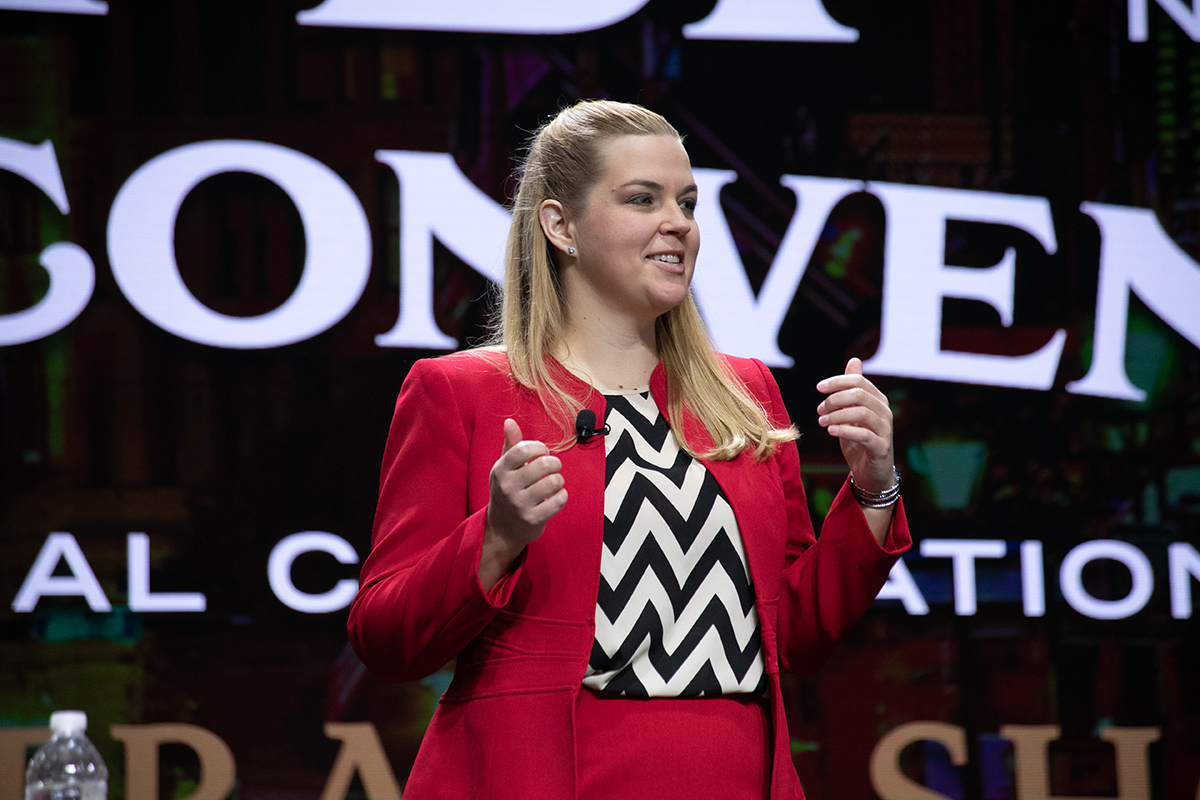
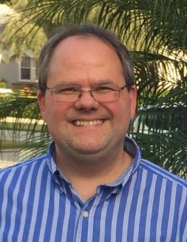
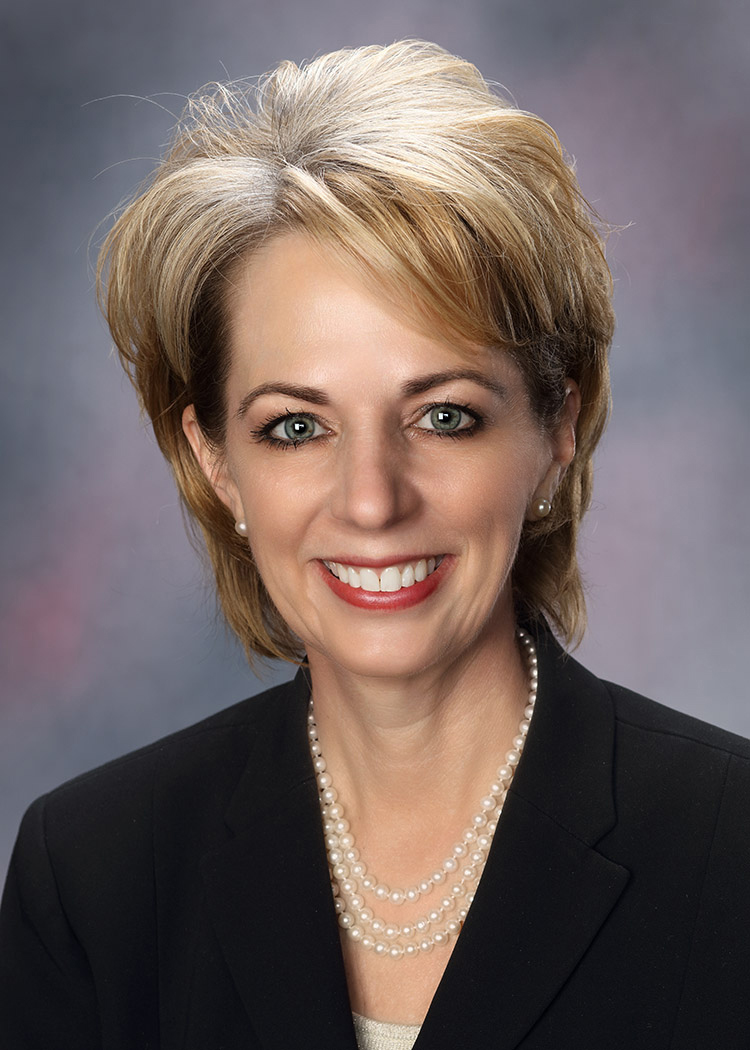
Dr. Tisa Mason, FHSU president

Each year since 1998, as traditional freshmen journey off to college, a list of generational facts known as the College Mind-Set List has been published. The list always makes me smile, and it makes me realize that my experience of our world is in many ways vastly different from the experiences of our college freshmen.

The list was created at Beloit College, Beloit, Wis., as a funny but thoughtful way to see the world through the eyes of these 18-year-olds. Last year, the list moved to Marist College in Poughkeepsie, N.Y., and it is as entertaining and enlightening as ever.

The full list of 60 is at www.marist.edu/mindset-list, but here, just for fun, are my top 10 items from the freshman class of 2019:

No. 44 Most of them will rent, not buy, their textbooks.

No. 31 By their sophomore year, their generation will constitute one-quarter of the US population.

No. 19 They may well not have a younger sibling, as the birth rate in the U.S. has been dropping since they were in grammar school.

No. 3 The primary use of a phone has always been to take pictures.

No. 17 Snapchat has become their social media app of choice, thus relieving them of the dilemma of whether or not to friend Mom.

No. 46 There have always been “smartwatches.”

No. 20 PayPal has always been an online option for purchasers.

No. 27 YouTube has become the video version of Wikipedia.

No. 37 Face recognition technology has always been used at public events.

No. 43 They have grown up with Big Data and ubiquitous algorithms that know what they want before they do.

As intended by the list creators, these items serve as great conversation starters. When I meet our newest Tigers, I must remember to ask them for tips on taking pictures with my phone!

I love the fact our new freshmen come to campus with more technological experience than those of previous generations. Our hands-on, technologically enriched campus is designed to challenge them and to help them become successful on campus and get them ready for the workforce of tomorrow.

Similarly, I think a lot about how this generation accesses YouTube for everything – including class materials. The impact of YouTube on how our students learn is intriguing to me, as is the growth of artificial intelligence in helping students learn on a very personal level. A couple of years ago, I read about an artificial intelligence tutor that could ask and answer questions on course material to help the students deepen their knowledge base. That sounds like a lot more fun than the way I studied!

What is especially exciting to me is that, as we welcome our new students to campus and to Hays, I recognize how different their world view is from mine and how much fun we will have learning from one another. They are beginning their incredible college learning journey, even as I continue on my own lifelong learning path.
FIRST FIVE: First Amendment protections resilient for free speech, free press

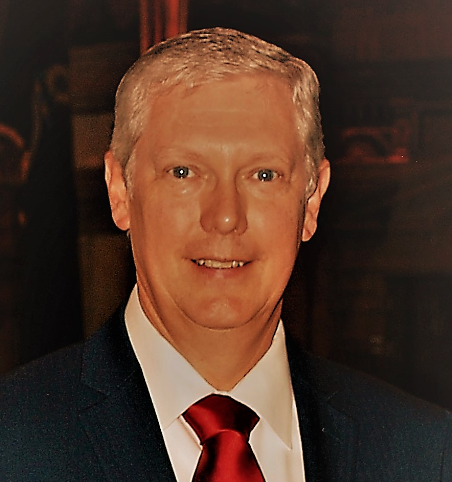
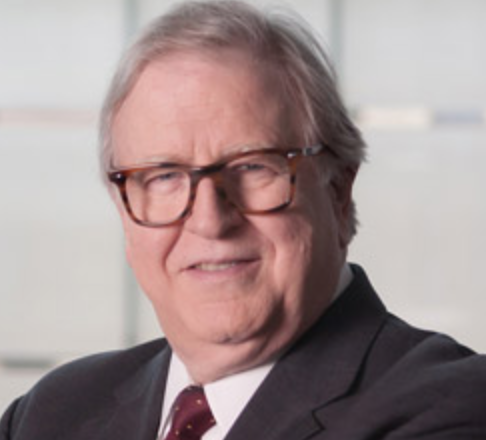
Gene Policinski

Attempts to throttle journalists and frighten social media platforms have come to light recently, and while worthy of note — and criticism — none is likely to do serious harm to the First Amendment’s protections for our rights to free speech and a free press.

In one instance, multiple news outlets report an effort by supporters of President Trump to raise funds to target and track journalists and cable TV pundits seen as opponents to the White House, aiming to use old social media posts to show bias or prejudice.

In terms of the First Amendment, there’s no legal bar to such tactics. Freedom to write and speak does not carry any immunity to being criticized for it. As a piratical matter, holding journalists responsible for past social media posts or published works would seem limited by the likely small number of reporters and editors who have such embarrassing items in their history — despite what media critics would wish to be the case.

Another effort: A second, unsuccessful attempt by the White House to suspend the access pass of a journalist for what it deemed unprofessional conduct by engaging in a loud exchange with a former adviser during a Rose Garden event.

As in an earlier move to suspend the “hard pass” allowing access to the White House grounds held by CNN’s Jim Acosta, the proposed suspension of Playboy magazine correspondent Brian Karem’s credential through Sept. 14 was deemed by a federal court to be based on requirements too vague to be enforced, while clearly doing “irreparable harm” to his First Amendment rights.

The White House press office should stop trying to punish reporters it deems hostile or critical to send some sort of message to the Oval Office press corps. A more effective approach would be to provide accurate, factual regular briefings, position papers or even tweets to the public through the press on matters of substance, rather than deferring to brief, chaotic shouted press scrums as Trump enters or leaves the White House with Marine One’s engines intentionally roaring in the background.

And finally, there is the ongoing campaign by the administration and press critics that alleged bias against the president by social media outlets such as Twitter, Facebook and Google mean they are violating free speech protections. But such claims run aground on the simple fact that as private companies, those organizations are not subject to First Amendment restraints that prevent government from limiting or punishing any of us — individuals or global powerhouses — for what we say or write.

Some would even revive the long-discredited idea of a government-enforced “fairness doctrine” that could be applied across all forms of news media. Sen. Josh Hawley (R-Mo.) introduced a bill in August that would strip companies of key legal protections unless the Federal Trade Commission ruled them politically “neutral.”

If such legislation ever got through Congress — not likely — First Amendment lawyers would line up to challenge it as unconstitutional and counter to the very idea that we the people have the right to hold and express our own views, particularly when critical of government or public officials.

Again, the appropriate fix here is more speech — not as politically satisfying but more effective in the long run — presenting facts and opinions that allow the news consumer to decide on his/her own.

Current conflicts and criticism around controversial speech and press credibility issues — from Washington to college campuses to protest marches to the political slant of various cable TV outlets — can mask an important truth: The public has a solid commitment to protecting both free expression for us all and a free press’ role on our behalf as a “watchdog on government.”

The 2019 State of the First Amendment survey, by the Freedom Forum Institute, found 65 percent of us oppose restraints on what we post online, even when repugnant, and 72 percent of us support that role of a free press to hold government accountable on our behalf.

Any attempts to limit First Amendment rights deserve scrutiny, but clearly run against the core values held by sizeable majorities in an era when such majorities rarely exist.

Gene Policinski is president and chief operating officer of the Freedom Forum Institute. He can be reached at [email protected], or follow him on Twitter at @genefac.

Kansas Farm Bureau Insight: The opportunity of change

Mundt

By JACKIE MUNDT
Pratt County farmer and rancher

Change is in the air. Children have grown over the summer and are starting the new school year a little more grown up. The promise of sunny, brisk days makes many of us excited to breakout hoodies and sweaters. Fall foliage soon will begin to show the colorful signs of a new season, and in coffee shops or local co-ops across the state the conversation has turned to football.

The theme of these conversations has been uncertainty, a mix of nerves and excitement. The legacy and family Kansas State University coach Bill Snyder spent his career building will not be lost overnight. Coach Klieman has a promising record but is unproven in big leagues. What will our team look like under new leadership?

Within my own K-State family, the start of football season had an extra layer of emotion this year. It was the first tailgate without a beloved member of our group. As we gathered in Manhattan, we had plenty of reasons to be optimistic: a fresh season of football, the joy of tailgating and great friends to share in the fun. However, there was the subtle tone of sadness that can be felt when something is missing.

That is the hard part about change; it means you are losing something. Sometimes that loss is big like a loved one or our trusted coach and other times it is smaller like missing the ease of a habit or the annoying feeling that comes from not being able to complete a task in your preferred way. This loss can make us sad, bitter, resentful, heartbroken, mad or hateful.

The other hard thing is, amidst all the negative emotions, understanding that you also gain something with every change.

I experienced my first truly life-altering experience when I was 13. My 16-year-old brother died in a car accident, and it was heartbreaking. Everything in my life changed: relationships with family and friends, appreciation for community and religion, attitude and outlook on life.

Time and maturity have allowed me the perspective to understand how my brother’s death fundamentally altered me. I now know I am strong enough to survive the grief of loss.

That might seem simple, but it is a pivotal paradigm shift. In your greatest moment of grief and fear, if you know you will survive, it totally changes your outlook and actions. You move from, “How can I go on?” to “How will I go on?”

Change always gives us something new. When we make up our minds to embrace the new, opportunities will present themselves. Maybe a new job would make you happier. Changes to a traditional community event could get more people involved. The new football coach is definitely going to bring some great changes to the program. An open and positive mindset makes it easier to get excited about changes.

I no longer fear change because I am always looking for the opportunities it presents. I often find myself asking the big, important questions: What is not working? How can this be better? Where do we go from here?

Sometimes the answers to these questions will fill you with enthusiasm and excitement. Other times they will make your heart sink because change cost you something dear. That’s OK; something good will happen that you don’t know about yet.

Change is inevitable. Change is uncomfortable. Change is good.

“Insight” is a weekly column published by Kansas Farm Bureau, the state’s largest farm organization whose mission is to strengthen agriculture and the lives of Kansans through advocacy, education and service.

CAMPBELL: Recommendations for fall planting of alfalfa

Alfalfa, often considered the “Queen of Forages”, produces high yields that are highly digestible and high in protein. Alfalfa is a very important leguminous crop for dairy and other livestock operations in Kansas. Late summer and early fall are often the best times to plant alfalfa in Kansas due to less weed pressure than spring planting (Figure 1).

Figure 1. Alfalfa seedlings. Photo by Doohong Min, K-State Research and Extension.

Much of Kansas has seen above-average rainfall this summer and soil moisture within the profile is adequate, if not surplus, in many areas. Available moisture at planting is crucial for alfalfa establishment, but too much moisture can increase seedling disease incidence and reduce alfalfa nodulation and nitrogen fixation.

If soil moisture is available, growers in northwest Kansas can plant as early as mid-August. Those in southeast Kansas can plant in mid-to-late September. In other parts of Kansas, the optimal planting time is late August or early September. Producers just need to plant early enough to have three to five trifoliate leaves before the first frost.

Alfalfa is a three- to five-year, or longer, investment and therefore it is crucial to ensure proper establishment. Some producers shy away from alfalfa because of its high establishment cost and risk of stand failure. In the end, however, it is relatively inexpensive, if amortized over the life of the crop.

Under proper management and favorable weather conditions, dryland alfalfa can produce 3 to 6 dry matter tons of forage per acre per year. Irrigated fields can produce 6 to 8 dry matter tons per acre per year or more.

Stacy Campbell is Agriculture & Natural Resources Extension Agent for the Cottonwood Extension District.

When planting alfalfa, producers should keep the following in mind:

Soil test and correct soil acidity. Alfalfa grows best in well-drained soils with a pH of 6.5 to 7.5, and does not tolerate low soil pH. For areas east of the Flint Hills, if the pH drops below 6.4, add lime to raise soil pH to 6.8 before planting. For the Flint Hills and areas west, lime is recommended when the pH drops below 5.8 with a target pH of 6.0. Ensuring appropriate soil pH levels prior to planting is essential, especially as lime is relatively immobile in the soil profile and the field will not be worked for the next 3-5 years. For more information on liming alfalfa fields, see the previous eUpdate article published on July 26, 2019: “Liming prior to fall seeding of alfalfa”.

Soil test and meet fertilization needs. Apply the needed phosphorus (P) and potassium (K) amounts according to soil test recommendations. Phosphorus fertilizer will be required if soil test P levels are below 25 ppm, and potassium fertilizer will be required if soil K levels are below 130 ppm. Even soils that test higher than these thresholds may need additional fertilizer. Small amounts of N fertilizer (15 to 20 lb/acre) as a starter at planting are beneficial for alfalfa establishment.

Plant certified inoculated seed. Ensuring the correct Rhizobium inoculation is crucial for alfalfa seedlings to fix available soil nitrogen to meet the needs of growing alfalfa for optimum production.

Plant in firm, moist soil. A firm seedbed ensures good seed-soil contact; therefore, use a press wheel with the drill to firm the soil over the planted seed. No-till planting in small-grains stubble will usually provide a good seedbed.

Do not plant too deeply. Plant one-fourth to one-half inch deep on medium- and fine-textured soils and three-fourths inch deep on sandy soils. Do not plant deeper than 10 times the seed diameter.

Use the right seeding rate. Plant 8 to 12 pounds of seed per acre on dryland in western Kansas, 12 to 15 pounds per acre on irrigated medium- to fine-textured soils, 15 to 20 pounds per acre on irrigated sandy soils, and 12 to 15 pounds per acre on dryland in central and eastern Kansas. Double drilling, with the second seeding drilled 45 degrees to the first planting can help ensure a good uniform stand. If using the double drill method, each pass should be planted at 50% for the total seed rate to be 100%.

Check for herbicide carryover that could damage the new alfalfa crop – especially when planting no-till alfalfa into corn or grain sorghum stubble. In areas where row crops were drought-stressed and removed for silage, that sets up a great seedbed for alfalfa, but may still bring a risk of herbicide damage.

Choose pest-resistant varieties. Resistance to phytophthora root rot, bacterial wilt, fusarium wilt, verticillium wilt, anthracnose, the pea aphid, and the spotted alfalfa aphid is essential. Some varieties are resistant to even more diseases and insects.

Purchase alfalfa varieties with a fall dormancy rating ranging from 4 – 6 for Kansas. Fall dormancy relates to how soon an alfalfa variety will stop growing in the fall and how early it will begin growing in the spring or late winter. Simply put, it would be better not buy a variety with fall dormancy of 9-10, which can be more suitable for California and regions where alfalfa can keep growing year-round under irrigation. 

Find more information about growing alfalfa in Kansas in the Alfalfa Production Handbook. This publication is available on the web at: www.ksre.ksu.edu/bookstore/pubs/c683.pdf

Also see Alfalfa Growth and Development, available on the web at: https://www.bookstore.ksre.ksu.edu/pubs/MF3348.pdf

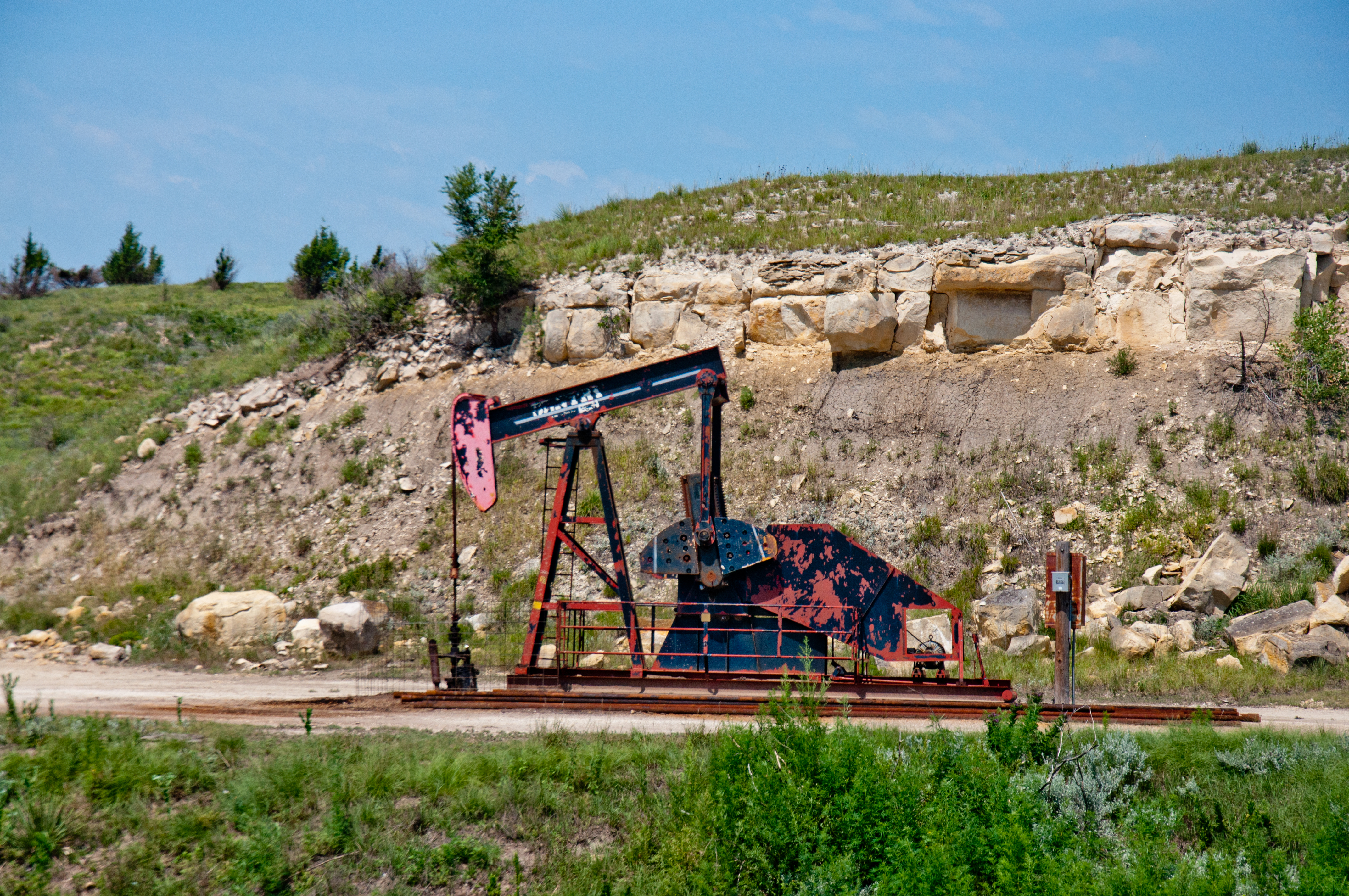
News from the Oil Patch, Sept. 10

BY JOHN P. TRETBAR

The weekly rig count from Independent Oil & Gas Service shows four active drilling rigs in eastern Kansas, down two from the week before, and 25 west of Wichita, up one. Drilling was underway at one lease in Barton County, one in Ellis County and one in Russell County. Baker Hughes reported 898 active drilling rigs across the U.S. Friday, down four oil rigs from a week earlier, and down two seeking natural gas. The count in Oklahoma was down five, Texas was down three, and North Dakota was up three.

Independent Oil & Gas Service reports 15 newly-completed wells across Kansas last week, 12 of them west of Wichita. Regulators approved 15 new drilling permits across state, eight of them east of Wichita, and seven in Western Kansas, including one in Barton County.

Kansas regulators report 94 new intent-to-drill notices across the state last month, down from 111 the month before and less than half the 236 intents reported in August of last year. The Kansas Corporation Commission reports seven new intents on file in Barton County, six in Ellis County and two in Stafford County. The year-to-date total is just 735 intents, compared to 1,303 intents through August of last year.

The U.S. Energy Information Administration reported domestic crude oil production dropped slightly from last week’s all-time record high. The government says U.S. producers pumped 12.354 million barrels per day for the week ending August 30, the second biggest weekly production total ever. That’s down 146,000 barrels from the record 12.5 million barrels produced the week before.

The government said U.S. commercial crude oil inventories dropped by 4.8 million barrels from the previous week to 423 million barrels, right at the five-year average for the time of year.

EIA reported a big increase in crude-oil imports, which were 976,000 barrels per day higher than last week at 6.9 million barrels per day. The four-week average is about 12.5% less than the same four-week period a year ago.

In its latest monthly crude-oil production report, the Energy Information Administration said U.S. operators produced 12.082 million barrels of crude oil in June, a slight drop from May’s total but more than 13% higher than the figure from June of last year. In Kansas, June production reached 92 million barrels, which is up two percent from the month before but down more than five percent from a year earlier.

Gasoline prices are up to a dime cheaper than last week in all but four states. AAA says two of those states saw rising prices because of Hurricane Dorian. Across Kansas, motorists are paying an average of $2.336 per gallon for regular gasoline, which is more than 12 cents cheaper than a month ago. The national average is $2.573. We spotted $2.21 a gallon at several locations in Hays and $2.17 across Great Bend. Your 15-gallon fill-up will cost nearly two dollars more than a month ago, but six dollars less than last year at this time.

Maturing debts in the Permian Basin are driving a spike in bankruptcy declarations. The Wall Street Journal reports that so far this year we’ve already nearly matched last year’s total of 28 producer bankruptcies. The Journal reports there’s still about nine billion dollars in notes set to mature through the rest of this year. According to S&P, there’s another $137 billion coming due between 2020 and 2022. Defaults are on the rise, as companies struggle to service debt, bring in new financing and refinance existing debt, according to the report.

Oil-by-rail continued to increase last month, despite a continuing decline in monthly numbers for all freight train traffic. The Association of American Railroads said that in August, eight of the 20 commodity categories they track saw increases compared with a year earlier. Leading the way was petroleum and petroleum products, which were up 7.8 percent. AAR Senior Vice President John T. Gray said total U.S. freight carloads have fallen on a year-over-year basis for seven straight months. AAR said petroleum rail traffic gained half a percent in the week ending August 31 compared to a year earlier. Oil-by-rail in Canada was up more than 12 percent.

Adams County, Colorado on Tuesday became that state’s first county to adopt new oil and gas regulations since the state passed a law that bolstered local control over fossil fuel development. Adams County Commissioners on Tuesday doubled the current setback limits, from 500 to 1,000 feet between oil and gas development and occupied buildings and homes. Operators can request exemptions, which would require a public hearing. The state’s largest oil and gas industry group calls the new county rules “unreasonable.” The Colorado Oil and Gas Association says they will hurt the more than 5,000 families who depend on oil and gas development.

The Interstate Oil and Gas Compact Commission, a group of energy-state regulators, has come out very loudly against the so-called “Green New Deal.” Chairman Wayne Christian of the Railroad Commission of Texas said Senator Bernie Sanders’ version of the environmental plan would cost $16.3 trillion and would cripple the Texas economy. Christian said “Over my dead body will I allow out-of-state forces to eliminate jobs, decrease state revenue, and increase the cost of living on the constituents I represent.” The Commission passed a resolution urging the federal government to reject the Green New Deal “…in the spirit of cooperative federalism.” They’re sending copies of the resolution to top administration and congressional officials to encourage them to oppose the Green New Deal and any substantially similar legislation.

Exxon Mobil is poised to drop out of the S&P 500 Index’s 10 biggest companies for the first time since the index’s inception some 90 years ago. According to data compiled by Bloomberg, Visa replaced Exxon as the 10th biggest member of the index Aug. 1 and two weeks later Procter & Gamble overtook the oil giant. The growth of technology giants like Facebook, Amazon and Microsoft over the past decade coincided with an energy slowdown caused by a global glut brought on by the shale revolution.

HAWVER: Kan. GOP’s challenge of separating Trump from state politics

Martin Hawver

This is starting to become interesting, just how effectively Kansas Republicans create a bright yellow line between federal elections and elections for members of the Kansas House and Kansas Senate.

The real issue, of course, is that Trump is president and would like to stay in that job for another four years. And his name will be on the top of the ballot next year with “R” behind his name.

Oh, and yes, he’s a dab divisive both within his adopted Republican Party and the nation in general. You can talk about that among yourselves…

While the Republican Party of Kansas needs to make re-electing Trump an issue of vital import for Kansas Republican voters, it also needs to separate that national posture from the job of maintaining its dominance in the Kansas Legislature.

That’s why the GOP primary races for the U.S. House and Senate are important to the party, but the real work for the party is here at home, within Kansas borders.

Practically, the state party doesn’t get involved in Kansas legislative GOP primary races, but at the federal level, say, choosing delegates for the Republican National Convention next year that will select the party’s presidential nominee, it’s going to be an all-Trump delegation that the state sends to Charlotte, N.C., next August.

The real issue here, and the real challenge here, is separating the party’s in-state duties from its national political stance. That is going to interesting to watch.

There are Kansas Republican legislators, of course, who are considerably more moderate than Trump, and probably weren’t among the 56.8 percent of Kansans who voted for him back in 2016… They are in that group that voted to expand Medicaid and who voted against the tax bill that Democrat Gov. Laura Kelly vetoed. Lots of Rs behind those votes.

Those are votes that were important to Kansas, but probably didn’t raise many eyebrows in the White House.

And while Republicans are seeing their Kansas Legislature grow more moderate on the state legislative level, the party’s support for Trump probably is the GOP’s biggest gift to Democrats.

Gift to Democrats? Yes, because after more than two years in office, it’s likely that it won’t take much work for them to describe those legislative candidates who are Republicans as “Trumpers.”

It would take some special legislation to allow Democrats to notch the ears of Republicans seeking legislative seats next year, but it won’t be hard for nearly every Democrat to put a bullet point on his/her palm cards to make sure that voters know that Republicans seeking a House or Senate seat are from the same party that Trump now leads.

Thinking that if Democrats come up with a reasonable middle-of-the- road candidate for President that they might see some gains in House and Senate seats in Kansas? Possibly. But just the name Trump at the top of the ballot is going to be a factor when you’re trying to decide whether your Kansas House or Senate member is going to vote for a new highway plan or possibly reduce the sales tax on groceries instead of paring income taxes for corporations with international revenues.

***

We may be looking at one of those years coming up in which Kansans make a sharp division between the folks we send off to Washington and those we send to Topeka for the winter. While Democrats’ best strategy is to probably turn every Republican into a Trumper, state legislative Republicans need to focus on their districts, the local issues that send them to Topeka.

We’ll see how that works out…

Syndicated by Hawver News Company LLC of Topeka; Martin Hawver is publisher of Hawver’s Capitol Report—to learn more about this nonpartisan statewide political news service, visit the website at www.hawvernews.com

CLINKSCALES: Being inspired – Jim Blume and DSNWK

Clinkscales
A few weeks ago I was invited to a luncheon. At the luncheon the featured speaker was Jim Blume, now living in the Denver area. He was in Hays, Kansas to help support the funding of the “Stronger Forever Together” campaign for Developmental Services of Northwest Kansas, Inc. (DSNWK). It was a fundraiser to ensure continued support for DSNWK. DSNWK provides services for those with intellectual and developmental disabilities, whether they are children or adults. They have been serving families in Northwest Kansas for over 50 years.

Jim was long associated with DSNWK, serving as its leader for many, many years. Jim eventually transitioned to a Deacon with the Catholic Church, and runs/works at a homeless shelter in Denver.

I knew Jim way back when. Many times I would see him working out at the gym. I always knew him as a good person and so I was more than willing to speak with him.

The day after the presentation in Hays, Jim dropped by my office. Jim has developed a real sense of his mortality, that his time on this earth is limited, that he wants to be sure that DSNWK will continue on its mission of service to those with intellectual and developmental disabilities, and that the program will survive long past his lifetime.

I do not know if I have ever experienced the closeness to a purpose as I felt with Jim Blume that day. He was one with his purpose. He was one with his God. He was on a mission. And he inspired me.

This is not intended to be an advertisement for DSNWK. It is a great organization that helps those that cannot help themselves. Many of its workers and supporters are 100% dedicated to helping families and many times are their only resources.

There are many other great organizations that are equally as important, with equally dedicated people.

Part of my law practice involves helping folks with their estate planning. Sometimes they consider setting aside a portion of their assets, even a small portion, for charitable purposes. That has become much more important to me now.

While such charitable purposes may have little impact on what your family receives, those charitable gifts can create a legacy for those in need for many, many years. With cuts to various government and healthcare programs, many charitable organizations will simply not survive without private assistance.

Jim Blume inspired me. He made me feel and see a higher purpose in my life and in my planning.

Whether it is DSNWK, or some other organization that is important to you, your donations can make a real impact on the lives of many. It just takes a little changing to your estate plan. Or it takes a little bit of re-directing your contributions now. Regardless, I hope you will consider supporting your favorite charities.

Randy Clinkscales of Clinkscales Elder Law Practice, PA, Hays, Kansas, is an elder care attorney, practicing in western Kansas. To contact him, please send an email to [email protected]. Disclaimer: The information in the column is for general information purposes and does not constitute legal advice. Each case is different and outcomes depend on the fact of each case and the then applicable law. For specific questions, you should contact a qualified attorney.

Exploring Outdoors Kansas: See you at the convention

Steve Gilliland
I have a question for all you outdoorsmen and women. Think back with me as to how you learned to enjoy the outdoors.

I doubt it suddenly just happened, so who was it that taught you deer hunters where to put a stand, and you turkey hunters how to sound like a lonely lovesick hen? Who showed you upland bird hunters how to harvest a cackling rooster in mid-flight and you waterfowlers how to correctly dress a limit of Canadian honkers? How did you trappers learn where to look for coyote sign and how do you fishermen know when and where to find slab crappies? Who helped you campers and hikers learn to appreciate a crackling campfire or a lonely wilderness trail? How do you outdoor photographers know how to quietly slip up on a grazing deer and her fawn? In short, who helped you learn these skills?

I learned trapping from Mr. Wolfe, a grizzled, soft-spoken old guy who trapped the creeks on our land before I was old enough to do so. I’ll always remember him stopping at the house and opening the trunk of the old dark Ford he drove to show me the muskrats, ‘coons and mink he’d caught. Eventually he let me go along, and I was hooked. I think he even helped me get my first traps. Some years later my brother started tagging along on my trap checks, and eventually dad’s pond became his to trap. We both learned to hunt deer from a neighbor guy who took us with him and a group of other area farmers on their annual neighborhood hunts. In fact my brother harvested his first deer before I did, and on my land!

My point to all this is that in most cases, someone else had a hand in all of us learning to enjoy and become proficient in the outdoor sports we choose to pursue. Years back I was given the opportunity to spend some time with an experienced local trapper and was able to learn from him by setting and removing practice snares in some of the actual spots he traps each winter.

I was honored he chose to share some of his wisdom and knowledge with me. Each year I help at the Kansas Fur Harvesters booth at the state fair, where I have the opportunity to pass along some of my enthusiasm for the sport of trapping to all who stop by. Numerous teachers and 4H leaders eagerly leave with educational packets put together to help them educate students about correct and ethical trapping, and telling the kids why fur harvesting is an essential tool in maintaining healthy populations of Kansas furbearers.

In this day and age, information is almost overly-available, and if you can’t find a You Tube video of what you want to know, you’re probably not searching correctly. But even with the wealth of digital and printed instructional materials, for my money the absolute best instruction about anything still comes from the hands of a real person.

A wonderful opportunity to hang out with trappers and learn from them firsthand is coming to McPherson Kansas this October, 2019 as the state trappers organization, the Kansas Fur Harvesters, bring their annual convention to the fairgrounds at 600 W. Woodside in McPherson. The event runs all day Friday October 4, all day Saturday October 5 and Sunday morning October 6.

Trapping supply venders from all across the country, including the major companies that put out the catalogs will be in attendance offering everything trappers need, often at special prices for the event. Friday and Saturday will be filled with trapping demonstrations by experienced trappers, some will be the guys that write the trapping books and make the trapping videos. These guys are walking encyclopedias for all things trapping and are happy to share that wealth with everybody that asks. Kids and novice trappers are always encouraged to hang out after each demonstration for one-on-one time with the presenters.

This event will also attract lots of “tail-gaters” selling and trading for everything from soup-to-nuts from the bed of their pickups. Used traps and equipment will also be in abundance. No better opportunity exists to glean firsthand knowledge from experienced outdoorsmen and women than to attend a convention of some sort. So see you at the Kansas Fur Harvesters 2019 convention October 4, 5 & 6 at the McPherson Fairgrounds, 600 W Woodside, McPherson, Kansas, 67460.

Check out the daily convention schedules at their website, www.kansasfurharvetsersassociation.com. Continue to Explore Kansas Outdoors.

Steve Gillilnd, Inman, can be contacted by email at [email protected].

INSIGHT KANSAS: Is the Third District in Kansas anymore?

Michael A. Smith is a Professor of Political Science at Emporia State University.
What lessons does the success of Congresswoman Sharice Davids hold for the rest of Kansas?

Davids became Kansas’ only Democrat in Congress after defeating incumbent Kevin Yoder by nearly ten points in 2018. Democrats had taken notice after Presidential candidate Hillary Clinton narrowly won this district in 2016. The Kansas City-area third district includes all of Johnson and Wyandotte Counties, and northern Miami County. In the 1990s and early 2000s, earlier versions of it were represented by moderate Democrat Dennis Moore.

Moore was a white, married, heterosexual male and a prominent local attorney. Davids is a self-described policy wonk, lesbian, Native American member of the Ho-Chunk nation, and former Mixed Martial Arts fighter. She defeated democratic socialist Brett Welder to win the Democratic nomination in 2018, then benefited from the anti-Trump sentiment that fed a nationwide “wave” election. Democrats, including many women, did particularly well in suburban districts, especially among college-educated female voters.

Since taking office, Davids has focused on quiet, policy-based leadership, a stark contrast with other newly-elected Democratic women like Alexandria Ocasio-Cortez, Rashida Tlaib and Iihan Omar. Locally, she has been“shadowing” workers in her district to learn more about their jobs. Davids is cautious, refusing to sign policies such as the Green New Deal and Medicare for All, arguing that they may not be in the best interest of her constituents.

Davids is smart to stay active and connected. Wave elections like 2018 are often followed by self-correcting ones, when many of the newly-elected officials are culled and the districts return to their original party leaning. For example, in 2010, Republicans won back the U.S. House largely by defeating Democrats who had been elected in 2006 and 2008, which had been good years for Democrats. Of 52 Democrats defeated in 2010, 22 had been elected just two years earlier, 11 more in 2006, and one in a 2009 special election. Republicans also won most open seats, and President Obama suffered the biggest setback of his presidency.

Two Republican challengers have already filed, both women. Amanda Adkins is a corporate executive who served in the Brownback Administration. Sarah Hart Weir is the former CEO of the National Down Syndrome Society.

These candidates may seek to differentiate themselves from national party leadership, but order to win the primary, they may still have promise tax cuts, criminalization of abortion, absolutist stances on gun rights and support for President Trump. This could help Davids, because issues like education, public health and “common sense gun legislation” now play better with many suburban voters than do the old Republican themes of “God, guns, and gays.”

If Davids survives 2020, her next big test will be redistricting after the 2020 Census. Presumably, the district will still center on Johnson County.

What does this mean for Kansas? First, Democrats are likely to retain their majority in the House, so it makes sense for the state to have representation there. Davids’ seat on the Transportation and Infrastructure Committee affects the trucking and aircraft industries so important to Kansas’ economy. Second, other urban and suburban districts in Kansas could eventually shift as well.

In 2018, Democrat Paul Davis nearly won in the 2nd district, winning its population centers of Topeka and Lawrence. In Wichita, the voters of Sedgwick County backed Sam Brownback in 2010 and 2014, but chose Laura Kelly over Kris Kobach last year. Most Kansans today live in metropolitan areas, and they are not immune from the political changes seen in similar communities around the country.

Michael A. Smith is a Professor of Political Science at Emporia State University.

CROSS: Opportunities for energy expectation connections

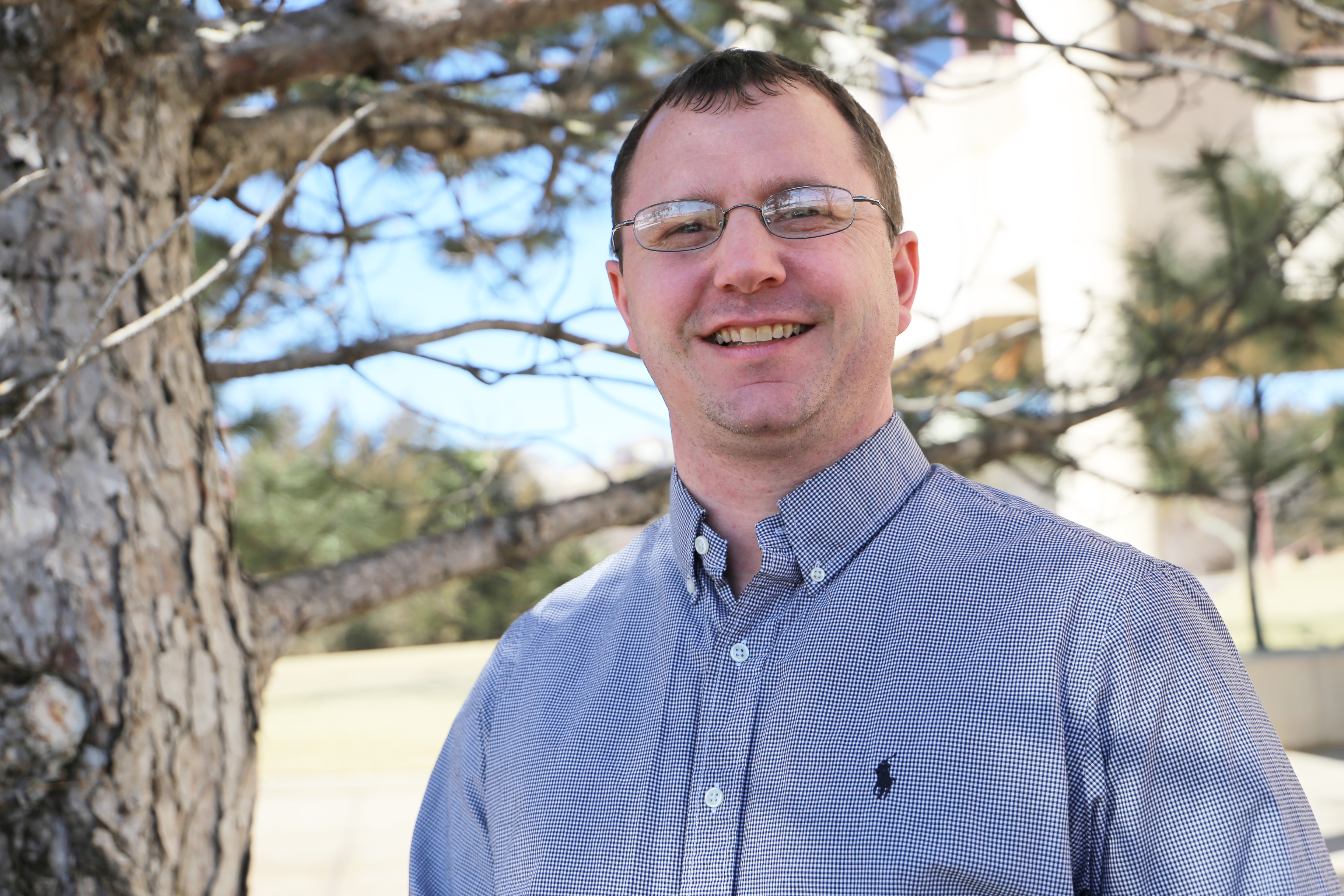
Edward Cross is president of the Kansas Independent Oil & Gas Association.

By EDWARD CROSS
Kansas Independent Oil & Gas Association

Energy matters – a lot. Throughout most of human history, global life expectancy was 30-35 years. In the last 200 years, global life expectancy has doubled. Extreme poverty has dropped from 90% of humanity to 10% and falling. The growth in human liberty and the dramatic increase in available energy are likely the two main catalysts for this tremendous progress.

Few doubt that energy has improved lives and enabled human progress. Yet one of the biggest challenges facing the world is the polarized debate over the future of energy. Facts and economics are too often replaced with assertions and emotions. Discussions about fossil fuels and alternative energy sources often degenerate into a battle to delegitimize the other side. This is a recipe for inaction. And it keeps billions of people trapped in energy poverty.

Energy at scale provides a critical foundation for economic development. A recent report from Wood Mackenzie, a reliable energy research and consultancy group, said fossil fuels will contribute about 85% of the world’s energy supply by 2040 and forecasts about 15% of global energy will come from carbon-free sources by then. In addition, nearly 100% of new energy demand is coming from emerging economies. Emerging economies need reliable affordable power, transportation fuels, and economic building blocks like industrial heat and fertilizers. All require oil and gas.

The oil and gas industry has done such a good job of creating abundant, affordable, always-available energy that the world takes it for granted. Energy is so woven into our daily lives that few question whether it will be there, or where it comes from.

Oil-based products are likely the first thing you touch at the beginning and end of each day, whether it is your alarm clock, television remote, cellphone, or even the toothpaste and toothbrush you use to brush your teeth. Those who wear makeup or synthetic fibers, such as polyester or nylon, are using or touching petroleum nearly 24 hours a day. As a key component in heart valves, seat belts, helmets, life vests, and even Kevlar, petroleum is saving tens of thousands of lives daily. Furthermore, oil and gas are key components in many medicines and antibiotics such as antiseptics, antihistamines, aspirin, and sulfa drugs.

We all expect our heat to run, gas stations to have fuel, and lights to never flicker – all at an affordable price. Around the world, billions of people are expecting a middle-class quality of life and its requisite available, affordable, reliable energy. None of this demand is going away soon. Because energy is so reliable and available, the public believes they no longer require it.

We all encounter this paradox anytime we engage in a conversation about energy and the environment. Some folks assume that we don’t need fossil fuels anymore. A stark example is anyone who wants to end oil and gas production while still benefitting from oil and gas based materials and fuels.

The oil and gas industry and general public have common ground. We both share a common desire to create prosperity globally.

There is a very real opportunity to create a stronger, more effective connection between oil and gas development and the public that allows us to work together on a common goal to create prosperity for people around the world.

Americans deserve the facts. And the fact is, history has disproved the false premise that economic growth and significant increases in energy production must, necessarily, come at the expense of environmental improvement.

While the oil and gas industry continues to address public concerns about important economic and environmental issues with accurate, fact-based, scientific information, we also recognize it is just as important to address big-issue visceral concerns with information that demonstrates how industry and companies care about people’s needs and concerns. Companies in the Kansas oil and gas industry understand responsibility comes through what we do and how we do it. For companies in the Kansas oil and gas industry, responsibility is an integral part of considerations and decisions.

The U.S. has a unique opportunity to show the world how energy abundance can be used as a positive force to lift people up. More than a billion people around the world face challenges for adequate food and education, clean water and protection from heat and cold due to a lack of access to energy. To rise out of poverty and enjoy health and safety, people need more energy, not less. We should all work together to ensure more people have access to safe, affordable, and reliable energy, no matter which state, nation, or continent they reside.

Edward Cross is president of the Kansas Independent Oil & Gas Association.

GOVERNOR KELLY: ‘We will finally expand Medicaid in Kansas in 2020’

Laura Kelly (D), Kansas Governor

OFFICE OF GOVERNOR

TOPEKA – The following remarks are from Kansas Governor Laura Kelly delivered Wednesday, September 4 at the press conference on Medicaid expansion:

“Good afternoon.

“It’s hard to believe, but in just four months, another legislative session will be upon us. Every legislative session offers its own unique set of challenges and opportunities, and 2020 will be no different.

“For the last several months I’ve been working with my administration to begin planning for the year ahead.

“Many of those plans are still in development, but one piece of my 2020 agenda is a certainty:

“I am going to do everything in my power to ensure this will be the year we will finally expand Medicaid in Kansas.

“When I traveled around the state last fall, Kansans made it clear that this is a high priority. They want as many Kansans as possible to have access to affordable, high-quality health care. They want our hospitals supported, and they want the jobs Medicaid expansion will bring.

“Medicaid expansion isn’t just a matter of smart health care policy. It is smart fiscal policy. It is smart economic policy. It is smart public policy.

“I’ve stood at this podium many times over the last year explaining why Medicaid expansion makes sense for Kansas. I won’t repeat those arguments again today.

“Instead, I’m here to talk about how we can finally bring this over the finish line.

“As you all are aware, I put forward a proposal to expand Medicaid on Kansas Day last year. I continue to believe that proposal was the simplest, most commonsense path forward – a plan that includes measures that promote self-sufficiency, a plan that includes safeguards to protect against exorbitant spending, and a plan that can be implemented effectively without undue costs or administrative burden.

“The House also took a position and passed a bill very similar to the one I offered, with very few amendments.

“And this fall, the Senate will finally begin its work on the interim committee to start drafting its own plan.

“This is finally a step in the right direction.

“But one thing concerns me as this work gets underway.

“Although Medicaid expansion has been at the top of voters’ minds for several years, the issue has received no formal committee review or vetting process in well over two years. Much has changed in that time, both federally and at the state level.

“For starters, we have a new President and, therefore, a new Centers for Medicare & Medicaid Services Administrator. The CMS administrator gets the final say on how states can amend their Medicaid systems.

“Obviously, we have a new governor, in addition to many recently-elected legislators who are diving into this issue for the first time. Several additional states have implemented expansion, with varying degrees of success, and an abundance of new data have been collected.

“The landscape has undeniably shifted. And the one benefit Kansas can leverage as a late-expansion state is the lessons learned from those who went before us. It is critical that we do this.

“To that end, today I will sign Executive Order 19-10, creating the Governor’s Council on Medicaid Expansion.

“The Council will bring together both new and veteran voices on Medicaid expansion and will be charged with supporting legislative efforts to find the best version of Medicaid expansion for Kansas.

“This Council will not develop or endorse new legislation. Rather, I’ve asked them to study the costs and benefits associated with expansion models in other states.

“It will be facilitated by a national, nonpartisan policy expert from the National Governors Association, and they will meet three times before the end of the year to explore these issues.

“By studying other state models for expansion, I am hoping we can avoid repeating some of the expensive, unnecessary mistakes made in other states.

“While I hope the Council will be able to identify 3 to 5 guideposts or goals for responsible expansion in Kansas, it will not develop new legislation.

“This Council will serve solely as an educational, transparent forum for public discussion, in a broader setting than can be achieved in an interim committee.

“These discussions will be an important supplement to legislative work that is already underway. The experiences of the 36 other states that already moved forward with expansion varied widely depending on what shape each state plan took – particularly in the early phases of implementation.

“That’s why this Council is necessary.

“We know not all models for expansion are created equal. We must carefully study other state approaches and outcomes so that our final Kansas plan balances our unique needs with evidence-based best practices.

“I want to thank every legislator, policy expert, advocate and community leader who has accepted our invitation. We want to hear everyone’s voice.

“We want a thorough, honest discussion.

“I am deeply committed to working with the Legislature to find a bipartisan solution. I want these Council members to ask the hard questions …  to come up with a plan that works for all Kansans.

“It’s the only way to get things done, and done right.

“Let’s work together to figure out how we can best serve Kansans, get them the access they need to affordable health care, and bring Kansas dollars back to Kansas.

“I look forward to collaborating with this Council and to, finally, bring Medicaid expansion to Kansas.”

Kansas Farm Bureau Insight: The Farm Bureau family

Greg Doering
By GREG DOERING
Kansas Farm Bureau

For John and Berna Mae Stegman, the recent loss of their son, Bernard, in an accident has brought heartache and grief. It’s also underscored the fact that family extends beyond kinship.

John was surprised by the number of cards, calls and visitors his family received from his connections made in Kansas Farm Bureau in the wake of Bernard’s death. The volume of condolences was almost overwhelming,

“I just want to thank all the people who took the time to send a card, give me a call or whatever,” John said.

Bernard didn’t just reside in Spearville, he helped cultivate a community there with his wife, Debra, and their three sons. Farming was all he ever wanted to do – so much so that he opted to stay close to home for college so he could work on the farm in the afternoons. He graduated from St. Mary of the Plains in Dodge City.

“His life was farming,” John said. “He started when he was a little guy saying, “‘I’m going to be your partner. I’m going to be your partner.’ We had probably 48 good years together – working together. It’s tough to lose someone like that. I know I’m not the only one that’s happened to.”

Under that partnership, the farming operation flourished from “a small acreage to a considerable size now,” in addition to growing a herd of registered Angus. Bernard also found the time to serve the Spearville community through his church, the local school board and professional groups.

Bernard also is the reason John was able to serve on Kansas Farm Bureau’s board of directors, representing 11 counties in southwest Kansas.

“I spent 20 years on that Farm Bureau board, and it was because Bernie was at home and he took care of everything when I wasn’t there,” John said. “He was just my best friend and my buddy. He knew everything about the farm.”

John’s tenure on the Farm Bureau board ended in 2010, but the connections are still strong.
“The amount of people you meet in 20 years is just unbelievable,” John said. “We get these cards from all over the state. We had some of the past directors come out (for the funeral). I didn’t get to see everybody because the church was full, the parish center was full.”

There are smaller injustices in Bernard’s death, like the new barn he’d recently completed, the culmination of years of work to make the farm as productive as possible.

“He just about had everything the way he wanted it, but he doesn’t get to enjoy it,” John said.

Instead, John said he’s going to embark on a new partnership with his three grandsons who all desire to be back on the farm.

“We’ll have to see if we can make this thing work so that everybody’s got some income – can make a decent living.”

With the numerous relationships John has built through Kansas Farm Bureau, there’s plenty of family standing by ready to help.

“Insight” is a weekly column published by Kansas Farm Bureau, the state’s largest farm organization whose mission is to strengthen agriculture and the lives of Kansans through advocacy, education and service.

News From the Oil Patch, Sept. 4

By JOHN P. TRETBAR

It’s been a roller-coaster ride for Kansas crude prices over the last year. Kansas Common Crude at CHS in McPherson dropped $1.75 on Friday to close out the month of August at $45.25 per barrel. That’s a dollar more than the price at the beginning of the month, nearly ten dollars more than at the beginning of the year, but nearly eighteen dollars LESS than the price at the end of August of last year.

In its latest monthly crude-oil production report, the Energy Information Administration said U.S. operators produced 12.082 million barrels of crude oil in June, a slight drop from May’s total but more than 13% higher than the figure from June of last year. In Kansas production in June reached 92 million barrels, which is up two percent from the month before but down more than five percent from a year earlier.

Regulators report 94 new intent-to-drill notices across the state last month, down from 111 the month before and less than half the 236 intents reported in August of last year. The Kansas Corporation Commission reports seven new intents on file in Barton County, six in Ellis County and two in Stafford County. The year-to-date total is just 735 intents, compared to 1,303 intents through August of last year.

Independent Oil & Gas Service reports spotty muddy conditions continue to slow down drilling-rig movement across parts of the state. The weekly rig count is down one in eastern Kansas and up one west of Wichita. Operators were about to spud one well in Ellis County, and drilling was underway on one lease in Barton County.

Baker Hughes reported a big drop in its weekly rotary rig count Friday. Across the nation there 904 active rigs, marking a decline of 12 oil rigs. Canada reports 150 active rigs, up eleven from the week before. The count in Texas down down five rigs. Oklahoma was down two, while North Dakota gained three rigs.

There are 24 new drilling permits across Kansas this week, six in eastern Kansas and 18 west of Wichita, including three in Barton County and one in Ellis County. The total so far this year of 649 new drilling permits.

Independent Oil & Gas Service reported 14 newly completed wells in Kansas last week including one in Barton County.. That’s 964 completions so far this year. There were three new completions east of Wichita and eleven in Western Kansas.

Quintana Energy Services announced last week it’s selling conventional operations in Kansas and Oklahoma to a Wichita firm, but will retain its extensive interests in horizontal wells and hydraulic fracturing in several of the nation’s biggest shale plays. Wichita-based oilfield service company Hurricane Services is paying $4.4 million for conventional operations located in Bartlesville, Oklahoma as well as Oakley, Ottawa, Thayer and El Dorado in Kansas.

The Nebraska Supreme Court gave its blessing to the latest route planned for the Keystone Pipeline expansion. The ruling paves the way for construction to begin, although opponents say the fight to stop the project is “far from over.” The pipeline faces other hurdles, including a federal lawsuit in Montana and ongoing opposition from Native American tribes in Nebraska and South Dakota.

Construction could begin soon on the TransMountain pipeline expansion, which would more than double the amount of heavy crude moved from Alberta to Canada’s Pacific coast. Work has restarted at the storage terminal where the pipeline terminates, and at a marine terminal where crude is loaded onto tankers.

Canada’s government has shuffled its energy regulators in a new law which went into effect last week The National Energy Board officially becomes the Canada Energy Regulator. The agency’s Web site promises improvements in decision-making, greater participation by the public and tribal interests, and improved safety and environmental protection.

Despite a decline in railroad freight traffic generally, oil-by-rail continues to show gains over last year at this time. The Association of American Railroads reports 12,212 tanker cars hauling petroleum and petroleum products during the week ending August 24. That’s up 7.8% compared to the same week last year. The year-to-date total is up more than 20% over last year. Total freight traffic by rail was down 6.5% last week.

Weekly reporting from the government shows record-high crude-oil production and a big drop in imports. U.S. crude production set an all-time record. The Energy Information Administration reports operators pumped 12.5 million barrels per day during the week ending August 23. That tops last week’s report by 161,000 barrels per day, and beats the previous all-time record (set May 31) by 122,000 barrels per day. The government also reported a dramatic drop in U.S. crude-oil imports, down about 1.3 million barrels to 5.9 million barrels per day. The four-week average is down more than 12 percent from the same four-week period last year.

Crude oil inventories are down ten million barrels in the latest weekly tally. EIA said total domestic stockpiles match the five-year seasonal average, at 427.8 million barrels.

Copyright Eagle Radio | FCC Public Files | EEO Public File