By JAMES BELL
Hays Post
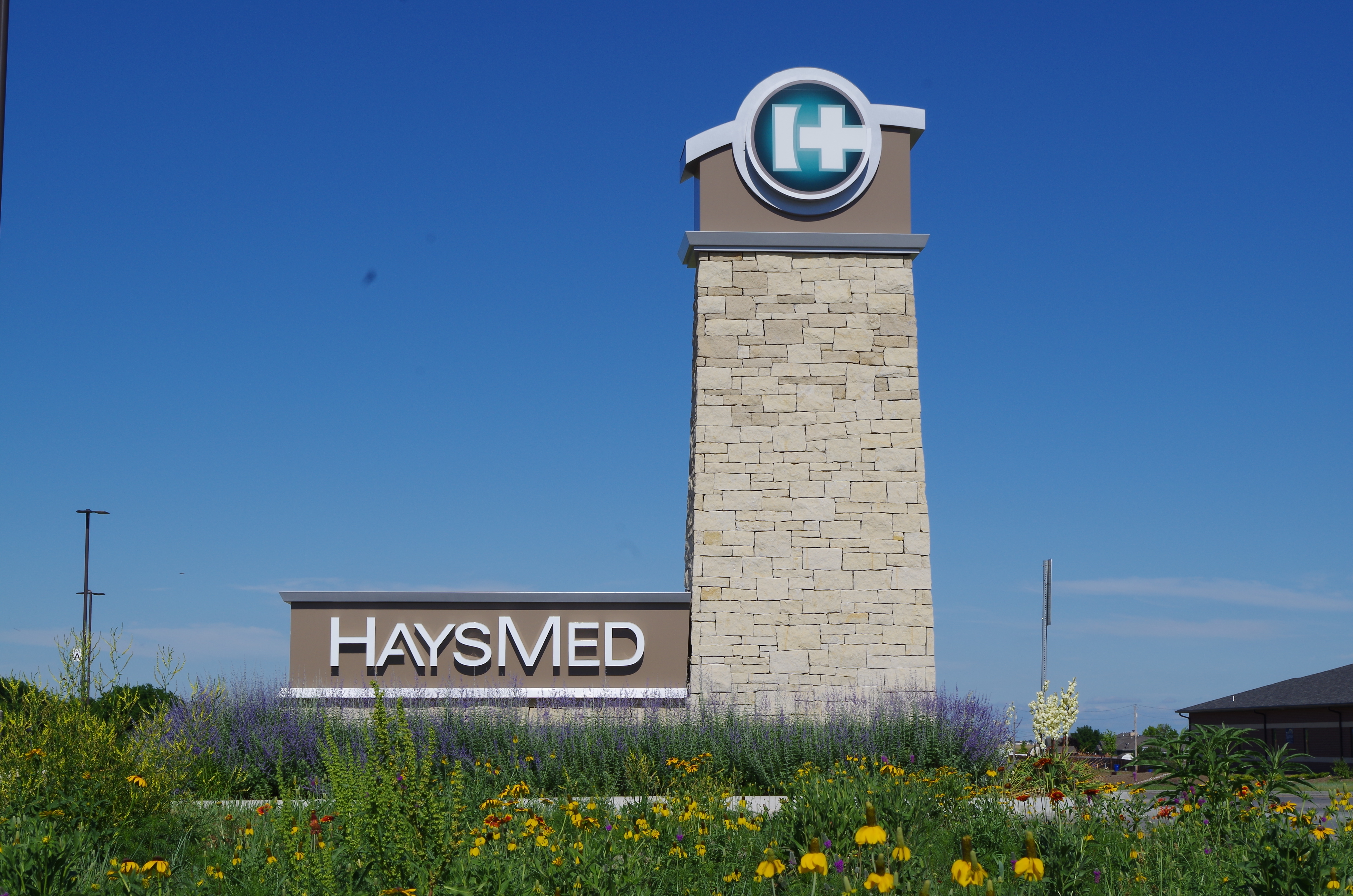
With the announcement Wednesday of the signing of a letter of intent to create a partnership between Hays Medical Center and the Kansas City-based University of Kansas Hospital, a variety of enhanced patient services could come to the area. But, for now, many of the details remain to be worked out between the two groups.
“We now have many, many more meetings to try to figure out what we can do with this, but the potential is just enormous,” said Dr. John Jeter, HaysMed president and CEO.
He noted the University of Kansas Hospital has experience with academic and urban care, while HaysMed has experience in rural care. He said the combination could benefit both hospitals as practitioners learn from one another. Smaller, local hospitals could benefit, as well.
“We’ve got a lot of issues to work through, but I think we’re really hopeful that, eventually, this is going to benefit anybody out here that wants to be involved,” Jeter said.
The partnership, Jeter said, will also allow HaysMed to stay relevant in the light of rapidly changing health care, and will likely create growth for the hospital.
“It allows HaysMed to bring patient care and quality to a level that we could not accomplish by ourselves,” he said.
While details are likely months away, Jeter outlined some of the tenets included with the letter of intent, with a plan to execute the agreement in early 2017.
RELATED: FAQ on HaysMed, University of Kansas Hospital partnership.
The partnership will be directed by an operations council made up of both organizations, but CEOs at both organizations will stay in place and staff will remain currently employed by their organizations.
Jeter believes they will continue to do business as HaysMed, but likely will include wording to include the part of the University of Kansas Health System.
“We are proud of our name. We think we have a good reputation. We want to keep it and that is part of the agreement,” Jeter said.
In the short term, he said HaysMed will start to see leading edge developments that happen at an academic medical center come to Hays quicker than they would otherwise.
“I think we should be able to provide more cutting-edge technology, much quicker here in the next couple of years,” Jeter said.
He also said the partnership will assist in physician recruitment and retention and will help grow the HaysMed brand.
In the next two to five years, Jeter said the agreement will likely add to the menu of services available at HaysMed and, with an eye even farther out, he said the partnership will help support rapid changes to the health care system.
“This is probably the best opportunity we have to make sure that this institution continues to remain relevant,” he said.
Just the signing of the agreement, however, brought a lot of excitement about the prospects of the venture.
“Now that this is official, I think everybody is getting excited,” Jeter said.
Before signing the agreement, HaysMed looked at partnerships with other hospital systems, but the University of Kansas Hospital was the best fit.
“One of the things important to our board is that we affiliated with a Kansas-based company,” Jeter said.
The University of Kansas Hospital is a privately owned company that meets that requirement, and he pointed out that the relationship is not with the university the hospital shares its name with.
“This is not the University of Kansas that this relationship is with — it is the University of Kansas Hospital, which is seperate from the university,” Jeter said.
The foundations of the partnership began after the two hospitals worked together on a government award.
Jeter said during that process the hospitals “worked exceptionally well as one team.”
The partnership will create the Univeristy of Kansas Health System and, in the future, Jeter said other hospitals might join the system. But, for now, the focus is on developing the partnership with HaysMed.
The system includes the two hospitals and HaysMed will officially be a part of the system end of day Dec. 31.
“Our goal is to provide the kind of help for communities so they can be and stay healthy,” Jeter said.






















 By BECKY KISER