We have a brand new updated website! Click here to check it out!

Chris Brown wins HERO Sports fan choice D2 Football Coach of the Year Vote

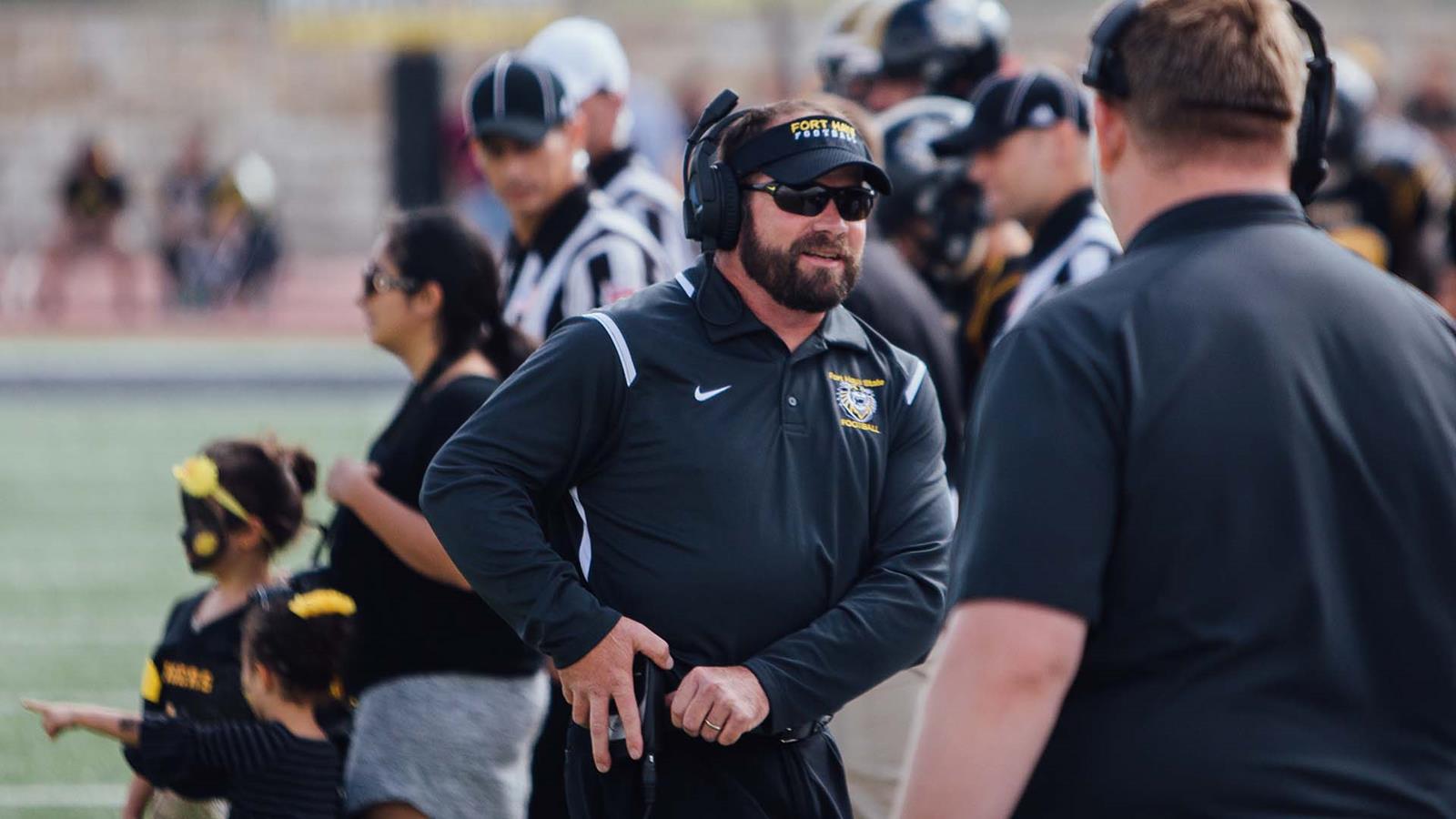
With strong support of fans across the country via social media, Fort Hays State Football Head Coach Chris Brown won the HERO Sports Fan Vote for 2017 D2 Football Coach of the Year. Brown was one of eight coaches chosen for consideration in the voting process.

Brown collected 2,896 votes in the poll, topping Brett Gilliland of West Alabama with 2,082 votes. Brown and Gilliland were the only two coaches in the poll to receive more than 1,000 votes.

Courtesy FHSU Athletics / Jared Tadlock

Brown guided Fort Hays State to double digit wins for the first time in school history as the Tigers finished 11-1 overall, which included a perfect 11-0 regular season. The Tigers grabbed the No. 1 seed in Super Region 3 of the NCAA Playoffs and earned the MIAA Championship. The playoff appearance and conference championship were both firsts since 1995. The Tigers ranked as high as No. 4 in the nation in the final regular season AFCA Poll, also a new program best.

Das Essen Hutte — The Eatin’ Shack — offers German favorites at mall

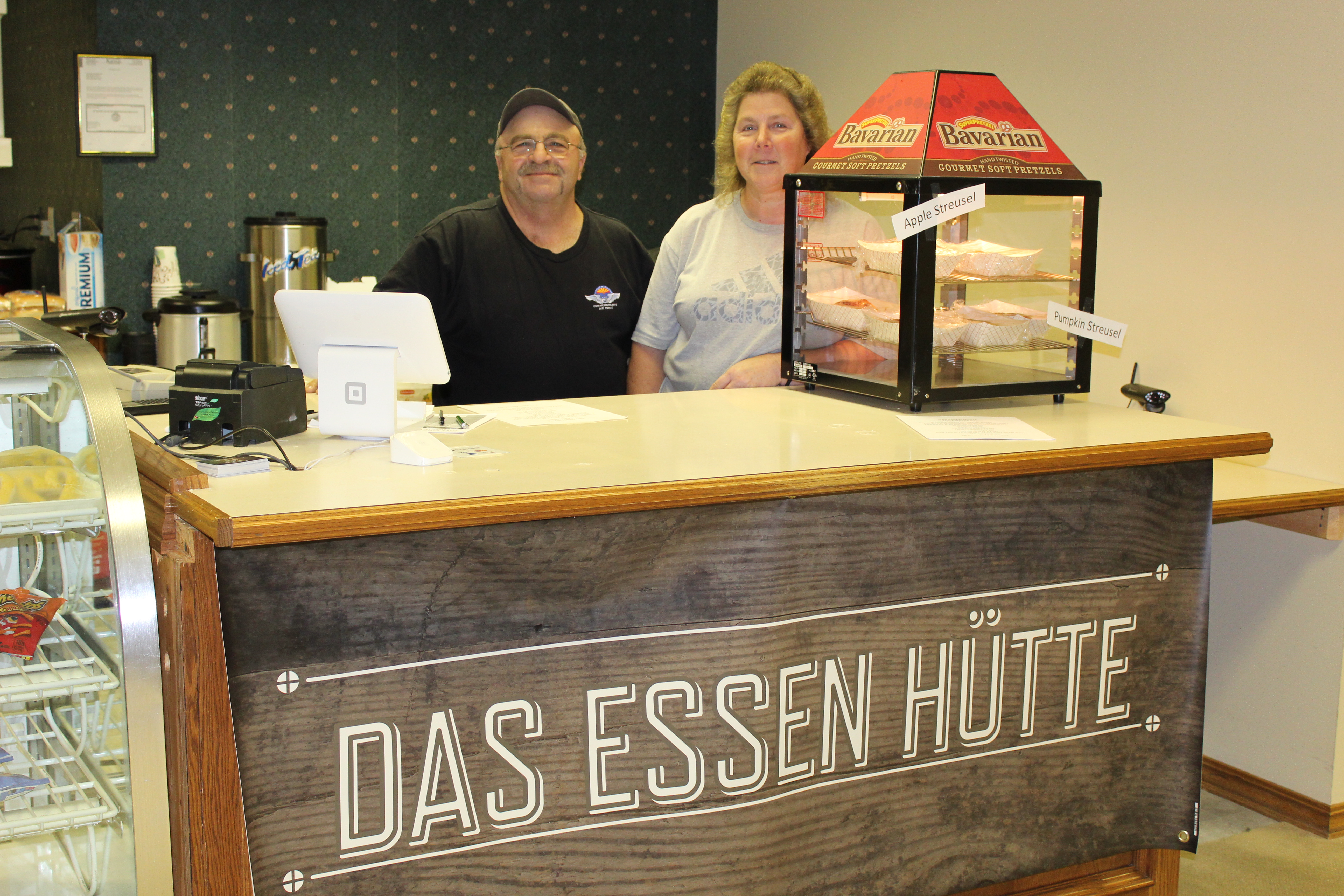
Charlie and Roxane Dorzweiler are the owners of the new German restaurant Das Essen Hutte — The Eatin’ Shack at Big Creek Crossing.

By CRISTINA JANNEY
Hays Post

A family who has been making German favorites for years in the Hays area has opened a restaurant at Big Creek Crossing.

Charlie, 57, and Roxane, 53, Dorzweiler dubbed their new restaurant Das Essen Hutte, which is German for The Eatin’ Shack. Both husband and wife are of German heritage. Charlie grew up near Catharine and Roxane grew up in Hays. The couple lives on a farm outside of Catherine. Roxane is working at the restaurant full time, but Charlie also works for Ellis County EMS.

The restaurant, which opened a week ago on Friday, is open 11 to 8 p.m. Mondays through Saturdays and noon to 6 p.m. Sundays.

Food is definitely a family affair. Their daughter owns JD’s Chicken, and back in the early 2000s, the couple owned the restaurant and bar, Old West Chuckwagon in Hays.

The couple who have done catering and cooked for Hays’ Oktoberfest for years, will offer items including bierocks, which Roxane makes from scratch, including the dough; bratwurst, which Charlie makes from scratch; and other homemade German favorites including green bean dumpling soup, chicken and noodles, noodles and beans, and reubens.

Das Essen Hutte is located on the south end of Big Creek Crossing around the corner from Snow Cone Express.

Charlie said the food the couples serves at the Hutte are traditional foods he ate and prepared with his father and grandparents when he was a kid.

The couple also makes fresh-baked items, including streusel, cinnamon rolls and heart cookies. New items are being added daily and will likely include spitzbuben cookies, barbecue, pork brisket, galuskies (cabbage rolls with hamburger and rice), cupcakes, cakes and homemade chicken noodle soup.

The couple thought about setting up in the mall concourse just for the holidays. However, that option gave them limited access to electricity. After talking with Big Creek Crossing, they decided to take a storefront on the south side of the mall around the corner from Snow Cone Express.

A homemade cinnamon roll, heart cookies and streusel at Das Essen Hutte at Big Creek Crossing.

The Dorzweilers had to do some modifications to their new location, including electrical work, as well as pass a restaurant inspection. The couple signed a short-term lease, but would like to build enough support for a permanent restaurant.

Although there is healthy contingent of German families in Hays, there aren’t a lot of German restaurants, and Charlie explained why.

“There is a lot of time in making it,” he said. “That is why there are not a lot of people having it.”

The restaurant has seating for about 30, but you also can carry out, including individual orders and soups and noodles by the quart and bierocks by the dozen. The couple will still cater for the holidays, including  whole roasters of green bean dumpling soup.

The couples also has a produce business, Dorzweiler Produce. They sell produce, such as watermelons, cantaloupes and potatoes. They have sold out of the Orscheln’s farmer’s market in Hays and to local nursing homes, restaurants and grocery stores.

Photography exhibit a highlight of Winter Art Walk

By CRISTINA JANNEY
Hays Post

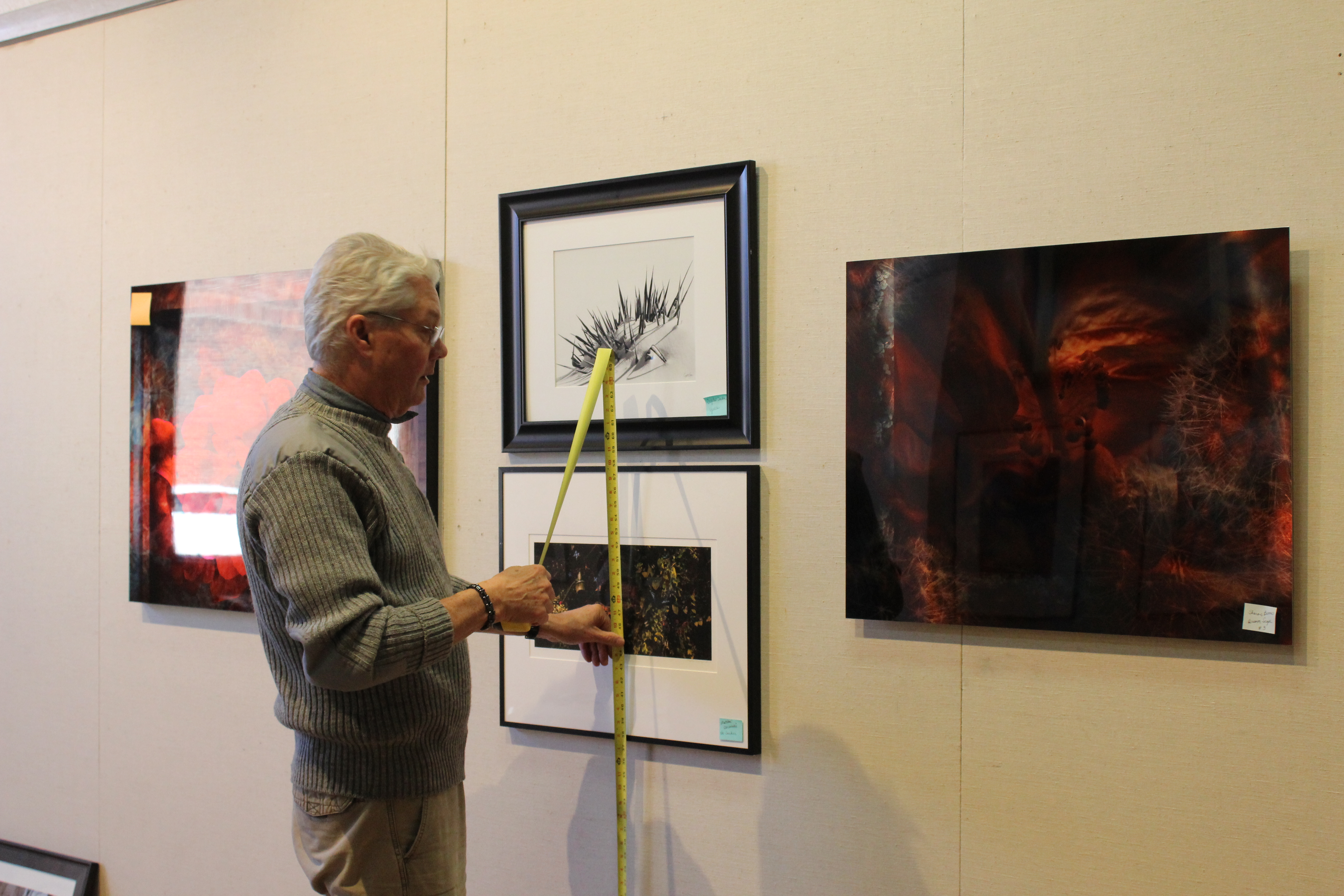
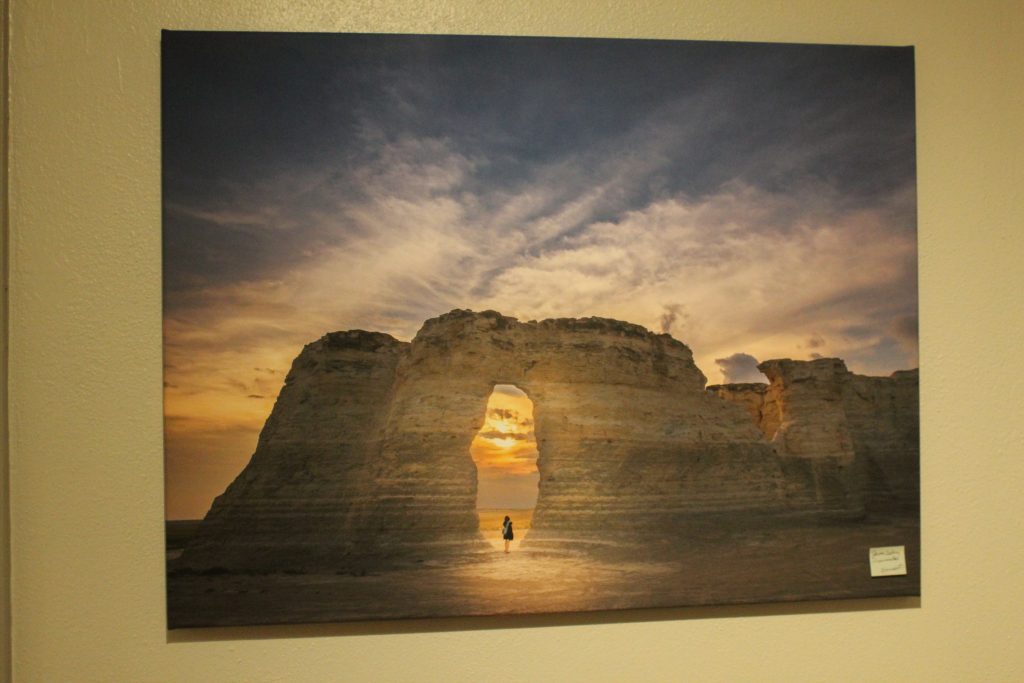
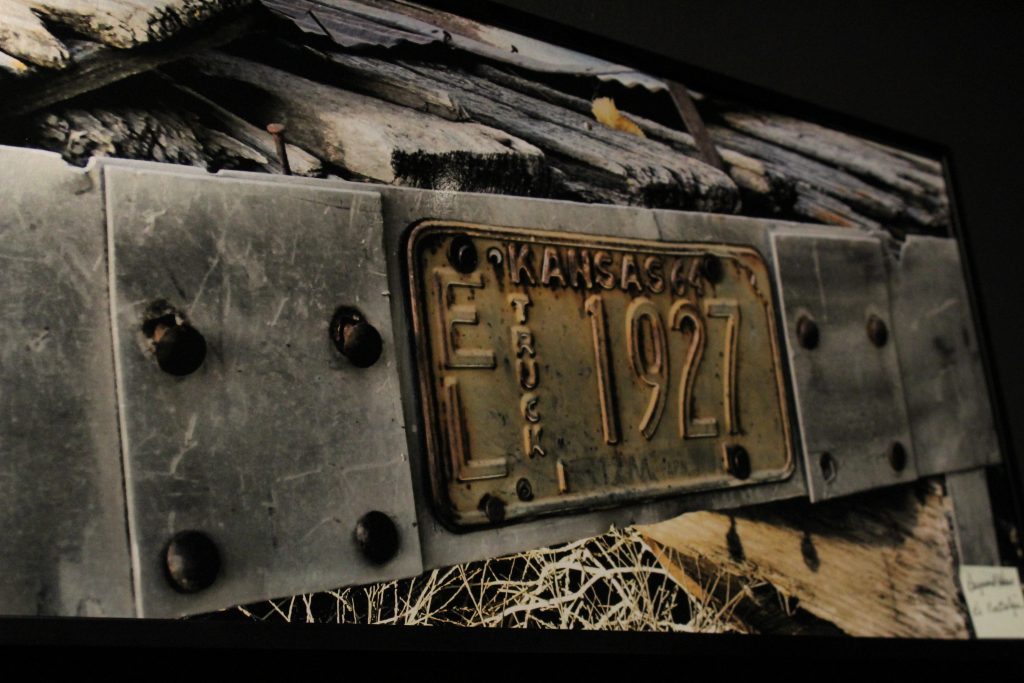
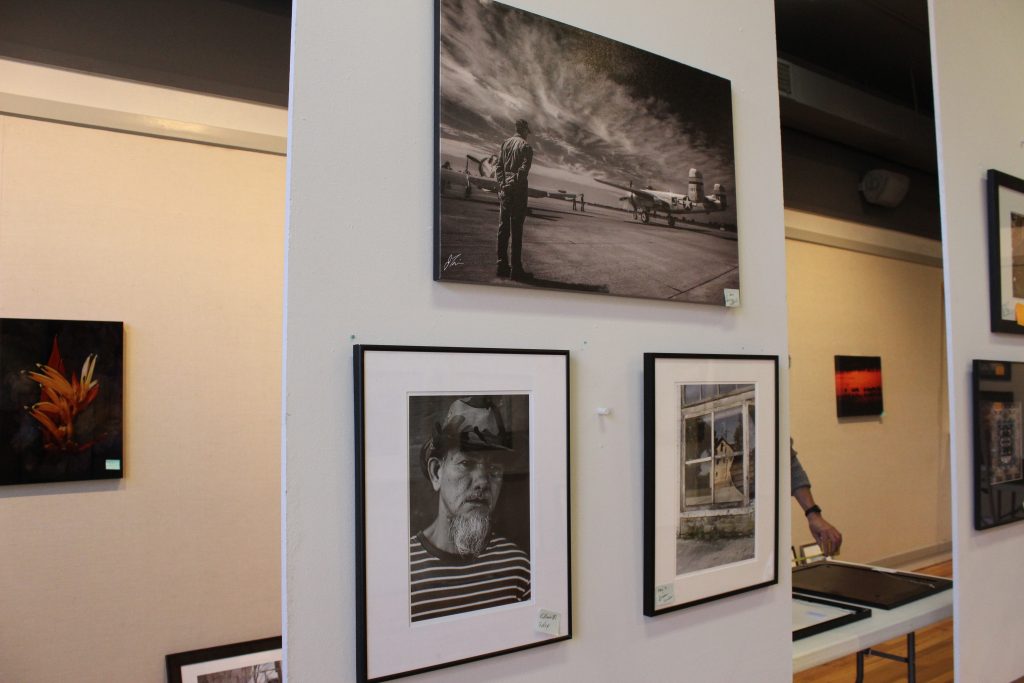
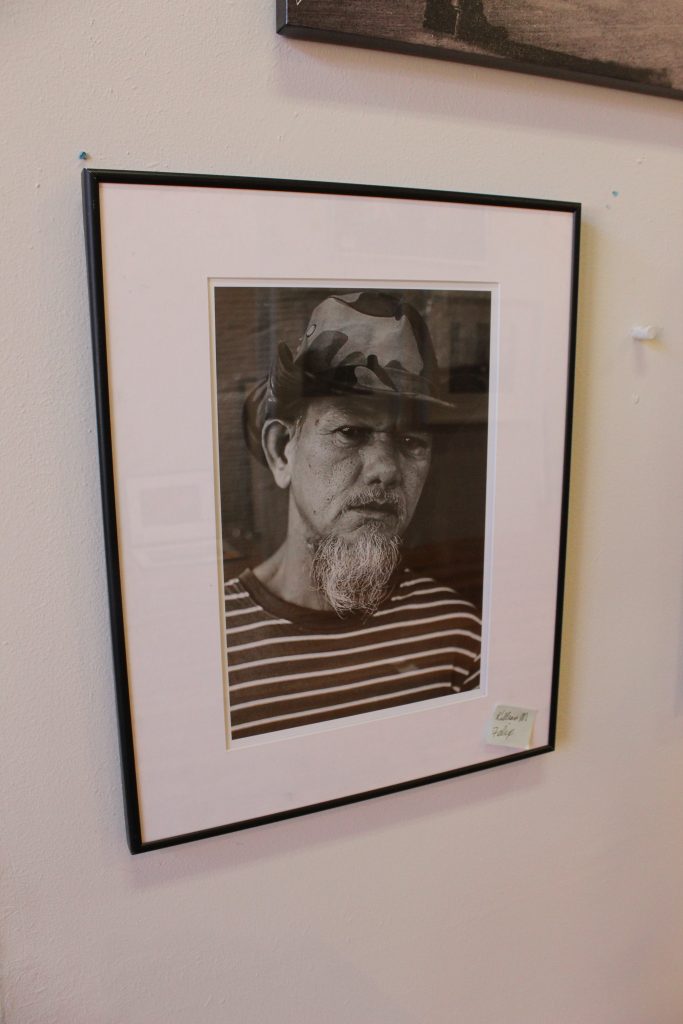
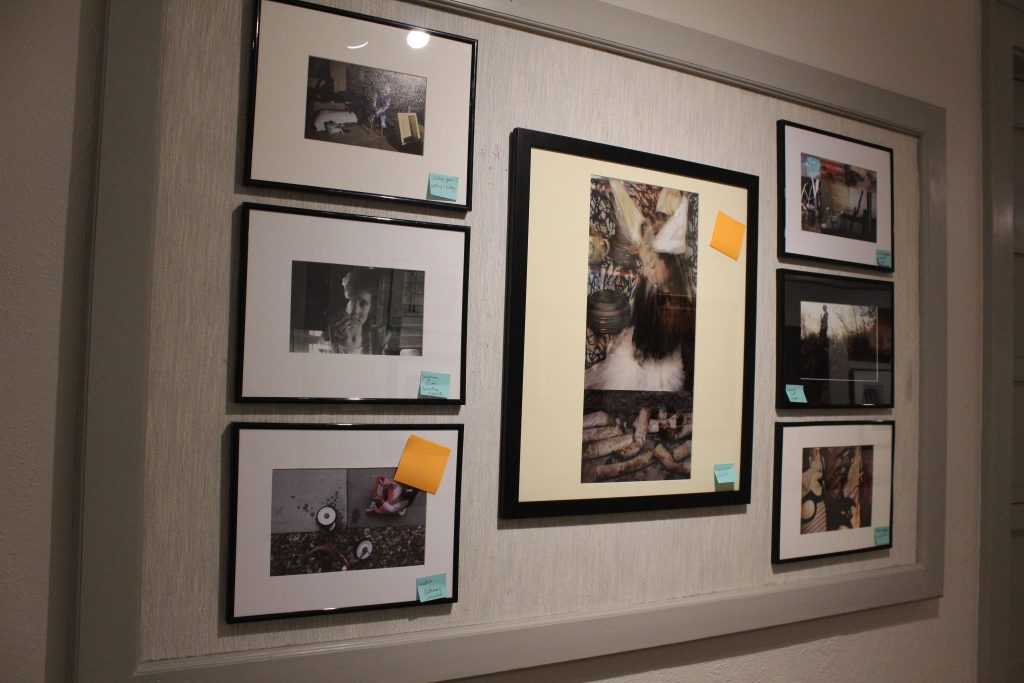
More than 150 photographs will be displayed starting Friday as a part of the 34th annual Five State Photography Exhibition at the Hays Art Council.

The exhibition is the anchor of the this year’s Winter Art Walk, which will run from 7 to 9 p.m.

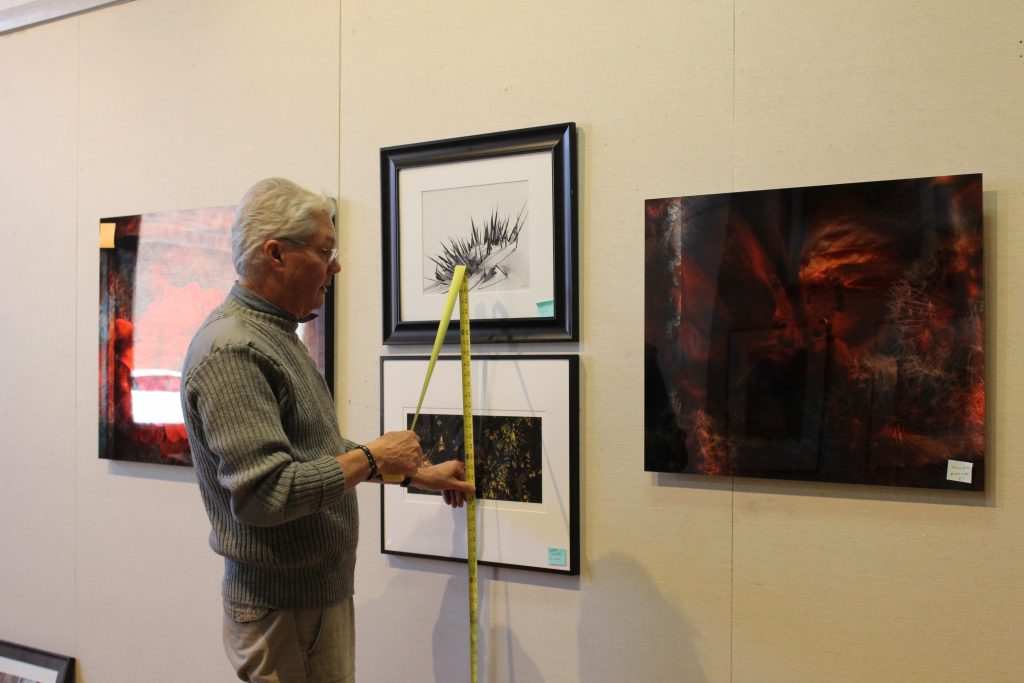
Artists entered 352 photographs that were narrowed to 154 final pieces for the exhibit. Brenda Meder, council director, said the council takes a unique approach to juroring the exhibit. All of the submitted photographs are displayed at the art center and John Finch, this year’s juror, removed pieces from the exhibit until there were as many images left as would fit on the art center’s walls.

Finch is a longtime photographer, who has retired from his studio to focus on wildlife photography.

“It is multi-faceted, rich and diverse as it every has been,” Meder said, “so I am thrilled at what we ended up with.”

There were three categories of entries: nature, people and open. Cash awards were given for the top pieces in each category. Another 12 pieces were honored with non-cash juror’s merit recognition awards.

Those artists selected for the show represent all five states that the competition draws from. It includes both photographers as young as high school to seasoned professionals. The range in the art itself also is quite diverse.

“It is about an artist’s style. Some artists’ styles are more representational and realistic and maybe more illustrative or detailed. That might be their style,” Meder said. “This is an art exhibition. It is just the medium is photography. Some people look at that and say, ‘Is that really a photograph?’ Its basis is in photography. Photography is light writing.”

Meder said there are pieces in the exhibition that don’t look anything like a traditional photograph.

“This is an art exhibit where the medium of artistic presentation happens to be photography,” she said.

She added this show pushes the boundaries of photography.

“Photography can be a respected, creative art form,” she said. “It is not just about the technical and I went someplace and caught a real cool thing on my 15-megapixel camera. What did you do with it? What was your point of view? What is your unique perspective that is different from what someone else’s would have been if they had standing there next to you with their 15-megapixel camera phone?”

There will be many other offerings for the Art Walk on Friday night.

Lauren Wright will have her own photography exhibit at the Hays Public Library. In addition, Sean Conroy will sign copies of his book, “Through the Eyes of a Young Physician Assistant” in the lobby, and Schu’s Crew Daycare will have a children’s art exhibition on the second floor.

The Niche will host the creation of a community mural on canvas.

There will be a variety of opportunities to listen to music downtown Friday night. The Hays Community Theater will have music by the Ellis Junior Honor Choir. There will be a Christmas tree lighting and caroling at the Union Pacific Plaza from 5 to 7 p.m. The Ellis County Historical Society will host the Crossroads choir and Wayne and Tammy Lang as a part of its Merry Christmas Memories from the Fifties. Finally “Broken Root” will perform American folk music from 9 to 11 p.m. at Gella’s Diner.

A complete schedule of events is below.

Winter Art Walk

Children’s production of ‘A Charlie Brown Christmas’ set for this weekend

By CRISTINA JANNEY
Hays Post

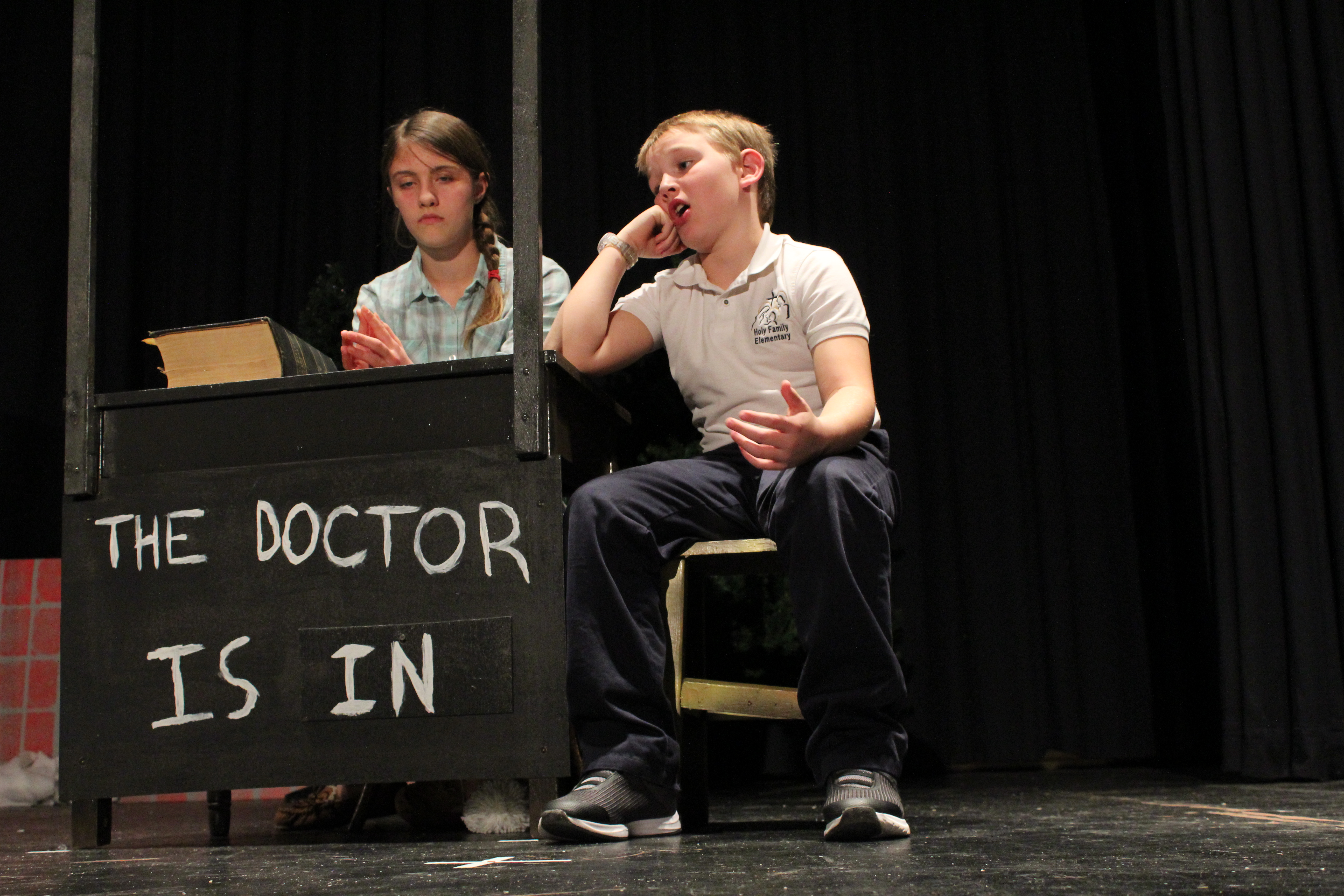
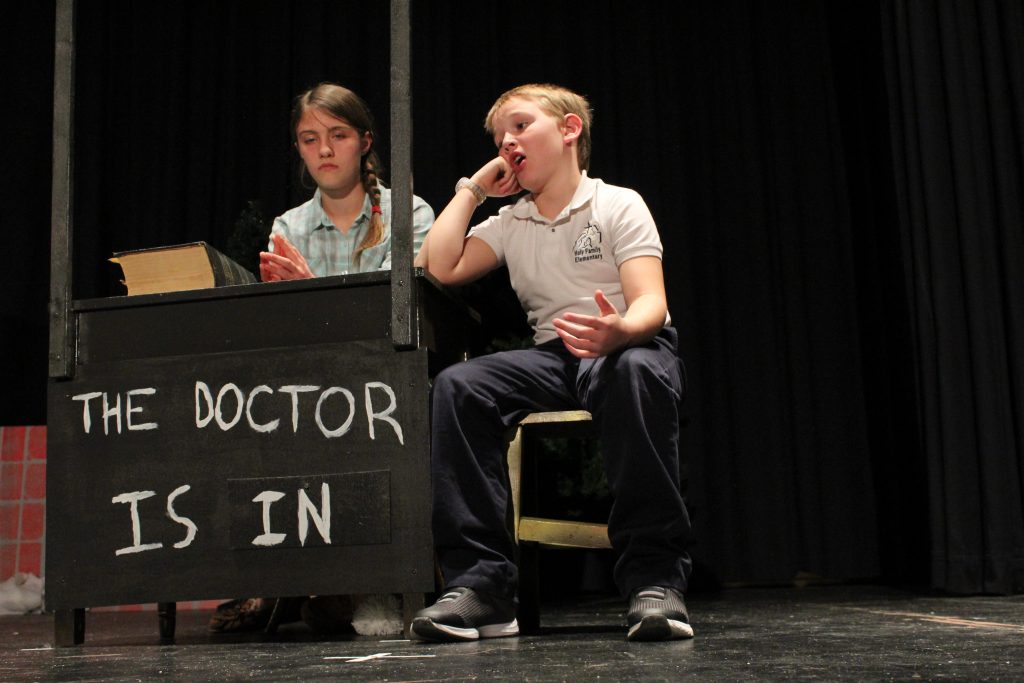
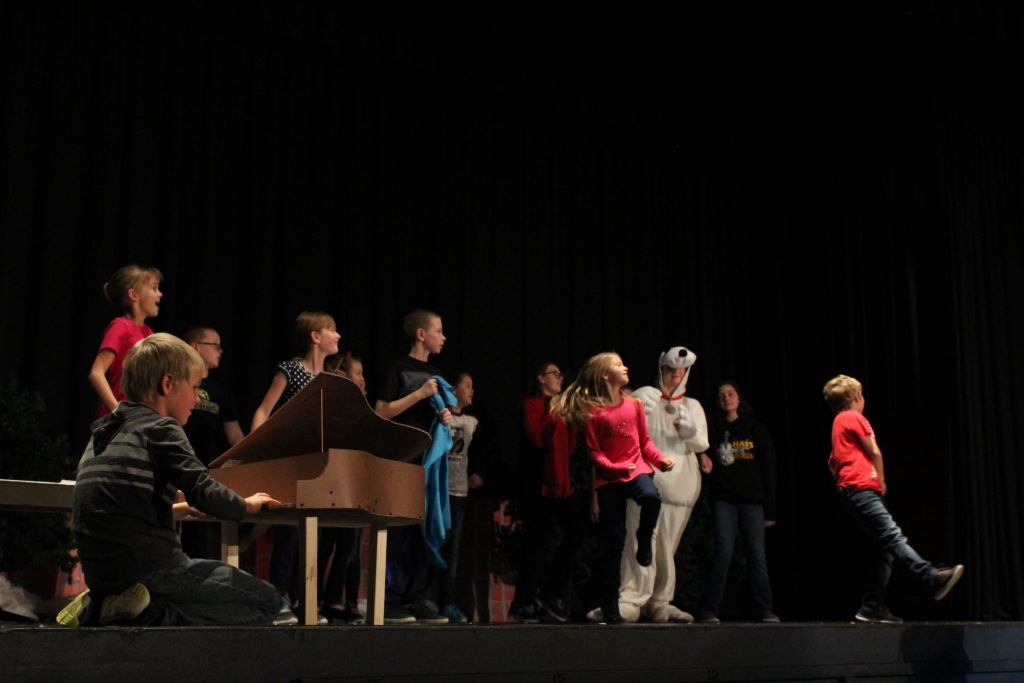
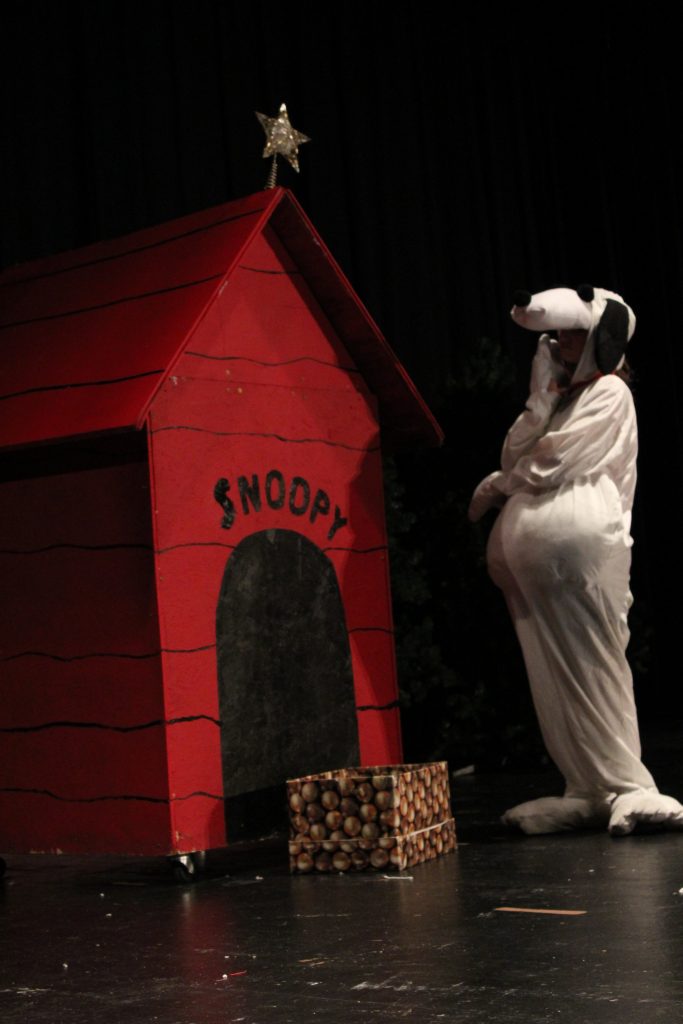
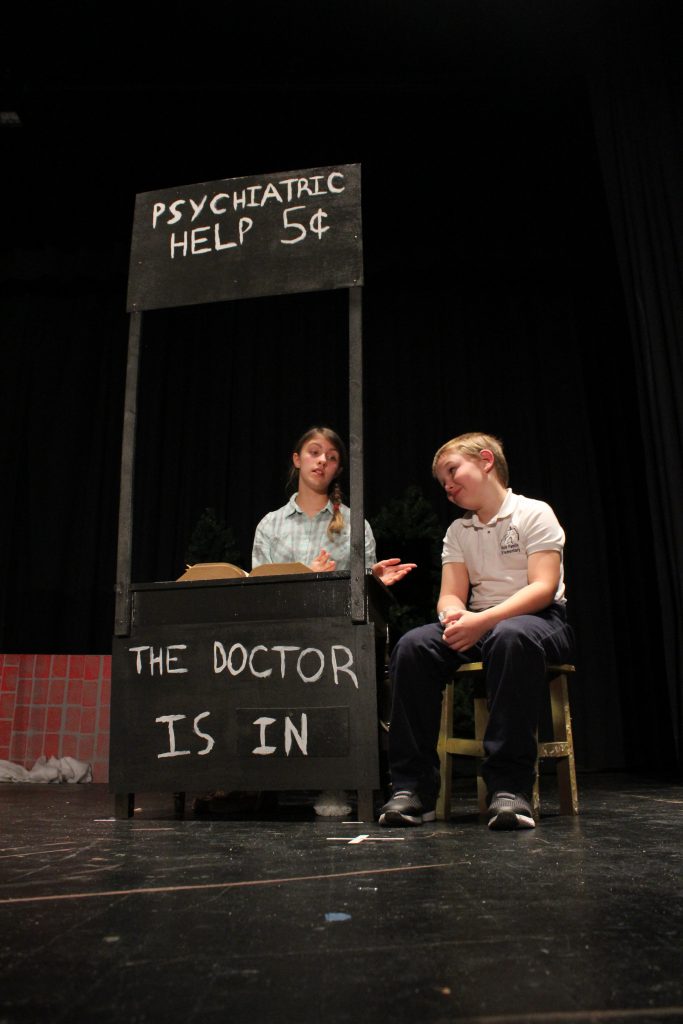
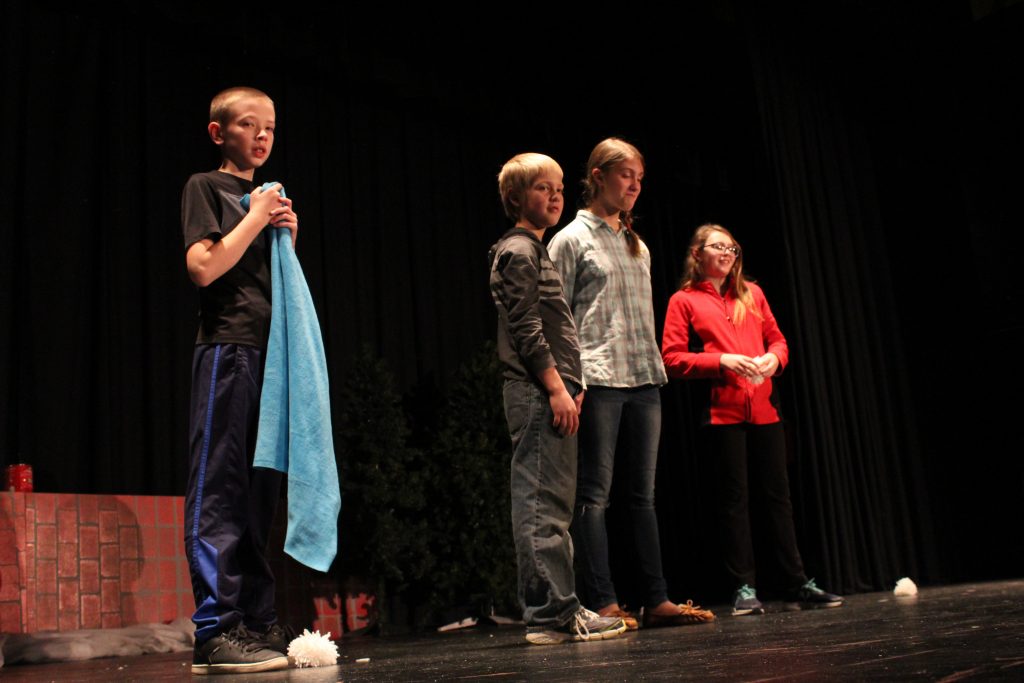
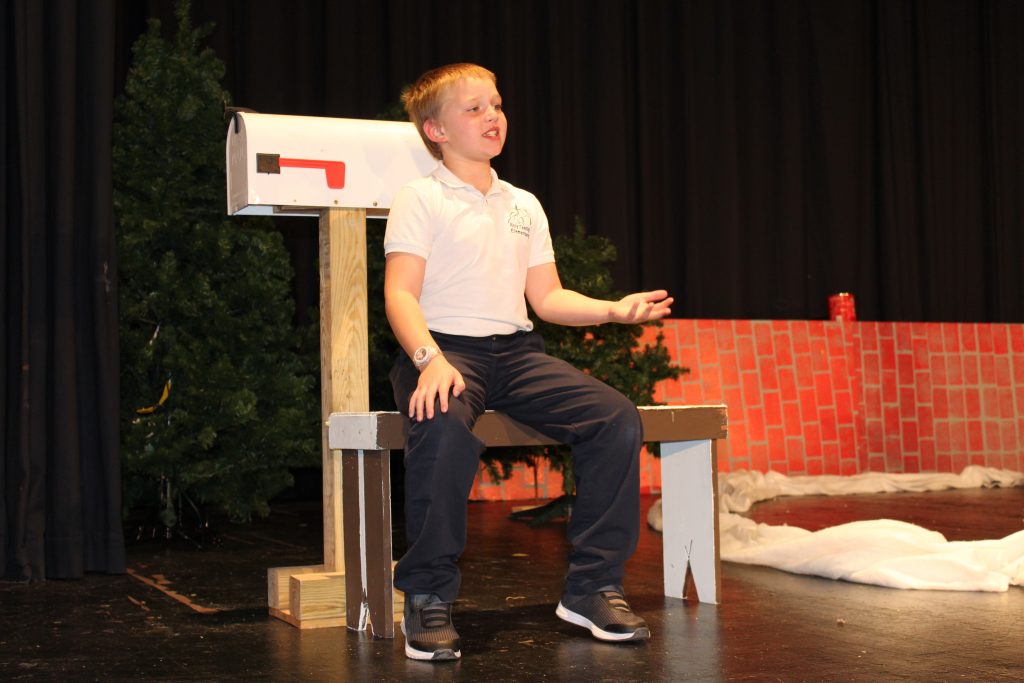
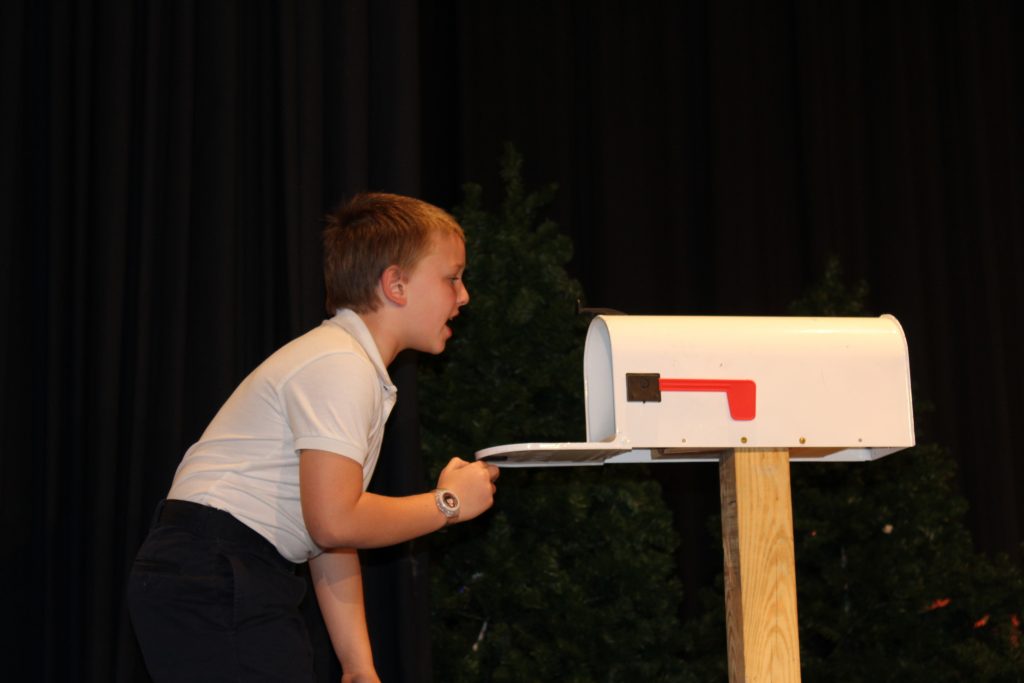
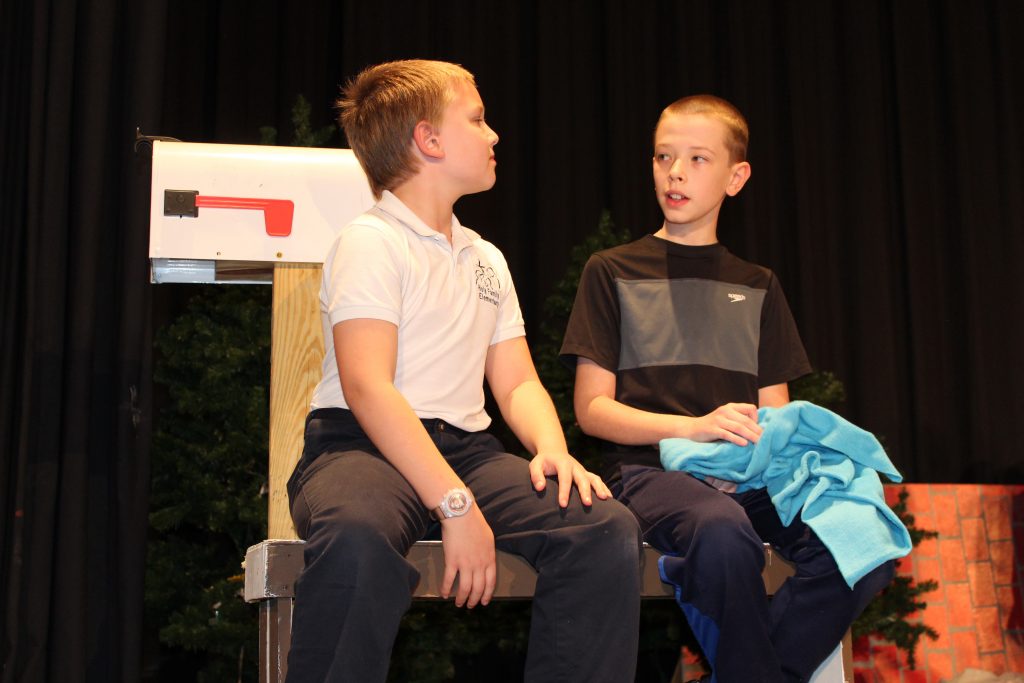
Paula Huser Children’s Theatre of Hays will present “A Charlie Brown Christmas” this weekend at the 12th Street Auditorium.

Show times will be 7 p.m. Friday and Saturday and 3 p.m. Sunday. Cost of admission is $5 and a food donation for the local food pantry. Tickets can be purchased at the door or online at www.hctks.com.

The Paula Huser Children’s Theatre is an annual production that showcases child actors ages 7-14. Older students are mentored as directors and to manage lights and costumes.

Come the night of the shows, the students will take over managing the show, including assistant director Dylan Werth. Werth is a junior at Thomas More Prep-Marian and most recently played Jack in the TMP production of “Into the Woods.”

Werth also has been involved in Hays Community Theatre for two years, which he became acquainted with through his aunt Wendy Richmeier, who is directing the play.

“It is very difficult with children, since they are all new and have never been directed before, but the thing that keeps me coming around is to make a foundation for the children so if they want to keep coming back and performing they have a place to do it,” Werth said.

Richmeier explained why the Hays Community Theatre board chose “A Charlie Brown Christmas.”

“It’s short. It is only an hour or so long. It is a lot of fun. It is one that everybody of all ages of the community will know,” she said.

This show is based on the 1965 Charlie Brown Christmas special that has been broadcast for years on television, complete with music and dancing.

The program had 58 children audition, and the program did not want to cut anyone, so it split the production into two companies — an A and B cast. There are 11 speaking parts and the rest of the children sing and play extras. The casts will alternate nights of production.

Richmeier said she has enjoyed working with children, but there have been challenges. Many of the children have never been on stage before and never taken direction.

“It’s a lot of fun,” she said. “We have a lot of new blood.”

Richmeier encouraged the public to attend the show.

“We would just like to invite everybody down to come see what the kids have put together. Come see your favorite childhood classic that has been on TV for years” she said. “This is ‘A Charlie Brown Christmas’ just like on TV.”

Would you give up your car to Uber to work in a flying car? Maybe in the future

By CRISTINA JANNEY
Hays Post

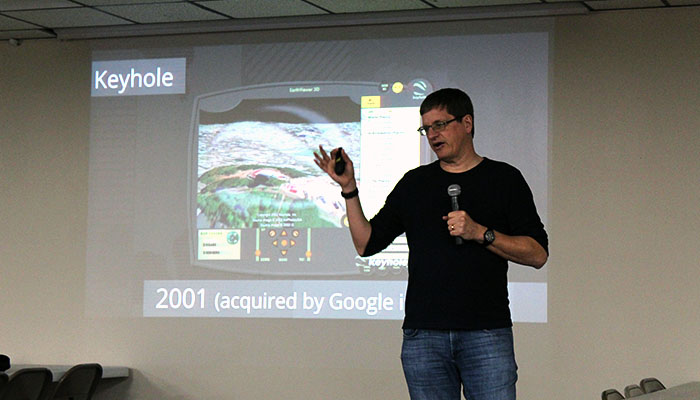
A former Google vice president and technical professional for Uber told a group at Hays High School on Tuesday that in the not-so-distant future few people will own cars and we will be riding flying cars to work.

Brian McClendon of the University of Kansas and a Kansas native, created the startup that later became Google Earth. Before taking a position at KU, his alma mater, McClendon was working on mapping technology for Uber.

“Maps can change the way the world interacts,” McClendon said.

After years working on mapping technology for Google, McClendon made a move in 2015 to Uber because he said he saw ways to practically impact the world.

Personal transportation is a $5 trillion industry, but vehicles are parked 95 percent of the time. Ride sharing increases a vehicle’s efficiency from about 4 percent to 25 percent. Self-driving vehicles, which several companies are working on, could increase vehicle use to 60 percent.

As prices for riding sharing decrease, it is going to be more financially efficient for people, especially commuters in metro areas, to use ride share instead of owning their own vehicles. Right now, a person who commutes 5,000 miles per year would be better off using ride share than owning a car. When commuters share rides from companies such as Uber in a carpool situation, they can save money even if they commute 10,000 miles per year.

McClendon said there will eventually be a point that no one will need to own cars. It might be 20 years from now, but that time is coming, he said.

Ride share is also a likely route for the introduction of flying cars, McClendon said. The models being explored now by Airbus and other companies would look more like quadcopter drones. This would give the vehicles the ability to take off from a small space vertically and then redirect their blades to move horizontally at up to 200 mph. These vehicles have a range of about 200 miles at present.

Dubai is projected to have the service by 2020, but it will likely take longer to implement in the U.S. because of FFA requirements for flight plans and management. Flying cars could be in the air in the U.S. in 10 to 20 years.

Mapping is important to autonomous vehicles because of the detail needed for maneuvering. Companies seeking to move into this realm are using Lidar, which is a survey method that uses pulsed lasers.

This technology is a far cry from what McClendon used on his mapping startup, Keyhole, in 2001.

McClendon had been working on graphic computers that were used in motion pictures. In the ’90s, graphics computers were huge, had low computing power and cost upwards of $250,000. Movie producers for films such as “Terminator 2,” “The Abyss” or “Jurassic Park” might use five to 10 minutes of computer-generated graphics in a movie because they were so costly. Today almost every second of a major motion picture has been augmented by computer-generated graphics.

Keyhole was a paid mapping service. It sprung to prominence when CNN bought into the service and used it repeatedly in the coverage of the Iraq War.

Google bought the company in 2004, and it was ultimately renamed Google Earth. Today, there have been more than 2 billion downloads from Google Earth.

In 2007, Street View was launched in five cities. A van, costing about $250,000, drove streets taking pictures of cityscapes. This first incarnation was inefficient and expensive, McClendon said. One person drove, and another person took notes on street names and sometimes took photos.

More efficient Street View equipment was developed until Google had 99 percent of the U.S. covered. This was combined with aerial views, GPS and other map data to create better maps.

Google was trying to use Street View photos to pinpoint exact addresses. However, the addresses in photos had to be confirmed by two human employees. This was time-consuming and costly. Google turned to the public for help. It used “Are you a robot?” questions to confirm data. Software would use a known image to confirm it was dealing with a human and then ask the person to confirm the numbers of an address in a photo.

Technology has now advanced beyond the need for human confirmation. Programmers can teach machines to recognize images in large data sets using machine learning. You can take a set of known images with numbers like the Google addresses and teach the computer to recognize images of numbers using this confirmed data.

McClendon said this type of technology could be used to replace radiologists. With 98 percent accuracy, a computer could be more accurate than two human radiologists in detecting cancer in X-rays

Even Google, however, can be wrong. In 2010, a mistake on Google Maps started a war. Nicaragua invaded Costa Rica over a misdrawn border on Google Maps. The incorrect map information had come from the U.S. State Department, and Google quickly corrected it. The Nicaraguans occupied a sandbar for a short time, but eventually pulled their troops out.

“It is not all about the maps and the data,” he said. “It is about the story we tell on top of the maps. We base maps on human nature, and it matters what is on top of them.”

In 2007, during the genocide in Darfur, humanitarians used Google Maps to show George W. Bush the burned-out homes and huts in a large area in Sudan, illustrating the genocide in the region was much more widespread than initially reported.

The information prompted the president to take action the next day in the region.

This is an image of what augmented reality might look like.

Today, interactive images of our world are being used in virtual reality to make games and virtual experiences more appealing. However, McClendon said he saw VR eventually moving into augmented reality. This use of technology would use a pair of glasses. Digital images would be superimposed over the image of the real world.

This application could be used for driving directions, to help city workers find water lines, help you find a nearby coffee shop or an apartment to rent.

McClendon encouraged students to consider computer technology in their studies, adding every profession can be enhanced by technology.

He gave the example of three Kansas startups that are reaching into the future today.

C2FO in Shawnee Mission is developing a system that would allow companies to process accounts receivables and payables between each other more quickly. The technology could save the business world $4 trillion.

EVOKE, which was developed at KU, created an electronic device that helps patients undergoing spinal fusions heal in three to six weeks instead of three to nine months.

Just Play Sports, also a company coming out of KU, developed a program to help football and basketball players learn plays faster through quizzes and videos created specifically for their positions. It is being used by KU basketball, two NBA teams and another 97 teams across the nation.

Minority students discuss living on mostly white campus, community

By CRISTINA JANNEY
Hays Post

Fort Hays State University was the recent host of a statewide Kansas Board of Regents conference on diversity. Provost Jeff Briggs at the time highlighted the importance of diversity on the FHSU campus.

Hays Post asked average minority students about their daily experiences going to school on a mostly white campus and living in a mostly white community. Two African American students and one Hispanic student agreed to speak to us for this story.

For Taquala Bowls and Lyndel Chery, who both who came from metro areas, Hays was a culture shock.

They came from communities where they were surrounded by many peers of other races and being black was “no big deal” to a campus with a student population of only 4 percent African Americans and a community that is only 1 percent African American.

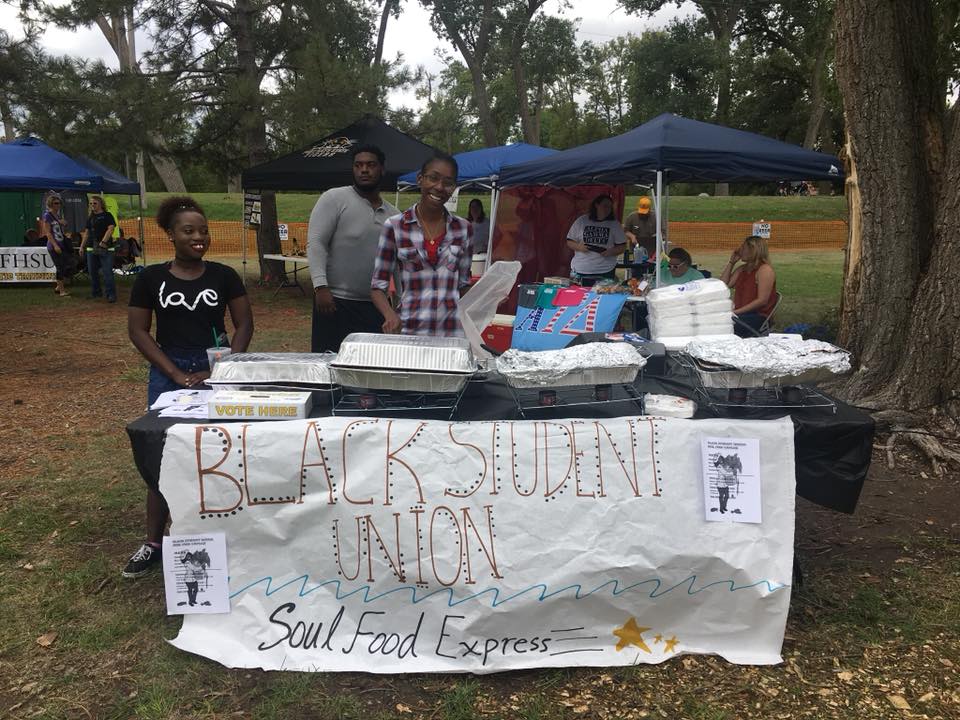
Bowls, junior in nursing, is from Kansas City and is the president of the Black Student Union, and Chery, junior in biology, is a member of BSU from Wichita.

The students say racism on campus and the community is not overt, but for non-white students there are feelings of isolation and undertones of racism. It can be tough going to what they call a PWI, predominantly white institution.

The signs of the racial divide can be subtle — someone stares at you when you are at a store or moves away from you on the street.

“You never know how people feel about you,” Bowls said. “You can see it on people’s faces. I can be in Walmart and everybody’s eyes are on me. You feel that tension and you know that it is because of your skin color. I came into Hays knowing that, but it is not something that I am supposed to be used to. I am supposed to be able to walk into anywhere and be comfortable and not get looks. It is basically the world we are in today.”

Chery said she knew what she was getting into coming to a small community in western Kansas to go to college, yet she said she can’t help but feel frustrated.

“It is still really aggravating,” Chery said. “I am a student just like you. I am here. I work. I work hard. I am doing everything that you are doing. Can’t you just look at me as a human being? That is what I am and what I want you to treat me as.”

During a shopping trip in Hays, Chery said she had her first experience with racial profiling. A checker stopped to look in her bag, because she said Chery had not scanned one of her items.

In the cities where the young women are from, groups of people from different races interact and smile at each other at stores and restaurants. In Hays, a whole room full of people will stare, they said.

“Me being African American, I know that,” Bowls said. “Since I know that, I am going to work harder to show people they have something to look at — that I am not the typical black girl.”

Both young women said they felt singled out in class when the issue of race comes up in discussion because often they are the only student of color in the class.

“You are like the token black person or the token Hispanic or Asian,” Chery said.

Fellow students are not only uninformed about black history and culture, but they don’t understand simple facts of life about living as a black woman, the students said. They said they are asked about their hair and their skin tone. It might be well-meaning, but the students said the questions make them feel awkward.

“Even when I talk to someone who is not my same race,” Bowls said, “I am always going to think about what I am saying to them to make sure I don’t hurt them, because I know how it feels, especially to be Hays. That is what Hays did to me. It made me look at somebody for their self. Sometimes we talk and we don’t realize we hurt their feelings. …

“I feel like being in Hays benefits me, because it shows me how to work with people who don’t come from the same place.”

Chery and Bowls said they see a difference in how they are treated on campus compared to off campus. Chery said she feels as if students are on the their best behavior on campus, but when they are at home or going out on the town, the behavior is different. She has heard the “N” word used in the community.

Bowls’ neighbor has a confederate flag on the back of his truck. She said she isn’t scared, but she always wonders who might be sitting next to her in class. Is it someone who will want to be a friend or will it be someone who hates her for her skin color?

Bowls said she hoped the Black Student Union could be somewhere students could feel like themselves, no matter what race they are. She said the group, which only has about nine members, has struggled to bring black students together. It seems as if they are all in competition with each other, which makes life on campus even more lonely.

“I have an apartment here and everything, and I still can’t call Hays home,” Bowls said. “The community doesn’t make me feel like it is home.”

The campus does not have a black sorority or fraternity. Chery said she didn’t feel comfortable pledging to a white sorority. She said the university could do more to enhance life for minority students on campus and added she felt as if many of the activities on campus were geared toward white students.

The experiences of other students may not be the same.

Jessica Rodriguez, a 20-year Hispanic student in the DACA program at FHSU, said coming to Hays was also a culture shock for her, but she said she felt very supported and accepted by FHSU faculty.

Seven percent of the FHSU population is Hispanic, and 4.7 percent of the population of Hays is Hispanic.

She said one of her most difficult adjustments was coming from Liberal where she was immersed in a Hispanic, Spanish-speaking sub-culture to Hays, where she was definitely in the minority.

“It was hard to find people to relate to,” she said.

Rodriguez, a business major, founded Dreamers United for Success, which now has 15 members.

Taylor Kriley, FHSU director of inclusion and diversity excellence, did not wish to answer the students’ specific issues, but said she works with students, faculty, staff and administrators to evaluate, explore and establish strategies to increase access, knowledge and support for the university’s underrepresented populations.

She pointed to such FHSU programs as Inclusion and Diversity Excellence Advisory (I.D.E.A.) Faculty/Staff Team and student team, which was created this year to evaluate and give guidance to goal creation for the institution. 

The university’s Coffee and Conversations and Novels for Hope Diversity Book Club are additional opportunities for the campus to engage in discussions and provide feedback. Furthermore, the continued development of the university’s Hispanic College Institute assists juniors and seniors in high school with their transition and success in college.

Additionally, within the division of Student Affairs, FHSU supports its first generation and diverse student populations through its Golden Beginnings program.

“I believe it is vital for us to continue to build educational experiences for our campus to cultivate an environment accepting of all people. Furthermore, we are working with Hays community partners to build initiatives to bridge acceptance from campus into our community,” Kriley said in a written statement.

Asian American students make up an even smaller portion of FHSU and the city of Hays.

The demographics of FHSU are 1 percent Asian; and 25 percent international students. The remaining 3 percent are Native American, Alaskan, Hawaiian or other.

As of the 2010 census, the racial makeup of the Hays was 92.8 percent white, 1.1 percent African American, 0.3 percent American Indian, 1.8 percent Asian, 2.1 percent from other races, and 1.8 percent from two or more races. Hispanics and Latinos of any race were 4.7 percent of the population.

Kansas as a whole and the United States have significantly higher rates racial diversity.

In 2016, African Americans made up 6.2 percent of the Kansas population, and Hispanics made up 11.6 percent of the Kansas population. Nationally, African Americans make up 13.3 percent of the population, and Hispanics make up 17.8 percent of the population.
FHSU, Hays USD 489 create program to help teachers earn master’s degrees

By CRISTINA JANNEY

Hays Post

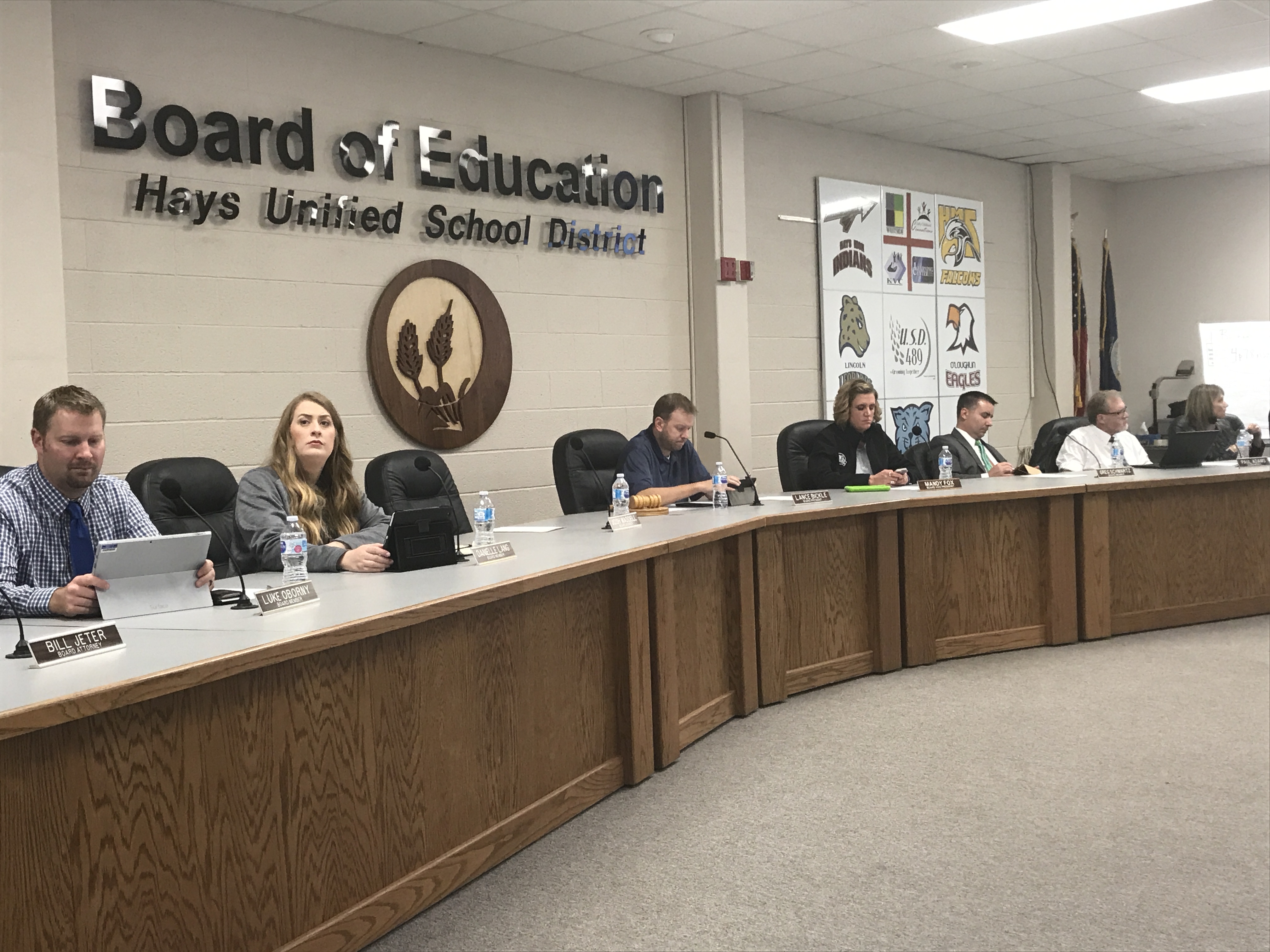
Hays USD 489 discussed an agreement Monday with Fort Hays State University on a program that will help Hays teachers earn master’s degrees.

Under the program, USD 489 would pay about a third of the cost of the graduate courses, FHSU would pay about a third, and teachers would be responsible for the remaining third. This equals about $75 per credit hour for each entity. Virtual students would pay slightly more. One graduate level course can cost a student $800 without this type of program.

Martin Straub, Hays High School principal, said the program would help fill voids left by qualified teachers who retire or leave the district. It will be not only good for teachers, but students will benefit from learning from more qualified teacher who armed with better content, he said.

“About a year and a half ago we started taking about what we could do at the high school and in USD 489 at all levels to give an incentive to teachers to become highly qualified in their content and strengthen their own teaching standards,” he said.

The program could also help the district increase its concurrent credit courses (those courses, which students earn both high school and college credit), Straub said. The high school would like to add concurrent credit courses for ag sciences, sociology and add back credit for Chemistry II.

Board member Paul Adams said students who have taken concurrent credit courses are more likely to complete higher education goals, which would help the district with its new state accreditation goals.

The program could help the district attract new teachers and retain qualified staff as well as fill spots for specialists, such as counselors, special education teachers and reading specialists at the elementary level.

To qualify, teachers must be full-time, approved by the district and seeking a graduate degree through FHSU or up to 18 graduate credit hours in a high-needs area, as designated by the district. Teachers must apply and be accepted to the FHSU Graduate School.

Students enrolled in the program are responsible for all fees not paid for through the program and must successfully complete the courses in which they are enrolled. The program can’t be used in combination with other FHSU scholarship programs.

The school board is set to give final approval to the program later this month.

Joey Linn, FHSU vice president of student affairs, said the college hopes to extend the program countywide to Ellis, Victoria and the local Catholic school system.

“We have a very strong university and a very strong school district, and we need to work together more and more and more,” Linn said.

In other business, the board:

• Heard a finance report. The district is 6 percent under budget for the school year.

• Approved transferring about $22,400 from the No Fund Warrant account to the Capital Outlay Fund and closing the No Fund Warrant account.

• Heard a report on the classified handbook

• Heard a report on special education

Kansas Mobile Solutions offers imaging at patients’ bedsides

By CRISTINA JANNEY
Hays Post

Hays has a new service that brings radiology services directly to patients wherever they may be.

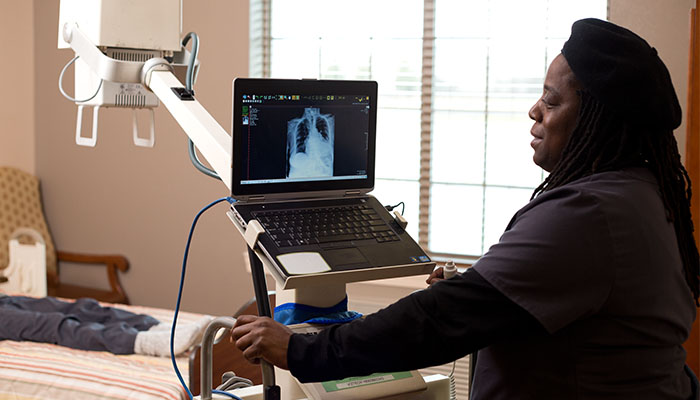
Wichita-based Kansas Mobile Solutions started offering services in Hays and the surrounding area this spring. Patients who can’t be easily moved to a hospital or clinic can have X-rays and EKGs done at their bedsides.

Lachelle Peterson,n director of business development/account services, said the company often works with nursing homes, detention facilities, rehabilitation facilities and even private clients through home health and serve clients within a two-hour radius of Hays. The service is performing 30 to 40 services per month, but hopes to grow that number.

Moving a patient for an exam is often not in the best interest of the patient, Peterson said. If weather is icy or dangerously hot, a patient has dementia or Alzheimer’s or a patient is obese and would be hard to move, allowing the patient to stay where they are can be beneficial.

Tina Brown, director of mobile operations, said, “We are dealing with an elderly population who are in a facility for a reason. There is some reason they are there. They cannot live on their own or it is difficult for their family members to care for them.

“So when we can come in and be able to ease their confusion — their pain whatever it might be and they can stay right there in their bed in the comfort of their own home, it is very less traumatizing on the patient in so many aspects.”

The service can eliminate transportation costs and costly ER visits, allow patients to be treated in their facility and reduce hospital readmission rates. All of this can reduce costs to Medicare.

In Wichita, a five-mile ambulance ride to Wesley can cost $600 one way. Eliminating this transport, saves Medicare at least $400.

ER costs add up quickly. There is the cost of staff to travel with the patient, cost of a doctor seeing the patient in the ER and other tests and treatment that may be done in the ER.

“When we come to the bedside, all they are charged is for the exam and the trip charge,” Peterson said.

The service can be used when a patient falls. Many facilities have to meet certain protocols within set time frames in evaluating a patient who has fallen. The mobile service can often be done more quickly than a service in the ER. It may prevent an unnecessary trip out of the facility if X-ray indicates no injury or result in a faster admission to the hospital if the patient is injured. The X-rays can be burned to a disc and be handed off to hospital staff when the patient arrives at the hospital.

Kansas Mobile Solutions does not seek to replace hospital, emergency rooms or clinics. It is there as an alternative when appropriate, Peterson said.

The company works with physicians and can quickly have X-rays and ultrasounds read through digital technology. The pictures pop on a laptop in the patient’s room and can be seen there. The tech hits send, and the image goes straight to the radiologist.

“Continuity of care is what we strive for,” Brown said. “Being digital and being able to send digital and the turn around time on our reports helps us to make quicker response times to the facility and for the patient so they are not having to wait so long in the ER or in a clinic.”

Kansas Mobile Solutions also is very concerned about quality and has equipment equal to or better than what can be found in a hospital, Peterson said. The technicians are specially trained to work in the field to use what they have available to capture the best images possible. The technicians also have special training working with patients with dementia and Alzheimer’s.

“If our quality was not good, the Wichita Radiological Group would not be standing behind us,” Brown said.

The company’s radiologists own stock in the company.

Kansas Mobile Solutions would like to expand its services in Hays to include ultrasound, but has had trouble finding qualified sonographers.

Sonograms can find blood clots, which can be treated immediately at the patient’s bedside.

The company offers services 7 a.m. to 7 p.m. Mondays through Saturdays. It will do call outs outside of normal hours if a technician is available. The Wichita branch works 24 hours, seven days a week. Hours could be expanded in Hays if demand increases.

Kansas Mobile Solutions can be reached at 316-722-3957 by emailing Peterson at [email protected] or visit the company’s website at https://ksmobilesolutions.com/.

Teacher of the Month: Boyd has heart for special needs students

By CRISTINA JANNEY
Hays Post

DiRae Boyd looks at her class of middle school students and sees only possibilities.

Boyd works with disabled sixth- through eighth-grade students in the interrelated functional class at Hays Middle School, a job she has enthusiastically held since 1996. Boyd works with students who have severe physical limitations and developmental delays. Some are not verbal, and others have autism.

Boyd has been selected as the Hays Post Teacher of the Month.

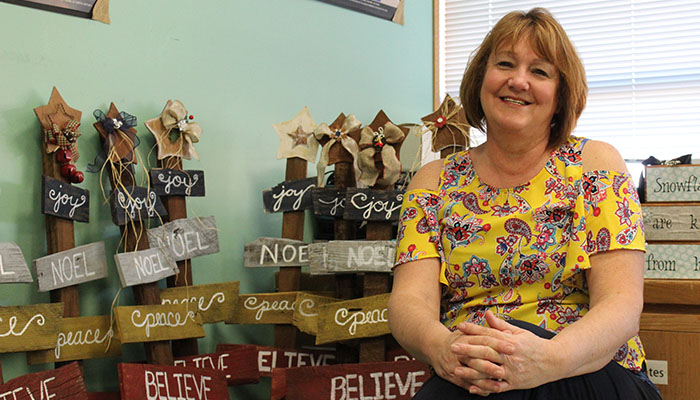
DiRae Boyd, Hays Middle School special education teacher, sits next to crafts her students made for Christmas. Boyd was selected as the November Hays Post Teacher of the Month.

“When I see my students and they enroll and come each year, I see their ability and not their disability,” she said. “And then I try to pack their suitcase with as many strategies, so they can be as independent and successful as possible as an adult.”

For each student, that path looks different. Some students are able to hold down full-time jobs after graduation. Some can only work a few hours, and others their support team has to find other ways for them to have an outlet.
Boyd came to teaching later in life. She went to back to school to become a teacher when she was 33.

The average burnout rate for a teacher like Boyd is three to five years. However, Boyd can’t imagine herself doing anything else. Boyd, who lives in Speed, Kan., loves her job so much she drives 60 miles to work every day so she can work with in a special education functional classroom. Her husband questions her why she doesn’t take a job closer to home.

“It’s my love,” she said.  “I love to help them cook. I love to show them how to read and how to do technology, how to do the laundry, how to respond when you go to a dance and someone asks you to dance and you don’t want to dance. Those are the skills we work on — those life skills that other kids just gradually get.”

Working with students with autism, who really need a lot of help building social and communication skills, can be her most challenging work, but also the most rewarding.

“When I see the social and communication growth that they make within my program, it’s exciting because that is lifelong for them,” she said.

Boyd said she tries to put herself in her students’ worlds. She had a boy in her class who was wheelchair-bound, blind and nonverbal. He had to be laid on a mat every day during class so an aide could stretch him. When he did this, he cried out. She knew they were not hurting him, but something about that experience frightened him.

Boyd tried to put herself in his shoes. She laid down on the floor and closed her eyes. She said he must have felt very vulnerable, thinking he was laid out in the middle of the floor so someone might step on him. She and the aides moved his mat to one side of the classroom and gathered some pillows to lay around him so he would not feel so exposed.

Boyd has been selected by her peers twice as a master teacher for the middle school.

Ann Schmidt nominated Boyd for the Teacher of the month saying, “DiRae goes above and beyond every day for not only her students, but any student in need. She always goes the extra mile. For example, a student forgets their sack lunch for a field trip, you will find her in her classroom kitchen putting a lunch together. Not only is she there for students, she always is the go-to person for staff too, whether it be covering a class or sewing on a missing button. She is one of the most caring and compassionate people I know.”

Boyd focuses on behavior in her classroom. Students may cognitively learn on the first-grade level or fifth-grade level, but her students know what is expected of them inside and outside of the classroom.

“When you stand in line at the grocery store, do not be impatient,” she said. “Sometimes my paras say that our students act way better than those people in line at Walmart. I always have high expectations of my students across the board, whether it is academics or social skills.

“I think our lunch ladies would tell you when our students go through the line, they are always the most polite. I always tell them when they pick up their lunch trays, they need to say thank you to those lunch ladies. They have provided you a meal, and you need to say thank you.”

Boyd tries to involve her students with projects at school and in the community. Her students set up for football games. It helps them feel a sense of accomplishment, they are exercising and they use math. The class has also helps make repairs to uniforms. If a student can only push the power pedal of the sewing machine or guide fabric, that is what they do.

Early in her career, she went to the drama teacher and asked that a couple of her students be allowed to be in Mark Massagalia’s drama class. He questioned how that would work since the students were non-verbal.

He wrote a play called “Look Me in the Eye.” Peers recorded the students’ lines, and the students performed on stage through mimes and by pushing buttons to activate the recordings of their lines. She said that play was one of the highlights of her career, and it went a long way to change the perception of her students within the school.

Seeing children’s growth keeps Boyd coming back year after year.

“When you see a young man walk across the stage to receive a seventh-grade award or go across the stage to get their eighth-grade recognition, that is heartwarming. That is fulfillment,” she said. “When I see a young man who came to me with 17 percent compliance behavior for a day and three and half years later he has 99 percent compliance in behavior, we are doing something right. We are meeting the needs of that young man.”

Boyd and her husband were foster parents for more than 20 years, taking in 35 boys and two girls.

Whether it is her foster boys at home, kids in her detention after school, students in home room or her special needs students, she encourages her students to own their mistakes and then move on.

“Every day regardless of how today ended, tomorrow is a new day, and I think that has helped my one young man in the improvements in his behaviors,” she said. “He may know today is the toughest day, but when he walks in the door tomorrow at 7:55, let’s go, it is a new day. Every day should be a fresh start and a new day for everyone.”

It takes a special heart to work with special needs students and it takes a team, which everyone at the school is a part of.

“You do it because you want to make a difference in their lives and, by doing that, they have made a huge impact on mine,” she said.

Boyd, 58, said she would eventually like to retire and be a full-time grandma, but she said she would miss working with the kids in her classroom. She said maybe she would retire and become a para, which would allow her to still work with kids without worrying about all the paperwork.

She said it is hard to let her students go.

Boyd usually spends four years with her students, because most of the students repeat the seventh-grade. She has them six to seven class periods per day five days a week. Sending them off to the high school, she said, “can almost emotionally wreck me.”

“Emotionally it is like sending your child off to college,” she said. “It always seems like if I lose that really, really special student, the next year I get one of those really, really special students that just has that special place in your heart.”

Options therapy dog brings comfort to trauma sufferers

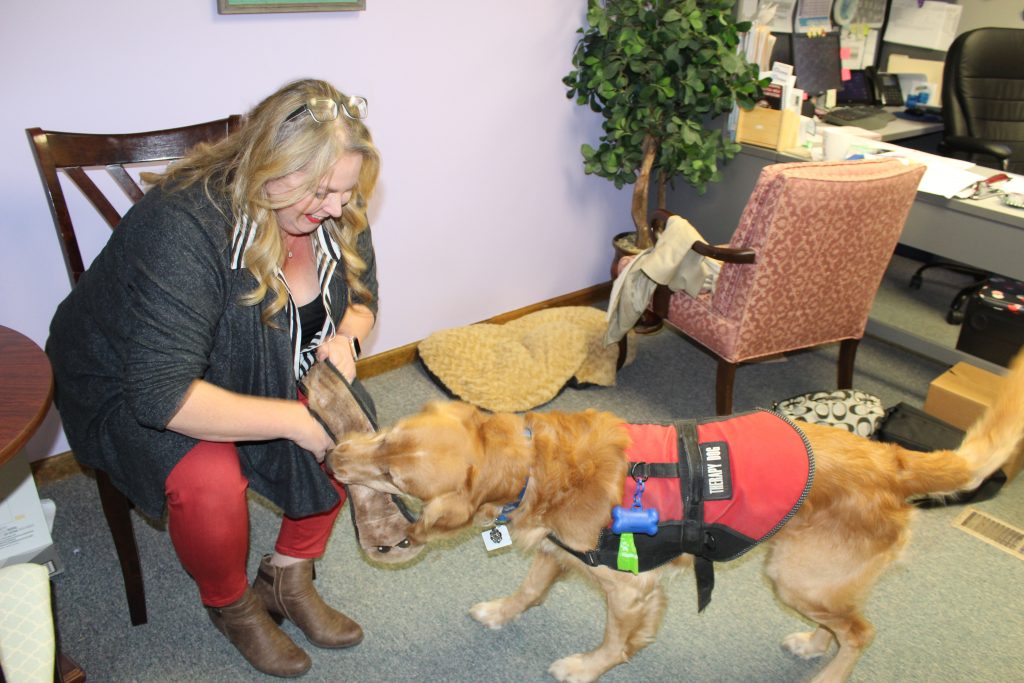
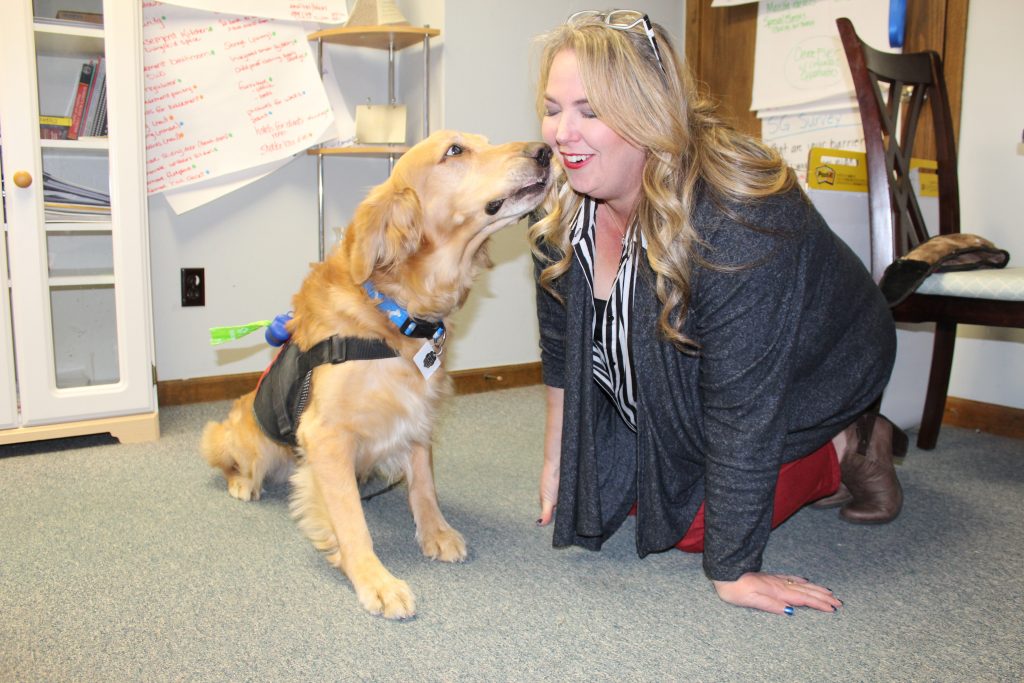
Sunny, Options therapy dog

By CRISTINA JANNEY
Hays Post

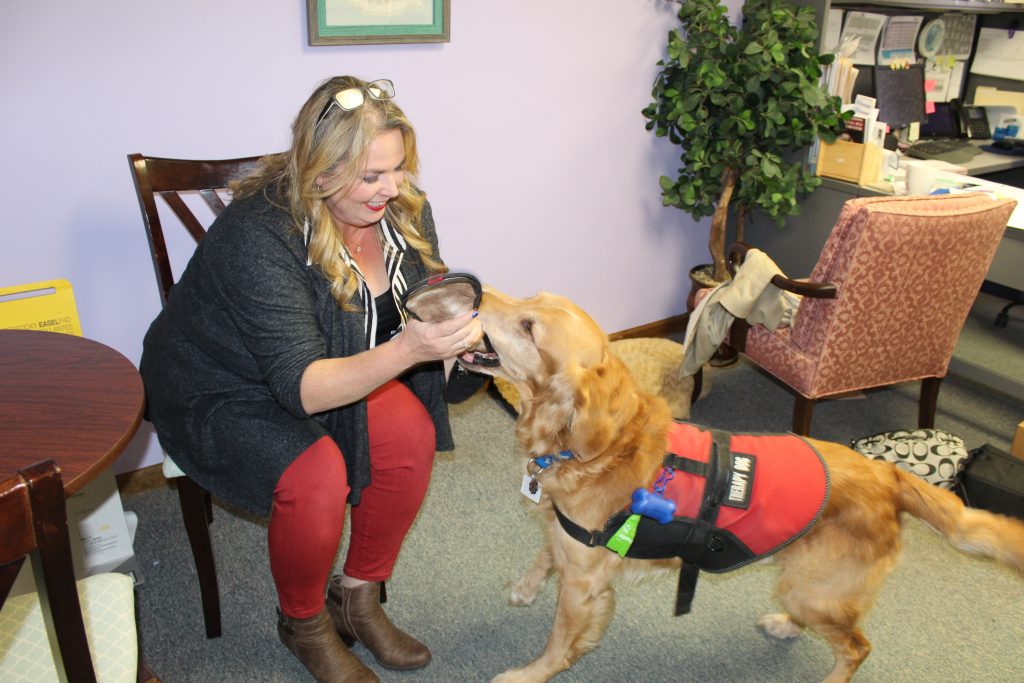
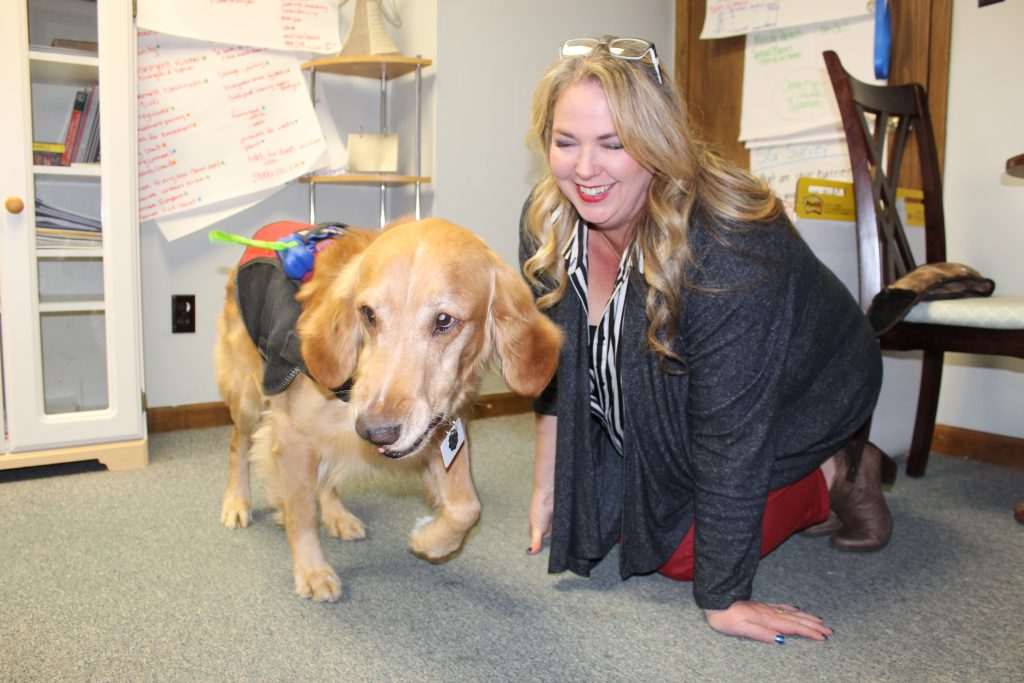
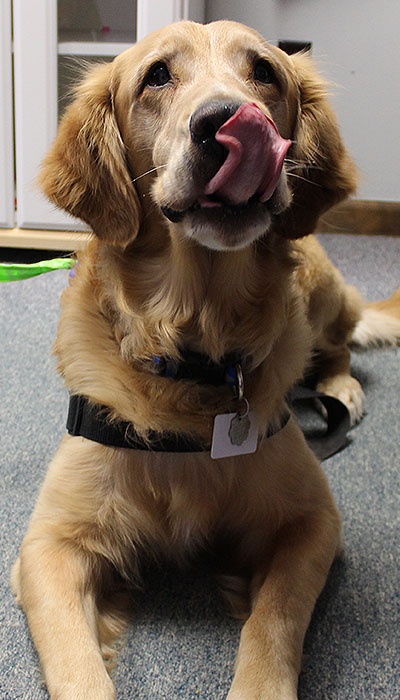
There is a new staff member at Options Domestic and Sexual Violence Services. He has four paws, a silky golden coat and his name is Sunny.

Sunny, 9, is a registered therapy dog with the U.S. Animal Registry and works with Options clients.

About two years ago, Options’ staff starting talking about obtaining a therapy dog due to emerging research on the benefits to trauma victims. They discovered buying a therapy dog would be cost-prohibitive for the agency.

Sunny was Options Executive Director Jennifer Hecker’s dog. Hecker’s son was terrified of dogs when he was young because of traumatic experience when he was little. The family had a chow/German shepherd mix that helped him get over that fear. As that dog aged, the family looked for another easy-going pet to keep their older dog company. Sunny, a full-blood golden retriever, was a gift from family friends.

His innate loving, easy-going temperament led Hecker to think Sunny could be more than just a family pet.

“Golden retrievers want to  give you love, and they want to get love, and that is pretty much all they want,” she said. “They are happy and calm and very social dogs.”

Therapy dogs are considered pets. They do not fall under the same protections as service animals or emotional support dogs. Those two categories of dogs are considered workers and serve a single person, whereas a therapy dog is a personal pet that has the disposition to bring comfort to others.

Sunny’s training started at home where he had to learn to get used to being around more people and the door bell ringing. The Options door has a doorbell.

In January, Sunny started coming into work and training there. Hecker stayed after to work to train Sunny. When the doorbell rang, Sunny would bark. If he didn’t bark, he would get a treat. Slowly, he became acclimated to the noises and people to the point he could be used with clients.

Sunny lays his head on Options Executive Director Jennifer Hecker’s lap just as he does with domestic violence and sexual assault survivors.

Hecker said the difference she has seen in survivors has been amazing.

“It is hard to talk about trauma you are experiencing. It is very personal information. It is embarrassing. It is shameful for some people. It is very triggering,” she said. “Even just recounting a traumatic experience actually engages the brain back into the trauma cycle, and so you physically experience a lot of the trauma responses you did when you originally experienced it for the first time, and it makes it very heard to talk about.”
Shortly after Sunny came to the office, Hecker met a survivor and when she would talk to Hecker, she would physically shake, you could hear her voice crack, she had a hard time recalling details and was tense.

The third time the two met, Hecker introduced her to Sunny.

“She was completely different. She could look me in the eye. She could talk to me without her voice cracking. The physical signs of trauma were gone,” Hecker said. “Of course, it was still difficult to talk about it. She still had those same emotions, but being able to channel that energy. … She just stroked the dog for an hour. He just patiently sat there, loving every minute of it — an hour of complete undivided petting.”

Hecker said that was when she really saw for herself what Sunny could do.

“Until you see it happen, you have no idea the power that a therapy animal can bring,” she said.

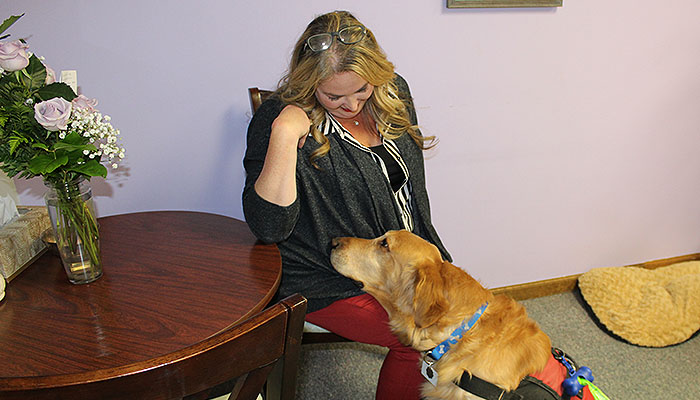
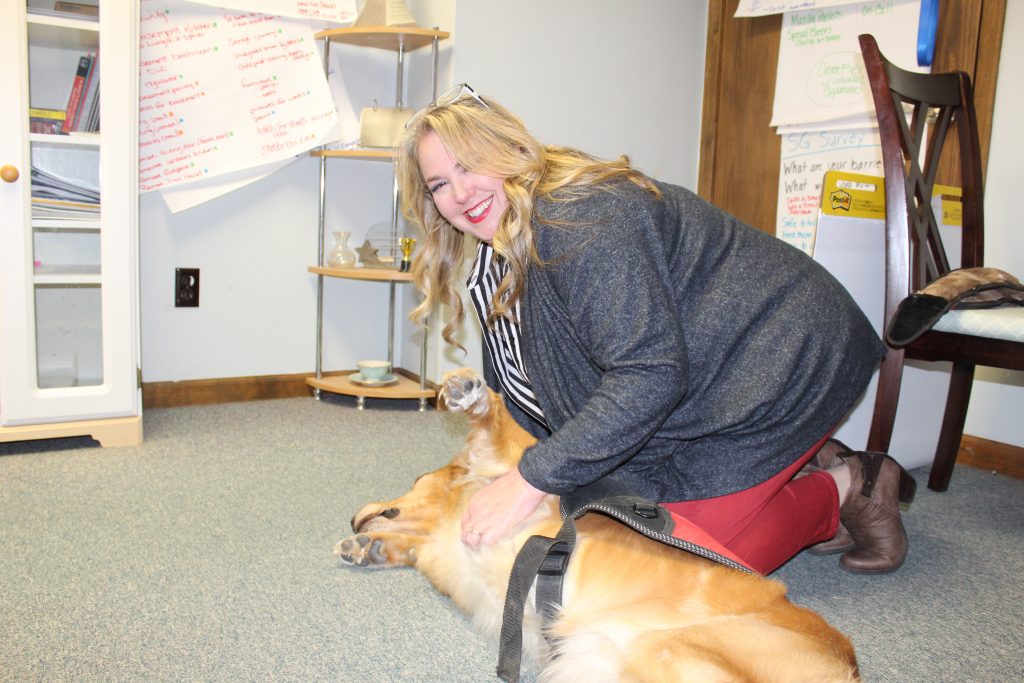
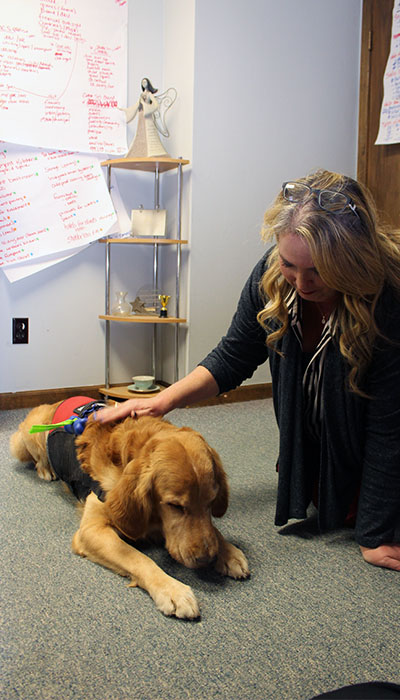
Jennifer Hecker, Options executive director and Sunny’s owner, takes a moment to get down on the floor and pet Sunny.

Sunny has a very natural way of approaching anyone in the office. He comes up to them and places his head in their lap and waits to be petted. He was never trained to do this. In fact, he did had to be trained to disengage, which is achieved by crossing your arms.

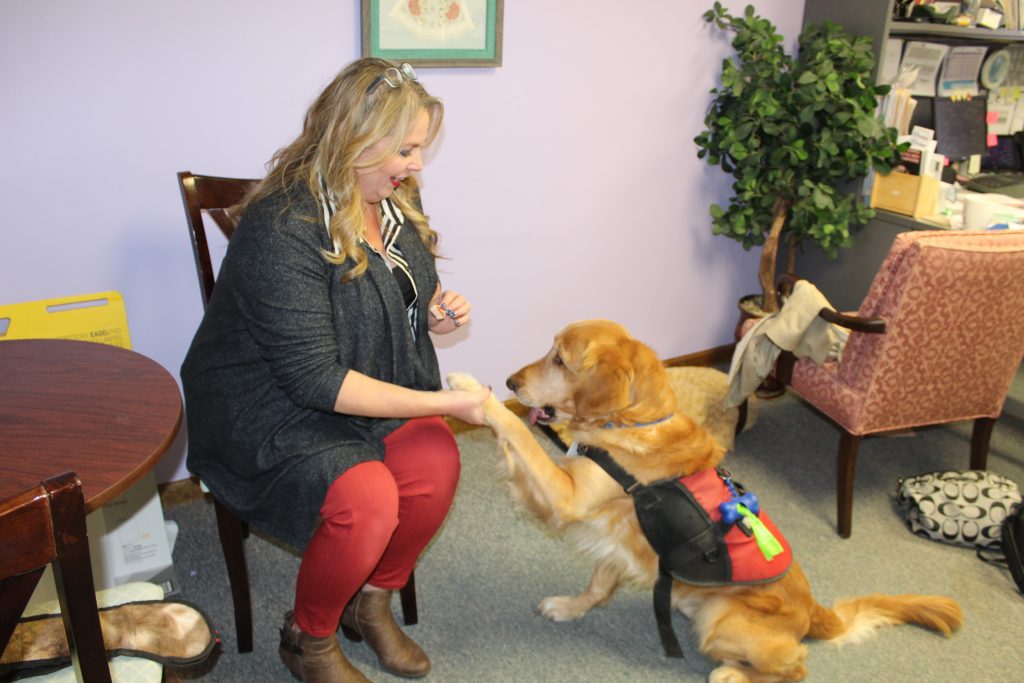
Sunny has a leash on hand, so if an advocate is working with a child, they can take Sunny for a walk. Hecker said it is a great way to break the ice with kids who may be a little nervous. Sunny can do a few tricks. He can shake hands, give you a high-five and lay down, which can be a fun way to introduce Sunny to kids.

Options tries to be sensitive to people who may have allergies or feel uncomfortable around dogs. Sunny has a bed and a comfy spot where he likes to lay in Hecker’s office, out of the way when he is not needed.

Sunny makes regular trips to the Options shelter. He takes on a comforting role and can aid to people who had to leave their pets behind when they left their abusive situations.

“They want an animal to bring them love and comfort or an animal to give love and comfort to,” Hecker said.

Sunny is just a regular fixture of the office now, and his presence has had a happy side effect. Sunny eases tensions in office and is happy to comfort Options employees and be petted when they have bad days.

Sunny greets a few staff members each morning with a toy. He cries until they take the toy and pet him.

“It’s hard to be grumpy when there is a dog who wants to give you a high-five or shake your hand,” Hecker said.

To seek help from Options call, 785-625-4202, or its 24-hour help line at 1-800-794-4624. Options’ Hays office is located at 2716 Plaza Ave., Hays, Ks 67601. Find more information on its website at https://help4abuse.org/.

All Options services are free, confidential and voluntary.

Gentle giant shepherding Fort Hays State through unforgettable football season

FHSU University Relations
By DIANE GASPER-O’BRIEN
FHSU University Relations and Marketing

The first year on his new team, Nathan Shepherd earned the defensive player-of-the-game award at a bowl game in 2015. He says he would have rather won the game.

This season, he was voted the top defensive player in one of the top conferences in NCAA Division II. He is more excited about his team winning its first MIAA championship.

He was chosen to play in a senior collegiate bowl game in January in Pasadena, Calif., where NFL scouts and general managers gather to assess the top talent in the nation. NFL aspirations can wait. Right now, he is concentrating on his college team’s playoffs.

Relying on that team-first attitude year in and year out, Shepherd doesn’t get frustrated when he draws multiple blockers on nearly every single play. That just gives more of his teammates a chance to make a tackle.

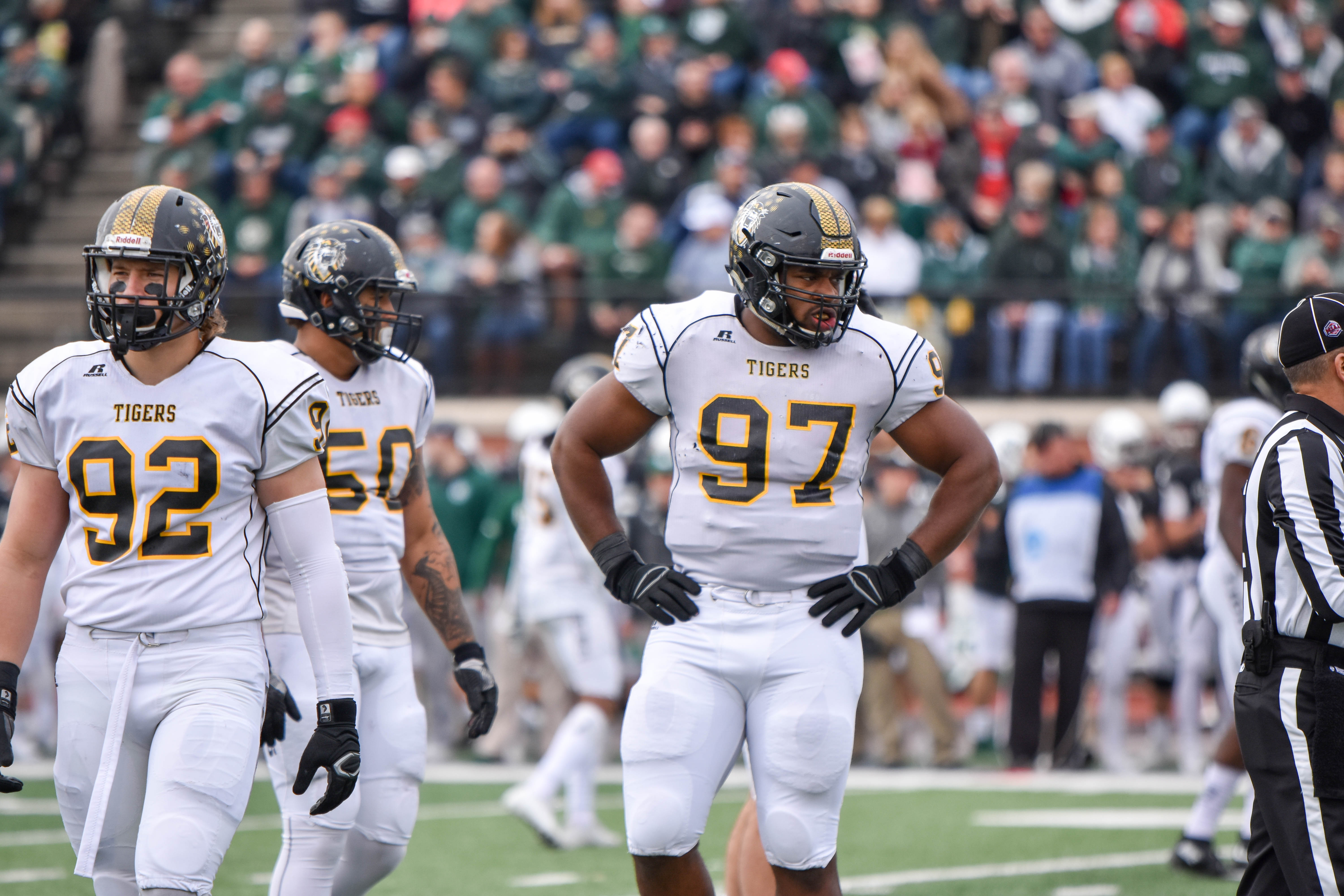
Shepherd, a 6-foot, 5-inch, 300-pound defensive tackle from Ontario, Canada, will lead the undefeated Fort Hays State University football team into Saturday’s playoff game at Lewis Field Stadium. Kickoff is 1 p.m. vs. Ferris State University (10-1) out of Big Rapids, Mich.

A major reason the Tigers are 11-0 and earned the top seed in Super Region 3 was the play of Shepherd, who some describe as a “gentle giant” – off the field, that is.

While he isn’t the leading tackler on the team, Shepherd’s presence alone causes problems for opposing offenses, whether he makes a tackle or not.

“A selfless player,” FHSU defensive coordinator Cooper Harris said in describing Shepherd in a nutshell. “His ability to draw double and triple teams opens up opportunities for other players.”

Ike Eguae, the Tigers’ defensive line coach, agreed.

“He has never complained that he is double and triple teamed, and he doesn’t ask for any breaks,” Eguae said. “He wants to give everything he has to help his team win, and that’s one of the best characteristics to have.”

After Shepherd recorded 14 tackles and earned defensive player-of-the-game in the Mineral Water Bowl two years ago – his first year at FHSU – big things were expected of him as a junior. And he didn’t disappoint.

While a lot of attention was placed on then senior defensive end Sie Doe Jr., Shepherd quietly went about his business, making tackles for loss and forcing fumbles. He ranked sixth on the team in total tackles but had six games where he had at least six tackles and recorded 9.5 tackles for loss for the season. He was rewarded with all-conference and All-America honors.
This year, Shepherd knew he would gain even more attention from opponents.

“I was expecting it,” he said. “But that just opens up plays for teammates. This is a team sport. You can’t make all the plays.”

Fellow junior defensive tackle Wyatt Parker, who plays alongside Shepherd in the trenches, credits Shepherd’s success to something other than just physical strength.

“A lot of it is mental,” Parker said. “Two or three against one is hard, and Nate just really gets after it. He sets his mind to the idea that no matter how many come after him, he’s taking them on.”

Senior defensive end Luke Wright said he thought the Tigers had just landed something special the first time he saw Shepherd in spring practice in 2015.

“I thought, ‘Wow, this is a big dude.’ He’s one of the biggest players I’d ever seen, ” Wright said. “I hear they grow them big up north, and I guess they’re right.”

Despite his size and athletic build, Harris said Shepherd was a “raw talent” when he arrived on campus. After all, he had played just one season on the defensive line. As a 6-1, 205-pound senior in high school, Shepherd played linebacker.

But he grew after high school – and kept growing.

It’s hard to believe these days that Shepherd was barely recruited out of high school.

“We weren’t good in high school,” Shepherd said. “We won only one or two games a year.”

Simon Fraser University in British Columbia took a chance on Shepherd, who moved to the defensive line for the Clan. Then after his freshman season, a Fort Hays State coach ran across some film of Shepherd on the Internet and gave him a call.

It didn’t matter to Shepherd that he had to go to another country to play football.

“I was excited,” he said. “I wanted to make a name for myself and gain some independence.”

But being out on your own isn’t always all it’s cracked up to be, especially when you are 1,200-plus miles from home.

“It had its challenges but nothing that I couldn’t pray about and overcome,” Shepherd said. “My family was really supportive, and I met a lot lot of people here.”

And he had plenty of time to work on his game.

“I started putting together my own player portfolio, figured out my strengths and weaknesses,” Shepherd said. “I focused on trying to minimize my deficiencies as a player.”

Harris said Shepherd’s success can be summed up in a few words: a lot of hard work.

“When we got him, he was extremely raw. He had a lot of natural ability but was a raw football player,” he said. “He probably has improved as much as any player I’ve been around – and in a short amount of time.”

That’s because “he was willing to work,” Harris said. “I think I’m most proud of how much work he put in to make himself a better player.”

In the process, Shepherd made others around him better as well.

“He knows he’s going to get doubled and tripled a lot, and he hasn’t said a word,” Wright said. “That just gives an opening for someone else. That’s the kind of player you want for a teammate.”

That’s also the kind of player NFL teams want on their rosters.

Scouts and/or other representatives from all but one of the 32 NFL teams have been to Hays to watch Shepherd and to visit with him.

Shepherd’s play speaks for itself.

“And once they talk to him, they fall in love with him,” Eguae said.

Eguae is sure that Shepherd’s football career will continue after this season.

“He’s going to be in an NFL camp,” Eguae said. “I would bet on it.”

For at least one more time, and hopefully more, Tiger fans can get a glimpse firsthand Saturday of what they might be watching on TV on Sunday afternoons for years to come.

On Ferris State’s first offensive possession, No. 97 will come up out of his stance and be met by at least two opponents, maybe even three.

That will either give another FHSU defender a chance to get to the ball carrier, or Shepherd will fend off the defenders and make the tackle himself.

Either way, it’s a win-win situation for Tiger football, and that’s what Nathan Shepherd is all about.

🎥 City commission postpones PEERA opt out vote until Dec. 7

City commissioners postponed a vote and discussion of opting out of PEERA until Dec. 7.

By BECKY KISER
Hays Post

Hays city commissioners voted 4-1 to postpone Tuesday’s vote on opting out of the Public Employer-Employee Relations Act (PEERA) and union negotiations.

Commissioner Lance Jones, who originally requested discussion of the matter, voted no.

Jones doesn’t like negotiating with the three employee unions consisting of 61 members instead of the entire group of 178 city employees. “The city’s Wage and Benefits Committee already represents all employees,” Jones said during last Thursday’s work session discussion. “They give staff general direction on what employees want to see regarding wages and benefits, which is primarily what the unions are seeking.”

Last night Jones thanked the union members present in the commission chambers, noting the emails he and the other commissioners received were “both for and against opting out of PEERA. To take the time and energy to do that and represent your unions and your point of view, I appreciate that.”

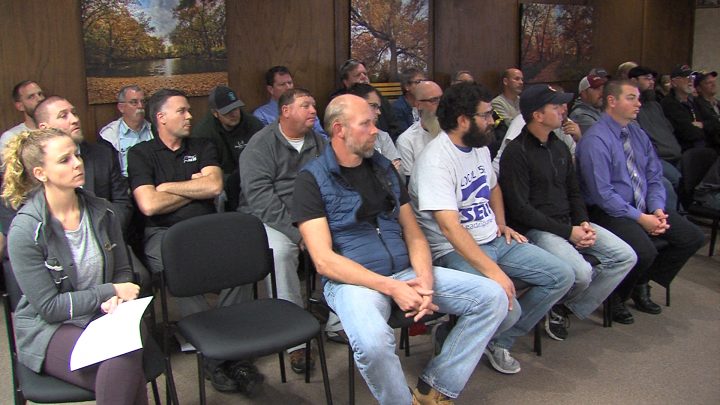
The commission’s decision to postpone the vote and further discuss the issue was taken prior to hearing from union representatives in front of a standing-room-only crowd.

Hays firefighter Brandon Woods, president of International Association of Firefighters (IAFF) Local 2119, urged the city commission to keep continued coverage of PEERA.

“There have been no strikes or interruptions of service to the public,” Woods noted. He continued reading from a prepared statement saying “employee grievances have been resolved in a fair manner. Public employees in these jurisdictions know they have a method for resolution of disputes.”

Firefighter Brandon Woods, IAFF #2119 president

Woods also had suggestions for shortening the negotiation process and utilizing a system of time limits. “Parties can begin negotiations early, negotiate more often, and set schedules for reaching the various phases of negotiations,” said Wood. All 18 employees eligible for the firefighters union are members.

The city spends about $20,000 annually during the negotiation processes, according to Asst. City Manager Jacob Wood. “That includes all the meetings, staff time, and city attorney time.” When the city and unions are at an impasse, “there are more meetings and the more it costs the city” to hire an agreed-upon mediator or another third-party fact finder, if necessary.

HPD Cpl. Phillip Gage, FOP Lodge #48 president

Corporal Phillip Gage of the Hays Police Department is president of Fraternal Order of Police (FOP) Lodge 48, the city’s biggest union. Of the 43 eligible employees in the police department, 27 are union members.

“Our group would really like for us to stay under PEERA,” Gage emphasized, “so we can still have that communication between the employees’ elected representative when it comes to speaking on their behalf at the city when it comes to wages and other benefits so can still have that conversation through negotiations. We’ve been doing that for over 40 years. I think it should still continue.”

Esau Freeman, Wichita, SEIU #513 business representative

Esau Freeman, Wichita, is the business manager of the Service Employees International Union (SEIU). There are 52 eligible employees of whom 16 are SEIU members.

“While I will agree with you I think it was a great idea to form the Wage and Benefit Committee, my concerns are that the union is an organization that has elected officials based on what the employees themselves choose,” Freeman said. “While we do have dues that people pay, our union has always been very open to take input from anyone, member or non-member, as long as they’re in the bargaining unit,” he added. Dustin Anderson, an employee of the Public Works Dept. Service Division, is president of SEIU Local 513.

Members of the city’s Wage and Benefit Committee are volunteers, 8 to 10 employees, from across all city departments, according to Asst. City Manager Wood. He is a member, along with Human Resources Director Erin Giebler.

“I support what you guys do as a union,” Hays Mayor Shaun Musil said after the three representatives spoke. “I don’t think it’s a 100 percent must to have the unions, but I don’t have a problem that we do. We’ve had some back and forth negotiations but I think it’s all been pretty civil.”

Musil is more concerned about the impact of declining sales tax on the city’s overall budget.

“We can’t always give you what you want because we have to go with what we have. As we see sales tax dollars continue to decline, my opinion is, that’s a bigger issue than what we’re dealing with today,” Musil said.

All 178 Hays city employees, including the 61 members of the three unions, received a four percent pay increase for 2018.

Assistant City Attorney Todd Powell told commissioners last week “the governing body does have the final decision” on employment wages and benefits.

The city of Hays has been under PEERA since 1972.

Commissioners will discuss the issue again at their Dec. 7 work session.

Habitat for Humanity holds fundraiser, starts new project in Ellis

Habitat for Humanity

Habitat for Humanity raised $2,200 at its Vine and Dine fundraiser at Big Creek Crossing Nov. 12.

Ten percent will be sent to Habitat for Humanity International’s “Hammer Back” that helps rebuild and repair homes around the United States for recent victims of natural disasters.

Habitat had 17 participating restaurants and 18 local businesses contributing raffles at its Vine and Dine event.

With food samples ranging from mushroom soup, eel sushi to cheesecake, the organization had quite the variety.

Habitat is planning on making this an annual event and hope to see more diners next year.

“We are so appreciative of the support from the community and area businesses that we received,” Habitat said in a news release.

Habitat is currently working on a house in Ellis and has a home available at 901 11th St. in Victoria. Applications must meet income guidelines.

Those interested can print off an application on our website at www.hfhec.org or call 785-623-4200.

Habitat is also seeking applicants for its Critical Home Repair and A Brush With Kindness program for low-income homeowners. Applications are taken for this program year round and work is done as weather permits. Volunteers are always needed for these projects.

Critical Home Repair addresses health and safety concerns in several areas of the home. ABWK projects may include exterior painting, landscaping, weather stripping, door/window replacement or handicap accessibility. Those interested may print an application at www.hfhec.org or call 785-623-4200.

Habitat for Humanity envisions a world where everyone has a decent place to live. Habitat for Humanity of Ellis County seeks to eliminate substandard housing in Ellis County by bringing people together to build, rehabilitate, and repair homes and communities, and create hope.


Copyright Eagle Radio | FCC Public Files | EEO Public File