BUNKER HILL – Smoky Hills Public Television’s summer reading program, Share a Story, visited 71 communities across central and western Kansas this past June and July. There were 1,650 children and 625 adults who attended the 71 presentations held in partnership with the local libraries.
During the Share a Story presentation, children watched a clip from a PBS Kids Program, listened as the presenter read a story and participated in an activity. The Smoky Hills Public Television presenters Carrie Weese, Jennifer Hanson, Jessica Bowman, and Danica Uhl used the Cat in The Hat show and books to tie into this year’s theme of “Space”.
“We love the Share a Story summer program,” said Kelli King, Smoky Hills Public Television’s director of finance and administration. “To be able to put 1,551 books in children’s hands throughout the summer months is something we are very proud of. We at Smoky Hills Public Television take pride in the educational tools we bring to the communities of central and western Kansas.”
Share a Story is part of Smoky Hills’ education initiative. The Share a Story program is based on the PBS learning triangle of TV that teaches (watch it) + story books (read it) + activities (do it). At the end of the presentation, each child attending received a book to take home.
Simple, fun daily activities like reading aloud, story telling, rhyming, singing, exercise, drawing and acting, teach young children language and literacy skills – and that’s what Smoky Hills Public Television’s Share A Story is all about.
MANHATTAN — The Kansas Department of Agriculture has announced the members of the State Noxious Weed Advisory Committee. The committee was established this summer following the passage of HB 2583 which made revising the noxious weed list a regulatory instead of legislative process and established the advisory committee to assist the Kansas Secretary of Agriculture in, among other duties, determining which plant species will be on the list. The first meeting was held in July, and the committee will meet at least once but no more than four times per year. The next meeting will be held in August.
The committee members are: Mike Collinge, livestock producer, Greenwood County; Anita Dille, weed specialist, Kansas State University; Sean Fetty, organic agricultural producer, Wichita County; Walt Fick, weed specialist, Kansas State University; Craig Freeman, Kansas Biological Survey; Mike Friesen, weed supervisor, Meade County; John Lee, weed supervisor, Morris County; Bob Nutt, Kansas Cooperative Council; Ron Ohlde, traditional agricultural producer, Washington County; Carla Pence, county commissioner, Harper County; Johnny Schaben, representing the agricultural industry, Barton County; Stuart Schrag, natural resource professional, Kansas Department of Wildlife, Parks and Tourism; and Jacob Thomas, non-traditional agricultural producer, Leavenworth County. Scott Marsh, the state weeds specialist at KDA, will serve as an ex-officio member of the committee.
The committee will serve the state by providing advice and oversight for the KDA noxious and invasive weed program. Read more about noxious weed control in Kansas at: agriculture.ks.gov/NoxiousWeeds.
LAWRENCE — Before starting his CBD company Quiet Trees, Chris Brunin, Lawrence, researched the competition, the labs they used, the products they sold.
He checked out ingredient suppliers and organic hemp farmers. He took everyone’s pitches with a heapful of salt.
“The hemp industry is like the Wild West and Wall Street had a baby,” said Brunin. “You have to vet everything and everybody … to make sure you’re not getting messed with or lied to.”
Brunin advises consumers to do the same. Ask to see lab results. Ask how much actual CBD — not just, say, hemp seed oil — is in a bottle. Comparison shop. Is it overpriced? Often, he says, it is.
Kansas legalized CBD, the cannabis extract cannabidiol, last summer. Since then, the state that came late to this multi-billion dollar industry has seen the number of CBD vendors skyrocket.
But as Americans turn to CBD in search of help for everything from migraines to insomnia to cancer, scientists and regulators worry that some companies market unproven health claims, and that others sell products with inaccurate labels. What’s more, even though the products shouldn’t get you high, some might still make you flunk a drug test.
Meanwhile, people who see medical promise in CBD fret about incompetent or unscrupulous manufacturers tainting an industry that activists fought to legalize. Kansas is one of just four states with exceptionally tight laws on all things cannabis.
“Honestly, I’m scared for people,” said Lisa Sublett, of medical cannabis proponents Bleeding Kansas Advocates. “I don’t trust the stuff at your gas station, sorry. You really have no idea what’s in the bottle.”
She recommends consulting The Patient’s Guide to CBD, a 50-page primer from Americans For Safe Access that explains labels, lab analyses and more.
An ad in a Kansas City gym suggest using CBD for Parkinson’s disease, diabetes, psoriasis, Alzheimer’s and more. The FDA has cracked down on companies for similar ads. (Credit Scott Cannon/Kansas News Service)
Done right, advocates say CBD products can change an ailing person’s life.
Scientific studies suggest they’re right — at least for people with certain rare epilepsies, and maybe for others. But the vast majority of anecdotal claims piling up about CBD’s medicinal qualities don’t have backing from clinical trials to prove they’re more than sales pitches and the power of placebo.
“There’s some real value here,” Mayo Clinic physician Brent Bauer said. “But we have to do a lot of work to kind of chip away at the rough edges and find out: How big is the diamond? Is it one carat or is it 40 carats?”Definitive scientific studies will take time. A few intriguing leads include possible benefits for treating anxiety and pain.
Ask for lab results … but know they can be wrong
Quiet Trees, Brunin’s small-batch company, lives in an unassuming 1,500-square-foot lab-and-packing facility in southwest Lawrence.
Shelves line the walls with clear plastic boxes full of bath bombs, vaping mixes and gummy bears. A big blue barrel holds 55 gallons of organic hemp seed oil from Kentucky. A small crew in white lab coats produces, packages and ships products daily to customers — mostly retail shops — in a half dozen states.
One of the shortest routes the products take lands them at CBD of Lawrence. It sits on Massachusetts Street, the heart of the college town’s boutique and local shopping.
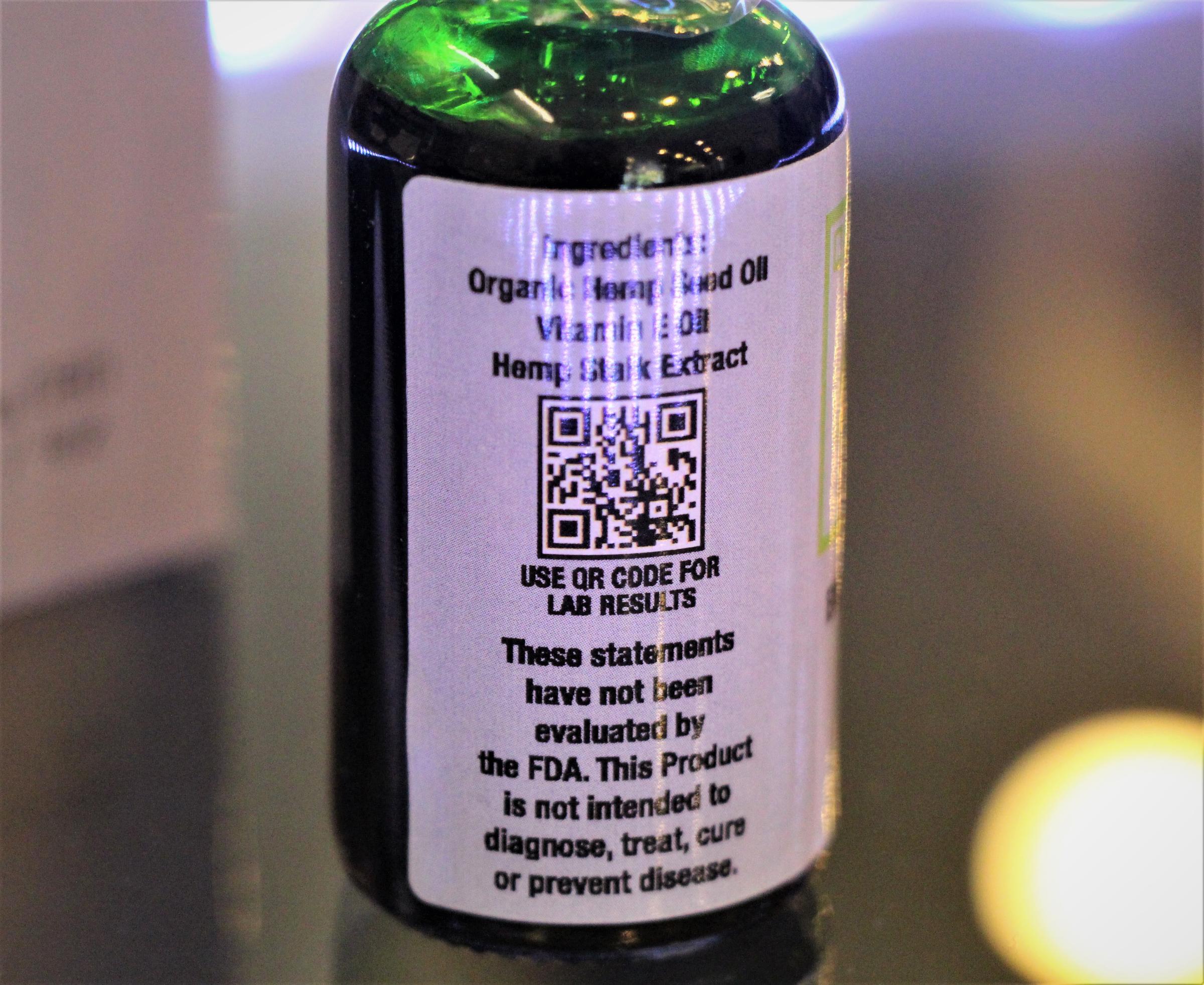
There, customers eyeing a bottle of tincture or packet of vape cartridges can whip out a smartphone and scan QR codes on the packaging. That takes them to a Google Drive copy of third-party chemical analyses by a lab in Massachusetts that tests the materials Quiet Trees uses.
Lawrence pharmacist Dustin Hothan says he only stocks CBD brands willing to disclose third-party lab results. (Photo by Nomin Ujiyediin/Kansas News Service)
Pharmacist Dustin Hothan wants that transparency. The co-owner of CBD of Lawrence says he won’t stock anything without independent lab results.
He pores over product reviews online, looking for any quality complaints about the CBD capsules, beverages and more on the shelves of his store.
Still, Hothan once got a tip that a product he stocked contained detectable amounts of THC, the compound in cannabis that can get you high, or, in smaller, non-intoxicating doses, still make you fail a drug test even weeks after discontinuing use.
“So we sent it off for testing,” he said. “It turned out, it did contain THC.”
Consumers can ask to see lab results when buying CBD products. Quiet Trees uses QR codes to let customers view chemical information with smartphones. (Photo by Celia LLopis/Jepsen/Kansas News Service)
The label had promised otherwise. The original lab results, too. Hothan dropped the product.
How can mistakes like these happen? Lab quality varies. The quality of manufacturers in this rapidly ballooning industry does, too. Even the best-intentioned retailers must figure out which names to trust, homing in on labs and brands that prove themselves.
All retailers great and small
Nationally, market analyst Brightfield Group estimates the value of the U.S. CBD industry multiplied seven times over in 2018. In a new report this month, it pegs the market at nearly $24 billion by 2023.
After all, national retailers have joined the action. Customers not drawn to vapes and tinctures will find new takes on old products, Brightfield says. Anti-aging creams. Dog treats. Bottles of multi-vitamin.
The state of Kansas tracks neither the value of CBD sales in the state nor the number of vendors. One hemp advocate guesses the compound is now available at hundreds of locations statewide.
Kelly Rippel, co-founder of Kansans for Hemp, has mixed feelings about that.
“There’s got to be an understanding from all institutions that it can’t be stigmatized anymore,” he said. “But it has to be done in a way that is going to protect public health.”
In reality, neither the state nor federal government check the contents of the tinctures, vapes and more flooding Kansas stores.
The sole FDA-approved use is Epidiolex, a CBD drug that proved itself in clinical trials as a treatment for rare types of epilepsy.
As for the booming wellness market, the FDA wants answers to questions about the effects of taking CBD long-term, and about product safety and reports of contamination by pesticides or heavy metals.
It has tested a small number of the vast array of CBD products and found contents don’t always match labels. The agency issued warnings, too, to companies caught claiming their products can save people from cancer, Alzheimer’s, diabetes and more.
Scientists at the University of Pennsylvania and other institutions bought more than 80 CBD products online and found fewer than a third were accurately labeled.
CBD levels were off, and some products that claimed not to contain THC actually did.
Legal quandary and quagmire
Vince Sanders, CEO of national CBD retailer American Shaman, would love to talk about what his products do. But the risk for drawing ire from federal regulators held him back in a recent interview.
“Honestly, up until relatively recently, I said a lot of stuff I probably shouldn’t have in retrospect,” he said.
American Shaman recently pulled down thousands of testimonials from its website, Sanders said, to avoid any potential legal liability.
The Kansas City-based CBD heavyweight with franchises in about 25 states, and dozens of shops across Kansas, including Hays, kept only nebulous phrases on its home page.
“Positive effects.” “Pain management.” “Beneficial qualities.” CBD “helps in recovery from conditions,” the site says, but doesn’t specify any.
CBD lollipops for sale in Lawrence, Kansas. (Photo by Nomin Ujiyediin/Kansas News Service)
Yet, Sanders said in the interview: “There’s overwhelming evidence of what CBD does. … I can’t say it. I wish I could.”
Instead, he suggests, go to PubMed.gov, type in your condition, the keyword CBD, and hit enter. Or just drop by an American Shaman store for a sample. “They work very quickly,” he said. “If you find some relief during the 15 minutes or so you’re there, then you have a good idea.”
Indeed, the National Library of Medicine’s online research database, PubMed, offers a dazzling array of CBD articles, but far too few clinical trials to back the wide-ranging claims about the substance’s abilities.
Much of the work involves animals and petri dishes, or small-scale trials. CBD shows some promise for helping with pain, anxiety, and even schizophrenia, says Bauer, of the Mayo Clinic. But benefits in studies often came only with exceptionally high doses of CBD — and sometimes side effects.
The fact that “natural” substances can cause problems gets lost at times amid excitement for herbal remedies. St. John’s Wort shrub can help some people with depression, for example, but also messes with birth control.
Bauer, who founded and directs research at Mayo’s program for integrating alternative medicines such as acupuncture into health care there, recommends against CBD for young children, pregnant or breastfeeding women, and patients taking many medications. CBD can screw up dosage levels of certain prescriptions. Talk to your doctor if you plan to take it.
THC vs CBD
State laws bar Kansans from getting marijuana legally. So is CBD just a poor substitute?
Studies show CBD and THC work differently and have different potential medical benefits, says Mallory Loflin, a psychiatry professor at the University of California-San Diego who specializes in cannabis research. CBD also has a diffuse, lighter effect.
“You need a much bigger dose,” she said. “We don’t start seeing differentiation from placebo in clinical trials for things like anxiety until you get up in the 300- to 600-milligram range.”
That could mean an entire bottle of CBD oil a day, depending on the bottle, but studies with such high doses also give some patients diarrhea. Anecdotally, CBD vendors and consumers often say smaller doses work, but clinical data is lacking.
A vigorous placebo effect complicates research of both cannabis extracts. The risk? That trials can fail, even when the extracts work.
“You’re hearing that cannabinoids are so helpful for so many different conditions — people already believe they’re going to work,” Loflin said. “If everyone’s cured, I can’t compare groups because both groups were cured.”
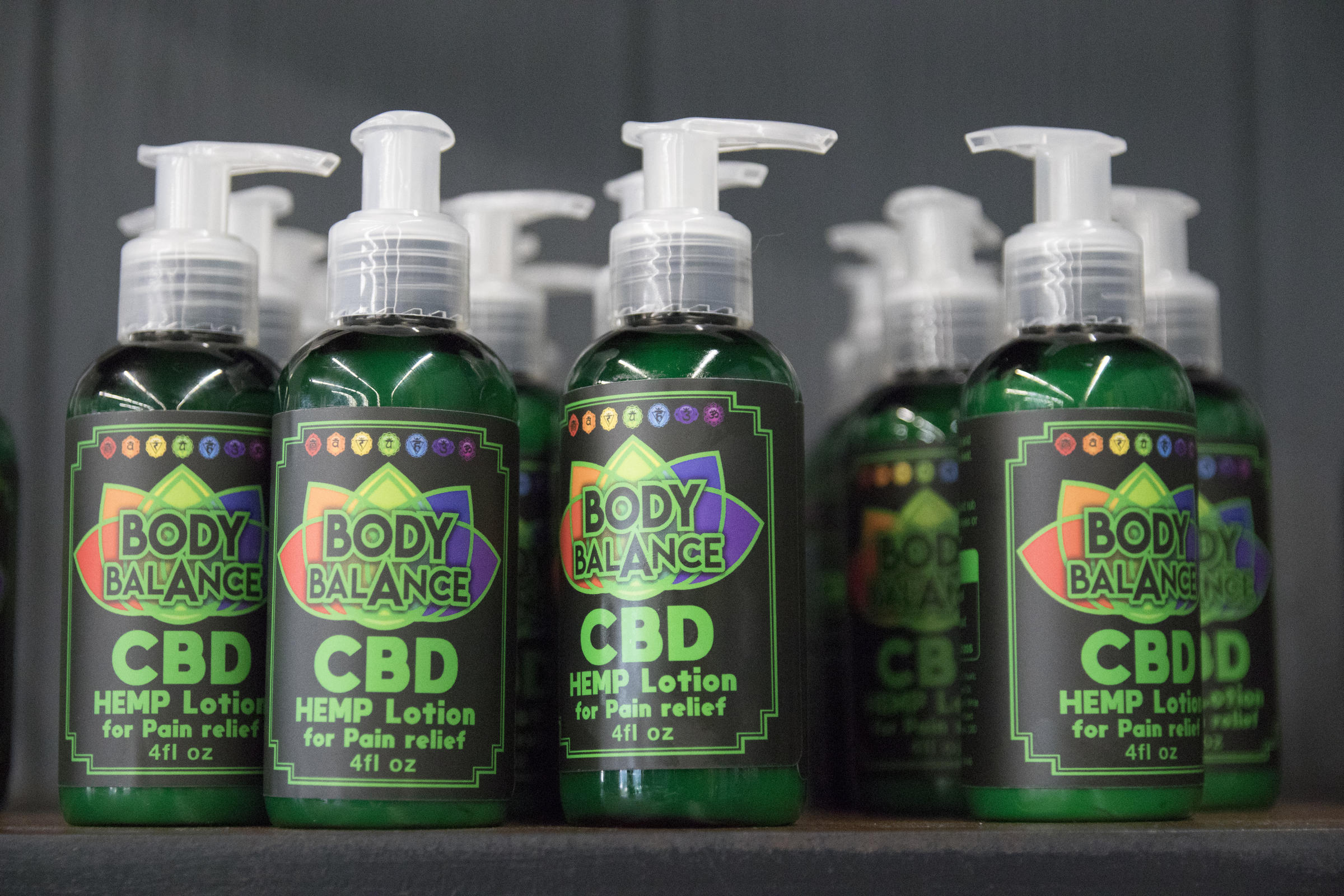
CBD lotions marketed for pain relief. (Photo by Nomin Ujiyediin/Kansas News Service)
She worries that in today’s absence of settled science, patients don’t know what to get. Some studies point to taking low doses of THC for certain chronic pain, for example, while others suggest going the CBD route — possibly with a little THC, but not with higher doses — for anxiety and other mental health issues.
She studied veterans self-treating with cannabis products in California, where both THC and CBD are legal. Most picked what was likely the wrong treatment for their conditions. Some weren’t even sure what they used.
“Which frankly terrified me,” she said. “Because the effects of CBD vs THC are about as alike as chalk and cheese.”
Celia Llopis-Jepsen reports on consumer health and education for the Kansas News Service. You can follow her on Twitter @Celia_LJ or email her at [email protected]. The Kansas News Service is a collaboration of KCUR, Kansas Public Radio, KMUW and High Plains Public Radio focused on the health and well-being of Kansans, their communities and civic life.
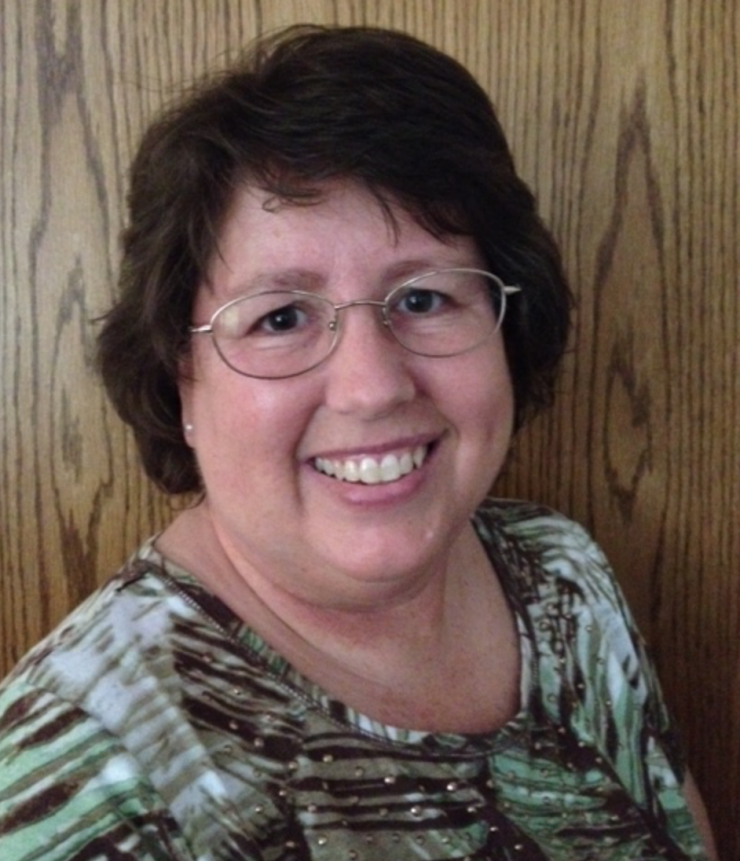
Fort Hays State University’s Dr. Emily Breit, associate professor of finance, was recently selected to receive the Van Hoisington Faculty of Distinction Award for the 2019-2020 academic year. Breit was recognized as an outstanding faculty member in FHSU’s W.R. and Yvonne Robbins College of Business and Entrepreneurship.
The award funds supplemental salary for research efforts and additional operating support for assistants, travel or equipment. Breit will conduct research and disseminate research findings and develop through incorporation into the classroom, peer presentations and publication, which will build on a demonstrated record of quality instructional, scholarly and service activity.
Breit earned a Ph.D. in finance from Oklahoma State University and her undergraduate and master’s degrees in business from FHSU. Her research focuses on commercial banking, small business and entrepreneurship lending, corporate governance and pedagogy. She has taught courses in commercial banking, finance, financial and quantitative methods, financial markets and institutions and economics.
Breit is also the recipient of the 2017-2018 Outstanding Faculty Award from the Robbins College, provides consulting as a Policy Fellow for the Docking Institute of Public Affairs and develops and facilitates public training workshops through FHSU’s Management Development Center.
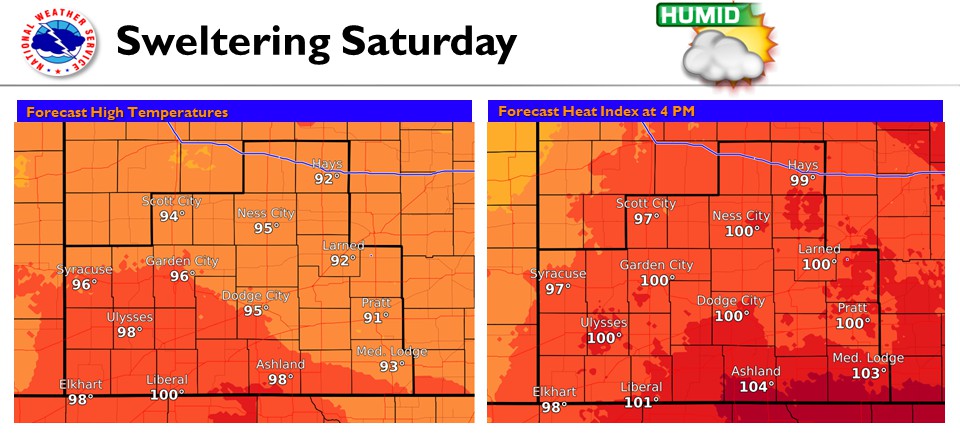
A chance of showers mainly before 8am. Mostly cloudy, then gradually becoming sunny, with a high near 94. South wind 7 to 9 mph.
Tonight
Showers and thunderstorms likely, mainly between 1am and 2am. Some of the storms could produce heavy rain. Increasing clouds, with a low around 66. East wind 8 to 10 mph. Chance of precipitation is 60%. New rainfall amounts between 1 and 2 inches possible.
Sunday
A 20 percent chance of showers and thunderstorms before 8am. Mostly sunny, with a high near 90. East southeast wind 6 to 10 mph.
Sunday Night
A 40 percent chance of showers and thunderstorms. Partly cloudy, with a low around 69. Southeast wind 5 to 10 mph becoming light and variable after midnight.
Monday
Mostly sunny, with a high near 91. West wind 5 to 7 mph becoming north in the afternoon.
Monday Night
A 20 percent chance of showers and thunderstorms. Partly cloudy, with a low around 64.
Tuesday
Sunny, with a high near 87.
Tuesday Night
A 20 percent chance of showers and thunderstorms after 1am. Partly cloudy, with a low around 63.
Robert E. and Patricia A. Schmidt Foundation recently donated $10,000 the FHSU Chapter of Disabled American Veterans to complete the purchase of a new transport van.
The van is used to transport veterans to medical appointments to Wichita and other areas. The current van has more than 160,000 miles.
PRATT – Hunters anticipating the arrival of Kansas’ newest hunting atlas won’t have to wait much longer.
Produced annually by the Kansas Department of Wildlife, Parks and Tourism (KDWPT), the 2019-2020 Kansas Fall and Spring Hunting Atlas includes maps of Walk-in Hunting Access (WIHA) properties – private lands leased by KDWPT and opened to public hunting – and state and federal public wildlife areas.
While printed copies are slated to hit shelves prior to September 1, hunters can get their hands on an electronic copy now by visiting ksoutdoors.com and clicking “Hunting,” then “Where to Hunt.” Printed copies, once available, may be requested by calling KDWPT’s Pratt Operations Office at 620-672-5911.
Hunters are encouraged to retain their hunting atlas through the 2020 spring turkey seasons, as the 2019-2020 atlas includes both fall and spring Walk-in Hunting Access (WIHA) enrollments; a separate spring atlas will not be printed.
More than 1.1 million acres of land has been enrolled in the WIHA program for upcoming seasons, with more than 4,400 unique tracts mapped. And while the printed atlas will be up-to-date as of its print date, additional acreages may be added to the program post-printing, as landowners continue to sign up. Hunters are encouraged to view the online atlas throughout the season for the most current maps.
All WIHA properties are designated with signage displaying the lease dates, which can begin Sept. 1, Nov. 1, or April 1, and end Jan. 31, March 31, or May 31. All regulations for KDWPT public lands apply to WIHA properties, and accessing a WIHA property prior to or after the lease dates shown is prohibited.
To learn more about the WIHA program, or to download an electronic copy of the 2019-2020 Kansas Fall and Spring Hunting Atlas, visit www.ksoutdoors.com.
Scroll to the bottom for a map of garage sale locations. Hays Post offers FREE garage sale listings weekly. Having a garage sale next weekend? Click HERE to submit your information.
3704 Hillcrest Dr., Hays
August 9th 4pm to 8pm August 10th 9am to Noon
Holiday Decor, Hand Tools, Lawn & Garden. NO Clothing
——————-
1601 Montgomery, Hays
Saturday August 10 only! 8am-2 pm
724 E 12th, Hays
Friday August 9th 1pm-7pm. Saturday August 10th 8am-2pm
Vintage items, collectibles, tools, glassware, toys, fishing items, furniture, video games, baby items and much more
———————
1804 S Sternberg Ct, Hays
Friday August 9th 2-7 Saturday 8-noon
Multi-family. Clothes (kids and women’s), bikes, toys, books, some furniture, antiques, home decor, household, holiday. Lots of stuff from my husband’s storage (motor/engines, water pumps, push mower, etc.).
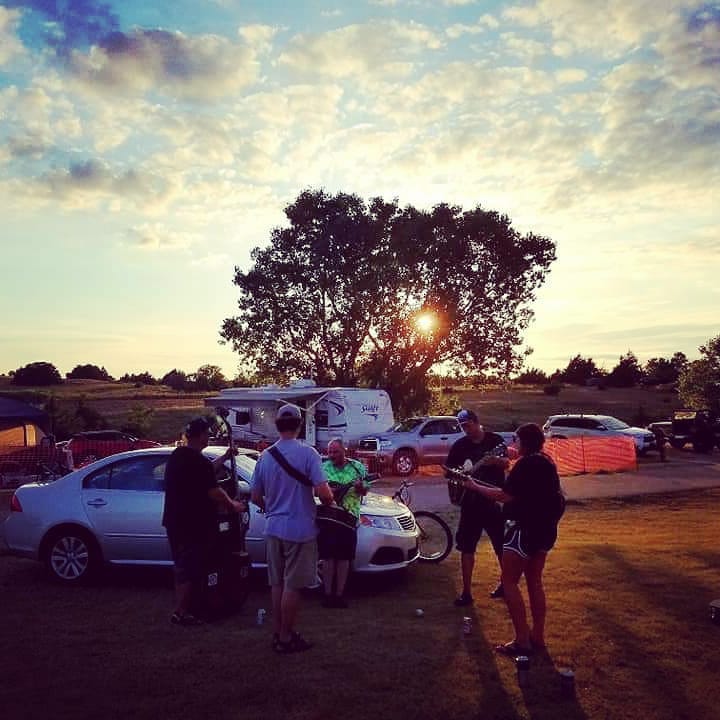
The fourth annual Lovegrass Music Festival is set to kick off at 5 p.m. Friday at Wilson State Park, offering family-friendly fun set to Bluegrass music and beautiful scenery.
Aimee Riegel, president of the Lovegrass Music Festival, said this year’s event is their biggest yet.
“We jumped into a whole new realm this year,” she said. “It’s much bigger.”
Around 300 attended last year’s festival, and Riegel estimates this year might be closer to 500.
Previous years have included blues, Americana and red dirt country, she said, but this year the event has a theme — “Back to the Roots” — and will exclusively feature bluegrass bands.
Selecting the bands that will perform is the work of the event’s board of directors and is a collaborative effort.
“We have an idea of who we would like to have and we have a board of five of us and each of us brings some ideas, bands we have heard, bands we have liked, new or something different,” Riegel said.
Riegel said the location can be tricky to find, but it’s the setting is too perfect to move the event.
“It’s about the scenery here, it’s gorgeous,” she said.
While the festival is free, Reigel recommends attendees bring cash for activities and merchandise that will be available through the weekend.
Events include kayaking, hiking, musical instrument construction, a drum circle, and a band performing from a pontoon boat on the lake, along with the concerts and music planned for the entire weekend.
Even with a possibility of rain in the area forecast for this weekend, Riegel said the event will go on as planned.
“We are a rain or shine event,” she said. “But the weather looks great, so fingers crossed, the weather will stay like it is now.”
Riegal said the event would not be possible without support from numerous sponsors from the area.
“Each year, it is a struggle to raise the funds necessary to host such an event,” according to the event’s website. “However, due to the tremendous support of local agencies, businesses, and individuals coupled with the diligent efforts of our volunteer board of directors and committee, the event always becomes a memorable reality and a pure grassroots extravaganza.”
“We have several Hays area sponsors,” Riegel said, and without those sponsors, the event would not be possible. “We would like to thank those individuals for helping us out,”
FHSU head coach Chris Brown addresses his team following their first practice Friday morning.
HAYS – The Fort Hays State football team held their first practice of the 2019 season Friday morning at Lewis Field. Around 130 players greeted Chris Brown as he began his ninth season as the Tigers head coach.
Senior running back D.J. Hickman
The Tigers are coming off their second straight MIAA title and were picked first by the conference coaches and second by the media in the MIAA Preseason Poll.
The Tigers continue in helmets Saturday before adding shoulder pads Sunday. They have their first full pad practice on Tuesday.
Listen below as coach Brown along with senior Harley Hazlett and Tanner Hoeckman talk about the first practice of the season.
The United Way of Ellis County announces that Erica Berges, administrative assistant for the past five years, will serve as interim executive director beginning Sept. 6, as Executive Director Sherry Dryden has received opportunity for new work challenges outside of the United Way and will be stepping down.
“I am honored to have been a part of the United Way community and so proud of the direction it is going – and look forward to continuing my support from a different capacity,” Dryden said.
During these past four years, the United Way of Ellis County has grown through community impact programs such as, the Community Resource Directory and phone app, Northwest Kansas Volunteers website, and most recently, RealityU. A major impact has been the formation of the Wonder Women League that has established the following community impact projects: Matthew’s Gift, Born Learning Trail, Women’s Self-Defense Class, and their major fundraiser – The Power of the Purse.
Additionally, the United Way facilitates the CARE Council process for partner agency funding by three funding streams. This process has developed into an online application process.
“We are so thankful for Sherry’s service. She has really positioned us well for continued success,” said UWEC Board Vice-President and 2019 Campaign Chair Kelly Lewis. “We will rely on Erica’s extensive background with the organization and our partner agencies to help us through the transition period. We do not expect this change to impact our mission of service and we are excited about the upcoming campaign.”
The United Way of Ellis County completed their newest strategic plan last fall with a fresh new direction that is proving growth and sustainability. They created a new branding theme of “United Today, United Forever” which will take them to and through the future. Additionally, the development of a Planned Giving and Endowed program has already netted their first commitment. The purpose of the program is to fund the organization’s administrative expenses so 100% of campaign funds goes towards partner agency allocations. There are currently 17 partner agencies with the United Way.
The 2019 Campaign of the United Way is “Give Where You Live”. The Board of Directors have launched the Business Campaign, using a Donor Centered model in partnering with companies for the payroll deduction portion of the campaign. The United Way has their Chamber Kickoff on August 23rd at noon and their community kickoff on August 23rd at 4p.m. with the Hays Public Library.
Erica coordinates the CARE Council process, manages the financial processes, the campaign marketing and is the liaison for the Wonder Women League. Her diverse experience with the United Way will ensure a smooth transition. She has resided in Hays since 2009 and is a FHSU graduate. Erica and her husband Michael, who are both very active in the Hays community, have three sons and she is looking forward to the continued new direction of the United Way. Meanwhile the Board of Directors will begin the search process for the new Executive Director with future announcements.
For updated information, go to facebook – United Way of Ellis County, or www.liveunited.us
Toby Dougherty, Hays city manager, review highlights of the 2020 budget.
By BECKY KISER Hays Post
The 2020 budget for the city of Hays includes a projected increase in sales tax revenues, the primary source of funding for the city’s general fund.
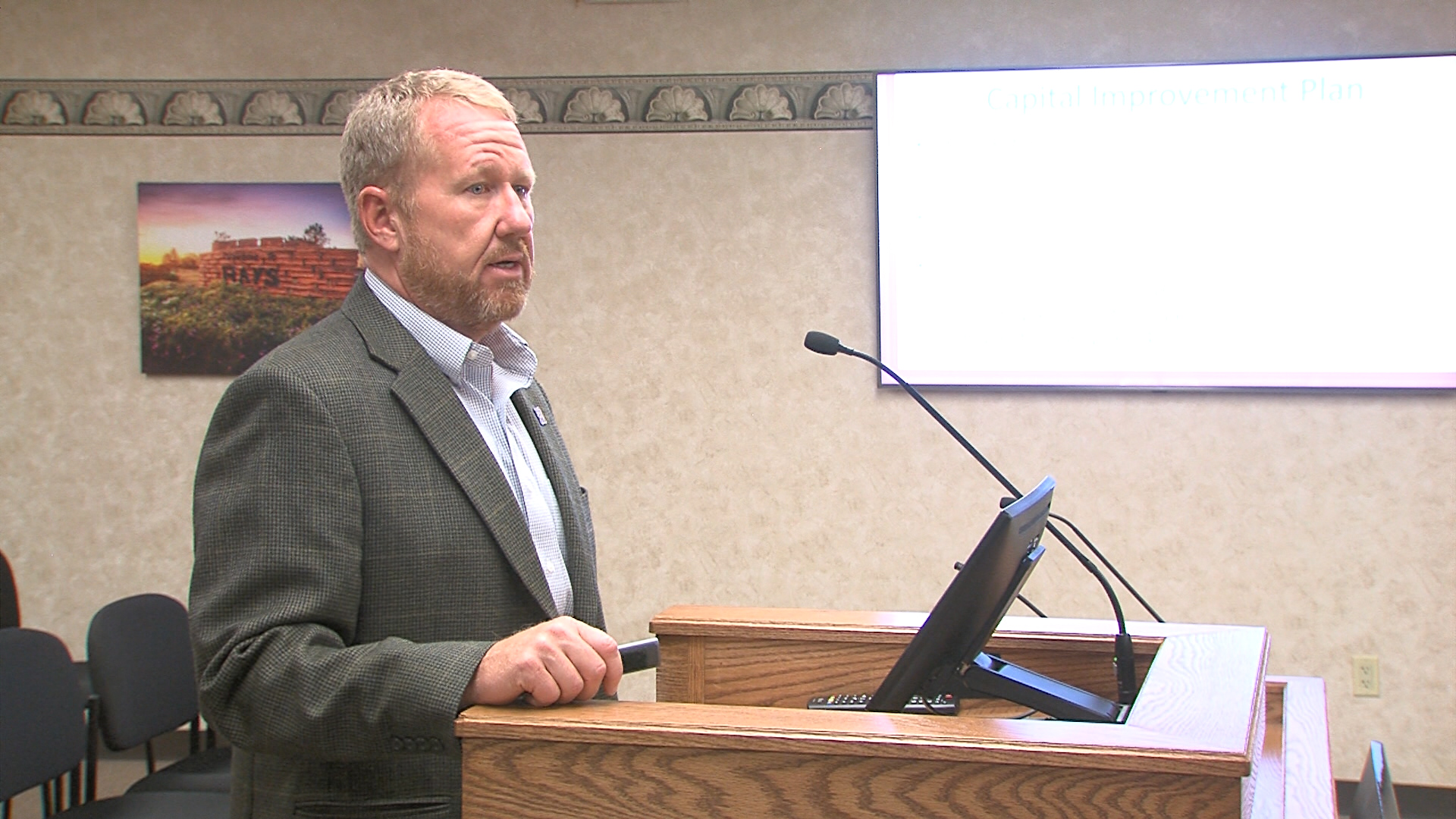
Following Thursday night’s public hearing for the budget, City Manager Toby Dougherty reviewed some of the highlights with city commissioners.
“The most notable item in the General Fund is that we are budgeting a sales tax (revenue) increase over the 2019 budget of 2.9%. Been a lot of flat years in sales tax (revenue) and we’ve seen a positive trend as of late, so this is a little bit helpful for us,” Dougherty said.
Within Levy Funds, Dougherty pointed out a reallocation of 0.5 mills to the Hays Regional Airport.
“The airport has subsisted on a 1 mill levy for a lot of years and we are outgrowing that 1 mill with the capital and operational requirements we have.”
The total mill levy for Hays in 2020 is 25.000, the same as it’s been the past 13 of 14 years.
Commissioner Ron Mellick pointed out the mill levy is “actually 18 for the city and 7 pass-through for the library.
“Once again, city staff as well as department heads and all of our workers, it takes all of us pulling together in order for us to be able to to that for 13 of the last 14 years,” Mellick said.
The Hays mill levy is the seventh lowest in Kansas and the lowest levy outside of Johnson County.
Street maintenance projects have a budget of $1.3 million next year.
“I think extending the life of our streets and keeping up on that infrastructure, like with our sewer cleaning, that’s got to be saving us money in the long run,” said Eber Phelps, commissioner.
In 2004 when the city sales tax was voted in, one of the promises was that more money would be spent on street maintenance, recalled Dougherty.
“Beginning in 2006 we went from having very little money – maybe $100,00 a year – to having over a million dollars a year to spend on street maintenance. …Our problem was where do we start because every street needed help. Now as you drive around, our streets are in pretty good condition. There’s always maintenance that needs to be done but it’s not overwhelming. We’re ahead of the curve right now.”
Next year’s budget includes $100,00 for creation of a new stormwater master plan. “The last master plan was completed in the ’90s and we have fulfilled the master plan. We’ve done all the notable things that we were going to do. It’s time to put a new master plan in place, one that marries up dollars with risk.”
A new multi-use path on the east side of Hays will be funded in Special Parks. Phase one will be a 1.25 mile path between the Hays Recreation Commission and the 22nd Street access to the HaysMed walking trail.
Projects in the 2020 Capital Improvement Plan (CIP) include the first year of the North Vine Street Corridor Improvements and a second, redundant waterline crossing under Interstate 70 to the north side of Hays.
Four million dollars is designated in the CIP for design engineering of the R-9 Ranch long-term water supply project “assuming we start moving through the (state) water transfer process in 2021,” Dougherty said.
Lighting will be upgraded for runway 4-22 at the airport and runway 16-34 will be repainted.
The Convention and Visitors Bureau (CVB) budget will reflect a shift from print/billboard to electronic/social media marketing. CVB will also hire an analytics consultant to help quantify the return on investment for various types of travelers and visitors.
In the fleet replacement schedule for several vehicles and pieces of large equipment, two police vehicles will be purchased and the fire department will replace its 1998 rescue pumper.
The city’s approved 2020 budget must be submitted by the director of finance to the Ellis County Clerk by Aug. 23.
TOPEKA – The Kansas Department of Health and Environment (KDHE), in conjunction with the Kansas Department of Wildlife, Parks and Tourism (KDWPT), has issued public health advisories for Kansas lakes.
Warnings:
Big Eleven Lake, Wyandotte County (unchanged)
Camp Hawk Lake, Harvey County (upgraded from 8/1)
Gathering Pond near Milford (Hatchery Supply Pond), Geary County (unchanged)
Jerry Ivey Pond, Saline County (unchanged)
Lake Afton, Sedgwick County (upgraded from 8/1)
Lakewood Park Lake, Saline County (new)
Lebo Kids’ Pond, Coffee County (unchanged))
Marais des Cygnes Wildlife Area (new)
Marion County Lake, Marion County (unchanged)
Melvern Outlet Pond, Osage County (unchanged))
Melvern Swim Pond, Osage County (unchanged))
Neosho State Fishing Lake, Neosho (new)
South Lake, Johnson County (unchanged)
Westlake in Gage Park, Shawnee County (unchanged)
When a warning is issued, KDHE recommends the following precautions be taken:
Lake water is not safe to drink for pets or livestock.
Lake water, regardless of blue-green algae status, should never be consumed by humans.
Water contact should be avoided.
Fish may be eaten if they are rinsed with clean water and only the fillet portion is consumed, while all other parts are discarded.
Do not allow pets to eat dried algae.
If lake water contacts skin, wash with clean water as soon as possible.
Avoid areas of visible algae accumulation.
Watches:
Carousel Lake (Gage Park), Shawnee County (unchanged)
Hiawatha City Lake, Brown County (unchanged)
Hodgeman County State Fishing Lake, Hodgeman County (unchanged)
Keith Sebelius Reservoir, Norton County (unchanged)
Lake Shawnee, Shawnee County (unchanged)
Lovewell Reservoir, Jewell County (unchanged)
Marion Reservoir, Marion County (unchanged)
Rock Garden Pond (Gage Park), Shawnee County (unchanged)
A watch means that blue-green algae have been detected and a harmful algal bloom is present or likely to develop. People are encouraged to avoid areas of algae accumulation and keep pets and livestock away from the water.
During the watch status, KDHE recommends the following precautions be taken:
Signage will be posted at all public access locations
Water may be unsafe for humans/animals
Avoid areas of algae accumulation and do not let people/pets eat dried algae or drink contaminated water.
Swimming, wading, skiing, and jet skiing are discouraged near visible blooms
Boating and fishing are safe. However, inhalation of the spray may affect some individuals. Avoid direct contact with water, and wash with clean water after any contact.
Clean fish well with potable water and eat fillet portion only.
KDHE samples publicly-accessible bodies of water for blue-green algae when the agency receives reports of potential algae blooms in Kansas lakes. Based on sampling results, KDHE reports on potentially harmful conditions.
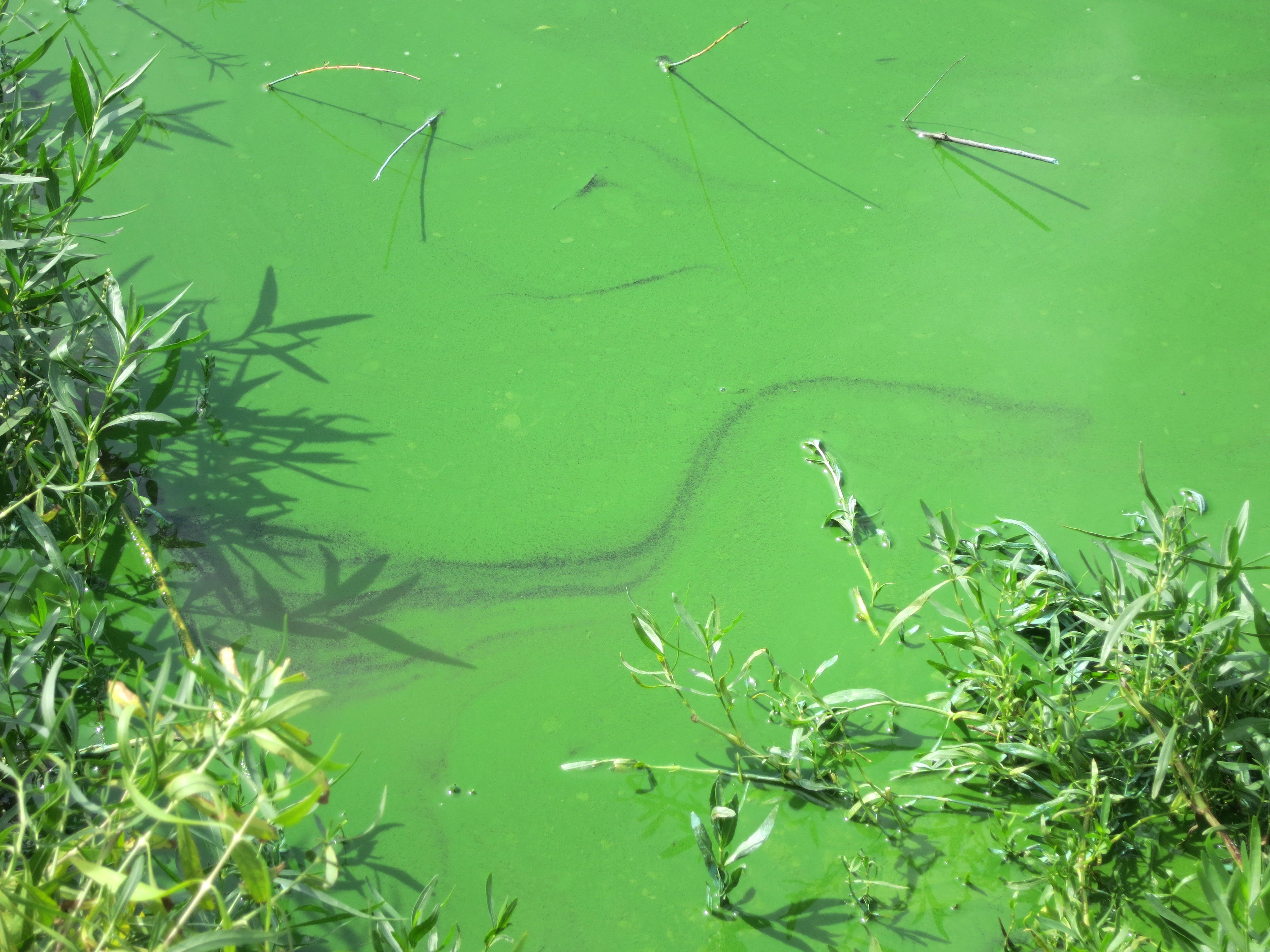
Kansans should be aware that blooms are unpredictable. They can develop rapidly and may float around the lake, requiring visitors to exercise their best judgment. If there is scum, a paint-like surface or the water is bright green, avoid contact and keep pets away. These are indications that a harmful bloom may be present. Pet owners should be aware that animals that swim in or drink water affected by a harmful algal bloom or eat dried algae along the shore may become seriously ill or die.

 em>SHPTV






 Today
Today






 Hays-area garage sales