Category: Local
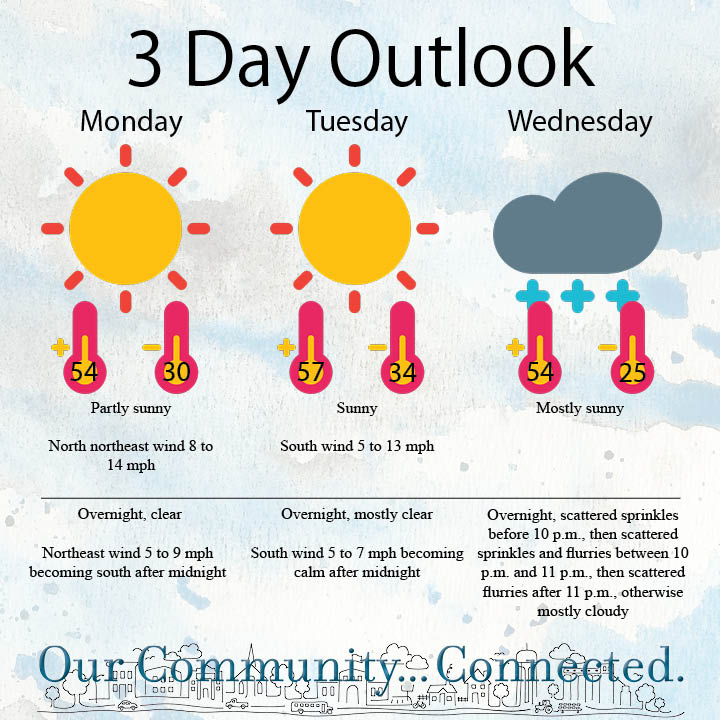
Three-day weather outlook


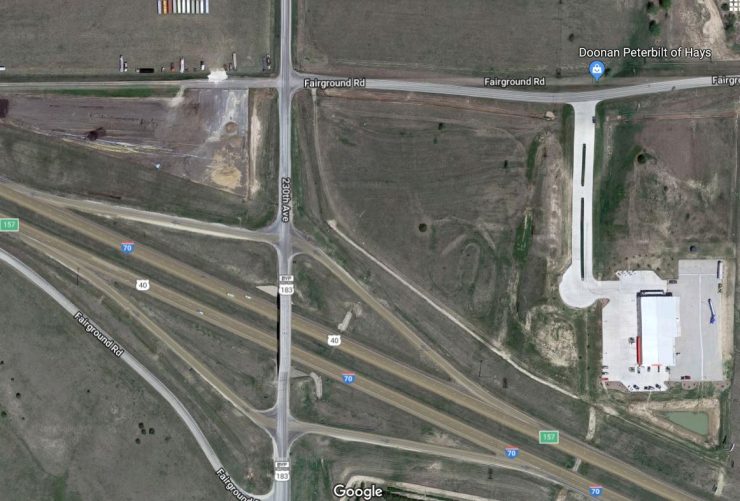
The Post Podcast: Hays Travel Plaza clears another hurdle toward construction
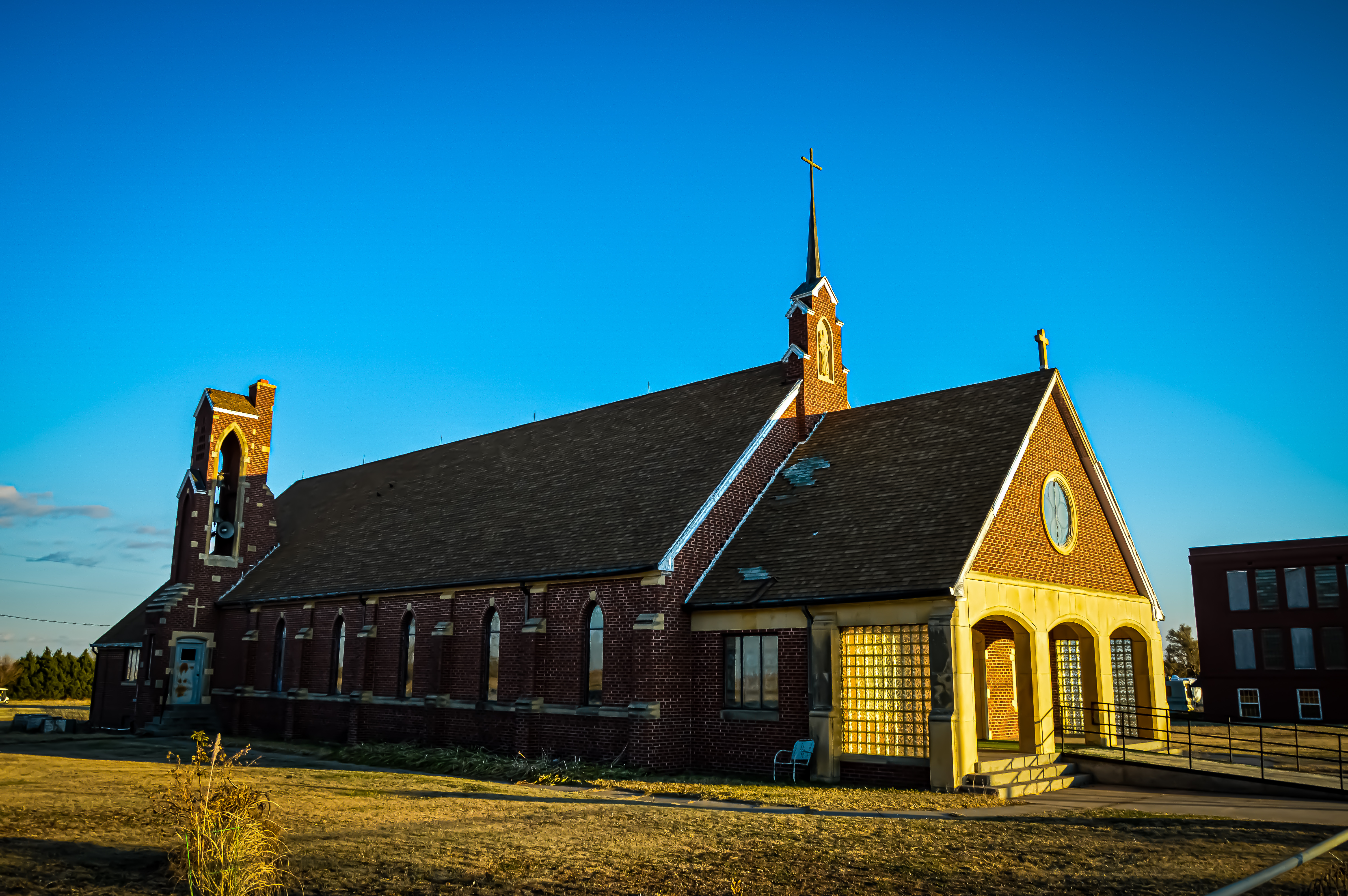
By the Grace of God: A small Kansas town’s fight to save beloved church
 By JAMES BELL
Hays Post
There’s not much left in St. Peter, Kansas.
At the intersection of two unpaved roads about 12 miles north of Interstate 70 in Graham County, the unincorporated town is home to only one business – a drilling company.
Even the Post Office closed almost 100 years ago.
But a few residents have hung on and still call the town home, many are descendants of the original Volga German settlers who first came to the area in the late 1800s.
Now the townspeople will gather Monday to discuss the fate of one of the last reminders of times gone by — a Catholic church that was the heart of the area, a place where townsfolk would gather in celebration, worship and mourning.
Outside of a few special occasions, St. Anthony’s Church has been quiet since 1999, when the last regular mass was held. Since then, the townspeople have chipped in to help take care of the property, but time has not been kind to the 70-year-old building.
It is in desperate need of a new roof. Water has seeped into the walls, ceiling tiles have fallen to the ground and gaps have formed around the stained glass windows.
Meeting to discuss the future of St. Anthony will be 7 p.m. Monday at the church.
It was in 1895 the congregation formed that would build the original church, with names now common to the area such as Brungardt, Billinger, Wasinger and Knoll.
Construction started in 1909 on the first permanent church building after one of the original town settlers, Peter Rome, donated the land on which the church still stands. It was dedicated a little over a year later. A school and rectory stood nearby, home to the local priest and nuns who served as teachers.
In 1949 a new church would be built in the same location with many of the original adornments moved into the new sanctuary from the old.

The school still stands, although heavily damaged. The original rectory remains as well and is now home to Winnie Kingsbury after being auctioned off by the Diocese in 2010.
“It was a vibrant center to this whole area, and it centered around this church,” she said. “It was a faith-based community and the church was everything to them. … They poured their hearts and souls into making sure that they had beautiful spiritual places.”
The church, she said, stands as a testament to those early settlers and what they valued.
“This community was built on the faith of the Catholic Church and the Catholic religion,” Kingsbury said.
Even now, the streets retain the names of Catholic saints.
She said the hope of the community seems to be that at some point a priest would once again regularly return for mass and the Salina Diocese will work to preserve the building.
And an outpouring of support on social media shows interest in saving the building from families who combine their own personal histories into the story of St. Anthony’s and the town of St. Peter.
But many no longer live in the area, and the population of St. Peter is – like many in western Kansas – an aging one.
While she said everyone kicks in as much as they can, the building needs substantial work that will take significant time and money.
“I know everybody has the same feeling out here. They love that church, and they don’t want to see it go,” Kingsbury said.
But she is also a realist.
“At this point, I have to look at it as a beautiful historic building,” she said. “Everyone would love to have the church stay, but the last few years have been hard on it. It’s deteriorated greatly in the last two years.”

Despite the remoteness and the deteriorating building, Kingsbury said a steady flow of people still come to see the church.
She frequently hears their stories about the town and the church, but with fewer people living in the area, the burden of saving the building comes down to the handful who remain.
And while the outpouring on social media has been overwhelming, Kingsbury said the challenge is finding someone locally to take the charge of maintaining the building and grounds, including sourcing funds for the significant cost for repairs.
“It served a great purpose for many years, but there are not many people left,” said the Rev. Charles Steier, pastor at Christ the King church in WaKeeney and St. Michael in Collyer. “That’s a lot to ask a few people.”
The responsibility of maintenance of a church is solely on the parishioners. The Diocese does not allocate funding to buildings — either active or non-active, he said.
Steier has seen the outcome of many similar situations over the years, but generally, as distressing as it is, the best option is often to raze the building.
The concern is that, once a church building is sold, they often fall into further disrepair and become even more burdensome to area residents as they watch a beloved building crumble with no recourse.
He equated the situation to a loved one that becomes ill. The people around the person directly see the effects, but those from a distance might be in denial of how bad the situation has become.
“There is no easy solution,” Steier said.
Despite the outcome of Monday’s meeting, Kingsbury said she is glad the church is looking for definitive action and is grateful the bishop has taken steps to come to a resolution.
She met with Bishop Gerald Lee Vincke, who was appointed last year, when he personally visited the church.
“That has never happened to us before,” Kingsbury said. “That is a wonderful thing.”
Much like the faith the people that founded the St. Peter had in the church and the future of their little town, Kingsbury said she feels the diocese will make the right decision for the building.
“You have to trust that,” she said.
Meanwhile, she said, she hopes the meeting brings a large crowd so they can share their thoughts with the church leaders and all options can be heard.
The Rev. Peter O’Donnell, diocesan tribunal judge, will lead the meeting, scheduled to start at 7 p.m. Monday in the church.


Kansas State Polytechnic flight team soaring to nationals


Hays student member of award-winning team
The flight team at Kansas State University Polytechnic Campus is advancing to nationals in the spring after placing second in its region and earning several individual honors during an annual collegiate aviation competition.
Along with six other schools, the Kansas State Polytechnic Flight Team attended Region VI of the National Intercollegiate Flying Association Safety and Flight Evaluation Conference, also known as NIFA SAFECON. Conducted Oct. 16-19 at the Council Bluffs Municipal Airport in Council Bluffs, Iowa, the competition consisted of both ground and air events with participants having the opportunity to win individual awards and receive team placings — which mean a guaranteed spot at nationals for the top three teams.
With a second-place overall finish, the Kansas State Polytechnic Flight Team will compete nationally in May 2020. Additionally, Kansas State Polytechnic scored more than 20 top 10 individual placings, and team captain Marc Hinnen, Edwardsville, earned the coveted Top Pilot award.
“We feel really good about our performance at regionals because it demonstrates our commitment and self-motivation,” Hinnen said.
Ten ground and flight events make up NIFA SAFECON. They range from participants determining different types of aircraft from ambiguous photos to attempting to hit a ground target from the air to landing a plane as close as possible to a specific line painted on the runway.
Thirteen members competed for Kansas State Polytechnic at regionals and more than half of them scored in the top 10 in various events. The following students, all majoring in professional pilot, are members of the flight team. Included are individual placements if earned:
Marc Hinnen, junior, Edwardsville, Top Pilot award, first in Traditional Navigation, second in Message Drop, second in Power-off Landing, fourth in Computer Accuracy and fifth in Short Field Landing; Brent Koenigsman, junior, Hays, 10th in Power-off Landing and 10th in Short Field Landing; Logan Klein, senior, Hesston; Trey D’Amico, junior, Leawood; Robert Weesner, junior, Leawood, first in Traditional Navigation, fourth in Short Field Landing, fifth in Power-off Landing, and seventh in Aircraft Recognition; Caleb Strahm, senior, Sabetha, fourth in Simulated Comprehensive Aircraft Navigation, fifth in Unlimited Navigation, ninth in Computer Accuracy and ninth in Short Field Landing; Johannes Seberger, freshman, Shawnee, second in Message Drop; Charlie Rusco, freshman, Topeka; and Cole Thornberry, senior, Troy, eighth in Unlimited Navigation.
From out of state: Zak Kierstein, senior, Erie, Colorado, third in Simulated Comprehensive Aircraft Navigation; Charles Weeks, sophomore, Woodstock, Georgia, eighth in Short Field Landing and eighth in Unlimited Navigation; and Brandon Vu, sophomore, Johnston, Iowa.
From out of country: Satoru Okada, junior, Yokohama, Japan, fifth in Unlimited Navigation.
“This is such a close-knit group that truly cares for one another. They push each other, encourage each other, and look out for one another,” said Julie Rowe, student programming and career services coordinator at Kansas State Polytechnic who serves as the team’s staff advisor. “While aviation is not my specialty, you don’t have to be an expert to know they love what they do. It’s been inspiring to watch how hard they work.”
Along with competing annually, the flight team uses its student organization as a way to connect the community with aviation. Throughout the year, the team is a part of several campus events like Open House and Candy Canes and Airplanes, and conducts two aviation camps for kids and one for high school students in the summer. These events also help raise money for the team’s expenses at regionals and nationals.
The other colleges competing at NIFA SAFECON’s Region VI were University of North Dakota, University of Nebraska Omaha, University of Central Missouri, St. Louis University-Parks College, University of Dubuque and Minnesota State University, Mankato.
— Submitted
FHSU’s Encore Series presents ‘menagerie of mechanical marvels’

 FHSU University Relations
Tickets are now on sale for Cirque Mechanics: “42FT – A Menagerie of Mechanical Marvels,” a performance of Fort Hays State University’s 2019-2020 Encore Series. The performance is set for 7:30 p.m. on Wednesday, Nov. 6, in the Beach/Schmidt Performing Arts Center on the FHSU campus.
At the center of every circus rests a 42-foot ring full of thrills, laughs and excitement. “42FT – A Menagerie of Mechanical Marvels,” is the latest invention from the creative minds of Cirque Mechanics. The company dares us to leap into the circus ring and experience the timelessness of this evolving art form.
The shows’ unique mechanical interpretation of the traditional, and its story full of the lore of the historic one-ring circus, create a welcoming place, like a big top, where we can be amazed. The action is full of theatricality and a modern sensibility, showcasing a galloping mechanical metal horse and a rotating tent frame for strongmen, acrobats and aerialists.
Cirque Mechanics, inspired by the modern circus, finds its roots in the mechanical and its heart in the stories of American industrial ingenuity. The show, imbedded in realism, displays a raw quality rarely found in modern circus. Cirque Mechanics’ signature style is wrapped in acrobatics, mechanical marvels, and a bit of clowning around. “42FT” follows the great successes of Birdhouse Factory, Boomtown, and Pedal Punk.
This performance is sponsored by Cal Smith and Mark Post, Financial Advisors – Waddell and Reed.
Tickets are available three ways: at the Memorial Union Student Service Center; by calling 785-628-5306; or by visiting www.fhsu.edu/encore.
Tickets for the general public are $40 reserved and $30 unreserved; for seniors, tickets are $35 reserved and $25 unreserved; and for FHSU students and children ages 5-17, tickets are $30 reserved and $20 unreserved.
About the Special Events Committee
Through the presentation of varied forms of performing arts, the Special Events Committee strives to educate, inspire, evoke thought and entertain. The goal is to promote artistic expression, cultural understanding and social awareness at Fort Hays State University and throughout western Kansas through the presentation of diverse, high-caliber performing arts programs. Information can be found at www.fhsu.edu/encore.
Kansans have more options than ever on ACA marketplace, but read the fine print

By CELIA LLOPIS-JENSEN
Kansas News Service
TOPEKA — The 2020 federal marketplace for individual health insurance includes more options than ever for Kansas, and premiums for some of those plans are less expensive than 2019. But for the second year in a row, all of the plans will leave consumers footing the full bill for most out-of-network care.
The silver lining: Two new insurance companies have jumped into Kansas this year, offering health plans in some of the state’s most populous counties. A third insurer that’s already active in Kansas City and its suburbs is expanding to 12 more southeast and central Kansas counties.
Statewide, five insurers are offering 82 plans for 2020 — the most insurers since 2015 and the most plans since the marketplace launched in 2014. Though availability varies by county, it’s a significant change from this year (three insurers, 23 plans).
Enrollment starts Nov. 1 and runs through Dec. 15 for insurance policies that start on Jan. 1.
For Kansans with questions about all the options, dozens of trained counselors and navigators across the state offer free guidance on comparing plans and applying.
“It is relatively easy to compare plans, but you still have to do a lot of legwork,” said University of Kansas professor Jean Hall, who directs the Institute for Health and Disability Policy Studies. “I strongly recommend that people work with the navigators.”
Check for federally designated counselors and navigators near you here and here. Search for the health insurance plans available in your county here.
Pro tip from Hall: Sometimes online information from insurers about their networks is out of date, so consider calling to confirm whether specific health care providers are still included in a given plan.
No PPOs in 2020
Preferred provider organization (PPO) plans have disappeared from the marketplace across Kansas and much of the country, according to Katherine Hempstead, a senior policy adviser at the Robert Wood Johnson Foundation in New Jersey.
Kansas also mirrors the national trend with the addition of more insurers and plans this year. Hempstead describes companies as “bullish” right now.
“They’re entering the market in more places and they’re offering more things,” she said. “There’s a lot of optimism.”
But the lack of PPOs can be especially bad for people who need specialized care, Hall said.
“If people have different types of chronic conditions,” she said, “one of their specialists may be in network but the other one may not be. And that can be a real problem.”
In 2020, most plans are exclusive provider organization (EPO) options, but some Kansans can also pick from health maintenance organization (HMO) plans. Unlike PPOs that often cost more and help with out-of-network bills, HMOs and EPOs restrict coverage to their networks. Some networks include more doctors and specialists than others. HMO plans generally require customers to go through a primary care provider to access specialists.
New options include some cheaper plans with small networks, as well as zero-deductible plans that make you pay more in cost-sharing, Hempstead said.
The new insurers on this year’s market are Oscar Insurance Company and Cigna Health & Life Insurance. They join Blue Cross Blue Shield of Kansas, Ambetter (a.k.a. Centene subsidiary Sunflower State Health Plan) and Medica.
Ambetter will expand to southeast and central Kansas.
Premiums and income-based discounts
Many Kansans will see lower rates in 2020. The benchmark silver plan for a 27-year-old is dropping $40 to an average premium of $412 in 2020, according to the Centers for Medicare and Medicaid Services.
Ambetter rates in particular will drop more than 8% after the company gave hefty rebates this fall to customers who overpaid on 2018 premiums.
Many people may not realize they qualify for discounts. Last year, more than 85% of people got income-based tax credits, the Kansas Health Institute* says. With those, the institute pegs a net average premium at $76 a month.
This federal tool checks whether you might qualify for tax credits and other help.
Navigators and other ACA help
Navigators, who help people choose plans, used to be more common, but the Trump administration cut most funding for them. Still, there are dozens of certified application counselors across the state that serve the same function without the navigator label.
Healthcare.gov also operates a hotline (1-800-318-2596).
Shannon Little-Haines, who oversees navigators at Ascension Via Christi in Wichita, recommends people bring plenty of specifics to the conversation.
“We generally ask that they bring a list of their medications, any specialists and doctors that they see,” she said. “Then we can compare the plans side-by-side.”
*The Kansas Health Institute receives support from the Kansas Health Foundation, a funder of the Kansas News Service.
Celia Llopis-Jepsen reports on consumer health and education for the Kansas News Service. You can follow her on Twitter @Celia_LJ or email her at celia (at) kcur (dot) org. The Kansas News Service is a collaboration of KCUR, Kansas Public Radio, KMUW and High Plains Public Radio focused on the health and well-being of Kansans, their communities and civic life.
Three-day weather outlook

Now That’s Rural: Steve Radley, Rural Road


By RON WILSON
Huck Boyd National Institute for Rural Development
Hollywood, Los Angeles, California, population 4 million. Yates Center, Kansas, population 1,417. These two contrasting towns do have something in common: They are each a site for film-making. Today we’ll meet a Kansas entrepreneur who recently produced a film highlighting rural Kansas. It’s today’s Kansas Profile.
Last week, we met Jessica Busteed of Yates Center’s Cornerstone Bakery, site of a recent video shoot.
Steve Radley is the writer, producer and director of this new film. He is president and CEO of NetWork Kansas.
Steve was born in Wichita, grew up in Oklahoma, and went to college at OU. His grandparents had a farm near Yates Center. That farm is still in the family. It’s where Steve and his siblings gather on holidays.
“I’ve been bird-hunting on that place since I was 5,” Steve said.
While in college, Steve majored in film and media studies and wrote a screenplay. He was one of 10 people selected nationally to participate in a film writer’s workshop in California. After graduation, he moved to LA, got an agent, and tried to work into the movie business.
“There was no clear career path and, at heart, I’m a Midwest guy,” Steve said. He moved back to Wichita, met and married his wife, and got his MBA at Wichita State. He became an entrepreneur and went into business. With that experience, he then became president and CEO of NetWork Kansas which works to support entrepreneurs across the state.

Steve’s interest in film-making was put on the back burner. Then a friend in LA sent him a note about a commercial that was being shot in Wichita. Steve applied and was cast as an extra. He enjoyed it so much that he applied and was cast in a couple of movies also.
In the back of his mind was a film that he wanted to make himself, as he thought about the rural towns he was working with across the state. “The idea came visually first, as I pictured the concept of rural roads and a journey,” Steve said. He wrote a screenplay for a short film about a man who is sent on a mission to reach out to dying small towns in search of hope.
Steve worked with Andrew Kivett, an award-winning KU film student and family friend, who shot and edited the film. Steve himself played the unnamed lead role. The film was shot on location at Steve’s family farm and the nearby rural community of Yates Center, population 1,417 people. Now, that’s rural.
The film begins with Steve clad in black, waking up atop a grassy hill near a single tombstone. He meets a mysterious gentleman who instructs him to “Save the town.” Steve asks “How?” and the answer is, “Find hope.”
Steve’s character starts walking along gravel country roads. He comes to a virtually abandoned town and goes into what appears to be a café, where he engages in unscripted dialogue with the local folks and others about whether their town is dying. He again encounters the mysterious man who tells him to go on to the next town. The final image is Steve’s character walking down another road toward the sunset.
The visual images of this movie are much more powerful than words can describe. “My character is kind of a metaphor for the community,” Steve said. “I wanted to portray both the beauty and the decay in rural America,” he said. The comments from the people he visits provide a message of hope.
The five-minute long film is titled “The Rural Road.” It’s been selected to have its premiere at the White City Film Festival in Nebraska. It’s also been submitted to independent film festivals in Kansas and as far away as LA and Austin, Texas.
Hollywood and Yates Center may be markedly different, but both have provided a setting for film production. We salute Steve Radley, Andrew Kivett, and all those involved for making a difference with creativity and vision. To paraphrase the old saying, we’ll see them in the movies.
And there’s more. We’ll learn about Steve’s work at NetWork Kansas next week.
Native Kansan returns to open family practice at Rooks Co. hospital
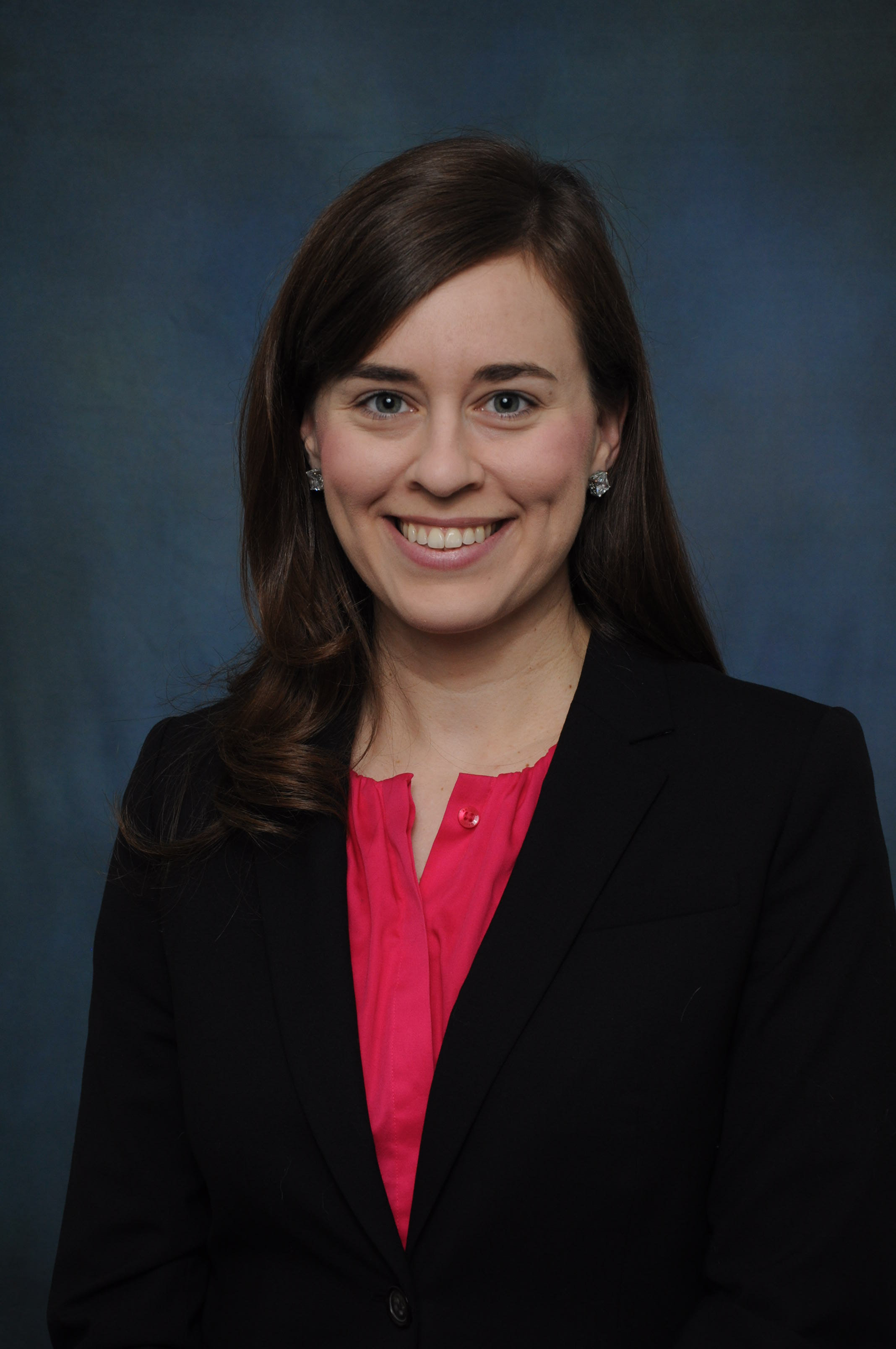

PLAINVILLE — Rooks County Health Center welcomes Dr. Jenny Maciaszek, a Family Medicine physician who is now accepting new patients, including pediatric, adult, geriatric, and obstetric patients, to her practice. Dr. Maciaszek will begin seeing patients in her clinic at RCH on Monday.
Maciaszek has strong connections to Rooks County and the region. Born in Russell to Dennis and Lori (Malin) Davidson, she is the granddaughter of former Plainville resident, Rita Malin.
“I have many memories of spending time in Rooks County with my grandparents both on their farm and in town,” Maciaszek said. “I feel fortunate to be able to return to a community that has been an important part of my life.”
Dr. Maciaszek graduated Russell High School as the class valedictorian, before earning degrees in Journalism and Political Science at the University of Kansas (K.U.). She then studied medicine at the University of Kansas School of Medicine, earning a Master’s Degree in Public Health along the way. She completed her family medicine residency at Providence Alaska Medical Center in Anchorage.
When asked how she foresees her medical practice in rural Kansas, Dr. Maciaszek stated “My approach is rooted in building strong, lasting relationships with my patients and my community. I am passionate about making sure my patients feel safe, supported, and in control of their own health.”
The commitment to reestablishing her life in western Kansas can be seen in the name Dr. Maciaszek chose for her clinic, Niobrara Family Medicine. Niobrara is the notable chalk rock formation that characterizes northwest Kansas. The name was suggested by her husband, also a native Kansan, who majored in Geology at K.U.
Dr. Maciaszek enjoys being outdoors and looks forward to spending time with family and advancing her gardening skills. She and husband Nick, a Geographic Information Systems specialist, are planning to live in Plainville.
— Rooks County Health Center
The Post Podcast: Ellis County EMS always improving

Defunct Plainville Livestock Commission’s debts yet to be settled

By CRISTINA JANNEY
Hays Post
Ranchers waiting to receive funds from the now-closed Plainville Livestock Commission are still waiting for resolution.
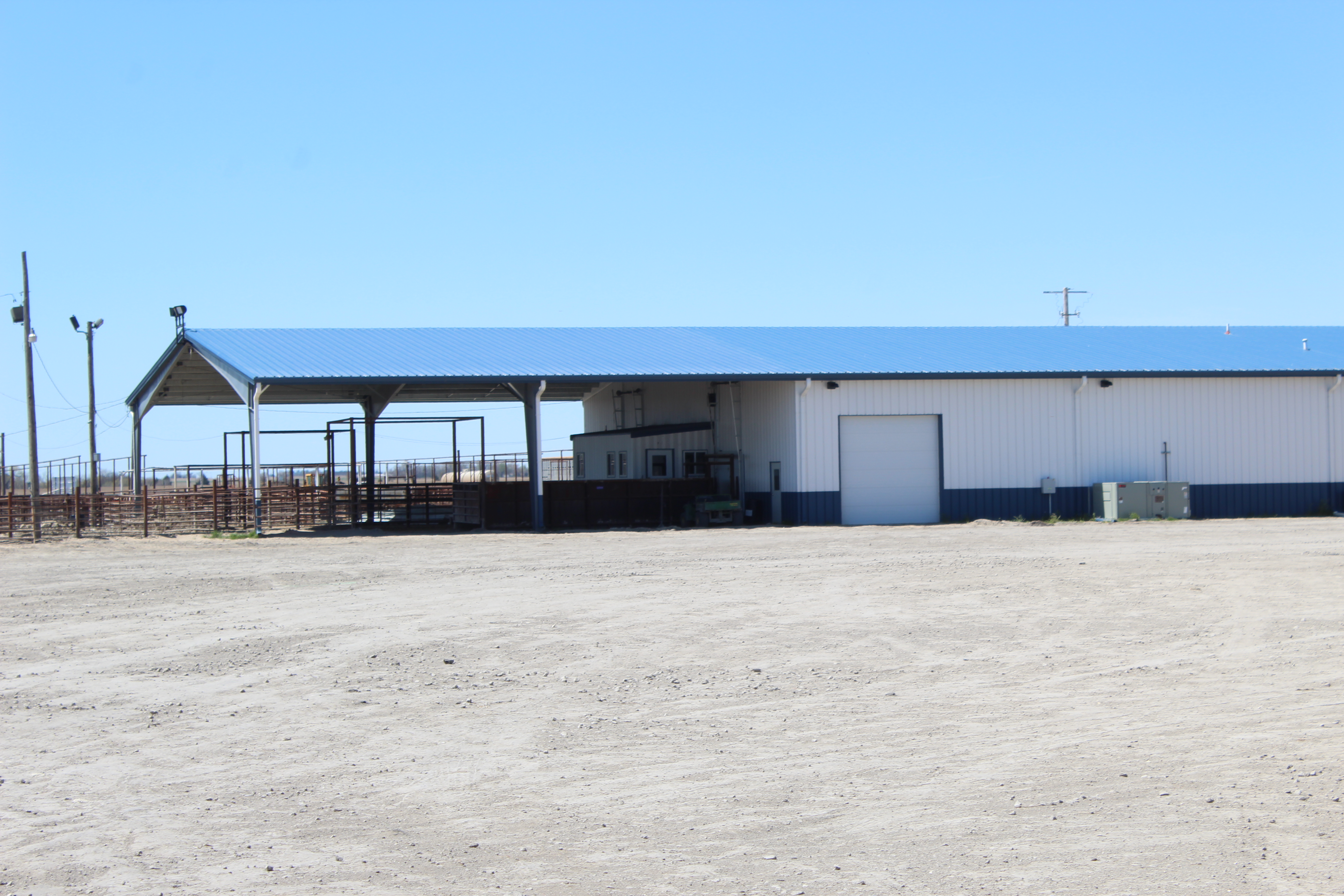
Much of the commission’s property, including the real property in Plainville, was liquidated during an auction in late June. The commission’s bankruptcy case is still open, although it has been changed from a Chapter 11, which is a reorganization, to a Chapter 7, liquidation.
However, the adversary case filed by Almena Bank is still winding its way through the court system.
Plainville Livestock Commission declared bankruptcy on March 1. Tyler Gillum, 47, and his wife, Camden Gillum, 50, owners of the Plainville Livestock Commission, were federally indicted for an alleged check-kiting scheme May 29.
Dozens of cattle producers were caught up in the Gillums’ alleged scheme after money that was supposed to be set aside to pay cattle sellers was transferred from a custodial account to the Plainville Livestock Auction’s operating account. The Almena Bank froze both accounts, which resulted in bounced checks amounting to tens of thousands of dollars per producer.
The adversary case in federal court is seeking to determine how the $900,000 being held in trust by the court should be divided among livestock producers and creditors.
According to court documents dated Oct. 24, counsel are working on a settlement in the case. The records also said one of the claims might need to go to trial. The next status conference in the case is set for 10:30 a.m. Dec. 12.
RELATED: Plainville Livestock Commission property sells at auction
RELATED: Ranchers express frustration as Plainville Livestock funds remain in court’s hands
RELATED: Producers try to recoup losses after Plainville Livestock Commission drains account
RELATED: Plainville economy trying to recover after two bankruptcies in a month
Shoebox packing parties in full swing for Operation Christmas Child


By LINN ANN HUNTINGTON
It’s that time of year. The holidays are quickly approaching, and that means Operation Christmas Child shoebox packing parties are in full swing.
Operation Christmas Child is a ministry of Samaritan’s Purse, a disaster relief organization headquartered in Boone, N.C. Each year thousands of individuals pack shoeboxes with toys, school supplies and personal hygiene items to distribute to needy children around the world.
Messiah Lutheran Church, 2000 Main, will be hosting a shoebox packing party beginning at 9:45 a.m. Sunday, Nov. 3, and the community is invited to participate.
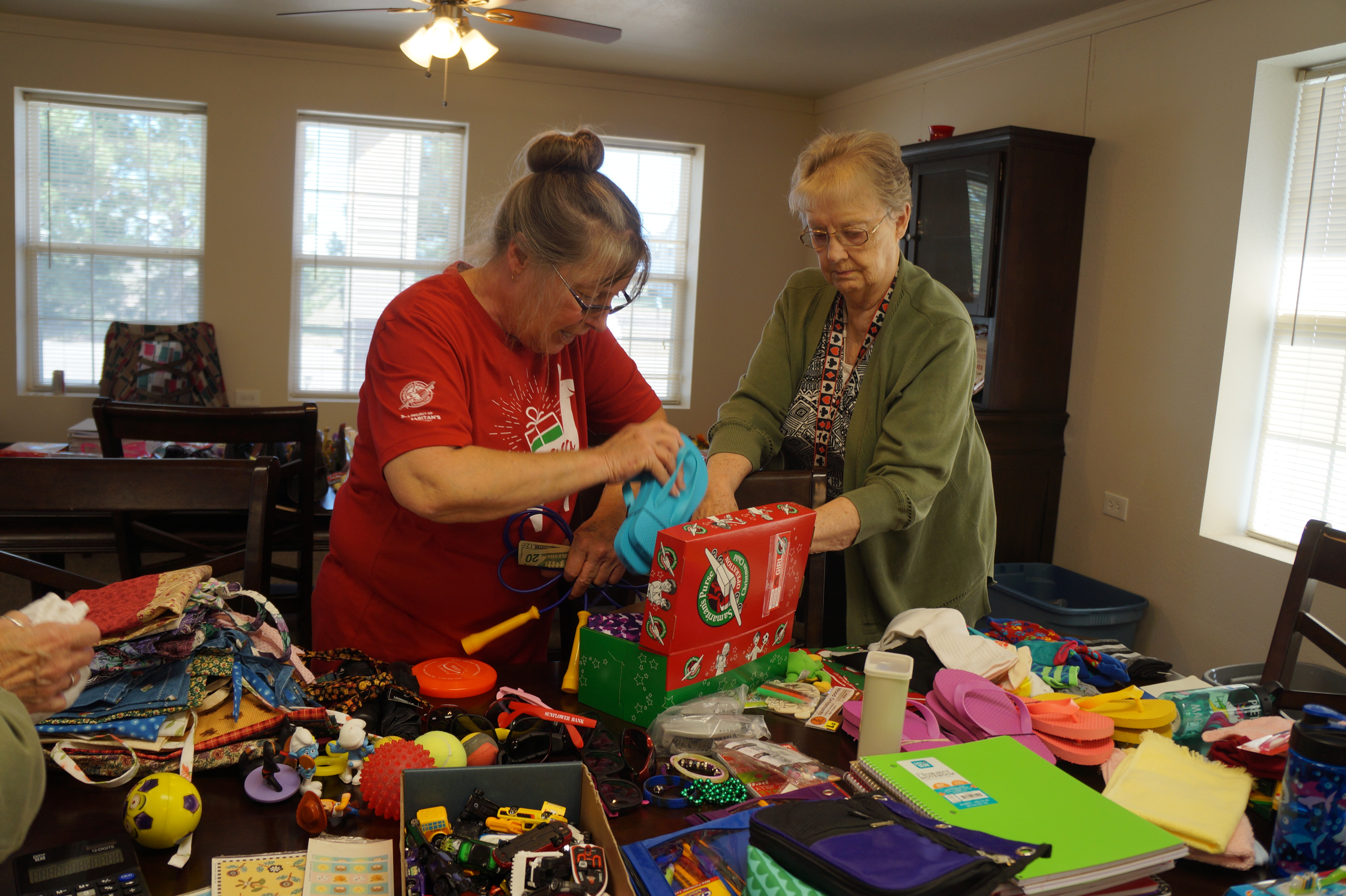
One group that has already had a packing party is the Buckeye Family and Consumer Education group, which held its event Oct. 17 at Ellis Estates in Hays.
Some of the club members brought their own items; others used donated items provided by OCC. Club members were responsible for providing the $9 shipping fee required for each box. Some of the members chose to pack one box; others decided to pack two.
Linda Collins and Brenda Evans, two OCC volunteers, were on hand to pass out empty OCC shoeboxes and to assist the group members in selecting items for either a boy or a girl in one of three age groups.
Ellen Schmidt of Hays said she had packed boxes before with another civic organization.
“I have a lot of grandkids,” Schmidt said, “and I know how much they enjoy these things.”
Kathleen Staab of Hays was a first-time packer.
Referring to her four grandchildren, Staab said she wanted to participate in the event because “if you can make kids feel good, that’s a good thing.”
Bonnie Flora, a retired teacher, recently moved to Hays from California. She said she wanted to get involved in packing a box because she remembered a time when a child came to school without any panties on. The girl’s family simply couldn’t afford them. Flora made sure she packed clothing items in her box.
Those wishing to pack their own shoeboxes may find a list of suggested items at www.samaritanspurse.org/occ.
All told, the Buckeye members packed 14 shoeboxes in about an hour.
In 2018, more than 10.6 million shoeboxes were collected worldwide, with more than 6,800 of those collected in northwest Kansas. Rachel Albin, Northwest Kansas coordinator for OCC, said this year’s goal for her area is 7,363 boxes, an increase of 9 percent from 2018.
But Albin said she is confident the goal will be met, especially as more churches and civic groups schedule more packing parties between now and Shoebox Collection Week.
That week will be Nov. 18 through 25. Ellis County has two shoebox drop-off sites, Messiah Lutheran and CrossPoint Church, 13th and Harvest Road. All shoeboxes collected in Ellis County will then be taken to Denver for processing, then shipped to various countries.
Those wishing to schedule a shoebox packing party or wanting more information about OCC can contact Albin at (785) 639-1325 or [email protected].
