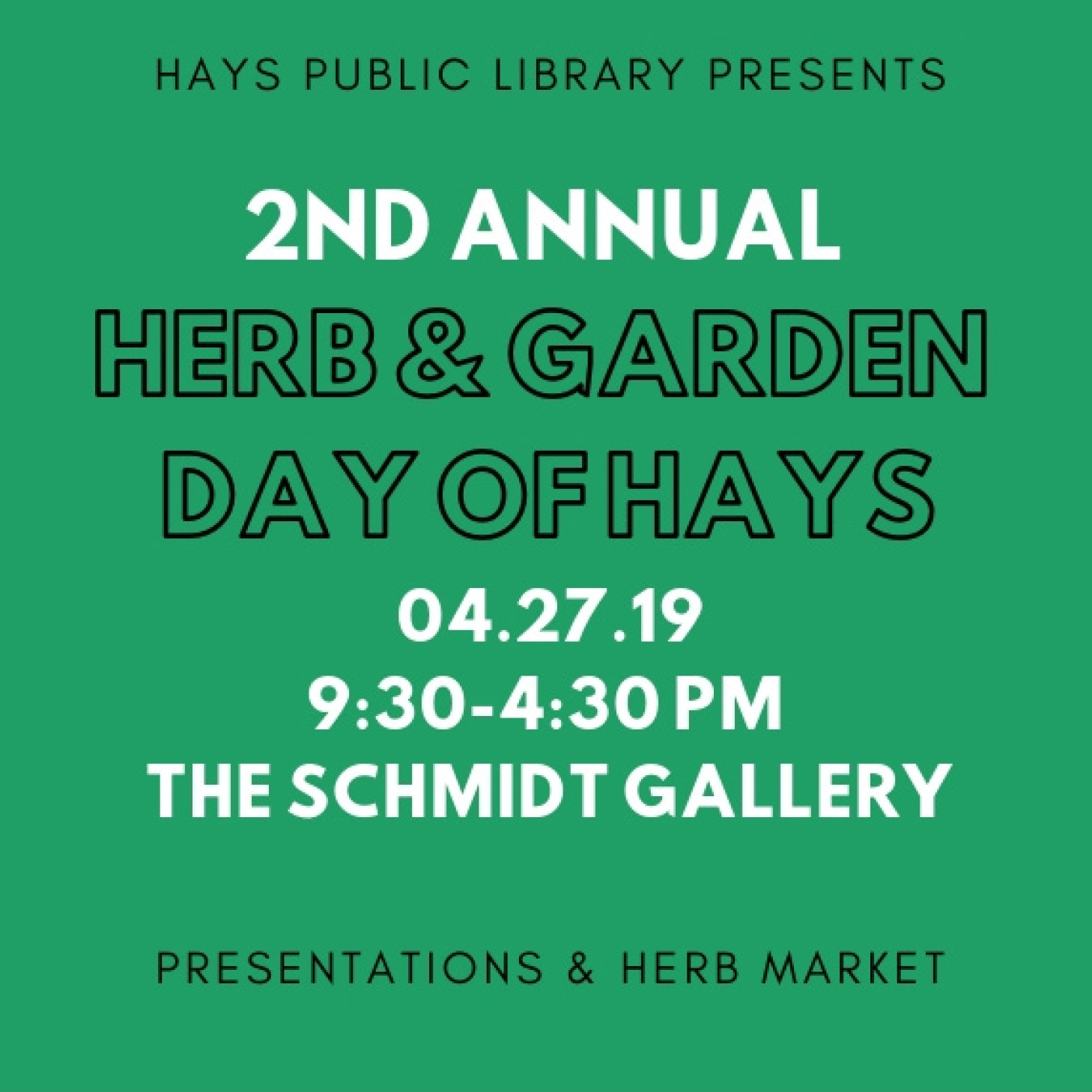
Celebrate all things herb-related at Hays Public Library’s 2nd Annual Herb and Garden Day of Hays on Sat., April 27. The day will include presentations from 9:30 a.m. to 4:30 p.m. and an Herb Market from 10 a.m. to 2 p.m.
Presenters will include Keri Maricle with NCK Technical College discussing the botany of herbs and native plants; Linda Beech will demonstrate baking with herbs; John Fitzthum with Hays Med will present on cooking with herbs; representatives from Morford Lavender Farm will discuss growing and caring for lavender; the Ellis County Master Gardeners will talk about the cultivation of herbs; and the day will conclude with a presentation from Jensen Farms about beekeeping and growing mushrooms. The presentations will be held in the Schmidt Gallery.
From 10 a.m. to 2 p.m. an Herb Market will be located in the parking lot west of the library. The market will showcase vendors from around the area selling plants, natural products and more.
“We are very excited to have so many different community organizations and individuals present at the 2nd Annual Herb & Garden Day,” says Adult Services Manager Samantha Gill. “No matter what a patron is interested in pertaining to herbs and gardening, I think they will walk away with some useful information!”
You can find out more about this and other library programs at hayslibrary.org or by calling 785-625-9014.
A Dighton, Kan., man was injured in a one-vehicle accident on Kansas Highway 4 (K-4) in Saline County Saturday afternoon.
Alan Randecker, 67, was riding a 2003 Harley-Davidson Heritage Softail motorcycle northbound on K-4 southeast of Gypsum when he failed to negotiate the curve near Tinkler Road, Saline County Sheriff Roger Soldan said. The motorcycle left the road and Randecker was ejected, Soldan said.
Randecker complained of side and back pain and was transported to Salina Regional Health Center with non-life-threatening injuries, Soldan said.
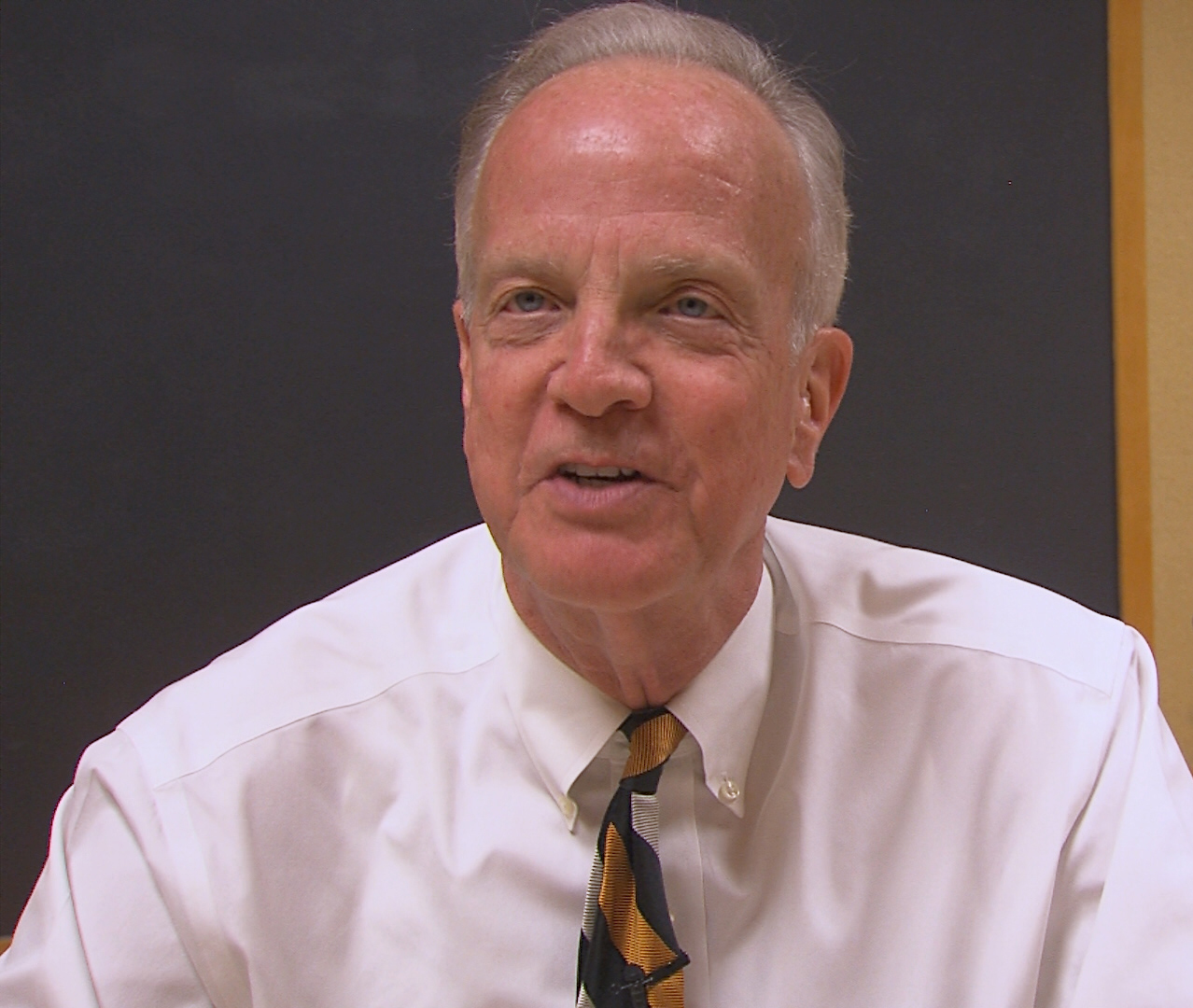
WASHINGTON — U.S. Sen. Jerry Moran, R-Kan., today announced he will visit Ellis as part of his Kansas Listening Tour on Friday.
Moran will be at VFW Post No. 9139, 813 Jefferson, Ellis, from 10:45 to 11:45 a.m.
Area residents are encouraged to attend and share feedback with Moran on the critical issues facing Kansas and the nation.
The issues Sen. Moran focuses on and the work he does in Washington are largely based on the conversations he has with Kansans during these Listening Tour stops.
Stop in at Kaiser Liquor and purchase these four different brews available in singles…then vote for your favorite at HaysPost.com. At the end of four weeks, somebody is going to win a pair of tickets to Brews on the Bricks.
It is your chance to purchase just a single bottle or can and not the whole six pack. Who knows? You might find a new favorite.
Battle of the Brews at Kaiser Liquor…your chance to buy these unique beers in singles this week at Kaiser Liquor!
State Executive Director USDA Photo by Preston Keres
By DAVID SCHEMM Kansas Farm Service Agency State Executive Director
and KAREN WOODRICH Natural Resources Conservation Service Kansas State Conservationist
At USDA, we celebrate Earth Day 2019 by offering big thank-yous to farmers and ranchers here in Kansas for all they do. Every day we see their efforts to conserve natural resources while producing food, fiber and fuel for people in their communities and around the world. They are doing what needs to be done to make sure we all enjoy the benefits of clean and plentiful water and healthy soils, ecosystems and wildlife habitat.
This year’s Earth Day theme, “Protect Our Species,” highlights the responsibility we share in supporting wildlife. Two-thirds of the land in the continental United States is privately owned, and the decisions that farmers and ranchers make for their land can impact wildlife.
Working lands are what Kansas is made of. These lands work to support healthy families by providing abundant food, healthy soils, clean water and abundant wildlife. Kansas farmers, ranchers, and forest owners are keenly aware of the value of crop production, prairie ecosystems, and forests and have made great strides to protect their natural resource in harmony with day-to-day operations. Earth Day provides an opportunity to recognize the conservationists we have in our backyards, our neighborhoods, and up and down our beautiful landscape.
We at USDA believe people and wildlife can thrive together. USDA’s Farm Service Agency and Natural Resources Conservation Service assist agricultural producers with adopting conservation practices that benefit not only farms, ranches and forest lands but wildlife species. In Kansas as well as across the nation, producers and landowners have played and continue to play important roles in helping wildlife species flourish, rebound or recover.
Kansas landowners have been instrumental in preserving the largest remaining population of Lesser Prairie Chicken within their original five state native range of the species. Through Farm Service Agency, Kansas landowners enrolled over 1.1 million acres of native grass cover into the Conservation Reserve Program (CRP) in the heart of the Lesser Prairie Chicken native range, thus helping to remove the species from the endangered listing. Native covers under the CRP program offers Lesser Prairie Chicken ideal habitat for brood and nesting habitat especially when located adjacent to native rangeland and cropland.
NRCS’s Environmental Quality Incentives Program through a Regional Conservation Partnership Program with the National Fish and Wildlife Foundation provides a great opportunity for ranchers and farmers to develop and improve working lands for Monarch butterflies. Monarch butterfly migration is under way and the first monarch was spotted in Kansas on April 7, according to Journey North. If you see a monarch now and its color seems a little pale or faded, there is a good chance it has flown in from Mexico. Monarch butterflies are a species with a declining population that need milkweeds to lay their eggs and wildflowers to feed on their nectar. Kansas rangelands, roadsides, and odd areas are typical places to find milkweeds. To learn more about managing your land for monarchs or pollinators, contact NRCS at your local USDA Service Center.
USDA offers a wide array of Farm Bill programs to help Kansas producers make wildlife-friendly improvements to croplands, grazing lands and working forests, as well as benefit agricultural operations. Programs include the Conservation Reserve Program, the Environmental Quality Incentives Program and the Agricultural Conservation Easement Program. USDA also offers free conservation advice as well and financial assistance to help implement conservation practices.
If you farm or ranch, we encourage you to reach out to your local FSA and NRCS representatives at your nearest USDA service center to see if there is a program right for your operation. If you’re not a farmer or rancher, on this Earth Day please thank one for the work he or she does to put food on our tables and to conserve our natural resources and support our nation’s wildlife.
As part of Sexual Assault Awareness month, the Ellis County United Way will join the millions of people across the world wearing jeans with a purpose, to support survivors and educate themselves and others about all forms of sexual violence.
This campaign was triggered by a ruling from the Italian Supreme Court where a rape conviction was overturned because the justices stated since the victim was wearing tight jeans, she must have helped her rapist remove her jeans, thereby implying consent. Sadly, similar outcomes from court hearings such as this happen in rural Kansas.
To spread awareness of sexual assault, the United Way is asking you to participate by wearing jeans on April 24. Post a picture of yourself wearing jeans with the hashtag #UWDenimDay to raise awareness and support for survivors of sexual assault.
A spring carnival will take over the Gross Memorial Coliseum parking lot during the evening of Saturday, April 27, courtesy of Fort Hays State University’s University Activities Board.
“The mission behind Jammin’ Into Summer is to create a stronger connection between the campus and the public in order to better showcase what the City of Hays as well as the FHSU campus has to offer,” said Jacob Schoenfeld, president of UAB.
Six different carnival rides, booths hosted by campus organizations, food, magician Brian Miller and a concert by Parmalee will all be a part of the carnival.
Parmalee is a nationally recognized country band, known for their hit single “Carolina.”
Admission is free, the only thing that must be paid for is the carnival booths or food.
“Last year 800 people attended and we are planning on a much larger turn out this year,” said Schoenfeld.
The carnival begins at 5 p.m. and the concert will start at 7:30.
Steve Gilliland
High on a barren windy bluff overlooking Kanopolis Lake stands the weathered remnants of a project never heard of by most Kansans. Known as the eagle “hack tower,” it’s all that remains of a fourteen year endeavor to augment the population of nesting pairs of wild Golden Eagles in Kansas.
“Hacking” is a term created by falconers to encompass the entire process of rearing young birds in the wild, while giving them no visual contact with their handlers, then releasing them with hopes they will someday return to nest where they themselves were fledged.
This joint project between the KDWP and other agencies operated from 1986 through 1996 at Wilson reservoir during which time 33 young golden eagles were fledged and released into the wild. During those years, a nearby prairie dog town was destroyed, eliminating a major source of prey for the young eagles. In 1997 a group of Westar current and retired employees known as the Green Team became interested in the project’s proposed move to Kanopolis and donated time, labor and materials to construct the hacking tower that stands there in ruins today.
The hack tower stood 7 feet off the ground and consisted of 3 separate units 8 feet x 9 feet square and 6 feet tall. The units were built 4 feet apart from each other allowing an attendant to feed, water and observe the eagles while remaining unseen. The back of each cage was enclosed, but the front of each was constructed of rows of pipe, enabling the eaglets to become familiar with their surroundings and to see each other. The pipe fronts of the cages simply hinged downward when the time came to release the eagles into the wild. A sliding door in each unit allowed for watering and a large PVC pipe through the wall of each allowed for meat to be inconspicuously slipped into the cage. In 1997, when the project moved to Kanopolis, a 30 to 35 acre prairie dog town thrived adjacent to the tower.
Over the 14 years of the project, wild golden eagle chicks were obtained from Colorado and Wyoming, and captive-hatched chicks were obtained from zoos in Kansas and Alabama. The goal was to get chicks that were 7 to 8 weeks old and to open the cages when the chicks reached 11 weeks. Newly procured golden eagle chicks were put into the cages, sometimes 2 to a cage depending on the number obtained.
Each unit contained sticks and limbs for perches and a makeshift nest in the corner to keep their surroundings as natural as possible. Summer volunteers fed them chunks of domestic rabbit meat through the PVC pipe chutes and gave them water through the sliding doors, always vigilant to remain unseen so the eaglets would never associate humans with being fed. While the chicks remained confined they were closely observed either from a walkway along the back of the tower or from a blind set up nearby.
When all the birds were deemed ready for their freedom, radio transmitters were attached to each and the cage fronts lowered so the young eagles could then come and go as they pleased. Feeding was still maintained after the birds were released in hopes of keeping them in the area a little longer and to augment their diets while they learned to fend for themselves.
At this point since the eagles were no longer confined, it became a little trickier to provide food for them at the hack tower while still remaining inconspicuous. I contacted one of the guys who worked as an intern one summer during the project, and he told me stories of hiking through the prairie dog town each night after dark carrying road-killed carcasses because the domestic rabbit meat had run out. He would sneak as close to the tower as possible, fling the carcasses up onto the tower platform and retreat the way he had arrived.
This is yet another story in an amazing journal of adventures that never in a million years would I have associated with the state of Kansas. According to reports I read and participants with whom I spoke, this golden eagle reintroduction program appears to have fledged 39 young eagles into the wild during its fourteen year existence. For reasons unexplainable, and to the best of anyone’s knowledge, none of those golden eagles ever returned to nest in Kansas. The program ceased for several reasons, but the clincher seemed to be an increased difficulty in obtaining golden eagle chicks.
Today, the hacking tower stands empty, quiet and falling down and the nearby prairie dog town barely survives if at all. Even though it didn’t give the desired results, can any project that added 39 more of those majestic birds to our skies ever be called a failure? …Continue to Explore Kansas Outdoors!
Steve Gilliland, Inman, can be contacted by email at [email protected].
Amy Schmierbach, professor of art and design at Fort Hays State University, was honored with the Master Educator Award at the recent Foundations in Art Theory and Education Conference in Columbus, Ohio.
FATE is a national conference that focuses on first year courses in college art programs.
“If I am a good teacher it is because I have great students,” Schmierbach said.
“I want to dedicate this award for each of my students over the past 20 years who was excited to try a new project,” she said, “who didn’t run away when I asked them to trust me, who didn’t complain when one of our projects failed and for the students who ventured out into my community to help me on my latest social practice project. I am truly honored.”
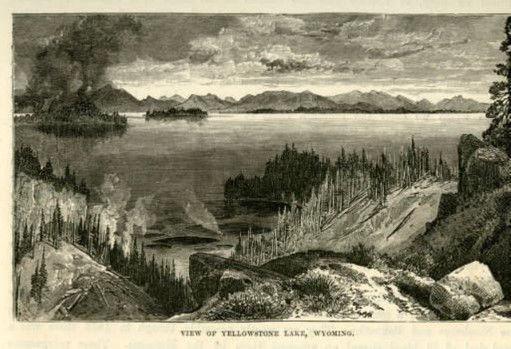
An artist’s rendition of Yellowstone Lake is one of the many items the McCracken Research Library at the Buffalo Bill Center of the West, in Cody, Wyoming, has on file relating to the national park. Image courtesy Buffalo Bill Center of the West
CODY, Wyo. — Samantha Harper and Karen Roles of the McCracken Research Library at the Buffalo Bill Center of the West will provide an overview of the library’s Yellowstone archives on April 29.
The presentation will be part of the meeting of the Pahaska Corral of Westerners at the Governors Room in the Irma Hotel in Cody. For more information on the presentation, email Lynn Houze at [email protected].
The McCracken’s Yellowstone National Park Collection came from various sources, but what the items all have in common is that they are primary sources that depict the Yellowstone story, be they stagecoach passes, photographs, promotional brochures, government reports, or postcards.
Harper and Roles will be highlighting the Greater Yellowstone Sights and Sounds Collection: more than 18,000 video clips including footage of moose, grizzlies, and other charismatic megafauna. The collection also includes video of rangers, biologists, and community members discussing their feelings about, among other things, wolf reintroduction, grizzly bears, and incidents of human-wildlife conflict.
Harper came by her interest in the American West naturally. She originates from Hays. Not only was it once the wildest of cow towns, it was at one point the home to Buffalo Bill, Wild Bill Hickok, and others.
“In in a way I’m retracing Cody’s steps through life,” she said. “The Hays City Crest consists of busts of Cody, Hickok, and Custer, so I just grew up with this history all around me.”
Roles, a former Powell High School history teacher, was born and raised in the Bighorn Basin. A skilled genealogist she assists patrons at the McCracken with research inquiries.
“We have buried treasures here, and when you do a little bit of digging, you find we have an abundance of materials that are deeply related to Yellowstone National Park,” Harper said.
The Pahaska Corral of Westerners is the local chapter of Westerner International, an organization headquartered at the National Cowboy & Western Heritage Museum (formerly the Cowboy Hall of Fame) in Oklahoma City. The Westerners International, founded in 1944, is dedicated to stimulating interest and research in the history of the American West.
The market agent’s custodial bank account, which contained more than $900,000 that was meant to pay cattle sellers, has been frozen. More than 40 cattlemen had checks bounce.
The cattlemen expect to receive a significant portion of the funds they are owed; however, it could be months before they see any money due to the bankruptcy proceedings.
“I don’t want to minimize it. It will have a big impact,” said Roger Hrabe, director of Rooks County Economic Development. “This is not the first time.”
Schult Homes was a significant employer in Plainville. It closed its doors in 2008 after 40 years of operation in the community. The closing also threw a significant number of people out of work. However, Hrabe said the community was able to bounce back from that closure.
“Whatever becomes of this,” Hrabe said, “I think we will be able to come back from this somehow and create new jobs.”
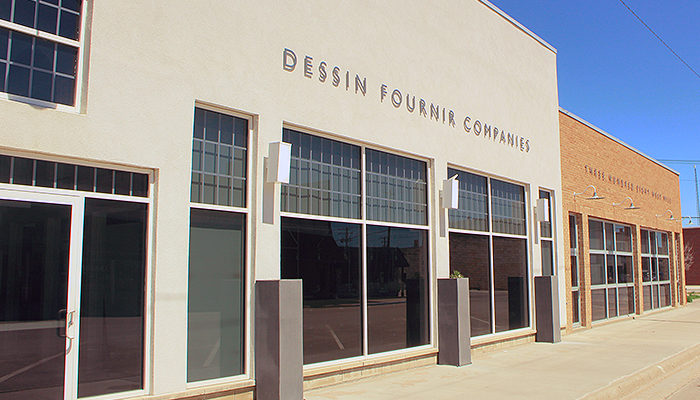
Although Dessin Fournir has fallen on hard times, Hrabe said it was not because of its location in Plainville. He said Plainville still has quality employees and has shown that a multi-national company can operate in a rural area.
Plainville downtown.
According to the latest unemployment rates released Friday, Rooks County’s unemployment rate jumped 0.4 percent to 4.3 percent, which is the highest rate in western Kansas.
Dan Steffen of the Kansas Department of Commerce said, with low unemployment in nearby counties, he thought those laid off by the Dessin Fournir closure should be able to find jobs quickly.
Ellis County’s unemployment rate was up slightly in March to 2.7 percent, but that is still considered very low.
Kansas Workforce in Hays has programs that can help the displaced employees, and its communications department is working to put together a public announcement that will help direct unemployed workers to those services.
The foreclosures could mean that multiple buildings in Plainville could all go on the market at once, which is significant for a small community.
However, Hrabe said the buildings are in excellent condition and would be good locations for new business that might want to locate in Plainville.
Plainville has a population of about 1,800 people. Its population has been in steady decline since 1990.
In terms of the Livestock Commission, Hrabe said, “I think the effects of any of the ag issues due to crop failure or disaster is difficult. I don’t think it is on the same scale as events in Nebraska, but it is difficult when things like that do happen. In this case, hopefully, they will recover the money.”
Hrabe said the Livestock Commission bankruptcy has caused a trickle-down effect for the community and the entire region.
Because the cattlemen have not been paid, they are having difficultly paying their bills.
Doug Zillinger, representing the sixth district on the Kansas Farm Bureau board of directors, said many people in his district said they have been affected by the Plainville Livestock Commission bankruptcy. He attended the McEowen discussion in Stockton on April 12.
“As I listen to my community talk, we have producers that didn’t get paid, and they are turning around trying to figure out how to get bank loans without the income to produce to pay that loan off,” he said. “They are trying to figure out how to pay their local people, so the ripple effect on this thing is pretty astounding.”
Cattlemen who did not have checks bounced from the Plainville Livestock Commission are also being affected. A group of Graham County producers, who had been taking cattle to Plainville, took cattle to North Platte to sell. That travel increases fuel costs. The trip cost $700 per load.
Hays Post contacted a number of local businesses in Plainville about the economic fallout of the bankruptcies. Those who were willing to comment had mixed feelings on the bankruptcies.
A.J. Thomas, CEO of the Rooks County Health Center, said the hospital intends to proceed with its planned expansion. He noted the hospital draws from a greater area than just Plainville. The hospital is currently one of the largest employers in the county.
Adam Kosinski, owner of the French Press coffee shop in Plainville, said he is concerned about his young venture, but has not seen a significant decrease in business yet.
The French Press has only been open a year in Plainville. He said he has seen less traffic coming through town as fewer cattlemen are bringing their cattle to the market in Plainville. The cattle market remains open, but is being operated by a different market agent.
Larry Denning, owner of the B&B restaurant and bar, said the sales at the Livestock Commission brought in a lot customers. He said Comeaus were also regular customers.
“I don’t know what is going to happen,” he said. “It is hurting everybody.”
He said he thought some families would leave the community permanently because of the closing of the furniture manufacturer.
“Those people, the jobs they had, they are not going to find anything like that around here,” he said.
Despite people being out of work, Denning said he has had no one come in asking for a job and he continues to struggle to find employees for the restaurant.
 HPL
HPL
 A Dighton, Kan., man was injured in a one-vehicle accident on Kansas Highway 4 (K-4) in Saline County Saturday afternoon.