We have a brand new updated website! Click here to check it out!

USD 489 school board rejects clocks fix, new wiring at HHS

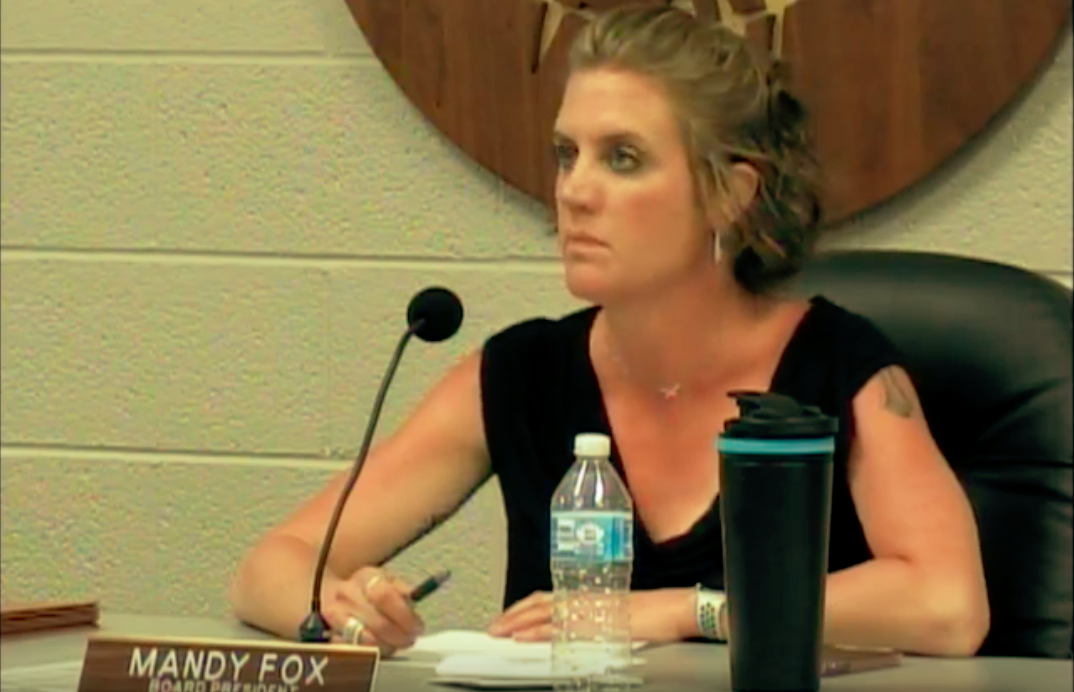
USD 489 school board President Mandy Fox

By CRISTINA JANNEY
Hays Post

The Hays USD 489 school board rejected a $129,000 bid to replace a clock and intercom system at Hays High School.

The bid also included installing new wiring and cable for a new phone system and security cameras that were set to be purchased at a later date.

The clock, intercom and phone systems are original to the building and are outdated, said Rusty Lindsay, building and grounds director.

The phone system software is no longer supported, and the school has had problems with the system.

As the district looked at replacing the phone system, HHS began having problems with the HVAC system. The HVAC system failed this year because of a problem with the clock system.

Lindsay said the more serious problem is the phone system, but the district does not have money in the budget this year to replace it.

Superintendent John Thissen said, “We also know there is the possibility we could get into the school year next year and have a catastrophic issue with our phones. That is a possibility, so they are just trying to ready it so it will be as quick or fast as possible when that time comes when we have the money or we feel we have to do something.”

Lindsay said he planned on coming back to the board in the fall with options to replace the phone system, but he said regardless of what the district does to replace the phone system, the infrastructure covered on this bid has to be in place to install a new phone system.

Board member Lance Bickle asked if the facilities staff could install the cable.

The facilities staff is already committed to replacing more than 500 interior locks throughout the district buildings this summer. Scott Summers, technology director, and other staff are also going to be occupied with renovations at the Oak Park Medical Complex.

“A few weeks ago I din’t vote for the technology to move ahead the $250,000 for the iPads for the middle school,” Board President Mandy Fox said. “It wasn’t that I didn’t think we need those. It wasn’t because I don’t think that was something that didn’t need to be fixed. My problem on voting on some of these things to move forward is that I don’t understand that these are the greatest needs for that building or the district at this point in time.”

Lindsay said from a buildings and grounds perspective there is a need to take care of this issue at HHS.

“We are trying to address three other systems at the same time,” he said. “HVAC is something I have been coming in and talking to you about, and there is a great need there. Part of this system that we are replacing is the control part of the that. My failures this year have been on that side of it.”

The entire HVAC system went down earlier this school year because of one relays connected with the clock system failed, he said.

“In terms of total systems in that building,” Lindsay said, “this is my first step. It is my highest priority in terms of taking the next steps for it.”

Fox said, “It goes back to a facilities plan. I need a ranking system. When I go to work every day, I have a list. This is the most important thing and then this and then this. I fail to conceptualize that for the district. Not even on academic needs, just facilities. I need a list. If this doesn’t get fixed, we can’t operate.”

Lindsay said the problem is the facility needs are dynamic. He gave the example of roofs. The roof replacement at Roosevelt had to be moved up because of a more rapid deterioration in that roof.

“That is part of the problem of having systems that are all about the same age throughout the whole entire district,” he said. “You might have a plan that is static for you at that moment, but then it becomes dynamic because you have another system failure and that changes everything that you planned.”

Board member Sophia Rose Young also said she wished she had a better idea of what was happening with facilities.

Fox said to Lindsay, “I don’t like to put out fires. I like to plan. But I know you have been put in a position where you are putting out fires.”

Lindsay said he has a five-year capital improvement plan, some pieces of which are on schedule and other pieces are not.

Fox asked for estimates on the full phone and camera system. She said she thought the project needed to be done but said she needs more information. Lindsay agreed to bring back estimates.

The vote on the bid was 3-2. Commissioner Greg Schwartz was absent and Luke Oborny recused himself because he is employed by Nex-Tech, the low bidder on the project. A motion needs a majority of the seven members to pass, which is four votes.

Secure entrances

In other business, the board approved a project to add secure entrances at HHS and Hays Middle School. The district has received more than $86,000 in grants for the project. The district’s portion of these projects is $16,693. The district hopes to have the entrance project completed this summer.

The entrances will funnel visitors through the schools’ offices after the start of the school day.

Oak Park Complex

The board heard an update on the Oak Park Medical Complex renovation. They also briefly discussed renaming the facility, but no names were offered at this time.
MASON: Educating minds also means nurturing them

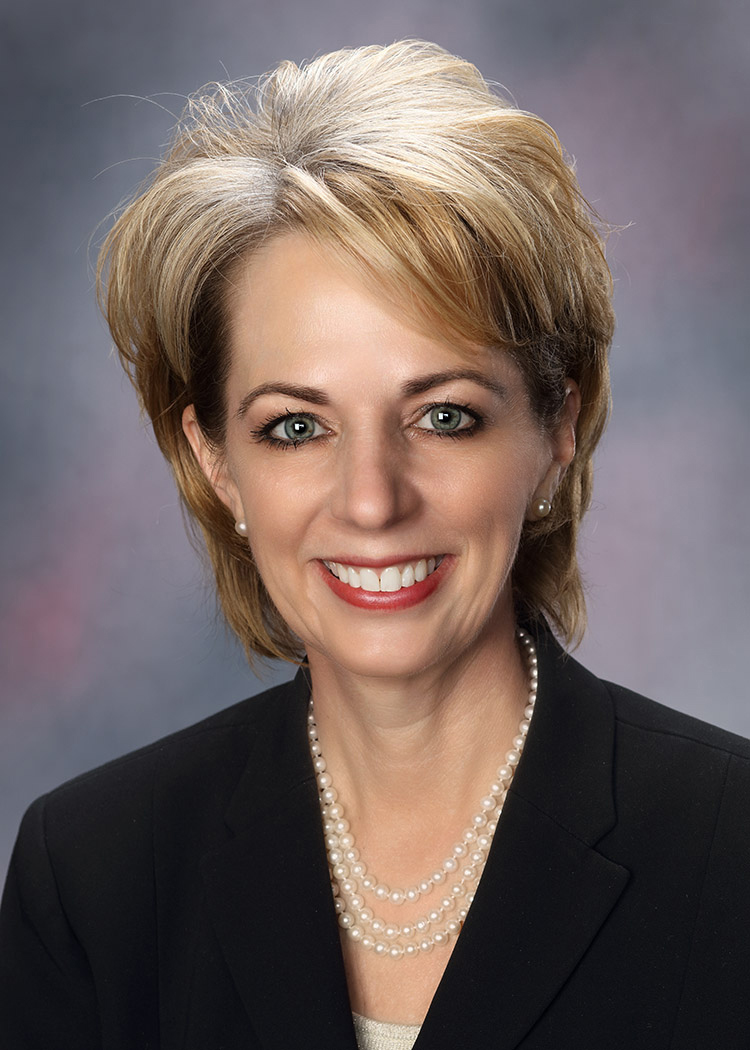
Dr. Tisa Mason, FHSU president
I love to share stories about students who through grit and determination have traversed difficult journeys and succeeded. They inspire me every day and remind me of my purpose: making a positive impact in the lives of others.

That motivation and purpose, however, is also fueled by painful memories of students who have died, some from sickness or accident, but others from mental health illnesses and substance abuse. The memory of all those students and their families are forever in my heart and have profoundly shaped my perspective in understanding the importance of community awareness, understanding, compassion, and action.

Throughout my career I have relied upon a number of colleagues who have worked with me to help individuals and the campus through struggles and tragedies – from individual professors and staff members, to crisis intervention teams, to campus police.

The death of any student is tragic, but for those who die as a result of mental illness the tragedy is compounded by the questions that remain with their friends and loved ones: Was there something we could have done? What did we miss? How could I have helped?

Those questions also haunt those of us who worked at the universities where the students studied, and always at the center of our institutional hopes are our professional counselors – a caring and experienced group of faculty and staff who quietly help so many members of our community gain the skills and knowledge to heal and to grow. They are truly gifted, kind, and remarkable.

In addition to helping individuals, these professionals also educate and shape policy so that our university grows stronger, enhances our outreach, and strengthens the overall wellbeing of our campus community.

Recently our Department of Psychology and the Kelly Center joined together to build awareness, improve the quality of health services, protect students, and discourage harmful behaviors across our campus through a partnership with the JED Foundation, created in 2000 by Donna and Phil Satow, who lost their youngest son, Jed, to suicide in 1998. They desired to use their loss to help communities strengthen their knowledge and skills and, ultimately, save lives.

At FHSU, we have been doing a lot of exemplary work in mental health promotion, but core to who we are, we know that no matter how proficient, there is always room for improvement. So the faculty and staff of the Psychology Department and the Kelly Center set out to validate all of the good work FHSU has already done to provide mental health and substance abuse services to our students and to look for ways to enhance and improve what we were doing. They accomplished this through JED Campus – an initiative of the Jed Foundation to guide schools through a collaborative process to create and implement a strategic plan to promote mental health, prevent suicide and limit substance use on college campuses.

According to FHSU’s Dr. Leo Herrman, an associate professor of psychology, the campus program framework incorporates the content of the “Comprehensive Approach to Mental Health Promotion and Suicide Prevention on College and University Campuses.” This is a collection of data-driven best-practices developed by JED and the Suicide Prevention Resource Center. It allowed us to anticipate and evaluate our clinical and programming needs, examine how we utilize both personnel and financial resources to address challenges, coordinate efforts across campus, and measure our effectiveness.

Fort Hays State’s JED Campus Initiative was a four-year process led by Gina Smith, director of the Kelly Center, and Herrman. A campus-wide committee with diverse representation from the administration, the student body, student affairs, residential life and various academic colleges worked with JED Campus to do a comprehensive review of the university’s policies, practices and resources as they relate to our students’ overall adjustment to college, mental health and general well-being.

Our campus initiative resulting from their work focused on nine key areas. It created, implemented or modified institutional policies and practices to improve the university’s environment and enhance our mental health and student adjustment services.

For instance, the committee looked for ways to identify risks and begin dealing with them early. The health form that incoming students complete for the Campus Health Center now includes questions about mental health and alcohol and drug histories. Students who self-identify as having mild or moderate mental health issues get an email outlining services available on campus, and campus care providers follow that up by helping students develop self-care plans.

We also now have a well-defined medical leave policy that can be applied consistently for mental health as well as physical issues, and we are proactive about letting new and existing students – and their families – know about it.

The initiative also addressed educating students on healthy lifestyle choices and increasing their awareness of warning signs in their own behaviors and where to seek help.

The project was comprehensive and extensive, and we have a better and safer campus with more supports and help for our students. According to Dr. Herrman, feedback from JED was positive in regards to existing programming, but work with them clearly enhanced what we were doing.

Fort Hays State was one of the first schools nationally to join the JED Campus Initiative and is still the only one in Kansas. FHSU is one of only 15 nationally to achieve Alumni Status. I am so proud of our people for caring so deeply about our community and working even harder to create a safer campus.

Every student matters. It is this ethic of care and this spirit of positive restlessness – always striving to improve – that makes Fort Hays State University so strong.

Hays woman heads north to assist in Nebraska flood cleanup

Connie Smith of Hays power washes mud and grime from chairs. Joe Burns photo

By JOE BURNS
Washington County (Neb.) Pilot-Tribune & Enterprise

ARINGTON, Neb. — Volunteers from as far away as Hays gathered Saturday morning to squeegee mud, power wash chairs and clean up other remnants and debris from flooding in the village of Arlington and at the Washington County Fairgrounds.

The Washington County Fair Board and the Village of Arlington officials joined forces for a cleanup day.

Fair Board President Jason Cloudt said that once the floodwaters receded, Fair Board members and associate members initially concentrated on the Rybin Building and buildings with drywall to get them dried out.

On Saturday, the board’s goal was to expand the cleanup into all or at least the majority of the buildings, playground and garden spaces. Throughout the morning, teams of volunteers scooped out and power washed mud and water from the exhibit buildings and cleaned up debris.

Cloudt said he was pleased with the hard work and efforts of the nearly 100 volunteers. The majority of the volunteers who were raking, cleaning and spraying were from the greater Washington County area.

Then there was Connie Smith, who drove from her home in Hays on Friday to take part in the cleanup.

Smith said she was at home watching television and saw a story about a nurse who wanted to help Nebraska flood victims.

“I looked at my TV and said, ‘I can do that. There’s nothing holding me back,’” she told herself.

Smith contacted pastor Glen Hudson at Country Bible Church in Blair, who encouraged her to help. Smith drove from Kansas to Blair on Friday and planned to return home after the weekend. At the end of the month, she plans to travel with a team to continue to help.

Click to expand / Google Maps

After meeting at the fairgrounds to receive marching orders and grab a bite of breakfast provided by St. Paul’s Lutheran Church, some of volunteers drove to Bell Creek Park to pick up corn stalks and flood debris along walk ways.

Arlington Board of Trustees Chairman Paul Krause said he was excited to see so many people out helping. He was also thankful for all of the people donating their personal equipment as well as time.

Both Cloudt and Krause expressed their appreciation for the efforts of the Community Emergency Response Team in organizing the day and keeping track of volunteer hours.

The hours contributed by volunteers will help to meet the local cost of the cleanup.

County Emergency Manager Dan Douglas said the volunteer hours are trackable. He said that FEMA, the state and the local “entity” each pay a percentage of the cost of the cleanup. The volunteer hours can be used to help meet the local percentage cost.

Washington County Cares and Washington County Long-Term Recovery provided scrubbers, brushes and cleaning supplies as well as drinks and snacks for workers throughout the day.

The Salvation Army Disaster Relief mobile feeding unit arrived before noon to provide lunch for all of the volunteers.

A second cleanup day is already planned for this Saturday.

Washington County 4-H members will use their “Lend-A-Hand Service Day” to work at the fairgrounds. The service day will begin at 9 a.m. at the Rybin Building.

Republished with permission

🎥 Split votes on Medicaid expansion by local legislators

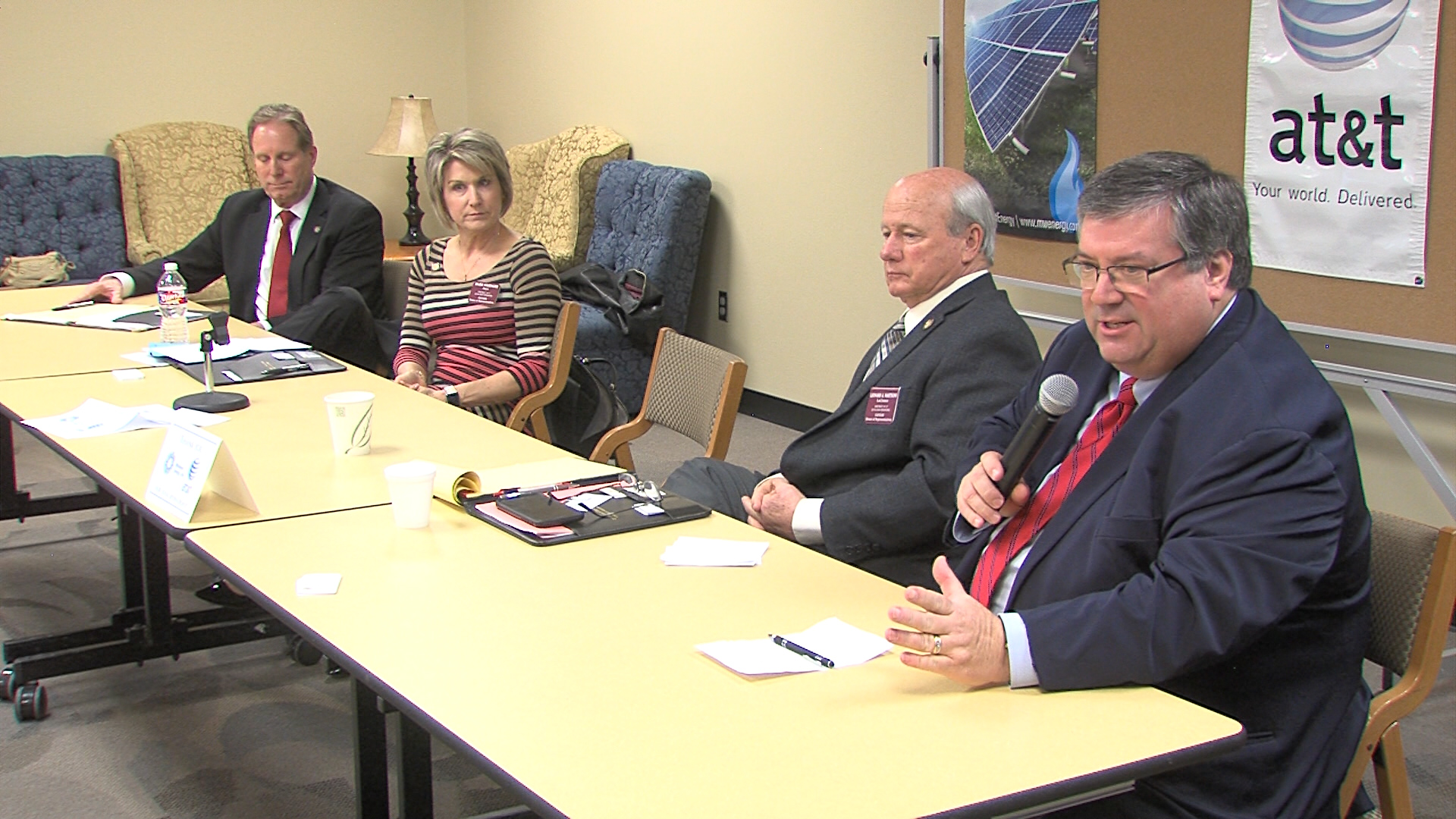
Sen. Rick Billinger and Reps. Barb Wasinger, Leonard Mastroni and Ken Rahjes discussed Medicaid expansion in Kansas during Saturday’s legislative forum in Hays.

By BECKY KISER
Hays Post

Sen. Rick Billinger (R-Goodland) doesn’t expect any proposal to expand Medicaid in Kansas to pass in the senate.

“I don’t think there’s 24 votes to get it out of committee. There may be, and if you get it out, it takes 27 votes to get it above the line. I don’t think either one is very realistic at all,” Billinger said. “I guess we’ll just have to wait and see.”

The state senator joined other local legislators Saturday in Hays for a forum hosted by the Hays Area Chamber of Commerce.

The Kansas House has passed an expansion bill but two of the three state representatives at Saturday’s event voted against it.

Hays Republican Barbara Wasinger said she voted no because the problems with KanCare need to be fixed before it’s expanded. KanCare is the program through which the state of Kansas administers Medicaid.

“Right now what needs to be done is raising the reimbursement levels. The physicians, the hospitals will get more money just by raising the reimbursement levels to start with,” said Wasinger.

All the studies Wasinger has looked at indicate the “big hospitals will get all the money. Rural hospitals will get $30,000, maybe $40,000. That’s not gonna save them.

“We need to do something about our health care system and there’s great conversation with the Kansas Medical Association people, with the hospitals, that we need really need to take a look at what our health care delivery system is. How do we fix it?

“People are waiting all the time to get in to see doctors. If we add more people right away, we’re going to bump even more people further back on the waiting list.

“There’s so many issues that we need to address to make sure that any expansion helps everyone, not just KU Med Center, Via Christi.

“What rural Kansans need are pockets of health care that can help them right now and doctors that can take their claims, and that’s not happening.”

Wasinger said her vote was not a vote against rural Kansas, nor a vote against the health of rural Kansans.

“Let’s look at this. Let’s fix this and then go from there.”

Also voting against Medicaid expansion was Rep. Ken Rahjes (R-Agra).  “We can’t afford it.”

Rahjes agreed with First Dist. Congressman Roger Marshall (R-Great Bend), who also participated in Saturday’s legislative forum. “We need a real discussion about rural health care,” Rahjes contends.

Rep. Leonard Mastroni (R-La Crosse) voted in favor of the bill. The majority of his constituents in the 117th District – comprised of eight counties – supported Medicaid expansion in a survey by Mastroni.

There are six critical access hospitals in the 117th District.

“According to a KHA (Kansas Hospital Association) study, Medicaid expansion would bring another $142,000 to our little critical access hospital in La Crosse,” Mastroni said. “I think that is a significant amount to help our rural hospitals.”

Pawnee Valley Hospital of Larned, part of the KU hospital system, is the largest critical access hospital in Mastroni’s district. An additional $450,000 would come to that hospital is Medicaid is expanded.

Mastroni is concerned about how long small hospitals can continue to afford accepting patients who can’t pay for their medical services.

“That’s a huge problem. It falls directly onto the shoulders of the local counties when that happens.”

As a former Rush County commissioner and judge, “Medicaid expansion is very important to me,” Mastroni stressed.

Both Mastroni and Wasinger joined a Tuesday tour of HaysMed with Kansas Lt. Gov. Lynn Rogers.

The Democratic team of Rogers and Gov. Laura Kelley are advocating for Medicaid expansion. Kansas is one of 14 states that has not expanded Medicaid.

Ellis County Commission could look to sales tax for budget relief

By JONATHAN ZWEYGARDT
Hays Post

As Ellis County officials wrestle with the potential for some difficult budget decisions in the coming years, commissioner support for a county-wide sales tax continues to gain traction.

At Monday’s county commission meeting, all three commissioners expressed interest in bringing a county-wide sales tax to the voters.

The county’s major source of revenue is property tax based on assessed valuation and a sales tax would serve as an alternative funding source. Any proposed sales tax would need to be approved by the voters.

County sales tax can be set in quarter-cent increments up to 1 percent.

County Administrator Phillip Smith-Hanes said Monday, based on tax collections in 2017, a quarter-cent sales tax would have generated about $1.55 million.

Commissioner Dustin Roths said he would be in favor of a quarter-cent sales tax that would go to fund Emergency Medical Services.

“Something that we provide that none of the municipalities provide on their own, (and) something that we could possibly market as a county when we are trying to attract people to use our communities in Ellis County for retirement communities,” Roths said.

Under state statute, the county could keep all the revenue of a sales tax specifically defined for health services.

Roths said with the annual EMS budget approximately $3 million, the additional $1.55 million from the sales tax would free up funds to go to fund other county departments.

Commissioner Butch Schlyer said he believes the county needs to do something.

“Following the next couple of budgets that we are going to be doing and the public sees the draconian cuts we’re going to be making, there might be more appetite for a sales tax with the voting public,” Schlyer said, “because it’s going to get bad before it gets any better.”

Schlyer and fellow Commissioner Dean Haselhorst both appeared to be in favor of a half-cent sales tax, but Haselhorst said he is not in favor of a tax that would not be shared among the other cities within the county.

“I know Victoria has projects they want to do. I know Schoenchen has projects they want to do. … Ellis is the same way,” Haselhorst said. “I just think it’s a good way going forward to work with not only the city of Hays but our outlying communities.”

Haselhorst said he would rather pay sales tax than property tax, a statement Schlyer and Roths agreed with.

If the sales tax is divided between the four cities within Ellis County, the percentages are based on population. The city of Hays would collect the largest share at 49.12 percent, Ellis County would get 41.65 percent, Ellis’ share would be 5.75 percent, the city of Victoria would get 3.06 percent and Schoenchen 0.41 percent.

“The only way I will vote for a sales tax is if the city of Hays gets their share, Schoenchen, all of them,” Haselhorst said.

Haselhorst said he does not believe the voters will support a sales tax that only benefits the county.

“I think that’s going to crash quicker than you can imagine,” Haselhorst said. “If we’re going to say Ellis County is going to keep it all, that’s going to crash. It may not, but I feel it’s going to crash.”

The idea of what is palatable to voters was a topic that weighed heavily on Monday’s discussion.

Roths said he believes that voters may be more open to passing a sales tax if it helps keep the current level of EMS service that is being provided.

He added that it will be an even more difficult discussion if the sales tax doesn’t pass and the commission is forced to look at scaling down — or eliminating some services.

“That would be just governing based on the idea that we don’t use those ambulances enough, but all we know that the people of Ellis (and) the people of Victoria are emotional about wanting to keep their things and that’s why we don’t ever like talking about them,” Roths said.

Commissioner Haselhorst said he would like to see the revenue earmarked for the Road and Bridge Department and EMS.

“Over the next 10 years, (Public Works Director) Bill Ring’s going to need $10 million to fix roads and bridges, if not more,” Haselhorst said. “Every year, (former Public Works Director) Mike Graf (and) Bill Ring always volunteered money out of money and, by doing that, we’ve created a shortfall for Bill.”

Schlyer said he doesn’t know if people in the city would support a sales tax that helps fund repairs to roads and bridges within the county.

“I don’t know that a lot of the people living in the city really care about what bridges we have to fix out here in the far ends of the county,” Schlyer said. “It could be much harder for people to vote for a sales tax when they never really see the result of that tax.

“I just felt like EMS would be a much easier sell to the public,” he added. “If we reach a point to where we say we’ve got to close up an ambulance in Ellis or Victoria, people are going to scream at us.”

Haselhorst was a member of the commission in 2013 when voters approved a sales tax passed to pay for construction of the Emergency Services building in Hays and the remodeling projects at the jail, courthouse and administrative office.

“It’s all about communication and being up front with the people and letting them know what we’re doing,” Haselhorst said. “Maybe they don’t get to the county very often, but the first time they go across country to Cedar Bluff Lake and they can’t get there because we closed the Golf Course Road because the bridge is out, I think that will be eye-opening.”

He said the potential success will be determined by how the commission, employees and county administrator Smith-Hanes “sells” it.

“Just to clarify, Mr. Chair, Phil will not be selling anything,” Smith-Hanes said. “Phil will be providing unbiased information to residents.”

In order for revenue to collection begin on Jan. 1, 2020, a special election would have to be called by the middle of September. If the vote was held during the next general election, in November 2020, a sales tax would go into effect April 1, 2021.

The commission plans to reach out to the city leaders of Hays, Victoria, Ellis and Schoenchen to get their input.

But all three commissioners stressed they needed to move forward with the budget process as if the vote would fail.

“We could take this to a vote, to the public and it may not pass,” Haselhorst said.

Roths added, “We have to basically govern this county like it will not pass until it does.”

Rose joins staff of FHSU Alumni Association as communications coordinator

Rose
FHSU University Relations

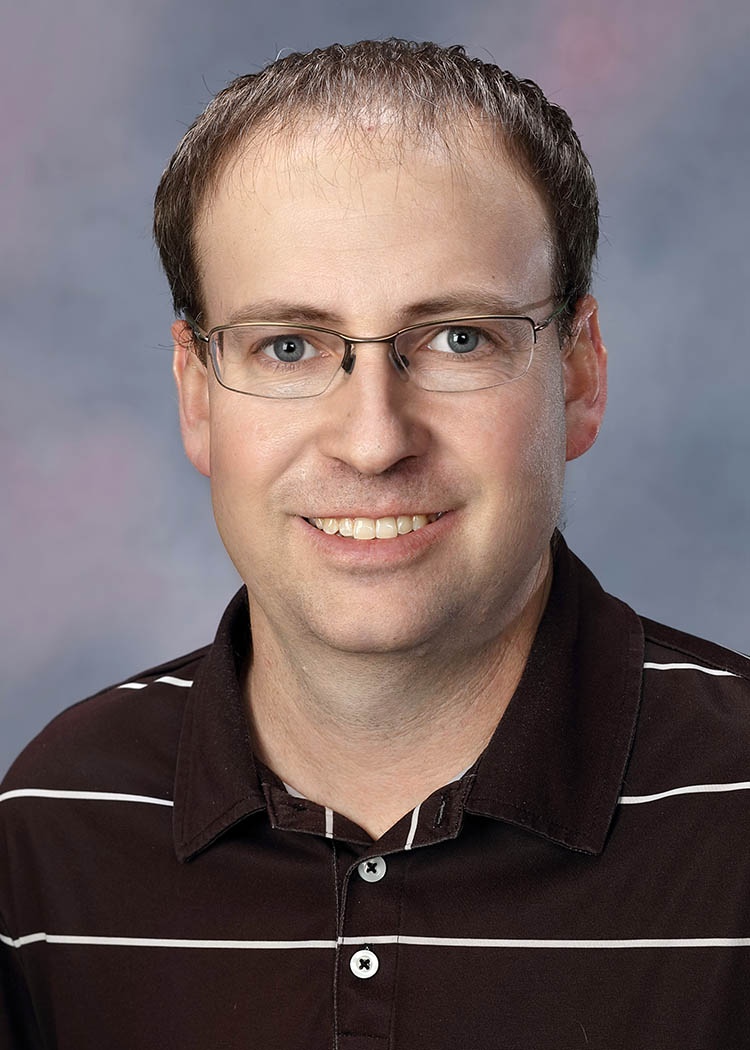
The Fort Hays State University Alumni Association has welcomed Trent Rose to its staff as the communications coordinator.

“I’m excited to be a part of the FHSU Alumni Association,” said Rose. “I look forward to continuing to serve the university in this new role and providing service to many alumni and friends of FHSU.”

Rose is a two-time graduate of FHSU, receiving a bachelor’s degree in communication in 2002 and a master’s degree in communication studies in 2016.

Prior to joining the Alumni Association staff, Rose worked as an administrative specialist in the Provost Office at FHSU, and from 2005-2011 was an instructor and sports information director for Colby Community College.

“I am delighted to welcome Trent aboard,” said DeBra Prideaux, executive alumni and governmental relations director. “His expertise in the communication arena, including content management and social media and background in higher education, equip him to make a significant contribution to the growth of the association. He will be a tremendous asset to our team.”

Rose will be responsible for maintaining the Alumni Web presence, social media, publication of news releases, the bi-monthly e-Newsletter FHSU TigerTalk and the association’s pages in the university’s magazine, ROAR.

Established in 1916, the Fort Hays State University Alumni Association serves FHSU graduates by identifying needs and providing solutions. More than 69,000 graduates live throughout the United States and in 80 countries. For more information, contact the Alumni Office at 785-628-4430, toll free at 1-888-351-3591 or by email at [email protected].

Downtown Hays fire hydrants inspected today

HFD

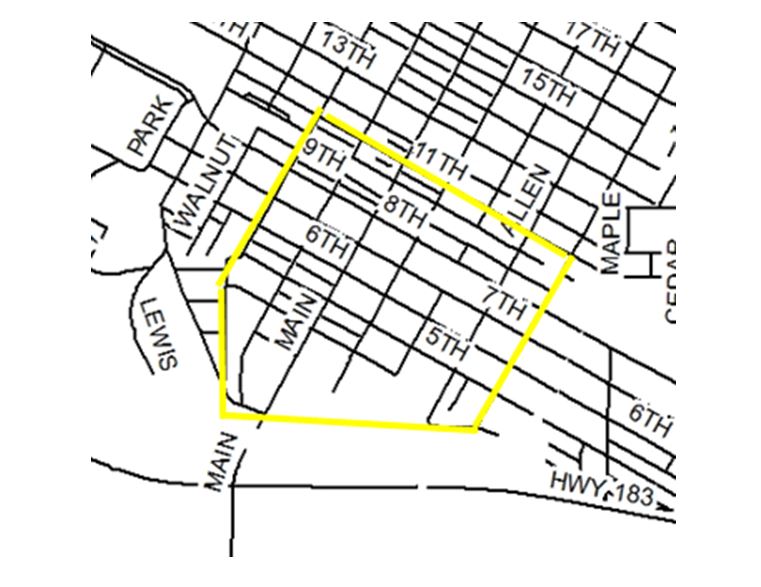
The Hays Fire Department will be inspecting and flow testing fire hydrants on Wed., April 10, 2019 in the area of Ash St. to Allen St. between 1st St. and 10th St. This is part of a coordinated effort by the City of Hays to inspect all fire hydrants in the city and flush all water mains annually.

NW Kan. students among VIP Student Ambassadors at Fort Hays State

FHSU University Relations

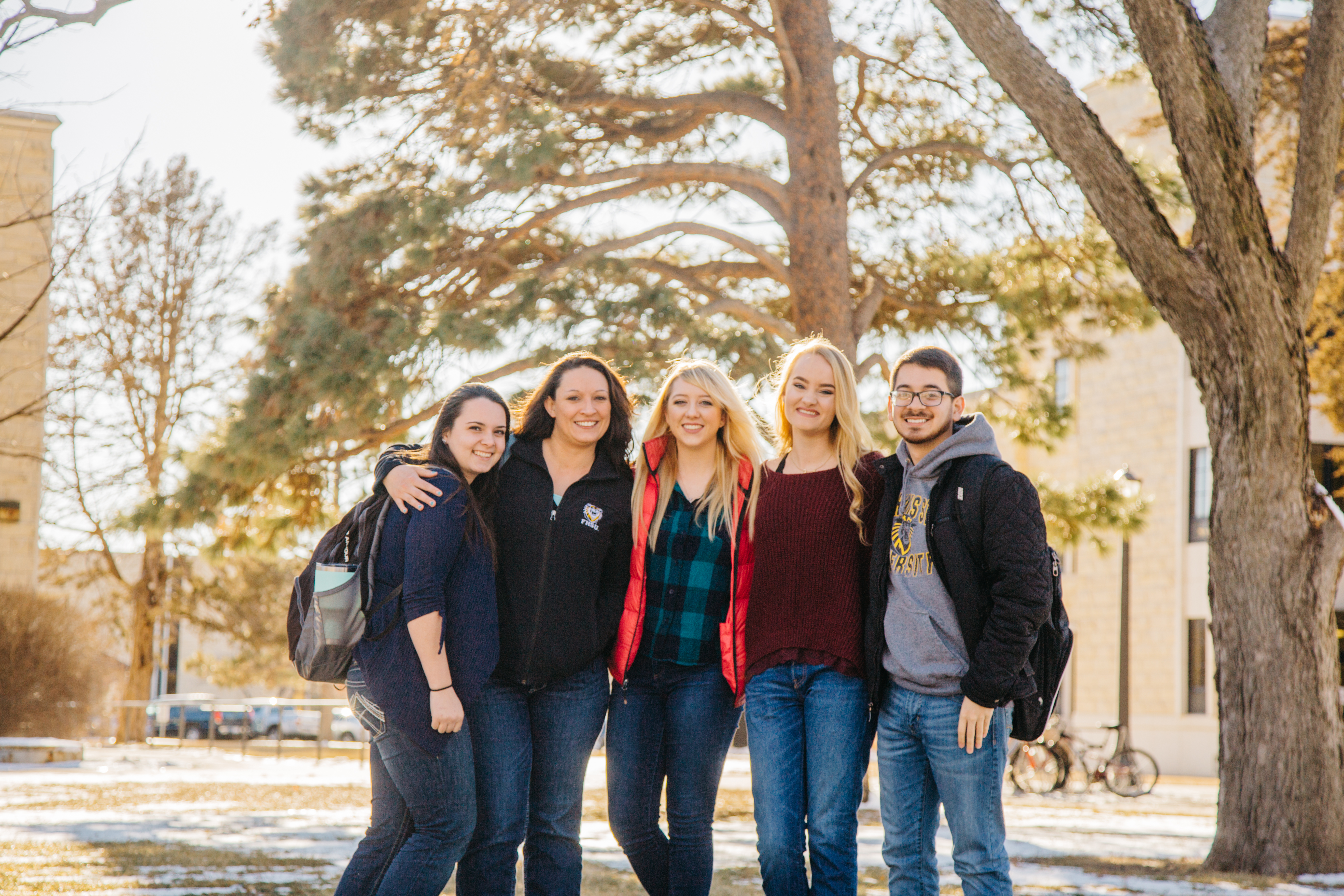
Local students are among the 25 who will serve as VIP Student Ambassadors for the 2019-2020 academic school year at Fort Hays State University.

Three returning ambassadors will be joined by 22 new ambassadors.

Ambassadors serve as official representatives for FHSU at a variety of special events, including Homecoming, athletic activities, presidential dinners and other gatherings. Students must be full-time undergraduate students with a minimum 2.5 grade point average and be able to assist with nine to 10 events per year.

Ambassadors, with classifications, majors and high schools, are listed by hometown.

COLWICH: Cole Murray, a junior majoring in health and human performance (sport and exercise therapy), is an Andale High School graduate.

COZAD, Neb.: Graham Applegate, a senior majoring in management, is a Cozad High School graduate.

DODGE CITY: Crystal Rojas, a sophomore majoring in political science, is a Dodge City High School graduate.
Ryan Schultz, a senior majoring in psychology, is a Dodge City High School graduate.

ELLIS: Haley Reiter, a sophomore majoring in tourism and hospitality management, is an Ellis High School graduate.

GREAT BEND: Allison Muth, a junior majoring in organizational leadership, is a Great Bend High School graduate.

HALSTEAD: Layke Heimerman, a junior majoring in communication, is a Halstead High School graduate.

HAYS: Morgan Choitz, a junior majoring in art, is a Thomas More Prep-Marian High School graduate.

LITTLE RIVER: Brady Stephenson, a KAMS student, will graduate from Little River High School.

MCCOOK, Neb.: Brenna Erdman, a junior majoring in psychology, is a McCook High School graduate. She is a returning VIP.

OMAHA, Neb.: Caden Frank, a junior majoring in organizational leadership, is a Millard West High School graduate.

OLATHE: Natalie Miller, a sophomore majoring in political science, is an Olathe High School graduate.

OSBORNE: Olivia Engler, a junior majoring in finance, is an Osborne High School graduate.

OSCEOLA, Neb.: Bradley DeMers, a junior majoring in history, is an Osceola High School graduate.

OTTAWA: Brandon Pfizenmaier, a sophomore majoring in accounting, is an Ottawa High School graduate.

PARK HILLS, Mo.: McKenzie Cunningham, a senior majoring in communication, is a Lesterville High School graduate.

PRATT: Jorja Elliott, a KAMS student, will graduate from Pratt High School.

RIVERTON, Neb.: Bailey Lewis, a senior majoring in accounting, is a Red Cloud High School graduate. She is a returning VIP.

SMITH CENTER: Galen Allen, a senior majoring in management, is a Smith Center High School graduate.

STILWELL: Kimberly Stone, a sophomore majoring in political science, is a Stanford Online High School graduate.

TOPEKA: Avary Huff, a junior majoring in tourism and hospitality management, is a Seaman High School graduate.

ULYSSES: Tyra Jo Hayden, a senior majoring in elementary education, is a Ulysses High School graduate.

WICHITA: William Barfield, a sophomore majoring in communication, is a Wichita East High School graduate.
Jackilyn Dougherty, a senior majoring in organizational leadership, is an Independent School graduate. She is a returning VIP.
Kaytee Wisley, a senior majoring in political science, is a Wichita Southeast High School graduate.

O’Loughlin student among winners of KDOT aviation art contest

By Liam McLoughlin, O’Loughlin Elementary

KDOT

The Kansas Department of Transportation’s Division of Aviation announces the Kansas winners of the 2019 International Aviation Art Contest. The theme for this year’s contest was “My Dream to Fly.” The art contest is designed to challenge young people to illustrate the importance of aviation through art. Artists ages 6 to 17 were eligible to submit art that celebrates the adventure and excitement of aviation.

The first-place winner in each age group receives a prize package from the Kansas Commission on Aerospace Education (KCAE), which includes a drone and a tablet among other prizes.

“This is an opportunity to demonstrate the impact of aviation in a fun and interactive way and to foster a new generation of aviators,” said Lindsey Dreiling, Deputy Director of KDOT Aviation and President of KCAE.

2019 Kansas winners are:

1st Place:
Abilene Zhang, Christ Lutheran School, Overland Park
Brittney Gillespie, Mulvane Middle School, Mulvane
LeeAnn Skinner, Lawrence Virtual School, Topeka

2nd Place:
Kaylen Foss, Derby Middle School, Derby
Trinity Bayliff, Mulvane Middle School, Mulvane
Isaiah Doherty, Haven Grade School, Haven

3rd Place:
Ashlee Taylor, Burrton High School, Burrton
Abraham Zhang, Christ Lutheran School, Overland Park
Liam McLoughlin, O’Loughlin Elementary, Hays

To see all the artwork, go to the KDOT Aviation page.

Area entities are recipients of waste tire recycling grants

KDHE

TOPEKAThe Kansas Department of Health and Environment’s (KDHE) Bureau of Waste Management has announced the recipients of waste tire recycling grants. These annual solid waste grants are awarded to municipalities and school districts across the state. The grants total nearly $379,000 for 2019.

The waste tire recycling grants go toward funding safe surfacing at playgrounds, running tracks, picnic tables and benches made from waste tires.

This year’s 46 individual waste tire recycling grants range from $349 to $75,000. The grants are funded through a 25-cent tax paid on the purchase of new tires. The list of grantees can be found at https://www.kdheks.gov/waste/grants/SFY19WTGSpreadsheetFinal.pdf.

For more information on KDHE’s waste reduction grant opportunities and application procedures, visit www.kdheks.gov/waste.

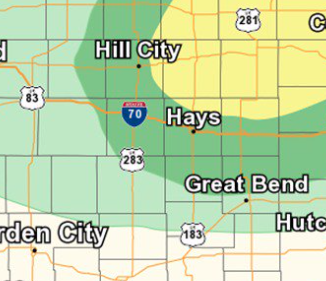
Sunny, mild Wednesday with a chance for storms

Wednesday Mostly sunny, with a high near 82. Breezy, with a south wind 13 to 22 mph.

WednesdayMostly sunny, with a high near 82. Breezy, with a south wind 13 to 22 mph.

Wednesday Night A chance of rain before 4am, then a chance of rain and snow. Some thunder is also possible. Mostly cloudy, with a low around 30. Windy, with an east wind 17 to 26 mph becoming north northwest in the evening. Winds could gust as high as 36 mph. Chance of precipitation is 50%. New snow accumulation of less than a half inch possible.

ThursdayA chance of snow before 10am, then a chance of rain and snow between 10am and 11am, then a chance of rain after 11am. Cloudy, with a high near 42. Very windy, with a northwest wind 31 to 38 mph, with gusts as high as 55 mph. Chance of precipitation is 30%.

Thursday NightMostly cloudy, with a low around 26. Very windy, with a northwest wind 27 to 32 mph decreasing to 21 to 26 mph after midnight. Winds could gust as high as 46 mph.

FridayMostly sunny, with a high near 50. Breezy.

Friday NightPartly cloudy, with a low around 27.


Lt. Gov. Rogers advocates for Medicaid expansion during visit to HaysMed

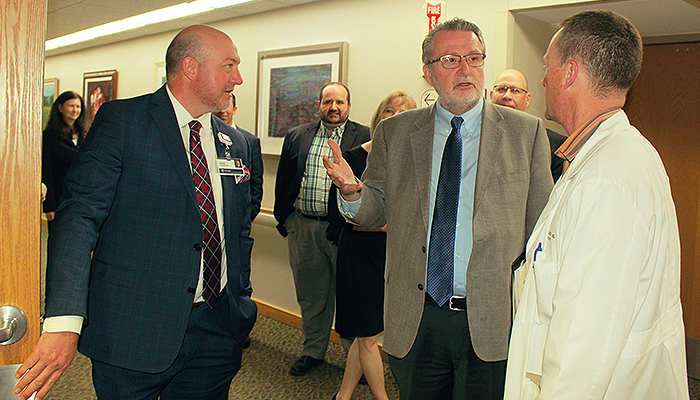
HaysMed CEO Edward Herrman, Lt. Gov. Lynn Rogers and Dr. Jeff Curtis talk during a tour of HaysMed on Tuesday.

By CRISTINA JANNEY 
Hays Post

Lt. Gov. Lynn Rogers said Medicaid expansion is not just an economic issue, it’s a moral issue, as he made a stop at HaysMed Tuesday morning for a discussion on health care.

Medicaid expansion legislation has passed in the Kansas House, but has yet to pass in the Senate. Medicaid expansion was a central piece of Rogers’ and Gov. Laura Kelly’s campaign platform.

In Ellis County, Medicaid expansion would insure 731 more residents, create 20 new jobs and have an economic impact of almost $4.9 million.

Rogers, as well as local health care professionals, gathered for a group  discussion. The majority agreed Medicaid is needed to provide preventive health care for rural Kansans and maintain rural hospitals and health care clinics.

“We know Medicaid expansion won’t necessarily save a hospital, but we know it is one of the major indicators that has created problems,” he said.

About 30 Kansas hospitals are on a very vulnerable list, two rural Kansas hospitals have closed in the last 45 days, and two more have closed in the last year.

“Really what this does is Medicaid expansion takes 150,00 Kansans away from the highest cost medical service — emergency care— and puts them into preventive care, where they can have many of their services paid for in advance,” Rogers said.

“We see it as a very budget neutral situation now that we have a $25 per person per month fee and what it saves us in other state agencies it could really mean some really good things for the state of Kansas.”

The fee for families for Medicaid expansion would be capped at $100. These fees would generate about $20 million to $25 million of the $30 million cost to the state of Kansas for Medicaid expansion. The federal government currently pays 90 percent of Medicaid expansion. The House bill also stipulates if that federal match would be eliminated, the state would end Medicaid expansion.

HaysMed CEO Edward Herrman and Lt. Gov. Lynn Rogers and Dr. Jeff Curtis talk about health care during a tour of HaysMed on Tuesday.

Walt Hill, executive director of High Plains Mental Health, said Medicaid expansion would be a great boon to preventive mental health care. High Plains sees 6,000 patients per year in its coverage area. Out of a $10 million budget, $1 million a year is services provided to the uninsured.

“We have to find alternative sources of funding,” Hill said. “We often provide services on the backs of our staff who are very difficult to recruit and retain in the area.”

Rogers said in looking at mental health services in the state, the Sedgwick County jail is the third largest provider of mental health services only behind the two state mental health hospitals.

“We as taxpayers are spending $10 to $12 million on mental health services that probably would be covered under Medicaid,” he said.

Rogers and Hill both noted competition is high for health care recruiting. As Nebraska expands Medicaid, there is concern that qualified health professionals will continue to move out of state for more competitive wages.

Edward Herrman, HaysMed CEO, said although the amount rural hospitals would receive from Medicaid expansion doesn’t seem like much, it may be the difference between those hospitals breaking even.

Health care providers and local leaders gather for a discussion on health care with Lt. Gov. Lynn Rogers at HaysMed on Tuesday.

“I can tell you that we know for sure that there are a few facilities that even if it is only $100,000 or $150,000 in benefit they would see, that is literally what they are missing in having a margin. …

“There are more people in the larger areas, but the actual impact is much larger in the rural areas. $100,000 in bottom line revenue means a heck of lot more to a Rush County hospital than $1.5 million on the bottom line for a St. Francis or the University of Kansas hospital.”

Herrman also noted during polls, three-quarters of Kansans said they are in favor of expansion.

Kansas is one of 14 states that has not expanded Medicaid. Kansans pay taxes to support Medicaid expansion, but the funds go to other states, he added.

“Most importantly, it is 150,000 Kansans who are falling in the gap and we are not even providing basic primary care for them,” Herrman said. “They do end up showing up in our ER in the most expensive place you can possibly receive care as well as many times not the appropriate place to receive your care.”

Bryan Brady, First Care Clinic CEO, said the clinic takes care of about 7,000 patients — 1,600 of those are uninsured. The clinic estimates about 1,000 of those patients would qualify for health insurance under Medicaid expansion.

“That would mean about $400,000 to our facility directly,” he said. “That is a huge amount. What we do is keep those patients out of the emergency room — the most expensive method of care.”

Dr. Heather Harris, family medicine provider with HaysMed, said a lack of insurance results in individuals waiting to get care until a health problem is acute and costs more to treat.

“Not only do they not come in for acute things, but they wouldn’t dream of coming in for anything preventive,” she said. …

“They come in late. They can’t afford the medicines. We have trouble giving them the education they need about food and exercise and smoking. If you can treat the parents, you can hope you will have healthier kids. It is just this continued trend. You can barely get them well for their acute things. You are never going to get them preventive care.”

Rogers said keeping people healthy, productive and employed benefits the state of Kansas.

First Care Clinic Medical Director Christine Fisher said Medicaid expansion would help the working poor.

“These are productive people, God help them, who are trying really hard, but they just need that extra bit of help that will make them even more productive members of society,” she said. “By making them healthier, you will only increase productivity and what you gain from the health care aspect will be very far reaching. If you give a person insurance, they will get their preventive care done, and if you don’t, they simply will not.

“If you don’t do primary care and preventive care, health care is extremely expensive down stream.”

HaysMed Cardiologist Dr. Jeff Curtis described himself as a “red doctor,” but he said he supports Medicaid expansion as a people issue and a patient issue.

“In the short term, I am in favor of Medicaid expansion, not just for our hospital, but for everything in western Kansas. It is a Band Aid  until we can figure something else out. If we don’t get it and we don’t have it and we see all the other states around us getting it, that means people in our state are suffering.

“If we have it, we can expand the services in our bigger hospital — new equipment and new services — so patients don’t have to go to Kansas City, Wichita, Denver or Kearny. It helps us attract high quality health care workers, which is a challenge out here.”

“We need it to survive,” he added.

Field Estate gift to Fort Hays State to be announced Thursday

FHSU University Relations

The public is invited to Fort Hays State University at 10 a.m. Thursday when the largest single gift ever made to the university is announced at a news conference in the Memorial Union’s Sunset Atrium.

FHSU President Tisa Mason, President Emeritus Edward H. Hammond, Athletic Director Curtis Hammeke, and FHSU Foundation President and CEO Jason Williby will celebrate and honor the lives of donors Earl and Nonie Field and present details on how the Fields’ gift will be used to improve the lives of FHSU students for generations to come.

Beverages and light refreshments will be provided immediately following the news conference.

Copyright Eagle Radio | FCC Public Files | EEO Public File