To find out more about The Post Podcast, or subscribe to mobile notifications click here.
Category: Local
Two from Texas arrested in Phillips Co. on suspicion of credit card fraud
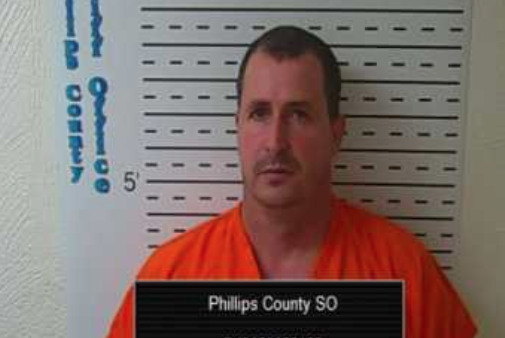
PHILLIPS COUNTY — Just after noon Sept. 26, a report was received from a local business advising that two semis with trailers had used multiple credit cards to obtain fuel, the Phillips County Sheriff’s Office reported.

Both vehicles traveled through Phillipsburg and split up when they observed patrol vehicles. One went west on Kansas 36 and the other traveled north on U.S. 183, the sheriff’s office said in a social media release Thursday.
Deputies were able to locate both vehicles. One suspect attempted to rid himself of evidence and discarded numerous credit and gift cards which contained stolen credit card information. All discarded items were recovered.
Yeyser Gonzalez Musibay, 42, of Brookshire, Texas, was arrested on suspicion of possession of stolen property, counterfeiting, interference with law enforcement, theft by deception and 22 counts of criminal use of a financial card. He remains in the Phillips County jail in lieu of a $130,000 bond.
 The other suspect, Fidel Monesino Cepero, 38, of Houston was arrested on suspicion of possession stolen property, counterfeiting and 22 counts of criminal use of a financial card. He remains in custody in lieu of a $105,000 bond.
All suspects are innocent until proven guilty, the sheriff’s office said.
Corrected 10:30 a.m. Thursday to clarify date of incident.
First woman to officiate for the NFL to appear for FHSU’s speaker series
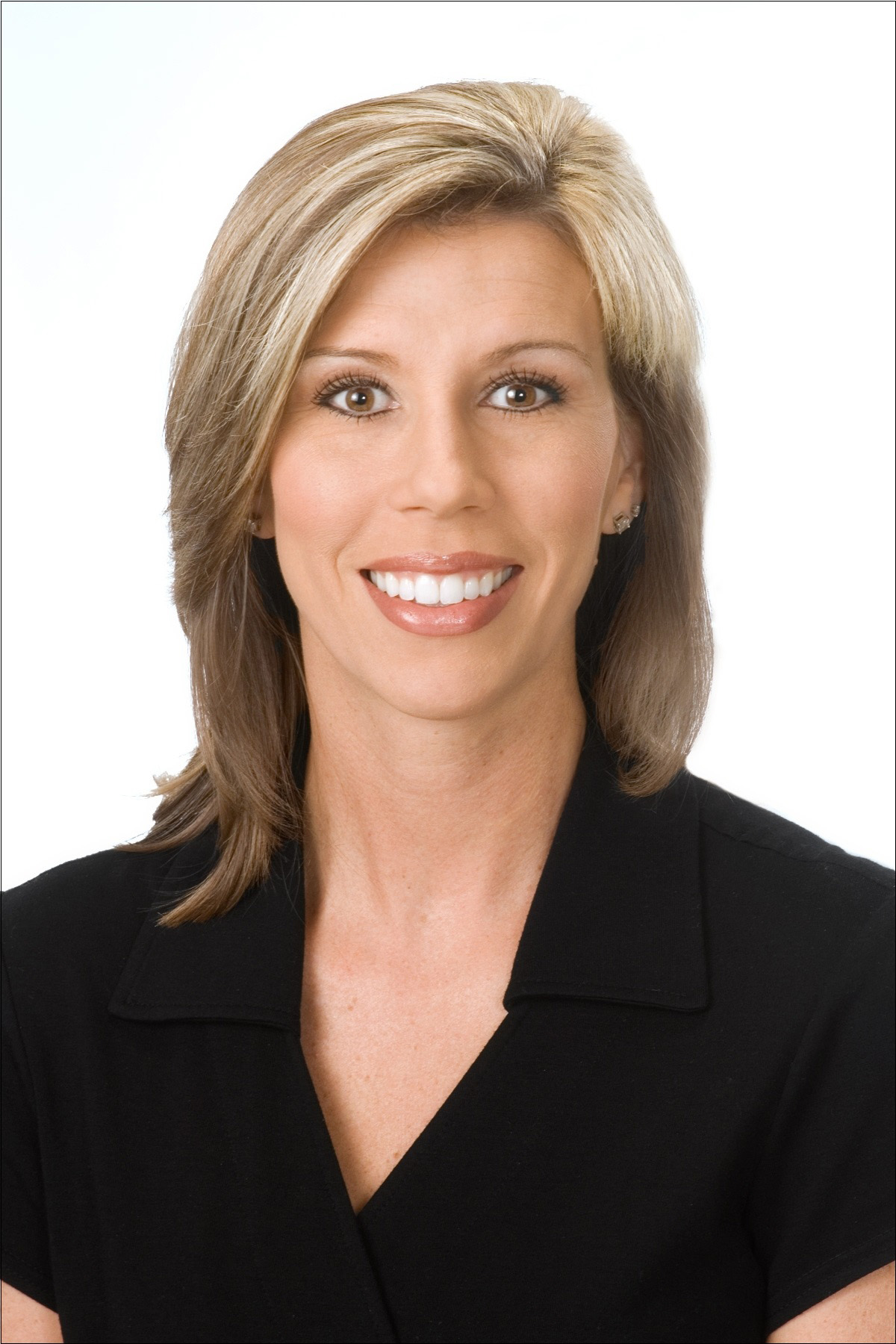

FHSU University Relations
Sarah Thomas is the first woman to officiate a major college football game, the first full-time female NFL game official and, in January this year, she became the first woman to referee an NFL postseason game.
Thomas will tell her story, “Breaking Through: My Journey to Becoming the First Female NFL Offical,” at 7:30 p.m. Tuesday, Nov. 12, in the Beach/Schmidt Performing Arts Center at Fort Hays State University as part of the university’s Presidential Speaker Series.
Tickets are free but required. Fort Hays State student tickets will be available beginning Tuesday, Oct. 29. The limit is one ticket per person with a valid Tiger ID card. Tickets for the public will be available beginning Tuesday, Nov. 5. The limit is four per person.
They are available at the Memorial Union Student Service Center or by calling 785-628-5306. Tickets will also be at the box office, depending on availability, on the night of the presentation.
In 2017, Thomas described to Elle magazine a kind of accidental beginning to the chain of events that took her to a professional career in the NFL.
Ten years earlier, she was officiating at high school games but was barred from working even junior college games. Then an NFL scout saw her working at a high school championship game and saw something in the way she conducted herself on the field.
The scout, she said, connected her with a retired NFL referee who then got her into NCAA Division 1 football officiating. A year later, in 2007, she was officiating D1 football. She was on her way.
In her appearance at Fort Hays State, Thomas will share her insights on overcoming adversity and odds and “finding your passion while maintaining work-life balance.” She will talk about “succeeding as a female in a male-dominated industry but achieving breakthrough success for males and females alike.”
The Presidential Speaker Series is sponsored by FHSU’s Office of the President and by Fort Hays State students.
Reconstruction of portion of Ash Street continues


City of Hays
On Thursday, J Corp will continue the reconstruction of the western portion of Ash Street from 23rd to 27th Street in Hays by removing the pavement from 24th to 27th Street.
 This results in the west side of the intersection of 25th and Ash being closed for two weeks.
Ash Street will still carry one-way traffic northbound in the east lane.
There will be no on-street parking allowed in the construction zone.
The entire project is expected to be complete within the next two week.
The city of Hays regrets any inconvenience this may cause to the public. If there are questions, contact J Corp at 628-8101 or the Office of Project Management at 628-7350.
KDA: Ellis Co. farm economy generated $87.8M and 936 jobs in 2019
KDA
MANHATTAN — The Kansas Department of Agriculture has recently updated its interactive map of Kansas, showing the economic contribution of agriculture across the state broken down by county. Located on the KDA website, the interactive resource can be used to find the agricultural economic facts for each of the 105 counties in Kansas, as well as a report for the entire state.
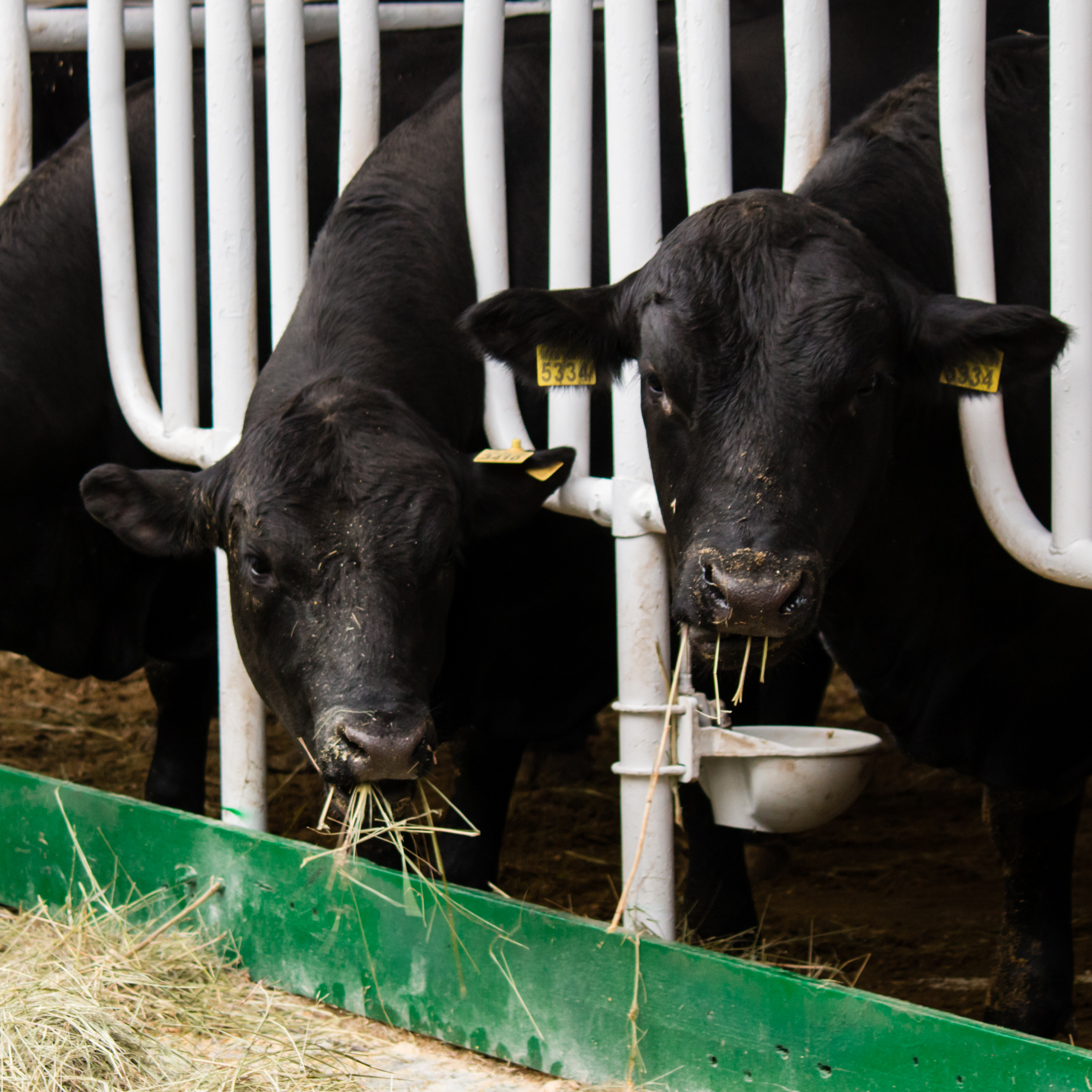
Ellis County had a total direct output of approximately $87.8 million and supports 936 jobs in 2019. Beef cattle ranching and farming,
including feedlots and dual-purpose ranching and farming sector is the top employer with 430 employees.


“As we review the economic contribution of Kansas agriculture, we are pleased to report a total direct output of $46.9 billion supporting 134,057 jobs in the agriculture industry,” said Secretary Mike Beam. “This output is slightly higher than our data published last year at this time, so we know our farmers, ranchers and agribusinesses across a variety of commodity sectors continue to be critical to Kansas communities despite very challenging economic times for our industry.”
KDA annually updates the state and county economic statistics to provide an understanding of the vast influence of the 68 sectors of agriculture on the state’s economy. In addition to the direct output, the reports include the indirect and induced effects of agriculture and ag-related sectors, which demonstrate the total impact that agriculture has in Kansas communities. This total economic contribution of agriculture totals over $65 billion and supports more than 245,000 jobs statewide.
The interactive map allows users to see detailed agricultural statistics including farm numbers, leading agricultural sectors, and value-added data for each county. KDA utilizes data compiled by the U.S. Department of Agriculture’s National Agricultural Statistics Service. The economic contribution data is sourced from the most recent IMPLAN data available (2017) and adjusted for 2019.
The county statistics map is available at agriculture.ks.gov/ksag. For updated information, click on a county and find the “2019 Full Report for County” after the county sector list. KDA is committed to advocating for and promoting the agriculture industry, and providing an environment that enhances and encourages economic growth of the agriculture industry and the Kansas economy.
Legion Auxiliary’s Poppy Patch event set for Saturday

 Please join us for the Poppy Patch Craft & Gift Fair, which will be from 9 a.m. to 3 p.m. Saturday at the National Guard Armory, 200 Main.
There will be a number of vendors, a baked goods sale and concession stand, featuring green bean dumpling soup, sandwiches, pasta salad and desserts.
Admission is free.
Current vendors are: American Legion Auxiliary Bake Sale, Carolyn Robinson, Color Street, DoTerra Essential Oils, Genesis Pure, Gramma K’s, GrapeVine Ceramics, Heartland Home, Pampered Chef, Park Lane Jewelry, Quilts of Valor, Rosie’s $5 Bling, Rubilee Designs, Signature Homestyles, Scentsy, Sweet Dreams, Twilight Sea Girl Pearls.
The event is sponsored by the American Legion Auxiliary Unit 173, Hays.
Kansas man dies after ATV crash with a semi

CHEYENNE COUNTY — One person died in an accident just after 2:30 p.m. Wednesday in Cheyenne County.
The Kansas Highway Patrol reported a Polaris ATV driven by Gaylen M. Weeden, 83, Kanorado, was northbound on County Road 3 ten miles south of U.S. 36.
As the ATV attempted to make a left turn into a driveway, it struck a northbound 2004 Peterbilt semi driven by Jose Madrid Araujo, 58, Bethune, Colo., that was in the left lane attempting to pass.
Weeden was pronounced dead at the scene and transported to Knodel Funeral Home. Araujo was not injured and properly restrained at the time of the accident, according to the KHP.
Hays USD 489 school board candidate: Tammy Wellbrock
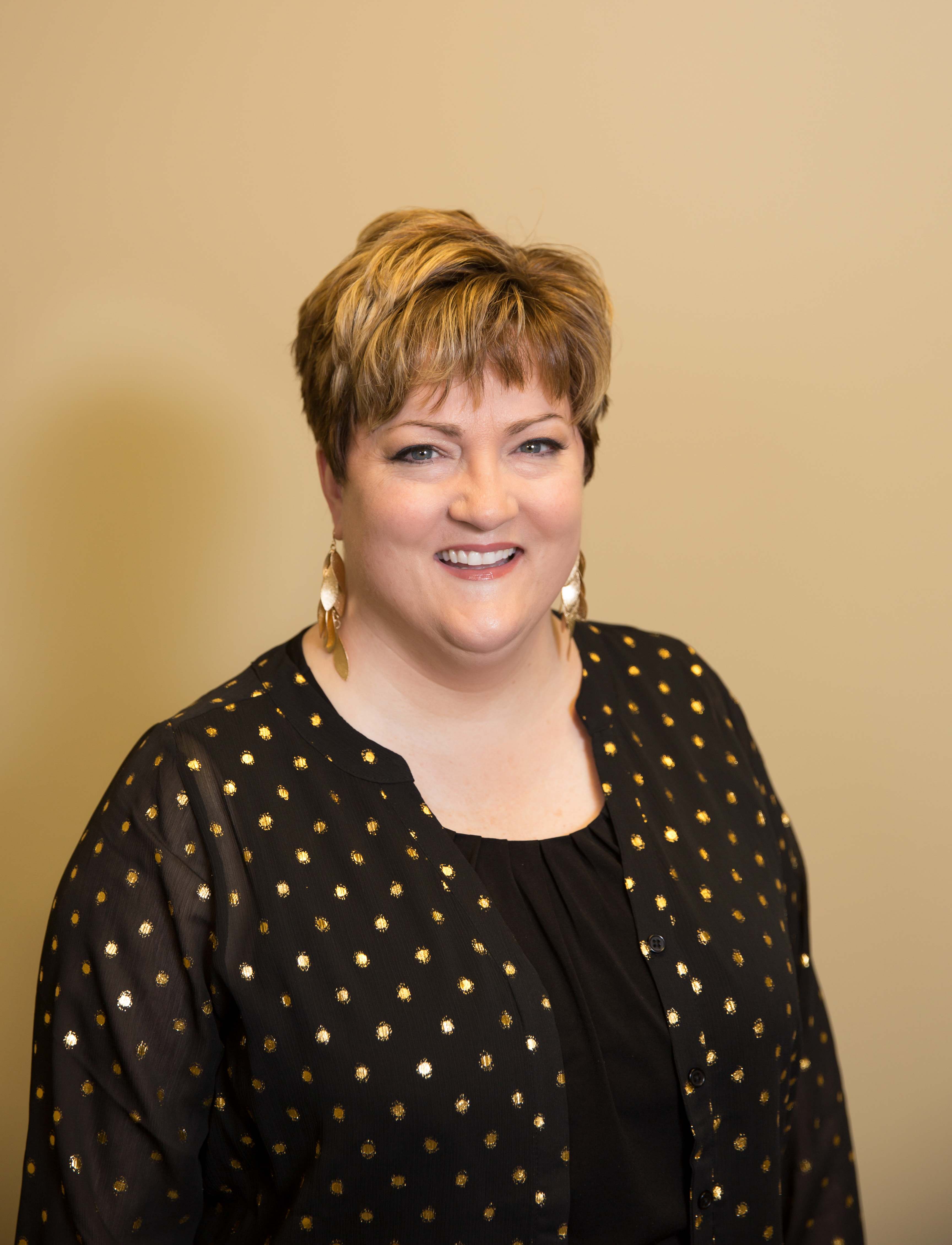

Age: 48
Education: BA in Communication; MS in Communication at FHSU
Do you have a student currently attending USD 489 schools? – Yes: one son who is a sophomore at Hays High School
Qualifications? Working with a variety of boards, personalities, and the public has given me experience and skill sets to handle matters unique to a BOE member.
Do you support USD 489 trying for another bond issue? What do you think that bond should include? If you don’t support a bond issue, how do you think the school district should address its infrastructure needs?
I believe we need to make major improvements to our facilities so we provide the best education possible. The quality of our facilities goes beyond the classroom: the recruitment of quality educators as well as key community leaders is interdependent on how competitive our chemistry labs or auditorium or wrestling rooms are compared to other schools. We are blessed to have stellar teachers and students who continuously reach educational milestones. It is important we do not rest on these laurels and continue to invest wisely and strategically.
From my previous advantage point as the president/CEO of the Hays Area Chamber of Commerce, I know how important the school district is on the impact of our community’s economy. I served on its Facility Needs Committee, which was charged to determine the district’s needs. We toured every building; I observed every boiler room, “cafegymatorium,” storm shelter area, and front entry as well as many other aspects.
Much of what I saw alarmed me, and I believe it is crucial we pass a bond to address these needs. I have visited with key individuals (principals, top administration and other department heads), to better understand the needs most pressing today and upgrading facilities was the number one priority. What the actual bond should address is not unanimous among those I visited with, so I believe there is still more work needed in this area. To paraphrase one educator I spoke with, we need to be better at addressing our “Why” during the next bond process.
What would you do to secure the financial health of the school district?
The heart of our school district is the children and their educational environment; thus, any decision I make will ultimately be founded in this philosophy. The school district is a system made up of many moving parts and pieces, so it is irresponsible to enter this role with a mindset of preconceived notions, ideas and agendas. As for its financial health, I intend to research best practices for school districts and train with the State Board of Education so that I can make the best financial decisions as possible.
The Hays school board is at impasse with its teachers for the second year in a row. What would you do to improve relations with teachers?
USD 489 is fortunate to have high test scores and teams of dedicated professionals who truly care for our children. Rather than making major modifications, I would like to influence a healthier culture created at the BOE level, which is not something easily done overnight. The theme emerging from all my visits with district representatives is the need for greater levels of trust. One way to achieve this is to empower those doing the daily work, so that micromanagement by BOE members is eliminated, efficiencies are increased, and trust is strengthened.
Do you support the district’s current one-to-one technology policy? If not, what would you propose?
I believe 1-to-1 technology is the best situation for our students. I marvel at how positively integrated the technology and curriculum has been for my son, now a sophomore at Hays High. His teachers have been incredible in applying useful technical skills with traditional learning methods. As an employer, I observe a strong advantage for those employees who can successfully use technology to complement their abilities. I’m always a proponent for “working smarter, not harder” and technology helps us achieve this.
How would you support the district in its work to improve student performance?
My first step is become more informed of the Kansas Education Systems Accreditation (KESA) model and how the USD 489 School District is evolving to meet the five different goals outlined. Secondly, the Kansas State Board of Education defines a successful high school graduate as having the preparation, skills and engagement to launch them successfully into the next phase. I believe my professional connections can create quality student-business partnerships to help achieve greater educational opportunities.
Is there anything else you would like to add about you or your campaign?
Besides serving on the district’s Facility Needs Committee, I was a board-appointed representative on the USD Foundation Board from 2011-2015, a member of the O’Loughlin Elementary Site Council for six years, held a three-year term for the Hays Area Children’s Center Board and am now a Hays High Athletic Booster Club Board member. Along with launching my new professional consulting business, I am an adjunct instructor at FHSU for the Robbins College of Business Entrepreneurship (both on campus and virtual) and will add a new class to my teaching schedule this spring for the Leadership Studies Department.
SEE RELATED STORY: Wellbrock will run for seat on Hays USD 489 school board
DISCLOSURE: Tammy Wellbrock is married to Gerard Wellbrock, Eagle Radio sports director. He is employed by Eagle Radio, which owns and operates Hays Post.
Salvation Army schedules three fundraisers in Hays

The Salvation Army, in conjunction with a Fort Hays State University community leadership team, has three events in the coming weeks to help raise funds.
Oct.26: The Salvation Army will be at the FHSU home football game asking for donations and promoting social media Halloween campaign (individuals that like the Salvation Army Facebook page will be entered into a raffle to win a pumpkin full of candy on Halloween).
Oct. 29: Pizza Hut will be sponsoring the Salvation Army in a dine out day. 10% of all purchases from 5pm-8pm will be donated to the Salvation Army. Individuals must bring in flyer, (physical or electronic), or Salvation Army slip for donation to be accepted.
Nov. 6: IHOP will be sponsoring the Salvation Army in a dine out day. 10% of sales will be donated to the Salvation Army.


MASON: Some ghosts are signs of progress


With the approach of Halloween, I find myself thinking of a friend who wrote about the ghost buildings on her campus – buildings that once were a vibrant part of the life of the university community but are no longer there. Intrigued by the idea, I turned to FHSU librarians David Obermayer and Patty Nicholas to get these “ghost” stories for our own campus.
They did not disappoint. I received a lot of great information complete with photos.
The first ghostly building is the Old Fort Hospital Building (1867-1915), which became the first academic building for the Western Branch of the Kansas Normal School. Beginning in 1902, it was used as the primary academic building and housed all of the classrooms, the library, and the principal’s office.

The school and the hospital were originally on the site previously occupied by the military fort. The old guardhouse was used as a gymnasium while the officer’s quarters were the home of Principal Picken and his family. In 1904, the college moved to the current site of the university when the middle section of Picken Hall opened. The hospital was the only building moved onto campus from the original fort site.
Once on campus, the hospital housed the school’s first dining hall along with a woodworking and blacksmithing shop. Both the manual arts training program and the band were originally started in this building, which earned it the nickname of the “incubator” because so many new activities and were born there. More proof that our innovative roots run deep!
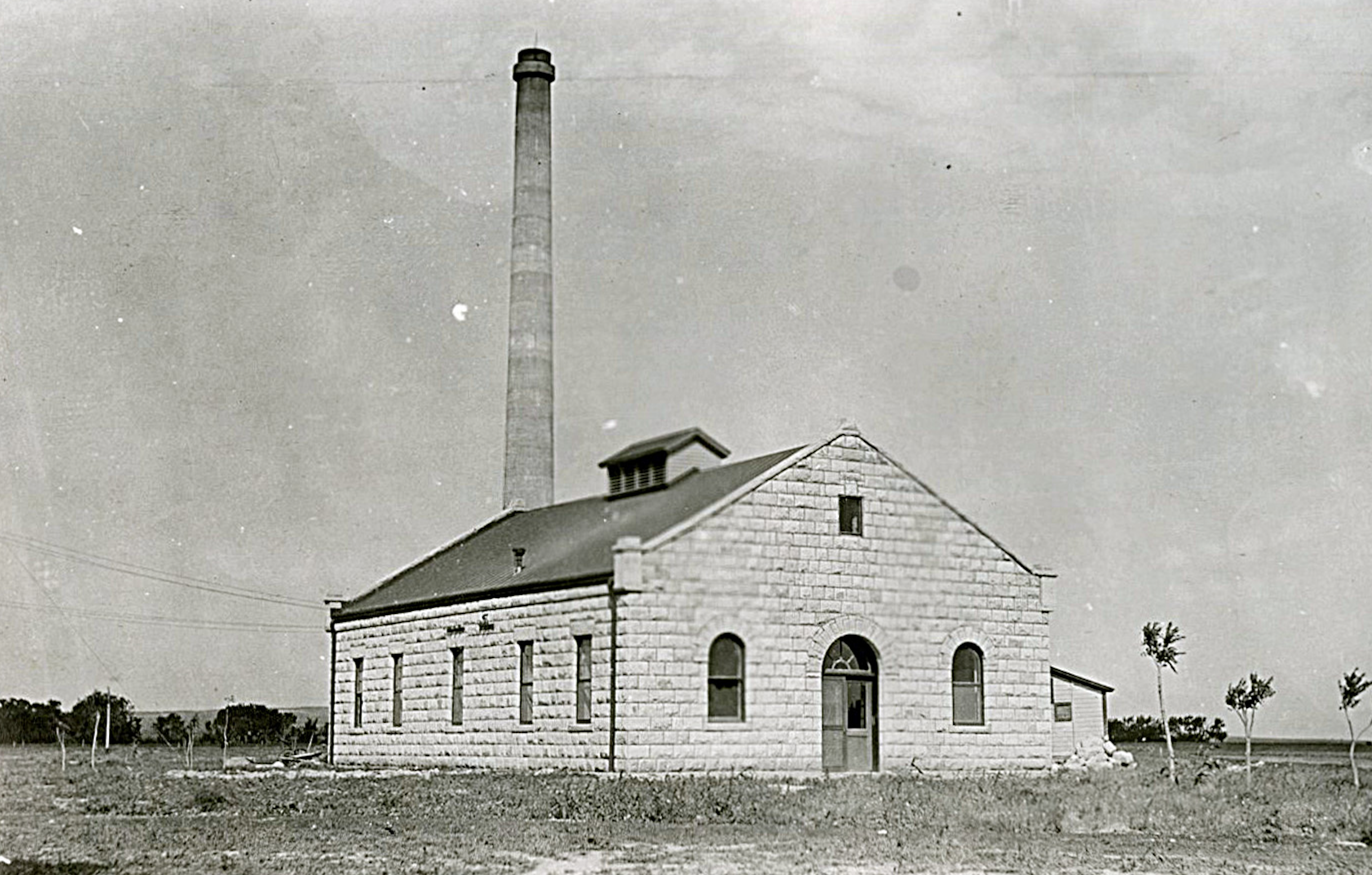
The first power plant (1911-1930) was located right behind Martin Allen Hall. Funded by a legislative appropriation, it provided the first campus buildings (Picken and Martin Allen halls as well as the Old Hospital) with heat, light and running water.

Over the next few decades, the campus grew to include Rarick Hall in 1912, Sheridan in 1917, Custer in 1921, Forsyth Library (now McCartney Hall) in 1926, and Albertson in 1928. The Old Power Plant became dangerously overburdened. President Lewis requested funds to build a new power plant in the fall of 1930 but was denied.
Months later the power plant caught fire and burned to the ground. President Lewis requested money from the Kansas Legislature again and this time received $51,200. The new and larger plant, completed in 1932, is now home to the Moss-Thorns Art Gallery.
The art annex (1936-1967), located out by Highway 40, originally served as a campus maintenance shop. By the early 1960s, the campus faced a lack of studio and exhibit space for the fine arts and studio art programs, both of which were expanding quickly. In 1963, studio arts moved into the Art Annex using the space as studios, faculty offices, and classrooms.
In the early morning of March 5, 1967, a fire was reported by a graduate student who had been working late in the studio. Despite the best efforts of first responders, aided by students and faculty, the building was destroyed. The exact cause of the fire was unknown. Among the art lost was an entire collection of paintings by Professor Joel Moss. The Art Department’s studios were temporarily moved to one of the old barracks and then into a temporary metal building. The department remained scattered across campus until the construction of the new Rarick Hall in 1981 and now resides in our fabulous new Center for Art and Design.
Rarick Hall (1912-1978) was built with appropriations from the Kansas Legislature. Its identity has shifted throughout the years. Originally named the Agricultural Building, it was later the Industrial Building and now is home to the College of Education and the College of Arts, Humanities, and Social Sciences. It was the first building on campus to be equipped with modern labs and even had its own dining hall in the basement.

In 1978 the original Rarick was razed, and a new Rarick Hall was built, opening in 1981. Today’s Rarick will soon undergo a major transformation.
Other ghostly academic buildings that once were vibrant centers of student learning include Davis Hall (1952-2017) and Heather Hall (1982-2014). Originally called the Applied Arts Building, the design and building process for Davis was slow, and inflation after the end of the Second World War meant that President Cunningham had to request additional funds from the legislature in 1951 to finish the project.
Once completed, the Applied Arts Building housed the Industrial Arts Department as well as the Home Economics and Fine Arts departments. In 2017, Davis was razed to make way for the new art and design building.
Heather Hall (1982-2014) was built as a TV and radio station with state-of-the-art studios and classrooms. The building sat between Forsyth Library and Malloy Hall. By 1983, Heather Hall also had a satellite dish and amplifier to help with programming. These renovations allowed KFHS Channel 12 to massively expand its reach and to begin broadcasting sports games live over Hays Cable TV.
Student housing has also seen its share of repurposing, demolishing and building in response to increasing demand. In 1943, a set of horse barns near Lewis Field were repurposed as barracks (1943-1968) and a mess hall for the U.S. Army’s aviation students.
By 1945, the aviation program had ended and at least part of the barracks buildings became men’s dormitories for civilian students. Two years later, another barracks building was moved from Walker Army Air Field to Lewis Field to serve as additional housing. By 1949, the college was again in need of housing, this time for married students, and all of the barracks were converted and expanded into housing for students and faculty with families.
Throughout the 1950s and 1960s, married student housing continued to be an issue. The Elm and Hackberry Trailer Courts were created for married couples who wanted to live in mobile homes, and Wooster Place was built for students with families.
Motel 6 is not a ghost building, but I will long remember when it temporarily became a men’s residence hall when we were once again short on student housing in 2011!
Another residence hall in the ghostly category is McGrath Hall (1942-2000). Originally, the building housed military personnel and cadets. After the Second World War, it became a residence hall for non-military male students. A south wing was added in 1952 and another section was added in 1955. In 2000 the building was demolished and new student housing, Stadium Place Apartments, was built on the site.
As the college grew, space was also needed for a women’s residence hall. Agnew Hall (1957-2010) was named after Dean Emeritus Elizabeth J. Agnew, a faculty member in the Domestic Economy Department and first dean of women. The first building on campus to be named after a woman faculty member, it had a dining room, three lounges, a recreation room, a laundry room, and a residence with a kitchen. It was completely renovated in the early 1990s, but by 2010 the building itself was just too old. It was replaced by two new student residential halls with repurposed names: the new Agnew and Heather.
Our last ghostly building is Wiest Hall (1961-2012/2017). Wiest Hall was built as a four-story men’s dormitory when our growing campus was again in desperate need of updated student housing in 1961. In 1971, a seven-story tower was added and called the Wiest Hall Annex.
In 1972 the college started hosting the Youth Conservation Corps camp during the summer, drawing students from all over Western Kansas and housing these students in Wiest Hall. In 1977 the Psychology Department moved to Wiest Hall and shortly after the Psychological Service Center, predecessor of the Kelly Center, was located in the annex.
These ghostly buildings are friendly reminders of our broad and deep innovative spirit, moments of tragedy and resilience, enduring growth, and the always appreciated helping hand from the Kansas Legislature. Though gone, they’re an important part of our history and are strongly connected to the success we enjoy today. For some readers, perhaps, the razed buildings evoke not ghost stories but powerful memories of friendship, learning, and love.
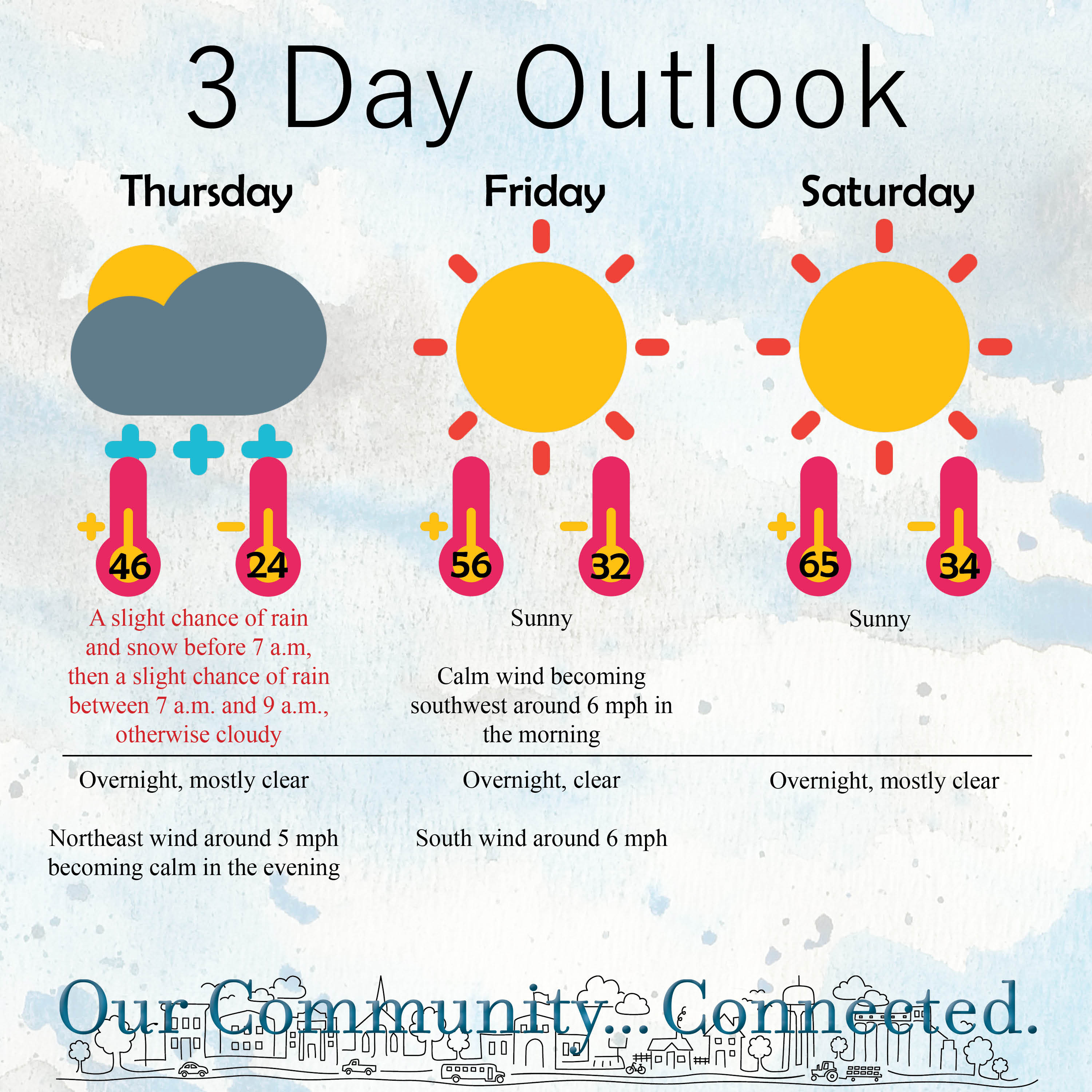
Three-day weather outlook


Flamingo flocks to raise money for Western Kansas Child Advocacy Center

A fundraiser for the Western Kansas Child Advocacy Center is being conducted by a group of Fort Hays State University Leadership 310 students, and flocks of pink flamingos will roost around the city of Hays.
Community members are able to make a donation, and a flock of birds will travel to their friend’s house. But should you find a flamingo flock in your yard, you can “share the joy” by contacting us and making a small donation to send those birds packing, to anyone else in town.
In case you don’t know, pink flamingos are very territorial, and unless they are placed in someone else’s possession, they will roost on properties for a long time. Removal of these flocks should be attempted only by trained professionals.
Fortunately, these FHSU students are well-trained Flamingo Removal Technicians.
In addition, you can enroll in Flamingo Insurance for $10, to prevent these flamingos from roosting in your yard.
To enroll in Flamingo Insurance or send a flock of flamingos to your friend’s yard for only $25, contact Tabitha Keith at the Western Kansas Child Advocacy Center by phone at 620-214-0706 or email at [email protected].
— Submitted

Habitat for Humanity’s annual Vine & Dine set for Sunday

Habitat for Humanity of Ellis County’s third annual Vine & Dine is scheduled for noon to 2:30 p.m. Sunday at Big Creek Crossing, 2918 Vine.
There will be samples from top Hays restaurants, music and raffle prizes. Tickets are $20 per adult, $10 for ages 4 to 12 and free for children younger than 3.
Proceeds help Habitat for Humanity create more affordable housing in Ellis County. Click HERE for more information.
