We have a brand new updated website! Click here to check it out!

Hays teachers take on issue of youth suicide during in-service

By CRISTINA JANNEY
Hays Post

Eighteen percent of all youth will consider suicide in the next year, according statistics presented to Hays High School staff during a Wednesday in-service.

That would be about 160 students at HHS.

One of the HHS teachers said she showed the same video to her students in class that the teachers watched Wednesday in their in-service, and the students said they felt those statistics were accurate among their peers.

The Jason Flatt Act, a measure passed in 2016 by the Kansas Legislature and 20 other states, requires educators to have annual suicide prevention training. Flatt was a 16-year-old who killed himself on July 16, 1997. His parents created a foundation in his name to bring awareness to youth suicide.

On average, 100 youth die each week as a result of suicide in the U.S., and it is the second leading cause of death of youth ages 10 to 18. The CDC reports the rate of suicide is up 45 percent since 1999.

Teachers who broke out into small discussion groups said they struggle with the issue.

Educators said they thought stress from busy schedules and pressure to achieve led youth to struggle with suicide.

They acknowledged the need to build relationships with students. However, Haley Wolf, PE teacher and cross country coach, said that can be difficult when she sees 150 to 200 students per day for physical education classes.

“Basically relationships is what it comes down to,” she said. “How well do you know a kid to know if they are being somewhat depressed that day as opposed to suicidal? What is that fine line between what is somewhat normal to taking it to the extreme?”

Wolf said she thought during the day she does not have the opportunity to have one-on-one conversations with students. However, she said it was easier to talk to student-athletes about issues that might be bothering them because she spends more time with those students and is able to get to know them better.

The teachers said they thought spending more time in the halls during passing period has given them the opportunity to make more connections with students.

Warning signs
Students related in surveys that relationship issues, crisis, substance abuse, physical health issues, job and financial issues, legal issues and loss of housing were all factors that related to them considering suicide.

The presentation indicated students will not always verbally express they are considering killing themselves.

The presentation recommended looking for the following warning signs using the FACTS acronym.

Feelings: Students may express feelings that are different from the past. This may include hopelessness, worthlessness, helplessness and being a burden to friends or family. They may feel anxious, be worried or anger often.

Action: Changes in behavior, including risk taking, withdrawing from activities, using drugs or alcohol. A young person may talk about death or suicide. However, the youth may speak indirectly about suicide.

Changes: Changes in personality, sleeping, eating, loss of interest in friends and family or a sudden improvement in mood after a period of being down or withdrawn.

Threats: The student may not directly say, “I am going to kill myself.” They may say things such as “Life doesn’t seem worth it sometimes,”or “I wish I were dead.” They may try to give away important possessions. They may study ways to dies, try obtain a weapon or pills or may self harm, such as cutting.

Situations: Certain situations can be trigger points for youth. These can include the death of a loved one; humiliation; rejection; failure; getting in trouble at home at school or with the law; a break up; or impending changes the youth feels unprepared for.

Teachers are required by law to report to authorities if a youth has threatened to harm themselves or others or if they believe someone is going to harm a student.

Event organizers urged teachers to contact school counselors, an administrator or the school psychologist if they believe a youth may be struggling with mental health issues or suicidal thoughts. If a teacher is contacted through email outside of school hours, and they believe the youth may be in imminent danger, they were urged to call 911.

Matthew Brooks, social studies teachers, urged his peers to follow up on reports with counselors to make sure the student’s issues are being addressed.

Jolene Windholz, Helping Hands instructor, said even if you didn’t think a student is in imminent danger, she thought students would appreciate being pulled aside to ask if they are OK.

“I think kids are sometimes happy to know someone cares,” she said.

One teacher also suggested the information about warning signs and reporting suicidal behavior be shared with students. He said students often know more about what is going on with their peers than adults do.

Out of Darkness Walk
Another teacher recommended being present in the community and urged her fellow teachers to participate in the  Out of Darkness Walk Hays, which is a community event to promote suicide prevention.

Check-in and same-day registration will begin at 1 p.m. Saturday at Municipal Park, and the walk will begin at 2 p.m. Anyone who would like to form a team, join a team, or walk as an individual, and/or donate is encouraged to register at www.afsp.org/hays. There is no cost to participate in the walk or remembrance activities.

Resources
Teachers were also presented with several suicide prevention resources. These included:

High Plains Mental Health—1-800-432-0333 or local number 1-785-628-2871.

National Suicide Prevention Lifeline—1-800-273-TALK (8255) suicidepreventionlifeline.org

TeenSuicide.us

National Center for Prevention of Youth Suicide

American Foundation for Suicide Prevention

National Center for Injury Prevention and Control, CDC

Suicide Prevention Resource Center

 

🎥 Hays Post Game of the Week matchup, Week 3

Week three of the high school football season is here! On Friday night, Hays Post and Eagle Communications will live stream the 1-1 Monarchs as they travel to Plainville.

Thomas More Prep-Marian will square off against the 1-1 Cardinals, with Jonathan Zweygardt and Dave Barber on the call for KHAZ. Kickoff is scheduled for 7 p.m.

Check out Hays Post for live game action!

Game of the Week sponsored by: Service Master Clean of Hays, Insurance Planning, Thirsty’s, Patty Baconrind Appraising, Nextech Wireless, Master Cleaners, Cross Manufacturing, Coldwell Banker Executive Realty, Steel Fabrications, Lifetime Dental, Commercial Builders, Whiskey Creek, Paul Wertenberger Construction, TMP-Marion Alumni, McDonald’s of Hays, G&L Tire, Hays Chevrolet, NCK Tech, Golden Plains Credit Union and Classic Quality Body Shop.

Attorney General Sessions to speak in Kansas

Attorney General Jeff Sessions -image U.S. Dept. of Justice

HUTCHINSON — Attorney General Jeff Sessions will be Hutchinson on Friday to speak to the Kansas Law Enforcement Training Center, according to a media release from the United States Attorney’s office.

Sessions will give remarks on reducing violent crime. He is scheduled to speak at 2:45 p.m. at the center, located outside Hutchinson at 11009 S. Hornet Road.

INSIGHT KANSAS: Preparing Kansas students for the future

“Can’t fight progress,” my father observed as he pitched his plan to buy our family’s first automatic dishwasher.

“Why would we want one”? I remember my mother’s counter. “We already have two daughters.”

Fortunately for me, it didn’t take long for dishwashers to make their way into homes across the country, even ours. Although my mother did not conceive of it, in a larger perspective, the progress afforded by labor-saving, home appliances of the 1950’s era did play a part in national economic development.

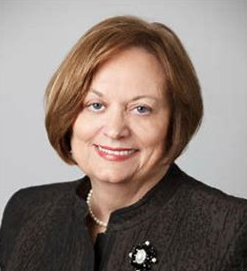
Dr. Sharon Hartin Iorio is Professor & Dean Emeritus at Wichita State University College of Education.

Progress, as my father rightly argued, does persist — unrelenting, unstoppable and, although neutral in itself, it’s social impact on the way we live and work can be mighty.

Today, automation and emerging technologies again are reshaping the way we work and can impact many areas of public life including the way we view public education.

Even though civic organizations and leaders in technical and higher education assert the advantages of updated school-based career preparation, public opinion appears divided between 1) those who believe Kansas can’t afford to make such an investment in schools and 2) those who believe we can’t afford not to.

State funding aside, there is good news. President Trump, in August, signed reauthorization of the Perkins Act that added $1.2 billion yearly for Career and Technical Education. This funding will promote secondary and post-secondary training by integrating STEM education into CTE efforts for jobs that do not require a four-year degree.

The law provides for increased engagement of underrepresented groups with STEM fields. It also will give states more discretion in allocating the funding so that Kansas, for example, might invest in training for aviation or wind turbine jobs or use of drones or software in agriculture.

Although educators have correctly pointed out the need for heavier emphasis on core curriculum and vital, basic STEM skills that prepare all students with broad, general understanding for citizenship and future work, this law will help Kansas students, especially those who are not college bound, for today’s constantly shifting job market and help Kansas employers find the workers they need to compete.

However, this law offers only a beginning and will not cover overall funding for career development. Although no funds are required from the states to receive new funding, each state must supplement and sustain its revamped and new programs. This means the new funds can’t be used for adding teachers or facilities.

There is no guarantee that additional funding provided this spring by the state legislature, which raised teacher salaries and restored some programs cut during previous years, will be extended next year. Even so, state funding at the current level probably cannot provide the investment needed to prepare students for new and developing workplace opportunities.

What about that progress impact? Upcoming November elections will likely go a long way in determining whether Kansans wish to cut funding for public education or invest for the future to promote Kansas’ economy and open doors to contemporary careers for our children.

Dr. Sharon Hartin Iorio is Professor & Dean Emeritus at Wichita State University College of Education.

Norton attorney disbarred by Kan. Supreme Court

NORTON — A Norton-based attorney has voluntarily surrendered his license to practice law, according to court documents.

The order of disbarment, issued July 10 by the Kansas Supreme Court, said Charles E. Worden surrendered his law license in a letter dated July 1. At the time of the letter, the court documents said, Worden had a disciplinary hearing pending against him, alleging he had “violated Kansas Rules of Professional Conduct — conflict of interest-prohibited relationship) and professional misconduct-prejudicial to the administration of justice).”

“This court finds that the surrender of the respondent’s license should be accepted and that the respondent should be disbarred,” the court said in its order.

The Clerk of the Appellate Courts was ordered to strike Worden’s name from the roll of attorneys licensed to practice in Kansas, and Worden was further ordered to pay for publication of the action in Kansas Reports.

The order can be viewed HERE.

First-degree murder trial of Plainville man accused of killing wife scheduled

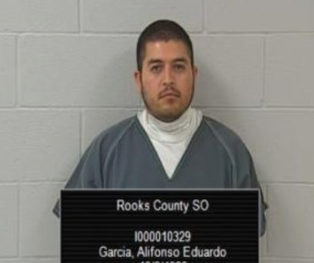
Alifonso Eduardo Garcia -photo Rooks County

STOCKTON — A man arrested on suspicion of killing his wife in Plainville in March pleaded not guilty Wednesday in Rooks County District Court.

Alifonso Eduardo Garcia, 35, was arrested March 19 in Plainville after his wife, Alexis Garcia, 24, Plainville, was found dead in the early morning hours of March 19.

He was officially charged with first-degree murder and entered the not guilty plea Wednesday, according to the Kansas Attorney General’s office. The Attorney General’s office is handling the case.

A trial date has been set for Feb. 25.

National commander of American Legion to visit WaKeeney

Brett P. Reistad, National Commander of The American Legion

WAKEENEY — WaKeeney American Legion Post 197, 517 Russell Ave., will host National Commander Brett P. Reistad on his four-day tour of Kansas with a Lunch on Tuesday, Sept. 18 at 11:30 a.m. During his tour, National Commander Reistad will visit 14 American Legion Posts while in the state.

Reistad was elected national commander of the 2 million-member American Legion on Aug. 20 in Minneapolis during the 100th national convention of the nation’s largest veterans organization.

Reistad’s American Legion membership eligibility is through his honorable Vietnam War-era service (1974-1978) as an active duty U.S. Army infantryman where he served with the Presidential Salute Battery of the 3rd U.S. Infantry Regiment(The Old Guard) at historic Fort Myer, Va. Reistad participated in the inaugural ceremony for President Carter and other high-profile ceremonies. He has since been honored as a Distinguished Member of the Regiment.

Reistad has served at every level of the American Legion. He is a past president and honorary life member of the National American Legion Press Association. He recently completed a six-year appointment as chairman of the Department Legislative Committee and two three-year terms as a gubernatorial appointee to the Commonwealth of Virginia’s Joint Leadership Council of Veterans Service Organizations where he helped coordinate the input of 23 veterans service organizations in crafting veteran-friendly legislation and advocating the proposed legislation before the governor and General Assembly.

Reistad is a past Legionnaire of the Year from Post 270 and a member of the Sons of the American Legion Squadron 10 in Manassas. His wife, Jessica, and his family, are proud members of the American Legion Family.

The public is invited to attend.

— Submitted

NCK Tech named second best two-year trade school by Forbes

North Central Kansas Technical College, with campus locations in Hays and Beloit, has been listed in the Top 25 Two-Year Trade Schools in the nation by Forbes.com. The college received the No. 2 ranking based on Forbes methodology of the following: post-graduate success, affordability, and completion success and student experience.

According to Forbes.com, this fall approximately four million high school students will enter their senior year. Most will be pushed toward four year bachelor degree programs, yet this is not a good fit for all students. Forbes reiterates the notion that a four year school is best for all students is “downright wrong.”

NCK Tech has twenty-four programs of study over two campuses – Beloit and Hays. All programs stress the extensive hands-on training needed to meet the technical needs of today’s workforce. To read the entire article and listing of the Top 25 Trade Schools view www.forbes.com.

For more information on NCK Tech, visit www.ncktc.edu.

— Submitted

23rd annual Day of Caring scheduled for Oct. 6 at FHSU

Cancer Council of Ellis County

October is Breast Cancer Awareness Month. Come join in the celebration of life and survivorship by attending the 23rd Annual Day of Caring Brunch and Style Show.

The Day of Caring is Saturday, Oct. 6, in the Fort Hays State University Memorial Union. The day begins with a variety of booths in the Sunset Lounge Atrium at 9 a.m., brunch begins in the Ballroom at 10 a.m. Presenting “Reflections” a musical celebration. A reflection back on our cancer journey and all the funny moments along the way. Looking in the mirror and seeing the woman that we have become reflected back at us. The style show models are all breast cancer survivors.

Tickets are $20 and need to be purchased by Oct. 1. Ticket locations are: Cancer Council of Ellis County, FHSU Student Service Center, Refine, Hair Repair, HaysMed Breast Care Center, Walgreen Drug Store, Hays Welcome Center and Arthur’s Pizza in Ellis.

Sponsored by the Cancer Council of Ellis County.

Contact the Cancer Council of Ellis County for more information at 785-625-6653.

Dave Says: ID theft protection in the baby steps?

Dave Ramsey

Dear Dave,

Where in the Baby Steps does identity theft protection fall? Should we cover the kids, too, or only the adults in our household?

Laura

Dear Laura,

Everyone needs identity theft protection. Unless you’re one of these folks who have gone completely off the grid, someone out there probably has a few of your numbers. Between sloppiness on the part of consumers, and the massive data breaches that have occurred in the last few years, almost everyone has experienced, or will experience, some sort of identity theft. Unfortunately, this is today’s world.

I don’t really consider identity theft protection part of the Baby Steps. It’s like life insurance or car insurance, in that it’s something almost everyone needs. Things like that should just be part of your budget every month.

—Dave

Dave Ramsey is CEO of Ramsey Solutions. He has authored seven best-selling books, including The Total Money Makeover. The Dave Ramsey Show is heard by more than 14 million listeners each week on 600 radio stations and multiple digital platforms. Follow Dave on the web at daveramsey.com and on Twitter at @DaveRamsey.

WINKEL: Vegetable crop rotation 

Rip Winkel
Due to being out of town this week, I am forwarding for print this article from KSU’s Horticultural Department on the importance of rotating crops that are typically grown in back yard vegetable gardens.

It is recommended that this rotation is practiced every season, in three year cycles. Rotation helps avoid soil-borne diseases like verticillium wilt, and pests like nematodes, and beetle larvae. If you opt not to rotate your vegetable crops, you may eventually find yourself fighting off problems that would have otherwise been avoided. Here is the article:

Rotating vegetable crops is a standard way of helping prevent disease from being carried over from one year to the next. Rotation means that crops are moved to different areas of the garden each year. Planting the same crop, or a related crop, in the same area each year can lead to a build-up of [various diseases]. Also, different crops vary in the depth and density of the root system as well as extract different levels of nutrients. As a rule, cool-season crops such as cabbage, peas, lettuce and onions have relatively sparse, shallow root systems and warm-season crops such as tomatoes, peppers and melons have deeper, better developed root systems. Therefore, it can be helpful to rotate warm-season and cool-season crops.


As mentioned earlier, it is also a good idea to avoid planting closely related crops in the same area as diseases may be shared among them. For example, tomatoes, potatoes, peppers and eggplant are closely related, [i.e. nightshade or Solanaceae group]. Also, broccoli, cauliflower, cabbage and brussels sprouts share many characteristics in common [i.e. Curcurbitaceae family]. So, it is recommended that you do not plant cabbage where broccoli was the previous year or tomatoes where the peppers were.
   

Why is this important to bring this up in the fall? Now is the time to make a sketch of your garden so that the layout is not forgotten when it is time to plant next year.

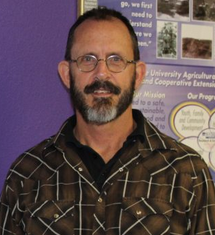
Rip Winkel is the Horticulture agent in the Cottonwood District (Barton and Ellis Counties) for K-State Research and Extension. You can contact him by e-mail at [email protected] or calling either 785-682-9430, or 620-793-1910.

Copyright Eagle Radio | FCC Public Files | EEO Public File