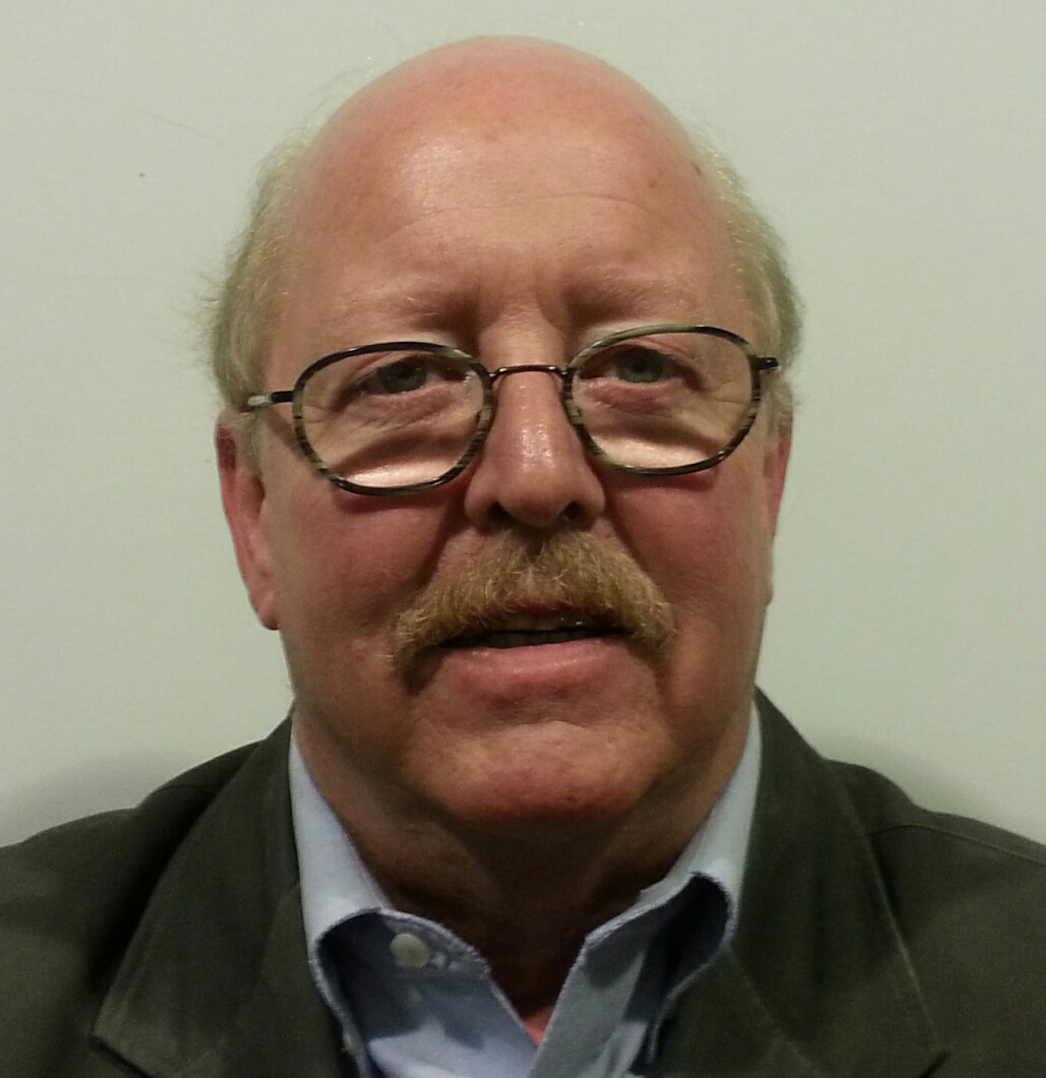
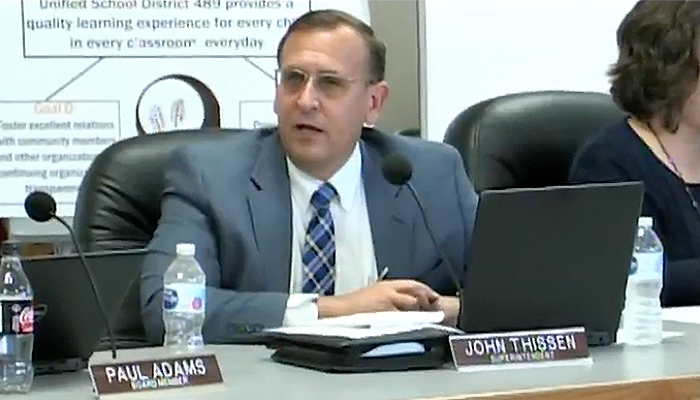
Hays USD Superintendent John Thissen discusses the new statewide crisis drill policy with the school board.
By CRISTINA JANNEY Hays Post
The state fire marshal’s office has increased the number of crisis drills schools will be required to conduct.
The requirements now include four fire drills, three tornado drills and nine crisis drills.
Superintendent John Thissen told the Hays USD 489 school board Monday night the number of drills has not changed much, but the state is now requiring more crisis drills.
Not all of the drills will be the same or be centered on an intruder scenario.
Thissen gave a couple of examples. A scenario could be based on a semi tanker in the area having an ammonia leak or a school being on lock down due to the law enforcement searching for an escaped prisoner, he said.
The fire marshal’s guidelines stipulate the public can only be notified five minutes before a drill. The concern was raised that someone might take advantage of a drill to harm students or staff.
This means the Hays school district will have to alter its notification policy. The current Hays policy intended to let the public know more advance of drills so no one would be alarmed when they saw students evacuating a school during a drill.
“Hopefully, it will spread fast enough there will not be that fear that will spread out there on the media that something bad is happening at one of the schools at this time,” Thissen said. “That is why we want to have that notice even if it is just a few minutes ahead of time.”
The Hays public and private schools cooperated with local law enforcement to develop joint crisis plans for schools in the community. A crisis committee, composed of these partners, meets four to five times a year to review the crisis plan.
Assistant Superintendent Shanna Dinkel said the drills will be reviewed by administration regularly to see how the schools’ responses can be improved.
Thissen said the crisis plan is something that will be constantly evolving.
“So we’re learning,” he said. “We are trying to do our best and learn how to end up doing it as well as we can.”
Board member Mike Walker asked if the crisis committee could give a report to the board this school year, and Thissen said he would make sure that happened.
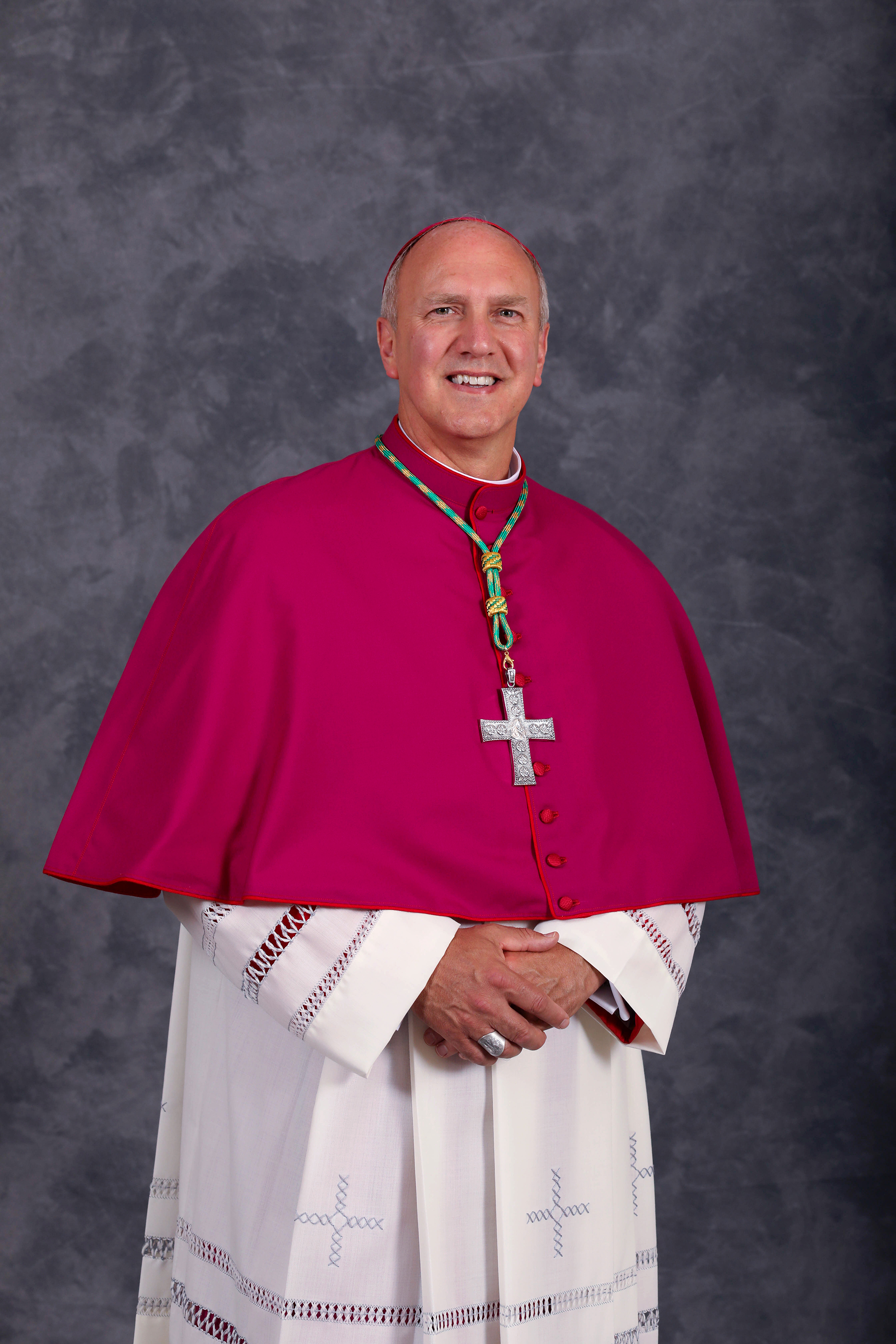
(Editor’s Note: Bishop-elect Jerry Vincke will be ordained and installed at 2 p.m. Wed,Aug. 22 at Sacred Heart Cathedral in Salina. He will be the 12th bishop of the Salina Diocese.
The ordination of a bishop happens within the context of a Mass. Following the reading of sacred scripture, the ordination begins. Archbishop Joseph Naumann, Archbishop of Kansas City, Kan., will ordain Bishop-elect Vincke. The event will be livestreamed here.)
SALINA — While small-town Michigan seems worlds away from the Salina Diocese, Bishop-elect Gerald “Jerry” Vincke’s background is similar to many within his new diocese. He grew up in rural Saginaw, Mich., a community with strong Volga German roots in the heart of Michigan. “We’re German farm boys,” said Father Joe Krupp, who was a seminary classmate and shared a rectory with the bishop-elect for several years. “Both of us grew up working on farms and loving farming. “There was a great deal of hard work. You wake up and go to bed early. You work your tail off and give God everything you’ve got. You’re faithful to your family.”
Bishop-elect Vincke (who prefers to be called Jerry, not Gerald), said he remembers his father shouting up the stairs every morning, rousing the seven boys from their slumber. “I still remember my dad shouting ‘Time to rise and shine, the sun’s high in the sky,’ ” he said. “Work was very much part of the fabric of my life.”
The Vincke family farm was a small one, the bishop-elect said. It included about 40 cows, with only two dozen milking cows. He and his six brothers were tasked with milking the cows and other outdoor chores, while his three sisters tended to the garden and the indoor chores.
While work filled the days, faith was a backbone of the community and family. Four of his father’s sisters were Benedictine sisters. One of his mother’s aunts was a Felician Sister in Livonia, Mich. “Dad’s sisters would always visit once a year,” Bishop-elect Vincke said. “I remember how happy they were … how joyful they were to be religious sisters.” Sharon Messiter is the youngest of the 10 Vincke children. Her big brother, the bishop-elect, is 23 months her senior.
As with hard work, faith was a constant in the fabric of their lives. “I have memories of us kneeling around the couches, saying the rosary together as a family,” she said. Sunday Mass a family was given for the family, as were religious education classes (the Catholic school closed before the younger Vincke children were school-aged). “We were blessed that our community was 90 percent Catholic,” Messiter said. “Even though we went to a public school, they dismissed us from public school to attend religion classes. That was a blessing. We had the community where we saw our peers at Mass, and they were being dismissed for religious ed along with us.” The family’s faith was lived and shared. “My parents were always involved in the parish,” she said. “The priest would come over for dinner, family reunions or graduation parties. They were always a part of our lives.”
While religion was a constant in the Vincke household, Messiter said she was surprised when her big brother entered the seminary. “People will ask ‘Did you always know he was going to be a priest?’ and I say ‘No way!’ ” she said. “Some boys you see they’re very reverent, but I did not see that (draw to the priestly vocation from a young age) with Jerry. Seminary was a surprise.” His sister said Bishop-elect Vincke was a hard worker and held several professional jobs upon college graduation. “But it seemed like he was searching,” Messiter said. “He was probably getting the call, but wondering ‘Is this what I’m supposed to be doing?’ “Looking back now I see and understand it.”
Bishop-elect Vincke said he was uncertain when he entered college what he would study. He earned a two-year journalism degree from Ferris State University in Big Rapids, Mich., and then went on to receive a four-year degree in public relations and advertising at Ferris State. “Even (during college), I felt there was something else,” he said. “I always knew in my heart God wanted me to do something different. “It was at Ferris as the editor of the college paper when I was interviewing a priest, and he asked me ‘Have you ever thought of being a priest?’ That was the second priest who asked me that question.” The first priest to mention a priestly vocation snagged him after Mass his senior year of high school, as he was walking out with his girlfriend, and asked if he would consider the seminary.
Before he discerned the seminary, Bishop-elect Vincke spent several years working. He first worked in sports marketing for auto racing in Ann Arbor, Mich. Next, he went to Jackson, Mich., where he worked at the Michigan Adoption Research Exchange. “We tried to find homes for children with disabilities,” he said. “Many of these children came from very difficult situations. My heart ached for them, and I really wanted to help them.” While he enjoyed working, it still felt like something was missing. “One day, I was driving my car and I said out loud ‘God, do you really want me to be a priest?’ ” Bishop-elect Vincke said. “An overwhelming peace came over me. An incredible peace.”
He entered the seminary for the Diocese of Lansing, and completed his Philosophy studies at St. Thomas More College in Crestview, Ky., and his Theology studies at Athenaeum Seminary in Cincinnati, Ohio and Sacred Heart Seminary in Detroit, Mich. Bishop-elect Vincke was ordained to the priesthood on June 12, 1999, at St. Mary Cathedral in Lansing, Mich. by Bishop Carl Mengeling. He was parochial vicar of St. Thomas the Apostle Parish in Ann Arbor, Mich., from 1999 to 2001. He then was asked to open a retreat house for youth, Bethany House, where he served from 2001 to 2004. “When the bishop asked me to go to the retreat center, I didn’t want to go. I loved my parish in Ann Arbor,” Bishop-elect Vincke said. “I had no idea how to run a youth retreat center.” In order to prepare, he attended Creighton University for Spirituality courses in the summer of 2001 and 2002 to assist with his new endeavor.
The work at Bethany House included leading youth retreats during the weekend for high school students and Confirmation classes. “I got to know a lot of people from around the diocese,” he said, and added he enjoyed “being able to have the spiritual aspects, but also take a break and play sports.” The work with youth segued nicely into the seven years Bishop-elect Vincke spent as Vocation Director for the Diocese of Lansing. “You’re a recruiter in the sense,” he said of vocation work. “An individual presence was so important. It’s not easy work to do, or we’d have 200 guys in the seminary.”
He spent plenty of time visiting high school and college campuses, meeting with the young men. “I would go to a high school and would provide KFC at lunch for the guys and 80 guys would show up,” Bishop-elect Vincke said with a laugh. “Obviously, they weren’t all interested in the priesthood, but it was neat to be able to talk about who a priest is and what they do. “I’ve always loved being a priest. I wanted to convey that message — that the priesthood is a joyful life. It has a lot of crosses, but there is more joy in the priesthood than you can ever imagine.”
One of the young men he met and mentored was Father Gary Koenigsknecht, a parochial vicar at St. Thomas Aquinas Parish in East Lansing, Mich. Father Koenigsknecht met the bishop-elect as a 16-year-old high school student. “I grew up on a farm, and he would come over to sit and meet my parents,” Father Koenigsknecht said. “He was down-to-earth and loved farming. I saw the joy he had in the priesthood.”
Eventually, the familiarity led to a vocation — well, two vocations. “He was influential to get me and my twin brother into the seminary,” Father Koenigsknecht said. The bishop-elect was Vocation Director for several years during Father Koenigsknecht’s seminary tenure. Their paths crossed again during Father Koenigsknecht’s first parish assignment at Holy Family Parish in Grand Blanc, Mich., a suburb of Flint, where the bishop-elect was pastor from 2015 until his appointment as bishop of the Salina Diocese. “I’m sure it was ironic to think of me as a 16 year old high schooler becoming his co-worker,” Father Koenigsknecht said.
The assignment was a fruitful one. “He is a deep man of prayer,” Father Koenigsknecht said. “I would get up at 5:30 every morning to start praying, but I rarely beat him to the church.” Holy Family Parish had a school, which was something bishop-elect embraced whole-heartedly. “He’d be very good about going to the school once or twice a day to bop in the classrooms and see how they were doing,” Father Koenigsknecht said. “He’d stop in the gym and play basketball or throw the football around during recess. “The kids love Msgr. Jerry. It was neat to see him relate to them during the school Masses. He has a great sense of humor, and that came out in the youth.”
Between his stint as Vocation Director and as Pastor of Holy Family Parish in East Lansing, Mich., Bishop-elect Vincke served as a spiritual director at the Pontifical North American College (NAC) in Rome. “When you’re a spiritual director, you work with someone’s heart,” Bishop-elect Vincke said. “It’s holy ground — it’s really a holy time when you meet with the guys one on one and talk about where they’re at in their spiritual life and where their discernment is at as well.”
The request for the assignment came via Bishop James Checchio, who served as the Vice-Rector of the NAC at the time. “I got to know him over the years from his work and admired is work with the seminarians, so I eventually asked his bishop to allow him to become faculty at the college,” Bishop Checchio said. “He’s a very good person … prayerful, honest … so it makes it easy to work with. He has an easy, positive outlook on life. All those things make it easy to work with and made him a good role model for our young men who were studying to become priests.” Bishop Checchio is now the Bishop of Diocese of Metuchen, N.J., a position he has held for two years. He said Bishop-elect Vincke is accessible and able to connect with people from many walks of life. “Everyone can relate to him in one way or another,” Bishop Checchio said. “I think he’ll do the same thing with his priests. He loves the priesthood. He wears it on his shirt sleeve. He also has a special spot in his heart for women religious.”
While in Rome, Bishop-elect Vincke completed the requirements for the S.T.L. (License in Sacred Theology), with a focus on Spiritual Theology, in 2015. When Bishop Joseph Hanefeldt, bishop of the Diocese of Grand Island, Neb., heard the announcement, “The first thing I thought was ‘They’ll love him,’ ” he said. Bishop Hanefeldt served alongside Bishop-elect Vincke for several years at the NAC as a fellow spiritual director. “He’s a pastor at heart,” said Bishop Hanefeldt, who has been a bishop for three years. “He comes from a large family, he’s close to his family and he understands family life.” Plus, “he’s from rural Michigan, so in that regard he’s a great fit for a rural diocese. “He has a diverse background, but his ability to connect with people is his greatest gift. I think he will easily connect with all kinds of people and people will feel at home and pleased with their new bishop.”
One area Bishop-elect Vincke said he connects with is sports. He enjoys following sports teams, but also participating in them. “We would work hard, but we would play hard, too,” he said of his home life. His younger sister remembers the recreation. “I think the most joyful was after dinner was taken care of, we would go in our big yard and play,” Messiter said. “We’d play baseball, and the neighbor kids would ride their bikes down and see we’re playing and stop and play. We would run around and play badminton, we had a makeshift ping pong table with our picnic table.”
The bishop-elect was active in high school sports, including track, football and basketball. His former roommate, Father Krupp quipped “He came to Sacred Heart Seminary and stole my starting spot on the basketball team!” With recreation, Father Koenigsknecht said the bishop-elect has a competitive streak. “He’s super competitive,” Father Koenigsknecht said. “If you play sports of any kind or cards, he’s very competitive. I had some friends come over one evening, and he played cards with us. We played on a team, and blew them out of the water. I’ve never seen him laugh so hard.”
As he prepares to lead the faithful of the Salina Diocese, Bishop-elect Vincke said he attended a five-day retreat at Cardinal Stritch Retreat House at the University of St. Mary of the Lake in Mundelein, Ill. “To me, the most important thing I’m doing this summer is the retreat,” he said. “It was an Ignatian retreat where you meditate on the word of God. I had four holy hours every day to sit with the scriptures and pray, and I met with the director every day.” He also attended a workshop for newly appointed or installed bishops in Washington, D.C. Once he is installed, he will attend the international bishops formation in Rome in September.
Bishop-elect Vincke was born on July 9, 1964, in Saginaw, Mich., the ninth of 10 children of Henry and Fidelis Vincke. In addition to running the family’s small farm, Henry Vincke worked on the line at the Buick factory in Flint, Mich. He died in 2000, the year after Bishop-elect Vincke was ordained a priest. His mother, Fidelis, still lives in Michigan and will celebrate her 92nd birthday four days after her son is ordained and installed as bishop of the Salina Diocese.
“He loves his family,” Bishop Checchio said. “He’s very close with his family.” He has nine siblings: Judy, John, Tom, Jim, Joe, Dan, Ken, Patty and Sharon. He has 23 nieces and nephews, with 22 great-nieces and nephews. The newest great-nephew was born June 13, the day he was announced as the new bishop of the diocese. “He’s very popular with the nieces and nephews,” Messiter said. “He’d get down on the floor and give them horse back rides. At family gatherings, he’d gather the kids together and play a game with them.”
The 900-mile move from Michigan to Kansas will be an adjustment, his sister said. “When I found out he was becoming,” she said, pausing for some tears, “bishop, I cried tears of joy for him, but also tears of sadness for us. He won’t be so close.” Yet she sees her brother’s love for people and Christ’s Church, and knows he is embracing his new call to service. “When I think of Jerry, I often think of the Bible verse when people said ‘Your mother and brother are here’ and Jesus said ‘Who is my brother?’ ” Messiter said. “Jesus said everyone who follows the will of God is his brother. I’ve learned to know that he’s not just my brother anymore.”
The Hays Area Chamber of Commerce recently warned members about a potential scam, but offered this statement Tuesday:
“Last week, we alerted you to a possible scam based on a report we received; however, we were notified by the company of their intent to sell to our local community. So you are aware, Table Times Inc. provides advertising solutions and is headquartered in Milwaukie, Oregon. If any business wants to learn more about this company, you are welcome to contact Sarah Clarady, Customer Service Manager at 800-264-1104, ext. 426 or email [email protected]. We apologize for any confusion this may have caused.”
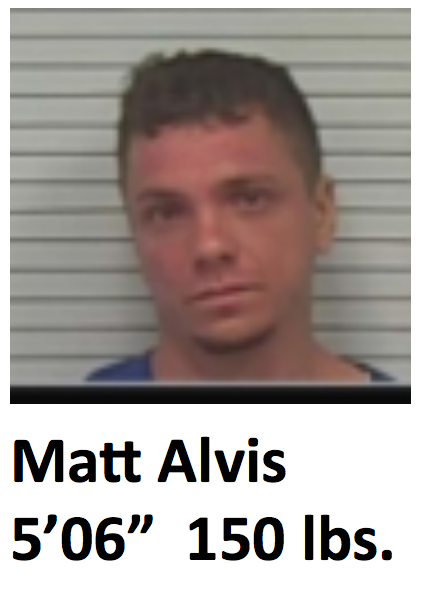
The Hays Police Department is asking the public’s assistance in locating 28-year-old Matthew “Matt” J. Alvis regarding felony eluding and felony drug violations.Alvis allegedly led officers on a pursuit last Saturday around 7:13 p.m. that went through parts of Hays and Ellis County.
The pursuit ended with Alvis ditching the vehicle and fleeing on foot.Officers were unable to locate Alvis Saturday evening.
If you have information on the whereabouts of Matt Alvis, call the Hays Police Department at (785) 625-1030.
The Hays USD 489 Board of Education approved a contract with it custodians’ union at its meeting Monday night.
The contract with the Service Employees International Union, which is also known as SEIU, includes a 4.6 pay percent increase and an increase in longevity bonuses.
“It was good news that the process of working with SEIU came up with an agreement, as far what was being offered on both sides,” Superintendent John Thissen said. “They are definitely in agreement.”
The district also made several changes to bring the SEIU contract in line with other staff on insurance and severance benefits.
The board voted in April to opt out of the Public Employer-Employee Relations Act, which means this is the last year it will bargain with SEIU.
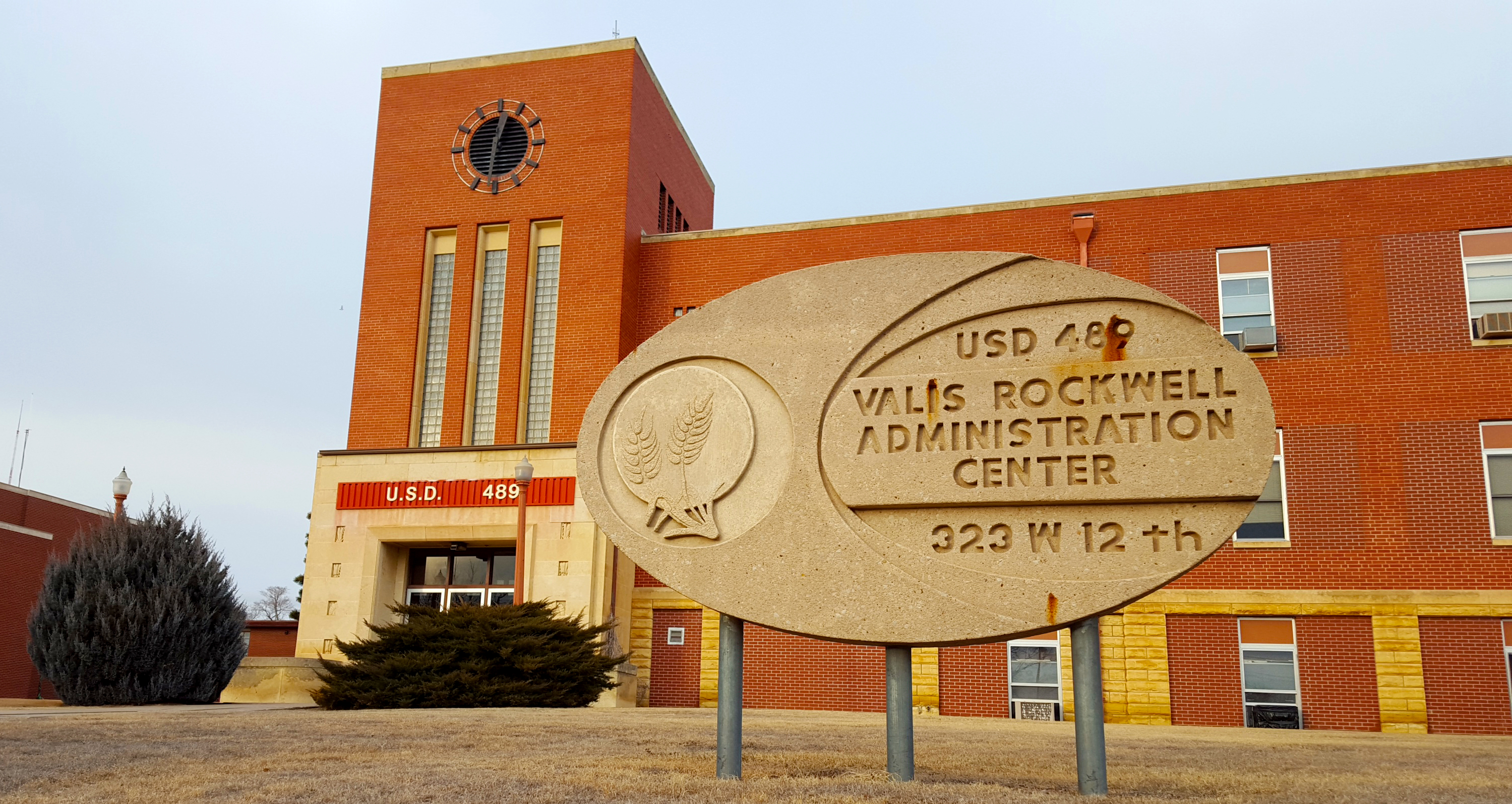
The Hays USD 489 Board of Education approved its 2018-19 $48.7 million budget at its meeting Monday night at the Rockwell Administration Center.
No one from the public spoke during the public hearing, and the budget was approved with little comment from the board.
The budget includes a .767-mill levy decrease, which was the result of the end of a special mill levy of 0.646 mills for declining enrollment and an increase in assessed valuation.
The total mill levy for the school district will be 42.799 mills.
The school district also levies taxes for the Hays Recreation Commission. The rec commission’s general mill levy will stay at 3 mills, but its employee benefits and special liability levy will increase from 1.141 mills to 1.391 mills.
The school district has no control over the HRC levy.
Assessed valuation for the district increased by almost $1.3 million to more than $316 million. The districts bonded indebtedness also dropped by more than $1.3 million.
The State of Kansas passed a school funding plan that will increase school funding by more than $500 million statewide over the next five years.
Hays’ total state funding increase will be about $2.1 million. The district also is forecasting it will see a federal funding increase of $156,040. However, once the loss of the declining enrollment levy, which was a temporary program, is figured into the budget, the district will gain less than $1 million in additional revenue for the coming school year.
The district will be investing its additional money back into personnel this year. Six new certified staff and seven classified staff have been added for the 2018-19 school year at a cost of about $500,000, Superintendent John Thissen said.
The special education cooperative, which Hays administrates added one certified staff member and 10 classified staff.
The board raised pay for its custodial staff. It is still negotiating with the Hays NEA teacher’s union.
In other business:
• Board president Many Fox submitted her board and committee appointments for the year.
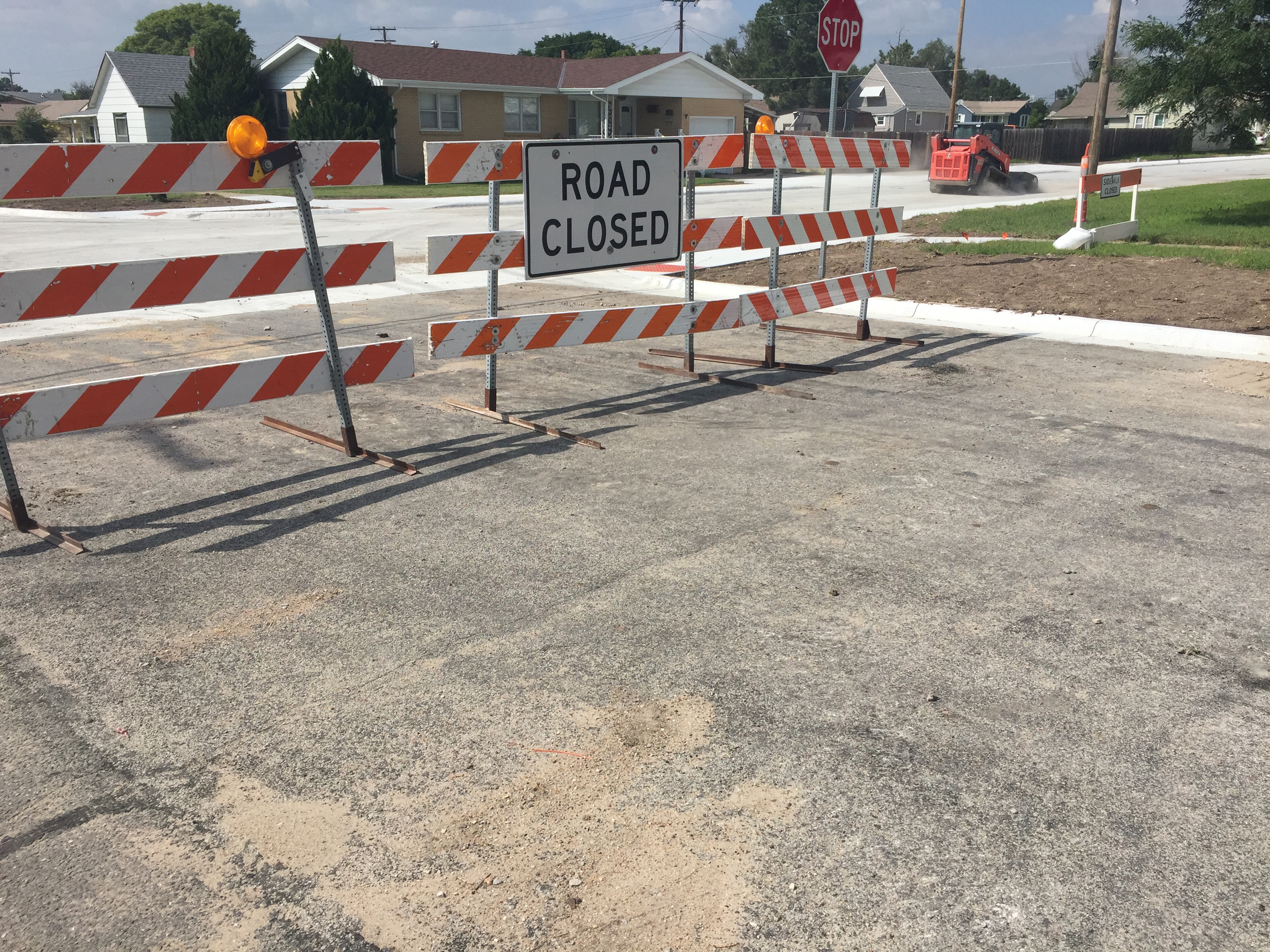
Beginning Tuesday, August 21, the intersection of 17th and Allen Street in Hays will be opened and the intersection of 15th and Allen will be closed. Allen Street will be closed from north of 14th Street to south of 17th Street. The intersection of 16th and Allen remains closed.
This work is part of the Allen Street Reconstruction Project.
Signs will be in place to direct the traveling public. Motorists should use caution in these areas.
The city of Hays regrets any inconvenience this may cause to the public. If there are any questions, please call the Office of Project Management at 785-628-7350 or the contractor, Paul-Wertenberger Construction, at 785-625-8220.
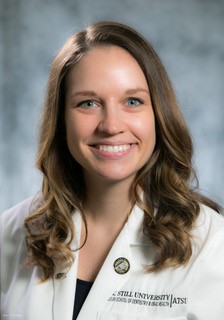
First Care Clinic announced this week the hiring of Dr. Christine Dowling, DMD. She will join Dr. Peter Paris, Dental Director of First Care Clinic. Dr. Dowling graduated from A. T. Still University, Missouri School of Dentistry and Oral Health.
“We are very excited to welcome Dr. Dowling to our staff. We look forward to her contributions as we continue our mission of providing quality, compassionate health care to all,” stated Bryan Brady, CEO.
First Care Clinic accepts most major insurances and also offers a sliding fee scale to those who qualify. For more information or to schedule an appointment, call First Care Clinic at (785) 621-4990.
TOPEKA – As summer begins to wind down, motorists in many places across Kansas and the nation are seeing gas prices gradually drop. Today’s Kansas average is $2.65 for a gallon of regular gasoline, down two cents in the past week, and registering as the 11th cheapest gas in America.
“Compared to July, consumer demand for gasoline is waning, and prices are following suit,” said Shawn Steward, AAA Kansas spokesperson. “The Kansas and national averages are expected to keep moving lower, especially with the seasonal gasoline blend switch-over in September.”
In September, gas stations will start selling winter-blend gasoline. This blend, which is cheaper to produce, contains a fuel that evaporates at low temperatures for vehicle engines to operate properly, especially when the engine is cold.
Of the 10 Kansas cities regularly highlighted by AAA Kansas (see chart below), seven saw their gas prices fall, led by Wichita (-5 cents), Emporia (-4), Kansas City, Kan. (-3) and Topeka (-3). Hays’ and Pittsburg’s prices remained flat, while Garden City saw a 2-cent increase.
According to AAA Kansas, this week’s Kansas gas price extremes are:
HIGH: St. Francis (Cheyenne County) – $3.10
LOW: Newton (Harvey County) – $2.47
National Perspective
Gas prices across the country are getting less expensive, as well. Today’s national gas price average is $2.84, which is three cents less than at the beginning of the month. With the exception of a handful of states, the majority of motorists are seeing slow, but steady pump price drops during the last few weeks.
The national gas price average is saving motorists two-cents on the week and one-cent on the month, but motorists are paying 50-cents more than this time last year.
If there was ever a predictable pattern in Kansas—and possibly even national politics—it is that Republican candidates for nearly every slot on the ballot tend to spend the primary election cycle pandering to the most diehard conservative members of their party to win the general election nomination.
Now, Democrats tend to do the same thing (with the move toward the more liberal Democrats), but in Kansas, it’s to smaller numbers of primary election voters. But it works with Democrats, too.
But after that primary in both parties, it’s been traditional that the party’s standard bearers move their campaign to the middle of their party, and in some measure to the middle of the general voting age population.
Well, this will be a year that will make it worth watching whether that generally Republican move to the middle of the party after the primary election occurs.
Chances are good that Sen. Laura Kelly, D-Topeka, the Democratic nominee for governor, will not have to move very far. She’s a practical Democrat who probably dreams about budgets and line-item vetoes and cutting a deal with moderates in the Kansas Legislature to keep government moving.
And chances are good that isn’t what Secretary of State Kris Kobach, who is the Republican nominee for governor, does. We’re figuring he dreams about a border wall with Mexico—or possibly Oklahoma—or that new Trump necktie that he wants…
Oh, and best-known independent candidate Greg Orman is probably dreaming about how to snag votes from both.
This year things are going to be different. Don’t expect Kobach to move toward the political middle in his campaign. Now, short-term Gov. Jeff Colyer might have, but he conceded, remember.
So, we come to a campaign where the narrow conservative side of the GOP—which includes Kobach, of course, and unsuccessful gubernatorial nomination candidate Insurance Commissioner Ken Selzer—isn’t looking for any move to the center. Nope, and had Kobach lost the GOP nomination, we’re betting he wouldn’t have let Colyer move to the center, either.
So…where does this gubernatorial race go? Who gets elected governor and has the authority to take that preposterous stuffed buffalo head off the wall of the governor’s office and, of course, run the rest of the state?
Does Kobach come up with something new that will appeal to moderate Republicans, most of whom voted for someone else in the primary? Does Kelly come up with something that will see the moderate Republicans, who are probably most of the GOP voters, furrow their brows and vote for her as long as nobody’s watching?
Or, does Independent Orman turn out to be the safety valve for Republicans who are to the left of Kobach but just can’t bring themselves to vote for a Democrat, under the suspicion that their Republican friends will find out?
And you gotta figure that moderate Republican former Sen. Jim Barnett, of Emporia when in office and Topeka now, who drew the more liberal Republican primary voters, though not enough of them, isn’t going to be touting Kobach or even letting him put a sign in his yard.
Surprising that this election might come down to the conservative Republicans of the state and the Democrats, with Orman as a possible off-ramp for those who at least talk about the general conservative values and have never read the Kansas Republican Party platform.
Oh, and whoever wins the governor’s office must remember that in just two short years, whatever the governor pushes for or against splashes back on members of both parties in the Kansas House and Senate.
We’ll see, won’t we…
Syndicated by Hawver News Company LLC of Topeka; Martin Hawver is publisher of Hawver’s Capitol Report—to learn more about this nonpartisan statewide political news service, visit the website at www.hawvernews.com
John Schlageck writes for the Kansas Farm Bureau.The conversations are endless. Consumers want and some demand to know the origin, safety and nutrition contained in the food they eat or feed their families.
Little more than a decade ago, seemed like most people could give a hoot about their food. Heck, 20 years ago the only time the media paid any attention to food was to tell consumers when prices went up.
It’s obvious farmers, ranchers and other people who want to sell food want to tell the public about their product. But are they being heard? Does their message resonate with today’s savvy consumer?
Or is it being sidelined by well-funded, well-managed and strategically placed ads and social media?
During the last several years, agendas championed by some environmental groups have been less than kind to agriculture. Some have flooded the public with figures on soil losses, pesticide-related mishaps and alleged failed attempts at using pesticides to reduce infestation.
Technology has often been labeled the No. 1 environmental enemy. But here’s the flip side of that coin and one agriculture must tell repeatedly – technology is our key to success.
For food producers, technology is viewed as the application of knowledge. As humans, we survive by adapting the environment to our needs.
Someone much wiser than me once said, minus technology, we would be just like other primates – confined to tropical regions and subject to extinction due to environmental changes. To survive, we must disturb the environment, conserve resources and continually create them.
Resources are made not born. Land, ores, petroleum, etc. – the raw materials of this planet – are not inherently resources. They do not inherently further human purposes.
We as humans must determine what is useful and how to use it. Topsoil becomes a resource when a farmer tills the soil and plants wheat seed for example. Ores become resources when metals are extracted from them.
During the past two centuries, technology has been creating resources more rapidly than humans have been consuming them. By every measure of price and availability, resources have become more abundant.
Without science and technology, today’s farmers and ranchers would be unable to feed the masses outside the agricultural industry. Farmers use technology responsibly. They constantly use new farming methods and practices. Their minds are like the fertile soil they farm – always ready to embrace new ideas
But new ideas and new farm technology is costly. It is in the best interest of farmers to use it carefully and sparingly. Misuse would add to production costs, which would result in an even lower return on investment.
Farmers use agricultural herbicides and pesticides only when necessary. When they use these plant protectants, farmers follow label directions designed to safeguard the public.
When new advances in biotechnology are discovered, farmers must abide by stringent testing and monitoring practices that ensure only safe products in the marketplace.
Food produced in the United States is safe. More than 40 years of Food and Drug Administration testing has shown most of our fruits and vegetables have no detectable pesticide residues. This underscores that American farmers use pesticides properly.
Every year billions of dollars are spent to support food and agricultural safety and quality inspection, according to the General Accounting Office. The private sector combined with state and local governments spend an estimated $7 billion on similar activities.
Farmers and ranchers support efforts to evaluate and enhance the current regulatory and food monitoring system. Agricultural producers are willing to work with others to maintain safe food, but this industry must avoid policy changes that are based on fear, emotion and public manipulation.
Decisions affecting the course of agricultural production are critically important and will have far reaching implications on our quality of life. We must be careful when determining long-term policies.
Farmers and ranchers must continue to maximize their production capacity with an ever-watchful eye on food safety, quality and the environment.
John Schlageck, a Hoxie native, is a leading commentator on agriculture and rural Kansas.
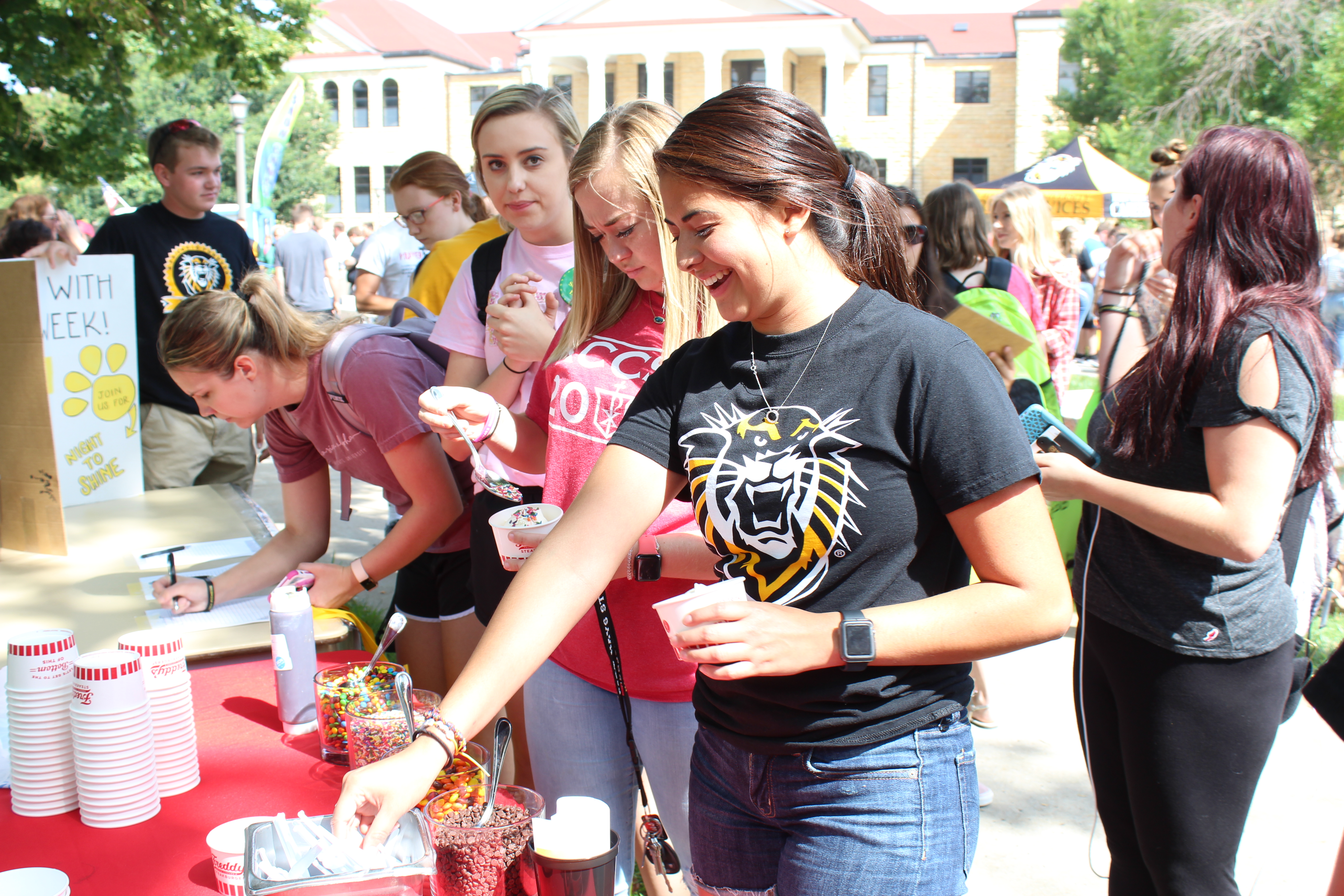
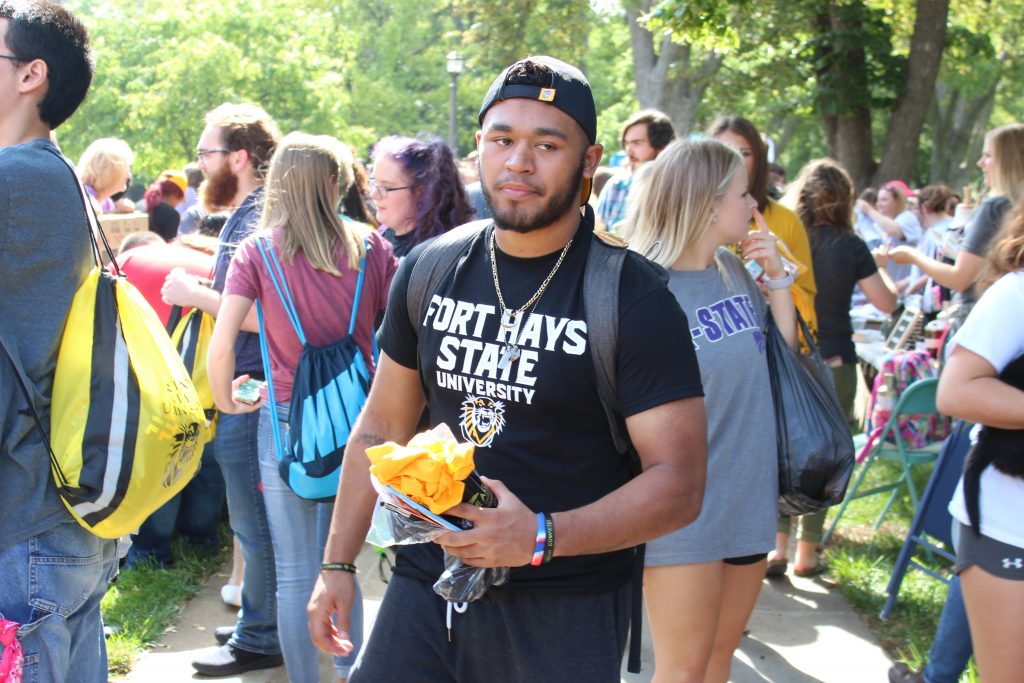
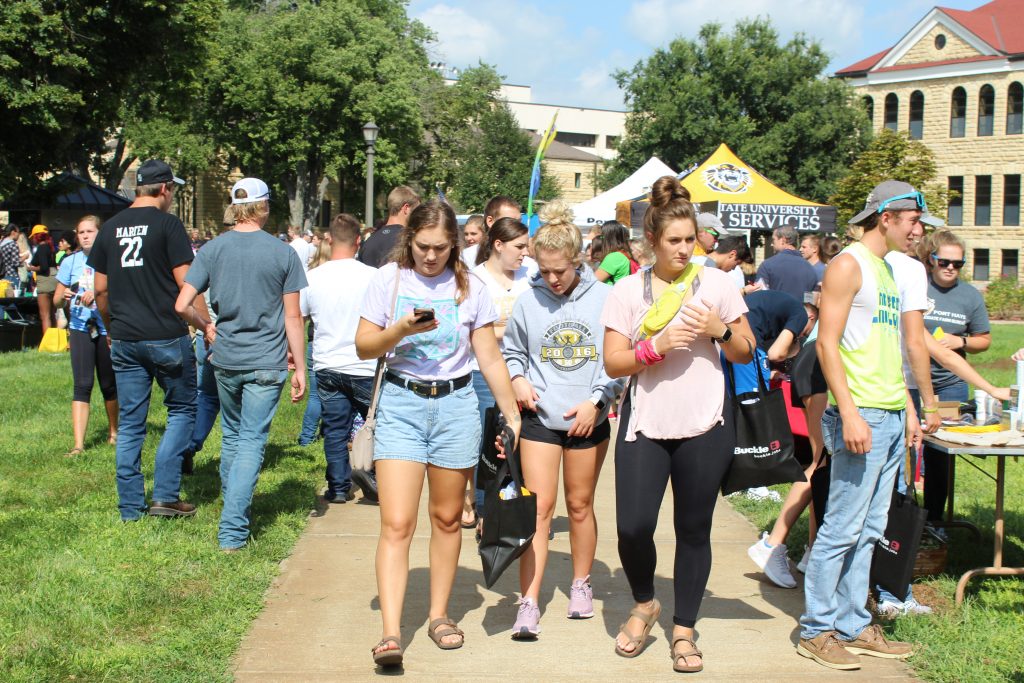
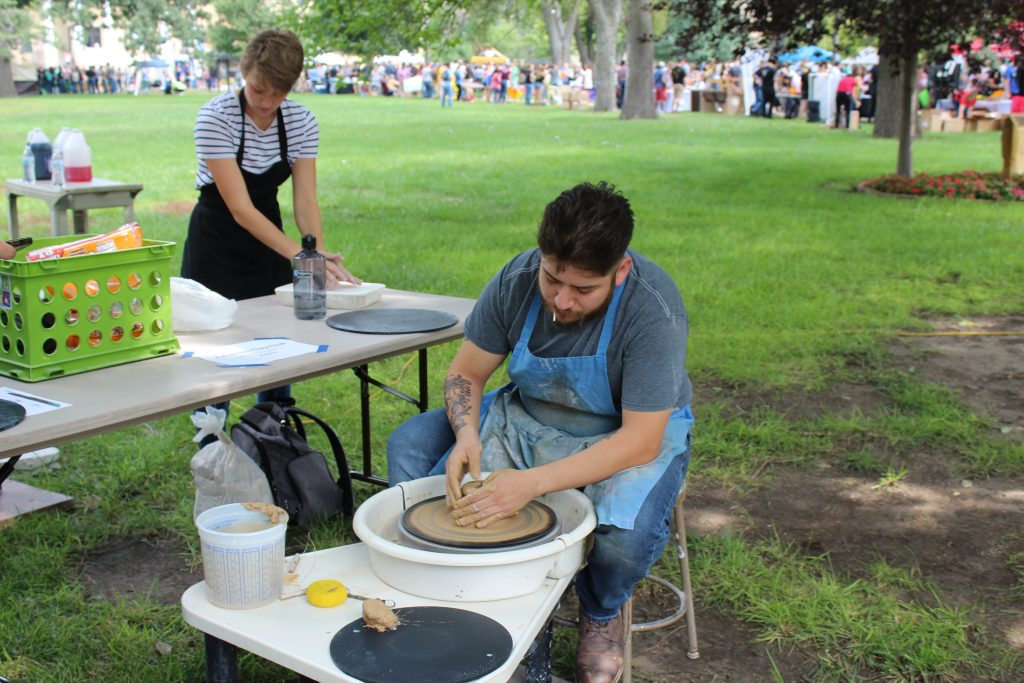
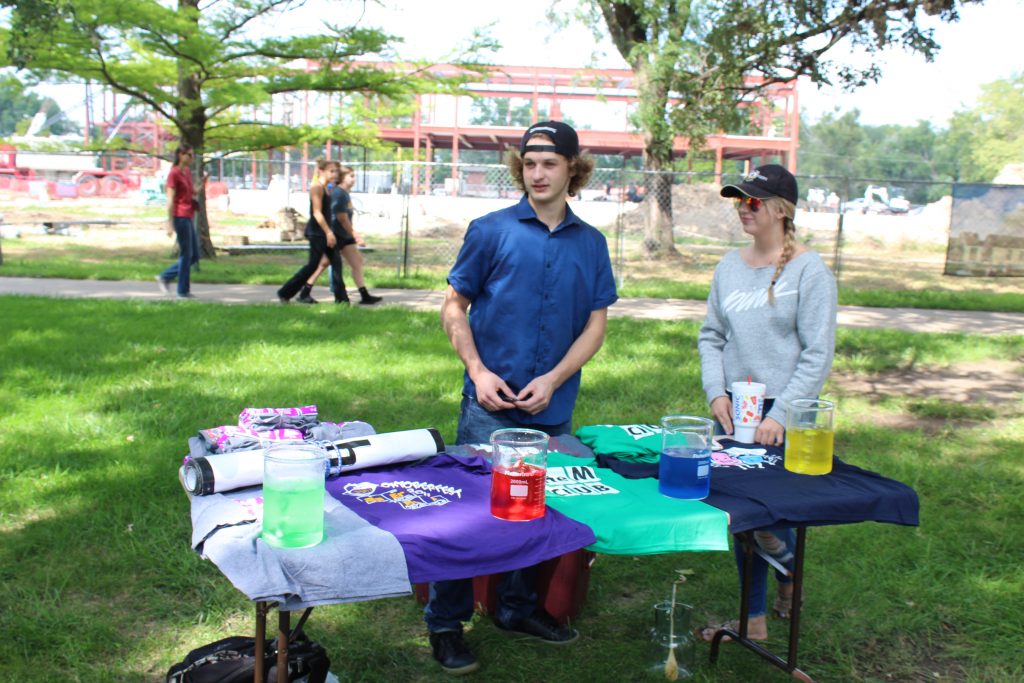
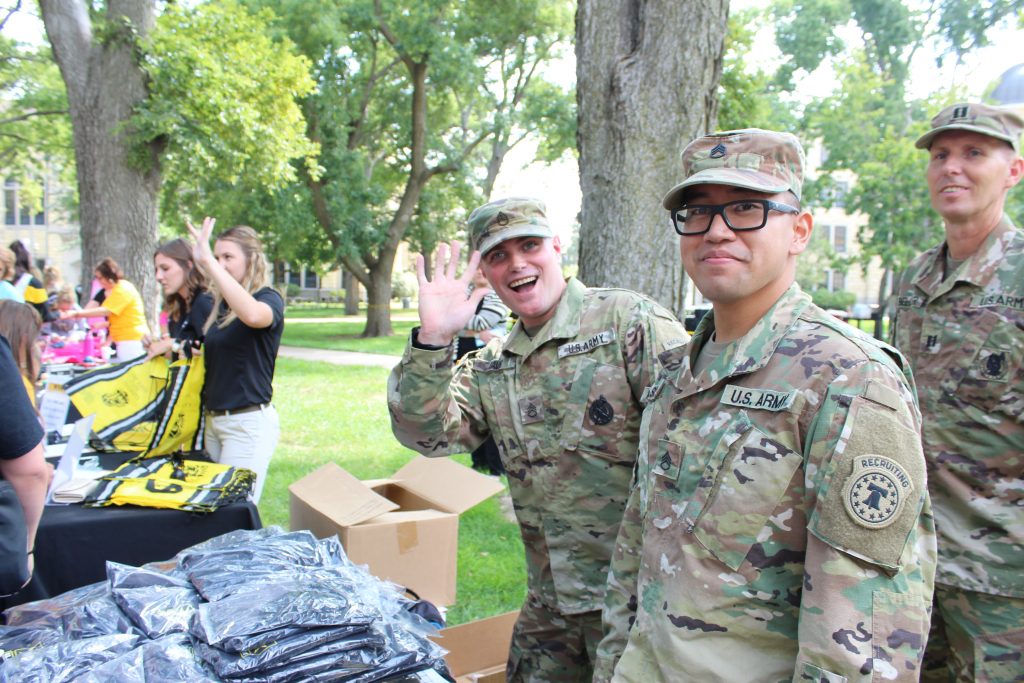
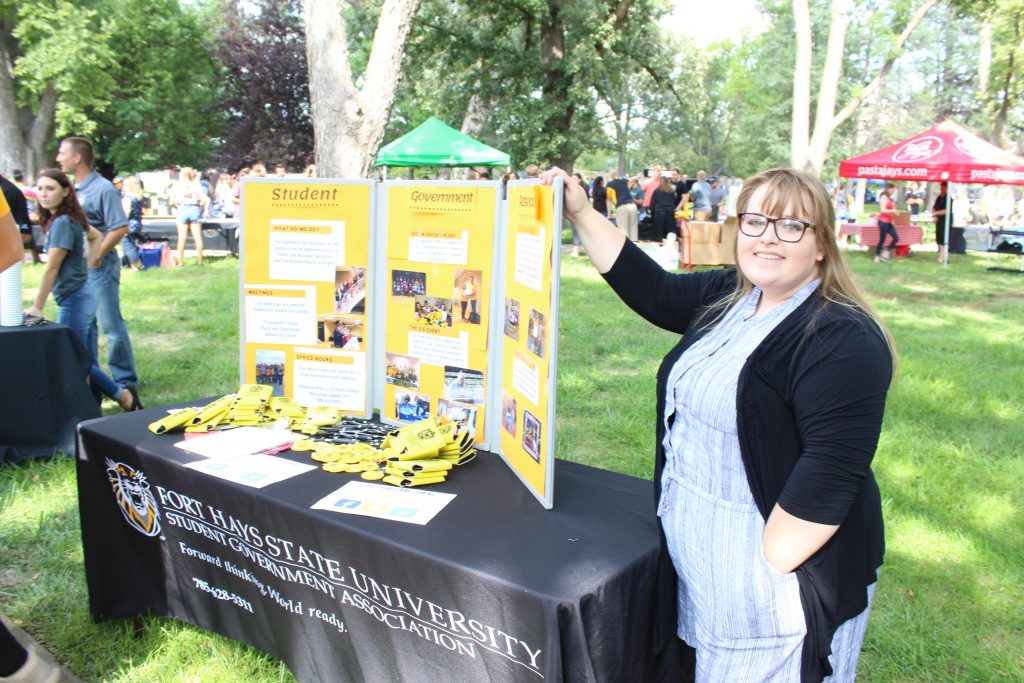
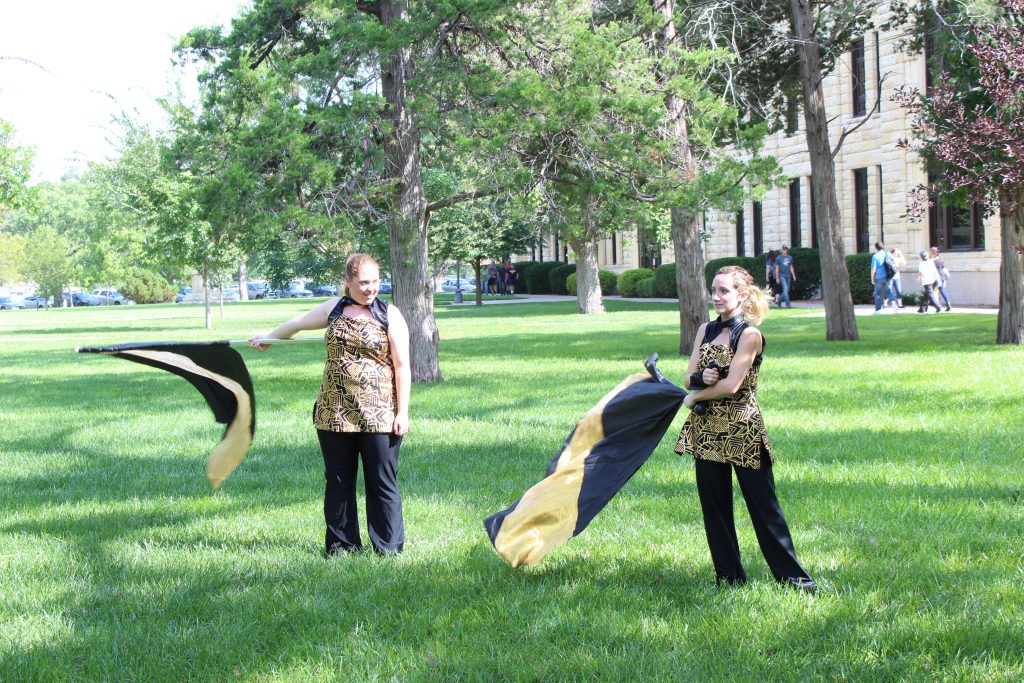
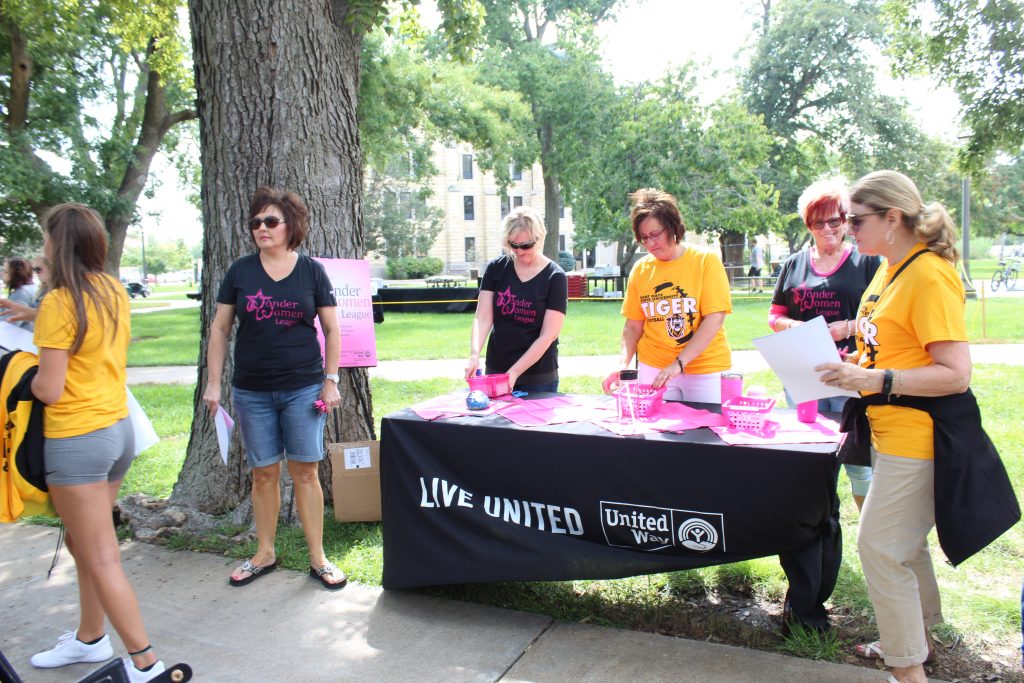
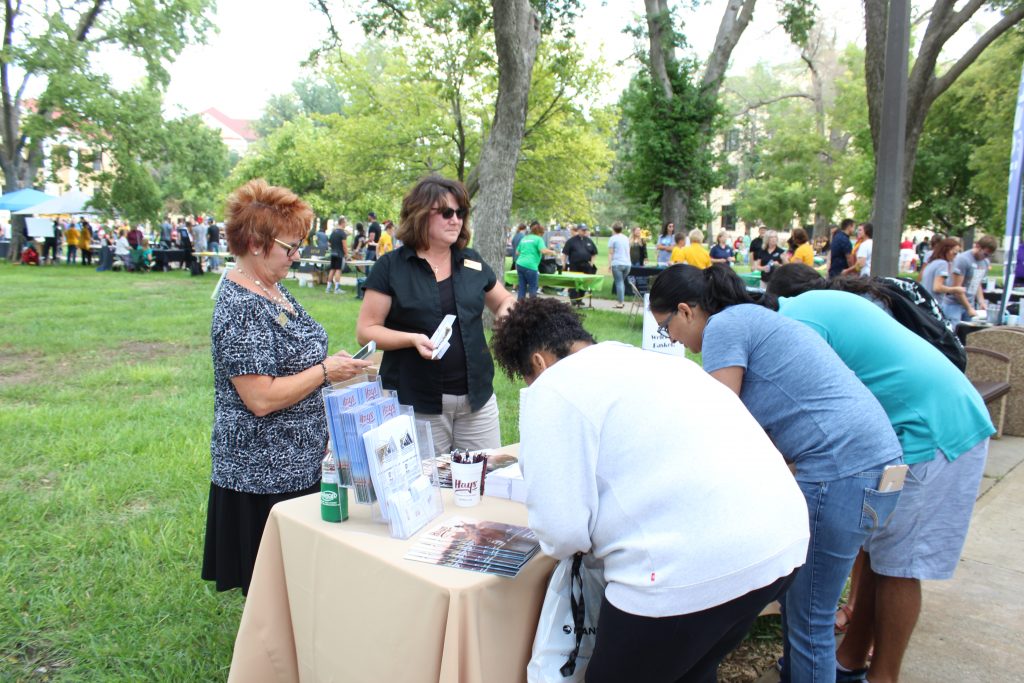
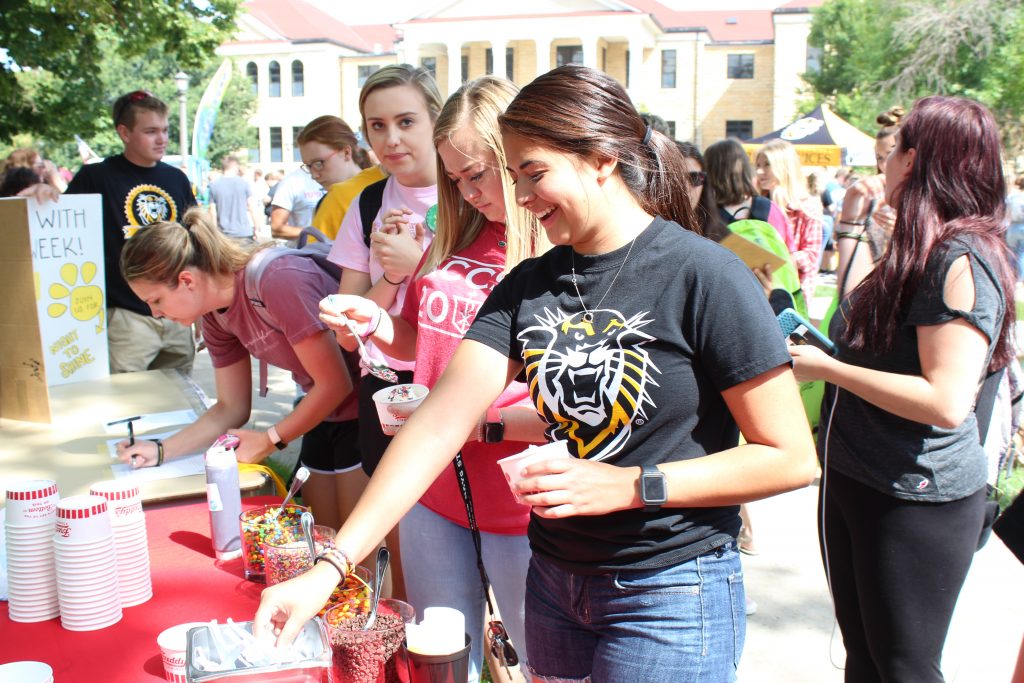
Monday was the first day of classes for Fort Hays State University students. Campus organizations and local businesses lined the quad to welcome students to campus during the annual Back-to-School Picnic. There were demonstrations and tons of giveaways for the students.









 “Compared to July, consumer demand for gasoline is waning, and prices are following suit,” said Shawn Steward, AAA Kansas spokesperson. “The Kansas and national averages are expected to keep moving lower, especially with the seasonal gasoline blend switch-over in September.”
 Gas prices across the country are getting less expensive, as well. Today’s national gas price average is $2.84, which is three cents less than at the beginning of the month. With the exception of a handful of states, the majority of motorists are seeing slow, but steady pump price drops during the last few weeks.