We have a brand new updated website! Click here to check it out!

Exploring Outdoors Kan.: Barn owls, just one of God’s critter-gitters

Steve Gilliland

Two weeks ago, I wrote about erecting nest boxes to attract barn owls to help control damage caused by pocket gophers and other rodents, but said little about barn owls themselves. As “landlords’ it seems we should know a little about our tenants too.

It’s hard to convince people there are lots of bobcats in Kansas because they are rarely seen, and so it is with barn owls. Barn owls are very secretive and like nesting / roosting sites that are well hidden, so it’s tough to think there are many around. Actually barn owls are the most widely distributed of all owls, and one of the most widely distributed birds overall; they are found on every continent but Antarctica.

Barn owls are thought to be the origin of many ghost myths, as their vocalization resembles a scream and they appear “ghost-like” in a dark building. Adult barn owls in the USA are from 12 to 15 inches tall with a wingspan of over 40 inches (a contact in the UK tells me their barn owls are about have that size.) They have large, broad wings with soft feathers that allow for silent flight. Their necks are flexible enough to let their heads turn more than 180 degrees in each direction.

A very distinctive face with cupped facial discs funnels sounds out to their ears, giving them possibly the best hearing of all common owls. One talon on each foot actually has tiny serrations on one edge like a comb and is thought to help with grooming those facial discs.

Barn owls usually form monogamous pairs and as long as habitat and food availability remain, that pair will nest in the same site for years. They are “cavity nesters,” along with Kestrels and Screech Owls, so they can be attracted to nest boxes, and they adapt very readily to human activity as long as their nesting/roosting site is concealed. Clutches of eggs average from 4 to 7, but can be more if prey species are abundant. Studies show that the amount of prey available actually dictates the number of eggs laid and the number of chicks fledged, even to the point where 2 broods of chicks might be raised in a single year if prey is very plentiful. Barn owl eggs are “asynchronous,” meaning incubation begins as each egg is laid, so there will always be older and younger chicks in each brood.

Not to be over-simplistic, but the first key to attracting barn owls to a nest box is an abundance of prey. A friend just recently told me that when he had hogs, there were barn owls in every crack and crevice available in his silo and buildings, because where there are hogs, there are usually an abundance of rodents. Barn owls like open farm country and pastureland. The absolute best hunting habitat for them are areas of rough grass that only occasionally or never gets cut or grazed.

These areas of rough grass contain a deep “liter layer” on the ground made up of dead grasses from previous years that encourage rodents to build nests and tunnels. Nesting boxes on poles and in the ends of buildings should face or at least be near open farm and pasture land for them to hunt. Since barn owls are so secretive most of the year, sometimes you will only know you have them by seeing “pellets” on the ground near the nest. All owls regurgitate pellets composed of bone, fur and all other undigested material. Fresh owl pellets near a nest box or cavity is a sure sign of a renter within.

Barn owl populations are threatened when pesticides are used to kill rodents, when dead trees are cut down and old farm buildings are removed and when grasslands are turned into farm ground. In light of those challenges, manmade nesting boxes placed inside existing farm buildings or on poles along field edges are beneficial to attracting God’s “critter-gitters” to you property. So if gophers and other rodents are giving you fits, why not look into erecting an owl nest box or two. Contact me and I’ll point you in the right direction or contact Mark Browning with the Barn Owl Box Company, www.barnowlbox.com. Continue to Explore Kansas Outdoors.

Steve Gilliland, Inman, can be contacted by email at [email protected].
Hays school board sets budget hearing for Monday

By CRISTINA JANNEY
Hays Post

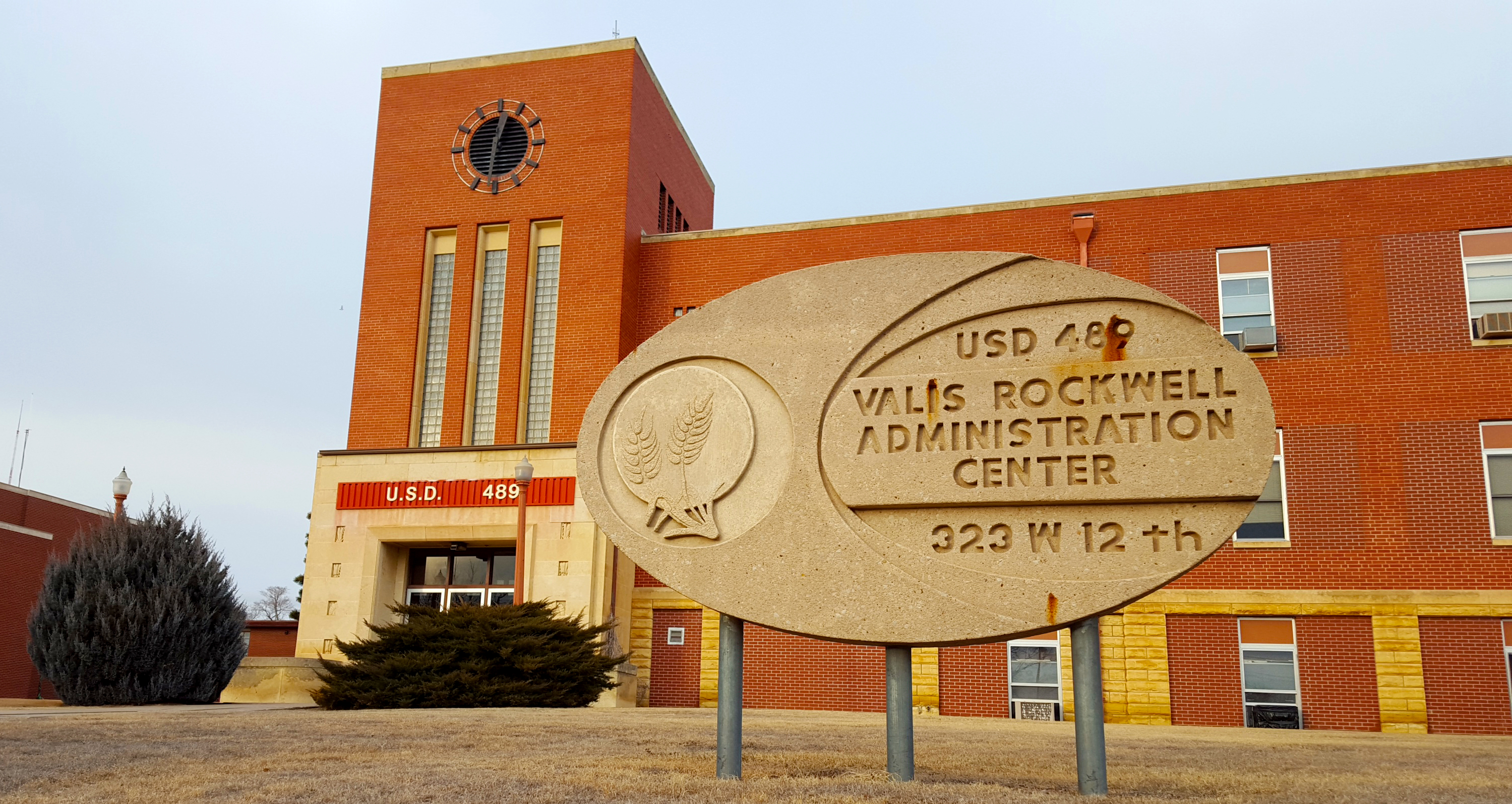
The Hays USD 489 Board of Education will conduct the public hearing for its 2018-19 $48.7 million budget at 6:30 p.m. Monday at the Rockwell Administration Center.

The budget includes a .767-mill levy decrease, which was the result of the end of a special mill levy of 0.646 mills for declining enrollment and an increase in assessed valuation.

The total mill levy for the school district will be 42.799 mills.

The school district also levies taxes for the Hays Recreation Commission. The rec commission’s general mill levy will stay at 3 mills, but its employee benefits and special liability levy will increase from 1.141 mills to 1.391 mills.

The school district has no control over the HRC levy.

Assessed valuation for the district increased by almost $1.3 million to more than $316 million. The districts bonded indebtedness also dropped by more than $1.3 million.

The State of Kansas passed a school funding plan that will increase school funding by more than $500 million statewide over the next five years.

Hays’ total state funding increase will be about $2.1 million. The district also is forecasting it will see a federal funding increase of $156,040. However, once the loss of the declining enrollment levy, which was a temporary program, is figured into the budget, the district will gain less than $1 million in additional revenue for the coming school year.

The board’s regular meeting will directly follow the budget hearing.

In other business, the board will:

• Vote on board president appointments

• Vote on negotiations with Service Employees International Union, which is also known as SEIU and represents the district’s custodians.

• Hear a report on projects that were completed this summer

• Review new crisis drill requirements

• Discuss board goals

Dave Says: Communicate and work together

Dave Ramsey
My wife and I are not on the same page when it comes to money and our two teenage daughters. I think they should be learning the value of work and money, but she doesn’t want them to work. She regularly hands them spending money and buys them expensive gifts. I want our girls to have some nice things, but this is starting to cause problems in our relationship. Do you have any advice?

Stan

Dear Stan,
Kids should learn to work and make money at an early age. We’ve given nice gifts to our kids, but the difference is they also worked and made money for themselves. The gifts we gave them were for special occasions. Showering our kids with money and expensive toys all the time was not our way of life.

In this situation, your wife is allowing them to be nothing but consumers. I know she loves them, but they’re not learning how to work, and they’re not learning how to save or give. This is setting them up for a lifetime of unrealistic expectations. If something doesn’t happen to change things, you’re going to end up with two spoiled little girls, who think they should be given everything their entire lives.

Still, I think the biggest problem is you and your wife are experiencing a communication and marital breakdown. If the kids weren’t in the picture, I’ve got a feeling the same problems would exist. The difference is they would manifest themselves in other ways.

Obviously, your wife needs to stop being so impulsive where the kids are concerned. Try sitting down with her, and gently explaining your feelings. Let your wife know you love her and how generous she is, but you’re worried this is having a negative impact on your children. Maybe you could try to establish some guidelines as to when really nice gifts are appropriate, too. There’s a middle ground you can reach, but it’s going to take some time and effort. Most of all, it means the two of you are going to have to communicate and work together for the good of your kids.

Dave Ramsey is CEO of Ramsey Solutions. He has authored seven best-selling books, including The Total Money Makeover. The Dave Ramsey Show is heard by more than 14 million listeners each week on 600 radio stations and multiple digital platforms. Follow Dave on the web at daveramsey.com and on Twitter at @DaveRamsey.

🎥 Jordans, Commerce Bank winners of Water $mart awards

By BECKY KISER
Hays Post

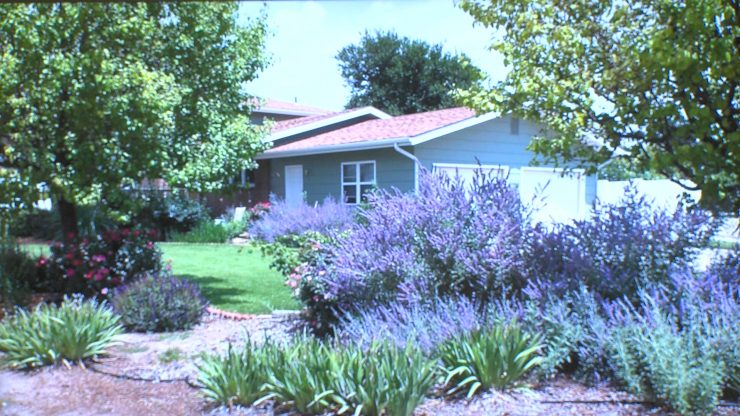
Winners of the 2018 Water $mart Landscape Awards were recognized recently by the Hays city commission.

The program by the Hays Beautification Committee and the city of Hays recognizes residents and business owners who’ve implemented water conserving turf and landscaping on their properties.

That involves more than just knowing how to water correctly, according to the city’s Water Conservation Specialist Holly Dickman.

“The principals of the Water $mart landscape include things like planning and design, soil prep, right plants in the right places, practical turf areas, efficient irrigation, proper mulching and proper maintenance,” explained Dickman.

JoAnn Jordan with Hays Mayor James Meier
Deron O’Connor, Commerce Bank president, with Hays Mayor James Meier

Winners of the residential property award were Jeff and JoAnn Jordan at 3306 Willow Street. Commerce Bank, 2200 Vine Street, was the business property winner.

Nominees must be within the city limits of Hays and the landscape must be visible to the public and must be installed and established/maintained for at least one full year.

There is one residential winner and one business winner per year. All nominations received are reviewed and voted upon by the Hays Beautification Committee at the June meeting.

SHPTV raising funds for two capital projects

SHPTV

Smoky Hills Public Television has begun a capital campaign to fund two projects.

The first project is the replacement of the KSWK transmitter located near Lakin. The transmitter broadcasts Smoky Hills Public Television’s signal to southwest Kansas. When the transmitter is at full strength, nearly 83,000 people in southwest Kansas can receive Smoky Hills’ programming for free with an antenna, including nearly 16,000 children who benefit from the educational kids programming. However, due to age, the transmitter is functioning on low power.

The cost to replace the transmitter is $146,000. Approximately half of the project cost has been donated through the Perle and Catherine Frazee Foundation, the Mona and Mel Winger Family Foundation, Pioneer Electric Area Roundup, the Rundell Foundation and an anonymous donor.

The second project is the purchase of a new video server. The server allows the station to record PBS programs and schedule them with local shows, promotions and acknowledgements of supporters. Without the server, SHPTV would be forced to only broadcast a raw PBS stream, which would be a random schedule of shows.

With the current video server failing, SHPTV is raising $147,000 to replace it. The Hansen Foundation has made a contribution toward this project.

“Smoky Hills Public Television is grateful for all the donations towards this capital campaign,” said Larry Calvery, Smoky Hills Public Television Interim General Manager. “The generosity and support of these donors encourages our continued commitment to raising the remaining funds because these pieces of equipment are essential to the broadcast of Smoky Hills Public Television throughout central and western Kansas.”

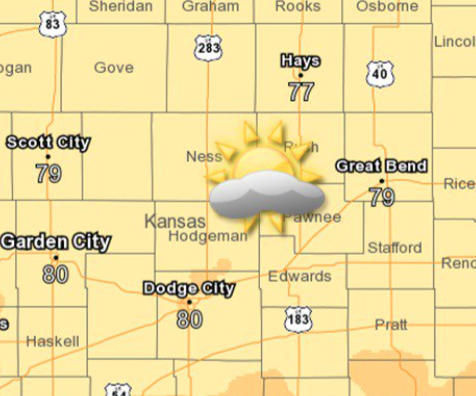
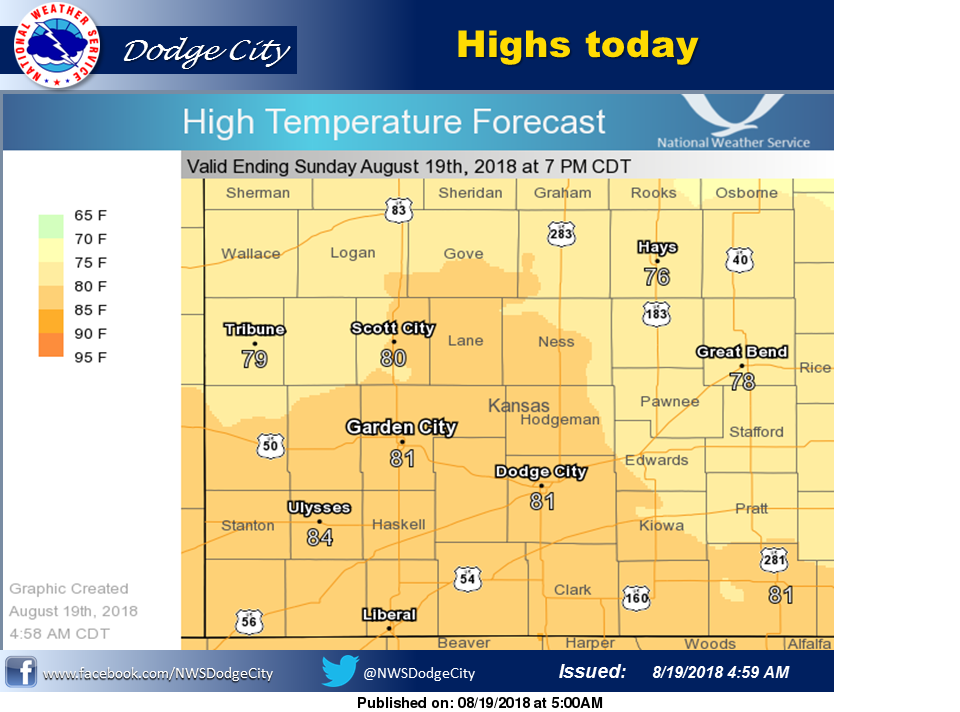
Partly sunny, windy Monday

Today Mostly cloudy, then gradually becoming sunny, with a high near 76. Breezy, with a north northwest wind 17 to 22 mph, with gusts as high as 33 mph.

Tonight Mostly clear, with a low around 56. North wind 6 to 14 mph.

Tuesday Mostly sunny, with a high near 78. North northwest wind 6 to 8 mph becoming east northeast in the afternoon.

Tuesday Night Showers and thunderstorms likely, mainly after 1am. Increasing clouds, with a low around 60. East northeast wind 6 to 8 mph. Chance of precipitation is 60%. New rainfall amounts between a tenth and quarter of an inch, except higher amounts possible in thunderstorms.

Wednesday Showers and thunderstorms likely, mainly before 1pm. Cloudy, with a high near 74. East southeast wind 6 to 8 mph. Chance of precipitation is 60%. New rainfall amounts between a tenth and quarter of an inch, except higher amounts possible in thunderstorms.

Wednesday NightA 40 percent chance of showers and thunderstorms, mainly after 1am. Mostly cloudy, with a low around 62.

ThursdayPartly sunny, with a high near 82.

Insurance Certificate enrollment swells at FHSU, other participating Kansas universities

KID

TOPEKA  — Enrollment in courses eligible for the Kansas Insurance Certificate program at several Kansas higher learning institutions has swelled to approximately 500 students for the 2018 fall semester.

The certificate program gives students at the participating schools the opportunity to gain understanding in core insurance concepts while showing prospective employers a work-ready knowledge obtained by prospective employees, according to Ken Selzer, CPA, Kansas Commissioner of Insurance.

The participating schools in the third-year certificate program are Fort Hays State University, Emporia State University, Pittsburg State University and Washburn University.

The 12 credit-hour certificate program is designed to advance career opportunities for the students in the financial services industry, including the insurance field.  Students have the opportunity to enroll in classes offered through the participating institutions. Once the courses are successfully completed, the student will receive the certificate, which can become part of the student’s resume packet when seeking employment following graduation.

“The certificate program allows students to take focus-area courses online or through traditional classroom instruction,” said Commissioner Selzer. “Students can take the courses they are most interested in, even if the courses originate at another school associated with the program. And, for many of the courses, students are eligible for scholarship money.”

The certificate program is a collaboration between the insurance department and the Kansas Insurance Education Foundation, with monetary support from private businesses.

For more information about the certificate program, contact Daniel Rineberg, community outreach specialist, at the Kansas Insurance Department, 785-296-7803, or go online to www.ksinsurancecertificate.org.

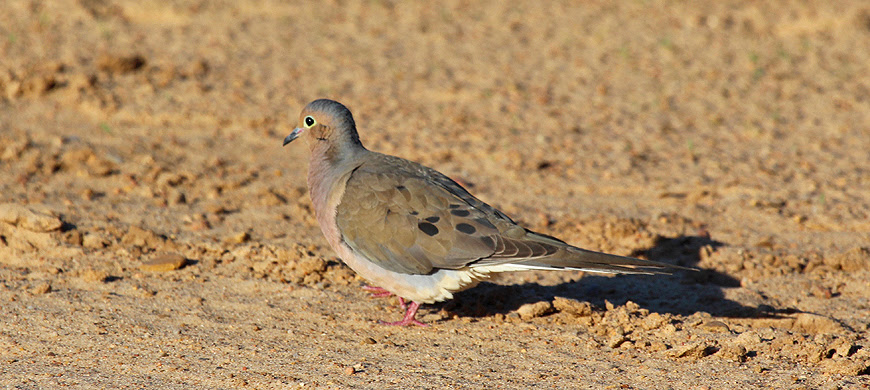
KDWPT: Great dove hunting on public wildlife areas in NW Kan.

KDWPT

PRATT – Kansas Department of Wildlife, Parks and Tourism public hunting areas are managed to provide optimum wildlife habitat, but area managers often go above and beyond to benefit hunters. These efforts can be especially evident on Sept. 1, when the migratory dove season opens. At select wildlife areas around the state, managers turn designated fields into dove hunting hot spots by planting sunflowers or wheat.

There are dove fields in all regions of the state, but they vary each year due to weather and available work force. All 2018 dove fields are listed at www.ksoutdoors.com; simply click on “Hunting,” “Where To Hunt,” then “KDWPT Dove Hunting Fields.”

Northwest Kansas public lands available for dove hunting include wildlife areas at Cedar Bluff, Norton, Webster, and Wilson lakes.

Wildlife areas with dove hunting fields are categorized by region. Be sure to read through the description for each area. Some fields may be reserved for youth or youth/mentors on the first few days of the season, many require non-toxic shot, and some may limit the number of hunters through iWIHA (which limits access through electronic check-in).

Be sure to note if iSportsman Electronic Daily Hunt Permits are required. With an iSportsman account, hunters can check in and out by phone, smartphone or computer. It’s quick and easy. Visit https://kdwpt.isportsman.net/ to learn more.

Fields may be small and require hunters to be respectful of each other, allowing safe distances between parties and taking only safe shots.

When summer growing conditions are good, the managed dove fields can be swarming with doves on September 1. It’s time to stock up on shotgun shells and visit the local gun club for some shooting practice. Then check out the KDWPT website to locate managed dove fields near you and spend an evening or two scouting the fields. Then you’ll be ready on opening day.

Work starting on U.S. 40 in Wallace County

KDOT

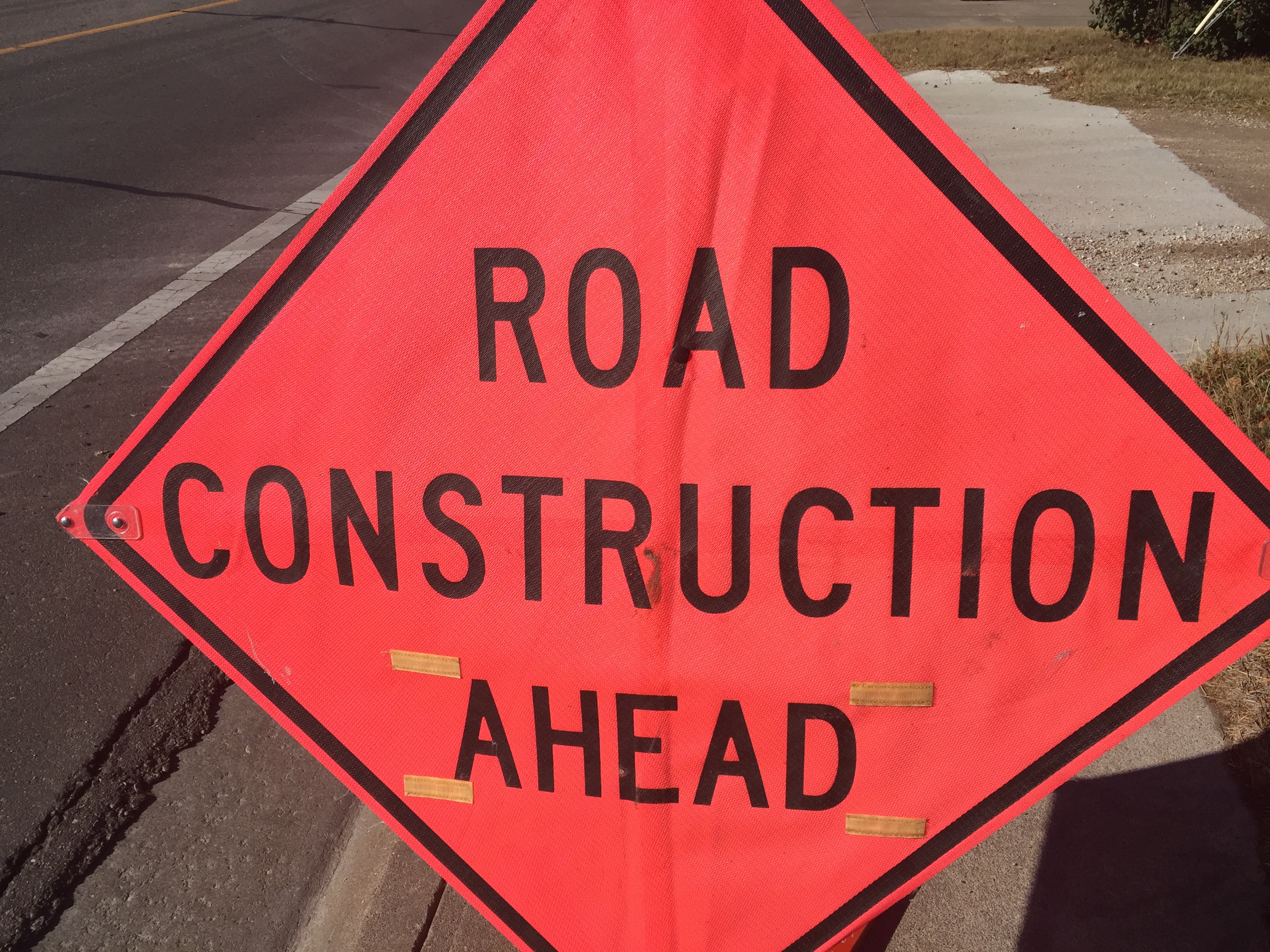
The Kansas Department of Transportation plans to begin a chip seal project on a portion of U.S. 40 in Wallace County on Aug. 20.

Crews will be working on a 17-mile stretch from the Colorado border to the east city limits of Sharon Springs. Traffic will be reduced to one lane and directed through the work zone via flaggers and a pilot car during daylight hours. Minor delays not exceeding 15 minutes should be anticipated.

KDOT expects work to be completed by the end of the August, weather permitting. APAC Kansas Shears Division is the primary contractor for the project with a total contract cost of $415,000.

Now That’s Rural: Corning, Kansas

Ron Wilson is director of the Huck Boyd National Institute for Rural Development at Kansas State University.
By RON WILSON
Huck Boyd National Institute for Rural Development

“One big family.” That’s a phrase which has been used to describe the community of Corning. The people of this community seem to be able to come together to work on community improvements and get things done.

Corning is a community in Nemaha County in northeastern Kansas. Roger Haug and his sisters Diane and Janice grew up on a farm near Corning. Roger is a farmer, mail carrier, longtime softball coach, and was recently named a Civic Health Hero by the Kansas Health Foundation. However, he really wanted to share the positive things happening in his hometown of Corning.

Roger’s friend Joe Roanoke wrote about Corning, in part: “I remember when my wife and I were two of the young people in town. Since the 70’s, we’ve watched the circle of life continue as young couples with past ties return to live and raise their families in Corning. Now, my wife and I are some of the oldest in town. The transition has been incredible.”

He pointed to the remarkable improvements which have taken place in the community. “Over the years, the Corning family has come together to install a completely new city water system, build a new city community center complete with a city library and medical clinic, create a beautiful new city park where the high school once stood, construct a new and all-important fire station, install a helipad for emergency Lifestar transport, begin a three-phase ballpark renovation including new concessions, bleachers, field and lights, not to mention a Corning community corn patch with donated land, seed, and labor,” Joe wrote.

Some of these community improvements were built through Kansas Department of Commerce Kan-Step grants, where the state pays for design and supplies while the community provides volunteer labor.

Housing is another positive. “New housing is the norm in this clean and friendly oasis,” Joe wrote. St. Patrick’s Church is also raising funds to build a new gathering center.

Citizens in a rural community tend to pull together in times of crisis. When one local family lost a child who died suddenly, Corning got behind a local biannual blood drive in her honor. The Ava Louise Steinlage blood drives began in 2011 and have collected approximately 1,400 units of whole blood. Staff members at the Community Blood Center commented that they have been amazed at how well such a small community can support such a good cause.

They’ve noticed two other things about the blood drive: One, the community provides an amazing number of treats and food for the participants, and two, people who give blood tend to stick around and visit because the town is so friendly and close-knit.

Much small-town community life revolves around sports. For years, Corning hosted what was considered one of the best slow pitch softball tournaments in Kansas. On summer nights, the citizens still gather around the ballfields for ballgames and conversation.

There is an annual community celebration called Cornstock – which might be spelled Cornstalk, except that it is a take-off on the Woodstock celebration of the 1970s. Today, Cornstock celebrates the community with games and competitions.

“The event is drawing people back to Corning for a weekend where kids can run free in the park without constant supervision of worrying parents,” Joe Roanoke wrote. “The small town atmosphere where the one big Corning family watches out for everyone is so compelling, relaxing and friendly, it is drawing bigger numbers every year.”

It’s a remarkable record for a rural community the size of Corning, population 206 people. Now, that’s rural.

How does such a rural community succeed? “I believe the bottom line is family,” Joe wrote. “Corning is a hardworking farming community with a strong sense of pride and ethics, always bent on doing things the right way. It has a willingness to come together to form one big family to get the job done.”

One big family. We commend Roger Haug, Joe Roanoke, the Steinlage family and all those who are making a difference with family values in Corning. They demonstrate that Corning is a can-do community.

Schlegel attends Public Policy Certification program

Lisa Schlegel, Ellis County Treasurer, attended the annual meeting of the National Association of County Collectors, Treasurers and Finance Officers (NACCTFO) in Nashville, Tennessee, July 11-12, completing professional coursework in public policy administration.

The conference included education courses in policy and management offered by the Public Policy Administration program at the University of Missouri-St. Louis (UMSL) as part of the university’s Chancellor’s Certificate program and in partnersnip with NACCTFO.

“Our Chancellor’s Certificate program allows NACCTFO members to learn about cutting-edge practices and to share their experiences,” said Dan Sise, interim director of the Public Policy Administration program at UMSL. “Members come away from these sessions with valuable ideas to implement in their own offices.”

The education program included sessions on adaptive leadership, future technologies and trends, and disaster preparedness.

“Schlegel’s participation in these sessions demonstrates her commitment to carely manage scare county resources,” Sise said.

– SUBMITTED –

Mostly cloudy, wet Sunday

Today
Showers, mainly before noon, then a chance of showers and thunderstorms after noon. High near 77. Light and variable wind becoming north northwest 8 to 13 mph in the morning. Chance of precipitation is 90%. New rainfall amounts between three quarters and one inch possible.

Tonight
A 30 percent chance of showers and thunderstorms, mainly before 1am. Mostly cloudy, with a low around 61. North northwest wind 10 to 17 mph.

Monday
Mostly cloudy, then gradually becoming sunny, with a high near 77. Breezy, with a north northwest wind 17 to 21 mph, with gusts as high as 31 mph.

Monday Night
Mostly clear, with a low around 57. North wind 6 to 14 mph.

Tuesday
Sunny, with a high near 79. North northwest wind around 8 mph becoming northeast in the afternoon.

Tuesday Night
Showers and thunderstorms likely, mainly after 1am. Mostly cloudy, with a low around 60. Chance of precipitation is 60%. New rainfall amounts between a tenth and quarter of an inch, except higher amounts possible in thunderstorms.

Wednesday
A 40 percent chance of showers and thunderstorms before 1pm. Mostly cloudy, with a high near 77.

Wednesday Night
A 30 percent chance of showers and thunderstorms. Mostly cloudy, with a low around 62.

Thursday
Partly sunny, with a high near 86.

Copyright Eagle Radio | FCC Public Files | EEO Public File