Hays CVB

Hays CVB

By BENJAMIN MARCUS
Freedom Forum Institute
When children return to school over the next few weeks, should they find religion on the syllabus? It may surprise some, but a significant majority of Americans — including public school teachers — say yes.
Seventy-five percent of teachers believe public schools should offer a comparative religion elective, with 69 percent of parents saying the same. There is no meaningful political or ideological gap in support of such courses.
Fifty-four percent of teachers think public schools should offer a Bible studies elective; 61 percent of parents agree.
Those findings — from the 2019 PDK (Phi Delta Kappan) poll, a well-respected annual survey of public opinion about K-12 education — should encourage Americans concerned about religious illiteracy in this country.
Religious literacy advocates now have the law, educators and public opinion on their side. The U.S. Supreme Court went out of its way in 1963 to affirm that the study of religion is constitutional. Leading education organizations have affirmed the court’s sentiment that a “complete” education requires students to learn about religion and its relationship with social, political and cultural life. And now PDK shows that more than three-quarters of Americans want religious studies courses in schools.
So why aren’t more schools teaching about religion? The PDK poll provides a clue: fear of indoctrination. Thirty-eight percent of Americans are very or somewhat concerned that “Bible studies classes might improperly promote Judeo-Christian religious beliefs.” Notably, while 82 percent of evangelicals and 78 percent of Republicans favor such courses, only 51 percent of Democrats and 43 percent of liberals support Bible studies.
Fears are somewhat less pronounced for comparative religion classes. Twenty-seven percent of Americans are very or somewhat concerned such courses “might improperly encourage students to change their religious beliefs.” Concerns are highest among evangelicals, 37 percent of whom fear that a comparative religion course might lead a student to “question their family’s faith.”
Yet evidence shows teaching about religion, when done well, will not make students more or less religious; it will make students more likely to support the rights of others, including those with whom they strongly disagree.
We do not have to imagine what it means to teach about religion well. Over the past decade, education and religious studies groups have offered concrete guidance. The National Council for the Social Studies released national guidelines in 2017 for the study of religion. Earlier this year, the organization released a new book solely dedicated to the study of religion in the social studies classroom. Before that, the American Academy of Religion and the Society of Biblical Literature — the largest professional associations for scholars of religion and the Bible — published recommendations for teaching about religion and sacred texts without preaching. And the Religious Freedom Center offers written resources and online professional development modules for teachers and administrators focused on the practical application of religious studies and the First Amendment in the classroom.
We even have examples of strong, standalone religious studies courses in practice. For example, John Camardella, a teacher at Prospect High School in Illinois, has received national attention for his incredibly popular and well-respected religious studies courses for high school students. (In fact, the courses became so popular in the community that parents demanded that Camardella offer a parent-only version of the course once a month in the evening.)
Despite strong guidance and encouraging course models, Americans are wary of required religious studies courses. Again, fear of indoctrination may play a role. The PDK poll shows that only 12 percent of teachers and 7 percent of parents would favor a required comparative religion course. Even fewer teachers and parents — 4 percent and 7 percent, respectively — favor a required Bible studies course.
But religious literacy is necessary, not optional, for the health of our democracy. The American Academy of Religion has argued compellingly that religious illiteracy can reinforce bigotry and prejudice that fuel violence against marginalized communities.
Given today’s increasingly diverse religious landscape and rising religion-related hate crimes, we need to ensure that all children learn about religion in school. Schools without the capacity to offer a required standalone course about religion should integrate the study of religion into social studies and literature courses. Indeed, how can educators teach about history or literature well without some mention of religious individuals’ and communities’ roles in shaping the world around them?
Of course, mandatory religious literacy education would require better training for teachers. Right now, teachers receive very little, if any, training in religious studies. It’s a problem that can lead to unconstitutional or unsound lessons, which further stoke fears of indoctrination.
To ensure educators teach about religion without violating the First Amendment, education institutions should require all teachers-in-training to learn about religion before they set foot in a classroom. We would not let a physics teacher lead a physics class without some knowledge of math. Why would we let a history teacher offer a history course without some knowledge of religion?
Thanks to the PDK poll, we know that public opinion supports elective education about religion. Let’s take it one step further. Put religion on the syllabus — for students and teachers alike.
Benjamin P. Marcus is religious literacy specialist at the Religious Freedom Center of the Freedom Forum Institute. His email address is: [email protected].
By JONATHAN ZWEYGARDT
Hays Post
As the Ellis County Commission works to secure a better financial outlook it appears even more likely that voters will see a sales tax question on a ballot in the near future.
At a special meeting Tuesday, the commission continued discussions on a proposed countywide sales tax.
Early this year all three commissioners expressed interest in putting a sales tax question on the ballot but they were split on the size and where the money would go.
At Tuesday’s meeting in the BriefSpace basement conference room, the commission settled on a half-cent sales tax with half of the revenue earmarked specifically for health services and the other half going to fund the road and bridge department.
They also decided to begin taking steps to have a mail-in ballot election in the spring of 2020. The 2020 Nov. general election is expected to contain a number of issues; it’s a presidential election and USD 489 is expected to have a bond issue election. All that factored into their decision to go with a mail-in election.
The plan will call for a quarter-cent sales tax that goes specifically to health services in Ellis County and another quarter going to the general fund with the money being directed toward road and bridge maintenance.
Commissioner Dustin Roths has lobbied for a sales tax earmarked for county Emergency Medical Services.
Roths said the commission needs let people know about the extremely high-level EMS services offered in Ellis County.
He also noted the importance of retirees to Ellis County and the number of retirement age people moving to Hays. The majority of the EMS calls in Ellis County come from in the city of Hays.
Under state law, if a sales tax dedicated to health services Ellis County will be able to keep all the revenue.
State law does not allow counties to have two specialty sales taxes so the revenue from the quarter-cent sales tax would have to be shared among the cities within the county.
All three commissioners agreed that it would be good to share the added revenue with the other communities because they have projects they need to get done as well.
Roths estimated the quarter-cent tax shared with the cities would generate about $900,000 per year for Ellis County. He said Tuesday he wanted continue adding funds to the Public Works Department because the county has used Road and Bridge funds to help with the budget situation.
Commissioner Dean Haselhorst echoed Roths comments and said the “road and bridge problems are not going away.”
Haselhorst said they are also concerned about the difficulty they are having in hiring people at Public Works and they may have to look at increasing the hourly rate to entice people to work for the county and not in the private sector.
He also said that he believes the Northwest Business Corridor is going to be, “huge” and a continued draw for people from out of town.
The commission also settled on having both proposed sales taxes sunset in 10 years.
Haselhorst said he agreed with a sunset because he would feel like they were holding the next group of commissioners hostage if it was allowed to go on forever.
County Administrator Phillip Smith-Hanes said they will present the two questions before the commission at its Sept. 16 meeting for consideration.
Submitted
Hays High School’s 2019 Homecoming is quickly approaching, and we invite you to share in the fun. This year’s annual parade theme is Hollywood Homecoming and will be at 5 p.m. Friday, Sept. 27. If you would like to participate in the parade, please return the attached parade application form. You must have an application turned in to get placement in the parade. The deadline for entries is Friday, Sept. 20.
The Hays Police Department has stipulated that NO CANDY or ITEMS can be THROWN from floats, truck beds, etc. during the parade. If your participates throw anything from your entry, the police will remove your entry from the parade. Your entry participants may distribute candy or other items while walking alongside the entry. This is a safety issue.
Please email Kathy Wagoner at [email protected] or call her at Hays High School, 785-623-2600, for more information or to receive a parade application.
 USACE
USACE
MARQUETTE – The U.S. Army Corps of Engineers at Kanopolis Lake announce the annual waterfowl blind permit drawing. The event will be held at 1:30 p.m. Saturday, Sept. 14, 2019 at the Kanopolis Lake Information Center located at 105 Riverside Drive, Marquette, KS, 67464.
The random drawing will determine the order of site selection and permit application for 25 waterfowl blind locations. Issuance of the waterfowl blind permit allows drawn applicants to construct a blind in assigned, designated areas until Feb. 16, 2020. All blinds must be removed by Feb. 26, 2020.
Permit applications must be at least 12 years of age and only two members per household are allowed in the permit draw. Before hunting waterfowl, those 16 and older must have a federal Migratory Bird Hunting and Conservation Stamp and all hunters who are required to obtain a hunting license must also have a Kansas State Waterfowl Stamp and a Kansas Harvest Information Program Stamp.
For additional questions, contact the Kanopolis Lake Project Office at (785) 546-2294.

Courtesy of KWCH
About four months after being recognized on “Ellen” for paying out a local Payless Shoe Source store and sending shoes to help flood victims in Nebraska, Addy Tritt, FHSU grad and former Hays resident, is paying it forward again.
Tritt is now using a donation from Ellen to buy $20,000 worth of merchandise from another store going out of business, Charming Charlie. Tritt plans to donate the merchandise to women impacted by domestic violence.
“My plan is to create a “closet” for women in domestic violence shelters to come pick out a new outfit and accessories,” Tritt said. “I couldn’t have done it without Ellen.”
RELATED STORY: Hays women buys out Payless store, sends shoes to flood victims
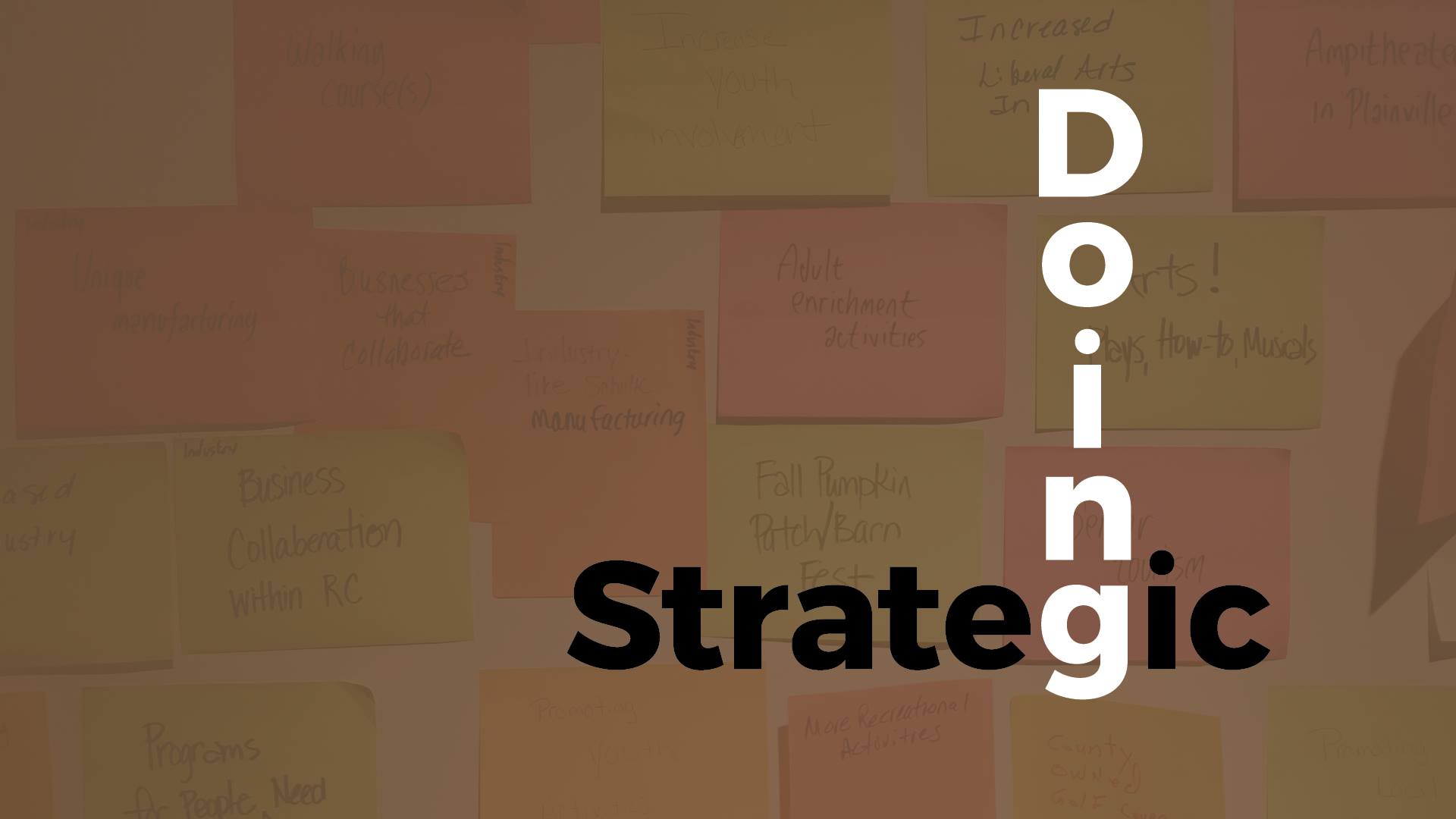
 The Heartland Community Foundation, which serves Ellis, Rooks and Trego counties, has scheduled the next round of Strategic Doing meetings for each county.
Strategic Doing is an engaging process that actively helps residents implement their ideas for community improvement projects. Current working groups who attend will report on their progress and continue work to move their projects forward. New ideas and working groups are also encouraged to attend and start working through the Strategic Doing process.
The Ellis County meeting will be held at 6 p.m., Monday, September 9, at the Rose Garden Banquet Hall in Hays.
The Trego County meeting will be held at 6 p.m., Wednesday, September 11, at Western Cooperative Electric in WaKeeney.
The Rooks County meeting will be held at 6 p.m., Thursday, September 12, at the RCH Education Center, Highway 183 and Washington Street in Plainville.
Dinner will be served at each location. There is no cost to attend, but registration is required. RSVP with your name and county to [email protected].
— HCF
The annual “Go Truck Go!” event will be from 5 to 7 p.m. Thursday, Sept. 19, at the new USD 489 Early Childhood Connections complex, 2501 E. 13th.
The free family event allows children to get an up-close and personal look at their favorite vehicles. Free information will be available from local early childhood resources. Free food and drink are provided.

— Submitted
The Ellis County Public Works Road & Bridge Division announced last week that prime oil will be placed on the 1200, 1400 and 1500 blocks of Feedlot Road, in preparation for a chip and sand seal project.
On Wednesday, Sept. 4, weather permitting, the 1200, 1400 and 1500 blocks of Feedlot Road will be closed to through traffic beginning at 10 a.m. and will remain closed until the project is completed. Motorists traveling in the affected closure area should use alternate routes of travel until the project is complete.
For more information, call 785-628- 9455.
Video courtesy Matt McCune/SVLMedia LLC
 CITY OF HAYS
Due to the observance of the Labor Day on Monday, September 2, 2019, refuse/recycling route collection schedules will be altered as follows:
Monday, September 2, 2019 and Tuesday, September 3, 2019 will be collected on Tuesday, September 3, 2019.
There will be no changes to Wednesday, September 4, Thursday, September 5, and Friday, September 6 routes.
Although collections may not occur on your normal day, collections will be completed by the week’s end. It is anticipated that heavy volumes of refuse/recyclables will be encountered around the holidays. Please make sure your polycarts and recyclables are out by 7:00 a.m., and keep in mind that the trucks have no set time schedule.
Hays customers that may have any questions regarding this notice should contact the Solid Waste Division of the Public Works Department at 628-7350.
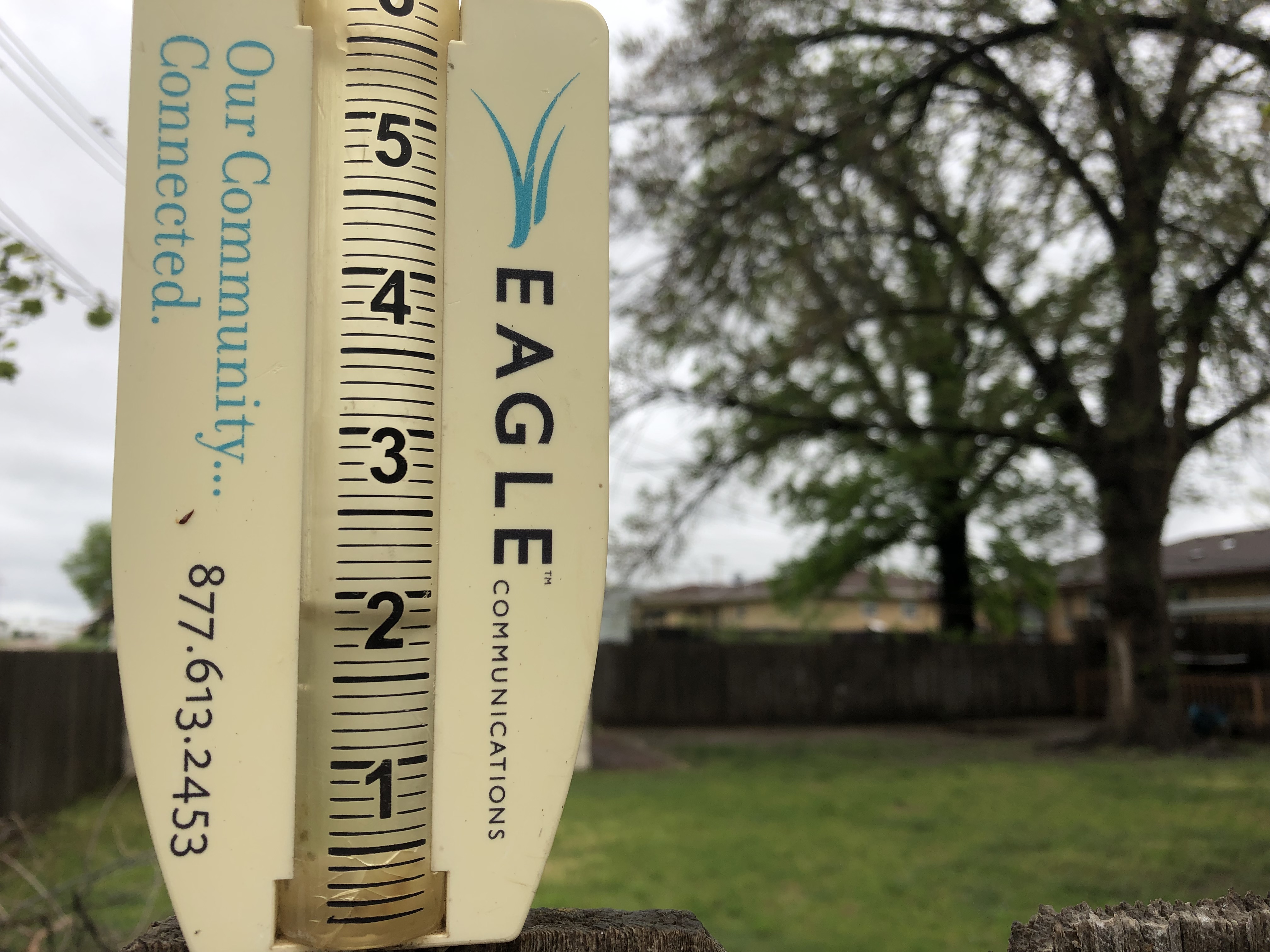
Rainfall totals for the month of August continue to add up as the rainy month winds down.
According to the K-State Ag Research Center, Hays received another 0.44 inches of rain Thursday night, bringing the official August total to 10.24 inches of precipitation.
The average August rainfall total is 2.97 inches.
For the year, the Research Center has measured 24.78 inches of rain. The average precipitation through the month of August is just more than 17.5 inches.
And August might not be done yet. There is a chance for additional storms or showers Friday and Saturday. Click HERE for more on upcoming weather predictions.