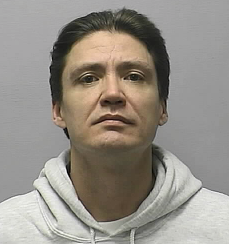
HOLTON, Kan. (AP) — Authorities say hypothermia killed a kidnapping suspect whose body was found in a wooded area of northeast Kansas.
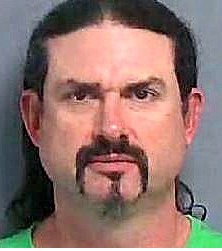
On Monday, Jackson County Sheriff Tim Morse released the findings of an autopsy report on the death of 32-year-old Jon Sumpter, of Silver Lake.
The Topeka Capital-Journal reports that a hunter found Sumpter’s body Jan. 31 about a half-mile south of the Nebo State Fishing Lake.
Morse said Sumpter was believed to be the suspect in a December kidnapping in which the victim escaped. The following day, the stolen sport utility vehicle that was believed to have been used in the kidnapping was found. It was located about three-fourths of a mile from where Sumpter’s shirtless body was later found.
Authorities believe Sumpter died weeks before his body was discovered.
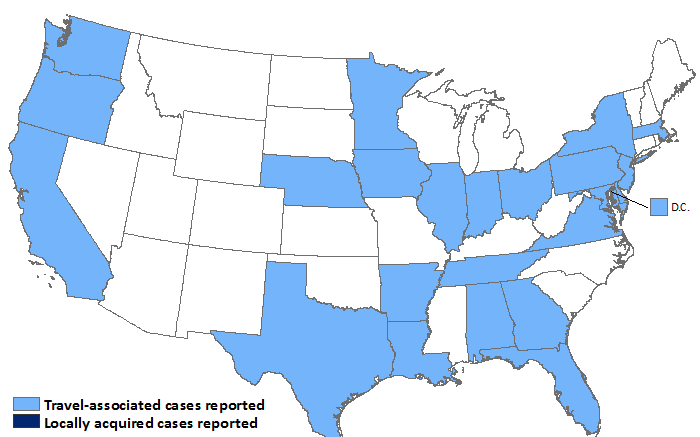
LONDON (AP) — Scientists may have the first evidence that Zika can cause temporary paralysis. That’s according to a new study of patients who developed the rare mosquito-borne condition during an outbreak of the virus in Tahiti two years ago. Zika is rapidly spreading across the Americas. It’s been linked to birth defects. See the CDC report on Zika in the United States.
No vaccine exists to prevent Zika virus disease.
Prevent Zika by avoiding mosquito bites (see below).
Mosquitoes that spread Zika virus bite mostly during the daytime.
Mosquitoes that spread Zika virus also spread dengue and chikungunya viruses.
When traveling to countries where Zika virus or other viruses spread by mosquitoes are found, take the following steps:
Wear long-sleeved shirts and long pants.
Stay in places with air conditioning or that use window and door screens to keep mosquitoes outside.
Sleep under a mosquito bed net if you are overseas or outside and are not able to protect yourself from mosquito bites.
Use Environmental Protection Agency (EPA)-registered insect repellents. When used as directed, EPA-registered insect repellents are proven safe and effective, even for pregnant and breast-feeding women.
Always follow the product label instructions.
Reapply insect repellent as directed.
Do not spray repellent on the skin under clothing.
If you are also using sunscreen, apply sunscreen before applying insect repellent.
If you have a baby or child:
Do not use insect repellent on babies younger than 2 months of age.
Dress your child in clothing that covers arms and legs, or
Cover crib, stroller, and baby carrier with mosquito netting.
Do not apply insect repellent onto a child’s hands, eyes, mouth, and cut or irritated skin.
Adults: Spray insect repellent onto your hands and then apply to a child’s face.
Treat clothing and gear with permethrin or purchase permethrin-treated items.
Treated clothing remains protective after multiple washings. See product information to learn how long the protection will last.
If treating items yourself, follow the product instructions carefully.
Do NOT use permethrin products directly on skin. They are intended to treat clothing.
HUTCHINSON – A Kansas man who was arrested on February 21 for the alleged kidnapping of a Hutchinson woman has been formally charged by the state.
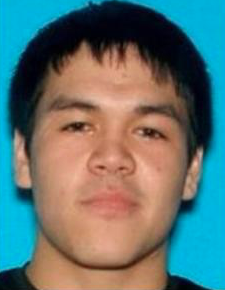
Michael Meeks,46, Hutchinson, is charged with aggravated kidnapping, aggravated burglary, criminal threat and two counts of misdemeanor battery.
He is alleged to have battered two of the victims by choking them at a residence in the 300 block of West 14th.
He is also alleged to have forced a female victim into his truck where he apparently took her to the Wichita area. The two were located in the Wichita suburb of Haysville by the Sedgwick County Sheriff’s office.
In court, Meeks indicated that his family had hired a Wichita attorney to represent him, however couldn’t tell the judge who that was. So, Magistrate Judge Cheryl Allen set a status hearing for next Monday.
Meeks remains jailed on a bond of $137,500.
TOPEKA, Kan. (AP) — Authorities have released the names of two people whose deaths in a central Topeka apartment are being investigated as “suspicious.”
Topeka police identified the deceased as 22-year-old Robert A. Fink Jr. and 21-year-old Ashlie Hundertfund.
The Topeka Capital-Journal reports that police found the bodies Monday morning when they went to check on the welfare of a resident who hadn’t shown up for work.
Topeka police Lt. Colleen Stuart says there was no immediate word on the cause of the deaths but foul play hasn’t been ruled out.
ARKANSAS CITY, Kan. (AP) — An Arkansas City man has been arrested on suspicion of 34 sexual offenses, including rape.
The Arkansas City Police Department said Monday that the man was arrested Friday during a controlled traffic stop. Police said they were notified Wednesday of an adult male having an inappropriate relationship with a girl. Authorities say that during their investigation, they identified another juvenile victim.
Police say some of the offenses occurred in Arkansas City and others took place in rural parts of Cowley County.
The man faces three counts of aggravated criminal sodomy, 12 counts of aggravated indecent liberties with a child, three counts of criminal sodomy, 10 counts of indecent liberties with a child, and six counts of rape.
LAWRENCE- Senator Bernie Sanders will bring his presidential campaign to Lawrence on Thursday. The event is scheduled for the Tess’ House 2421 East 27th Terrace, according to a social media report by the campaign Specific details on the visit are still being completed.
Senator Marco Rubio will hold a rally on Friday in Wichita, according a social media report by his campaign.
Senator Rubio will deliver remarks and share his vision for A New American Century. The doors will open at 12:45 PM and the event begins at 1:45 PM. Location of the event has not been confirmed.
Each guest is required to RSVP for all Marco Rubio for President Events, including all adults over age 12.
Both Democrats and Republicans in Kansas have presidential caucuses Saturday.
PITTSBURG, Kan. (AP) — The fourth suspect in a 2014 home invasion that led to the death of a Pittsburg State University student has been taken into custody in Mexico.
The Pittsburg Morning Sun reports 20-year-old Bryan Levi Bridges was arrested in Juarez, Mexico, on Sunday night. He was wanted in Kansas on charges of first-degree murder, aggravated burglary and conspiracy to commit aggravated robbery in the October 2014 home invasion that left 20-year-old Taylor Thomas dead.
Crawford County Attorney Michael Gayoso says he hopes to have Bridges back in the county early next week for a first court appearance.
Prosecutors say Bridges was in the home with three other men as the group attempted to steal marijuana from Thomas’ roommate when Thomas was shot.
HOISINGTON – Law enforcement authorities in Barton County are investigating two suspects on drugs and weapons charges.
Just before 1p.m. on Friday, narcotics search warrant was executed by Hoisington Police at a residence in the 200 block of North Elm Street, according to a social media report from Hoisington Police.
Officers found large quantities of drugs and drug paraphernalia and arrested Blaise Cain for unlawful distribution of a controlled substance within one-thousand feed of a school and unlawful possession of drug paraphernalia.
Officers also arrested Kendal Jacobs for unlawful distribution of a controlled substance within one-thousand feet of a school, unlawful possession of drug paraphernalia, unlawful possession of a controlled substance and criminal use of a weapon.
The suspects are being held at the Barton County Jail on $100,000.00 bond.
WICHITA, Kan. (AP) — Unseasonably warm temperatures have prompted winter wheat to break dormancy early in Kansas.
The National Agricultural Statistics Service reported Monday that rain is needed to support growth and development of the crop.
The agency rated winter wheat condition as 6 percent poor to very poor. About 35 percent is in fair shape, with 51 percent rated as good and 8 percent as excellent.
Mild weather conditions have been good for calving season, which is about 24 percent complete in Kansas
Nearly every minute, someone in our country develops Alzheimer’s disease, and more than 5 million Americans already live with this disease. It is the sixth leading cause of death in the United States, and it currently has no cure, no diagnostic test and no treatment.
As the population ages, the number of people diagnosed with Alzheimer’s will continue to grow, and if current trends persist, as many as 16 million Americans will have this terrible disease by 2050. I believe that, as a nation, we must commit to defeating one of the greatest threats to the health of Americans and the financial well-being of our country.
As a member of the Senate Health Appropriations Subcommittee, the Congressional Task Force on Alzheimer’s disease and a founding member of the Senate NIH Caucus, I believe it’s critical to support medical research. Consistent, sustained support of medical research is essential to saving and improving lives, reducing health care costs, growing our economy, and maintaining America’s role as a global leader in medical innovation.
Without a way to prevent, cure or effectively treat Alzheimer’s, it will be difficult – if not impossible – to rein in our nation’s health care costs. In 2015, the direct costs of caring for those with Alzheimer’s was about $226 billion. If the trend continues, the disease will cost more $1.1 trillion (in today’s dollars) by 2050. The costs borne by Medicare are also expected to increase by more than 400 percent, from approximately $113 billion today, to $590 billion in 2050. I support medical research because if we can find effective treatments for diseases like Alzheimer’s and dementia, we can extend quality of life for patients and also significantly reduce the cost of caring for them in years to come.
In 2013 and 2014 as Ranking Member of the Senate Health Appropriations Subcommittee that funds NIH, I worked to secure a significant increase in funding for Alzheimer’s research – at the time, the largest ever increase in Alzheimer’s disease research funding. I’ve since continued working with my subcommittee colleagues to secure considerable increases in Alzheimer’s funding over fiscal years 2015 and 2016.
This month, I was delighted to bring National Institute on Aging (NIA) Director Dr. Richard Hodes to Kansas to learn more about the important work taking place right here in Kansas – including at the University of Kansas Alzheimer’s Disease Center (KU ADC). Dr. Hodes spearheads the federal research effort to find effective ways to treat or prevent Alzheimer’s disease.
During Dr. Hodes’ visit, we met with a clinical trials patient from Overland Park. The patient explained to us that while he doesn’t have Alzheimer’s disease, he is concerned about the occurrence of Alzheimer’s disease in his family. The patient hopes his participation in KU ADC clinical trials will help researchers there gather valuable data on the disease that might benefit patients and families in the future, including his own.
As one of only 31 NIA designated Alzheimer’s Disease Centers in the United States, the KU ADC is uniquely positioned to contribute advancements in research leading to new and better ways to diagnose, treat and hopefully prevent and cure Alzheimer’s disease. KU ADC’s diverse array of research has helped bolster its reputation as the region’s premier Alzheimer’s research and clinical care hub. Researchers at KU ADC are conducting one of the first prevention studies in the world by examining the role of physical exercise in delaying or preventing Alzheimer’s disease for those at high risk who do not yet have any memory symptoms. Additionally, they are pursuing innovative new approaches to treat the disease by targeting the metabolism of brain cells.
Alzheimer’s has become a disease to define a generation, but if we focus and prioritize our research capacity, it does not need to continue as an inevitable part of aging. Medical research offers hope to those individuals and families affected by this terrible disease, and hope for our nation’s financial future.
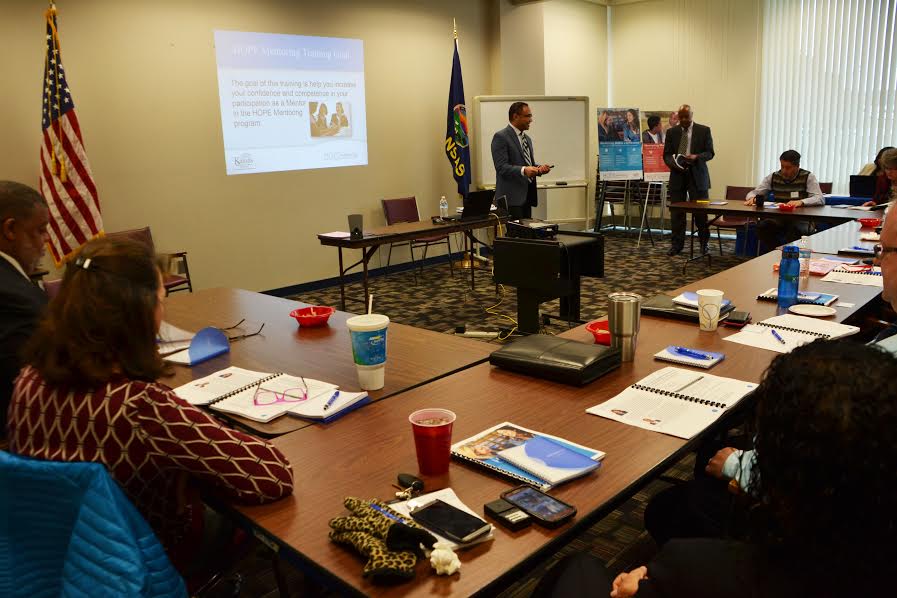
First Lady Mary Brownback at the Feb. 24 volunteer training for HOPE Mentoring initiative
KDCF
TOPEKA—The first group of volunteers for a mentoring initiative aimed at helping low-income Kansans escape poverty received training last week in Topeka, to put the program in motion.
HOPE Mentoring, an initiative launched in January, by Governor Sam Brownback and the Kansas Department for Children and Families (DCF), will help Temporary Assistance for Needy Families (TANF) clients to become self-reliant.
Among the mentors trained at the DCF Service Center was First Lady Mary Brownback, the program’s ceremonial “First Volunteer,” who enlisted at the launch of the initiative on Jan. 6.
“This is a wonderful opportunity to help individuals achieve their personal and professional goals,” the First Lady said. “I’ve learned a great deal through the training, and I look forward to putting my new skills to use. I encourage others who have time and interest in helping people in need to volunteer as mentors.”
DCF has set a goal of matching 1,100 volunteer mentors with 1,100 existing TANF clients. As mentors complete the day-long training, DCF will begin pairing them with mentees.
“Many Kansans face serious struggles in their lives, and they need the support and guidance of someone who can walk with them as they pursue a better life,” said Governor Brownback. “Simply having that strong support system can make the difference.”
The initial training session, which was open to media, was a four-hour introduction to materials produced by DCF, as well as a discussion of what makes for an effective mentor/mentee relationship. HOPE Mentoring Program Director Jim Echols said the first training event was successful, and will provide guidance for future training sessions.
“It was great to see our volunteers engaged in the instruction,” Echols said. “They’re eager to get started, and I can’t wait to see how their guidance will have a positive impact on our clients.”
Mentor Coordinators are now actively recruiting mentors throughout the state, in DCF’s four regions. The Mentor Coordinators include: Milcah Lewis, Kansas City Region; Mike Siebert, East Region; Celina Porter Wichita Region; Julio Victorio, West Region.
DCF plans a second phase of HOPE Mentoring, to kick off in July, aimed at youth preparing to age out of foster care. Volunteer mentors will be paired with youth as they transition to independence.
Volunteer applications can be filled out at HOPEMentoring.dcf.ks.gov. The next mentor training session will be held March 9, at the Kansas City Service Center.
TOPEKA–The Kansas Division of Vehicles has teamed up with State Farm® and Cenex to launch a new program that provides parents and guardians with a simple, easy-to-follow plan designed to help teens develop safe driving habits.
“According to the CDC and the Insurance Institute for Highway Safety, young drivers in Kansas, between the ages of 16 and 19 years old, are more than twice as likely to crash as drivers in other age groups due to inexperience,” said Director of Vehicles, Lisa Kaspar. “Parents play a critical role in their children’s education and this guide encourages parents to expose teenagers to a variety of enhanced supervised driving experiences to help them become knowledgeable and safe drivers.”
The Parent’s Supervised Driving Program guide is packed with information and lessons on driving basics, parental pointers, and licensing qualifications that are helpful to parents of new drivers. The program is supplemented by the RoadReady® mobile app, which can easily and accurately track the required supervised driving time of 50 hours, including 10 hours of night driving.
Last year, more than 43,000 Kansas teens sought instruction (learner’s) permits, and the department wanted to provide parents with a resource geared toward skill development and expanding the conditions and time that teens drive with their parents prior to driving independently.
The program focuses on the role of the parent in the teen driver education process and encourages parents and teens to drive together in a variety of weather conditions, unfamiliar settings, city and heavy traffic routes, and also various times of day. According to the Children’s Hospital of Philadelphia and State Farm study, Driving Through the Eyes of Teens, teen drivers whose parents are highly involved in the teen driver education process were half as likely to get in a car crash, 71 percent less likely to drive intoxicated, 30 percent less likely to use a cell phone while driving, and twice as likely to wear seatbelts.
“Getting a driver’s license is a special moment in a teen’s life, but it often causes increased anxiety for parents,” said Ed Gold, State Farm Advertising Director. “Research tells us the single most important thing parents can do to help their teens stay safe on the road is to provide as much supervised practice behind the wheel as possible. We hope this new resource will help parents and teens make the most of this time together.”
As part of its commitment to safety education, CHS Inc. – and its Cenex® brand – helped fund The Parent’s Supervised Driving Program through sponsorship advertising. “Getting a drivers license is an exciting moment in a teen’s life, but it demands a new level of responsibility. Practice and preparation are key components to new driver success,” said Akhtar Hussain, CHS refined fuels marketing manager.
Emily Stein, President Safe Roads Alliance, said “Parents are the key to assuring the safety of teen drivers. The more involved the parents are at this important phase when a teen is learning to drive, the more likely it will be that these teens will not be involved in a collision once they are driving on their own.”
The free program guide is available at driver licensing offices around the state. It is also available on the Kansas Department of Revenue website at: www.ksrevenue.org. The RoadReady mobile app is available for iPhones at the App Store.
WICHITA – A Hillsboro man was sentenced Monday to 180 months in federalprison on firearms charges, according to U.S. Attorney Barry Grissom.
David G. Nicholas, Jr., 45, Hillsboro, was convicted on three counts of unlawful possession of a firearm following a felony conviction.
During trial, prosecutors presented evidence that Nicholas was a parole absconder in October 2013 when the U.S. Marshals Service arrested himin Marion County, Kan. At the time, he possessed a .22-caliber handgun and a .30-06 caliber rifle and ammunition.
Grissom commended the U.S. Marshals Service, the Bureau of Alcohol, Tobacco, Firearms and Explosives and Assistant U.S. Attorney Jason Hart for theirwork on the case.

 HOLTON, Kan. (AP) — Authorities say hypothermia killed a kidnapping suspect whose body was found in a wooded area of northeast Kansas.