We have a brand new updated website! Click here to check it out!

Court upholds Kan. man’s conviction for making homemade explosives

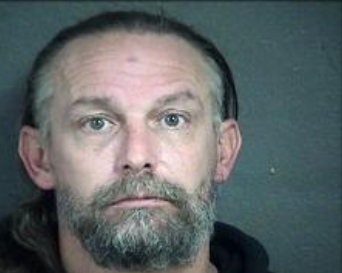
TOPEKA. — The Kansas Supreme Court Friday upheld Daron Ingham’s Reno County conviction on one count of possession or use of a commercial explosive.

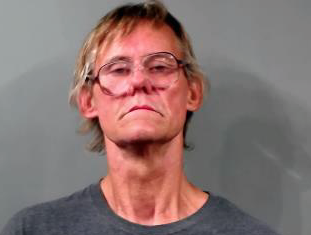
Ingham -from an earlier arrest in Rice County

In March of 2013, Reno County 911 received a call about an explosion at a trailer park in Nickerson.

Ingham told the arriving deputy he was responsible for some explosions and said he made firecrackers in an attempt to blow up boulders.

The components were a beer can, a fuse, green tape, and gunpowder. Ingham said he set off the explosion in a cement mixer by the front door of the trailer. Deputies found a damaged can in the mixer.

Ingham then said that he was using the fireworks to blow up rocks inside the cement mixer in order to extract gold from them. Ingham showed the deputy the back seat of his truck, which was parked in the driveway. It contained a roll of green fuse, a container of Pyrodex gunpowder and a roll of clear tape. As he was showing the deputy the container of gunpowder, Ingham unscrewed the top and poured it onto the ground. At that point, the officer arrested Ingham and placed him in handcuffs to prevent him from destroying evidence.

He raised several arguments in his appeal, asserting the state used prejudicial language in describing the explosive. Ingham says jury instructions were either insufficient or improperly directed.

Both the Kansas Court of Appeals and the Supreme Court have now upheld the conviction.

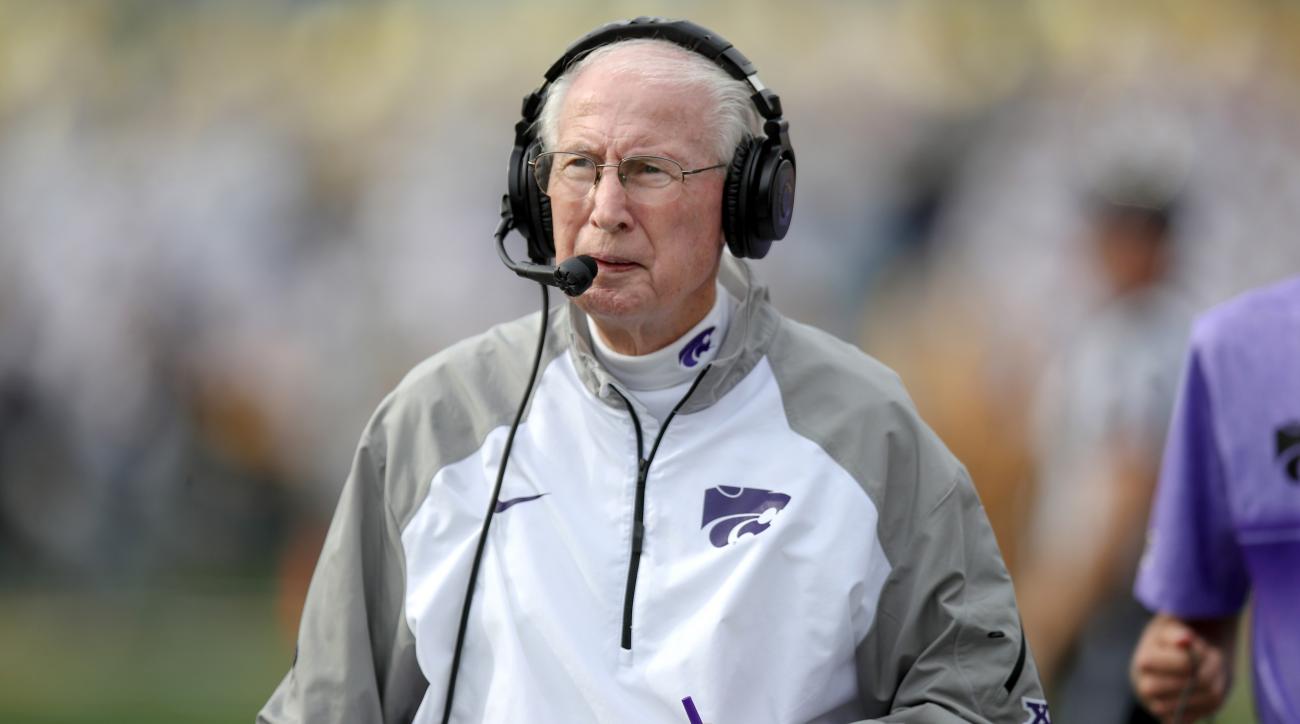
K-State coach Snyder retiring after 27 seasons, 215 wins


MANHATTAN, Kan. (AP) — Bill Snyder already was considered the architect of the greatest turnaround in college football history before he decided to return from a three-year retirement to resurrect Kansas State again.

Now, the 79-year-old coach is heading back into retirement.

Snyder decided to step away Sunday after 27 seasons on the sideline, ending a Hall of Fame tenure in Manhattan that began in the Big Eight and weathered seismic shifts in college football. Along the way he overcame throat cancer, sent dozens of players to the NFL and gave countless more an opportunity to succeed not only on the field but also in life.

“Coach Snyder has had an immeasurable impact on our football program, Kansas State University, the Manhattan community and the entire state of Kansas,” Wildcats athletic director Gene Taylor said. “He and his family have touched the lives of so many people, from student-athletes, coaches, staff and fans, and he is truly one of the greatest coaches and leaders in college football history.

“His impact on college football is unmatched and legacy is one that will last a lifetime.”

The Wildcats fell apart during a season-ending loss to Iowa State, leaving them 5-7 and at home for the bowl season. Snyder finishes with a resume featuring a record of 215-117-1, trips to 19 bowl games, two Big 12 championships and a legacy that will endure long into the future.

The highway leading into town already has been renamed in his honor, leading fans from Interstate 70 to the stadium that bears the name of his family. A large bronze statue of Snyder stands outside.

Taylor said the search for a new coach will begin immediately with help from Ventura Partners, and a clause in Snyder’s contract indicates he will have input in the decision. Taylor also said Snyder will exercise a clause that allows him to become a special ambassador to the university at a yearly salary of $250,000 for “as long as he is physically and mentally able.”

“This university, this community and this state are deeply indebted to Coach Bill Snyder,” Kansas State president Gen. Richard Myers said. “He came here, and stayed here, because of the people. He made us a family — a proud purple family who travel in record numbers to watch him lead the Wildcats to victories, bowls and rankings never achieved before.”

Snyder arrived at Kansas State in the fall of 1988, a nondescript offensive coordinator from Iowa who once coached high school swimming before learning under legendary Hawkeyes coach Hayden Fry.

The Wildcats had just four winning seasons the previous 44 years, and they were in the midst of a 27-game winless streak. Dozens of confidants implored Snyder not to take over what “Sports Illustrated” famously called “Futility U,” certain that it was a coaching dead end.

Snyder was still mulling his decision when he walked the campus one cold morning. He was smitten by the friendliness of the people, their earnestness and work ethic, and he accepted the job.

“I think the opportunity for the greatest turnaround in college football exists here today,” he would say at his introductory news conference, “and it’s not one to be taken lightly.”

That news conference occurred 30 years ago Friday, beginning a turnaround of not only the long-languishing football program but a university in need of a boost.

Snyder introduced a new logo to distance the Wildcats from their losing past, and he began to heavily recruit junior colleges. He steadily improved the roster, beat North Texas that first year to end the long winless streak and slowly won over skeptical fans.

He did it with hard work, pure and simple. He was famous for eating once a day, lest he waste any time dining. He once consulted a sleep expert to divine a way to get by on four hours’ a night. He demanded the same rigorous schedule of his assistants, a group that would include future head coaches Bob Stoops, Bret Bielema, Dan McCarney and Jim Leavitt.

The wins began to pile up: The Wildcats went 5-6 in Year 2, won seven games the next season and went 9-2-1 to earn their first bowl berth in 1993. It began a streak of 11 consecutive postseason trips, highlighted by three Holiday Bowl appearances, two Cotton Bowls and a pair of trips to the Fiesta Bowl.

Kansas State started to slip in 2004 and ’05, though, a pair of winless seasons that appeared to take their toll on Snyder. And he surprised many by announcing his retirement, telling a packed room inside the old football complex that he wanted to spend more time with his family.

He said he wanted a break. It didn’t last very long.

After watching the program slide under Ron Prince, the silver fox was lured out of retirement to rebuild the program once more. Two seasons later, the Wildcats were back in a bowl game; a season after that, they rose to No. 1 in the nation before playing in the Cotton Bowl, and a year after that, they won Snyder his second Big 12 championship and landed in the Fiesta Bowl.

Five more bowl games followed, even though the Wildcats never reached the same heights. It was a period marked by sustained success, if not the excellence of Snyder’s earlier years.

The biggest scare of his career came two years ago, when Snyder was diagnosed with throat cancer. He went through grueling rounds of chemotherapy and radiation while rarely missing a spring practice, and he was back last season to lead the Wildcats to the Cactus Bowl.

But with a depleted roster and a young, rebuilt coaching staff, this past season never got on track. The Wildcats barely beat South Dakota, were routed by Mississippi State and struggled to live up to expectations as they barreled toward their worst season in more than a decade.

Along the way, the cracks began to show: There was the rare outburst at a reporter during a news conference and the even rarer sight of Snyder calling out individual players for poor play.

By the time Kansas State struggled to beat Kansas, it appeared Snyder had made up his mind.

The famously secretive Snyder kept the decision to himself, though, and the Wildcats handily beat Texas Tech to keep their bowl hopes alive. But when they blew a big fourth-quarter lead against Iowa State to end their season, Snyder looked both exhausted and defeated.

He looked as if he was ready for another break.

Indictment: Kan. man sold meth to undercover cops near school

KANSAS CITY, KAN. – A federal grand jury returned an indictment Thursday alleging drug deals were taking place within 1,000 feet of Junction Elementary School, according to U.S. Attorney Stephen McAllister.

Pruitt -photo Wyandotte Co.

Michael Pruitt, 48, who is in federal custody, was charged with two counts of distributing methamphetamine and one count of possession with intent to distribute methamphetamine within 1,000 feet of the school at 2570 S. 42nd Street in Kansas City, Kan.

According to court documents, three times in November 2018 investigators working undercover bought methamphetamine from Pruitt. The transactions took place at a business at 4200 Shawnee Drive. A search of that business turned up almost two pounds of methamphetamine.

If convicted, Pruitt faces a penalty of not less than five years on the first distribution count, and not less than 10 years on each of the other counts.

Kansas man convicted in drug-deal killing

TOPEKA, Kan. (AP) — A Kansas man has been convicted in a drug-deal killing after his first trial ended in a hung jury.

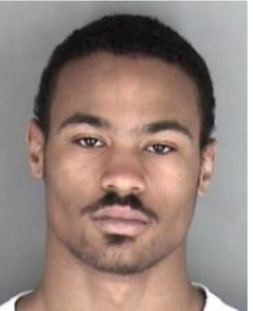
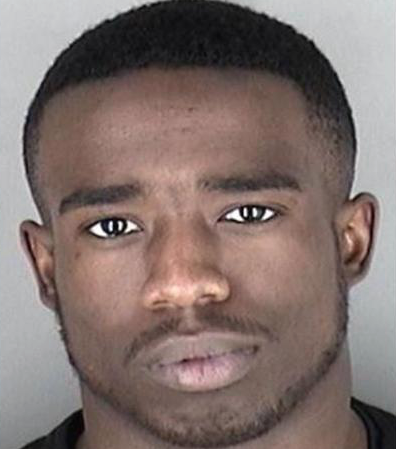
Keys -photo Shawnee Co.

Jurors found Luqman Keys guilty Friday of first-degree felony murder and aggravated robbery in the June 2017 shooting death of 18-year-old Arden King. Jurors couldn’t reach a verdict during his first trial in September.

Defense attorney Kevin Shepherd characterized Keys as being “a kid trying to defend himself” when he fatally shot King. Shepherd said King lunged at Keys, who reacted by firing.

But Shawnee County assistant district attorney Brett Watson questioned why King would have lunged at Keys, who was armed, while King wasn’t.

King’s mother, Kelly Briones, says the verdict means she can “finally get a little bit of closure” for her son.

Kareem Hunt admits to lying to Chiefs about hotel assault

KANSAS CITY, Mo. (AP) — Running back Kareem Hunt acknowledged that he misled the Kansas City Chiefs about his role in a February assault in a Cleveland hotel that ultimately led to his release this week.

Kareem Hunt from a November 2017 game photo courtesy Kansas City Chiefs

During a live interview with ESPN on Sunday, the NFL’s reigning rushing champion also said that league officials never spoke to him about the incident while conducting their own investigation, and that he never saw the security camera video until TMZ Sports posted it Friday.

In the course of a few hours, Hunt went from preparing for Sunday’s game in Oakland to being sent home from the practice facility. He was then placed on the NFL’s Commissioner Exemption List, summoned back to the team facility and told that he was being released .

“They believed that I lied to them. I lied to them,” Hunt said. “They pretty much said we love you, everybody cares about you, and just we have to let you go. It was a tough conversation. And the Chiefs did what was right. I made a poor decision and I’m willing to take full responsibility.”

In the grainy, graphic video, Hunt is seen getting into an argument with a woman and several men step in to hold him back. He later pushes one of the men, knocking down a woman that Hunt admitted he did not know, and eventually kicks her while she lays on the ground.

“The Chiefs are right. I didn’t tell them everything,” Hunt said. “My actions caused this and I really wish I could apologize to them and let them know there’s no hard feelings.”

The video brought immediate comparisons to the footage of former Ravens running back Ray Rice , who was seen punching out his then-fiancée in an elevator. That incident led to a lengthy legal saga, and it culminated in an investigation by Robert Mueller into the NFL’s mishandling of it.

The league eventually hired more staff to conduct such investigations, and announced it would take a more active role in handling similar cases in the future.

The NFL made multiple attempts to obtain the video of Hunt, but the hotel said corporate policy only allowed footage to be given to law enforcement. The NFL then contacted Cleveland police, but the department said Saturday it did not pursue the video because it was not a felony-level case.

When asked whether the NFL spoke directly to Hunt about it, he replied: “No, they have not.”

The NFL said in a statement Sunday that its investigation began immediately after the incident in February and that the league “continues to pursue a complete understanding of the facts.”

“The NFL’s ongoing investigation will include further attempts to speak to the complainants involved in the incident,” the statement said. “It will include a review of the new information that was made public on Friday — which was not available to the NFL previously — as well as further conversations with all parties involved in the incident.”

The statement did not say whether the league attempted to contact Hunt.

Hunt said he’d just purchased an apartment in the Cleveland hotel and had several friends over, and that he did not know the woman involved in the assault. Hunt said the argument came at the end of “a long night” and that “it was just a disagreement. I honestly wanted her just to leave.”

“That’s not an excuse,” he said. “I’m not that person in that video.”

Hunt pointed out that he was raised by his mother and grandmother, and they “they always taught me well. I know right from wrong and I’m a person that always wants to make everyone happy.”

Still, Hunt has been in trouble before. He was suspended during his junior season at Toledo for a violation of team rules, and he was accused of a second, unrelated assault over the summer.

As in the case with the hotel incident, no charges were filed in that case.

“I regret the entire thing, everything,” Hunt said. “I’m going to take the time to better myself, learn from this, get some help if needed, talk to people and really just take this really serious.”

Hunt admitted that anger “could be an issue” and that he wants to get treatment, and Rice told NFL Network on Saturday that he would offer his help and experience in moving forward.

“I would definitely try to help him figure out, ‘How can we start dealing with the underlying problems in your life?'” Rice said. “He has a long life to live, this will be a defining moment, but it shouldn’t be the moment that defines you.”

Hunt said he isn’t sure that another NFL team will give him a chance, though adding a 23-year-old standout could be worth the public backlash for a team in need of help.

After leading the NFL in rushing last season, Hunt had already run for more than 800 yards while scoring 14 touchdowns in helping the Chiefs to a 9-2 record. He also had proven to be a popular player in the locker room, often attending sporting events and other functions with his teammates.

Of course, that was before the hotel security video surfaced.

Hunt remains on the exempt list, which means a team could sign him but he would be unable to play or attend games until the league’s investigation is complete. The Redskins made a similar move — and accepted the public backlash — when they signed linebacker Reuben Foster, who had been cut by the 49ers after he was arrested on suspicion of domestic violence.

Foster also remains on the exempt list and the Redskins have acknowledged he may never play for them. But by signing him, they retain his rights should he make it back to the field.

“Everything is happening fast right now and I just want everybody to forgive me,” Hunt said. “I know it’s going to be hard. I made a bad choice. … I think I deserve it because if you really know me, and everybody that I’m really close to — I’ve had really close women who are friends — I’m so respectful to everyone. I made a bad decision at that time and I just hope that people forgive me.”

___

Kansas child critically injured after pinned underneath car

SHAWNEE COUNTY — Law enforcement authorities are investigating an injury accident that critically injured a child.

Just before 8:30p.m. Friday, the Shawnee County Sheriff’s Office Emergency Communications Center received a 911 call reference a one car injury accident involving a pedestrian in the 1400 Block of Washington in Auburn, Kansas, according to Sgt. Jim Mummey.

Deputies located a Silver Mazda stopped in the roadway with a 12-year-old child pinned underneath the vehicle.

Auburn fire crews mechanically lifted the vehicle off of the victim. Once the vehicle was lifted off of the victim, the child was removed and transported by AMR to Stormont Vail Hospital with life threatening injuries.

It appears the 12-year-old child and another child were playing with a soccer ball next to the roadway when the soccer ball entered the roadway.

The 12-year-old victim attempted to stop the soccer ball and tripped falling to the ground injuring his leg. The driver of the vehicle did not see the child on the roadway and struck him.

The driver of the vehicle was transported to the hospital for precautionary purposes.

The sheriff’s department has not released names of the child or the driver.

AP Investigation: Insulin pumps have high number of injuries

By HOLBROOK MOHR and MITCH WEISS
Associated Press
DESTIN, Florida — When Polly Varnado’s 9-year-old daughter was diagnosed with Type 1 diabetes, it didn’t take long for the family to hear about insulin pumps.

In September 2012, the girl picked out a purple one — her favorite color.

Over the next seven months, she proceeded to be hospitalized four times in a McComb, Mississippi medical center with high blood sugar. But when Varnado asked about all her daughter’s problems, she said, her doctor blamed user error.

“They said it wasn’t the insulin pump, it was my daughter,” said Varnado, who became a registered nurse so that she could better care for the girl.

When it comes to medical devices, none have had more reported problems over the last decade than insulin pumps, a product that’s used by hundreds of thousands of diabetics around the world, many of them children.

Collectively, insulin pumps and their components are responsible for the highest overall number of malfunction, injury and death reports in the U.S. Food and Drug Administration’s medical device database, according to an Associated Press analysis of reports since 2008.

In terms of injuries alone, insulin pumps were second only to metal hip replacements, whose problems with metal shavings in the body causing damage to bone and tissue and other issues, have been well-documented and widely reported.

By contrast, problems with insulin pumps largely have flown under the radar.

Medical device companies and many experts say insulin pumps are safe devices that can help diabetics lead more normal lives. They blame user error for most reported problems, noting that the pumps are complicated devices requiring special training for patients.

The FDA notes that “diabetes is a dangerous disease, and people with diabetes who rely on insulin are at higher risk.” The agency said it “has played a critical role helping to identify and address safety concerns for devices … including pushing manufacturers to improve the safety of their designs.”

Over the last decade, insulin pumps and pump parts made by Medtronic Inc. were subject to 20 manufacturer recalls and about 100 lawsuits alleging pump malfunctions, according to a joint investigation by the AP and the International Consortium of Investigative Journalists.

In a statement, Medtronic said it monitors the safety of its products through clinical trials and observational studies, and that “data supports both the safety and efficacy of our insulin pumps, which have helped hundreds of thousands of patients manage their diabetes.”

The company declined to answer more specific questions.

Varnado said she was unaware of problems with insulin pumps before receiving a notice in July 2013 that Medtronic was recalling some batches of parts for the model her daughter had used.

She reached a confidential settlement with the company in March 2017 after filing a federal lawsuit contending the device failed to properly deliver enough insulin. She remains convinced that the device harmed her child.

“Once she got off the pump, she never went back to the hospital,” Varnado said.

Dr. Ben Wheeler, a leading pediatric diabetes researcher in Australia, told the AP that the use of insulin pumps “appears safe” and is “potentially safer” than insulin injections, the traditional method of treatment.

Still, a 2015 study he co-authored found that 40 percent of insulin pump users experienced problems, “with a minority, particularly in children, requiring hospital management.”

The study also said “it is noteworthy that overall pump failure rates do not appear to be improving with technological advances.”

___

Diabetes results when the pancreas fails to make enough insulin or the body can’t respond normally to the insulin that is produced. Insulin is essential in regulating blood glucose, which is produced by food and is the main source of energy for the body’s cells.

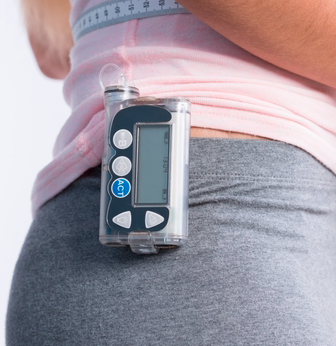
Insulin pumps are small, computerized devices that mimic a normal pancreas, and have two main components — the pump and the infusion set. In addition to maintaining the device, users also must monitor their diets and manually input information, such as the rate of insulin delivery.

Companies aggressively market the device to adults and children. For instance, Medtronic — which makes most of the pumps in use today — has a company mascot, “Lenny the Lion,” for its estimated 250,000 children users.

But experts say not everyone is a good candidate for the device and that potential users should be carefully screened to ensure they’re suitable.

“There is a sharp learning curve,” said Dr. Desmond Schatz, medical director of the University of Florida’s Diabetes Institute. “You’ve got to understand the pump. You’ve got to understand how it works…. You’ve got to understand how to change it. You have to understand settings.”

The FDA’s data offers no explanation for why the devices have so many adverse events. Many of the reports filed by doctors, manufacturers and patients lack critical information — a reporting failure the FDA acknowledges across all devices.

For example, medical device companies and health care providers are supposed to file an adverse event report whenever a device is suspected of malfunctioning or contributing to an injury or death. The report should include a device problem code and describe what happened, which can help pinpoint problems with a particular device.But an AP analysis of the FDA data found that Medtronic did not include a device problem code on virtually any of its more than 150,000 reports of deaths or injuries related to insulin pumps since 2008. The FDA said device makers should include a problem code, but don’t have to if the information is unknown.

The company cited a specific problem in only 2 percent of the cases — most often “Device Displays Incorrect Message.”

In addition, the AP found that Medtronic offered “no conclusion can be drawn at this time” as the cause in more than 80 percent of the reports. The second most common phrase: “Currently it is unknown whether or not the device may have caused or contributed to the event as no product has been returned.”

Matt Harman, an Atlanta-based attorney who has filed numerous lawsuits involving medical devices, including insulin pumps, said users also aren’t told that data can be lost if batteries are removed from some pump models.

“I can’t tell you how many times we’ve gotten a call from a distraught, devastated family member who had a loved one who passed away under suspicious circumstances,” he said. “But when we try to find out what happened, we can’t if we don’t have the data.”

The FDA said it was aware of that problem in older insulin pumps and has encouraged manufacturers to develop devices with memories that won’t be erased when power is lost or have the capability to send data to a secure server for storage.

___

The FDA notes that the number of pump recalls has decreased over the last five years — from about eight annually over the previous 10 years to an average of three per year — which it credits to a 2010 initiative aimed at ramping up requirements for manufacturers and increasing user awareness.

But 2013’s recalls included one on the most serious level concerning the Medtronic MiniMed Paradigm insulin infusion set, with the FDA noting that “under certain conditions, the infusion set may malfunction and deliver an incorrect volume of insulin.”

Lawsuits related to insulin pumps often blame malfunctions for causing injuries or deaths.

One filed in February in federal court in Mississippi alleges that Debbie Davis, a 56-year-old bank loan officer, died two months after an insulin pump “delivered up to a week’s worth of insulin at one time.”

Her husband, Mike Davis, told the AP that his wife had been diabetic for about 10 years and easily managed her disease with injections, but decided to try a pump in 2016 after hearing how it could help.

One morning in January 2017, David said, he couldn’t wake his wife after she had filled her insulin pump and gone to bed. She lingered in a coma for two months.

Seven months later, Davis said he received a Medtronic recall notice warning of the “potential over-delivery of insulin.” ”I just knew right then it was what did it,” he said.

In court records in the ongoing litigation, Medtronic denied the “devices malfunctioned, or that they were defective in any way.”
___
Washington, D.C.-based AP reporters Matthew Perrone and Meghan Hoyer contributed to this report.

‘Avengers’ director says Evans’ Cap days may not be over

Evans / Shutterstock.com

By MARCELA ISAZA
Associated Press

LOS ANGELES — Chris Evans suggested his run as Captain America is done. The filmmakers currently controlling the Avengers’ fates say he shouldn’t shelve the shield just yet.

Evans tweeted last month that he had wrapped his shooting on the fourth “Avengers” movie, calling it an “emotional” day and saying, “Playing this role over the last eight years has been an honor.”

Joseph Russo, who along with brother Anthony wrote and directed this year’s “Avengers: Infinity War” and next year’s sequel, and directed Evans as Captain America in two previous films, told The Associated Press “I think it was more emotional for him than us. Only because he’s not done yet. And I don’t want explain what that means but the audience will soon understand what I’m talking about.”

Russo spoke to the AP recently in an interview promoting Simone, his new restaurant in downtown Los Angeles.

As expected, he only teased details of the forthcoming film, saying audiences can expect the unexpected from the duo that left Marvel fans gasping earlier this year in a cliffhanger that saw several beloved Avengers disintegrate into oblivion.

“We killed half the Marvel universe so for us it really is about, in what ways can we surprise the audience and tell a very challenging story,” Russo said.

He would confirm that at least at this point the movie, which is in post-production, is the longest Marvel film ever.

“We’re about halfway through the editorial process and it’s standing about three hours right now. It’s a very complicated movie,” noted Russo. “It has a lot of characters in it and you know we are putting in the work, so we’ll see where it ends up, but it definitely has a lot of story in it.”

After back-to-back years with Avengers movies in 2018 and 2019, Russo said there is likely to be a break before the next one, with Disney finalizing a deal to acquire parts of 20th Century Fox, whose properties include the Marvel Comics characters the X-Men and Deadpool.

Russo said he doesn’t have direct knowledge of the plans of the masters of the Marvel Cinematic Universe, but my guess would be that there be a little bit of time to integrate some of the other characters and take their time doing that.”

“Avengers 4” is scheduled for release May 3, 2019.

Climate Change Will Affect Infrastructure, Agriculture And Health Of Kansans

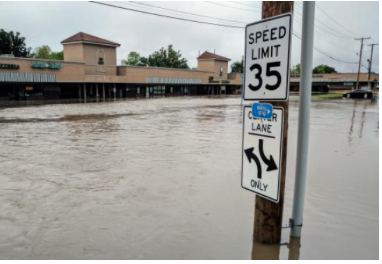
Water covers a road in Kansas City, Mo., after a storm led to flooding in July 2017. A new climate report suggests more intense storms in the future will lead to severe flooding.
BRIAN GRIMMETT

Kansans can expect rising temperatures and more extreme flooding in the future, according to the latest National Climate Assessment.

Kansas has always experienced severe weather events. But as average temperatures rise, due in part to heat-trapping pollution released from fossil fuels, these severe weather events are predicted to become more extreme.

That means periods of drought will be more severe, while storms will be more intense and lead to greater flooding.

This cycle of long periods of drought followed by intense rainstorms will also create a greater risk of wildfire on Kansas rangeland.

So even though wildfire is a natural and regular occurence, the conditions in the future will mean it’s more likely these fires will burn faster and hotter and cover more territory.

While past droughts have been driven by climate variability, or natural changes that fall within observed ranges, climate change is likely to make the problem worse.

The report also predicts that by the end of the century, average temperatures in Kansas will rise as much as 4 degrees and the number of days above 100 degrees will increase by 20 to 30.

The impact of those changes will create winners and losers, both in ecosystems and among cities and states.

“Some plants will do great, some crops will do great in a warmer environment,” said Kevin Kloesel, lead author of the report’s chapter on Kansas, Oklahoma and Texas. “And then some won’t.

“So the question is, who will be the folks that will transition economically to those things that will do better first?”

The report predicts that if people do not adapt to or mitigate the risks associated with climate change, agricultural production will decrease, commodity prices will rise and human health, especially among the elderly, will suffer.

While Kansans are already adapting to some of the changes brought on by climate change, Kloesen said it’s mostly reactionary.

“It’s very hard to be proactive, sort of looking into the crystal ball, because there’s always that seed of doubt,” he said. “ ‘OK, is that really going to happen? And did I do that needlessly?’ ”

To have a greater impact, the report suggests individuals and communities need to make decisions based on possible future scenarios and do what they can now to limit greenhouse gas emissions.

Brian Grimmett is a reporter for the Kansas News Service. Follow him on Twitter @briangrimmett.

Kansas woman who fatally shot burglar recovering from heart attack

LEAVENWORTH, Kan. (AP) — Authorities say a 74-year-old Kansas woman shot and killed an intruder while on the phone with a 911 dispatcher and then had a heart attack.

Byrd has previous convictions for burglary and drugs, according to the Kan. Dept. of Corrections

Leavenworth County Attorney Todd Thompson said Thursday that the woman is recovering and is expected to be OK. He says she “obviously” won’t face charges over the death of 41-year-old Ralph Byrd Jr., who broke into her Leavenworth home early Saturday.

Thompson said she had reported an attempted burglary of her home about a week before. After that, she obtained a .22-caliber handgun that she took with her to bed at night.

Leavenworth Police Major Dan Nicodemus says the case was “pretty cut and dried.” Court records show Byrd had been convicted in 2017 of an attempted home burglary.

Economist: Skilled worker shortage hurts Midwestern economy

OMAHA, Neb. (AP) — The economy continued to expand in nine Midwestern and Plains states last month but was hampered by shortages of skilled workers, according to monthly survey results released Monday.

The Mid-America Business Conditions Index dropped to 54.1 in November from 54.9 in October, the report said. The September reading was 57.5.

“The regional economy continues to expand at a healthy pace,” said Creighton University economist Ernie Goss, who oversees the survey of supply managers. “However, as in recent months, shortages of skilled workers remain an impediment to even stronger growth. Furthermore, supply managers are reporting mounting negative impacts from tariffs and trade skirmishes,” he said.

The November employment index climbed to 57.5, from 52.2 in October.

Overall manufacturing employment growth in the region over the past 12 months has been very healthy, at 2.5 percent compared with the national average of 2.3 percent, Goss said.

“I expect this gap to close in the months ahead as regional job growth slows faster than national manufacturing job growth,” he said.

The survey results are compiled into a collection of indexes ranging from zero to 100. Survey organizers say any score above 50 suggests growth. A score below that suggests decline. The survey covers Arkansas, Iowa, Kansas, Minnesota, Missouri, Nebraska, North Dakota, Oklahoma and South Dakota.

Economic optimism remained on the plus side last month, at 55.5, but was lower than the 59.6 in October.

“Almost one-third, or 30 percent, of supply managers expect business profits to improve in 2019,” Goss said.

The regional new export orders index rose slightly, to 51.8 from October’s 51.5, and the import index climbed to 54.3, from 48.7 in October. Healthy regional growth boosted imports for the month despite higher tariffs on imported goods, the report said.

More than 65 percent of the supply managers who responded to the survey indicated that rising tariffs had made it more difficult or expensive to purchase from abroad, Goss said.

The survey was completed before word came of an agreement reached Saturday between President Donald Trump and Chinese President Xi Jinping for the U.S. to hold off for 90 days raising tariffs on $200 billion in Chinese goods. It buys the two countries more time for their talks aimed at settling their trade differences.

2 accused in murder of 88-year-old Kansas man

SEDGWICK COUNTY — Law enforcement authorities are investigating a murder and have two suspects in custody.

Onek -photo Sedgwick County

Just after 8:15 p.m. on Thursday, police responded to a check-the-welfare call at a home in the 2200 block of West MacArthur in Wichita, according o Officer Charley Davidson.

Upon arrival, Officers located 88-year-old Floyd Gilbert inside the home with injuries to his body. Gilbert was pronounced dead on the scene, and his 1999 red Chevy Monte Carlo was also missing from the home.

As a result of the investigation, police arrested 36-year-old Austin Stewart and 54-year-old Landon Onek both of Wichita on charges of felony murder. Police also located the missing car.

The case will be presented to the District Attorney’s Office.

This is the 43rd homicide in Wichita for 2018, according to Davidson.

Police: 2 in custody after stolen Illinois jeep recovered in Kansas

SHAWNEE COUNTY— Law enforcement authorities are investigating two suspects after a traffic stop in a stolen vehicle.

Rommelo Boatright-photo Shawnee Co.

Just after 9 p.m. Thursday, officers observed a stolen 2012 Jeep Patriot with Illinois license plates at SW 17th and Topeka Blvd, according to Lt. John Trimble.

Officers conducted a traffic stop in the area of SW 13th and Fillmore. The stolen Jeep stopped and both occupants ran from the vehicle and initiated a foot pursuit.

Both subjects were apprehended near SW 13th and Buchanan moments later.

The driver, a juvenile, was arrested and booked into the Shawnee County Juvenile Detention Center for Felony Possession of Stolen Property, a Felony Warrant for Burglary, and Interference.

The investigation revealed that the passenger, Rammelo Hakeem Boatright, was a convicted felon. He was found to be in possession of a firearm which is prohibited. He was arrested and booked into the Shawnee County Department of Corrections for Felon in Possession of a Firearm, a Felony Warrant for Robbery, and Interference.

Copyright Eagle Radio | FCC Public Files | EEO Public File