HAMILTON COUNTY — A 62-year-old Kansas man was killed in a single vehicle accident just after 11 a.m. Friday.
The Kansas Highway Patrol reported a 1997 Ford pickup driven by William R. Reed, Coolidge, was southbound on Kansas 27 when the truck left the roadway and entered the west ditch. The pickup went through a field and struck a utility pole.
Reed was transported to St. Catherine’s Hospital. It was unknown if he was wearing a seat belt, the KHP reported.
TOPEKA (AP) — An autopsy reports says a 50-year-old Topeka woman suffered methamphetamine intoxication when she collapsed and died while fleeing a home she apparently was burglarizing.
The report, released Friday, said her death in June was accidental.
The Topeka Capital-Journal acquired a copy of the report from the Shawnee County District Court Clerk’s office.
Topeka police Lt. Andrew Beightel said officers found Henderson had collapsed near a home. The autopsy said she fled the home and was seen on video collapsing three times.
Kansas Department of Corrections records show Henderson was paroled in 2012 after serving prison time for two counts each of burglary, robbery and theft and one count each of aggravated robbery and obstructing the legal process. The crimes were committed in Shawnee, Wyandotte, Butler and Sedgwick counties.
TOPEKA (AP) — Police in Topeka say a man has been killed in an overnight shooting.
Topeka police say in a news release that officers were called to a northeast Topeka neighborhood around 2 a.m. Saturday for a report of gunshots. Arriving officers found a man suffering from several gunshot wounds. The man was taken to a local hospital, where he died.
Police have not released the victim’s name pending notification of his family members.
No arrests had been reported by late Saturday morning, and police asked anyone with information to contact CrimeStoppers.
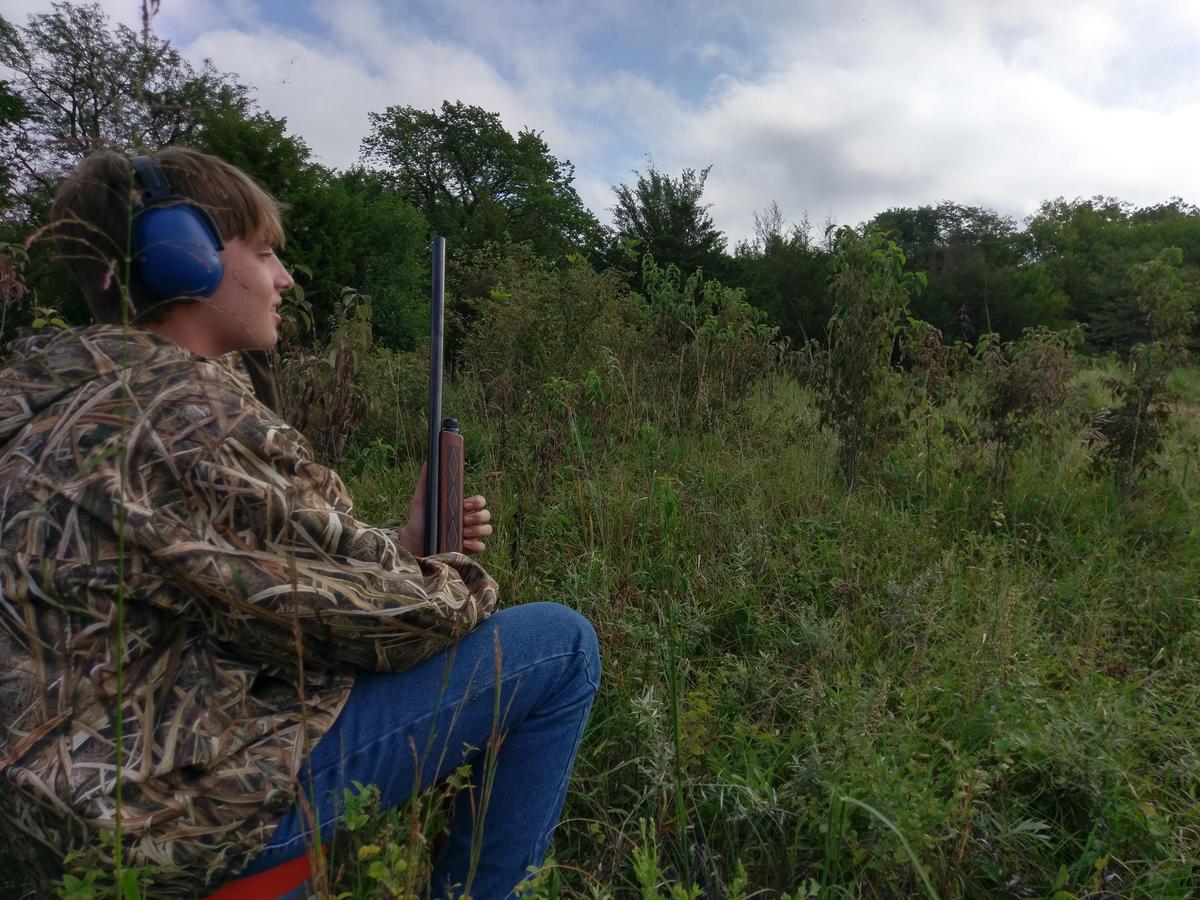
A flight of doves breaks above the tree line. Fourteen-year-old Robert Goodall fires his shotgun. The birds continue on their path unharmed.
“Never shoot at the bird,” Robert’s grandfather, Richard Funk, said. “Always in front of it.”
Robert enjoys going hunting when his grandfather asks him to go along. But the morning’s been slow. He’d prefer something a little more exciting, like football.
“Dove hunting — you’re kind of just sitting there,” Robert said. “In football, you get to go hit people.”
Hunters come to Kansas from across the country for a shot at the state’s deer, elk and turkey. But older Kansas hunters are setting down their rifles, and guided youth hunts — Kansas’ go-to method for attracting the next generation of hunters — aren’t stopping the decline among the next generations.
So the state is now working on a plan that focuses on what it stands to lose: 60% of Kansas’ conservation dollars (the rest comes from taxes on firearms and ammunition sales).
“We’re at that point where it’s like, hey, the bells and whistles are going off,” said Tim Donges, president of the Kansas branch of Quality Deer Management, a nonprofit hunting organization. “We’ve got a problem.”
Hunting’s decline and the results
More Americans are spending time outdoors, according to the U.S. Fish and Wildlife Service. Additional fishing lines are being cast. Would-be wildlife photographers are growing in numbers. But 2 million fewer hunters took to the field between 2011 and 2016.
Kansas has remained popular for out-of-state hunters, with the total number of licenses and permits more than doubling over the past two decades to over 150,000 total. In-state, though, hunting licenses have declined about 14%.
Hunting licenses of all kinds contribute about $28 million to the state’s conservation coffers. Out-of-state licenses cost more, and their popularity has made up for having fewer Kansas hunters. But 2019 was the first in five years where non-resident sales decline, showing there is not a guaranteed way of covering the cost of identity and protecting endangered Kansas species.
Hunting advocates blame several factors: There’s the other entertainment options competing for kids’ attention, from sports to Netflix. Plus, more Kansans live in cities, which requires a road trip to bag a buck.
Yet the biggest concern hunting advocates point to is a lack of public hunting land, the same thing that draws out-of-state hunters in. That is to say, a vacationing hunter with money can lease a ranch owner’s property, giving himself or herself a large stretch of open land.
But less than two percent of Kansas land is free and open to the public, according to the Kansas Department of Wildlife and Tourism. That’s less than nearly every other state.
“The state behind us is Rhode Island, so it’s not great,” said Brad Loveless, secretary of the Kansas Department of Wildlife and Tourism.
The mainstay won’t stay
For years, Kansas encouraged younger hunters by taking kids out on guided hunts. Organized trips could break down the access barrier created by the limited amount of public hunting land. Mentors passed down hunting knowledge to kids whose parents didn’t participate in the sport. And the state figured that early exposure may lead to a lifelong interest.
It worked for 27-year-old Justin Saathoff: He killed his first deer on a youth hunt at Evergy’s Jeffrey Energy Center in Saint Mary in the northeast part of Kansas.
Justin Saathoff (right) leads a youth dove hunting event in September at the Jeffrey Energy Center near Saint Mary.
Saathoff, now a labor relations specialist at Evergy, gives back by leading youth hunts.
“Somebody does not have a true understanding of what hunting is until they actually go do it themselves,” Saathoff said.
Still, the youth numbers are declining. Hunting advocates say part of the problem is that it often takes several hunts to get someone hooked. Recruits can spend hours in the field without a guarantee of excitement or anything to show for the effort. For experienced hunters, that wait is worth it.
“It takes more than one time for somebody to understand what it takes to go out and hunt and be successful,” said Jim Pitman, a district biologist for the National Wild Turkey Federation. “We need to be putting mentors with these people that can take them out multiple times.”
That requires a lot of volunteer hours and mentors. Evergy says it’s not short of mentors willing to lead the hunts, but younger guides like Saathoff are the exception. Mentorship programs are starting to see the same problem that hunting at large faces — the need to find young replacements.
The next steps
Past recruitment efforts emphasized the importance of continuing Kansas’ grand hunting heritage. “Carry on the tradition” is the subtitle for Kansas’ previous hunter recruitment plan, which was created in the 1990s under former Gov. Bill Graves. Funding the state’s conservation efforts came second.
“I don’t know that it’s ever going to be as popular as soccer or football,” said John Ritchey, the Kansas director for the conservation group Ducks Unlimited. “But there is a deep tradition and heritage that follows hunting that would be the saddest thing if it were to disappear.”
“My dad and brothers hunted, and I didn’t necessarily feel welcome to go out with them even though they invited me.”
So, while continuing the youth hunt tradition, the state is looking to flip that by leading with the conservation message.
Last year, Kansas hired 23-year-old Tanna Fanshier to be the Department of Wildlife and Tourism’s new hunting recruitment coordinator. She said the traditionalist message doesn’t work for the young Kansans she’s trying to recruit, and is betting causes like protecting wildlife will reach their ears.
“We’re kind of the ‘Go Fund Me’ generation,” Fanshier said. “We want to give our money to something that’s important to us.”
The department is looking to attract groups they know have historically been underrepresented in Kansas’ hunting scene. New women-only hunting education events will be led by women instructors.
“My dad and brothers hunted, and I didn’t necessarily feel welcome to go out with them even though they invited me,” Fanshier said.
Plus, Kansas is looking at starting gear-rental programs at colleges so students don’t have to have the money to buy or the space stash hunting equipment.
Kansas is also taking inspiration from other movements, like farm-to-table. Think field-to-fork: a way to encourage urban-dwelling Kansans to get some of their food from hunting for the same reasons they eat local. Fanshier has experimented with going to farmers’ markets to give away samples of meat gathered from a hunt, showing shoppers that game doesn’t have to taste gamey.
The full recruitment plan is about six months off. The overall goal isn’t to get the number of Kansas hunters back to where it was 50 years ago, Fanshier said. It’s keeping tradition alive, the conservations coffers filled and having urban dwellers spend a little less time in the city and more time connecting with the Kansas prairie.
Stephan Bisaha reports on education and young adult life for the Kansas News Service. You can follow him on Twitter @SteveBisaha or email him at bisaha (at) kmuw (dot) org. The Kansas News Service is a collaboration of KCUR, Kansas Public Radio, KMUW and High Plains Public Radio focused on the health and well-being of Kansans, their communities and civic life.
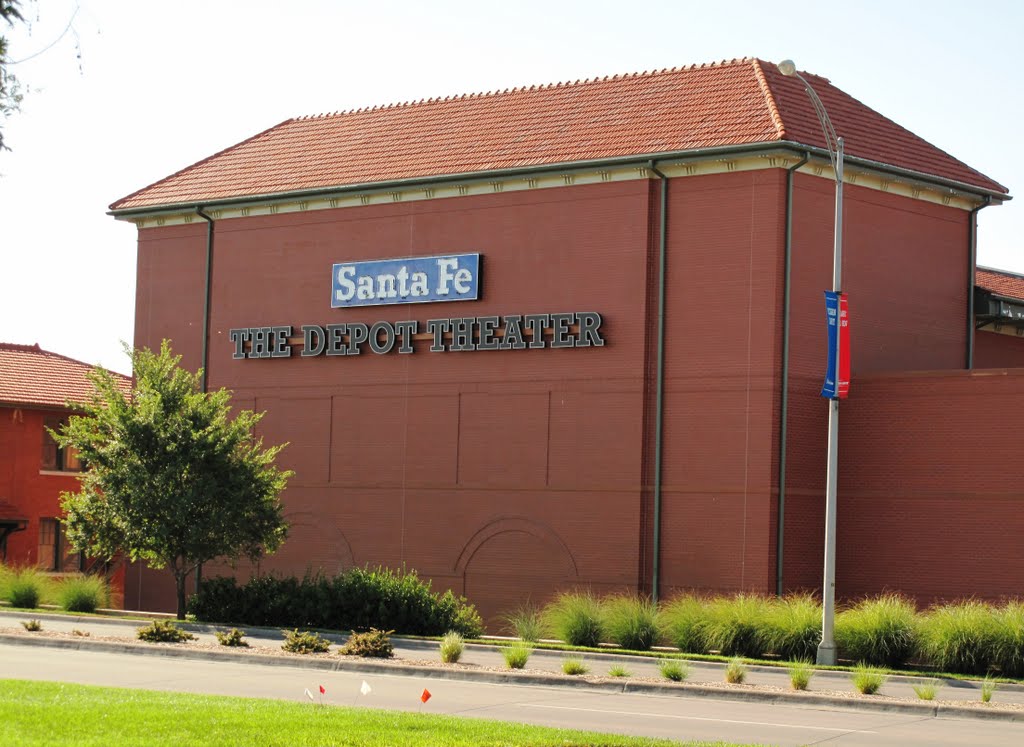
DODGE CITY – It is with great pleasure that the Depot Theater’s board of directors announces a new 2019-2020 season under the artistic direction of Christopher King of Mullinville. King has volunteered to serve and will be the fourth person to lead the theater company established by Don Steele in 1984 as the Boot Hill Repertory Company at the Boot Hill Museum Complex.
Born and raised in Kansas, King’s 35-year theater career includes directing theater programs in New York, Philadelphia, and Kansas City. In addition, he holds directing credits in more than 30 productions including Our Town, Sordid Lives, The Miracle Worker, Joseph and the Amazing Technicolor Dreamcoat, and Fiddler on the Roof.
“I am so honored to follow in the amazing footsteps and traditions of the Depot Theater Company,” said King. “Not only is this an exceptional theater, but the performing arts community, volunteer traditions and the quality of past productions have set a high bar. I look forward to meeting our partners, volunteers, actors and directors, production teams as well as getting to know the region better.”
King recently moved to Mullinville where he is renovating a home. “When I saw that the Depot Theater needed volunteer help, I was more than glad to step up to help ensure the future of performing arts in my adopted region.”
“It is with the utmost respect and appreciation for the tradition of providing high quality theater by actors, directors, technical, costuming and stage crews making up the Depot Theater Company that we announce this new era in theater in southwest Kansas,” said Katie Ruthi, president of the Depot Theater board of directors. “Countless hours of volunteer talent, effort and dedication have filled the Depot Theater and it is inspiring to have Christopher’s volunteer commitment as we build a sustainable future.”
Barbara Straight, president of the Depot Theater Guild and member of the board of directors said “We invite all Company members to continue their involvement with and dedication to the Depot Theater as well as invite community members to join the effort. We’re looking forward to future performances.”
The Depot Theater is housed in the historic Dodge City Union Pacific railroad depot.
Operations of the Depot Theater, 201 E. Wyatt Earp Blvd., were temporarily paused on August 19, 2019, and since that time the board of directors has received an outpouring of support and ideas for future direction. In addition, the board has been conducting intense evaluation toward the goal of reorganizing and refocusing on its mission in order to develop a sustainability plan for the future.
The mission of the Depot Theater is to provide space for theater and performance arts and education to enhance the quality of life for our diverse community. All sponsors, patrons and community partners will be contacted as we move forward with a revised season.
With the support of the Mariah Fund, Kent Stehlik and Kathleen Holt have been working to establish a campaign Get on Board to revitalize and develop a fiscally sound plan for operations. While the event calendar remains in full swing, theater performances will resume before the end of the year with the spring season to be announced in the next few days. The Homestead Haunted House will be the next scheduled event.
As the board of directors continues its revitalization and sustainability plan, all are invited to contribute positive ideas by visiting https://depottheaterco.com/ . The board and constituents of the Depot Theater deeply appreciate your patience as well as your many messages of on-going support.
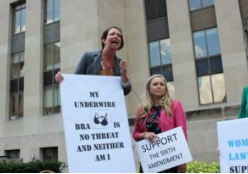
After the Jackson County Sheriff, the County Counselor’s Office and attorneys reached an agreement, attorneys no longer have to remove their underwire bras to see their clients in the county jail. Photo courtesy Andrea Tudhope / KCUR 89.3
By ANDREA TUDHOPE Kansas News Service
Underwire bras may still be setting off the metal detectors at the Jackson County, Mo., jail, but the standoff over the issue, nicknamed “bra-gate,” has ended — at least for attorneys.
A new security protocol quietly rolled out in May caused some uproar after female attorneys complained they had to remove their bras to clear screening. At the time, Jackson County Sheriff Darryl Forté tweeted, “No one was asked to take off underwire bras.” However, the rules required that everyone clear the detector.
At the time, the Legislature urged a quick fix and a mediated meeting. But the issue remained at a standstill. Attorneys set a meeting with Forté a few weeks later, but they said he didn’t show up.
But, at the start of September, the two sides reached a compromise with little fanfare. Now, if an attorney sets off the metal detector, she is wanded or patted down.
“All we ever wanted was to be able to meet with our clients the same way as men, and now we have been able to accomplish that,” said attorney Tracy Spradlin.
Spradlin commended the County Counselor’s Office and the sheriff for their work in resolving the issue, and she said she was thankful they didn’t have to bring a lawsuit against Jackson County. Spradlin said it was “no secret” that they would have gone that route.
“I’m thankful it didn’t come to that,” she said. “I think that would have been another waste of our time that we could have been meeting with clients and a waste of the county’s time for something that could be so easily resolved.”
Forté declined an interview with KCUR, but in a statement, he said the jail and the sheriff’s office “are forward-focused with no time to dwell on past issues.”
However, the issue remains for jail employees. Attorney Katherine Myers told KCUR the resolution does not apply to jail employees. Myers represents Charlotte Hardin, a jail employee who worked for the county for 20 years. She was placed on indefinite leave after removing her bra and sending it through the X-ray machine. Hardin has yet to return to work.
The new protocol for attorneys is still technically operating on a trial basis, but Spradlin said neither party has indicated any issues with the agreement.
TOPEKA – The Kansas Department of Commerce’s Office of Minority and Women Business Development will host its 35th Annual Minority and Women Business Awards Luncheon. The luncheon will be held in the Capitol Plaza Hotel’s Emerald Ballroom in Topeka on October 10, 2019, with doors opening at 11:20 am. The event will take place during Kansas Minority Enterprise Development (MED) Week and will recognize 12 minority- and women-owned companies, three individuals and one corporation from across the state for their support and efforts to create new opportunities.
Winner of the Women-Owned Business Service Industry category is Rose
“Minority and women-owned businesses are an integral part of the Kansas economy,” said David Toland, Secretary of the Kansas Department of Commerce. “We greatly value the contributions these businesses and advocates provide to our state, from the jobs they create to the way they enrich communities and lives,” Toland said. “On behalf of Governor Kelly, the Department of Commerce and citizens across the state, thank you for keeping our economy strong and vibrant.”
Brooke Lennington from Topeka’s KSNT will emcee the event and the Washburn Rural High School Jazz Band will provide live music for attendees. Top sponsors of the luncheon include Evergy and Textron Aviation.
Registration for the luncheon is $45 per person or $360 for a table of eight. This event is open to the public, but registration is required and must be submitted by October 1. Please visit KansasCommerce.gov/MEDWeek to register or contact Rhonda Harris, Director of the Office of Minority and Women Business Development, at (785) 296-3425 or [email protected].
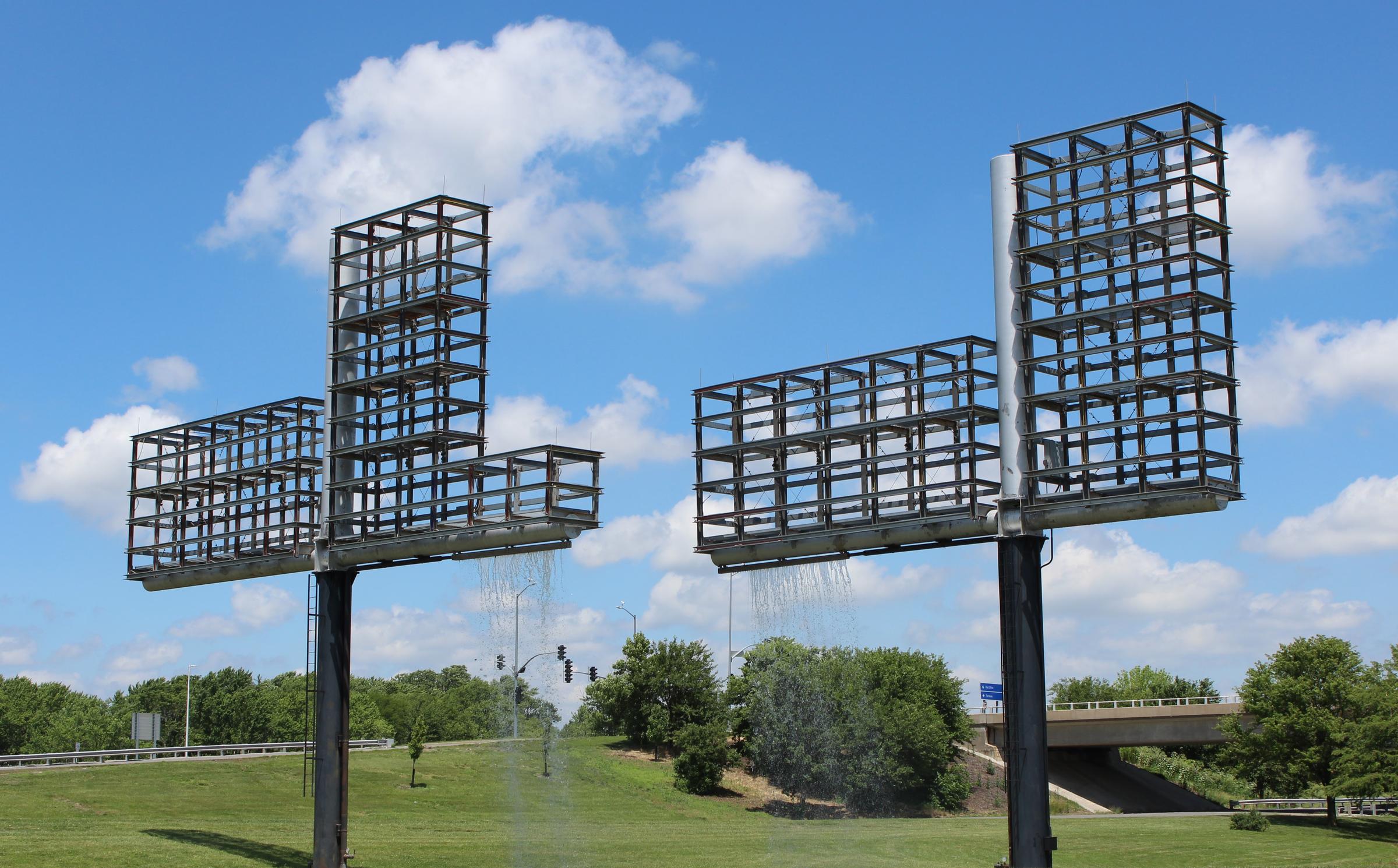
Keith Sonnier’s ‘Double Monopole’ (2005) is located near the entrance to the Kansas City International Airport. Laura Spencer / KCUR 89.3
By LAURA SPENCER Kansas News Service
Preparing for the largest public art project in Kansas City’s history is proving to be a challenge.
Controversy often surrounds pieces commissioned under the city’s One Percent For Art Program, which sets aside 1% of city construction costs for public art. But when it comes to the construction at Kansas City International Airport – where a new $1.5 billion single terminal project at KCI budgets $5.6 million for public art – tensions have begun to rise long before any artists have submitted proposals.
Ultimately, the Kansas City Council will give final approval for the artwork inside or outside the new terminal.
Before that happens, however, the process appears to be increasingly contentious. And the airport project is on a fast track, without a public art master plan.
Here’s what we know so far.
A view of Keith Sonnier’s ‘Double Monopole’ at KCI at night. Credit courtesy of the artist
1. Currently, there’s confusion about who’s in charge.
The Municipal Art Commission consists of about a dozen unpaid volunteers, most with a background in art or architecture, who meet the first Monday of every month at 3 p.m. on the 26th floor of City Hall. Typically their agenda items are straightforward and mundane (such as approving awnings for storefronts or requests from developers restoring historic properties).
The city charter says the commission is responsible for administering the city’s One Percent For Art Program, among other duties, but commission members have expressed uncertainty about their responsibilities when it comes to the airport art.
“How can we have an impact?” commission chair Kathy Achelpohl, of PGAV Architects, wondered at a meeting in July. “We have at times felt like we’re brought to the table at such a late date that we’re rubber stamping our approval. And there’s not much else that we can do.”
“It’s a big project, a generational project,” added commission member Babette Macy, who’s worked in the architectural, construction, and engineering industry for more than two decades. She also serves as Plan Commission chair. “And to me it’s unclear. What is our role?”
Ordinarily, there would be a paid staffer at City Hall – a public art administrator – who handles communication between the city council, the city manager’s office, and artists on various contracts. But this position has been vacant since April 2018.
The job was posted on July 1, and, according to city officials, a new hire is expected to be announced in the next few weeks.
Meanwhile, in May, the owner’s representative for the airport, Paslay Management Group (PMG) contracted with a Kansas City-based consulting artist, Holly Hayden through 2019. It’s a $10,000 contract funded by the aviation department with an option of three one-year renewals.
Jade Liska, deputy director of the aviation department, in June, described Hayden’s role as working with all the stakeholders: “Holly will be that conduit, and will be that voice for us as we move the process.”
Hayden, a Kansas City Art Institute graduate, specializes in graphic design and marketing. This project would be the first time she’s managed anything on this scale. And Paslay consulted with Hayden without informing the members of Kansas City’s Municipal Art Commission.
“I will reinforce arts and culture,” Hayden told commissioners at the June meeting, “as an invaluable enhancement to the Kansas City experience.”
Alice Aycock’s ‘Strange Attractor for Kansas City,’ is installed near the economy parking lots at KCI. Credit Mike Sinclair
2. Artists and other observers are concerned.
Kansas City artists and others in the creative community have been watching the process closely for months. And they’ve raised significant questions.
“Do you want this to be an airport that is astounding, amazing, magnificent?” asked Julia Cole, an artist and educator who coordinates Charlotte Street Foundation’s Rocket Grants program. “Or do you want it to be mundane and comfortable and happen quickly?”
“As a citizen and taxpayer of the city of Kansas City, Missouri,” added business lawyer David Oliver, “this is a once in a lifetime opportunity to demonstrate to the world what art can do as a gateway to our community.”
Cole and Oliver were among those who spoke up at a Municipal Art Commission meeting in June. With extended public testimony, the meeting lasted for three hours.
The city’s aviation department organized an additional meeting for stakeholders later that month. As a result of that conversation, the department scheduled monthly airport updates during the arts commission’s monthly Monday meetings.
In July, representatives from Skidmore, Owings & Merrill, or SOM, the international architecture firm that is part of the team designing the new terminal at KCI (which has worked on other aviation projects in cities such as San Francisco and Toronto), shared design slides. In August, they discussed a “heat map” of potential places for art at the new terminal.
The Kansas City-based architecture and design firm BNIM is expected to discuss more design plans in October.
But there are a lot of decisions to make – and there’s no master plan for art.
“I still think there’s value in identifying what the overall plan is for art at the airport,” Municipal Art Commissioner Jan Mulkey said at the July meeting, “whether it’s one piece that’s $5.6 million dollars, or whether it’s three pieces in the garage that are $500,000 each and then spend the rest of it in the rest of in four places in the terminal. And whether it’s performing art or visual art.”
The terrazzo flooring of ‘Polarities’ is underfoot at KCI. This photo from 2013 pictured Terminal A, which is now demolished, but the terrazzo was salvaged. Credit Julie Denesha / KCUR 89.3
And commissioners want to make sure that public art is integrated into the terminal’s design, not just tacked on at the end.
“The piece that’s missing is the curatorial vision — there isn’t one,” commissioner David Dowell, a principal with el dorado architects, said in July. “And I hope it’s not too late.”
Jordan Pierce of SOM reassured Dowell that it wasn’t too late. “Certainly from our standpoint, this is not late in the process,” he said. “This is fairly typical.”
But, as Achelpohl told KCUR this week, “The terminal building is becoming fully formed. We wish we could have been talking about it much sooner.”
The design phase for KCI is expected to be wrapped up by the end of the year.
Artist Jim Woodfill created ‘Deuce’ in the parking garage stair towers in each of the terminals. Here, it’s pictured in Terminal C. Credit courtesy of the artist.
3. The City might need national help.
Municipal Art Commission members voted at their July meeting to recommend hiring a national public art curatorial consultant to “lead and implement the city’s vision for public art” at the new airport. (This follows a precedent set by the Commission when it hired a consultant for the next largest One Percent for Art project: the Sprint Center.)
A portion of the One Percent For Art budget would pay for the consultant.
Aviation department officials introduced a resolution requesting approval for that expense to the City Council on August 29.
“Without the Curatorial Consultant to guide the City’s most significant investment in public art, the Commission believes our world-class public art reputation and ambitions are at risk,” Achelpohl wrote in a Sept. 4 letter to the mayor and councilmembers.
Achelpohl pointed out that other cities around the country, such as Chicago, Dallas, San Diego and San Francisco “have hired national consultants for public art planning and implementation” for similar projects.
The resolution was expected to go before the Council’s Transportation, Infrastructure and Operations Committee on September 18, but the Committee didn’t meet. Without any discussion, it was put on hold until October 23.
Art Commission members were “told by the aviation department that the resolution will be held in committee for approximately one month and will be dealt with formally at that time,” Achelpol tells KCUR. Councilwoman Katheryn Shields, who represents the city’s 4th district at-large and played an instrumental role in getting the city’s One Percent for Art Program up and running in the early 1990s, reportedly put the issue on hold.
Shields declined to comment.
So, for now, the commission is waiting for an arts administrator and for a public art curatorial consultant — roles that can’t be filled soon enough for the volunteers on the Municipal Art Commission.
And, in addition to these vacancies, some could be their own. With the arrival of a new mayor, in accordance with standard operating procedures, commissioners were asked to submit undated resignation letters and to indicate if they would like to continue to serve.
“We carry on,” commissioner David Dowell told KCUR. “We’re not slowing down, not changing what we’re doing at all. Everyone that’s left is pretty committed.”
“I’m, in a way, optimistic that the public art administrator is almost in reach,” said chair Achelpohl. “I do believe that that person has a big challenge.”
Their next meeting is scheduled for October 7.
Laura Spencer is an arts reporter at KCUR 89.3. You can reach her on Twitter at @lauraspencer.
LAWRENCE, Kan. (AP) — A judge declared a mistrial after a jury could not reach a verdict in the murder trial of a man accused of killing a Lawrence woman in 2014.
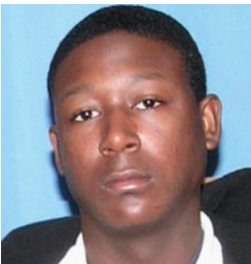
Rontarus Washington, Jr. after his arrest four years ago in Mississippi-photo courtesy Washington Co.
A jury deliberated for three days before the mistrial was declared Friday in the trial of 23-year-old Rontarius Washington Jr. He is charged in the death of 19-year-old Justina Altamirano Mosso, who was found bludgeoned and stabbed to death in a Lawrence apartment in November 2014.
Washington lived in an apartment near Mosso. He is charged with first-degree murder and aggravated battery, and an alternative of first-degree felony murder. The jury could not reach a verdict on all three charges.
Washington has been in custody since early 2015 while his trial was repeatedly delayed . Washington told detectives he entered Ruiz’s apartment to steal money and Mosso dead.
HAMILTON COUNTY — One person died an accident just after 11 a.m. Friday in Hamilton County.
The Kansas Highway Patrol reported a 1997 Ford pickup driven by William R. Reed, 62, Coolidge, was southbound on Kansas Highway 27 eleven miles north of U.S. 50.
The pickup left the roadway to the west and entered the west ditch, continued traveling southbound through a field and struck a utility pole.
EMS transported Reed to the hospital in Garden City where he died. KHP did not have details on his seat belt usage.
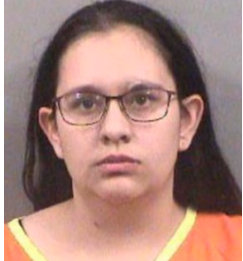
Elizabeth Woolheater photo Sedgwick Co.Lucas Diel photo Sedgwick Co.
WICHITA, Kan. (AP) — A 24-year-old Wichita woman has been sentenced to more than 19 years in prison in the death of her 2-year-old son after he refused to eat a hot dog.
Elizabeth Woolheater was sentenced Friday for the May 2018 death of Anthony Bunn.
Woolheater pleaded guilty in August to second-degree murder and two counts of child abuse. She was sentenced to 19 years, five months.
The boy died two day after he was beaten unconscious by his mother and her boyfriend, Lucas Diehl. Woolheater said she hit the boy for not eating the hot dog and then heard Diel hitting him more. Diel denied hitting the boy. He is serving a 49-year sentenced for second-degree murder.
Records show the Department for Children and Families was alerted the boy was being abused before he died.
TOPEKA (AP) — Kansas Gov. Laura Kelly has joined a legal battle to save a federal program that shields young immigrants from deportation.
Kelly’s move Friday puts the Democratic governor and Republican Kansas Attorney General Derek Schmidt on opposite sides of a case before the U.S. Supreme Court.
Kelly signed onto written legal arguments opposing President Donald Trump’s attempt to end the Deferred Action for Childhood Arrivals program. Kelly joined Democratic Montana Gov. Steve Bullock and the Democratic attorneys general of Michigan and Nevada.
Schmidt has joined 11 other GOP state attorneys general and Mississippi’s Republican Gov. Phil Bryant in a court filing arguing that the DACA program wasn’t lawful.
The program established by President Barack Obama grants temporary legal status to immigrants without proper documents who came to the U.S. as children.
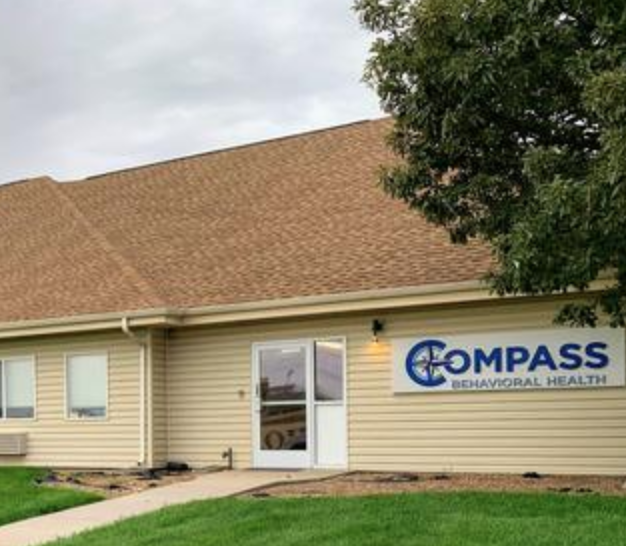
Compass Behavior Health in Garden City offers substance use evaluations, individual therapy, and 24-hour crisis services. Photo by Corinne Boyer courtesy Kansas News Service
GARDEN CITY, Kan. — Two years after closing an office in Garden City, the federal Drug Enforcement Administration announced this week it’s coming back to town.
The agency’s new setup comes at a time when methamphetamine seizures are on the rise in Finney County and the area’s seen some drug-related shootings. Plus, states are grappling with the fallout of billions of opioids distributed throughout the U.S., and western Kansas has few drug rehabilitation options.
More drug enforcement agents means more surveillance of Finney County, which is one of approximately a dozen counties in Kansas that the DEA classifies as a High Intensity Drug Trafficking Area.
County Sheriff Kevin Basque said he’s seen drugs moved through the county in almost every type of vehicle.
“In regular passenger vehicles, SUV, these trucks … just whichever method that they feel like they can move it without being detected,” Basque said. He also noted that two people have died in drug-related shootings in the last several weeks in Finney County.
It isn’t clear when the office will open. And William Callahan, Special Agent in Charge of the DEA’s St. Louis Division, declined to comment on the location of the agency’s new office, citing safety reasons. But he said the new team of six, which has started working, will also monitor opioids.
“Through August 2019, the Garden City Finney County Drug Task Force … has more than doubled the amount of methamphetamines seized during the entirety of 2018,” Callahan said.
He said other substances like fentanyl and counterfeit pills made in China are being shipped by mail, and causing overdoses.
Southwest Kansas’ highways provide a gateway for drugs smuggled from Mexico that are bound for distribution in Kansas City and as far as Chicago, he said, adding that methamphetamines are mostly made in Mexico now and are more potent than U.S.-made meth.
“This area of southwest Kansas has always been attractive for those people who are moving drugs, but also for law enforcement agencies trying to stop that flow,” Basque said.
When it comes to getting off of opioids or meth, someone looking for addiction treatment in western Kansas may struggle to find a detox facility, according to Lisa Southern. She’s the executive director of Compass Behavioral Health in Garden City, which serves 13 Kansas counties.
“There is a lack of services in all of Kansas and especially in the rural counties of Kansas,” Southern wrote in an email. “People … often have to wait many weeks (or longer) to go to an inpatient facility. There are very few licensed addictions counselors in western Kansas, which only adds to the treatment barriers.”
Basque said treatment is important.
“Without it, then all you’re going to do is, even if you arrest the user, maybe they committed their crime because of an addiction that they have to an illegal substance,” he said. “If it’s not treated, then when they’re released, then the chances are better that they’re going to go back to that particular lifestyle.”
Even with limited options, Southern says Compass Behavioral Health is seeing more people addicted to methamphetamines looking for help.
“It can be difficult to determine if someone has a true psychiatric disorder that can be treated with medication or if the problem is purely due to drug use,” Southern said. “With extended use, the brain damage from drug use may be irreversible and then helping the person can be nearly impossible.”
Corinne Boyer covers western Kansas for High Plains Public Radio and the Kansas News Service. You can follow her on Twitter @corinne_boyer or email [email protected]. The Kansas News Service is a collaboration of KCUR, Kansas Public Radio, KMUW, and High Plains Public Radio focused on the health and well-being of Kansans, their communities and civic life.