We have a brand new updated website! Click here to check it out!

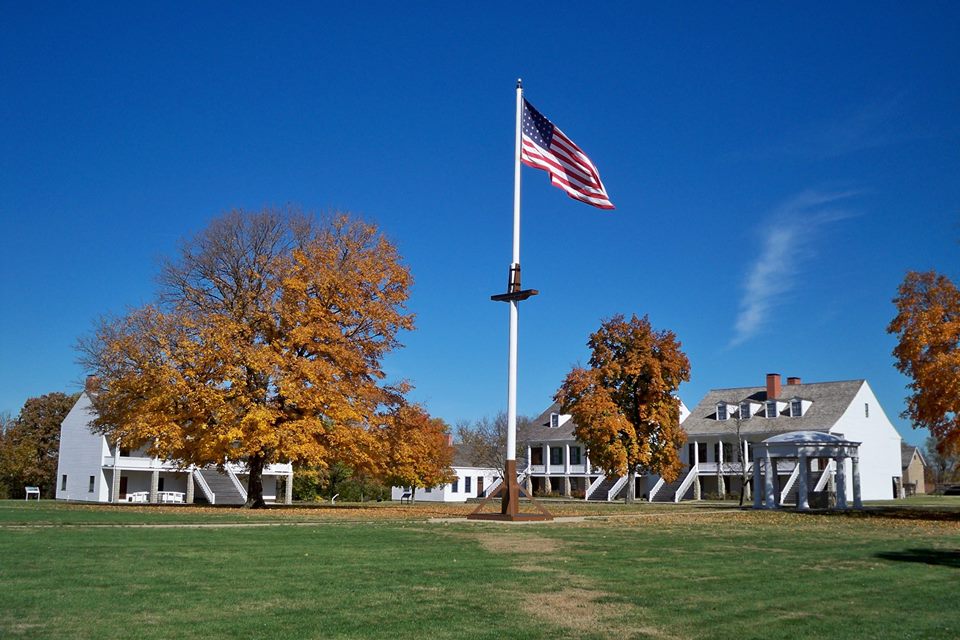
Moran measure to improve Ft. Scott National Historic Site passes Senate

OFFICE OF SEN. MORAN

WASHINGTON – U.S. Senator Jerry Moran (R-Kan.) announced that legislation he authored, the Fort Scott National Historic Site Boundary Modification Act, was included in S. 47, the Natural Resources Management Act, a package of over 100 bills relating to public lands, natural resources and water projects. Tuesday, Feb. 12, S. 47 passed the Senate by a vote of 92-8, and now goes to the U.S. House of Representatives for consideration.

“The inclusion of this measure will help make certain our state’s and nation’s history will be kept alive for the next generation,” said Sen. Moran. “Thank you to the Fort Scott community leaders who have worked with me to ensure the Fort Scott National Historic Site is safe and enjoyable for all visitors. From American expansion westward into the new frontier, to ‘Bleeding Kansas’ and the Civil War, Fort Scott’s history should be preserved for the benefit of Kansans and all Americans.”

The Fort Scott National Historic Site Boundary Modification Act would improve the Fort Scott National Historic Site in Fort Scott, Kan. by allowing the care of the Lunette Blair Civil War Block House to be transferred to the National Park Service (NPS). Additionally, it would modify the site’s boundaries so future improvements could be made to enrich the quality of visitors’ experiences. Site managers indicated the location lacks an adequate public emergency shelter. Specifically, a shelter is needed in the event of severe weather to protect volunteers and regular visitors, such as local school children. The potential future purchase of buildings in the site’s new boundaries could be used for other functions, such as an on-site storage area for artifacts currently stored outside the community due to space limitations, or as an educational center for visitors and local schools.

Items to note:

  • On September 29, 2015, Sen. Moran introduced legislation to improve the Fort Scott National Historic Site.
  • On January 23, 2017, Sen. Moran reintroduced legislation to improve the Fort Scott National Historic Site.
  • A provision authored by Sen. Moran to extend authorization for the Equus Beds in Wichita was also included in the Natural Resources Management Act.
U.S. Attorney for Kansas: ‘Very successful in recovering money owed to victims, govt.’

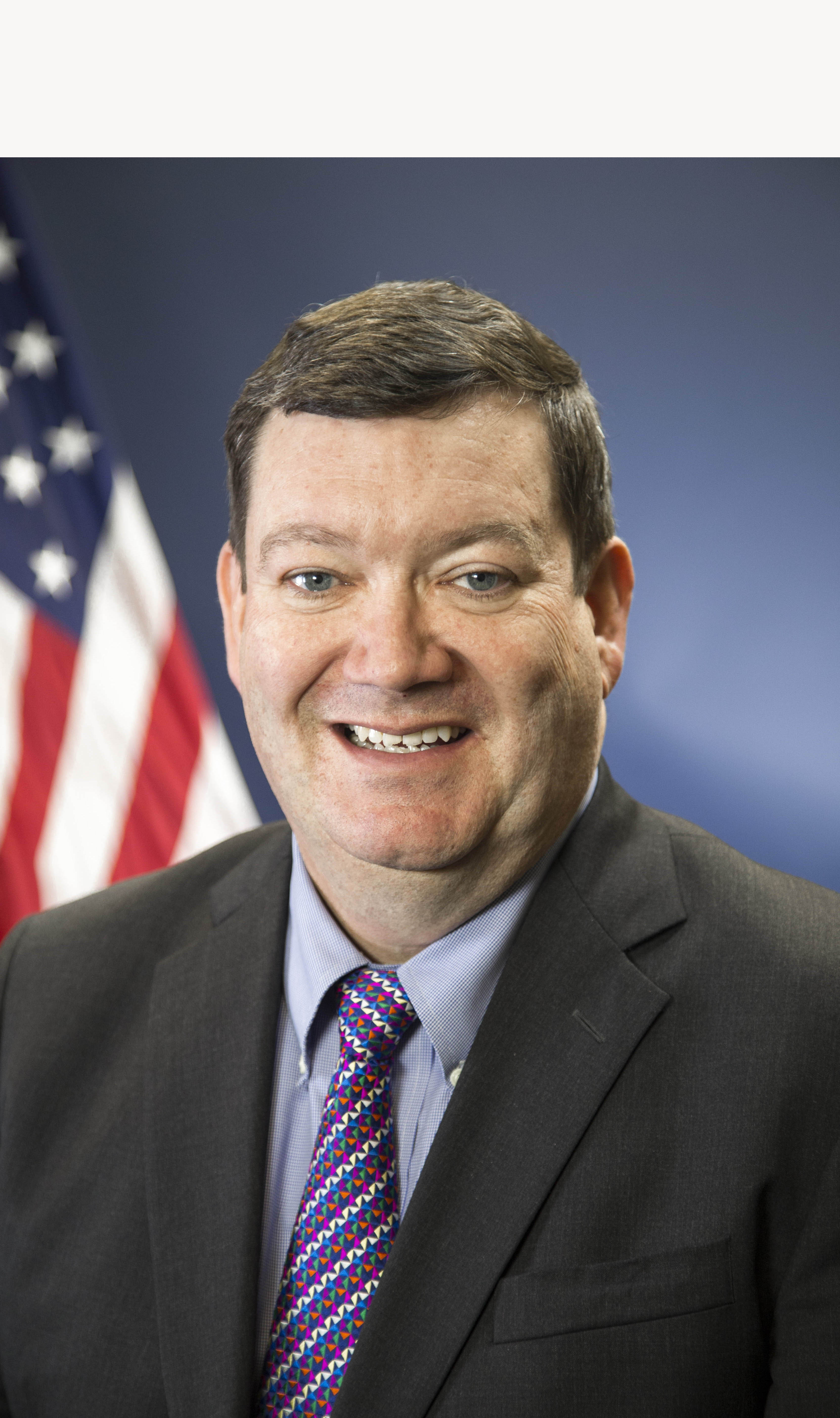
Stephen McAllister, U.S. Attorney for Kansas

OFFICE OF U.S. ATTORNEY

TOPEKA KAN. – The U.S. Attorney’s Office for the District of Kansas collected $6.5 million in criminal and civil actions in FY 2018, U.S. Attorney Stephen McAllister said Friday. Of this amount, $3.9 million was collected in criminal actions and $2.6 million was collected in civil actions.

“Our attorneys and investigators are very successful in recovering money owed to victims and to the government,” McAllister said. “They are one of the reasons that crime really doesn’t pay.”

As a whole, the Justice Department collected nearly $15 billion in civil and criminal actions in the fiscal year ending Sept. 30, 2018. The $14,839,821,650 in collections in FY 2018 represents nearly seven times the appropriated $2.13 billion ($2,136,750,000) budget for the 94 U.S. Attorneys’ offices.

The U.S. Attorneys’ Offices, along with the department’s litigating divisions, are responsible for enforcing and collecting civil and criminal debts owed to the U.S. and criminal debts owed to federal crime victims. The law requires defendants to pay restitution to victims of certain federal crimes who have suffered a physical injury or financial loss. While restitution is paid to the victim, criminal fines and felony assessments are paid to the department’s Crime Victims Fund, which distributes the funds collected to federal and state victim compensation and victim assistance programs.

Recent examples in the District of Kansas include recovering more than $140,000 from a CPA who made false statements on tax returns, more than $77,000 from a former Kansas bank teller who embezzled the money, more than $185,000 from the owner of a diagnostic testing facility who was convicted of health care fraud and more than $200,000 from a man who was convicted of failing to report income from illegal bookmaking.

“The men and women of the U.S. Attorneys’ offices across the country work diligently, day in and day out, to see that the citizens of our nation receive justice. The money that we are able to recover for victims and this country as a whole is a direct result of their hard work,” Director James A. Crowell, IV, Executive Office for U.S. Attorneys.

The largest civil collections were from affirmative civil enforcement cases, in which the United States recovered government money lost to fraud or other misconduct or collected fines imposed on individuals and/or corporations for violations of federal health, safety, civil rights or environmental laws. In addition, civil debts were collected on behalf of several federal agencies, including the U.S. Department of Housing and Urban Development, the Department of Health and Human Services, the Internal Revenue Service, the Small Business Administration and the Department of Education.

Gov. proclaims official Kansas FFA Week Feb. 16-23

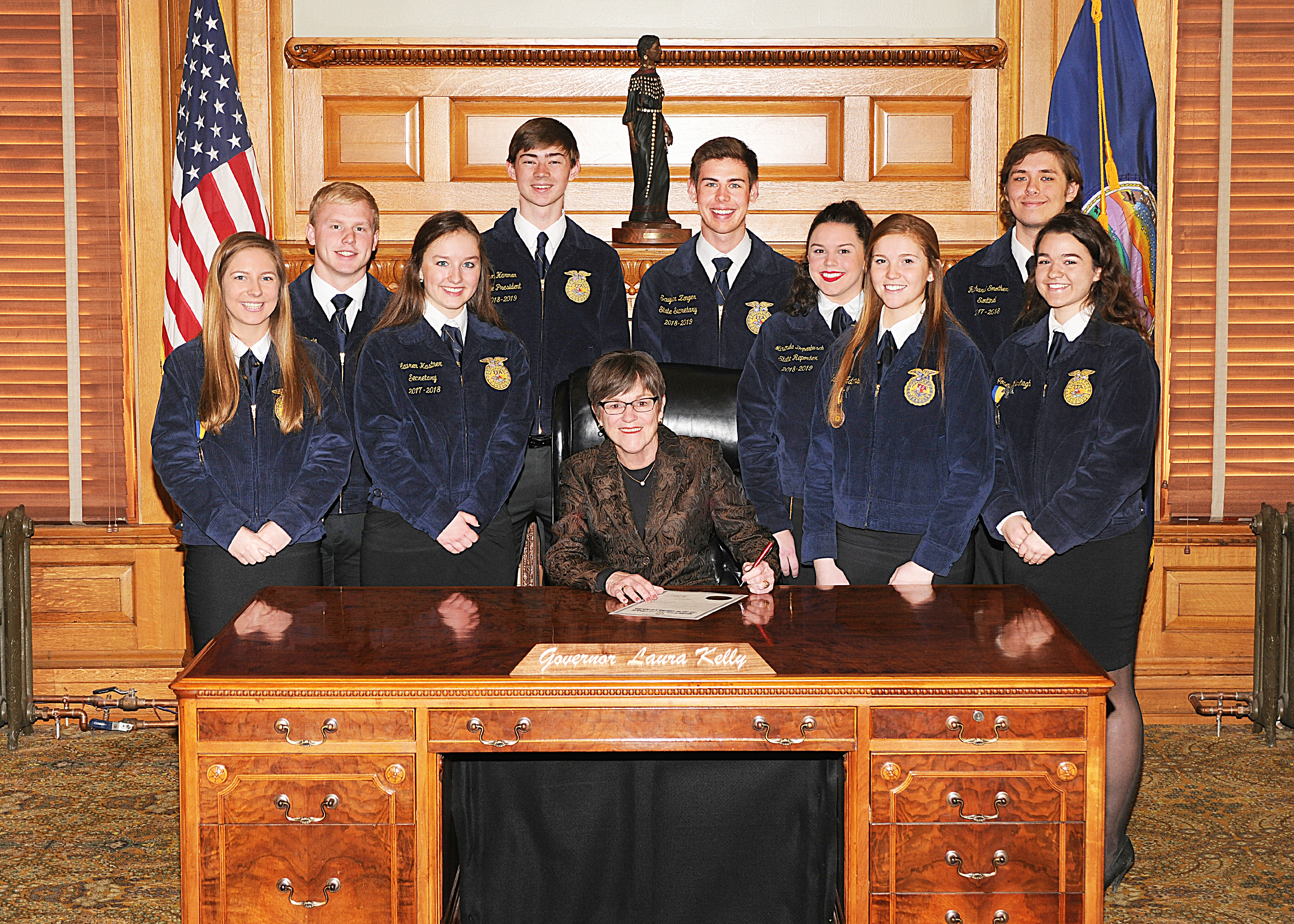
Members of the Kansas FFA Association joined with Gov. Laura Kelly for the 2019 Kansas FFA Week Proclamation signing. Pictured from left are: Riley Buss, Jefferson West President, Garrett Craig, State Sentinel, Lauren Kastner, Washburn Rural Vice President, Max Harmon, State President; Gov. Laura Kelly; Scuyler Zenger, State Secretary; Miranda Depenbusch, State Reporter, Kassie Adams Jefferson West Sentinel, Josey Metagh, Jefferson West Vice President and Richard Smothers, Washburn Rural President.


KSFFA

MANHATTAN –The 203 chapters of the Kansas FFA Association will celebrate National FFA Week, Feb. 16-23, 2019.

FFA Week embraces more than 91 years of FFA traditions while looking forward to the organization’s future. In Kansas, more than 9,700 members participate in Kansas FFA Week activities.

Kansas FFA members have a passion for agriculture. Kansas Governor Laura Kelly officially proclaimed the celebration and joined with Kansas State FFA officers and members representing the Jefferson West and Washburn Rural FFA Chapters for the official signing of the proclamation.

Designated a national week in 1947, the week of George Washington’s birthday, National FFA Week runs from Saturday to Saturday and gives FFA members an opportunity to educate the public about agriculture. During the week, chapters conduct a variety of activities to help others in their school and community learn about FFA and agricultural education.

Today’s FFA members are the innovators and leaders of tomorrow. Through agricultural and hands-on learning, they are preparing for more than 250 unique career opportunities in the food, fiber and natural resources industry.

“Kansas FFA members are a dynamic group and because of the educational opportunities and experiences that they’ve gained through agriculture education classes we know that our members will provide leadership in their local communities and in our great state and across this country for decades to come,” said Max Harman, state FFA president from the Inman FFA chapter. “Agriculture is the largest economic driver in our state and we are excited to be a part of this dynamic and diverse industry.”

The Kansas FFA Association is a statewide organization of more than 9,700 agricultural education students in 203 chapters in every corner of Kansas. It is part of the National FFA Organization, a national youth organization of 669,989 student members preparing for leadership and careers in the science, business and technology of agriculture with 8,630 local chapters in all 50 states, Puerto Rico and the Virgin Islands. Our mission is to make a positive difference in the lives of students by developing their potential for premier leadership, personal growth and career success through agricultural education. Visit www.ksffa.org for more information.

Moran cosponsors legislation to hold VA healthcare providers accountable

OFFICE OF SEN. MORAN 

WASHINGTON – U.S. Senator Jerry Moran (R-Kan.) – member of the Senate Committee on Veterans’ Affairs – today cosponsored the VA Provider Accountability Act, bipartisan legislation that would bring much-needed accountability to the Department of Veterans Affairs (VA).

“It is critical that those on the front lines of caring for our veterans are held to the highest level of accountability,” said Sen. Moran. “I am introducing this legislation to make certain no adverse medical outcome impacting a former servicemember is swept under the rug. Our veterans deserve a VA that is worthy of their service and sacrifice, and holding providers accountable is an important step to restoring trust in the VA.”

A troubling 2017 GAO report revealed an unacceptable trend of VA facilities failing to report providers who made major medical errors to the National Practitioner Data Bank and the relevant state licensing boards responsible for tracking dangerous practitioners. As a result, these practitioners can go into private practice or move across state lines without disclosing prior mistakes to patients or state regulators. A 2017 USA Today story uncovered specific, horrific medical care failures and mistakes that the VA concealed and allowed to continue.

The VA Provider Accountability Act would require the VA to inform the National Practitioner Data Bank and state licensing boards of major adverse actions committed by medical providers at the VA. Additionally, it would prevent the VA from signing settlements with fired employees to hide major medical mistakes in their personnel files.

The VA Provider Accountability Act was authored by U.S. Senator Cory Gardner (R-Colo.) and is also cosponsored by U.S. Senators Joe Manchin (D-W.Va.), Bill Cassidy (R-La.) and Susan Collins (R-Maine).

Full text of the legislation can found here.

Spring turkey special hunts application open

KDWPT

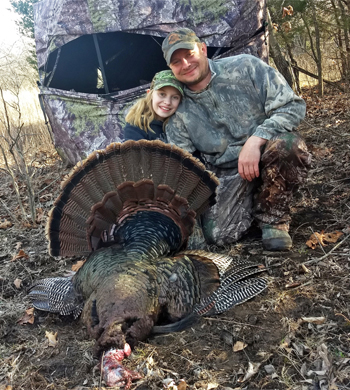
PRATT – It’s never too early to begin preparation for the spring turkey season, although you may be unpopular around the house if you start practicing your calling this soon. However, now is the perfect time to find a good place to hunt, and the Kansas Department of Wildlife, Parks and Tourism’s (KDWPT) Special Hunts Program can help.

There are 63 different spring turkey special hunts offered this year, including nine Mentor Hunts, 25 Open Hunts, 28 Youth Hunts and one Disability Hunt. Hunters must apply online by 9 a.m. on March 4, 2019 to be drawn for a hunt.

There’s no fee to apply, and the draw is open to residents and nonresidents. Apply here: https://ksoutdoors.com/Hunting/Special-Hunts-Information.

Special hunts are designed to provide high-quality hunting opportunities on Department lands, including state parks, wildlife areas, and refuges. The hunts also occur on Walk-in Hunting Access areas; national wildlife refuges; city and county properties; and other locations where access is limited. The hunts limit the number of participants on a given property to ensure high odds for success.

Open Hunts are open to all persons with no age or experience restrictions. Youth Hunts are open to youth 16 and younger, who must be accompanied by adult mentors 18 or older (adults may not hunt). Mentor Hunts are open to youth and/or inexperienced (novice) hunters who are each supervised by a licensed adult mentor. Both the novice and mentor may hunt. Some hunts allow for additional hunters to accompany a permit holder. Hunts are listed on the webpage by category and each includes a narrative with details, including location, dates and requirements.

Successful applicants will be notified by email after the computer drawing is completed. Special Hunt permits only provide access, so hunters must purchase all necessary licenses, permits and have Hunter Education certification, unless exempt.

Another opportunity spring turkey hunters should take advantage of is the online program, iWIHA. This allows limited access hunting without an application. Hunters simply check iWIHA the night before or morning of the hunt to see if a spot is available on a particular property. If it is, hunters can log in and hunt, knowing that only a certain number of hunters will be hunting the property on that day.

Learn more about iWIHA here: https://ksoutdoors.com/Hunting/Hunting-Programs/iWIHA-Limited-Access-Hunts.

The 2019 Spring Turkey Season opens April 1-16 for youth and hunters with disabilities; April 8-16 for archery only; and April 17-May 31 for the regular season. Permits and game tags are available over the counter for all turkey management units except Unit 4. A limited number of Unit 4 Spring Turkey Permits are available to residents only and applications must be made online by Feb. 8, 2019. Until April 1, hunters may purchase a Spring Turkey Combo permit, which includes a Spring Turkey Permit and Spring Turkey Game Tag at a discount compared to purchasing the permit and game tag separately.

For information on permits, regulations and other spring turkey hunting opportunities and to purchase a permit, visit ksoutdoors.com and click “Hunting,” then “Turkey Information.”

Industrial hemp research program applications now available

Industrial hemp crop

KDA

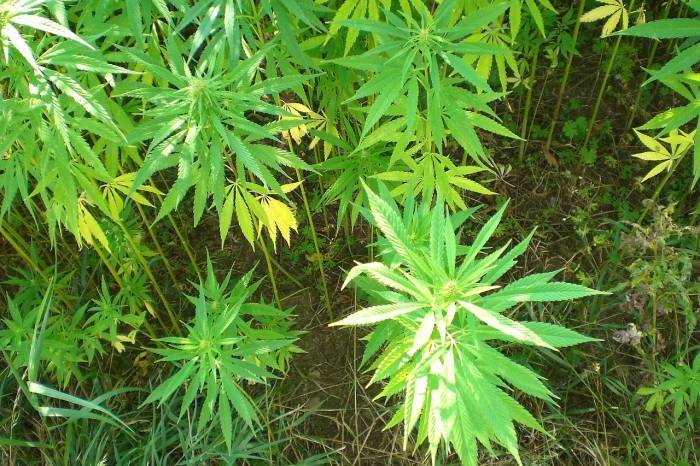
MANHATTAN — Applications to obtain a license to participate in the new Kansas Industrial Hemp Research Program are now available on the Kansas Department of Agriculture website. Applications are now posted as the regulations for the program became effective Fri., Feb. 8.

The Kansas Legislature passed K.S.A. 2-3901 et seq. in April 2018, enacting the Alternative Crop Research Act and charging KDA with implementing the new Industrial Hemp Research Program. The program allows for the licensing of growers, distributors and processors of industrial hemp as part of a research program. To be considered for a research license for the 2019 growing season, applicants must submit a research license application, including a research proposal, along with all required attachments, applicable fees, and fingerprint cards and waiver forms to submit to a state and national criminal history check.

All application materials must be submitted in complete form to KDA by Friday, March 1, 2019, to be considered for a license. The applications will be reviewed and background check information will be submitted to the Kansas Bureau of Investigation, and applications that meet all requirements will be approved for licensure. Upon conditional approval, applicants will be required to pay the license fee and then will be issued a license.

KDA is committed to serving Kansas farmers, ranchers and agribusinesses and providing an environment that enhances and encourages economic growth of the agriculture industry and the Kansas economy. The opportunity to grow a new crop in Kansas offers potential for diversification for Kansas farmers looking for an alternative crop, or for new farming enterprises interested in cultivating industrial hemp.

The application forms and additional instruction — along with much more information about the new Industrial Hemp Research Program in Kansas — can be found at the KDA industrial hemp website: agriculture.ks.gov/IndustrialHemp.

Please address questions about the applications or the Industrial Hemp Research Program to [email protected] or call KDA at 785-564-6700.

Help wildlife, check the Chickadee Box on your KS income tax form

KDWPT

PRATT – Revenue from the sale of hunting and fishing licenses fund management practices that benefit all Kansas wildlife; however, additional funding aimed specifically at nongame species is needed. Chickadee Checkoff is a funding mechanism of the Kansas Nongame Wildlife Improvement Program, providing individuals with opportunities to support nongame species through tax-deductible donations. Money collected from these donations goes directly to a variety of nongame wildlife research, habitat enhancements/restorations, and educational projects.

If you value Kansas wildlife, consider making a contribution this tax season by marking the Chickadee Checkoff box on your state income tax form (line 36 on K40 form) and designate the amount you would like to donate. There is no minimum or incremental requirement. Donations can also be made directly to the Kansas Department of Wildlife, Parks and Tourism (KDWPT) by addressing the donation to Chickadee Checkoff, c/o KDWPT 512 SE 25th Ave, Pratt, KS 67124.

Private donations are crucial to managing these vital species since Chickadee Checkoff proceeds are matched by federal funds. Contributions have been steadily decreasing in recent years, making the need for Kansans to mark the Chickadee Checkoff box this year more critical.

Check the chickadee and take an active part in managing and conserving Kansas’ diverse wildlife for future generations.

For more information, visit www.ksoutdoors.com/Services/Wildlife-Diversity/Chickadee-Checkoff.

Moran, Roberts & Marshall introduce legislation honoring fallen Big Red One soldiers

OFFICE OF SEN. MORAN

WASHINGTON – U.S. Senators Jerry Moran (R-Kan.) and Pat Roberts (R-Kan.) today introduced legislation honoring those who have made the ultimate sacrifice while serving our nation in the Army’s First Infantry Division. This bill authorizes these fallen soldiers’ names to be added to the First Division Monument located on White House grounds in Washington, D.C. The First Infantry Division was established in 1917 and has been on continuous active duty for more than 100 years. U.S. Representative Roger Marshall (KS-01) today introduced companion legislation in the House of Representatives.

“For over 100 years, soldiers of the Big Red One have been tasked with the mission and carried the burden that comes with making certain our great nation remains free,” said Sen. Moran. “I am pleased to introduce this legislation with Sen. Roberts and Rep. Marshall that will formally recognize and honor all fallen Big Red One soldiers at the monument that memorializes their sacrifice. As President Calvin Coolidge stated during his speech at the memorial’s dedication ceremony in 1924, ‘We raise monuments to testify to the honor in which we hold men for the work they have done, and to be a constant reminder to ourselves and future generations of the lessons their actions have taught us.’ There is no group more worthy of being honored than those who have made the ultimate sacrifice in defense of our nation, and I am proud to represent Fort Riley and work with the Society of the First Division on this effort.”

“The Fighting First are the true guardians of America’s freedoms,” said Sen. Roberts. “We must honor and remember the brave men and women of the Big Red One who in placing duty first, have paid the ultimate sacrifice.”

“It is my great honor to introduce legislation with Sen. Moran and Sen. Roberts that will remember the more than 13,000 soldiers of the First Infantry Division that made the ultimate sacrifice while fighting for our country,” said Rep. Marshall. “Freedom isn’t free, and this legislation is a great reminder of that. I am both humbled and proud to recognize these service members on this historic monument at the White House.”

The First Division Monument was developed by the Society of the First Division to honor the heroic efforts of those who fought in World War I. Additions have since been made to commemorate soldiers from the First Infantry Division who lost their lives in World War II, the Vietnam War and Desert Storm. Future additions will honor members of the First Infantry Division killed in Operation Iraqi Freedom and New Dawn, Operation Enduring Freedom and future U.S. operations.

LaTurner, Moran & Roberts continue fight to recover U.S. savings bonds

OFFICE OF KS TREASURER

WASHINGTON, D.C. — Kansas State Treasurer Jake LaTurner and attorneys representing his office will appear before the U.S. Court of Federal Appeals in Washington, D.C., Thursday, February 7 to continue his fight to recover the proceeds of lost, abandoned, unclaimed, and/or stolen United States Savings Bonds for Kansas citizens.

“The men and women of the Greatest Generation purchased these bonds during a time when people put trust in their government’s pursuit of the greater good. Their sacrifices helped finance the war against Hitler, build the interstate highway system, and put a man on the moon,” said LaTurner. “Now it is time for that same government to honor its commitments and repay its debt to those who built it.”

The Court of Federal Claims, in a strongly worded opinion, ruled on August 8, 2017 that Kansas was entitled to the information from the United States Treasury on the bonds sold in Kansas. This information would give the State Treasurer’s Office the tools they need for researching the rightful owners of these bonds and connecting them with their unclaimed money. The United States Treasury has appealed that ruling. The ruling was a first of its kind with respect to U.S. savings bonds and a positive first step in the fight to return the bonds proceeds to Kansas and other states as well.

It is estimated that there are $26-billion in matured but unclaimed bonds nation-wide with more than $200-million belonging to Kansans. In many cases, bonds remain unclaimed because the rightful owners or heirs are unaware they exist. J. Brett Milbourn, lead attorney on the Kansas State Treasurer’s appeal of this case believes the best vehicle for returning this money exists at the state, rather than the federal level.

“State Treasurers around the country already have a number of resources at their disposal to reunite citizens with their missing or unclaimed property,” said Milbourn. “Although the U.S. Department of the Treasury has a responsibility to notify and pay these mature bonds, the government has no plan – nor any real incentive — for keeping the promises it made when these patriots loaned it the money.”
In addition to Kansas, South Dakota, Louisiana, Kentucky, Mississippi, Ohio, South Carolina, Indiana, Arkansas and Florida have cases pending in the Court of Federal Claims seeking the same relief. A total of 20 states have followed Kansas’ lead and passed laws to allow the Unclaimed Property Administrator of the state to seek recovery of lost, stolen, or abandoned bonds.

On September 7, 2018, 20 senators, including Senators Jerry Moran and Pat Roberts sent a bipartisan letter to Secretary Steven Mnuchin urging him to work with Kansas and other states to resolve their claims and help the states reunite original bond owners with their proceeds of unclaimed U.S. Savings Bonds.

Help available for paying winter heating bills

NWKAAA

The Kansas Department for Children and Families (DCF) is accepting applications for the federally funded Low-Income Energy Assistance Program (LIEAP).

LIEAP provides an annual benefit to help qualifying households pay winter heating bills. Persons with disabilities, older adults and families with children are the primary groups assisted. In 2018, more than 36,000 Kansas households received an average benefit of $498.

To qualify, applicants must be responsible for direct payment of their heating bills. Income eligibility requirements are set at 130 percent of the federal poverty level. The level of benefit varies according to household income, number of people living in the home, type of residence, type of residence, type of heating fuel and utility rates.

Applicants must demonstrate they have made payments on their heating bills two out of the past three months.

Applications will be accepted until March 29, 2019.

If you are needing assistance filling out or submitting an application, the Northwest Kansas Area Agency on Aging can help. Call the office at 1-800-432-7422 or 785-628-8204 for an appointment.

Proposed legislation would not increase hunting and fishing fees

KDWPT

PRATT – The Kansas Department of Wildlife, Parks and Tourism (KDWPT) has sponsored legislation proposing limits on select license and permit fees. Senate Bill 50, if passed, would not raise any hunting or fishing license or permit fees and no fee increases are under consideration.

Hunting and fishing license and permit fees are approved by the Kansas Wildlife, Parks and Tourism Commission only after a public hearing process, but the fees cannot exceed the upper limits set by statute. However, some of the current fees are at or near the statutory fee caps, most of which were set in 2001. Adjusting fee caps now would give the Commission the authority and flexibility to incrementally increase some fees in the future if, and when needed, but not without first holding a public hearing.

License and permit fee increases implemented in 2016 marked the first time resident deer and turkey permit fees had increased since 1986, and the first time hunting and fishing license fees had increased since 2002. Those fee increases were necessary due to inflation and the desire to maintain crucial wildlife and fisheries programs and services to hunters and anglers.

The Kansas Department of Wildlife, Parks and Tourism (KDWPT) receives no State General Fund support. In addition to hunting, fishing and furharvesting license and permit revenue, KDWPT funding comes from federal dollars returned to Kansas from the federal excise taxes hunters and anglers pay on equipment purchases.

KDWPT leverages license and permit revenues and federal dollars to benefit wildlife, fish, anglers and hunters. Popular programs such as Walk-In Hunting Access (WIHA), Fishing Impoundments and Stream Habitat (FISH), and the Community Fisheries Assistance Program (CFAP) are notable examples. Other programs funded with a combination of federal funds and license revenues include state wildlife areas, state fishing lakes, education and aquatic nuisance species monitoring.

SB 50 was introduced into the Senate on January 28 and was referred to the House Committee on Agriculture and Natural Resources. A hearing date has not been set.

KDWPT: Zebra mussel larvae absent from 110 Kansas lakes  

Adult zebra mussels with a quarter for size reference.

KDWPT

EMPORIA – The Kansas Department of Wildlife, Parks and Tourism (KDWPT) reports good news about preventing the spread of aquatic nuisance species. According to Chris Steffen, KDWPT aquatic nuisance species coordinator, no zebra mussel larvae were detected in a 2018 sampling of 110 uninfested lakes in Kansas. Lakes are sampled annually and include city, county, state and federal lakes.

Aquatic nuisance species (ANS) are animals and plants not native to Kansas that can threaten lake and river ecology, harm native or desirable species and interfere with our economy. They often hitchhike in or on boats, flotation devices, and other gear used in the water. Adult zebra mussels can attach to boats or other equipment and their free-floating, microscopic larvae (called veligers) may be present in water from an infested lake or stream. Densities as high as 1,000 veligers per gallon have been recorded in some Kansas waters.

“These results are encouraging, and I hope this success means that lake users in Kansas are more aware of how to prevent the movement of zebra mussels by cleaning, draining, and drying their boats and equipment before recreating at another lake,” said Steffen. “I am particularly excited because remembering to clean, drain and dry prevent the spread of not only zebra mussels, but also other harmful aquatic species that threaten our waters now and in the future. We urge everyone who uses our lakes and rivers to keep up the good work.”

A zebra mussel-encrusted vehicle found submerged in Milford Reservoir.

Zebra mussels are known to occur in 30 lakes in Kansas. They are just one of the non-native aquatic species that threaten our waters and native wildlife. After using any body of water, people must remember to follow regulations and precautions that will prevent their spread:

  • Clean, drain and dry boats and equipment between uses
  • Use wild-caught bait only in the lake or pool where it was caught
  • Do not move live fish from waters infested with zebra mussels or other aquatic nuisance species
  • Drain livewells and bilges and remove drain plugs from all vessels prior to transport from any Kansas water on a public highway.

For more information about aquatic nuisance species in Kansas, report a possible ANS, or see a list of ANS-designated waters, visit ProtectKSWaters.org.

ABOUT ZEBRA MUSSELS

Zebra mussels are dime-sized mollusks with striped, sharp-edged, two-part shells. They can produce huge populations in a short time and do not require a host fish to reproduce. A large female zebra mussel can produce 1 million eggs, and then fertilized eggs develop into microscopic veligers that are invisible to the naked eye. Veligers drift in the water for at least two weeks before they settle out as young mussels which quickly grow to adult size and reproduce within a few months.

After settling, zebra mussels develop byssal threads that attach their shells to submerged hard surfaces such as rocks, piers, and flooded timber. They also attach to pipes, water intake structures, boat hulls, propellers, and submerged parts of outboard motors. As populations increase, they can clog intake pipes and prevent water treatment and electrical generating plants from drawing water.

In 2012, two Kansas communities, Council Grove and Osage City, experienced temporary water shortages from zebra mussel infestations before water intake structures could be cleaned up. Removing large numbers of zebra mussels to ensure adequate water flow can be labor-intensive and costly.

Zebra mussels are native to the Black and Caspian seas of western Asia and eastern Europe and   were spread around the world in the ballast water of cargo ships. They were discovered in Lake St. Clair and the Detroit River in 1988 and quickly spread throughout the Great Lakes and other rivers including the Mississippi, Illinois, Ohio, Tennessee, Arkansas and Hudson.

They were first discovered in Kansas in 2003 at El Dorado Reservoir. Despite public education efforts to alert boaters about the dangers of zebra mussels and how to prevent spreading them, the species continues to show up in new lakes every year. Moving water in boats and bait buckets has been identified as a likely vector.

Angel Investor Tax Credit applications open for 2019

KDC

TOPEKA – Applications are now being accepted for companies seeking investment through the Kansas Angel Investor Tax Credit (KAITC) program for 2019.

The program offers Kansas income tax credits to qualified individuals who provide seed-capital financing for emerging Kansas businesses engaged in development, implementation and commercialization of innovative technologies, products and services.

The KAITC Program is administered by the Kansas Department of Commerce and designed to bring together accredited angel investors with qualified Kansas companies seeking seed and early stage investment. The purpose of the Kansas Angel Investor Tax Credit act is to facilitate:

  • The availability of equity investment in businesses in the early stages of commercial development.
  • Assist in the creation and expansion of Kansas businesses, which are job and wealth creating enterprises.

Applications for certification will be accepted only for Kansas businesses in the seed and early stage rounds of financing.

Companies must meet the following criteria to be certified as a Qualified Kansas Business:

  • The business has a reasonable chance of success and potential to create measurable employment within Kansas.
  • In the most recent tax year of the business, annual gross revenue was less than $5,000,000.
  • Businesses that are not bioscience businesses must have been in operation for less than five years; bioscience businesses must have been in operation for less than 10 years.
  • The business has an innovative and proprietary technology, product, or service.
  • The existing owners of the business have made a substantial financial and time commitment to the business.
  • The securities to be issued and purchased are qualified securities.
  • The company agrees to adequate reporting of business information to the Kansas Department of Commerce.
  • The ability of investors in the business to receive tax credits for cash investments in qualified securities of the business is beneficial, because funding otherwise available for the business is not available on commercially reasonable terms.
  • Each applicant must sign a Qualified Company Agreement with the Kansas Department of Commerce.

Certification of companies must meet mandates established by Kansas statute to allow accredited Angel Investors to receive the Kansas Angel Investor Tax Credit. This year, the application fee has been reduced from $750 to $500.

Applications for companies seeking investment are accepted from February 1st, 2019 through August 31st, 2019.

Click here for additional information.

Copyright Eagle Radio | FCC Public Files | EEO Public File