We have a brand new updated website! Click here to check it out!

KDHE looks back at accomplishments in 2018

KDHE

TOPEKA – The Kansas Department of Health and Environment (KDHE) is looking forward to 2019 and looking back at some of its accomplishments in 2018.

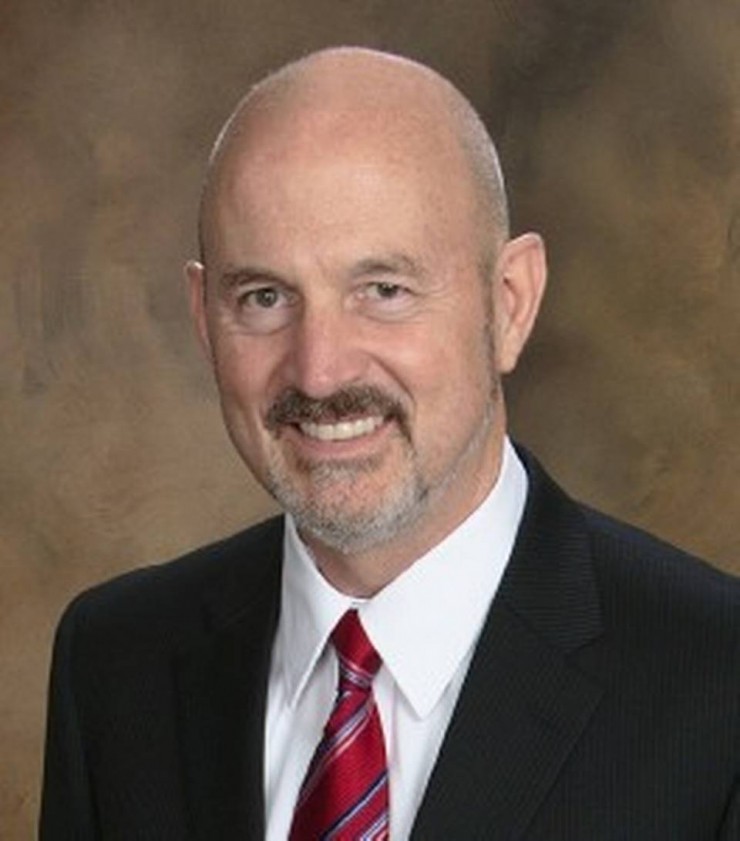
“We made great strides in a number of areas,” said Secretary Jeff Andersen. “KDHE’s Divisions of Public Health, Environment and Health Care Finance all had great achievements of which the citizens of Kansas can be proud. We look forward to continuing that work in the coming year.”

Some of the achievements at KDHE included:

Public Health

  • Launching the Maternal Mortality Review which includes a review committee focused on implementing comprehensive review of maternal and pregnancy-associated mortality.
  • Helping to organize and lead the Governor’s Substance Use Disorder Task Force chaired by KDHE Chief Medical Officer Dr. Greg Lakin, presenting a series of proposals to the Governor to combat the opioid epidemic in 2019 and beyond.
  • Introducing the “Count the Kicks” stillbirth prevention initiative with over 326 expectant Kansas mothers having downloaded and used the free CTK app.
  • The KDHE Office of Vital Statistics making birth certificates available online with the PayIt app and opening its new office in Topeka with increased space for customers and a new registration system on the way in early 2019.

Environment

  • Coordinating its Dry Cleaner Remediation Program, connecting 209 homes to city water in the Haysville area and coordinating with the City of Haysville to complete the design and installation of 8.7 miles of new city water main.
  • Initiating its Private Well Water campaign, including an instructional video for homeowners to properly take a water sample for nitrates and total coliform, a web page, a public service announcement, flyer and social media infographs.
  • Assisting in the aftermath of natural disasters including the tornadoes in Eureka and flooding in many counties across the state.
  • Monitoring our rivers, streams, lakes and ponds for harmful algal blooms.

Health Care Finance

  • Approval of the state’s 1115 waiver extension application granting the state of Kansas the authority to operate KanCare, the state’s managed care program.
  • Awarding a new MCO contract to Aetna and holding statewide KanCare education meetings to explain the changes that will occur in 2019.
  • Effective Jan. 1, 2019, handling training and quality at the KanCare Clearinghouse for Medicaid eligibility. Effective, July 1, 2019, the state will take over responsibilities for the processing of elderly and disabled applications.

“These are only a few of our accomplishments during 2018,” said Secretary Andersen. “In 2019 we look forward to building on these and all of the areas KDHE addresses to follow our mission to protect and improve the health and environment of all Kansans.”

SELZER: Department accomplishments highlight term

Ken Selzer, Kansas Insurance Commissioner

As we near the end of my elected term as Kansas Commissioner of Insurance, we made a list of the accomplishments of the Kansas Insurance Department during the past four years.  It turned out to be quite lengthy.

Our department staff is as talented and consumer-oriented group as I have ever known in the insurance industry. Their work under my stewardship for the past four years has been outstanding. Let me expound on some of their successes.

The Kansas Insurance Certificate – The need for quality, work-ready employees in the insurance industry in our state was the direct motivation for developing this public-private program involving institutions of higher learning throughout Kansas. We have set in motion a program that recognizes college graduate certificate holders for their insurance knowledge as they enter the work force. Learn more about the program at www.ksinsurancecertificate.org.

Don’t Text and Drive initiative – The need to emphasize driver safety through a no-texting-while-driving pledge contest had nearly 40,000 people throughout the state signing on to the program, all the while having fun by supporting their favorite state university. KID coordinated the pledge drive with the cooperation of the various universities, the Kansas Department of Transportation and insurance companies. This program undoubtedly reduced accidents and perhaps saved lives.

Financial Services Summit – Business leaders throughout the state met annually to discuss regulations and initiatives involved with financial services, especially insurance. Again, this is a public-private partnership program that attracted major players in the industry to collaborate on ideas and issues that would strengthen Kansas initiatives.   

Integration of Securities Office with KID – KID proposed, and the Kansas Legislature passed, legislation that placed the Office of the Kansas Securities Commissioner under the jurisdiction of the insurance department and strengthened the enforcement activities of both agencies. The move streamlined state government and provided economies of scale in both operating budgets, with more yet to come.

Increased Health Insurance Choices – With the continued concerns over the Affordable Care Act and its consequences, KID has been able to work with prospective health insurance companies to add new carriers to the federal government marketplace. Unlike many areas of the United States, Kansas has been able to offer choices in health care coverage during the past four years, providing competition in both pricing and services. The KID Health and Life Division personnel deserve a huge thanks for aggressively recruiting carriers to serve Kansas consumers, with more likely to join in the future.

Consumer refinements – Our Consumer Assistance Division added programs that help reinforce our department’s mission to educate and advocate for Kansans.  We were on the cutting edge of a Life Insurance Locator Service, which has now expanded into a national database through the National Association of Insurance Commissioners.  We also added a website chat feature on our home page, which is staffed Monday-Friday from 9 a.m. to 4 p.m. This allows consumers to get a quick response for insurance concerns. It also created efficiencies in serving them.

Captive Legislation – We successfully sponsored legislation that would increase the number of businesses who could originate their own captive insurance companies, thereby enhancing current Kansas businesses. Originally, the captive statute was only for the aircraft manufacturing business.

Consumer Safety and Less Regulation – The Department initiated a fingerprinting requirement for new agents, helping to ensure the safety of Kansas insurance consumers. We also have worked hard to reduce the regulatory burden for companies operating in the state, so they can offer consumers more competitive products.

Workers Compensation Cleanup – Through much hard work in our legal division, we were able to reduce the caseload of backlogged workers compensation filings, closing more than 2,000 cases, some dating back to 1985.  We were also able to oversee the reduction of workers compensation insurance rates for Kansas businesses for four consecutive years.

Improved Coordination with Other State Agencies – Our increased transparency and interest in working closely with other state agencies to better serve Kansans has benefited consumers across the state.

A Leaner, More Efficient Agency – Through retirements and attrition, we reduced the number of department employees by more than 20 while improving our efficiency and keeping our responsibility to Kansans at a peak level. We successfully consolidated several divisions, providing even better service and more efficiencies.

NerdWallet Award – The NerdWallet website recognized KID as one of the most responsive and consumer-friendly state insurance departments in the United States. Our employees deserve a big round of applause for earning this recognition!

There are many other accomplishments I could list that benefit Kansans, but those noted stand out. I have been privileged to have worked with such a conscientious, talented group of insurance professionals who will continue the department’s mission to “Regulate, Educate and Advocate.”

Ken Selzer, CPA, is the outgoing Kansas Commissioner of Insurance.


Kansas Supreme Court establishes policy for employee paid parental leave

KS SUPREME COURT

TOPEKA — The Kansas Supreme Court announced Friday it has established policy to give judicial branch employees six weeks of paid parental leave for the birth or adoption of a child.

“To effectively compete for employees, the judicial branch must offer benefits and pay comparable to what is currently available on the job market,” said Chief Justice Lawton Nuss. “This leave policy is an action we can take to remain competitive while we continue to seek funding that allows us to pay our employees at market rates.”

The new Supreme Court policy, which is defined in Administrative Order 299, allows judicial branch employees to receive up to six weeks of paid parental leave following the birth of the employee’s child or the placement of a child for adoption. The leave must be taken in the first 12 weeks immediately following the child’s birth or placement.

The judicial branch has about 1,600 employees who work as court administrators, court services officers, court reporters, clerks, and in other administrative and clerical positions.

According to a salary study conducted by the National Center for State Courts, Kansas judicial branch employees are paid below market rates, ranging from a few percentage points to as much as 18 percent below market.

The Supreme Court’s latest biannual budget request, submitted in September, asks for funding to bring employee compensation rates to market levels.

SELZER: Claims process goes smoother with preparation

Ken Selzer, Kansas Insurance Commissioner

With a little preparation, resolving a property claim with your insurance company does not have to be a frustrating, time-consuming process.

Being prepared with and keeping track of the information your insurance company needs to process the claim is critical. What you do before making the claim will help in reducing the time between the insurance incident and the resolution of your problem.

Here are some ideas to assist with the claims process:

  • Know your policy. Understand what your policy says. Because it is a contract between you and your insurance company, you need to know what’s covered, what’s not and what your deductibles are. Ask your agent to help you if you don’t understand the policy language.
  • File claims as soon as possible. Don’t let the bills or receipts pile up. Call your agent or your company’s claims hotline as soon as possible. Your policy might require that you make the notification within a certain time frame. That is one of several duties your policy might require of you.
  • Provide complete, correct information. Be certain to give your insurance company all the necessary information. If your information is incorrect or incomplete, your claim could be delayed. The company, by Kansas insurance laws, has, in most cases, 30 days to complete an investigation into your claim.
  • Keep copies of all communications. Whenever you communicate with your insurance company, be sure to document the communications. With phone calls, include the date, name and title of the person you spoke with and what was said. If you communicate with your company by email, retain the emails for future reference. This is also good for communication between you and your agent.
  • Ask questions. If there is a disagreement about the claim settlement, ask the company for the specific language in your policy that is in question. Find out if the disagreement is because you interpret the policy differently. If your claim is denied, make sure you have a letter from the company explaining the reason for the denial — including the specific policy language which caused the denial.
  • Don’t rush into a settlement. If the first offer your insurance company makes does not meet your expectations, talk with your local insurance agent or seek other professional advice.
  • Document auto/homeowners temporary repairs. Auto and homeowners policies might require you to make temporary repairs to protect your property from further damage. Document any damaged personal property for an adjuster to inspect. An easy way to do this is by photographing or videotaping the damage before making the repairs. Your policy should cover the cost of these temporary repairs, so keep all receipts.
  • Don’t make permanent repairs. A company might deny a claim if you make permanent repairs before the damage is inspected. If possible, determine what it will cost to repair your property before you meet with an adjuster. Provide the adjuster any records of improvements you made to the property, and ask him/her for an itemized explanation of the claim settlement offer.
  • Seek accident and health claims details. Ask your medical provider to give your insurance company details about your treatment, condition and prognosis. If you suspect your provider is overcharging, ask the insurance company to audit the bill, and verify whether the provider used the proper billing procedure.

Contact the Kansas Insurance Department (KID). If you continue to have a dispute with your insurance company about the terms of the claims settlement, contact the KID Consumer Assistance Hotline at 1-800-432-2484, or go to the website, www.ksinsurance.org, to use the Chat feature.

Ken Selzer is the Kansas Insurance Commissioner.

EPA recognizes electronics leaders for innovative efforts, recycling achievements

EPA

WASHINGTON, D.C. – The U.S. Environmental Protection Agency (EPA) announced the 2018 winners of the Sustainable Materials Management Electronics Challenge Awards. EPA recognized these leaders in the electronics industry for sustainably designing products and processes, while also diverting electronics from landfills.

“The participants in the Electronics Challenge saved roughly 276,000 tons of electronics from going to landfills and instead diverted it to certified recyclers,” said EPA Acting Administrator Andrew Wheeler. “The commitment of these companies to sustainable management of electronics proves that innovative business practices and environmental stewardship can go hand-in-hand.”

“We thank EPA for joining with the Consumer Technology Association (CTA)TM – owner and producer of the Consumer Electronics Show – to recognize the technology manufacturers and retailers making a real impact toward reducing our environmental footprint,” said CTA Vice President for Environmental Affairs and Industry Sustainability Walter Alcorn. “Each of this year’s winners exemplifies our industry’s commitment to increasing product sustainability and protecting the planet for future generations. Thanks to the leadership of these companies and others, the technology industry now uses less materials to produce tech devices than it did 20 years ago – even as the number and type of products available to consumers has significantly grown.”

Electronics Challenge participants kept nearly 276,000 tons of electronics from being sent to landfills by sending them to third-party certified recyclers. This is equivalent to saving the energy used by nearly 100,000 homes for one year. EPA will hold a ceremony at the Consumer Electronics Show in Las Vegas, Nevada in January to showcase the innovative work of the winners. The Agency’s 2018 Electronics Challenge Gold and Silver Tier Awards are going to the following organizations:

Gold Tier Awards
• Dell
• HP
• LG
• Samsung Electronics America
• Sony
• Sprint
• Staples
• TCL
• Xerox

Silver Tier Awards
• Best Buy
• VIZIO

EPA is also recognizing Dell, Xerox, and Best Buy as the Electronics Challenge Champion Award winners for innovating processes and products that use materials in an environmentally responsible way throughout their life cycles. These companies serve as examples in demonstrating environmental, social, and economic outcomes for their organizations and the public that go above and beyond the requirements of the Electronics Challenge.

• Dell is receiving the Product Award for their closed-loop gold recycling program. Through the creation of innovative partnerships, Dell overcame the challenge of sourcing gold for their products by reusing gold from their recycled electronics in new computer motherboards. They also increased consumer awareness of the value of used electronics through creative and impactful outreach.
• Xerox is receiving the Non-Product Award for their take-back and recycling program in partnership with Close the Loop, a recycler of toner cartridges. In 2017, the takeback program reused 725 tons of material, recycled 1,050 tons, and kept all these materials out of the landfill.
• Best Buy is receiving the Cutting- Edge Award for their Teen Tech Centers. In partnership with certified electronic recyclers, these centers increase Science Technology Engineering and Math (STEM) education by encouraging youth through the reuse of older electronics to explore technology through training in coding, digital music and film production photography, 3D design, and other STEM related disciplines.

Background
Electronics are a global economic driver, with supply chains that reach around the world and products that touch every part of our lives. Today’s electronics are made from valuable resources and highly engineered materials including precious metals. If not properly managed at the end of their useful lives, some of the materials in electronics may pose a risk to human health and the environment.

EPA’s Electronics Challenge encourages electronics manufacturers, brand owners and retailers to strive to send 100 percent of the used electronics they collect from the public, businesses and within their own organizations to third-party certified electronics refurbishers and recyclers. The Challenge’s goals are to:
• Address the entire life cycle of electronic products;
• Help ensure responsible recycling;
• Increase collection of electronic equipment for reuse and recycling;
• Promote data transparency; and
• Conserve valuable resources and energy.

More information for consumers to find a location to donate or recycle their electronics:
https://www.epa.gov/recycle/electronics-donation-and-recycling

More information on the Sustainable Materials Management Electronics Challenge and how to participate:
https://www.epa.gov/smm-electronics

KDHE Issues 2017 Natality Report

KDHE

TOPEKA – The Kansas Department of Health and Environment (KDHE) Bureau of Epidemiology and Public Health Informatics has published the 2017 Natality Report by Racial and Ethnic Population Groups on its website.

The purpose of this report is to present statistics for 2017 for Kansas resident live births by maternal population group based on race/Hispanic origin.

Birth outcome indicators include maternal age, education level, marital status, adequacy of prenatal care, primary pay source, WIC service utilization, gestational age and weight of infant at birth. These indicators are examined among population groups by normal birth outcomes and by a summary measure of poor birth outcomes. 

A poor birth outcome is defined as one or more of the following indicators: Low birth weight (less than 2500 grams), prematurity (less than 37 weeks gestation), congenital anomalies and abnormal conditions of the newborn.

Area state parks offer free ‘First Day’ hike

KDWPT

TOPEKA ­– On New Year’s Day, Kansas state park staff want to help you get some exercise and experience some of Kansas’ finest hiking trails. First Day Hike events will be held at 19 Kansas state parks, and all hikers get a free “Hike Local” long-sleeved t-shirt.

“It’s just an amazing way to get things started for a New Year,” said Linda Lanterman, Parks Division director for the Kansas Department of Wildlife, Parks and Tourism. “It’s great for people to get out into nature on the first day of the year. We’ve found people who go on these First Day Hikes are very likely to come back and do more hiking throughout the year. For many, that First Day Hike has been the first time they’ve hiked in a state park. It’s a fantastic introduction.”

Kansas’ 28 state parks offer access to more than 1,000 miles of Kansas hiking, cycling and horseback trails – ranging from short, paved paths to the 117-mile Flint Hills Trail.

First Day Hike outings are generally a mile or two of family-friendly terrain. Park staff lead the treks to help educate hikers along the way. Many hikes will be along the shores of large lakes, pass through tall, rugged woodlands and across native prairie. Odds of seeing bald eagles and other wildlife are high, so bring your binoculars.

First Day Hikes began in Massachusetts about 25 years ago. All states, including Kansas, came on board in 2012. Many are held in Canada, too. At many First Day Hike events, participants are invited to the park office for refreshments and snacks at the end of the hike, but hikers are encouraged to bring their own water and snacks to enjoy during the outing. Leashed pets are also welcome. Children must have adult supervision.

The guided hikes are free but participants need a vehicle permit to drive into the park. Daily passes are $5 and sold at self-serve stations in the park. Some park offices will be open to sell daily passes or $25 annual passes. Parkgoers can also purchase a 12-month Kansas State Parks Passport (annual pass) when registering a vehicle.

Consider attending a First Day Hike near you. More information, including news if hikes are cancelled due to weather, may be found on select state park Facebook pages.

  • Cheney State Park – Meet at the park office at 2 p.m. for the three-quarter-mile West Side Nature Trail hike; easy to moderate terrain. All ages welcome.
  • Clinton State Park – Meet at the park office at 1 p.m. to hike on the North Shore Trail. The two-mile route is moderate terrain ideal for hikers age five and older.
  • Crawford State Park – Meet at the beach shelter house at 10 a.m. to hike the two-mile Spider Leg Bridge Trail, which includes moderate terrain suited for all ages.
  • Cross Timbers State Park – Meet at the Chautauqua Hills Trail trailhead at 2 p.m. to hike 1.5 miles over moderate terrain. Hikers of all ages are welcome.
  • El Dorado State Park – Meet at the Walnut River Cabins at 1 p.m. for a two-mile Walnut River Trail hike. The easy to moderate terrain is perfect for hikers of all ages.
  • Elk City State Park – Meet at 8 a.m. at the Green Thumb Trail trailhead for a 3-mile hike over moderate terrain open to hikers of all ages.
  • Fall River State Park – Meet at the Quarry Bay maintenance shop at 2 p.m. to hike the three-quarter-mile Post Oak Trail. The moderate terrain is ideal for all ages of hikers.
  • Flint Hills State Park – Meet at the old depot in Ottawa at 2 p.m. to hike 2 miles of easy terrain perfect for all ages.
  • Glen Elder State Park – Meet at the historic church at 9 a.m. to hike the 4-mile Waconda Trail. Hikers of all ages will enjoy this easy trail.
  • Hillsdale State Park – Meet at the park office at 10:30 a.m. to hike on the Hidden Springs Nature Trail. The 1.5 miles of easy terrain is recommended for hikers age six and up.
  • Kanopolis State Park – Meet at the park office at 10 a.m. to hike the Split Boulder Trail. The 1.6-mile trail can be negotiated by all ages of hikers.
  • Meade State Park – Meet at the park office at 2 p.m. for the Eagle Trail hike. All ages are welcome for the 1.25-mile trail of easy terrain.
  • Milford State Park – Meet at the group shelter parking at 1 p.m. to hike on the Eagle Ridge Trail. The 2.75-mile trail includes easy to moderate terrain and is open to hikers of all ages.
  • Perry State Park – Meet at the Lake View parking lot at10 a.m. to hike the 2.5-mile Nature Trail. The easy to moderate terrain is recommended for hikers age eight and older.
  • Pomona State Park – Meet at the park office at 2 p.m. for a 1.5-mile hike around several campgrounds. All ages of hikers are welcome to enjoy the easy to moderate terrain.
  • Prairie Dog (Norton) State Park – Meet at the Nature Trail parking lot at 9 a.m. for a 1.25-mile hike over easy terrain open to all ages.
  • Sand Hills State Park – Meet at the park office/cabin at 10 a.m. to hike the 1-mile Dune and Prairie trails, which include easy to moderate terrain.
  • Tuttle Creek State Park – Meet at the park office at 10:30 a.m. to hike the Western Heritage Trail. This hike is open to hikers of all ages and includes easy terrain over 1 to 1.5 miles.
  • Wilson State Park – Meet at the Cedar Trail parking lot at 1 p.m. to hike over easy terrain.  

Gov.-elect Kelly announces additional staff

Kansas Gov.-elect Laura Kelly

OFFICE OF GOV.-ELECT

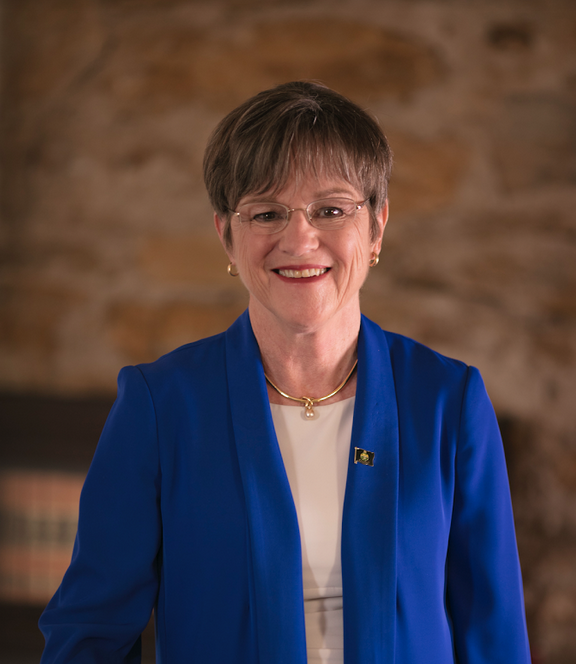
TOPEKA – Governor-elect Laura Kelly has announced that Ashley All will serve as Director of Communications and Strategy beginning in January, Michelle Needham has been hired as the Director of Operations and Scheduling, and Shelbie Konkel will serve as Chief of Staff to Lieutenant Governor-elect Lynn Rogers.

Ashley All will be the governor’s Director of Communications and Strategy. She will oversee all external communications, including the Office of Constituent Services, as well as short and long-term strategic planning. Previously, All served as Director of Communications for the Laura Kelly for Kansas campaign, coordinating statewide strategy and messaging for all external campaign communication. All previously served as Director of Communications for the Kansas Office of Attorney General and also worked with the non-profit coalition Open Kansas to expand government transparency in 2016.

“Ashley has over ten years of professional experience working on behalf of state agencies, nonprofits and elected officials. She has been by my side for the last year, and she will be an integral part of my team moving forward,” said Kelly.

Michelle Needham will serve as the Director of Operations and Scheduling for Governor-elect Laura Kelly. She will oversee all scheduling and internal office operations. Previously, she was campaign scheduler for Kansas Secretary of State candidate Brian McClendon. Needham graduated from the University of Kansas with a Bachelor’s Degree in Social Welfare. She went on to work in various family and behavioral welfare positions focused on improving the lives of families and adults with disabilities.

“Michelle has a broad range of skills that will be an asset to our office,” said Kelly. “I’m pleased to have her on board and I know she will work well with the many constituents contacting our office on a daily basis.”

Shelbie Konkel will serve as the Chief of Staff for Lieutenant Governor-elect Lynn Rogers. She will coordinate his schedule, appearances and his work on the Rural Prosperity Plan. Konkel has four years of experience working with legislative leaders and statewide campaigns. Previously, Konkel was finance director for Paul Davis’s congressional campaign and earlier served as Legislative Director for the Senate Minority Leaders Office and the Communication Coordinator for the House Minority Leader’s Office. She graduated from Washburn University where she served as President of the Washburn Student Government Association.

“Shelbie will be an excellent addition to our team as we focus on implementing our Rural Prosperity Plan in the coming years,” said Lt. Governor-elect Lynn Rogers. “We are building a strong, motivated group of leaders to help stabilize our state and grow our unique communities.”

“We’re pleased to welcome Michelle and Shelbie to the team,” said Kelly. “I’m glad to have strong, talented women helping Lynn and me rebuild Kansas.”

Plan released to reduce childhood lead exposure

EPA

LENEXA — U.S. Environmental Protection Agency (EPA) Acting Administrator Andrew Wheeler, U.S. Housing and Urban Development (HUD) Secretary Ben Carson, and U.S. Health and Human Services (HHS) Deputy Secretary Eric Hargan recently unveiled the Trump Administration’s Federal Lead Action Plan to Reduce Childhood Lead Exposures and Associated Health Impacts (Lead Action Plan).

“The Federal Lead Action Plan will enhance the Trump Administration’s efforts to identify and reduce lead contamination while ensuring children impacted by lead exposure are getting the support and care they need,” said EPA Acting Administrator Andrew Wheeler. “EPA will develop an implementation plan by March 2019 that will enable us to track our progress and update the public as we work to carry out the action plan and mitigate childhood lead exposure.”

“The Trump administration’s new Lead Action Plan reflects our strong commitment to preventing future generations from being affected by lead exposure,” said HHS Secretary Alex Azar. “We know that lead exposure at a young age can result in serious effects on IQ, attention span, and academic achievement. We need to continue taking action to prevent these harmful effects. Identifying lead-exposed children, connecting them with appropriate services, and preventing other children from being exposed to lead are important public health priorities for this administration.”

“HUD is delighted to join the other members of the Task Force in issuing this cohesive Federal Lead Action Plan,” said HUD Secretary Ben Carson. “Implementing this plan will help federal agencies, along with our state and local partners, advance efforts to remediate home health hazards and keep children safe from lead poisoning.”

Administrator Wheeler, Secretary Carson, and Deputy Secretary Hargan released the Lead Action Plan in front of a crowd of over 30 dedicated career employees from EPA, HHS, and HUD who helped develop the plan.

“Knowing that no blood lead level is safe for our children, EPA is committed to continuing a collaborative approach with our federal, state and local partners to address this threat in our communities and protect children’s health,” said EPA Region 7 Administrator Jim Gulliford. “The Federal Lead Action Plan establishes a clear path for federal agencies to work together to protect children’s health from the dangers of lead.”

“The Region 7 team and its federal and local partners are already hard at work in reducing childhood lead exposure in our four-state region through environmental remediation and public education,” he said.

In Region 7, which comprises Missouri, Kansas, Iowa and Nebraska, EPA is working to reduce childhood lead exposure through several initiatives including reducing lead air emissions; remediating yards near lead-contaminated sites due to historic lead smelting and mining operations; cleaning up leaded glass sites; and conducting a public education campaign about the hazards of lead paint dust in St. Joseph, Missouri.

Developed through cross-governmental collaboration of the President’s Task Force on Environmental Health Risks and Safety Risks to Children (Task Force), which includes 17 federal departments and offices, the Lead Action Plan is a blueprint for reducing lead exposure and associated harms by working with a range of stakeholders, including states, tribes and local communities, along with businesses, property owners and parents.

The four goals of the Lead Action Plan are:
• Goal 1: Reduce Children’s Exposure to Lead Sources
• Goal 2: Identify Lead-Exposed Children and Improve their Health Outcomes
• Goal 3: Communicate More Effectively with Stakeholders
• Goal 4: Support and Conduct Critical Research to Inform Efforts to Reduce Lead Exposures and Related Health Risks

EPA is committed to developing an implementation plan – by March 2019 – that includes performance metrics for monitoring progress and demonstrating accountability for EPA activities identified in the Lead Action Plan. The agency also commits to providing periodic updates on the progress of these actions.
The Lead Action Plan will help federal agencies work strategically and collaboratively to reduce exposure to lead and improve children’s health. EPA and members of the Task Force will continue to engage with and reach out to community stakeholders such as non-governmental organizations.

Click here to read the full report.

Background
The President’s Task Force on Environmental Health Risks and Safety Risks to Children, which was established in 1997 by Executive Order 13045, is the focal point for federal collaboration to promote and protect children’s environmental health. The Task Force is currently co-chaired by Acting EPA Administrator Andrew Wheeler and HHS Secretary Alex Azar.

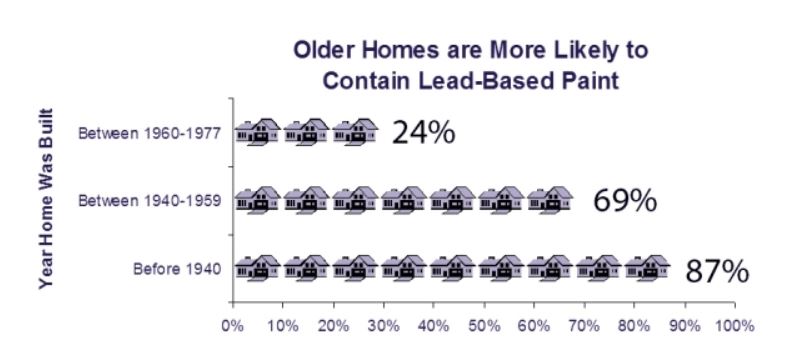
Since the 1970s, the United States has made tremendous progress in lowering children’s blood lead levels. Lead exposure, particularly at higher doses, continues to pose a significant health and safety threat to children, preventing them from reaching the fullest potential of their health, their intellect, and their future. No safe blood lead level in children has been identified.

Tackling the problem at this stage requires a coordinated federal-wide effort that evaluates the predominant sources of lead and improves identification and treatment of children identified as lead exposed. It requires a more robust and coordinated communication with parents and others regarding the risks and methods to reduce exposure and a collaborative multi-agency research plan – as outlined by the Lead Action Plan.

Driver’s license offices offer extended holiday hours

KDOR

TOPEKA—Driver’s license offices statewide will offer extended hours the week of Christmas and New Years for added customer convenience, the Division of Vehicles announced.

The hours for the two week holiday schedule beginning December 24 are:

December 24 — CLOSED Monday
December 25 — CLOSED Tuesday
December 26 — 7 a.m. to 6 p.m. Wednesday
December 27 — 7 a.m. to 6 p.m. Thursday
December 28 – 7 a.m. to 6 p.m. Friday

December 31 — 7 a.m. to 6 p.m. Monday
January 1 — CLOSED Tuesday
January 2 — 7 a.m. to 6 p.m. Wednesday
January 3 – 7 a.m. to 6 p.m. Thursday
January 4 — 7 a.m. to 6 p.m. Friday

Many customers can skip the office entirely and renew their license using the iKan app, available for iOS, Android, and at https://ikan.ks.gov/.

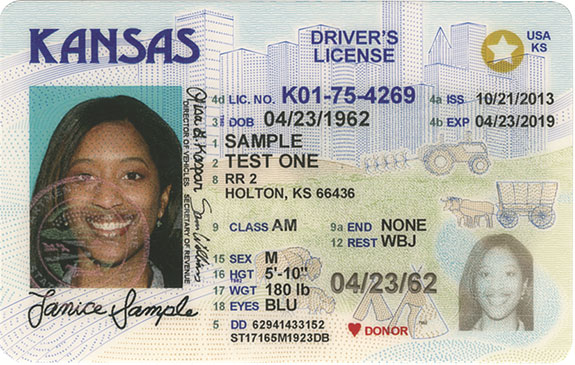
Customer seeking Real ID should come in to the office with the required documents that can be found on a checklist at ksrevenue.org/realid.

Normal business hours will resume on Monday, January 7, which for most offices statewide is 8 a.m. to 4:45 p.m. Monday through Friday. To find hours for specific locations, visit https://www.ksrevenue.org/dovstations.html

Kansas auto insurance rates among lowest in U.S.

KID

TOPEKA — A national report says that Kansas auto insurance premiums are among the 14 lowest in the United States.

Information from the National Association of Insurance Commissioners (NAIC) shows Kansans spent an average of $713.50 per vehicle for insurance in 2016, the last available reporting period. That number is 13th-lowest among the states, according to the NAIC.

The ranking assumes all insured vehicles carry liability coverage but not necessarily collision or comprehensive coverage. Consumers in Kansas aren’t required to carry collision and comprehensive, but coverage may be required by a lending institutions that carries the vehicle’s loan agreement.

The average cost of a policy in Kansas that contains all three types of coverage is $882.88, according to the latest NAIC figures, which ranks the state as 14th-least expensive in the nation in that category.

“The rankings show that Kansas has a healthy, competitive climate for vehicle insurance buyers, despite all the weather claims that we have seen over the past years,” said Ken Selzer, CPA, Kansas Commissioner of Insurance. “With more than 700 companies licensed to sell auto insurance statewide, the competitive rates are certainly good news for Kansas consumers.”

Factors that affect state-to-state differences in average expenditures and premiums include underwriting and loss adjustment expense; types of coverages purchased; driving locations; accident rates; traffic density; vehicle theft rates; auto repair costs; population density; medical and legal costs; per capita disposable income; liability insurance requirements; and auto laws, such as those concerning seat belts and speed limits.

Kansas teen hurt when avoiding animal in roadway

HAYS POST

A Kansas man was injured Christmas Day when he tried to avoid hitting an animal on the road.

The Kansas Highway Patrol reports Joseph A. Huiett, 18, Minneapolis, was driving northbound on Interstate 135 in Saline County 1.6 miles south of Interstate 70 at 7 p.m. Dec. 25.

An unknown animal ran out in front of the 2004 Dodge Durango. The vehicle veered off onto the right shoulder, striking the guard rail. The SUV veered back across the driving lane and came to a stop on the left inside shoulder of the roadway.

Huiett was transported to Salina Regional Medical Center.

Southwest Kan. man killed in 3-vehicle crash Sat.

HAYS POST

A southwest Kansas man was killed in a three vehicle traffic accident Sat., Dec. 22, in Kingman County.

The Kansas Highway Patrol reports a 2018 Kia, a 2007 Toyota Corolla, and a 2015 Ford F150 pickup were involved in a crash three miles west of Kingman on U.S. Highway 54 shortly after 2:36 p.m.

One of four people in the Toyota, Magaly Garcia-Jimenez, 63, Dodge City, died at the scene. He was not wearing a seat belt.

The other three people, also Dodge City residents, were transported with injuries ranging from minor to serious to the Kingman County Hospital in Kingman. Those transported were Juan Hondal-Massip, 66; Elizabeth Caraballo, 60; and Maikel Hernandez-Morea, 30.

The Kia driver, Grant Holmes, 28, Lawrence, was also taken to the hospital with minor injuries.

The four occupants in the pickup, driver Michael Worsley, 36, Kansas City, Missouri;  Alexis Worsley, 13, Kansas City, Kan.; Jakenzee Worsley, 11, Kansas City, Kan.; and Raymond Munoz, 52, Syracuse, were not transported to the hospital, although Munoz and Jakenzee Worsley had suspected minor injuries.

The crash remains under investigation by the Highway Patrol.

Copyright Eagle Radio | FCC Public Files | EEO Public File