We have a brand new updated website! Click here to check it out!

2018 Upland Bird Hunting Forecast available online

KDWPT

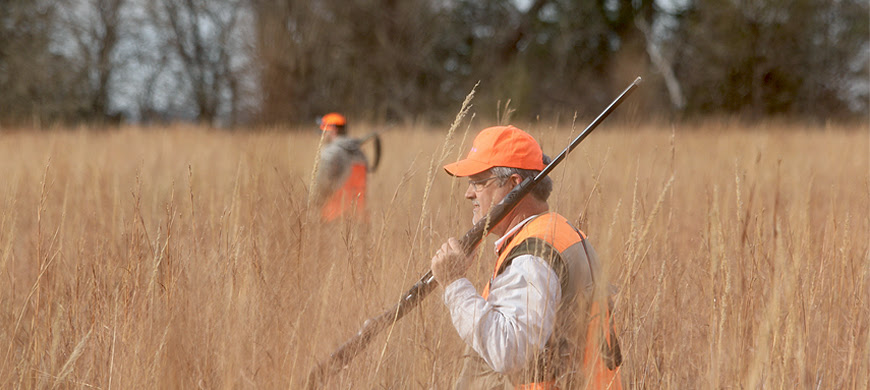
PRATT – In just a matter of days, ink will be drying on freshly-printed copies of Kansas’ 2018 Upland Bird Hunting Forecast, but if you can’t wait any longer, there’s an electronic version to tide you over. Bird hunters can download a PDF version of this year’s forecast at ksoutdoors.com.

How To Download the “2018 Upland Bird Forecast”

1. Visit ksoutdoors.com

2. Click “Hunting

3. Click “Upland Birds” (found under “What To Hunt”)

4. Click “Upland Bird Forecast

The annual forecast summarizes data from spring and summer surveys and predicts what pheasant, quail and prairie chicken hunters may experience across Kansas this fall. The verdict? Kansas should have “good” upland bird hunting opportunities this fall.

Biologists create the forecast using surveys of breeding populations and reproductive success of pheasants, quail, and prairie chickens. Breeding population data are gathered with spring whistle count surveys for quail, crow count surveys for pheasants and lek count surveys for greater prairie chickens.

PHEASANT

Kansas reported the second highest pheasant harvest among states in 2017, and Kansas will still have one of the best pheasant populations in the country this fall. Pheasant hunting in Kansas should be “fair to locally good” this year.

Pheasant densities had been slowly recovering from 2013 to 2016 with a few areas reaching relatively high densities. A late 2017 spring blizzard in western Kansas reduced nesting success and resulted in a decline in the 2018 pheasant crow survey. Winter precipitation was limited this year, resulting in short wheat and concern for nesting prospects. Heavy spring and summer showers greatly improved vegetative cover for nesting, but also limited nest success. Conditions shifted peak pheasant hatch later into June and July. While wheat harvest was delayed, which typically benefits pheasant production, the short wheat limited its usefulness for nesting. Roadside counts indicate a below-average pheasant population this year. The combination of heavy cover and a later peak hatch may have reduced the number of detectable birds on the counts, but generally survey conditions were ideal.

The best areas will likely be in the northern half of the Kansas pheasant range with areas of high densities also found in central and far southwestern regions.

QUAIL

Last fall’s Kansas bobwhite quail harvest was the highest recorded in the country, finishing just above Texas, and while hunting isn’t expected to be quite as good in 2018, Kansas will still have one of the best quail populations in the country.

Precipitation patterns observed over the past five years altered vegetation, increasing both the quality and quantity of habitat, allowing for a modern quail boom. While total harvest has remained well below average due to lower hunter participation, the average daily bag has remained at the best levels observed in 20 years. The bobwhite whistle survey in 2018 showed only a slight decline compared to the 2017’s highest values ever recorded from this survey, which began in 1997. Dry weather in the east and wet weather in the west provided optimism for high production and another banner year. Early reports indicated lots of birds along roadsides and throughout wheat fields during harvest. However, observations on the statewide roadside survey were significantly down this year, with only the Osage Cuestas showing improvement. Densities in the eastern-most regions are not as high, but all regional indices remain near or above their respective long-term averages.

The best opportunities will again be found in the central regions, extending east into the northern Flint Hills.

PRAIRIE CHICKEN

Kansas is home to greater and lesser prairie chickens. Greater prairie chickens are found primarily in the tallgrass and mixed-grass prairies that occur in the eastern third and northern half of the state. The Southwest Prairie Chicken Unit, where lesser prairie chickens are found, will remain closed to hunting this year.

Greater prairie chicken hunting opportunities will be best in the Northern High Plains and Smoky Hills Regions this fall, where populations have been increasing or stable.

All prairie chicken hunters are required to purchase a $2.50 Prairie Chicken Permit in addition to their hunting license. This permit allows hunter activity and harvest to be measured and will improve management activities and inform policy decisions.

For more detailed information and regional breakdowns for all three species, consult the 2018 Upland Bird Hunting Forecast at www.ksoutdoors.com or pick one up at any Kansas Department of Wildlife, Parks and Tourism Office. The full forecast will also be featured in the 2018 November/December issue of Kansas Wildlife & Parks Magazine, available for purchase by calling (620) 672-5911.


MORAN: The DRIVE-Safe Act and Myth vs. Fact

OFFICE OF SEN. MORAN

WASHINGTON– U.S. Senator Jerry Moran (R-Kan.), along with U.S. Senators Todd Young (R-Ind.) and Jim Inhofe (R-Okla.), introduced the Developing Responsible Individuals for a Vibrant Economy (DRIVE-Safe) ActS. 3352, to address the driver shortage in the trucking and logistics industry, and enhance safety training and job opportunities for young truckers.

The apprenticeship program established by the DRIVE-Safe Act would require young drivers to complete at least 400 hours of on-duty time and 240 hours of driving time with an experienced driver in the cab with them. All trucks used for training in the program must be equipped with safety technology including active braking collision mitigation systems, a video event capture system and a speed governor set at 65 miles per hour or below. 

Due to some expressed concern regarding the safety and intent of the DRIVE-Safe Act, below is a fact sheet to highlight the rigorous training all new drivers under this bill would need to complete prior to licensing: 

MYTH #1: It obviously is going to reduce safety.” This bill will make the roads less safe because there is not adequate training for 18-year-old drivers. 

FACT:

  • It is already legal in all 48 contiguous states for 18-year-olds to drive trucks intrastate; this bill would simply allow these drivers to cross state lines with the commodities they are already transporting intrastate upon the completion of the rigorous training program.
  • It is currently legal for an 18-year-old Kansas City, Kan.-based truck driver to deliver goods 400 miles away to Goodland, Kan., and yet they are forbidden from crossing the Missouri River to make a delivery 10 miles away.
  • Further, those participating in this program would be required to complete a minimum of 400 hours of training and meet 10 performance benchmarks before being allowed to operate trucks interstate. 

MYTH #2: “Younger drivers both lack overall experience and are less safe behind the wheel than their older counterparts. 

FACT:

MYTH #3: No small-business truckers are going to be able to take advantage of that [lowered age requirements] simply because small carriers will not be able to get younger drivers insured.”

FACT:

  • Insurers have expressed a willingness to work with carriers to get younger drivers insured, so long as carriers comply with the requirements of this bill and demonstrate meaningful investments in safety. 

MYTH #4: We’ve been hearing the talk of shortage for 25 years, and when you sort through the smoke and mirrors . . . what they call a shortage is actually a retention problem… 

FACT:

  • The industry’s average workforce age, 49, is seven years older than the average American worker. The industry will need to hire 890,000 new workers over the next decade to keep up with demand, and according to the Federal Reserve’s July 2018 report of economic conditions across the country, half of all 12 Federal Reserve Districts reported trucking capacity and truck-driver shortages as an issue, despite this job being one of the most in-demand and with the biggest pay hikes of 2018. 

MYTH #5: This bill will only benefit large companies who want to “pay a starter wage and help the company make more money.” 

FACT:

  • All carriers, large and small, will benefit from a stronger labor market. Additionally, this will create good-paying job opportunities for high school graduates that were previously unavailable to them.

[1] U.S. Department of Transportation, National Highway Traffic Safety Administration, Traffic Safety Facts Annual Report TablesTable 62 Driver Involvement Rates per 100,000 Licensed Drivers by Age, Sex, and Crash Severityhttps://cdan.nhtsa.gov/tsftables/tsfar.htm.

EPA: Updated RFS website improves transparency

EPA

WASHINGTON  — The U.S. Environmental Protection Agency (EPA) updated the Renewable Fuel Standard (RFS) program website Sept. 20 to increase transparency surrounding the program. The updated website includes new data and information for both stakeholders and the public.

“For the first time, EPA is providing new information to the public on small refinery exemptions and RIN trading,” said EPA Acting Administrator Andrew Wheeler. “Increasing transparency will improve implementation of the RFS and provide stakeholders and the regulated community the certainty and clarity they need to make important business and compliance decisions.”

“In our corn-growing community, the RFS program is one of the top issues people are talking about. We hear concerns about lack of transparency around the issuance of small refinery waivers and we are hopeful these changes will put everyone on a level playing field to receive the information at the same time,” said U.S. Department of Agriculture Secretary Sonny Perdue. “Farmers stay on top of every bit of news that comes out about the RFS and their industry, so providing them with more information is a priority. Adding timely updates to EPA’s website will be important to USDA’s customers, the people of American agriculture. We have had a great working relationship with Acting EPA Administrator Wheeler and we are pleased to continue it with this progress on RFS information.”

The data will provide important information for renewable fuel producers, fuel refiners, importers, and marketers that can be used as they make business and compliance decisions. In posting the data, EPA will ensure the protection of confidential business information.

New information includes:

The number of small refinery exemption petitions received, approved, and denied for each compliance year;
The weekly average price of Renewable Identification Numbers (RINs) traded; and
The weekly volume of RINs traded.
The Agency has been working to upgrade online systems to provide easy access to the most up-to-date information. These technical upgrades to the website serve to improve transparency in the Agency’s implementation of the statute.

Moving forward, EPA intends to coordinate small refinery hardship decisions with website updates such that the recipients of waivers and the broader market receive the same information at the same time. The Agency will also update information on RIN prices and trading volumes on a monthly basis.

The updated RFS website includes interactive and dynamic features that allow users to customize display of RIN information, feedstock type, and producer attributes.

The data are available here: https://www.epa.gov/fuels-registration-reporting-and-compliance-help/public-data-renewable-fuel-standard

Kansas receives Troops to Teachers grant

KNG

TOPEKA – Kansas is one of six new states to be awarded a grant by Troops to Teachers, a military transition program within the Defense Activity for Non-Traditional Education Support that assists U.S. service veterans looking to start a teaching career.

“This grant is another great resource to assist service members interested in becoming a teacher in Kansas,” said Steve Harmon, Education Services Office, Kansas National Guard. “We encourage qualified service members to explore this career opportunity.”

Alabama, Michigan and Ohio Were also awarded grants along with two consortia comprised of New Jersey and Delaware, and Missouri and Iowa. The 2018 grants received will provide services for a five-year term ending in May 2023.

With TTT state grants, local state education departments and agencies are able to assist military members, veterans and TTT participants with local counseling and guidance. These local offices become the frontline for certification and hiring information, resources, and technical assistance on meeting teacher requirements related to each individual state.

Registration for the program is free and requires no commitment. Members can register via the program website, www.proudtoserveagain.com. The website also offers a list of teaching opportunities available to participants and a calendar of events listing recruiting and other types of program events. Headquarters TTT program reps also can be reached by calling 1-800-231-6242 or by emailing [email protected].

SELZER: Know your life insurance basics

Ken Selzer, Kansas Insurance Commissioner

September is Life Insurance Awareness Month, and I urge Kansans to consider some important points about life insurance coverage.

Most of us know that life insurance is not about us, but about our families and loved ones. Having a life insurance policy can be of great significance for others over the course of a lifetime. I urge you to think about what a policy can do for your family, and how to protect it for them.

Answers to questions about life insurance are in the Kansas Insurance Department (KID) publication “Life Insurance and Annuity Basics,” which can be printed or ordered from the KID website, www.ksinsurance.org.  Some of the more common considerations are listed below.

  • Your beneficiary will receive the insurance benefits tax free, and life insurance benefits do not have to go through probate or other legal delays involved in the settlement of an estate. If you die without naming a beneficiary, the benefits will be paid into your estate and then paid out according to your will or through state laws. This delays the payment and could create a financial hardship for your beneficiary.
  • Keep your policy in a safe place.  However, do not use any place where the policy might not be readily available.  Record the basic information — such as company, policy type, policy number, insured’s and beneficiaries’ names — in a separate place.  Let your beneficiary know the kind of insurance policy you have, any changes you make, and where you keep the policy.
  • A change in beneficiary is possible after the policy is taken out, unless you have named an irrevocable beneficiary. An irrevocable beneficiary arrangement can only be changed with the beneficiary’s consent. Your insurance agent can arrange for a change in beneficiaries, or you can do it by writing directly to your life insurance company and asking for the appropriate form.
  • You can specify as many beneficiaries as you want to receive the benefits. You may also specify how the benefits are to be divided.  It is a good idea to name a second (contingent) beneficiary to receive the money in case your primary beneficiary dies before you do or at the same time as you.
  • Your beneficiary will need to notify the life insurance company of your death. Again, that is why it is important for your beneficiary to be able to locate your policy.  Companies require a certified death certificate or other legal proof of death, and they may ask for the policy. The life insurance company will pay the proceeds of the policy to your beneficiary after receiving proper notification of death.

Knowing your life insurance basics makes for peace of mind for you as well as your loved ones.

For those who have more questions about life insurance, the KID Consumer Assistance Hotline representatives can help.  Call 1-800-432-2484 or chat online with a representative at www.ksinsurance.org.

Ken Selzer is the Kansas Insurance Commissioner.

New anti-human trafficking program manager for Kansas announced

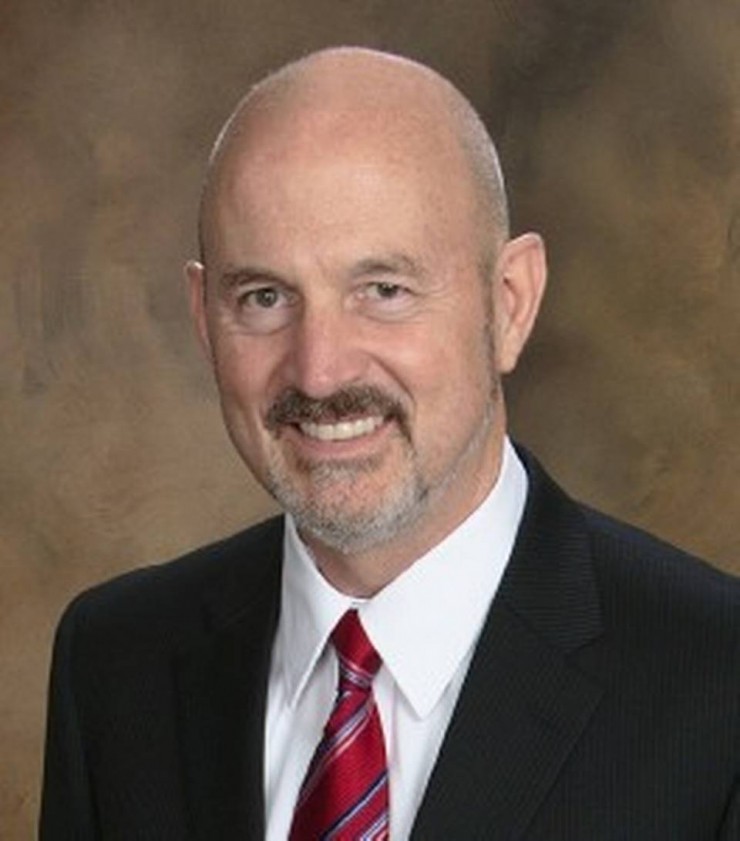
Kansas Human Trafficking Program Manager Kent Bauman

DCF

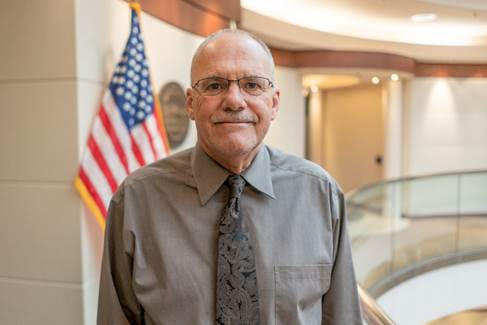
TOPEKA Kansas Department for Children and Families (DCF) Secretary Gina Meier-Hummel is pleased to announce Kent Bauman as the Human Trafficking Program Manager. This is a new position created to help coordinate Anti-Human Trafficking efforts across the state.

Prior to serving the agency, Bauman served at the Wichita Police Department, where he had been employed since 1987. Most recently, he was assigned to the Exploited and Missing Children Unit (EMCU). While at the EMCU, he regularly partnered with DCF to investigate cases of missing children, runaways, human trafficking and Commercial Sexual Exploitation of Children (CSEC). Since 2006, Bauman was involved in the investigation of more than 200 CSEC cases, and he was the first investigator to charge and convict a human trafficker in the state of Kansas.

“Kent has extensive knowledge about human trafficking and we are excited and grateful to have him at the agency,” said Secretary Meier-Hummel. “We purposefully created this position because we wanted to strengthen DCF’s approach to preventing human trafficking, and I believe Kent’s impressive background will serve him well as he leads DCF anti-human trafficking efforts across the state.”

In addition to serving as the Human Trafficking Program Manager, Bauman will also dually serve as the DCF Law Enforcement liaison, to help improve communication and collaboration between the agency and local law enforcement.

Bauman has a bachelor’s degree in Education from Southwest Baptist University.

“I look forward to working with law enforcement, local community partners and other state agencies to help improve DCF Anti-Human Trafficking efforts in Kansas,” said Bauman. “Trafficking survivors are some of our most vulnerable Kansans, and I am humbled to serve them in this new capacity at DCF. Secretary Meier-Hummel has made preventing human trafficking one of her top priorities, and I am excited to work alongside her in this effort.”

DCF partners with local law enforcement and other state agencies to address human trafficking in Kansas. DCF is statutorily required to conduct an initial assessment of children/youth whom law enforcement reasonably believes are victims of human trafficking to determine “safety, appropriate and timely placement and appropriate services to meet the immediate needs of the child.”

If you believe you are a victim of human trafficking or may have information about a possible trafficking situation:

  • Call 911 if there is risk of immediate harm
  • Contact the National Human Trafficking hotline: 1-888-373-7888 Or text “befree” at (233733)
  • If the possible human trafficking victim is a minor, also call the Kansas Protection Report Center (KPRC) at 1-800-922-5330.

KDWPT: Online WIHA atlas shows added acres

KDWPT

PRATT – Walk-in Hunting Access (WIHA) is one the Kansas Department of Wildlife, Parks and Tourism’s (KDWPT) most popular programs. Through WIHA, private land is leased from private landowners and opened to public hunting. In a state where less than 2 percent of the land is open to the public, hunting access is a valuable privilege. While KDWPT owns and manages about 300,000 acres for public hunting, adding substantially to that number through purchasing would be cost prohibitive.

Started in 1996, WIHA has succeeded beyond expectations. As in recent seasons, this year’s program has more than 1 million acres enrolled, but there are a couple of items to note for 2018-2019. First, hunters who have a printed 2018 Hunting Atlas should check out the online version, as well. While the printed version is great to have in-hand while afield, the online atlas is continually updated to reflect the addition or removal of tracts.

A late effort this year to increase enrollment added more than 24,000 acres after the atlas was printed. Those new areas are reflected in the online version, so hunters should compare printed maps with online maps of the areas they plan to hunt to review any potential changes. Hunters can do this by simply visiting www.ksoutdoors.com, clicking on “Where To Hunt” (on the “Hunting” drop-down menu), “Fall Hunting Atlas,” then “Post-print Changes.”

Also, new this year, the 2018 atlas includes both fall hunting tracts and spring hunting tracts, so hunters will want to hang on to the atlas they pick up this fall. A spring hunting atlas will not be printed.

LaTurner: Leading the way to financial freedom for people with disabilities

Jake LaTurner is the Kansas State Treasurer.

Only two years ago, a powerful new financial tool became available to persons living with a disability across the country. The Achieving a Better Life Experience (ABLE) savings account is a tax-advantaged savings account that qualified individuals may open. Funds saved in an ABLE account grow tax-deferred and are withdrawn tax-free if used for qualified disability expenses like education, housing, transportation, healthcare and wellness, job coaching, assistive technology and so on – offering a plethora of options for day to day expenses for an individual with a disability. Each year, you can contribute up to the gift tax limit, currently $15,000 annually, and if you’re a working-age individual with a disability, an additional (approximately) $12,000 a year, into your ABLE account. And now, thanks in large part to Kansas lawmakers and national and state disability advocates, if you’re someone living in the great state of Kansas with a disability, there is another tremendous benefit to owning an ABLE savings account – Kansas has become one of only two states to waived its discretion to force your family to pay back Medicaid with funds in an ABLE account.

Up until the passage of the ABLE Act in 2014, individuals with disabilities could only possess $2,000 in assets at any given time in order to remain eligible for several federal means-tested benefits programs. Today, with the launch of the ABLE program, individuals with disabilities can save up to $100,000 without affecting eligibility for Supplemental Security Income (SSI), or save beyond $100,000 up to a states 529 limit (Kansas’ cap on 529 accounts is $402,000) – all the while, the individual with a disability will never lose their Medicaid benefits at any point. Essentially, ABLE accounts provide a mechanism to increase this $2,000 asset limitation so that individuals with disabilities (and their families) can save money for their future, increase opportunity and improve their quality of life.

On May 17, 2018, legislation was signed in to law that restricts Kansas Medicaid’s option to “clawback” monies from an ABLE account owner when he or she passes away.

The effort in our state is a great example of the power of the disability grassroots movement and how leaders and lawmakers in Kansas are listening to their constituents. Disability advocates spoke up and spoke out – and were heard loud and clear. Advocates from around the state and across the country voiced concern about the Medicaid clawback provision through social online circles, statewide conferences and Kansas ABLE Savings forums. As a result, I as the state ABLE administrator, opened up discussion about improving the Kansas ABLE Savings Program early on. This open dialogue turned into a working partnership that led to, swift passage of the bill which ultimately became law. This collaborative effort between our office, legislative leadership, Kansas advocates and national advocacy organizations like the National Down Syndrome Society, the leading human rights organization for all individuals with Down syndrome, was imperative in addressing the concerns tied to Medicaid clawback.

With Kansas continuing to lead the way, we are teaming up to urge other state legislatures as well as the U.S. Congress to enact measures to amend the original ABLE law to push back against the Medicaid clawback.

Every year Congress takes a break in August to return home from our nation’s capital — known as the “August Recess.” Each year, the Congressional recess is meant to serve as an opportunity for all lawmakers to hear from their constituents. From town halls to coffee shop roundtables to one-on-one office meetings, this month is a time when your elected officials are back home and listening to the issues you hold dear. The federal ABLE Act was one of the most bipartisan laws of all time — in 2014, it garnered the support of 85 percent of the entire Congress — and the ABLE law is hailed as the most significant disability legislation since the Americans with Disabilities Act, which just celebrated its 28th birthday last month.

Your personal stories, your voices and your advocacy matters. With friendly ears on both sides of the political aisle, now is a perfect opportunity to respectfully reach out to your Congressional and state legislative leaders. Ask them to follow our Kansas yellow brick road and allow families to preserve their own private ABLE funds and eliminate the Medicaid payback once and for all. Together, we can ensure that Americans with disabilities, from sea to shining sea, have the ability to achieve a better life.

Former Kansas mayor appointed SBA advocate for Great Plains states

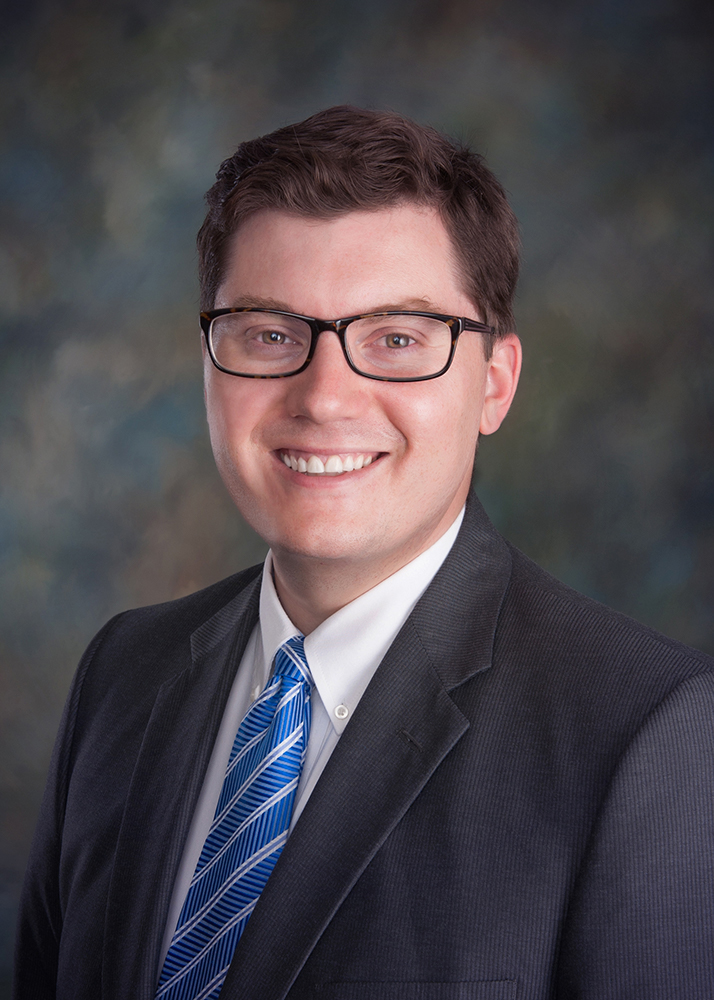
Adrienne Vallejo Foster (Photo courtesy Friends University)

SBA

WASHINGTON, D.C. – Adrienne Vallejo Foster has been appointed to serve as the Region 7 Advocate for the Office of Advocacy at the U.S. Small Business Administration. In this role, Foster will advocate on behalf of small businesses in Kansas, Missouri, Iowa and Nebraska. She will work with small business owners, state and local government agencies, state legislators, and trade associations, to be their voice in Washington, D.C., regarding burdensome regulations and other small business roadblocks.

“Small businesses in the Great Plains have a strong advocate in Ms. Foster,” said Acting Chief Counsel Major L. Clark, III. “Her strong background in local government and private sector advancing small business interests has well prepared her for her new role as Region 7 Advocate.”

Foster stated, “It is an honor and a privilege to serve the small businesses in Region 7 and under the leadership of President Trump. The economy is stronger than it has been in decades, and opportunities abound for small businesses to flourish. I look forward to assisting the small businesses in our region, helping them to grow and prosper by working to reduce the number of regulations that are imposing excessive burdens and strengthening their voice in Washington, D.C.”

Foster has worked with small businesses for the last 15 years as a city council member and Mayor of Roeland Park, Kansas, and as executive director of the Governor’s Hispanic & Latino American Affairs Commission under Governors Brownback and Colyer.  She facilitated the transfer of best business practices to over 500 small business owners and entrepreneurs, primarily assisting small women-owned and minority businesses, thereby dramatically increasing the contribution of small businesses to the Kansas economy. She won Latina of the Year award in 2017 from the National Latino Peace Officer Association.

The Office of Advocacy has regional advocates in each of the 10 federal regions, plus a national rural affairs advocate, and a manufacturing and technology advocate. This team identifies new issues and concerns of small business owners. They work closely with local government officials, state officials and legislators, and the Chief Counsel for Advocacy to develop programs and policies that support small business growth.

Amendments allow more Kan. attorneys to provide pro bono services

OJA

TOPEKA—The Kansas Supreme Court announced Thursday it has amended Rule 712 to allow attorneys who perform legal services for a single employer under a restricted license to provide pro bono legal services through organizations the Supreme Court approves for that purpose.

Pro bono services are professional services provided by attorneys without payment.

“The Supreme Court gave careful consideration to the amendments and to the public comments we received about them,” said Chief Justice Lawton Nuss. “By amending this rule, we have enabled attorneys licensed to work for one employer to donate what could be thousands of hours of professional services to individuals and entities who cannot afford to hire an attorney, which improves their access to justice.”

Rule 712 already allowed an attorney who passed another state’s bar exam to work for a single employer under a restricted license without taking a Kansas examination. The amendments approved today allow attorneys with Rule 712 licenses to perform pro bono services through either a not-for-profit civil legal services provider, or an accredited law school clinic, as long as the provider or clinic has been approved by the Supreme Court for that purpose.

The Supreme Court regulates the practice of law in Kansas through its authority to admit persons to practice as attorneys in the courts of Kansas, to prescribe rules to supervise attorney conduct, and to discipline attorneys. It also approves rules of procedure and practice used throughout state courts in Kansas.

Protect your dog from harmful algae

KDWPT

TOPEKA – Officials with the Kansas Departments of Wildlife, Parks and Tourism (KDWPT) and Health and Environment (KDHE) want dog owners to be aware how dangerous harmful algae blooms (HABs) can be to their dogs. A HAB is an abnormally high population of blue-green algae in a body of water. Whether you hunt with your dog near water or just take it out for a walk, there are things you can do to protect your four-legged partner. HABs can occur in lakes, ponds, wetlands, creeks or drainage areas, generally coinciding with warm water temperatures and often flourishing in nutrient-laden waters. Dogs can become seriously ill or die if they swim in, drink or retrieve a bird from water affected by a HAB. They can even be sickened if they lick their fur after exposure or eat dried algae along the shore or floating in the water.

A HAB may look like foam, scum or paint floating on the water and be colored blue, bright green, brown or red. There may also be a very strong musty odor or the smell of sewage or petroleum. This season, if the water appears or smells suspicious or if there is decaying algae on the shore, do not let your furry friend drink, swim or retrieve birds in the water.

Blue-green algae are really a type of bacteria called “cyanobacteria,” which occurs naturally in all waters around the globe. Under the right conditions, the algae can rapidly increase (bloom) and produce toxins. Although HABs typically begin in May, they can occur through October or later. Algae can wash up on shorelines and in marshy areas and even after they are dead and dry, toxins that were produced can persist for long periods. Dogs will still be at risk if they drink the HAB-affected water, walk on, roll in, eat decaying algae along the shore or retrieve a bird with algae on its feathers.

Just a small amount of blue-green algae can sicken or kill a dog. The signs of illness in dogs usually occur within 30 minutes of exposure and include vomiting, diarrhea, lethargy, convulsions, difficulty breathing and general weakness. If you suspect your dog has ingested algae or has any of these symptoms, contact your veterinarian immediately.

People may also become ill after contact with algae-produced toxins. Symptoms vary, depending upon the type of exposure (e.g. direct contact, ingestion, inhalation) but can include rash, vomiting, diarrhea, fever, sore throat, and headache. If you or your dog come into contact with algae, immediately rinse the contact area with clean, fresh water. If you or your dog show signs of illness, call your physician or veterinarian.

KDWPT and KDHE offer the following tips to help prevent HAB poisoning in dogs:

  • Carry potable water for yourself and your dog when hunting or going for walks along the shore.
  • Train dogs to come to you for a drink of water.
  • Rinse off your dog with potable water as quickly as possible if your dog swims in a HAB or walks through dried algae.
  • Do not let dogs eat dried algae along the shoreline. A bluish color along the shore indicates dying, toxic blue-green algae.
  • Do not let your dog lick their paws if they have walked through dried algae and remember that waterfowl in HAB-affected water may have toxic cells on their feathers.

KDHE samples publicly-accessible bodies of water for blue-green algae when the agency is alerted to a potential HAB. When a HAB occurs, KDHE, in cooperation with KDWPT and other lake managers where appropriate, responds by informing the public of these conditions. KDHE does not sample private bodies of water such as farm ponds or livestock watering tanks, but has recommendations on what to look for, how to field test and who to contact for additional assistance on KDHE’s HAB website.

For the most up-to-date list of waters currently affected by HABs, or to report a suspected HAB not currently listed, visit www.kdheks.gov/algae-illness. Hunters and the public can also get current HAB-related lake conditions by calling 1-855-HAB-LAKE (1-855-422-5253).

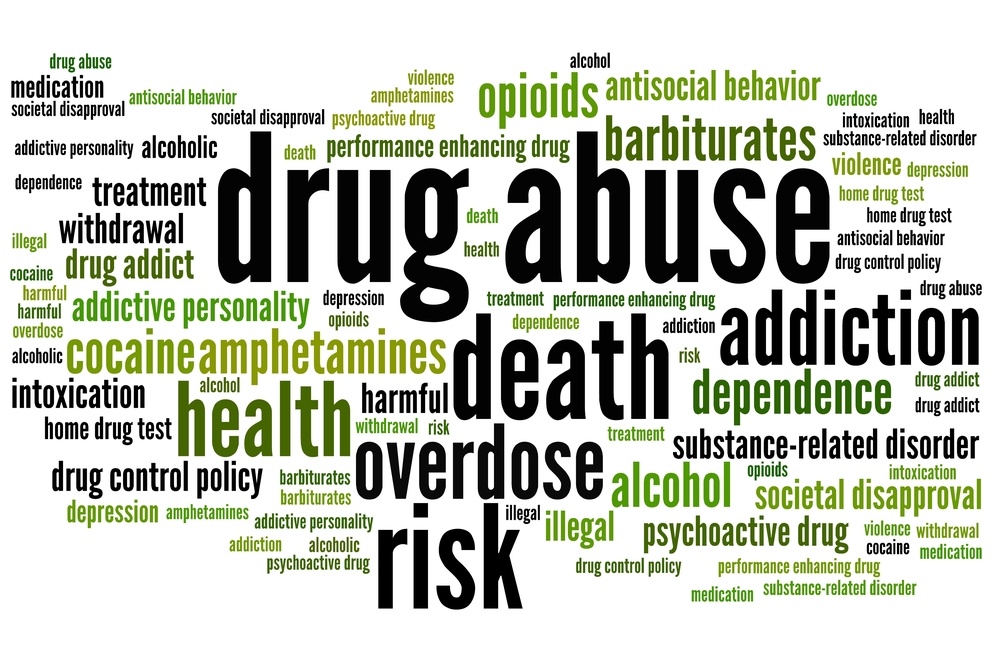
Substance Use Disorders Task Force submits recommendations

KDHE

TOPEKA  A task force established in March by a Governor’s Executive Order, has finalized and submitted a list of recommendations to address substance use, including opioid addiction. The recommendations were submitted to Governor Jeff Colyer ahead of the Sept. 1 deadline.

“I appreciate the time, effort and expertise the task force members brought to this important initiative,” Governor Colyer said. “The recommendations I have reviewed are clearly well thought out, thoroughly discussed and considered, and will be used going forward to shape discussions on substance use in Kansas.”

The Governor’s Task Force to Address Substance Use Disorders was led by Dr. Greg Lakin, State Medical Officer, Kansas Department of Health and Environment (KDHE). Membership on the task force included medical professionals, Cabinet-level Secretaries and various stakeholders.

“We each have a desire and duty to promote the health and well-being of Kansans, particularly those affected by addiction. I am thankful to be part of such an important task force, involving this urgent cause,” Dr. Lakin said. “The members all worked well collectively, putting together high-impact recommendations. I also appreciate the great work of the Opiate Prescription Abuse committee that contributed to the discussion.”

To address substance use issues across the state, the group was tasked with, among other things, to utilize existing resources to identify best practices and offer recommendations for a statewide response to the opioid crisis. The group focused on five specific areas: provider education; prevention; treatment and recovery; law enforcement; and Neonatal Abstinence Syndrome.

The task force received testimony from 86 individuals and organizations as it conducted its work, which involved regular meetings between April and August, at the Kansas Health Institute, Topeka.

Among the recommendations within Treatment and Recovery is Needs Assessment. The task force suggests a statewide needs assessment be conducted to identify gaps in funding, access to substance use disorder (SUD) treatment providers and identify specific policies to effectively utilize and integrate existing SUD treatment resources.

Within Prevention, Community Collaboration is recommended by increasing collaboration with community partners to
enhance their capacity to develop and implement local-level prevention efforts for prescription drug, illicit opioid, methamphetamine and other drug misuse and overdose.

A complete list of the recommendations can be found on the KDHE website. For more information about substance use in Kansas, visithttps://www.preventoverdoseks.org/.

As has been previously reported, the vote to recommend Medicaid expansion was not unanimous. A breakdown of how each task member voted on this issue, can be found beginning on page 39.

SELZER: Flood insurance questions?  Here’s who to call.

Ken Selzer, Kansas Insurance Commissioner

Kansans should know how to handle flood insurance questions following the Labor Day weekend weather events in central Kansas.

We at the Kansas Insurance Department (KID) can inform those affected by flooding about the steps needed to assist them.

Most typical homeowners and property insurance policies exclude damage from flood or rising water. If you have flood insurance through the National Flood Insurance Program (NFIP), there are steps to take.

Those who have NFIP insurance coverage under the Federal Emergency Management Administration should call their local insurance agents or companies first if they have questions or wish to submit claims.

The NFIP toll-free number is 1-800-427-4661. The federal agency suggests that Kansans have the following information available when they call:

  • Name of the policyholder’s insurance company (the local insurance agent may write policies for more than one company).
  • Policy number if available (call the number above if it isn’t available).
  • The policyholder’s telephone number and email address.

For more information, visit www.floodsmart.gov.

Vehicle owners with potential auto claims should contact the individual’s insurance agent and company. KID does regulate vehicle insurance and can help answer questions regarding those claims. Call 1-800-432-2484 or go to www.ksinsurance.org.

The insurance department does not regulate the federal National Flood Insurance Program (NFIP).  However, the KID Consumer Assistance Division can answer basic flood insurance questions and direct Kansans to the proper assistance.

Ken Selzer, CPA, is the Kansas Insurance Commissioner.

Copyright Eagle Radio | FCC Public Files | EEO Public File