We have a brand new updated website! Click here to check it out!

State launches new online business and economic development magazine

KDC

TOPEKA — The Kansas Department of Commerce announces the launch of a new online magazine loaded with news and feature articles on business and economic development topics in Kansas.

KansasCentral.com is aimed to keep Kansans and anyone interested in starting, relocating or expanding a business in Kansas informed of topics and opportunities in the state.

“It has been exciting to see so many businesses decide to expand to Kansas or start new operations here in America’s heartland, creating thousands of new jobs,” said Governor Jeff Colyer, M.D. “KansasCentral.com will not only keep everyone informed of breaking news of companies locating in Kansas but will share success stories of thriving businesses in our state.”

KansasCentral.com features three main content areas: News, Events and Features.

  • The News section will constantly be updated with breaking business and economic development news, such as business expansions throughout the state and new or updated programs to assist businesses of all sizes be successful in Kansas.
  • The Events section will highlight upcoming conferences, workshops, job fairs, etc. that will be beneficial to entrepreneurs, business executives, employers and job seekers across the state.
  • The Features section will include success stories, video interviews, and articles about programs available through the Department of Commerce and other agencies that will benefit Kansas businesses or those considering locating in the state.

Both the News and Features sections also offer the ability for readers to easily find information specific to industries they are interested in, such as Aviation, Agriculture, Bio-Science and Energy.

“There are many great stories to tell of why Kansas is the best place in the country to do business, along with a steady stream of good news to share,” said Robert North, Interim Secretary of the Kansas Department of Commerce. “We hope KansasCentral will quickly become a must-visit website for anyone interested in business and economic opportunities in our state.”

Public hunting program offers private land experience

KDWPT

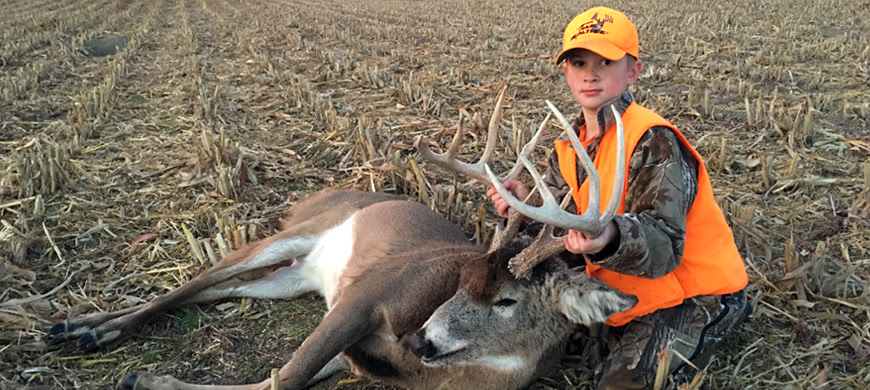
PRATT – Hunters who primarily rely on public land access to pursue their quarry will soon have the opportunity to apply for special hunts around the state that offer high-quality, limited-access experiences. Special hunts occur on private lands, as well as wildlife areas, state parks, federal lands and city- or county-owned properties not normally hunted. The result is that lucky hunters who draw enjoy almost exclusive access and greater harvest rates.

The Kansas Department of Wildlife, Parks and Tourism’s Special Hunts program provides hundreds of such hunts each fall, and there’s no charge. All hunters have to do is apply, and a random computer drawing will be conducted approximately one week after the deadline to determine who is selected.

Beginning July 14, 2018, hunters may submit applications. The deadline to apply for First Draw Hunts (hunts occurring in September and October) is 9 a.m., Aug. 6, 2018, and the deadline to apply for Second Draw Hunts (hunts occurring in November, December, January and February) is 9 a.m., Sept. 24, 2018.

Any resident or nonresident hunter may apply. When applying online, hunters will select hunts by species, date and category, and hunt types include Open Hunt, Youth Hunt, and Mentored Hunt. All applicants are eligible to apply for Open Hunts, regardless of age or hunting experience. Youth Hunts require parties to include at least one youth 18 or younger, accompanied by an adult 21 or older who may not hunt. Mentored Hunts are open to both youth and novice hunters supervised by a mentor 21 or older who may also hunt.

Successful applicants will be emailed their hunt permit, as well as area maps and other pertinent information. Hunters are responsible for purchasing necessary licenses and permits required by law.

Most special hunts are for deer and upland game, but opportunities are also available for waterfowl, dove, turkey and furbearers.

For more information on the Special Hunts Program, and to apply beginning July 14, 2018, visit ksoutdoors.com and click “Hunting,” then “Special Hunts Information.”

Industrial hemp regulations draft available for public input

A public forum at the Kansas Department of Agriculture was attended by more than 150 farmers, ranchers and other stakeholders in three sessions throughout the day on May 11.

KDA 

MANHATTAN — An early draft of regulations for the Industrial Hemp Research Program in Kansas is now available for public input on the Kansas Department of Agriculture website. The draft was developed by KDA in consultation with the industrial hemp advisory board and with input from the public.

The draft can be found at agriculture.ks.gov/IndustrialHemp, and comments may be submitted to [email protected] through July 18. Following this public input stage, all input will be considered in revising the next draft prior to beginning the next step in the formal adoption process.

As part of the formal adoption process, the regulations will be reviewed by several entities, including the Department of Administration, the Attorney General, and the Joint Committee on Administrative Rules and Regulations, and will be subject to a public hearing which will be announced in the Kansas Register 60 days prior to the hearing.

Kansas Prevention Collaborative Conference slated for September

KDADS 

TOPEKA The Kansas Prevention Collaborative (KPC), an initiative of the Kansas Department for Aging and Disability Services (KDADS), has scheduled a conference for September 19 and 20, 2018, marking the first behavioral health prevention conference in Kansas in many years. The conference will take place at the Capitol Plaza Hotel and Convention Center in Topeka.

The purpose of the conference is to empower prevention coalitions to redouble their efforts in the community. The theme, Connecting Communities, echoes what has long been the work of coalitions: bringing community members together to work toward a common goal.

“This conference is one of the ways we are working to strengthen our prevention efforts statewide and to empower communities to prevent avoidable tragedies and lives derailed by substance abuse,” said KDADS Secretary Tim Keck. “I encourage everyone interested in behavioral health and prevention education to participate in this event.”

The KPC Conference provides educational opportunities to increase awareness of emerging trends, to build skills and knowledge of ways to prevent suicide, alcohol, tobacco and drug abuse, and to advocate for best practices. Registration begins July 1. Early bird registration (before August 1) is available for $100. After August 1, registration will be $125. For more information, visit kansaspreventioncollaborative.org.

Andrew Brown, KDADS Prevention Program Manager, invites everyone to attend.

“This conference reflects the values of the Kansas Prevention Collaborative in that it will be an opportunity for community leaders and organizers to learn from one another, meet experts in the prevention field, and enable them to connect with other prevention coalitions doing similar work,” Brown said. “At KDADS, we believe that collaboration across communities is vital to preventing tragedies such as deaths of despair, and to improving the lives of Kansans for future generations.”

KPC is a group of eight organizations funded by KDADS working to integrate and innovate behavioral health prevention efforts. This conference is part of KPC’s strategy to ensure that Kansans get the tools they need.

Chad Childs, Prevention Project Coordinator at Wichita State University’s Community Engagement Institute, one KPC’s partners, is enthusiastic about the implications of a Kansas-specific prevention conference.

“The planning committee is comprised of Kansans who value suicide and substance abuse prevention work, so this conference has been designed to be educational and practical for priorities in Kansas communities. Attendees will leave with tools for overcoming obstacles facing their community and for making connections throughout the state. The goal is to make sure they know they’re not alone and there are resources to help them along the way,” said Childs.

The KPC is excited to provide this learning opportunity to communities across Kansas. For more information on the conference and the work of the KPC, please visit kansaspreventioncollaborative.org.

Please contact the KPC at [email protected] with questions.

About KDADS:

The Kansas Department of Aging and Disability Services was created on July 1, 2012 by Governor Sam Brownback’s executive reorganization order that merged the former Department on Aging with the Disability and Behavioral Health Services Division from the former Department for Social and Rehabilitation Services and elements of the Health Occupations Credentialing Division at the Kansas Department of Health and the Environment. The agency administers services to older adults; administers behavioral health, addiction and prevention programs; manages the four state hospitals; administers the state’s home- and community-based services waiver programs under KanCare, the state’s Medicaid program; and directs health occupations credentialing. For interviews or media inquiries, please contact Angela de Rocha, Director of Communications, at [email protected].

About the Kansas Prevention Collaborative:

The Kansas Prevention Collaborative was created in 2015 to integrate and innovate behavioral health prevention efforts. A partnership of several different state, educational, and provider agencies, the KPC’s goal is to expand prevention efforts to be more inclusive of mental health promotion, suicide prevention, and problem gambling education and awareness, as well as to increase the availability of resources to adequately fund local-level prevention and promotion strategic plans. For interviews, media inquiries, or more information, please contact the Kansas Prevention Collaborative at [email protected].

Insurance Dept. issues cease/desist order against out-of-state viatical company

KID

TOPEKA— The Kansas Insurance Department has issued a cease and desist order against a New Jersey company selling viatical insurance settlements in Kansas for failure to file timely statements and renewal fees.

The order, signed June 30 by Clark Shultz, Assistant Commissioner, orders ViaSource Funding Group of New Jersey from “engaging in any act or practice constituting a violation of any provision of the Kansas insurance statutes or any rule and regulation or order thereunder.” The order also levies a $5,000 fine against ViaSource.

“We want to be diligent in making sure that viatical settlement companies follow state law,” said Assistant Commissioner Shultz. “Kansans wishing to sell life insurance policies that they no longer need should be able to do so with a company that treats them appropriately and fairly.”

A viatical settlement allows a life insurance policyholder to sell his/her policies to a third party for an immediate cash benefit. The purchaser of the policy assumes responsibility for paying the remaining premiums and becomes the beneficiary of the life insurance policy.

Kansas–Oklahoma Arkansas River Compact Meeting to be held July 25

KDA

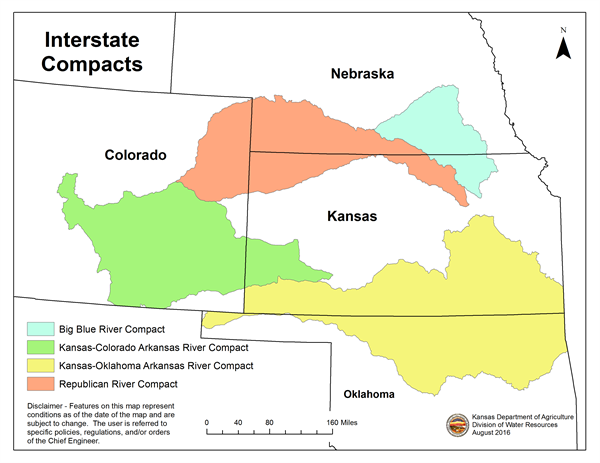
MANHATTAN — The annual meeting of the Kansas–Oklahoma Arkansas River Compact Administration will be held at the Kansas Department of Transportation Conference Center, located at 1220 W 4th Ave. in Hutchinson, Kansas, on Wednesday, July 25, 2018, at 9:00 a.m. Anyone interested in water-related activities within the Arkansas River Basin in Kansas and Oklahoma is encouraged to attend.

Kansas and Oklahoma entered the Arkansas River Compact in 1965. The purpose of the compact is to promote interstate comity, to equitably divide and promote the orderly development of the waters of the Lower Arkansas River Basin, to provide an agency for administering the waters of the basin, and to encourage an active pollution abatement program in each state.

The Compact Administration is composed of three commissioners appointed by the governor of Kansas, three commissioners appointed by the governor of Oklahoma, and two commissioners appointed by the President of the United States.

Questions about the meeting can be addressed to Chris Beightel, program manager for water management services at KDA–DWR, at 785-564-6659 or [email protected]. Additional information about the Kansas–Oklahoma Arkansas River Compact and the annual meeting can be found on the KDA website at www.agriculture.ks.gov/KOARC.

Inspection and testing ensures accuracy of grain moisture meters

KDA

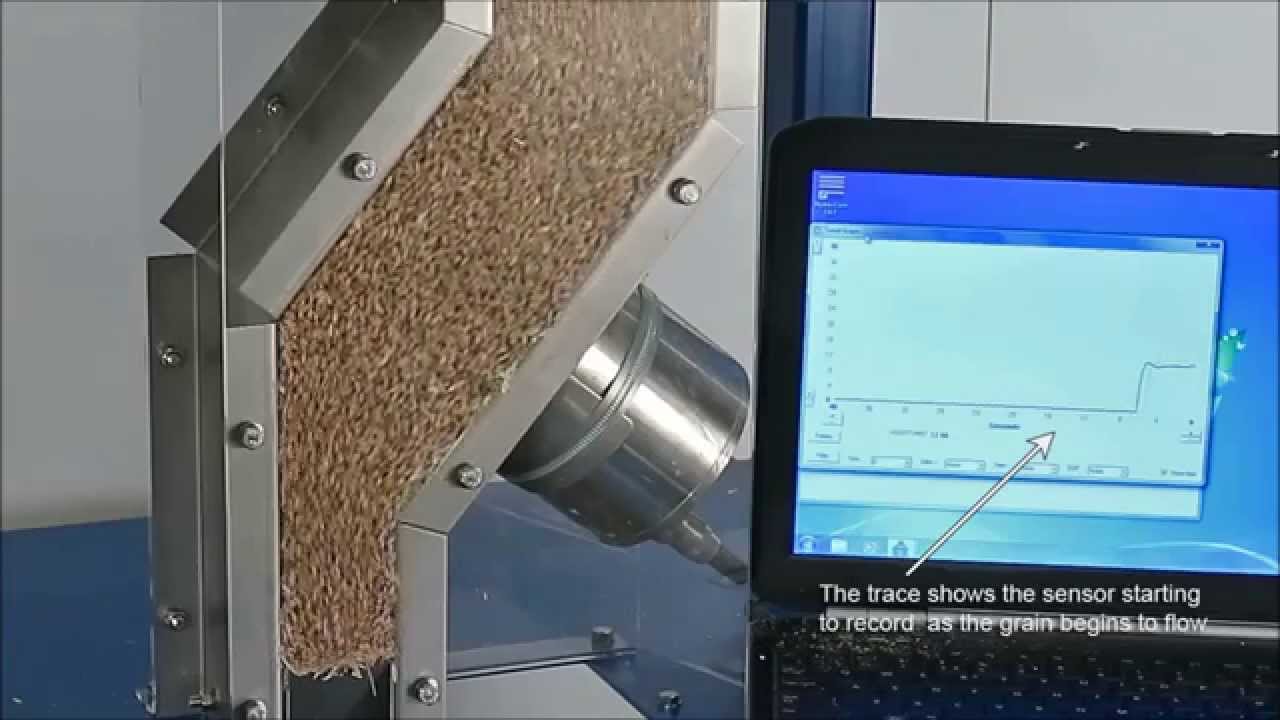
MANHATTAN — The weights and measures program at the Kansas Department of Agriculture has announced that they have renewed efforts to ensure accuracy of commercial grain moisture meters across the state. KDA inspectors have been working with industry and service companies throughout the spring and summer to emphasize the importance of annual testing.

As of July 1, 2018, commercial grain moisture meters which are used to determine grain moisture dockage must have had an inspection and test performed by a licensed service company within the past year. Inspection and testing will need to be performed at least once every 365 days thereafter. KDA inspectors will determine, during their routine inspections, whether grain moisture meters are present and if used commercially the inspectors will verify the required inspection and test have been performed.

At the time of the inspection the service company is required to leave an inspection report which must be kept on site for five years. The service company shall also keep a copy for five years and send a copy to KDA.

A list of service companies licensed to inspect and test grain moisture meters in Kansas can be found at agriculture.ks.gov/WMdocuments. There are licensed companies in Dodge City and Salina.

Inspecting and testing moisture meters will protect equity in the marketplace, ensuring both sellers and buyers are getting accurate grain moisture measurements which meet industry standards. Commercial grain moisture meters can be found at grain elevators, feed lots, flour mills, feed mills, food processing plants, and ethanol plants. Grain moisture meters may also be considered commercial for some farm uses such as determining crop shares or determining grain storage or handling fees in some cases.

The weights and measures program plays an important role in KDA’s mission to serve Kansas farmers, ranchers and agribusinesses and provide consumer protection. For more information please contact Doug Musick, KDA weights and measures program manager, at [email protected] or 785-564-6681.

Seven appointed to Alternative Dispute Resolution Council

OJA

TOPEKA—The Kansas Supreme Court appointed five new members to the Alternative Dispute Resolution Council and reappointed two more.

All will serve from July 1 through June 30, 2021.

New members are:

  • Denise Parker, court services officer and approved mediator for the 16th Judicial District, composed of Clark, Comanche, Ford, Gray, Kiowa, and Meade counties
  • Jenna Esquibel, court services officer and approved mediator, 10th Judicial District, composed of Johnson County
  • Sharon Seidler, approved mediator, Riley County Domestic Mediation Services
  • Laura Lewis, approved mediator, 16th Judicial District
  • Sara Wheeler, court services officer and approved mediator, 13th Judicial District, composed of Butler, Greenwood, and Elk counties.

Reappointed were:

  • District Judge Sally Pokorny, Lawrence, who serves in Douglas County of the 7th Judicial District
  • Roxanne Emmert-Davis, mediator and trainer in Shawnee County.

The Dispute Resolution Act established dispute resolution as a means to resolve issues without litigation, using an impartial third party to help the two sides reach a settlement.

Council members are knowledgeable about and trained in dispute resolution. The council advises the Supreme Court and its director of dispute resolution.

KDA participates in USDA ag trade mission to Japan

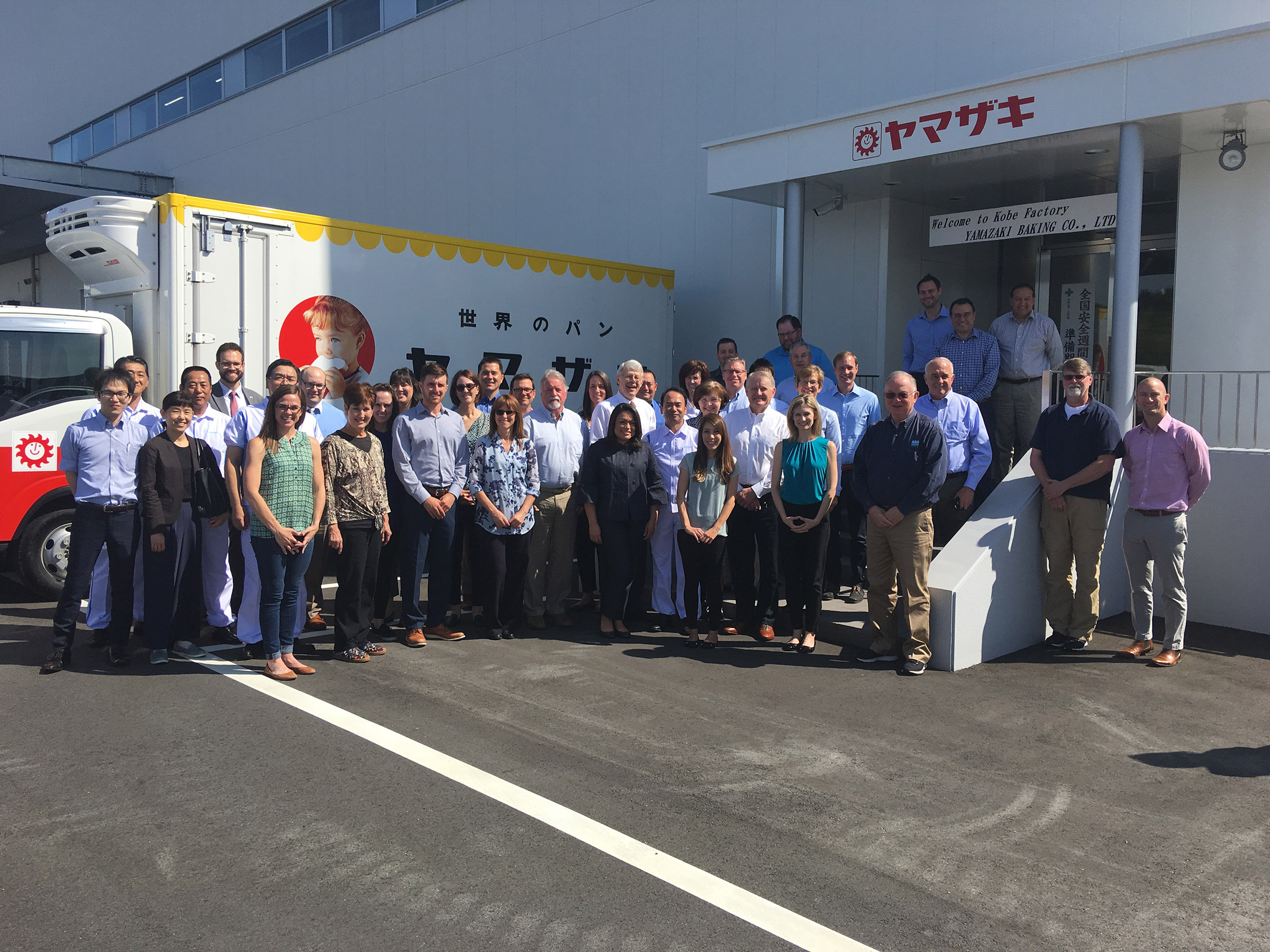
Representatives from state departments of agriculture and the U.S. Department of Agriculture participated in a trade mission to Japan in June, including a visit to the Yamazaki Baking Company in Kobe.

KDA 

MANHATTAN — In June, two representatives from the Kansas Department of Agriculture traveled to Japan on an agribusiness trade mission led by the USDA Under Secretary for Trade and Foreign Agricultural Affairs, Ted McKinney. The trade mission, which was the largest ever USDA-led trade mission, included representatives from state departments of agriculture as well as private agribusinesses.

“Japan is already a top market for U.S. farm and food products, but there are many new opportunities still waiting to be tapped there,” McKinney said. “Japan is an import-dependent economy and its 130 million consumers have a real affinity for U.S. food products because of their quality, affordability and safety. I’m eager to return to Japan and continue exploring all the ways we can grow U.S. agricultural exports there.”

Kansas was represented by Mary Soukup, KDA assistant secretary, and Chad Bontrager, director of the KDA agribusiness development division. The purpose of this mission was to strengthen the relationship between Kansas agriculture and Japan and explore potential new markets. Japan is among the top export markets for Kansas agriculture. In 2017, Kansas exported nearly $723 million in agricultural products to Japan.

The trade mission delegation had the opportunity to meet with the Ministry of Agriculture, Forestry and Fisheries Minister Ken Saito and other MAFF leaders. In addition, they visited food and agriculture retail and processing operations to gain a better understanding of how U.S. agricultural products are used in Japan. They visited Glicopia Chiba Factory, Kikkoman Noda, Yamazaki Kobe and Kirin Beer Kobe.

“Japan is an important partner for Kansas and the entire United States. This trip provided us an important opportunity to meet firsthand with leaders in government and with companies that rely on agricultural products in their businesses,” Soukup said. “It was exciting to see Kansas products being used and to explore opportunities to strengthen our relationship with Japan.”

KDA strives to encourage and enhance economic growth of the agriculture industry and the Kansas economy by exploring and expanding both domestic and international marketing opportunities. For information on this or other international trade missions, please contact Suzanne Ryan-Numrich at [email protected] or 785-564-6704.

🎥 21 U.S. children have died in hot cars in 2018

KIDS AND CARS

PHILADELPHIA – Already this year there have been 21 confirmed child vehicular heatstroke deaths in the United States. Every year on average, 37 children die in hot cars in our country. Last year 43 young children died.

These tragedies are predictable and preventable. KidsAndCars.org is urging parents and caregivers to be extra vigilant during the holiday week and when changes in the daily routine occur.

KidsAndCars.org president and founder Janette Fennell said, “We always see an increase in child injuries and deaths around holidays. It is devastating to know that there are families all across America right now holding their precious babies, unaware that they will lose them in a hot car this summer. But, these children don’t have to die. Parents and caregivers have the power to make sure that this doesn’t happen to them.”

Parents should implement the “Look Before You Lock” safety checklist that provides simple tips to protect their child.

Look Before You Lock Safety Checklist

  • Make sure your child is never left behind in the back seat of a car
  • Make it a routine to open the back door of your car every time you park to check that no one has been left behind.
  • Put something you need in the back seat to remind you to open the back door every time you park – cell phone, employee badge, handbag, work computer, etc. (The idea is if you leave the vehicle without this item, you would have to go back to get it.)
  • Ask your babysitter or child care provider to call you if your child hasn’t arrived as scheduled.
  • Keep a stuffed animal in baby’s car seat. Place it on the front passenger seat as a reminder when baby is in the back seat.

Make sure children cannot get into a parked car:

  • Keep vehicles locked at all times, even in the garage or driveway and even if you do not have children.
  • Keys and remote openers should never be left within reach of children.
  • If a child is missing, immediately check the passenger compartment and trunk of all vehicles in the area very carefully.

For more information on child hot car deaths, please contact KidsAndCars.org at (913-732-2792) or visit https://www.kidsandcars.org/how-kids-get-hurt/heat-stroke/.

About KidsAndCars.org:
Founded in 1996, KidsAndCars.org is the only national nonprofit child safety organization dedicated solely to preventing injuries and deaths of children in and around vehicles. KidsAndCars.org promotes awareness among parents, caregivers and the general public about the dangers to children, including backover and frontover incidents, underage driving and vehicular heatstroke. The organization works to prevent tragedies through data collection, education and public awareness, policy change and survivor advocacy.

KLA partnering on Kan. cattle traceability project

The Cattle Trace steering committee gathered at the announcement of the new pilot project (from left): Matt Teagarden, chief executive officer of Kansas Livestock Association; Justin Smith, animal health commissioner; Brandon Depenbusch, vice president of cattle operations for Innovative Livestock Services; Jackie McClaskey, Secretary of Agriculture; Mary Soukup, assistant secretary, Kansas Department of Agriculture; Cassandra Kniebel, project director, Cattle Trace; Brad White, director of the Beef Cattle Institute at Kansas State University; Kansas Governor Jeff Colyer, M.D.

KLA

TOPEKA – The Kansas Livestock Association (KLA) is one of the key partners in a new cattle traceability pilot project. Cattle Trace will involve an end-to-end disease traceability system beginning with cow-calf producers and ending at the beef processing plant. A number of ranches, feedyards, auction markets and beef processing facilities have volunteered to cooperate on the project. The goal is to utilize ultra-high frequency tags and readers to collect the minimal amount of data necessary for disease traceability at the speed of commerce.

In addition to KLA and private sector partners, the Kansas Department of Agriculture (KDA) and Kansas State University are participating in the Cattle Trace project. It will be funded with both public and private resources.

Kansas is considered a good testing ground for the pilot project because it is one of the few states with sizable producer populations in each segment of the beef supply chain. Cattle Trace organizers hope the Kansas model will guide the development of a cost-effective traceability program that can work at the speed of commerce at the national level.

KLA is supporting the project based on policy approved by members in December 2017. The resolution supports a mandatory national individual animal disease traceability system for all cattle that minimizes costs to producers, optimizes the role of the private sector and protects the confidentiality of individual animal owner records. It also suggests the KDA Division of Animal Health should be the state agency that manages any disease traceability plan.

“The Cattle Trace project matches those member policy priorities,” said KLA Chief Executive Officer Matt Teagarden during a June 30 event near Ellinwood announcing the project.

On a broader scale, the project will help meet the objectives of the current Beef Industry Long-Range Plan, which emphasizes the importance of adopting individual animal traceability to help manage any potential disease outbreak.

“We are excited to be part of this effort to move traceability forward for Kansas producers and, ultimately, the entire U.S. beef community,” said Teagarden.

KLA is a 5,500-member trade organization representing the state’s livestock business on legislative, regulatory and industry issues at both the state and federal levels. The association’s work is funded through voluntary dues dollars paid by its members.

KDHE welcomes KanCare Liaison

Kolloh Nimley

KDHE

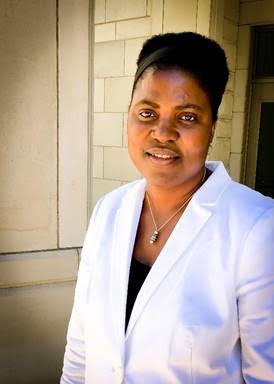
TOPEKA – Kansas Department of Health and Environment (KDHE) Secretary Jeff Andersen is pleased to welcome Kolloh Nimley to serve as the agency’s KanCare Liaison. She will work closely with the KDHE divisions of Public Health and Health Care Finance to identify gaps in health care services. She will also collaborate with contractors, stakeholders, policymakers, legislators and the general public to improve health care outcomes.

“Our Public Health and Medicaid programs serve the same populations, so it is important that we focus on comprehensive services that promote Kansans’ well-being,” said Governor Jeff Colyer. “I am pleased that we now have a designated individual who will look for data-driven solutions to assist KanCare consumers.”

Monday, July 2 was Nimley’s first day on the job. She has a bachelor’s degree in nursing from the University of North Dakota, a master’s in political science from the University of Oklahoma and is a doctoral candidate in health care administration at Franklin University in Columbus, Ohio. She has more than 19 years of experience in policy work, addressing public health, global health and health care policy in the United Kingdom, State of Minnesota and the International Medical Graduates program with the State of Minnesota, similar to Kansas’ J-1 Visa Waiver program.

Nimley will, among other duties, work with KanCare Managed Care Organizations (MCOs) in reviewing data related to KanCare recipients to identify gaps in coverage where an existing program may provide a benefit to consumers. She will work in the Office of the Secretary, in Topeka.

“We are pleased that Kolloh has joined KDHE,” said Secretary Andersen. “Her extensive education and experience will be an asset in building bridges and connectivity between the Kansas Medicaid program and public health offerings—contributing to our efforts to take a more holistic approach to the health care of Kansans.”

KDHE’s Division of Public Health includes the following bureaus: Community Health Systems, Disease Control and Prevention, Epidemiology and Public Health Informatics, Family Health, Health Promotion, Oral Health and the Center for Performance Management.

KDHE’s Division of Health Care Finance includes KanCare, Electronic Health Records, Medicaid Program Integrity, the State Employee Health Plan, Office of Inspector General, Projections and Informatics, and Health Information Technology and the Health Information Exchange.

The KanCare Liaison is different from the KanCare Ombudsman position, which is designed to assist KanCare consumers directly with case-specific concerns.

Kan. Supreme Court appoints members to Permanency Planning Task Force

OJA

TOPEKA—The Kansas Supreme Court appointed four people to the Supreme Court Permanency Planning Task Force and reappointed two others.

Their four-year terms begin July 1 and end June 30, 2022.

The new members are:

  • Deb Dickerhoof, coordinator, citizen review board, 5th Judicial District, composed of Lyon and Chase counties
  • District Judge Mary Christopher, who serves in the 3rd Judicial District, composed of Shawnee County
  • Kathy Ray, director of advocacy and education, Kansas Coalition Against Sexual and Domestic Violence
  • Laura Jurgensen, assistant director of early childhood, special education, and title services, Kansas State Department of Education.

The court reappointed:

  • District Magistrate Judge Mary Thrower, who serves in Ottawa County of the 28th Judicial District
  • Vivien Olsen, tribal attorney, Prairie Band Potawatomi Nation

The Kansas Supreme Court established the working task force in 1984. It advises the court on ways to provide and improve the care of children who are under jurisdiction of the court. Its responsibilities include:

  • developing and implementing a strategic plan for child welfare oversight;
  • collaborating with district courts, the Kansas Department for Children and Families, and Native American tribes in Kansas;
  • developing and implementing statewide legal training;
  • reviewing federally funded child and family services.

Overall, the task force recommends improvements and suggests programs that help children placed in foster care find safe, permanent homes as quickly as possible.

The 18-member task force includes district court judges, district magistrate judges, lawyers, court-appointed guardians, prosecutors, and representatives from Indian tribal courts, state agencies, Court Appointed Special Advocates; citizen review boards, and mental health, behavioral health, and substance abuse treatment providers.

Copyright Eagle Radio | FCC Public Files | EEO Public File