We have a brand new updated website! Click here to check it out!

🎥 Over 150 fireworks-related injuries reported last year in Kansas

KS FIRE MARSHAL

TOPEKA – The Office of the State Fire Marshal, along with the Kansas Department of Health and Environment and Safe Kids Kansas, remind Kansans of the importance of safety around fireworks during this Fourth of July holiday season. Fireworks can be dangerous to both adults and children if not handled properly.

According the Kansas Syndromic Surveillance Program, there were 154 reported fireworks-related injuries during the Fourth of July holiday in 2017. Injuries to the hands were most common and hands or fingers were involved in 38 percent of identified emergency department visits. The eyes, face, or head were involved in over a quarter (28.5 percent) of all visits. The most common victims of fireworks injuries are adult males and children.

According to statistics from the Kansas Fireworks Injury Survey, a voluntary reporting system for Kansas hospitals, adult males
represented 40 percent of all reported fireworks-related injuries, with another 40 percent of reported fireworks injuries affecting children under the age of 18.

“Serious injuries and fires are very likely to occur when fireworks are not handled properly,” Doug Jorgensen, Fire Marshal for the State of Kansas, said. “While the safest approach to enjoying fireworks is to visit public fireworks displays conducted by trained professionals who know how to properly handle fireworks, we understand that individuals will be purchasing and participating in their own displays. We
urge you to be vigilant and cautious to ensure a safe and fun Fourth of July.”

To help the public celebrate safely, the Office of the State Fire Marshal and Safe Kids Kansas offers the following tips for the safe use of fireworks:

• Have an adult supervise all fireworks activities
• Use a long-handled lighter
• Always ignite fireworks outdoors
• Have water nearby
• Never experiment or attempt to make your own fireworks
• Light only one firework at a time
• Never re-ignite malfunctioning fireworks
• Never give fireworks to small children
• Store fireworks in a cool, dry place
• Dispose of fireworks properly
• Never throw fireworks at another person
• Never carry fireworks in your pocket
• Never shoot fireworks in metal or glass containers
• Always purchase high quality fireworks from reliable and legitimate sources
• Always read and follow label directions

In addition, bottle rockets and M80s are not only extremely dangerous, but they are illegal in the state of Kansas. The use or sale of these banned fireworks is considered a crime under Kansas law.

For more information on fireworks safety, visit FireMarshal.ks.gov/fireworkssafety or SafeKidsKansas.org.
KDWPT addresses landowner concerns surrounding elk management

KDWPT

KDWPT Addresses Landowner Concerns Surrounding Elk Management

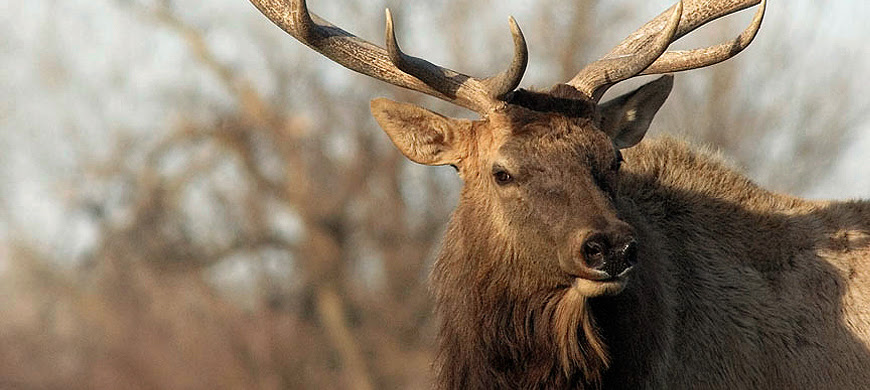
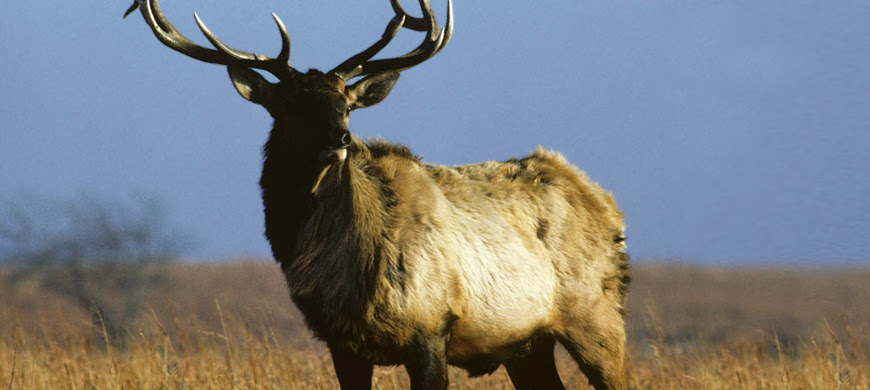
PRATT – A shift in Kansas’ elk hunting season dates and management units will address local landowner concerns of crop damage caused by elk. At their June 21 public hearing at the Great Plains Nature Center in Wichita, Kansas Department of Wildlife, Parks and Tourism (KDWPT) commissioners voted in favor of moving the harvest season opener from September 1 to August 1 and reducing the size of Unit 2 – the unit that includes and provides a protective buffer around Fort Riley – to provide landowners with more options for controlling elk numbers on their land.

A firearms season from August 1-31 will allow landowners to use the open hunting season to remove elk at a time when crop damage can be an issue. And part of the boundary of Elk Management Unit 2 was shifted closer to Fort Riley to allow more options for hunting elk that had taken up permanent residence in an area north of the Fort. Permits valid in Elk Management Unit 2 are restricted to limited draw and hunt-your-own-land elk permits. By shifting the boundary, the area in question becomes part of Unit 3, where an unlimited number of over-the-counter resident and landowner/tenant either-sex elk permits or antlerless-only elk permits are valid.

“Several landowners expressed concern about the number of elk staying north of Highway 24 and south of 22nd Road within the Fort Riley buffer area,” said KDWPT wildlife research biologist Matt Peek. “While the buffer was intended to provide additional protection for elk residing on Fort Riley, these elk were permanently residing on private land miles from the Fort.”

Peek is confident this change will not impact elk residing primarily on Fort Riley, as a minimum buffer of several miles surrounding Unit 2A will still be maintained. As for the August season opener, elk have been on a long but gradual increase in number and distribution in the state, which Peek said is due in large part to landowners who accept elk on their land with the knowledge that they’ll be able to hunt them and maintain them at acceptable numbers.

“This gives landowners an incentive to have elk,” said Peek, “and elk are doing well in the state as a result.”

Listed below are the 2018-2019 elk season dates.

ELK SEASONS – OUTSIDE FORT RILEY

9/1 – 9/30/18: Muzzleloader

9/17 – 12/31/18: Archery

11/28 – 12/9/18: Firearm

1/1 – 3/15/19: Firearm – Extended Season

ELK SEASONS – FORT RILEY

9/1 – 9/30/18: Muzzleloader and Archery

10/1 – 10/31/18: Antlerless-Only Firearm, First Segment

10/1 – 12/31/18: Firearm Season for Holders of Any-Elk Permits

11/1 – 11/30/18: Antlerless-Only Firearm, Second Segment

12/1 – 12/31/18: Antlerless-Only Firearm, Third Segment

Other items the KDWPT Commission voted on during the June 21 meeting included select changes to the Department’s Public Lands reference document and 2018-2019 deer season dates for Fort Riley.

A video recording of the June 21 meeting is now available on ksoutdoors.com.

The next KDWPT Commission meeting is scheduled for Thursday, August 2, 2018 at the Gyp Hills Guest Ranch, 3393 SW Woodward Rd., southwest of Medicine Lodge.

Kansas Department of Commerce earns 10th Silver Shovel Award

KDC

TOPEKA — The Kansas Department of Commerce has again been recognized by Area Development magazine with one of its Silver Shovel awards. The Silver Shovel award honors state economic development agencies that drive significant job creation through innovative policies, infrastructure improvements, processes, and promotions that attract new employers and investments in new and expanded facilities.  

This year’s award marks the tenth year the Kansas Department of Commerce has been recognized with a Silver Shovel Award. The agency has also earned a Gold Shovel award, presented annually to the states that have achieved the most success in terms of new job creation and company investment, in 2013.

“Smart companies from very diverse industries continue to discover Kansas as an excellent place to locate and expand their operations,” said Kansas Governor Jeff Colyer, M.D. “We are honored to once again be recognized by Area Development magazine with a Silver Shovel award for our achievements in economic development, and we will continue pressing forward with pro-growth policies that make Kansas the best choice for business.”

For this year’s award, the Kansas Department of Commerce was recognized for the scope and breadth of its Top 10 Projects which resulted in significant job creation and investment within the state. Based on the number of high-quality jobs per capita, amount of investment, number of new facilities, and industry diversity of the 10 submitted projects, Kansas qualified for a Silver Shovel award in the “Fewer than 3 Million Population” category.

Economic development projects submitted to the magazine for consideration included:

“Kansas has long been a transportation/logistics hub, so it’s no surprise that three of the big projects that earned Kansas a 2018 Silver Shovel award fall into this category,” said Geraldine Gambale, editor of Area Development. “Hundreds of other new jobs in the healthcare facilities and food products sectors also contributed to the state’s recognition by Area Development.”

A report on the 2018 Shovel Award winners is published in the Q2/2018 issue of Area Development and posted online at www.areadevelopment.com/shovels.

YOU FOUND IT! Click the picture for a chance to win Wild West Festival VIP tickets!

Salina native hired as new Regulatory Ombudsman for Kansas businesses

Tom Arpke (Courtesy Ballotpedia)

OFFICE OF GOV.

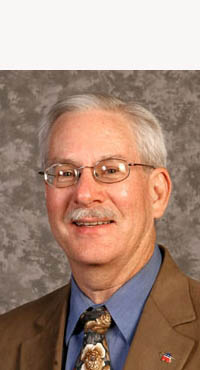
TOPEKA – Governor Jeff Colyer, M.D., today announced the hiring of Tom Arpke to fill the role of Regulatory Ombudsman at the Kansas Department of Commerce. Tom will help businesses looking to expand or start operating in Kansas to navigate the regulatory process and resolve questions or concerns.

“Kansas needs to be attracting more businesses and taking excellent care of the businesses that are already here,” said Gov. Jeff Colyer, “As I have traveled the state listening to business owners, they have told me they need a more direct line of communication when they have questions or concerns about regulations and other aspects of running a business in Kansas. This new position will ease that burden for business and Tom is just the man for the job.”

As Regulatory Ombudsman, Arpke will work as a liason between the state and new and existing businesses evaluating all sides of an issue and helping identify options and strategies for resolution.  He will also be able to escalate issues when necessary directly to the Governor and his Chief Operations Officer.

“I am grateful to Governor Colyer for the opportunity to serve in this new role for our state,” said Arpke, “As a business owner myself, I am looking forward to being able to assist new businesses as they look to open their doors in Kansas, as well as helping existing businesses find simple solutions to their concerns so they can spend more time focused on growing their business.”

Arpke received his Bachelor’s of Science degree in Microbiology from Florida State University. As a Salina resident, he has been actively serving the state of Kansas for the past six years, first as a Kansas state representative from 2011-2013, followed by four years as a Kansas state senator from 2013-2017. Since 2008 he has also been the owner of Arpke Inc. performing plant audits for environmental compliance and safety.

Businesses needing to contact the Ombudsman may use the following contact information. Phone: (833)765-2002, Email Address: [email protected].

Kansas improves child well-being ranking in 2018 KIDS COUNT

KDHE

TOPEKA The Annie E. Casey Foundation has released its 2018 KIDS COUNT Data book. The most-recent report shows Kansas in a strong position, with the state ranking 13th in the nation in overall child well-being. This is a significant improvement from last year’s overall ranking of 15th.

Of the 16 child well-being indicators analyzed for the report, Kansas has improved in 11 key areas, among them, importantly, childhood poverty. The report demonstrates that more high school students are graduating on time, more children have access to health insurance, and more parents are working, lifting their families out of a cycle of government dependency and into self-reliance.

“This KIDS COUNT data clearly demonstrates that Kansas has made great strides for its youth and the Kansas model for welfare reform should be a blueprint for the rest of the nation to follow,” said Governor Jeff Colyer. “These aren’t just numbers, these are actual children that have been helped and I am glad to see the policies we have in place are having such a positive impact on vulnerable families. We will build upon this foundation and continue to emphasize statewide improvement in childhood well-being.”

Some of the substantial Kansas improvements in the KIDS COUNT Data book include:

  • The percentage of Kansas children in poverty dropped to 14 percent, from 18 percent in 2010.
  • The percentage of children whose parents lack secure employment declined to 20 percent from 27 percent in 2010.
  • The percentage of children in families where the household lacks a high school diploma dipped to 10 percent from 12 percent in 2010.
  • The number of teen births, per 1,000, is 22, down from 39 in 2010.
  • Kansas children without health insurance went from 8 percent in 2010, to 4 percent.

While the KIDS COUNT Data book illustrates that Kansas has made great strides for children, the Annie E. Casey Foundation notes that communities of color are not achieving the same outcomes of well-being as other communities. Under the leadership of Governor Colyer, the Kansas Department for Children and Families (DCF) already has plans in place to address these concerns—including implementing a cultural awareness training for child welfare staff. Additionally, in April, DCF sponsored The Governor’s Forum for the Well-being of Children and Families: Engaging the urban core church in child welfare. This forum allowed Secretary Gina Meier-Hummel to address the disproportionately of African American children in the Kansas foster care system. DCF is continuing to engage urban communities around ways we can effectively partner together to support at risk families.

DCF serves as the State social service agency, providing oversight for the well-being of children and their families. DCF focuses on child protection and strengthening families by working to reduce the number of children in State care, providing needed services and a safety net for the most vulnerable Kansans. Additionally, DCF partners with many community-based agencies that support at-risk families.

“We are also extremely proud of our work in our Economic and Employment Services Programs and Vocational Rehabilitation programs. Because of these efforts, thousands of Kansans who otherwise would be on public assistance are gainfully employed and living self-sustaining, fulfilling lives,” said Secretary Gina Meier-Hummel.

The Kansas Department of Health and Environment (KDHE) collaborates with DCF to ensure childhood health and safety. KDHE promotes optimal health for Kansas women and infants, children and adolescents through system development activities and grants to local communities.

“We are pleased to see efforts to improve the health and well-being of Kansas children are working,” said KDHE Secretary Jeff Andersen. “KDHE offers a wide range of programs and services to promote healthy living among all age groups. And we continue to see Kansas staying ahead of national trends with regard to positive health outcomes.”

If you would like to learn more about either of these agencies visit https://www.dcf.ks.gov/​ or https://www.kdheks.gov/.

If you would like to read the 2017 KIDS COUNT Data Book, visit https://www.aecf.org/​.

Operation Dry Water to look for boaters under the influence

KDWPT

TOPEKA  Kansas Wildlife, Parks, and Tourism (KDWPT) game wardens will be on the lookout for boaters under the influence during Operation Dry Water (ODW), June 29 – July 1. ODW is part of a national effort to reduce accidents and fatalities related to boating under the influence (BUI) of drugs and alcohol and educate recreational boaters about the dangers of BUI. While ODW is a year-round national campaign, a heightened awareness and enforcement effort takes place around July 4th, a holiday known for the potentially deadly combination of drinking and boating.

KDWPT game wardens are responsible for patrolling the waters of Kansas and conducting boat accident investigations, boat safety inspections, BUI checks, safety programs, education classes and other boating-related activities.

During ODW, officers will be looking for boaters whose blood alcohol content exceeds the state limit of 0.08. The weekend will include increased patrols, breathalyzer tests, life jacket checks and boater education. Impaired boaters can expect to be arrested or face other serious penalties. In Kansas, the consequences for BUI include fines, jail and loss of boating privileges.

During the 2017 ODW in Kansas, game wardens issued 26 boating citations, 35 boating-related warnings and recorded two BUI offenses.

“We are dedicated to keeping boaters safe on our waters” said Kansas boating law administrator Maj. Dan Hesket. “Boating is a safe and enjoyable pastime when people stay alert and follow the rules. Many factors contribute to the way alcohol affects a person on the water. The combination of sun, wind, glare, dehydration and wave motion causes a person to become intoxicated three times faster than on shore.”

BUI is a major problem across the nation. According to the U.S. Coast Guard’s Recreational Boating Statistics 2017, alcohol is a primary contributing factor in recreational boating fatalities. Intoxicated boaters run a significantly increased risk of being involved in a fatal boating accident. In 2017, 29 boat accidents were reported on Kansas waters, two of which resulted in a fatality, 14 resulted in injuries, and 13 involved only property damage. Of the 29 reported boat accidents, 19 people in total were injured and there was an estimated $111,819 in property damages.

OWD 2018 is a joint program of KDWPT, the National Association of State Boating Law Administrators, and the U.S. Coast Guard. For more information, visit www.operationdrywater.org. Information about Kansas boating regulations, registration, education, and requirements is available at www.ksoutdoors.com – click on Boating.

Apply online for elk and either-species deer permits through July 13

KDWPT

PRATT – The application deadline for limited elk and either-species deer firearm permits is July 13, 2018. Kansas residents may apply online at ksoutdoors.com for one of 12 Either-species Elk permits and 15 Antlerless-only Elk permits allocated for Unit 2a (Ft. Riley). And resident hunters who want to hunt mule deer with a firearm can apply for limited Either-species Deer permits valid in the East or West zone. Those who don’t wish to hunt this year may purchase a preference point that will count toward a firearm Either-species/Either-sex Deer permit in a future drawing or a bonus point for limited elk permits.

Elk permit applicants only pay the application fee ($12.81) when applying. Successful applicants will be notified by mail and the permit fee will be collected. Unsuccessful applicants will automatically receive a bonus point. Anyone who receives a limited Either-sex Elk permit is not eligible to apply again. Anyone who receives a limited Antlerless-only Elk permit may not apply again for a five-year period. Applicants may view drawing results online at ksoutdoors.com two to four weeks after the application deadline.

The fees for 2018 Elk and Either-species Deer Permits are:

Deer Firearm Either-species/Either-sex

  • General Resident – $52.50
  • Resident Landowner/Tenant – $32.50
  • Resident Youth (15 and younger): $22.50
  • Nonresident Tenant – $97.50
  • Preference Point – $11.50

Elk Firearm Either-sex

  • General Resident – $302.50
  • Landowner/Tenant – $152.50
  • Resident Youth (15 and younger) – $127.50
  • Nonresident Tenant – $152.50
  • Bonus point – $12.81

Elk (Antlerless)

  • General Resident – $152.50
  • Landowner/Tenant – $77.50
  • Resident Youth (15 and younger) – $52.50
  • Nonresident Tenant – $77.50

For a list of 2018 elk and deer seasons, consult the 2018 Kansas Hunting and Furharvesting Regulations Summary, available where licenses are sold and online at ksoutdoors.com/Hunting.

Grab, gig or dip for bullfrogs starting July 1

KDWPT

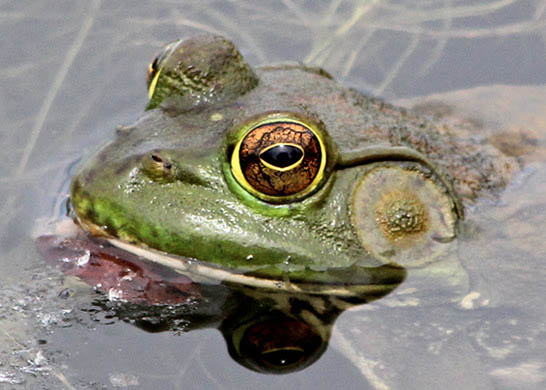
PRATT – A summer in Kansas isn’t complete without getting your feet a little wet – while frogging, that is. Yep, there’s a season on bullfrogs in Kansas and come July 1-October 31, farm ponds, puddles, shallow creeks and marshes will be teeming with the sounds of splashing and bullfrogs croaking.

Once you’ve purchased a 2018 fishing license, you can legally take bullfrogs using hook and line, dip net, gig, bow and crossbow, or of course, the old-fashioned but time-tested method of using your bare hands. The daily limit of bullfrogs is eight and the possession limit is 24.

While frogs can be caught during the day, most frogging is done at night. Stealth and a good light are “musts” for a successful frogging foray. Frogs’ eyes shine in a flashlight beam and the light seems to freeze them in place, so have a buddy hold a light for you or take a headlamp to keep your hands free. Approach the frog slowly and carefully, minding your foot placement; Heavy footfalls on shore or ripples in the water will send a bullfrog hopping every time, light or no light. Once the frog is in your possessions, place it in a 5-gallon bucket drilled with small holes, a burlap sack or fish basket.

The ultimate challenge is to catch bullfrogs by hand. This requires a low, quiet approach from behind, then a lightning-fast snatch. Aim to grab them mid-body, just in front of the rear legs. Should you decide to keep your catch, frog legs make for fun and surprisingly tasty table fare. Serve them dipped in batter and fried.

For more on bullfrog season in Kansas, visit ksoutdoors.com/Fishing/Fishing-Regulations and click “Bullfrogs.”

Kansas Supreme Court accepting public comment on proposed amendments to Rule 712

OJA

TOPEKA—The Kansas Supreme Court is accepting public comment on proposed changes to Rule 712 that will allow an attorney who performs legal services for a single employer to provide pro bono legal services through an organization the Supreme Court has approved for that purpose.

The court will accept comment until 5 p.m. Thursday, July 19. Comment may be made by email to [email protected] with “Rule 712” in the subject line.

Rule 712 currently allows an attorney who has passed another state’s bar exam to work for a single employer under a restricted license without taking a Kansas examination.

If adopted, proposed amendments to this rule will allow attorneys with Rule 712 licenses to perform pro bono services through either a not-for-profit civil legal services provider, or an accredited law school clinic, as long as the provider or clinic has been approved by the Supreme Court for that purpose.

Pro bono services are professional services provided by lawyers without payment.

The proposed amended rule is available for review on the Kansas Supreme Court website at www.kscourts.org under the heading What’s New.

The Supreme Court regulates the practice of law in Kansas through its authority to admit persons to practice as attorneys in the courts of Kansas, to prescribe rules to supervise attorney conduct, and to discipline attorneys. It also approves rules of procedure and practice used throughout state courts in Kansas.

Kansas awarded additional grant funding for Statewide Apprenticeship Program

KDC

TOPEKA — The Kansas Department of Commerce been awarded $1.2 million in additional grant funding from the U.S. Department of Labor Office of Apprenticeship to help grow the statewide Registered Apprenticeship Program. This new funding follows an initial $1 million in grant funding the agency earlier received. The funds are being used to offset training costs for employers, apprentices and training institutions.

The Registered Apprenticeship Program is built upon an employer-driven model that combines on-the-job learning with related technical instruction that increases an apprentice’s skill level and wages. It is a proven model for businesses to recruit, train and retain highly skilled workers.

“Since the reinvigoration of the program two years ago, we have observed a marked increase in advanced manufacturing, medical, electrical, plumbing and other high demand occupations in need of trained employees,” says Gary Westerman, State Manager of the Registered Apprenticeship Program. “The Registered Apprenticeship Team has taken several steps in identifying needs of Kansas employers and determining which fields are in the greatest needs of a workforce trained through the Registered Apprenticeship Program.”

There are presently 1,743 registered apprentices in Kansas, receiving both on-the-job training and paid employment with 393 apprentices achieving “Journeyperson “status within the past 18 months from ­­­246 employers.

Through this program, apprentices receive on-the-job training from an experienced mentor for at least a full year, providing a living wage while training for a career position. They also earn credentials which can be carried forward throughout their careers. At the same time, employers benefit by meeting their growing need for a trained workforce, experience lower turnover costs and higher productivity and reduce their costs for recruiting personnel.

“Registered Apprenticeship can improve a company’s workforce situation dramatically, including staff retention, skill knowledge, and safety, along with reducing training costs and increasing a company’s ability to develop their own talent pipeline,” said Westerman.

Currently the Kansas Department of Commerce staff, the Registered Apprenticeship Team and Local Workforce Development Board (LWDB) partners are working with local high schools and military installations across Kansas to demonstrate that receiving technical training and certification is a valid option to a traditional four-year college path — especially in meeting today’s workforce needs.

For more information on the Registered Apprenticeship Program, visit ksapprenticeship.org.

Zero hunting-related fatalities reported for Kansas’ 2017 seasons

KDWPT

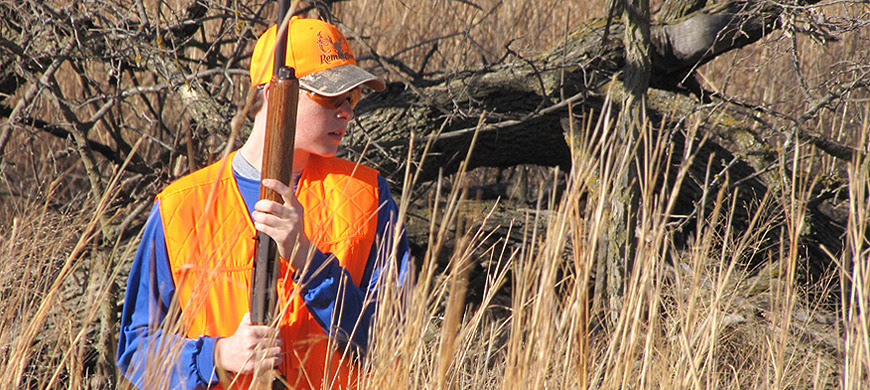
PRATT – Kansas Department of Wildlife, Parks and Tourism statewide Hunter Education Program coordinator Kent Barrett reports that 11 hunting-related incidents, and two treestand incidents, were reported in Kansas during the 2017 seasons, none of which were fatal.

Kansas Hunter Education staff attribute the consistently low numbers in recent years to the efforts of the state’s more than 1,400 volunteer hunter education instructors. Stationed throughout the state, hunter education volunteers work around the year to educate the public on the importance of firearms safety, ethics, wildlife and conservation.

“Our volunteer instructors certify about 9,000 students each year,” Barrett said. “And since the program began 45 years ago, more than 500,000 students have completed the course.”

While staff and volunteers would ideally like to see the number of incidents dropped to zero, current reports remain a stark contrast to statistics from 50 years ago when seven lives were lost in a year, two years in a row.

Of the 11 incidents reported in 2017, four occurred while hunters acted as “blockers” while hunting upland game; three were the result of hunters swinging on game; two were attributed to poor firearm handling; one was the result of the unsafe use of a decoy; and one was attributed to an equipment malfunction.

Neither of the hunters involved in the treestand incidents were wearing a full body harness or fall arrest system.

While 11 incidents is a low number considering the more than 5 million hunter-days spent afield each year, it doesn’t lessen the impact on the victims and their families who suffer as a result of these incidents. That’s why Kansas Hunter Education staff and instructors continue their work at-hand.

Hunting is one of the safest outdoor activities in Kansas, but everyone must do their part to keep it that way. As any Kansas Hunter Education instructor will tell you, the best piece of equipment a hunter can have afield is right between his or her ears.

To find a Hunter Education class near you, visit ksoutdoors.com/Services/Education/Hunter.

Free nicotine replacement therapy available to Kansans for limited time

KDHE

TOPEKA –  The Kansas Department of Health and Environment (KDHE)’s Bureau of Health Promotion is encouraging Kansas residents who want to quit using tobacco products to take advantage of the opportunity to get free nicotine replacement therapy (NRT). The NRT will be shipped directly to their homes by calling the Kansas Tobacco Quitline at 1-800-QUIT-NOW (1-800-784-8669).

In conjunction with the Centers for Disease Control and Prevention (CDC)’s Tips from Former Smokers campaign that began in April, the Kansas Tobacco Quitline is offering a free two-week supply of NRT to all callers who register, while supplies last.

About one in six (17.2 percent) Kansas adults, age 18 years and older, are current cigarette smokers. And more than half of them have tried to quit smoking at least once in the past year.

“Quitting smoking not only benefits the health of the smoker, but also helps to protect their loved ones from the harmful effects of secondhand smoke exposure,” said Dr. Greg Lakin, KDHE Chief Medical Officer.

The Kansas Tobacco Quitline is a free, 24/7 resource available to Kansas residents to help them quit smoking. The Quitline provides help, such as counseling, a personalized Quit Plan and quitting support by phone and through online services. The Quitline can be reached by calling 1-800-QUIT-NOW (1-800-784-8669) or visiting www.KSQuit.org.

“We want people to know that although quitting tobacco is hard, they can do it,” said Matthew Schrock, KDHE Tobacco Cessation Program Coordinator. “Smokers often need to make several quit attempts before succeeding, but proven treatments and services are available that can improve your chances to quit for good.”

The Kansas Tobacco Quitline is supported by KDHE. For more information on the Kansas Tobacco Use Prevention Program, visit www.kdheks.gov/tobacco.

KDA offers 2018 Organic Certification cost share program

KDA 

MANHATTAN — The Kansas Department of Agriculture has funds available for the national Organic Certification Cost Share Program (OCCSP), allowing farms, ranches and businesses which produce, process or package certified organic agricultural products to be reimbursed for eligible expenses.

The OCCSP allows state agencies to provide reimbursement to certified organic operators for up to 75 percent of the operation’s total allowable certification costs, up to a maximum of $750 per certification scope in the areas of crops, livestock, wild crops and handling (i.e., processing). The current period of qualification for organic operations seeking reimbursements is from Oct. 1, 2017, through Sept. 30, 2018, and applications will be accepted through Dec. 15, 2018.

The application for the cost share funding, as well as other information about the program, is available on the KDA website at agriculture.ks.gov/organiccostshare. Reimbursements will be on a first come, first served basis, based on receipt of the completed application packet, until available funding is exhausted.

The U.S. Department of Agriculture Farm Service Agency administers two organic certification cost share programs, and awards the OCCSP funds to eligible state agencies that serve as administering entities who work directly with organic operations to reimburse organic certification costs.

KDA is committed to serving all Kansas farmers and encouraging economic growth of the agriculture industry, which is the state’s largest economic driver.

Questions regarding cost share funds for organic certification may be directed to KDA economist Kellen Liebsch at [email protected] or 785-564-6726. Additional information can be found at the USDA National Organic Program website at www.fsa.usda.gov/programs-and-services/occsp/.

Copyright Eagle Radio | FCC Public Files | EEO Public File