We have a brand new updated website! Click here to check it out!

One school year later, guns on Kansas campuses draw little notice

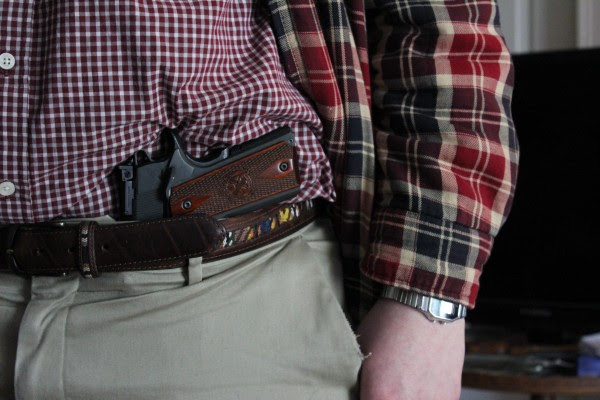
Wichita State student Daylan Andrews conceals his gun with his jacket while on campus. (Photo by Stephan Bisaha, Kansas News Service)

By STEPHAN BISAHA
Kansas News Service

For the past school year, guns have been allowed at public colleges in Kansas.

But the concealed nature of campus carry, alongside a year with no major gun-related incidents at Kansas universities, has meant most students and faculty haven’t really noticed the guns — or a difference.

“I kind of just forget that that’s a thing since I’m not a gun owner,” said Cammye Anderson, a senior at Wichita State University. “I’d be nervous if someone just pulled one out and was like, ‘Yeah, I just carry this around.'”

Universities had four years to prepare before campus carry went into effect in July. The law allows nearly anyone 21 and older to carry a concealed firearm at public colleges in the state. This spring, the Kansas Legislature considered dropping that minimum age to 18. Yet in the end, the law remained unchanged.

Schools largely resisted campus carry before it went into effect. Surveys of faculty and students found strong disapproval for the law; many were afraid guns on campus would make schools more dangerous. A Wichita State professor retired in protest of the law. Another at the University of Kansas started wearing a bulletproof vest.

But the year has, other than a couple of guns accidentally left in bathrooms, been quiet.

“We’re not the Old West where we meet each other on the ends of the street and shoot each other up,” said Warren Glore, an information technology project manager at Wichita State and National Rifle Association instructor.

The past year is proof, he said, that campus carry works.

“Absolutely nothing has happened to point to the gun people and say, ‘See, I told you so,’” he said.

Police at universities across Kansas said there were no serious incidents involving guns since the start of the school year. That didn’t surprise them.

“What we were expecting is what we got,” said Capt. Corey Herl of Wichita State’s police department.

Police also said there’s no evidence to back up predictions that campus carry would act as a deterrent.

A drop in reported crime at the University of Kansas was held up as proof by some right-leaning outlets that campus carry was effective. But the university’s public safety office said the fall-off was no different than the typical fluctuation from year to year and that it is impossible to credit campus carry.

Emporia State University’s chief of police, Chris Hoover, said that it’s been a “typical” year, as far as crime on campus.

“I’ve been in this job for almost 20 years and I honestly haven’t noticed anything major,” Hoover said.

An analysis of Wichita State’s daily crime log found the number of reported crimes shifted no more than it had in previous years.

The quiet year and lack of guns in the open have caused the issue to fade for many on campus, though some students and faculty remain heavily opposed.

Opponents see guns as having unnecessarily made universities more dangerous. They say one year without a major issue isn’t proof their fears are unfounded, pointing to recent school shootings like the one at a Parkland, Florida, high school that left 17 killed.

“It hasn’t happened yet,” said Xan Matteka, a sophomore at Wichita State. “But how are we supposed to know it couldn’t happen tomorrow? Because it could.”

Schools can still designate some spots and large sporting events on campus as gun-free. A location needs “adequate security measures,” such as metal detectors at a building’s entrances, to ban guns.

Some faculty aren’t convinced universities have the resources to keep guns out of all the places that should be, such as some labs with sensitive equipment.

“You don’t want to have a gun close to, let’s say, a propane tank in a lab,” said Mehmet Bayram Yildrim, an engineering professor at Wichita State. “If it accidentally shoots and hits one of those, it can cause great danger to everyone in the lab.”

Some professors also worry the presence of guns — or just the possibility of guns being present, as it’s a violation of campus carry to show a gun — will stifle vigorous academic debate.

“I’ve lost some of that sense of freedom to just speak out and be a professor and talk,” said Peer Moore-Jansen, the chair of Wichita State’s Anthropology Department.

Jansen said he’s not paranoid or expecting shootings to become commonplace. But college life is full of stress and pressures that some students can’t handle. He said adding guns only makes the situation more dangerous.

“Some of the concerns that we have are really intangibles, until they become real very suddenly.”
“Some of the concerns that we have are really intangibles,” Jansen said, “until they become real very suddenly.”

Wichita State senior Daylan Andrews carries a .45-caliber pistol at school.

To keep his gun concealed, he never takes off his red flannel jacket while on campus. It quickly gets uncomfortable on hot days — his skin chafes as sweat runs beneath the metal pistol tucked into his waistband. But Andrews says comfort isn’t the point.

“I’m not carrying it just because it makes me giggle on the inside,” Andrews said. “That’s not what it’s about.”

Rather, he says it is about protecting himself and those around him.

“It’s about responsible usage,” Andrews said, “and showing other people that you care.”

Stephan Bisaha reports on education for KMUW in Wichita and the Kansas News Service, a collaboration of KMUW, Kansas Public Radio, KCUR and High Plains Public Radio covering health, education and politics. Follow him on @SteveBisaha.
Enter your favorite outdoor photos in KDWPT photo contest

KDWPT

PRATT – Entries are being accepted for the 2018 “Wild About Kansas” photo contest hosted by the Kansas Department of Wildlife, Parks and Tourism. If you’ve snapped a neat photo or two related to Kansas wildlife, outdoor recreation, hunting, fishing, or local landscapes, consider participating the 6th annual contest by 11:59 p.m. on Oct. 14, 2018. Here’s how to enter.

1. Visit ksoutdoors.com, click “Publications,” then “2018 Wild About Kansas Photo Contest.”

2. Read the category descriptions and rules.

3. Click on and complete the “2018 ‘Wild About Kansas’ Entry Form.” (You will receive a conformation code upon completion).

4. Copy your confirmation code into the subject line of a new e-mail.

5. E-mail your photos with category information to [email protected].

Participants who find themselves on the receiving end of a 1st, 2nd, 3rd or honorable mention award can expect to see their photo(s) in the 2019 Jan/Feb photo issue of Kansas Wildlife and Parks Magazine.

For the best chances of success, make sure your photos are:

-1MB or larger

-Taken in Kansas

-Appropriate for the category (photos of domestic animals will not be considered)

For more information, visit ksoutdoors.com/Services/Publications/Magazine/2018-Wild-About-Kansas-Photo-Contest.

Take measures to keep ticks off

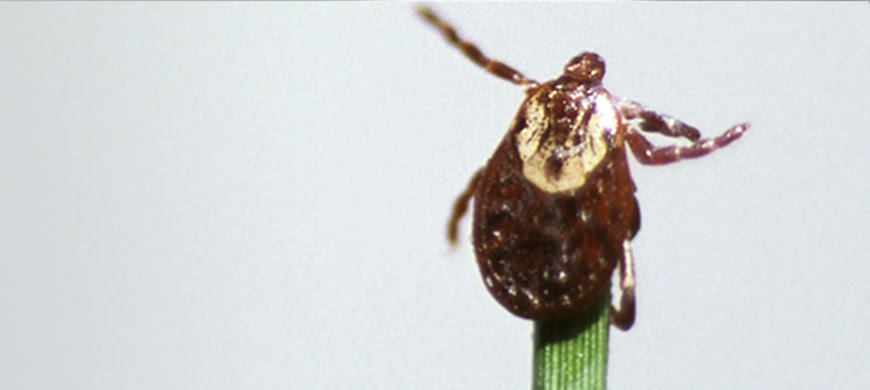
Tick

KDWPT

PRATT – No one likes ticks. They crawl on us, bury their mouth parts in our skin and they suck our blood. What’s to like? To make matters worse, they can also transmit bloodborne diseases such as Rocky Mountain spotted fever and Lyme disease, and neither of them should be taken lightly. The best way to prevent either disease is to stop ticks before they bite. Here are some tips on how you can do that:

-Wear protective clothing when practical (long sleeves and pants). Clothing should be light-colored to make ticks more visible. When hiking, wear a long-sleeved shirt tucked into pants, long pants tucked into high socks and over-the-ankle shoes to keep ticks out.

-Products containing permethrin, which kills ticks rather than merely repelling them, can be applied to clothing and equipment but not directly to skin. Garments must be allowed to dry thoroughly before wearing. Clothing and tents pre-treated with permethrin are available, and the protection can remain active through several washings. Be sure to follow label directions.

-Insect repellents also reduce the risk of being bitten. When outdoors, use insect repellant containing 20 percent to 30 percent DEET on exposed skin and clothing for protection that lasts up to several hours. Follow the directions on the label. Other repellents registered by the Environmental Protection Agency can be found at https://cfpub.epa.gov/oppref/insect/.

-Ticks are usually found on vegetation close to the ground. In addition to regular mowing, avoid wooded or bushy areas with tall grass and leaf litter and walk in the center of trails.

-Check yourself at least every two hours for ticks when outside for extended periods of time. Pay special attention to areas in and around your hair, ears, armpits, groin, navel and backs of the knees. Promptly remove a tick if one is found. The sooner a tick is removed, the less chance it will transmit a disease to its host. If you find a tick, grasp the tick with tweezers as close to the skin as possible and slowly pull it straight out. Do not crush or puncture the tick and try to avoid touching the tick with your bare hands. Thoroughly disinfect the bite area and wash your hands immediately after removal. And be sure to also examine pets and gear, as ticks can ride into the home on animals, coats, backpacks and blankets, etc.

Symptoms of tick-borne disease can include any unusual rash and unexplained flu-like symptoms, including fever, severe headaches, body aches and dizziness. Prompt treatment with antibiotics can prevent serious illness or even death. See your doctor immediately if you have been bitten by a tick and experience any of these symptoms.

Kansas Treasurer returns record amount of unclaimed property

OFFICE OF KS TREASURER

TOPEKA – Kansas State Treasurer Jake LaTurner has returned over $23.7 million to Kansans since July 1st of 2017. That is the most unclaimed property ever returned in a single year and there is still over a month and a half to go in the fiscal year. The Treasurer and his staff have completed a 105 County Tour in less than 5 months to provide free unclaimed property searches for Kansans in their home counties.

The Treasurer has also modernized the office by utilizing social media for their marketing efforts, which has more than doubled the number of searches on www.kansascash.com. There have been over two million Kansas names searched since July 1st, 2017. Treasurer LaTurner also launched a new website that is user and mobile-friendly. It simplifies the claims process and now Kansans are able to receive direct deposits rather than waiting for a check in the mail.

“This year has been a great success,” LaTurner said. “Returning over $23.7 million to Kansans is significant. Every dollar we return to the people of Kansas is a dollar that goes back into their local communities. Not only have we returned a record amount of money to Kansans, but we have made the process more user friendly and we have improved the service offered to Kansans.“

The State Treasurer’s Office is currently safeguarding $350 million in unclaimed property and is charged with returning it to its rightful owners and heirs. Unclaimed property includes inactive savings and checking accounts, uncashed checks, stock shares and bonds, dividend checks, insurance proceeds, mineral royalties and utility deposits.

For more information on the Kansas State Treasurer’s Office or unclaimed property, please visit www.KansasCash.com, or call 785-296-3171. There is no cost to search and claim your rightful property.

“The average return to Kansans is $244 and that means something to the LaTurner household, just like it does to most Kansas families,” continued LaTurner. “Many individuals have reinvested their returned money back into their communities. One donated his claim to a local nursing home in northwest Kansas, another was going to use it to help start her daughter’s college fund, and many others paid down debt. It’s such an honor to serve Kansans in this capacity.”

Master Angler Awards keep big fish memorable

KDWPT

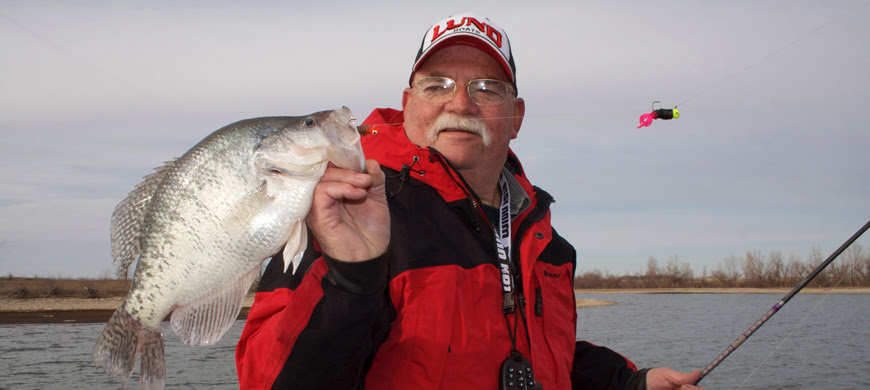
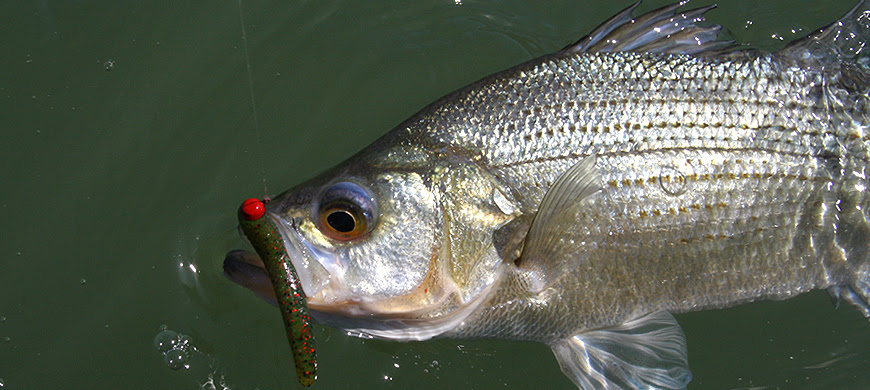
PRATT ­– Every angler loves to show off photos of the big fish they catch. It’s a sign they are skillful or lucky, or both; and, if your fish is truly trophy-class, you can get a certificate that will commemorate your catch for years to come. The Kansas Department of Wildlife, Parks and Tourism’s (KDWPT) Master Angler Award program recognizes anglers who catch fish that meet or exceed lengths established for trophy-class sport fish species.

All an angler needs is a tape measure and a camera. Measure the fish, snap a color photo, and fill out the application, available in the 2018 Kansas Fishing Regulations Summary or at www.ksoutdoors.com (click “Fishing,” then “Special Fishing Programs”).

Minimum lengths are listed for 33 different fish species in the regulations summary and online. For example, to receive a Master Angler Award for a crappie, the fish must measure at least 15 inches. The color photo allows species identification.

Even if you are luckier than you are good, and you catch that slab crappie, send us an application and we’ll mail you a custom certificate suitable for framing. May is one of the best months of the year to catch big fish, so what are you waiting for?

EPA’s Pruitt signs memo to reform National Ambient Air Quality Standards Review Process

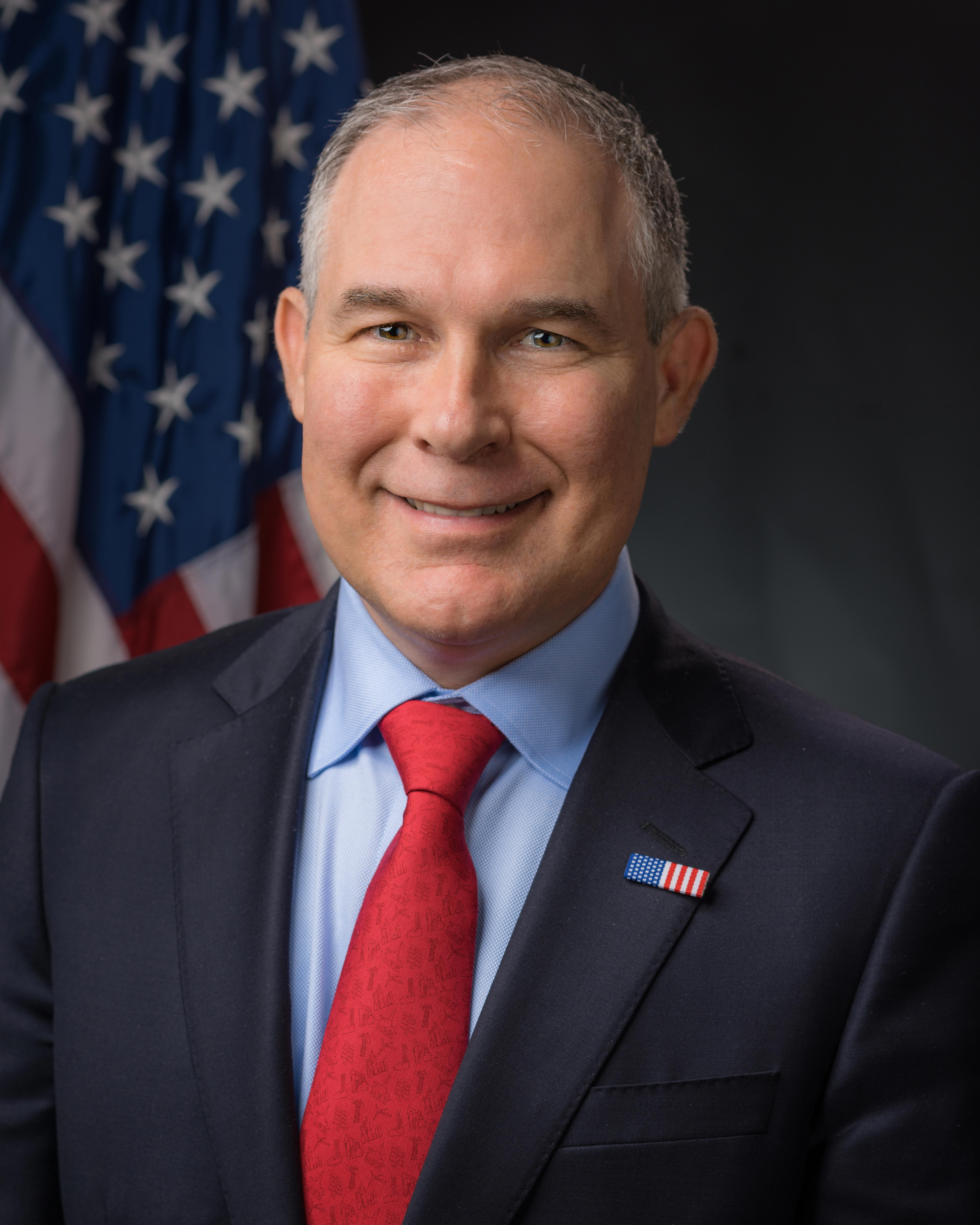
Scott Pruitt, EPA Administrator

EPA

WASHINGTON – U.S. Environmental Protection Agency (EPA) Administrator Scott Pruitt signed a memorandum outlining a “Back-to-Basics” process for reviewing National Ambient Air Quality Standards (NAAQS) under the Clean Air Act. This memo ensures that EPA and its independent science advisors follow a transparent, timely, and efficient process in reviewing and revising public health- and welfare-based NAAQS.

The reforms, advancing initiatives set out in President Trump’s April 12 Memorandum on Promoting Domestic Manufacturing and Job Creation – Policies and Procedures Relating to Implementation of Air Quality Standards, include incorporating important policy-relevant context, as required in the Clean Air Act, on issues like background pollution and potential adverse health, welfare, economic, energy, and social effects from strategies to attain and maintain the NAAQS. The memo commits EPA to begin the next review of the ozone NAAQS so it can finalize any revisions by the Clean Air Act deadline of October 2020. It also requires that the Agency complete its review of the particulate matter NAAQS by December 2020.

“The principles laid out in this memorandum will reform the process for setting national air quality standards in a manner consistent with cooperative federalism and the rule of law,” said EPA Administrator Scott Pruitt. “Getting EPA and its advisors back on track with Clean Air Act requirements, statutory deadlines, and the issuance of timely implementation rules will ensure that we continue the dramatic improvement in air quality across our country.”

“These NAAQS process reforms better separate scientific judgments from policy decisions,” said former EPA Deputy Administrator (2005 – 2009) Marcus Peacock. “Setting air quality standards is murky enough without muddying the distinctly different duties of scientists and political appointees in protecting human health and the environment.”

“As Administrator Pruitt and I discussed early in his tenure at EPA, clean air is our common goal, the question is how we get there. Missed deadlines and delayed guidance don’t help achieve it. Having all the facts as we set these standards also provides useful insight as standards that impact wide swaths of the country are set,” said Rep. Pete Olson (TX). “I thank the Administrator and his team for taking this key step, and look forward to working with him as we continue to move toward standards that improve air quality while reducing unnecessary red tape.”

“These reforms are long overdue. Congress clearly understood that there would be tradeoffs involved in the Clean Air Act,” said Bracewell LLP Partner and former EPA Assistant Administrator for the Office of Air and Radiation (2001 – 2005) Jeff Holmstead. “It’s good to see that the public will finally get an authoritative accounting of the adverse effects caused by some of EPA’s regulatory mandates. Policymakers, including members of Congress, need to understand the adverse public health, social, and economic effects of the actions that will be needed to meet inflexible air quality standards.”

“A consequence of EPA’s non-transparent National Ambient Air Quality Standards (NAAQS) setting process (which the Administrator rectified last month), has been the establishment of some standards near background levels,” said Principal Scientist for Air Improvement Resource, Inc., and former Chairman of EPA’s Clean Air Scientific Advisory Committee (1992 – 1996) Dr. George Wolff. “The policy ramifications of this have not been fully appreciated. Setting the NAAQS at such low levels has also exacerbated unintended adverse impacts. The contributions to uncontrollable background levels and the nature of these adverse effects need to be better understood to inform policy making decisions. It is not only appropriate that CASAC be an integral part of these discussions, but it is also mandated by an often-overlooked section of the Clean Air Act.”

“I applaud the Trump administration’s efforts to improve implementation of the Clean Air Act,” said Sen. John Barrasso (WY). “These necessary reforms will give certainty to states and businesses. The reforms will also make sure the Environmental Protection Agency considers all relevant data and information when it makes decisions. That is just good government.”
“I applaud the EPA for taking this commonsense step to fix our broken process for setting and implementing ozone standards, which has caused confusion and stifled investment and job creation throughout the country,” said Sen. Shelley Moore Capito (WV). “I am encouraged that the EPA reforms are taking an approach similar to that in legislation that I have championed, the Ozone Standards Implementation Act.”

“I have been a participant and observer of the NAAQS review process since 1977 including serving as CASAC Chair and on Panels reviewing all of the criteria pollutants. The process has continued to improve over the decades, however, serious issues still remain. I applaud key principles outlined in the memo,” said Independent Advisor on Toxicology and Human Health Risk Assessment and former Chairman of EPA’s Clean Air Scientific Advisory Committee (1988 – 1992) Dr. Roger O. McClellan. “It is appropriate to commit to meeting the statutory deadline of completing the review of each NAAQS every five years. Coordinating the Ozone and Particulate Matter reviews so they are completed close to each other, in October 2020 for Ozone and December 2020 for PM, should increase the efficiency and effectiveness of the process. The focus needs to be on the policy relevant information that will inform the policy decisions the CAA requires the Administrator to make.”

Click here to view the full memo.

Kansas Supreme Court amends rules for mandatory electronic filing in all courts

OJA

TOPEKA—The Kansas Supreme Court announced today that it has amended two rules to facilitate the requirement that all attorneys must electronically file documents in all state courts effective June 25, 2018.

The requirement applies to all Kansas-licensed attorneys who are permitted to practice law under Rule
208(a), and it applies to all case types processed by Kansas courts. Self-represented parties will continue to file paper documents.

“Electronic filing has been required in the appellate courts since November 2015, and many judicial districts have mandated efiling as well,” said Chief Justice Lawton Nuss. “This statewide mandate is an important step in our move toward centralized case management, which is part of our Kansas eCourt initiative, and the standardization that will come with it.”

To advance the efiling requirement, the Supreme Court amended two rules for district courts:

  • Supreme Court Rule 122: Electronic Filing and Service by Electronic Means. This amended rule requires a Kansas-licensed attorney who is permitted to practice law under Rule 208(a) to electronically file documents in the district courts, unless there is a failure of the filing attorney’s technology. Other amendments address electronic service, certificates of service, and filings made untimely if an efiling system is unavailable.

Notice of Electronic Filing

The Supreme Court also authorized modifying the notice of electronic filing generated by the Kansas Courts eFiling system to include a link that allows an attorney of record to directly access an electronically filed document. Currently, the notice of electronic filing alerts the attorney in a case that a document has been electronically filed, and the attorney must log in to the Kansas Courts eFiling system to access the document.

Once the enhancement is in place, the notice of electronic filing will include a link to the document if an unsealed document is electronically filed in the Kansas Courts eFiling system. If the document is sealed, the attorney will need to log in to the Kansas Courts eFiling system to access the document.

The enhancement to the notice of electronic filing is expected to be in place by fall, and attorneys will be notified as soon as it is available.

Documents Deemed Accepted on Submission

The Supreme Court also decided to work toward implementing policy that a document is deemed accepted as soon as it is filed, and it is immediately available for review, unless it is subject to an exception, such as a sealed document. Implementation of this policy is expected to coincide with the Kansas judicial branch’s transition to a new centralized case management system.

Attorneys Encouraged to Sign-up to Electronically File

Attorneys who have yet to start filing electronically are encouraged to visit the Kansas Courts Electronic
Filing web page
 on the judicial branch website to register to efile, access training videos, and enroll in webinars.

Since electronic filing’s inception in Kansas courts in 2013, more than 4.4 million documents have been efiled in district and appellate courts. Currently, 24 judicial districts representing 79 counties require attorneys to efile in some or all case types. The remaining seven judicial districts representing 26 counties accept documents filed electronically but do not require it.

Of the 11,700 Kansas-licensed attorneys who are registered as active, more than 6,000 have registered to efile. Some attorneys may never efile if they do not litigate in Kansas state courts.

Mandatory efiling important step toward centralized case management

Mandatory electronic filing is an important step toward centralized case management, which will allow all district and appellate case data to reside on a single web-based platform and transform the way the state court system serves the people of Kansas.

The primary goals of centralized case management are to:

  • Improve case processing in the district and appellate courts.
  • Increase the efficiency of information delivery to district and appellate court judges.
  • Increase operational efficiency and effectiveness through automating certain activities and streamlining other operations.
  • Improve data quality and integrity.
  • Improve performance measurement, analysis, and reporting through enhanced information collection, storage, retrieval, and analysis.
  • Enable work sharing between district courts, primarily among clerks and court services.
  • Maintain and improve data sharing between various governmental and public entities.
  • Maintain and improve the ability to process electronic payments.
  • Enable web-based sharing of public information.

As a result of action by the 2014 Legislature, the centralized case management project is funded by a portion of the docket fees collected by the courts.

The conversion to the centralized case management system is expected to take three to four years. The order in which courts will be brought onto the new system is described in the fact sheet Kansas eCourt: Statewide Rollout Plan.

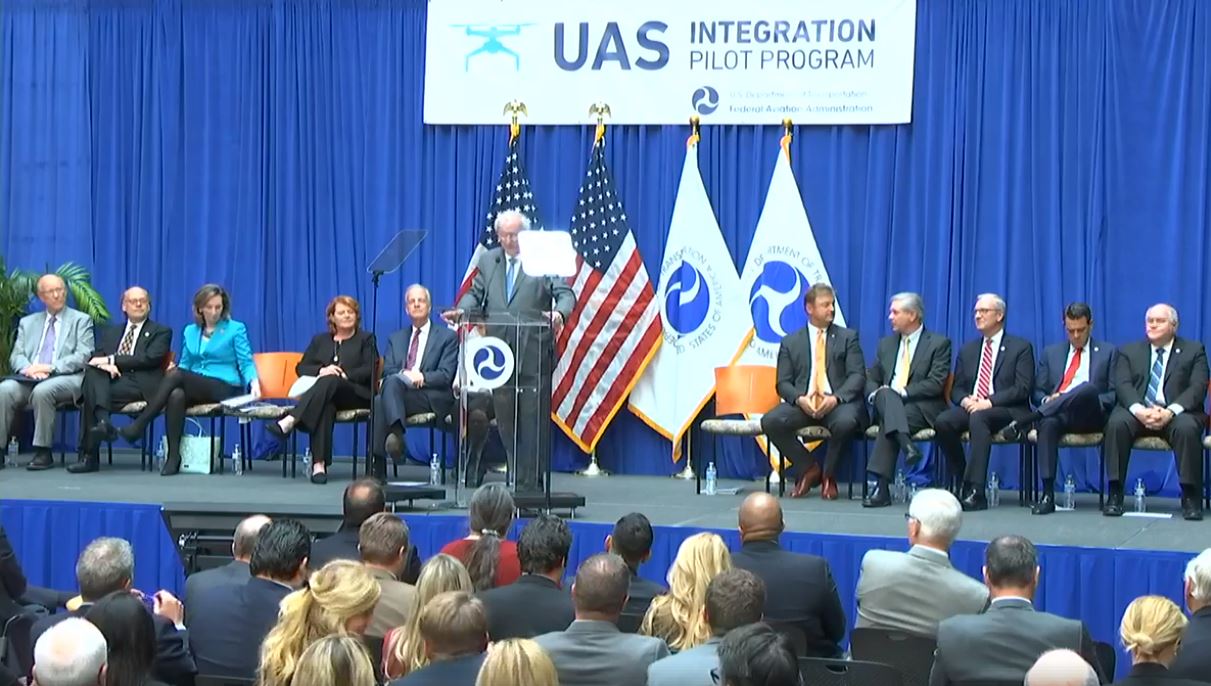
KS to participate in national Unmanned Aircraft Systems Integration Pilot Program

U.S. Sen. Jerry Moran (R-KS) spoke at spoke at the announcement ceremony at DOT.

OFFICE OF KS GOV.

BENTON – U.S. Transportation Secretary Elaine L. Chao Wed. announced that Kansas has been selected as one of ten participants in the Unmanned Aircraft Systems (UAS) Integration Pilot Program, an initiative aimed at shaping the future of drones in America.

“We are looking forward to helping today’s winners unlock the enormous potential of drone operations, which will create new services and jobs in their local communities,” said Secretary Chao.

“We are looking forward to leading the way in Unmanned Aircraft Systems going forward and we are very happy to be a part of this program,” said Governor Jeff Colyer. “UAS technology has the potential to do so many remarkable things and as the air capital of the world we feel it’s particularly appropriate for Kansas to be a part of this aviation of the future.”

Drone integration testing in Kansas will focus on search and rescue of stranded motorists, explore infrastructure inspection and remote safety assessment applications for transportation nationwide.

Lt. Governor Tracey Mann, who was on hand at the announcement in Benton noted the successful use of UAS technology in agriculture, something very important to Kansans.

U.S. Senator Jerry Moran (R-Kan.) – member of the Senate Committee on Commerce, Science, and Transportation and co-chair of the Senate Aerospace Caucus – applauded the Department of Transportation’s (DOT) announcement. Kansas Senator Pat Roberts also spoke at the ceremony.

The UAS Integration Pilot Program is an opportunity for state, local, and tribal governments to partner with private sector entities, such as UAS operators or manufacturers, to accelerate safe UAS integration.

The Program is expected foster a meaningful dialogue on the balance between local and national interests related to UAS integration, and provide actionable information to the U.S. Department of Transportation regarding the expanded and universal integration of UAS into the National Airspace System.

More information related to the UAS Integration Pilot Program. can be found at https://www.faa.gov/uas/programs_partnerships/uas_integration_pilot_program/splash/.

KDHE welcomes Deputy Secretary of Public Affairs

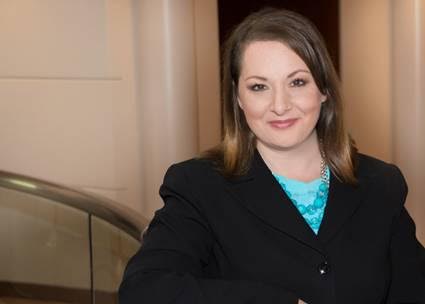
Theresa Freed, new KDHE Deputy Secretary of Public Affairs

KDHE

TOPEKA – Kansas Department of Health and Environment (KDHE) Secretary Jeff Andersen is pleased to announce that Theresa Freed has joined KDHE to serve in a newly-created position of Deputy Secretary of Public Affairs. Freed served as the Communications Director for the Kansas Department for Children and Families (DCF) for five years, and prior to that, served as Public Information Officer for the Kansas Department for Aging and Disability Services.

“I’m excited to have Theresa heading our Communications and Legislative divisions,” said Secretary Andersen. “She has done tremendous work at DCF, engaging the public and embracing new technology to share the good work of the agency. We look forward to her doing the same and more at KDHE.”

As DCF Communications Director, Freed was instrumental in leading many DCF public relations projects, including the launch and implementation of Foster Kansas Kids, digital signage and the children’s room redesign. She successfully initiated DCF’s presence on social media, and played a key role in the redesign of both the DCF public website and intranet. She worked closely with the agency’s Legislative and Policy division to create and review legislative testimony and supplemental information for lawmakers. Prior to state service, Freed worked for 13 years as a print and television reporter and anchor, honored with numerous journalism awards. She obtained bachelor’s degrees in broadcast journalism and political science from the University of Kansas and a master’s degree in mass communications from California State University.

“I have greatly appreciated my time at DCF,” said Freed. “After many years of working at an agency that assists families at some of the most difficult points in their lives, I am now looking forward to helping Kansans in this new capacity. KDHE does amazing work through a wide range of programs and services, and I am excited to share those stories.”

Relevant experience from State service that Freed brings to KDHE includes serving on the initial KanCare Communications Workgroup, supporting the work of the KanCare Ombudsman, leading communications planning on the KEES project related to DCF services, and working closely with the DCF child care program to launch and promote a quality recognition system. She has previously worked in collaboration with KDHE on joint messaging related to child care facility safety and hot car awareness related to children.

Freed will lead the team of communications professionals at KDHE, including Director of Communications Gerald Kratochvil and Public Information Officers Kara Titus and J.C. Reeves. She will also oversee the legislative division, which includes Legislative Liaison Liz Dunn.

Freed and her husband, Larry, reside in their hometown of Topeka, with their two sons.

Arson Awareness Week focuses on reducing arson at vacant and abandoned buildings

OSFM

TOPEKA – The Kansas Office of the State Fire Marshal (OSFM) joins the United States Fire Administration (USFA) in dedicating the week of May 6-12, 2018, as Arson Awareness Week. The purpose for this week is the recognition, awareness and understanding of the crime of arson – one of our nation’s most dangerous and costly threats to people and property.

The theme for this year’s Arson Awareness Week is, “Reducing Arson at Vacant and Abandoned Buildings.” According to USFA, 34 percent of vacant residential building fires in the United States were cause by intentional actions. In Kansas, from 2000-2017, there were 1,031 arson fires in vacant or abandoned buildings within the state of Kansas resulting in major property loss.

“We would like to use this week of arson awareness to focus on the importance of partnering with fire and emergency services departments, law enforcement, public works, insurance companies and the justice system to prevent the crime of arson at vacant and abandoned buildings in Kansas,” Doug Jorgensen, Kansas Fire Marshal, said. “Fires in vacant buildings are more likely to be intentionally set, therefore, spreading to other buildings and structures, causing extremely dangerous, sometimes deadly, situations for firefighters and citizens.”

Arson is the willful, malicious, intentional and/or reckless burning of property. Unsecured and exposed to the elements, abandoned and vacant structures can be extremely treacherous to firefighters, as they lack structural integrity and may contain other hazards. Urban mining removes pipes and wiring, resulting in additional pathways for the spread of smoke and fire.

The best method to keep firefighters safe is to aggressively identify, evaluate and secure vacant and abandoned buildings. In addition, jurisdictions should adopt a policy which limits interior fire attack to incidents where there is a confirmed life hazard. Insurance fraud and arson for profit are criminal methods of obtaining money from a fire loss policy and are common in vacant and abandoned building fires.

Anyone with information on any arson should call 1-800-KS-CRIME or submit an information report online at https://firemarshal.ks.gov/arson.

KDADS recognizes Older Americans Month 2018: “Engage at Every Age”

KDADS 

TOPEKA – This May the Kansas Department for Aging and Disability Services (KDADS) joins the federal Administration on Aging, part of the Administration for Community Living, in recognition of Older American’s Month (OAM). For 55 years, OAM has been observed to celebrate older Americans and their contributions to our communities.

Every May offers an opportunity to hear from, support, and celebrate our nation’s older adults. This year’s OAM theme, “Engage at Every Age,” emphasizes the importance of being active and involved, no matter where or when you are in life. You are never too old (or too young) to participate in activities that can enrich your physical, mental and emotion well-being.

“We should all keep in mind the contributions that older people continue to make to our state and nation.  I am proud that the State of Kansas respects and supports the older Kansans in our state who have a lifetime of experience to share with us and pave the road of opportunity for younger Kansans,” Secretary Tim Keck said. “While KDADS provides services, support and resources to older adults year-round, Older Americans Month is a great opportunity to reach out to elders and show special appreciation for their presence in our communities – and our lives.”

To learn more about activities and events planned for Older Americans Month, or to find ideas about what you can do to unleash the power of age, visit the Older Americans Month website athttps://oam.acl.gov/index.html.

Eisenhower Museum to get a new look

By SAMANTHA KENNER
Eisenhower Presidential Library and Museum

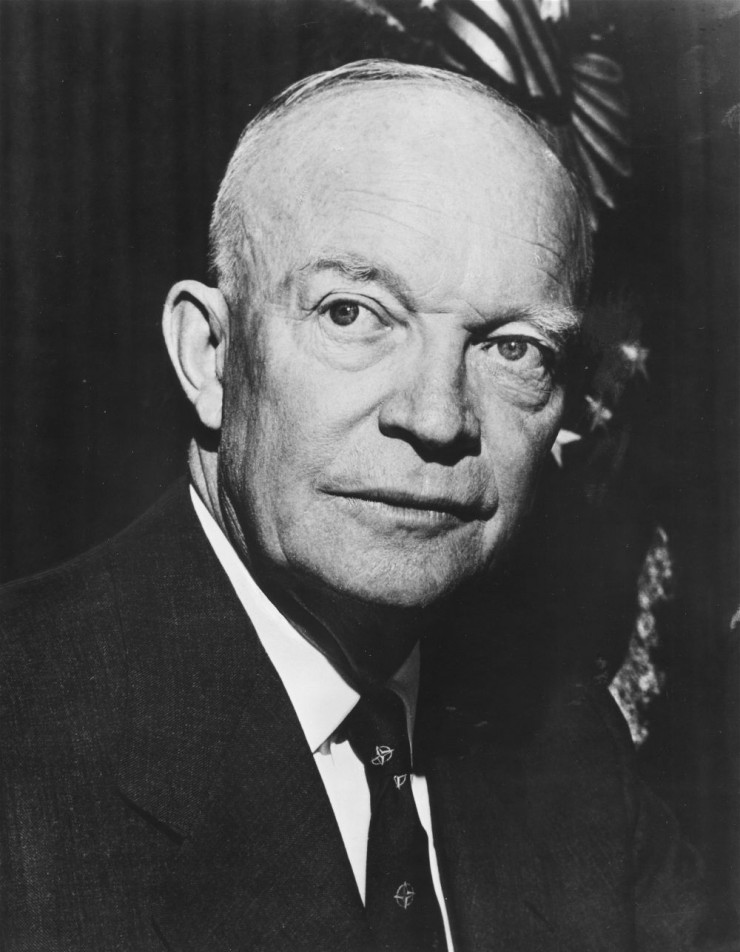
ABILENE – The Eisenhower Presidential Library and Museum is pleased to announce the commencement of a complete museum redesign. “This is an exciting time for all of us. With new scholarship and technology, the redesign will offer visitors many reasons to keep coming back. Ike and Mamie deserve the best and that is our goal,” stated Director Dawn Hammatt.

Beginning May 14, exhibits will be located in the library building while the museum gets a new look. The project is expected to take 12 months. The work will encompass the museum’s entire 25,000 square foot exhibit space. The comprehensive exhibit redesign is made possible by the Eisenhower Foundation’s successful multi-million dollar fundraising campaign.

“We are so grateful for our partnership with the Eisenhower Foundation. They have worked very hard raising funds from private donors to make this project a reality. We are also pleased to receive federal funding for much needed structural improvements for accessibility and public amenities,” Hammatt said.

The PRD Group from Chantilly, Va., is designing the new exhibits and general contracting services will be provided by Jacobs.

The Eisenhower Presidential Library will maintain regular operating hours during the project. The site is open daily from 9 a.m. to 4:45 p.m. (June and July: 8 a.m. to 5:45 p.m.). Guided tours of the boyhood home are offered every 15 minutes with the last tour at 4:30 p.m. Increased public programs and activities will be scheduled throughout the duration of the museum project.

Connect with us on social media at @IkeLibrary or visit www.eisenhower.archives.gov for additional details and updates on this exciting project.

About the Eisenhower Presidential Library
The Eisenhower Presidential Library, Museum and Boyhood Home, a nonpartisan federal institution, is part of the Presidential Libraries network operated by the National Archives and Records Administration. Presidential Libraries promote understanding of the presidency and the American experience. We preserve and provide access to historical materials, support research, and create interactive programs and exhibits that educate and inspire. Public programs and exhibits at the Eisenhower Presidential Library are made possible through the generous support of the Eisenhower Foundation. To learn more, please visit eisenhowerfoundation.net.

KDWPT offers tips for anglers

KDWPT

PRATT ­– In an age of information overload and ever-changing news, it can be frustrating to locate accurate information when you need it. This is especially true for anglers whose success can often hinge on getting the “right” information in a timely manner, because anyone who has ever wet a line knows: fish don’t wait for you.

For a quick (and accurate) rundown of what you’ll need before hustling out to the water this fishing season, follow the Kansas Department of Wildlife, Parks and Tourism (KDWPT)’s tips below.

GRAB YOUR LICENSE

There are a few things you should have before your first fishing trip, and number one, if you’re a resident age 16-74, or a nonresident age 16 and older, is a fishing license. There are several options for residents: a one-day license for $8.50, annual fishing license for $27.50, senior (age 65-74) annual fishing license for $15, or combination hunting/fishing license for $47.50.

Nonresident anglers can purchase a one-day license for $14.50, five-day license for $27.50, annual fishing license for $52.50, or combination hunting/fishing license for $137.50.

SIGN UP FOR AUTO-RENEW

Your fishing license will be valid for 365 days from the day you purchase it, rather than the calendar year licenses of the past. So, why not keep that year-round coverage ongoing with KDWPT’s new auto-renew feature? When making your purchase online at ksoutdoors.com, simply click the “auto-renew” box next to your fishing license before finalizing your purchase. This way you can ensure you have a valid fishing license every year without another thought. You can also buy your license at more than 600 license vendors around the state.

READ UP ON THE RULES

Once you have a license, grab a copy of the 2018 Kansas Fishing Regulations Summary. The 48-page pamphlet has all fishing regulations, of course, but you’ll also find color fish I.D. illustrations, as well as a listing of all reservoirs, state fishing lakes and community lakes with locations and special regulations. The regulation pamphlet should be in every angler’s tackle box.

FISH SMART: FOLLOW THE DATA

Another handy item no angler should be without is the 2018 Fishing Forecast, available at KDWPT offices and online at ksoutdoors.com. The forecast is assembled using survey data fisheries biologists gather while sampling fish populations in the lakes they manage each summer and fall. The forecast can help anglers find a lake that provides good fishing for the kind and size of fish they prefer. Every lake is different; one may provide high numbers of 12- to 15-inch bass while another has fewer bass, but many that are 18 inches long or longer.

Visit ksoutdoors.com or drop by your local sporting goods store and get your fishing necessities, so you’re ready when your buddy calls and says, “the fish are biting!”

Copyright Eagle Radio | FCC Public Files | EEO Public File