TOPEKA – Last year’s “repeal and replace” fight in Congress underscored how deep−and deeply confusing−disagreements over health care policy can be.
In October and November of 2017 David Jones, Ph.D., an assistant professor at Boston University’s School of Public Health, traveled to Kansas and Colorado to learn what Republican and Democrat legislators and other state policy leaders are concerned about when it comes to health reform. KHI helped facilitate Jones’ visit to Topeka, where he met with 16 health policy stakeholders, including legislators, agency officials, health insurance representatives, health care providers, and advocates. His visit also included meeting with a bipartisan focus group of legislators at KHI.
Jones’ report, Views from the Heartland: Prospects for Bipartisanship in Health Reform, finds that leaders in both Topeka and Denver are frustrated with the volatility of national politics, have divergent views on what the problems are with health reform and health policy and their root causes, but share the desire to focus on health and health outcomes and improve access to care, especially in rural communities.
After more than 15 years of extraordinary efforts by KidsAndCars.org and other advocacy groups, a long-overdue auto safety standard became fully effective May 1, 2018.
This standard helps to improve passenger vehicles’ rear visibility and prevent deaths from drivers backing into children and adults they cannot see. For over 100 years, vehicles were manufactured without any regulation on what the driver should be able to see behind them when backing.
This measure will save countless lives, especially of children. It is the first federal regulation for rear visibility in our nation’s history. It doesn’t matter where on earth a vehicle is manufactured, all new passenger vehicles sold or leased in the U.S. will now be equipped with a rearview camera as standard equipment.
In 2008 Congress enacted the Cameron Gulbransen Kids Transportation Safety Act. The law was named after Cameron Gulbransen who died in 2002 at age 2 after his father, a pediatrician, accidentally backed over him in the driveway because he was unable to see the toddler in the blindzone behind his vehicle.
Each year an average of 226 individuals are killed and over 12,000 injured in backover crashes, reports the National Highway Traffic Safety Administration (NHTSA). Drivers using all three mirrors still cannot see anything in a blindzone 10-50 feet long directly behind their vehicles. Over half of those killed in backover accidents are children under 5 or adults 70 or older, NHTSA’s analysis shows.
Bill Nelson, another parent who lost his son, said, “Our family is thrilled that the rule has finally been issued – not just for those of us who worked so hard in memory of our children, but also for families whose children’s lives will be saved by this safety standard.” The Nelson family lost their son Alec after he was backed over because his grandfather could not see him in the large blindzone behind his SUV.
Dr. Greg Gulbransen added, “It’s been a long fight, but we’re thrilled this day has finally come. It’s a bittersweet day, because this rule should have been in place many years ago. Though his own life was short, my son Cameron inspired a regulation that will save the lives of countless others.”
TOPEKA – Currently, there are more than 7,500 Kansas children in foster care. Sadly, these children have been placed outside of their home by the court for safety reasons.
As the number of children in foster care continues to rise, following the national trend, the Kansas Department for Children and Families (DCF) is actively recruiting foster families in all parts of the state, to ensure children can remain in their home communities while the agency and its contractors work with birth families to address safety issues and promote reunification.
“It has become abundantly clear that we need more foster families, especially those who are willing to accept older youth, sibling groups and children with special needs,” said DCF Secretary Meier-Hummel. “We are actively working to strengthen the continuum of care.”
At this time, there are more than 2,600 foster homes in Kansas. Ensuring appropriate accommodations for children in care has been and remains a top priority for Secretary Meier-Hummel. However, some solutions to address the shortage of homes and facilities require additional funding. Governor Jeff Colyer, in January, proposed a DCF budget enhancement of $16.5 million to address this and other urgent issues to help Kansas families in crisis.
“I remain hopeful that the Kansas Legislature will respond to these needs by fully funding this request,” said Governor Colyer. “As a State, we have a duty to care for children deemed unsafe in their own homes. Without adequate resources, we jeopardize our ability to address the problems facing the child welfare system.”
With the current resources, Secretary Meier-Hummel continues to seek solutions to the placement-option shortage. In recent months, she has worked diligently with DCF staff and others to address the immediate issue of placing youth, to prevent overnight stays in contractor offices. She is also directing staff to quickly eliminate identified barriers in the placement process. Kinship care approvals are being expedited. Reviews and investigations of foster homes are being moved through. And provider agreements are being fast tracked to increase bed availability. These steps are being taken, all while ensuring child safety is not compromised.
While it’s important to focus on the immediate need for placement options, it’s also important to relay our appreciation for the foster and kinship families who are taking on the tremendous responsibility of caring for youth removed from their homes. Governor Colyer has signed a proclamation designating May as Foster Care Month.
For more information about foster care in Kansas, visit www.FosterKSKids.org or call 1-844-380-2009.
PRATT — Grant funding is available to anyone working on, or looking to implement, projects focused on wildlife diversity and native non-game wildlife species. The grants will be awarded through the Kansas Department of Wildlife, Parks and Tourism’s (KDWPT) Chickadee Checkoff Program. Grant proposals will be accepted through May 31, 2018.
By making small grants available each year, KDWPT is able utilize the talents and expertise of people outside of the department to complete a wide variety of educational, research-based, and habitat projects, as well as the monitoring of nongame wildlife and critical habitats.
For 38 years, wildlife and wildlife enthusiasts have benefited from this unique program. Visit the link above, or contact KDWPT’s Ecological Services section today at 620-672-5911 to see if your work qualifies.
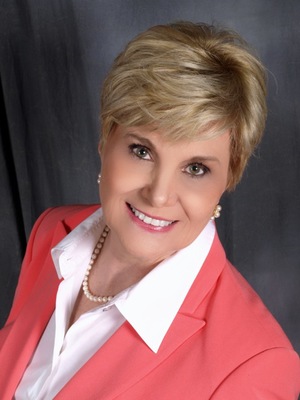
TOPEKA – The Kansas Workers’ Compensation Fund (Fund), administered by the Kansas Insurance Department (KID), has closed more than 2,000 unresolved workers compensation cases during the past two-and-a-half years, according to Ken Selzer, CPA, Kansas Commissioner of Insurance.
“Our legal division has worked hard to reduce costs to the State of Kansas by finding a resolution to more than 2,000 of its workers compensation cases, some dating back to 1985,” Commissioner Selzer said. “These 2,000 cases represent more than half of the open files of the Workers Compensation Fund.”
The Fund resolution team, headed by Grace Lancaster, staff attorney; and assisted by Debbie Johnson, legal assistant, has closed the backlog by seeking dismissal of cases, modification of claims, or settling cases outright.
The Workers’ Compensation Fund, formed in 1993, provides swift recovery to employees affected by workplace injuries in situations where the employer does not have insurance and is unable to pay the claim.
If an administrative law judge finds that the case is valid; that the employee was uninsured at the time of the accident; and that the employer is unable to pay expenses related to the injury, then the Fund will begin to make payments, upon order from the court. Afterward, the Fund may seek reimbursement from the employer in a separate civil action.
In addition to the uninsured employer cases, the Workers Compensation Fund has assumed liability over Second Injury Fund cases. The Second Injury Fund law, which was repealed in 1993, was enacted to encourage employers to hire people with previous injuries or disabilities. Currently, Second Injury Fund cases continue to make up 57 percent of the open Workers’ Compensation Fund cases and are the focus of the fund’s efforts to lower its caseload.
“I am pleased with our department’s efforts to defray legal costs and provide efficient state government to Kansans,” Commissioner Selzer said.
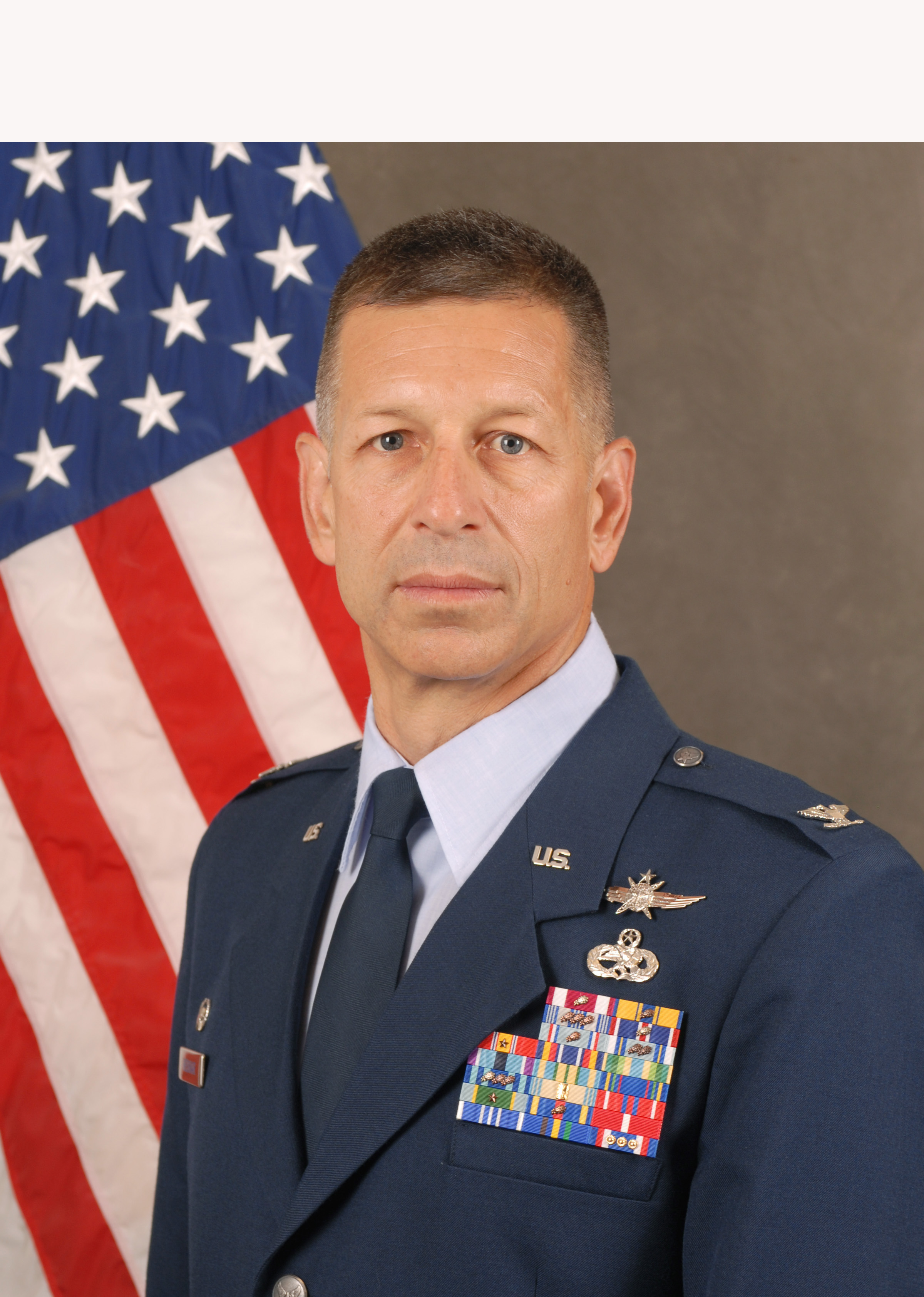
TOPEKA – Brig. Gen. David Weishaar will be installed as assistant adjutant general – Air and commander of the Kansas Air National Guard during a change of command ceremony on Sunday, May 6. He succeeds Brig. Gen. Jay Selanders, who is retiring after 34 years of military service.
The change of command ceremony will begin at 10 a.m. at the 190th Air Refueling Wing, Hangar 662, Bay 1, Forbes Field, Topeka.
Selanders’ retirement ceremony will take place at 3 p.m. at the same location.
“It is an absolute honor to be chosen for this position by Major General Tafanelli,” said Weishaar. “I am very excited to be able to continue serving the state, nation and outstanding Airmen that we have in our two wings.”
“I am confident that Brigadier General Weishaar is absolutely the right choice to lead the nearly 2,400 men and women of the Kansas Air National Guard into the future,” said Selanders. “I look forward to his continued success as our forces continue to serve the State and Nation.”
Brig. Gen. David A. Weishaar
Brig. Gen. David A. Weishaar entered the Air Force in January 1981 as an aircraft maintenance specialist maintaining the KC-135A and R. He separated from the active duty Air Force and joined the Kansas Air National Guard in 1985.
During his career, he held various positions in the aircraft maintenance arena maintaining the F-4D, F-16A, B, C, and D, and the B-1B until his commissioning in 1996. After gaining his commission, Weishaar has held several positions in the 184th Bomb Wing, including chief, logistics plans and chief of supply. He was later chief of supply for the 184th Refueling Wing, crew commander, 299th Network Operations Security Squadron; commander, Communications Flight; commander, 127th Command and Control Squadron; commander, 299th NOSS; commander, 184th Regional Support Group; and commander, 184th Mission Support Group.
Weishaar’s military awards and decorations include the Air Force Meritorious Service Medal with six oak leaf clusters, Air Force Commendation Medal with oak leaf cluster, Air Force Achievement Medal with three oak leaf clusters, Kansas National Guard Meritorious Service Ribbon with one device, Kansas National Guard Commendation Ribbon with one device and the Kansas National Guard Service Medal with three devices.
Weishaar earned a Bachelor of Science degree from Friends University, Wichita. His military education includes Senior Noncommissioned Officer Academy, Academy of Military Science, Squadron Officer School, Air Command and Staff College, Air War College, Joint Combined Warfighter School, and Leadership in Homeland Security.
Brig. Gen. Jay Selanders
Brig. Gen. Jay Selanders
Brig. Gen. Jay Selanders joined the Kansas Air National Guard in June 1984 and received his commission through the Academy of Military Science later that year as a distinguished graduate. He attended Undergraduate Pilot Training at Laughlin Air Force Base and Combat Crew Training at Castle AFB, California. Selanders flew in Operations Desert Shield and Desert Storm, where he received the Distinguished Flying Cross for his actions in recovering a badly damaged aircraft.
Selanders has flown in support of numerous other operations, including Operation Iraqi Freedom and Operation Enduring Freedom. Since 1993, Selanders has acted as a liaison officer for the U.S. Air Force Academy, working with high school students and counselors that are interested in the Academy and ROTC officer accession programs.
His education includes a Bachelor of Science degree, Kansas State University; Juris Doctorate, University of Kansas; a Master of Business Administration, Keller Graduate School of Management; Squadron Officer School; Air War College; and Dual Status Commander Course.
Selanders’ awards include the Legion of Merit, Distinguished Flying Cross, Meritorious Service Medal, Air Medal, Air Force Commendation Medal, Air Force Achievement Medal, Air Force Outstanding Unit Award with Valor device and three devices, Air Force Organizational Excellence Award, Combat Readiness Medal with one device, National Defense Service Medal with one device, Southwest Asia Service medal with two devices, Global War on Terrorism Expeditionary Medal, Global War on Terrorism Service Medal, Nuclear Deterrence Operations Service Medal, Air Force Expeditionary Service Ribbon, Air Force Longevity Service Award with two devices, Armed Forces Reserve Medal with three devices, Small Arms Marksmanship Ribbon, Air Force Training Ribbon, Kuwait Liberation Medal Kingdom of Saudi Arabia, Kuwait Liberation Medal Government of Kuwait, and the Kansas National Guard Service Ribbon with one device.
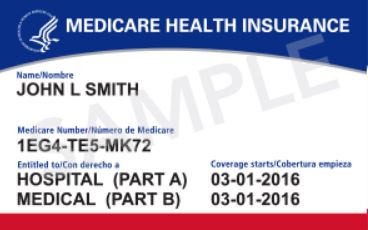
TOPEKA—Ken Selzer, CPA, Kansas Commissioner of Insurance, wants Kansans to know that new Medicare identification cards for beneficiaries do not include changes to current coverage or benefits.
“When Kansans begin receiving new Medicare cards after June 2018, the only change is they will have new identification numbers,” Commissioner Selzer said. “The Centers for Medicare and Medicaid Services is required to remove Social Security Numbers from beneficiary IDs.”
The cards are being mailed in a state-by-state sequence that includes Kansas cards mailing sometime after June, according to the U.S. Department of Health and Human Services. The new ID cards are to be distributed throughout the United States by April 2019.
The Kansas Insurance Department does not regulate regular Medicare, but it does regulate Medicare Supplement plans.
Commissioner Selzer offers these tips to beneficiaries receiving new IDs:
Destroy the old card immediately upon receiving the new one. Use the new ID number for all Medicare transactions from that point on.
Watch out for Medicare scams regarding the cards. New cards will be mailed to beneficiaries, and no one connected with Medicare will be calling or knocking on doors.
If you have Medicare questions, call the Senior Health Insurance Counselors of Kansas (SHICK). The number is 800-860-5260. You can also see a short video on the new cards atwww.cms.gov/medicare/new-medicare-card/nmc-home.html .
Current coverage and benefits will not change for those receiving new cards unless the beneficiaries make a change at open enrollment time near the end of 2018.
If you have a Medicare Supplement, Medicare Advantage coverage or a Part D prescription drug plan, keep those identification cards. They are separate from the regular Medicare coverage.
TOPEKA – The Kansas Department of Health and Environment (KDHE) has published the 2017 Kansas Preliminary Birth Report.
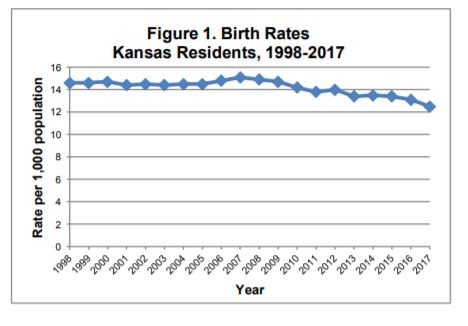
The report reveals there was a 4.1 percent decrease in births in 2017 as compared to 2016. The birth rate in Kansas is now 12.5 per 1,000 population, down from 13.1 in 2016.
The number of teen births decreased slightly from 2,126 in 2016, to 2,054 in 2017, with an overall percentage of 5.6 percent.
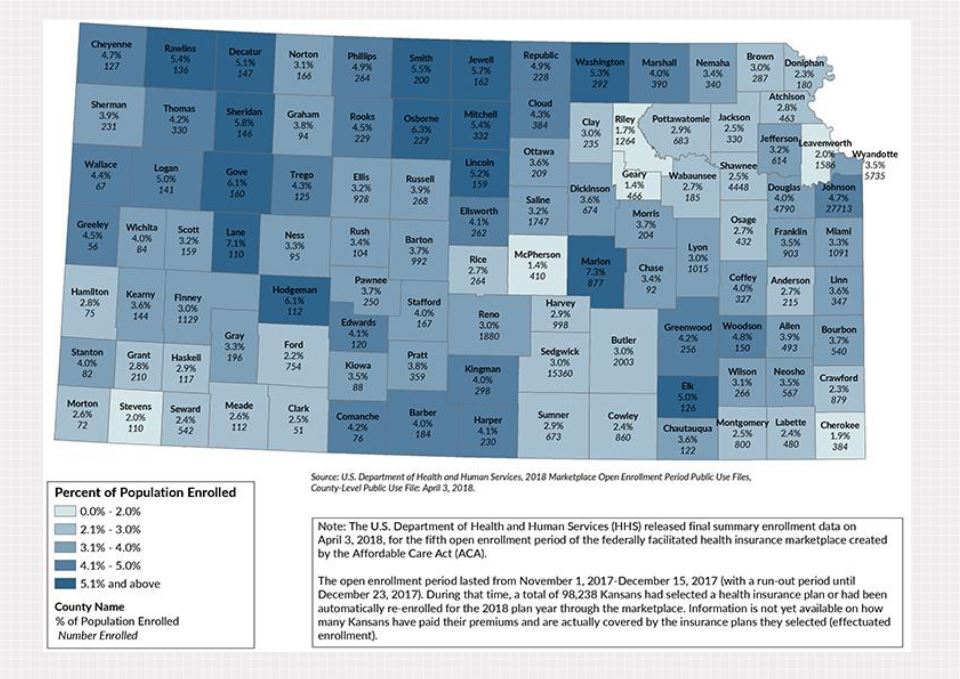
TOPEKA – The U.S. Department of Health and Human Services (HHS) released final summary enrollment data on April 3, 2018, for the fifth open enrollment period of the federally facilitated health insurance marketplace created by the Affordable Care Act (ACA).
The open enrollment period lasted from November 1, 2017-December 15, 2017 (with a run-out period until December 23, 2017).
During that time, a total of 98,238 Kansans had selected a health insurance plan or had been automatically re-enrolled for the 2018 plan year through the marketplace. During that time, a total of 14,499 Kansans also selected a standalone dental insurance plan for 2018 through the marketplace. Information is not yet available on how many Kansans have paid their premiums and are actually covered by the insurance plans they selected (effectuated enrollment).
TOPEKA _ Gov. Jeff Colyer, MD., announced Friday the launch of Kansas Public Square, the state’s new website for posting meetings and minutes, adding a new layer of transparency in state government.
“The framers of our Kansas Constitution had it right when they stated that ‘all political power is inherent to the people,’” Colyer said. “Through the development of Kansas Public Square, we are ensuring our citizens are informed about their government and have the opportunity to speak up and be heard.”
Governor Colyer ordered the creation of a public meeting website with the signing of Executive Order 18-08. All Cabinet agencies, boards and commissions under the authority of the Governor are required to post notification of all meetings subject to the Kansas Open Meetings Act. The order was one of several signed by Governor Colyer during his first days of office, aimed at improving government transparency and accountability.
Kansas Public Square was developed by the Department of Administration and the Office of Information Technology Services. The site allows for users to see meetings on a daily, weekly and monthly format, searching by agency, board or commission. Users have the option to download the meeting notice directly to their Outlook, iCal and Google calendars.
The new site is also responsive to users whether on a PC, tablet or mobile device.
“We developed Public Square with the user in mind, incorporating features that will make it easier for citizens and others to be informed about when their government is conducting business,” said John Milburn, Director of Legislative and Public Affairs for the Department of Administration. “The site is intended to complement existing practices for notifying the public about meetings.”
PRATT – It’s human nature to want to “save” a wild animal that appears injured or abandoned. But aside from human health concerns and laws prohibiting possession of wildlife, the reality is the animal will have its best chance for survival if it’s left in the wild. Taking a young wild animal with the intention of “saving” it and keeping it as a pet isagainst state lawand strips the animal of its dignity and the opportunity to live wild. The other harsh reality is that most wild animals “rescued” by individuals don’t survive long after capture.
Only licensed wildlife rehabilitators can possess wild animals in Kansas because they require specialized care and may carry rabies or distemper. Wild animals commonly have fleas and ticks, which can transmit blood-borne diseases, and they carry bacteria, roundworms, tapeworms, mites and other protozoans that could infect humans and their pets.
Each spring, fawn deer are found and assumed abandoned. However, the fawns’ mothers are usually not far away, avoiding drawing attention from predators. If you come across a fawn hidden in the grass, enjoy the sight for a few seconds, then back away.
Storms may blow young birds out of their nests. If the young have feathers and can perch, place them back in a tree or shrub, away from cats or other pets. The parents will still care for them. And don’t worry, they’ll care for them even if you touch them. Birds have a very poor sense of smell and human touch won’t drive the parents away. If you find a nest with featherless nestlings, place it in a plastic bowl and back in the tree. This will be their best chance of survival.
Enjoy watching wildlife this spring, especially if you see youngsters. But make a pact to leave them alone. Let nature take its course and know they have the best chance of survival by staying wild.
TOPEKA – Participants in a pilot project in Salina are living healthier and more active lives after KanCare (Kansas’ Medicaid program) and Cerner collaborated to improve their overall well-being. Starting in June 2015, the initiative used targeted data to focus on eligible Medicaid beneficiaries diagnosed with high blood pressure and diabetes, and those who were pregnant. Those beneficiaries then learned how they could improve their health through things like healthy eating and exercise.
“The pilot program identified effective ways to improve the health and engagement of those in the Kansas Medicaid program,” said Kansas Gov. Jeff Colyer, M.D.
When the program ended in July 2016, those who took part in all the program requirements reported a drop in triglycerides and total cholesterol, as well as an increase in physical activity. Total cholesterol fell an average of 9.8 mg/dL, while triglycerides fell an average of 27.5 mg/dL. The group also self-reported an increase in moderate or vigorous physical activity — from 82 percent to 93 percent.
“Cerner and the State of Kansas have a shared vision for improving the health of its residents. The pilot project allowed us to collaborate on innovative ways to engage KanCare beneficiaries and provide a tailored health care experience which led to improved health outcomes,” said Christa Roberts, director of population health client performance management, Cerner.
To encourage participation, Cerner looked at the geographic data on disease prevalence and set up physical locations close to where beneficiaries lived, worked and shopped, including the Salina Emergency Aid /Food Bank, Central Kansas Foundation and Walmart.
At those locations, Cerner’s health team administered labs and biometric screenings, provided health coaching services and offered education about food and transportation resources. Cerner health navigators also matched participants to physicians, monitored program engagement and shared information about the participants’ progress with those involved (managed care coordination). As an incentive, enrollees received water bottles, pedometers or Walmart gift cards for their participation in the program.
Cerner and the University of Kansas Business School created a survey to collect data on participants’ health beliefs, motivations and hopes. Survey results helped break the respondents into various groups. Health navigators then communicated with participants in each group with personalized messaging to encourage further participation.
“Through the program, we found a way to incentivize members to make healthy behavior changes,” said Colyer. “The incentive strategy, combined with collaborative relationships between beneficiaries and their health team, are helping Kansans achieve better outcomes.”
Now that the pilot project is complete, it could lead to similar future projects to improve the health of Medicaid beneficiaries.
TOPEKA – Kansas International Trade Day will be held June 5, 2018 in Lawrence, Kansas, at the Lawrence DoubleTree Hotel. The conference will feature speakers from business and government with sessions designed to help Kansas businesses start exporting or grow existing international sales. The day-long event will be followed by the Team Kansas Award Banquet where the 2018 Governor’s Exporter of the Year will be announced.
The Governor’s Exporter of the Year award is presented annually to a single Kansas company in recognition of its excellent performance in international trade and its outstanding international marketing. This year marks the 30th anniversary of this prestigious award. A list of previous winners can be found at: https://www.kansascommerce.gov/156/Governors-Exporter-of-the-Year
Kansas Commerce would like to extend a special thank you and acknowledge the demanding work by the members of the Kansas International Trade Coordinating Council in reviewing candidates for the Governor’s Exporter of the Year award and in selecting the winner. The Kansas International Trade Coordinating Council is comprised of representatives from companies that have previously won the award along with international trade specialists from business, government and academia.
The candidates being considered for this award have undergone a thorough evaluation process. Companies may self-nominate or can be nominated by regional economic development offices or local chambers of commerce. From several dozen candidates, five finalists are selected for additional review before a final selection is made. The rigorous selection process includes site visits to each finalist and interviews with the company’s management team.
This year’s Kansas International Trade Day conference will not only feature a panel of representatives from companies that are finalists for the 2018 Governor’s Exporter of the Year award, but the “Founding Father” of the award, Harland Priddle, will be on-hand to open the conference. Mr. Priddle served as the first Secretary of the Kansas Department of Commerce from 1987 to 1991 and helped establish the Kansas International Trade Coordinating Council. The Council seeks to facilitate access to the state’s international resources and established the award to recognize the significance of foreign trade for our state’s economy.
In 2017, Kansas exported more than $11 billion of merchandise, with Canada, Mexico, and Japan topping the list of export destinations. More than 2,600 small and medium-sized firms in Kansas were involved in exporting.
The “early bird” rate to attend the conference is $50 for anyone registering prior to May 1. Those registering after May 1 will pay $75. To register or learn more about the agenda, speakers and sponsorship opportunities, please visit KansasCommerce.gov/2018TradeDay. The registration fee includes lunch.