We have a brand new updated website! Click here to check it out!

Statewide food drive campaign kicks off Kansas Ag Month

Kansas Governor Jeff Colyer is joined by (from left) Ron Grusenmeyer, Midwest Dairy; Sheila Lowrie, Dillons Food Stores; Brian Walker, Kansas Food Bank, Chad Higdon, Second Harvest Food Bank; Valerie Nicholson-Watson, Harvesters; and Andrew Lindeman, Harvesters Board of Directors, at the kickoff event for the Neighbor to Neighbor statewide food drive.

KDA 

MANHATTAN — Kansas Agriculture Month kicked off on March 5 with the Neighbor to Neighbor statewide food drive in support of our neighbors in need and to reduce hunger in Kansas communities. Harvesters–The Community Food Bank in Topeka, Kansas, hosted state leaders, including Governor Jeff Colyer and representatives of the food banks of Kansas, Dillons Food Stores, and the Kansas agriculture community.

The food drive is a collaborative effort by the Kansas Department of Agriculture, Dillons Food Stores, Harvesters–The Community Food Network, Kansas Food Bank, Second Harvest Community Food Bank and the Kansas agriculture community. The goal is to raise 90,000 meals for Kansas families during the food drive throughout the month of March. Dillons made an initial donation of 2,500 pounds of non-perishable food items. Kansans can contribute to the campaign at Dillons Food Stores statewide, at other community locations across the state or through the virtual donation portal, https://ksn2n.harvestersvfd.org.

Governor Colyer stressed the importance of serving our neighbors in need. “This spirit of service is the very best of Kansas,” he said. “It is in the DNA of Kansans to help our neighbors in need, and this event is a perfect place to show how Kansans can make a difference in people’s lives.”

Staff from the three food banks, representatives from Dillons Food Stores, the Kansas Department of Agriculture, and other state agencies and agriculture organizations then joined together to sort produce to be distributed to Kansans in need.

“Hunger is everywhere in the state — in rural counties, suburban communities and urban neighborhoods,” said Valerie Nicholson-Watson, president and CEO of Harvesters. “Community efforts like this food drive are an important way we can help feed hungry families, children and seniors across Kansas.”

The Governor also signed a proclamation declaring March as Kansas Agriculture Month and March 20 as Kansas Agriculture Day. To learn more about the Neighbor to Neighbor statewide food drive and ways to participate in Kansas Agriculture Month, visitwww.agriculture.ks.gov/ksagday.

Consumer alert: Considerations offered for wildfire risk

KID

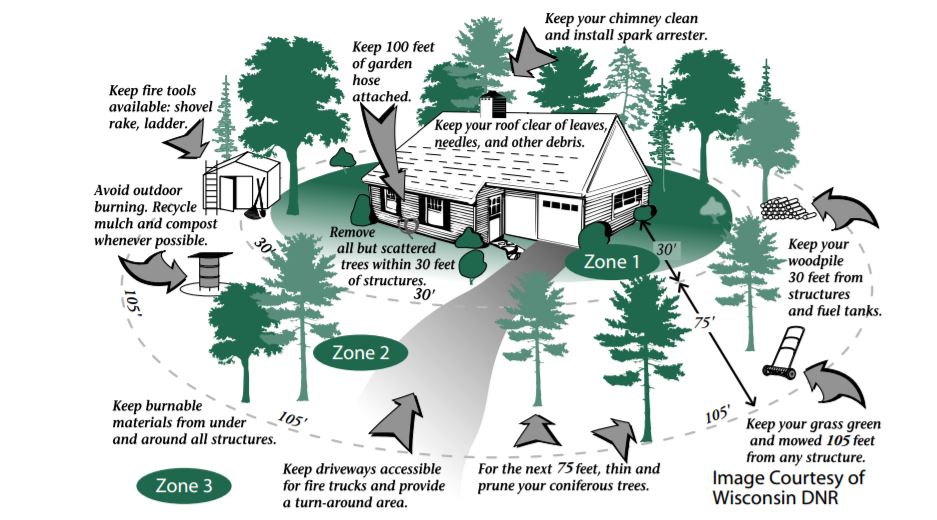
TOPEKA – Because of increased wildfire risk in Kansas this week, Ken Selzer, CPA, Kansas Commissioner of Insurance, offers the following considerations for personal safety and risk reduction for property damage and farm buildings:

· Do a survey of the landscape surrounding your house. Move plants or trees that are too close to your dwelling or burn easily. Clear dead leaves or tree seedlings away from your roof, gutters, decks or fence lines.

· Evaluate openings around your house to see if they can be sealed temporarily. This can keep embers from getting into your structure.

· Store away patio furniture, decorations or other flammable outdoor material.

· Remove landscaping mulch from near your house.

· If evacuation is ordered, shut all doors and windows tightly. Decide in advance what type of emergency kit your family would need, including first aid, blankets, personal hygiene items, prescriptions, cell phones and clothing. Turn off the gas to your house and hose it down if you have time.

· Keep communication equipment charged and in working order. Be sure your family members know how to contact each other.

· Make sure you have accessible copies of your insurance policies, cards and contact numbers.

The Kansas Insurance Department in January sent copies of the booklet, “Wildland Fire Action Guide,” to emergency management coordinators in all 105 Kansas counties. Also included in the information to the emergency personnel were copies of the department’s “Personal Home Inventory” booklet and the latest version of the “Auto and Homeowners Insurance.” Both can be downloaded for consumer use at the department’s website, www.ksinsurance.org.

Representatives staffing the insurance department’s Consumer Assistance Hotline, 800-432-2484, can also assistant insurance policyholders who need questions answered or assistance in dealing with coverage or damage claims.

“The Kansas Insurance Department stands ready to assist Kansans in insurance-related considerations for wildfire safety,” said Commissioner Selzer. “Last year’s devastating fire loss throughout the state was a wake-up call for homeowners and property owners to be proactive in reducing the possibility of damage.”

New director of environment named at KDHE

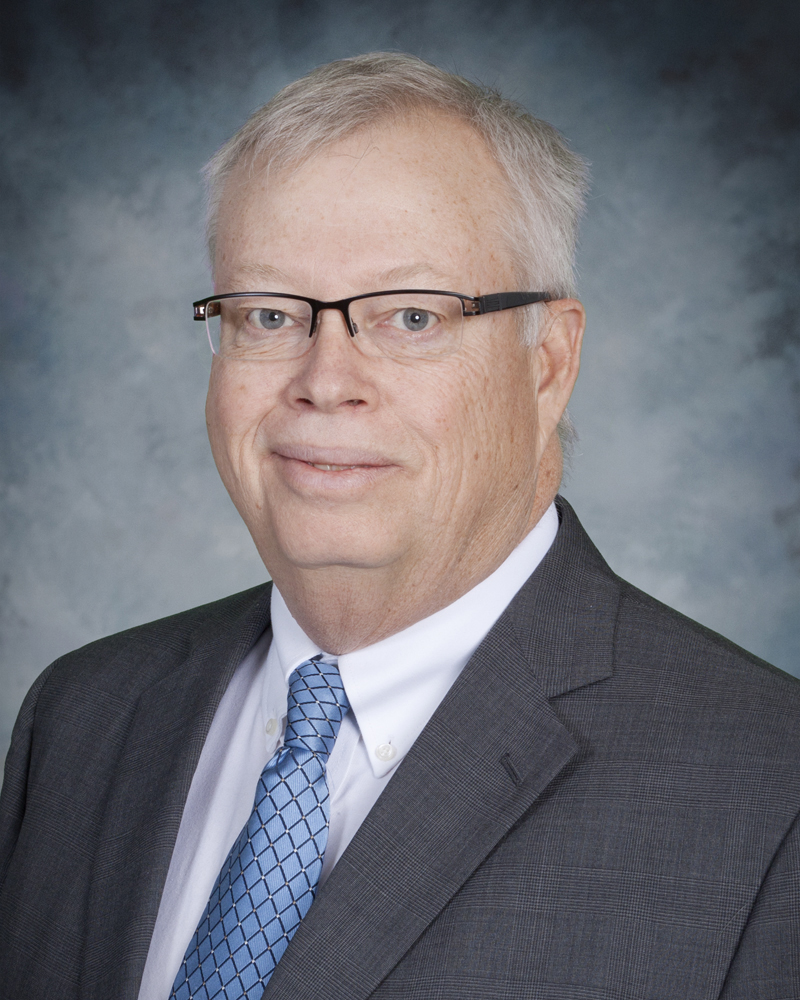
Leo Henning

KDHE

TOPEKA – After serving on an interim basis following the retirement of former director John Mitchell, Leo Henning was officially named the Director of Environment for the Kansas Department of Health and Environment on Friday, March 2, 2018.

“I have received outstanding feedback from both internal and external stakeholders regarding Leo’s approach and the actions he has taken during his short time as interim director,” Acting Secretary Jeff Andersen said. “I have great confidence in Leo’s leadership going forward in the Division of Environment.”

Henning, who has worked at KDHE for 25 years, has been the Director of the Bureau of Environmental Remediation for the past four years. The Bureau of Environmental Remediation consists of the petroleum storage tank program, state and federal superfund program, Brownfields, voluntary clean-up program, dry cleaning program, orphan site program, federal facility program and several long-term stewardship programs. He also served as the Deputy Director of the Division of Environment for the past six months where he directed the activities of all the environmental programs at KDHE.

Henning received a bachelor’s and master’s degree in geology from Wichita State University and is a licensed professional geologist. He is a native of Wichita, Kan., and is married with two children and three grandchildren.

Prepare your family for severe weather

SAFE KIDS KS

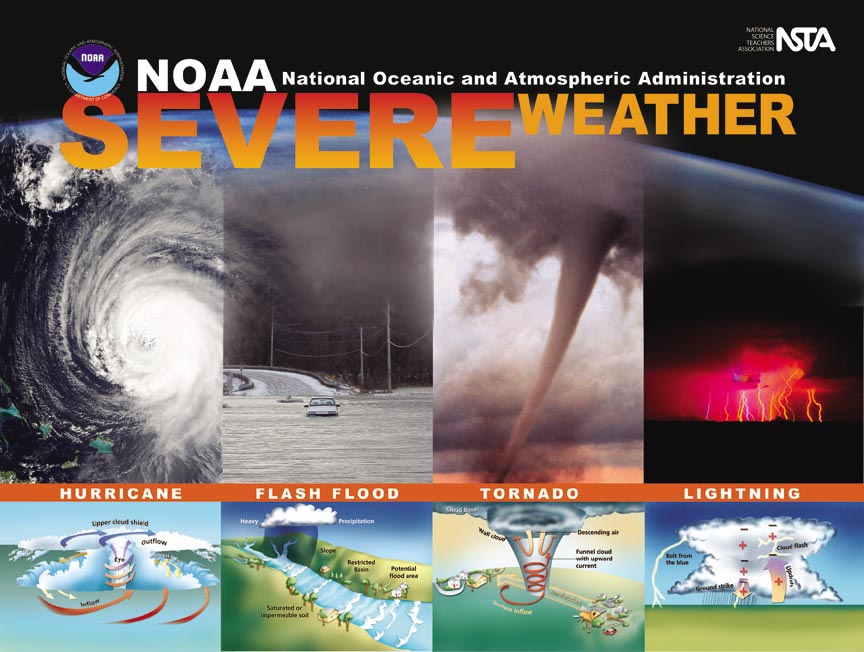
TOPEKA — While the threat of severe weather in Kansas is year-round, March 5-9 is Severe Weather Awareness Week in Kansas, and a good opportunity to discuss the importance of emergency preparedness with your family.

In 2017, the National Weather Service reported about 60 tornadoes statewide. Kansas also experiences numerous other high impact weather events, including blizzards, severe thunderstorms, and floods.

“When severe weather strikes you often have only a few minutes to respond and seek shelter. It is essential for you and your family to be prepared in an emergency,” said Cherie Sage, Safe Kids Kansas. Safe Kids Kansas recommends becoming familiar with the type of weather you may encounter, prepare an emergency disaster kit, and practice your emergency plan frequently with your entire family.

Many people do not understand the difference between a watch and a warning. When conditions are favorable for severe weather to develop, a severe thunderstorm or tornado WATCH is issued. Information from weather radar, spotters, and other sources is used to issue severe thunderstorm and tornado WARNINGS for areas where severe weather is imminent.

Severe weather warnings are passed to local radio and television stations, and broadcast over weather alert radios. These warnings are also relayed to local emergency management and public safety officials who then activate the local warning systems to alert communities. Remember, thunderstorms are very dangerous and can become tornadic quickly, so shelter is advised for those warnings as well.  Getting to a safe shelter in advance of a storm is especially important for families with children or individuals with a disability.

Safe Kids Kansas recommends assembling an emergency disaster kit in advance. If you determine you need to take shelter, be sure every family member puts on hard-soled footwear and take your emergency disaster kit with you. An emergency disaster kit should contain:

  • non-perishable food items and water;
  • a manual can opener if your kit contains canned food;
  • blankets or sleeping bags;
  • a change of clothing for each family member;
  • a first-aid kit;
  • prescription medications;
  • sun block;
  • a flashlight and batteries;
  • a NOAA (National Oceanic and Atmospheric Administration) weather radio;
  • a set of car and house keys;
  • a whistle to signal for help;
  • a highway map that marks the counties to follow the storm;
  • identification and a credit card or cash;
  • and, any specific items you may need for children such as diapers or formula.

Additional supplies and equipment may be necessary for family members with disabilities or medical conditions.

Don’t forget your pets will also need supplies, including food, water, collars and leashes. For smaller animals you may want to have a crate or a cage to help keep them safe and close.

Another good preparation tool is to designate an out-of-state friend or family member as your family contact in case weather strikes while your family members are apart. “Each family member should know the phone number of the emergency contact person and call to alert them they are safe and where they are going to be,” said Sage.

Safe Kids Kansas reminds parents to develop an emergency plan for severe weather in advance, and practice the plan often with your children, just as you do for other emergencies, such as a house fire. Be sure to include scenarios when you are at home, work, school or outdoors.

If a tornado warning is issued, your family should immediately go to your designated tornado shelter which may be a storm shelter or a basement. If you are not able to get underground, then move to an interior room, hallway, bathroom, or closet on the lowest level. If possible, get under a sturdy piece of furniture to protect you from debris, and stay away from windows.

If you are in a vehicle or mobile home, get out immediately and head to the nearest shelter. Do not try and outrun a tornado in your vehicle. If you are outside, lie flat in a low location, and cover your head with your hands. Do not take shelter under an overpass or bridge. Flash flooding causes more weather-related deaths annually, so be aware of your surroundings if you seek shelter in a ditch or ravine.

After a severe storm has passed, be careful to watch for fallen power lines and structures that may be weakened from storm damage. Use a flashlight to inspect your home. Do not use candles, matches or lighters, as there may be leaking natural gas pipes or fuel tanks nearby.

Safe Kids Kansas also recommends that your family learn basic CPR first aid and teach young children how to call 9-1-1. Severe weather can strike at any time with little or no notice. The best way to protect yourself and your family members is by being prepared in advance.
Central Kansas Credit Union to merge with CUA

Central Kansas Credit Union plans to merge with Credit Union of America.

SUBMITTED

WICHITA – Central Kansas Credit Union (CKCU) President, David Dick, has announced that Central Kansas Credit Union has signed an Intent-to-Merge agreement with Credit Union of America (CUA). CUA will be the surviving credit union.

The credit unions are performing required due diligence for the merger and memberships of both credit unions will vote on the merger before it can occur. Voting will conclude March 29, 2018. Pending a positive vote from both credit unions, the merger will be scheduled for completion on June 30, 2018.

“We are really excited about merging with CUA. They are a strong and growing credit union that will bring many innovative products and
services to our members. Keeping up with technology is always a challenge and CUA has proven they can handle that challenge. As a part of the merger our staff at both locations will be retained and be able to continue serving our members,” Dick said.

CUA CEO, Frank Shoffner said “CKCU is a well-run financial cooperative. A merger with them is an excellent opportunity for CUA to expand its services to the Hutchinson and Pratt communities. We’ll be able to serve existing CUA members in those markets, CKCU members, and new community members. Expanding our membership base will be a nice supplement to our already sturdy financial foundation.”

Central Kansas Credit Union was established in 1936 serving the Ark Valley Dairy Association and Reno Consumers Coop, and now serves over 6,000 members in 34 Central Kansas counties. CKCU and has offices in Hutchinson and Pratt, Kansas. As of December 31, 2017, CKCU assets totaled $36 million.

CUA serves over 65,000 members online and at thirteen (13) full service locations in Wichita, Derby, Goddard, Great Bend, and Salina, and a corporate office located in Wichita.

Credit Union of America, originally a teachers’ credit union, now serves a community-based field of membership, with special interest and expertise in serving educators and healthcare workers.

Established in 1935, CUA is a member owned and operated full service financial cooperative providing low-cost checking, savings, investments, personal and mortgage loans, and business services. As of December 31, 2017, CUA assets totaled $805 million and loans totaled $684 million. Deposits are insured by the National Credit Union Administration (NCUA), a U.S. Government Agency. CUA is an Equal Housing Lender and Equal Opportunity Employer.

Chief justice receives award from Sons of the American Revolution chapters

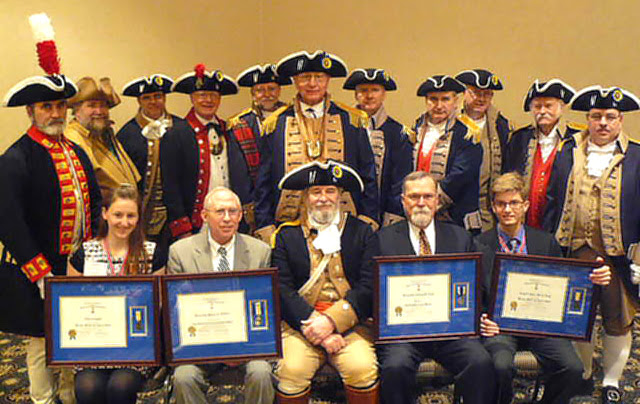
Chief Justice Lawton Nuss of the Kansas Supreme Court, seated second from right, received an award from the Kansas City area chapters of the Sons of the American Revolution.

OJA

TOPEKA — Chief Justice Lawton Nuss of the Kansas Supreme Court received the Silver Good Citizenship Medal from the Kansas City Area Chapters of the National Society of the Sons of the American Revolution during the group’s 32nd annual George Washington Birthday Celebration.

Nuss also was the guest speaker at the February 24 celebration at the Ritz Charles in Overland Park.

The gathering included Sons of the American Revolution chapters in Leavenworth, Overland Park, and Shawnee in Kansas and Independence, Liberty, South Kansas City, and Warrensburg in Missouri.

Using examples, Nuss spoke of the importance of oaths of office throughout history. Notably, since 1868, all officers elected or appointed under any law of the state of Kansas have been required to take an oath to support the United States and Kansas constitutions, he told his audience.

Nuss observed the connection between the oaths taken by judges, their devotion to justice, and President Washington, who declared, “The administration of justice is the firmest pillar of government.”

Department of Revenue launches campaign to raise awareness of Real ID

KDOR

TOPEKA—The Department of Revenue is launching a new marketing campaign designed to educate Kansans about how to get a Real ID before the October 1, 2020 federal implementation date.

The campaign, which started Wednesday, will focus on reaching Kansans through social media advertising to spread awareness of the option of obtaining a Real ID.

“We want to put this in front of people so that when they get the postcard in the mail reminding them to renew, they’ll be prepared with all the documents they need when they go in to the office,” Director of Vehicles David Harper said. “Our goal is for everyone who comes into our office to have a smooth and efficient experience.”

Real ID is a federal law designed to establish minimum security standards for state-issued IDs. State-issued identification used to board a plane or enter a federal facility on October 1, 2020 will have to be compliant with Real ID standards.

Kansans who want a Real ID should bring in proof of social security, such as an unlaminated social security card, or a paystub or W-2 with the full social security number displayed. In addition, an original birth certificate or valid U.S. passport is required.

Anyone whose name is not the same on all of their documents will need to bring in proof of the name change, such as a marriage or adoption certificate.

“We understand the frustration of some who’ve come in the last months and want a Real ID but don’t have the needed documents with them,” Harper said. “We’re working to ease the transition into the new federal law and help people have the best experience possible when they come into the office.”

The Department of Revenue partnered with Trozzolo Communications Group to create and purchase social media advertising. Further efforts will place information about Real ID in libraries and other community locations, to reach a cross-section of people. Other avenues to spread awareness are also in the works.

“Our highest priority is quality service whenever anyone interacts with the Division of Vehicles, so we are always open to new ideas to make that happen,” Harper said.

Real ID is an option. Anyone who prefers not to obtain a Real ID still has the option of receiving a credential that states it is “Not for Federal ID,” though still usable as an ID in the state of Kansas.

Anyone who needs to conduct a transaction at the driver’s license offices in  MissionOlatheWyandotteAndoverWichitaDerbyTopeka, or Manhattan can get in line online using the automated QFlow system. Visit https://www.ksrevenue.org/dovqflow.html.

For more information about Real ID, including a checklist of documents to bring into the office, please visit ksrevenue.org/realid.


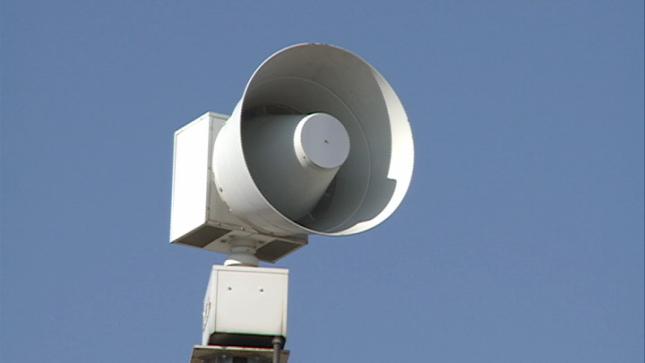
Statewide tornado safety drill is March 6

Governor Jeff Colyer signed a proclamation March 1 marking the week of March 5-9 as “Severe Weather Awareness Week” in Kansas. In attendance at the signing were Maj. Gen. Lee Tafanelli, the adjutant general and director of the Kansas Division of Emergency Management, as well as members of the Kansas Division of Emergency Management, NOAA NWS Storm Prediction Center, Kansas Department of Health and Environment and Fred the Preparedness Dog – KDHE.

KAG

TOPEKA – Gov. Jeff Colyer signed a proclamation today marking the week of March 5-9 as “Severe Weather Awareness Week in Kansas.”

The proclamation highlights the need for awareness of approaching severe weather and the value of emergency preparedness.  Although there were 60 documented tornadoes in the state last year, no deaths were attributed to those events and credits early warning, spotter and preparedness systems helping to contribute to fewer lives lost and fewer injuries.

Kansans are also urged to take part in the statewide tornado safety drill Tuesday, March 6 at 10 a.m. (CST).  If severe weather is expected on or around the test time on March 6th it will be postponed to the backup date. The backup date for the tornado drill will be Thursday, March 8 at 10 a.m. (CST).

“It doesn’t take a lot of time or a lot of money to ensure you and your family are prepared,” said Angee Morgan, KDEM deputy director. “If you don’t already have an emergency kit, start now by buying a few extra batteries and high-energy snacks during your weekly shopping.  Throw a change of clothes, an old pair of glasses and a pair of shoes in your kit.

“Check your first aid kit and make sure it’s complete and up-to-date,” said Morgan. “Doing a little bit each week makes it easier to prepare for unexpected events, particularly when you get the entire family involved in gathering the supplies and making an emergency plan.

“If you don’t have a specially-constructed storm shelter or a basement, do you know where the safest place in your home is?  Do you know how to safely shut off the gas or electricity? If you become separated, do you have a meeting area? How will you communicate with family members who may not be at home when a disaster hits or your loved ones who will be wondering about your safety? These are the things you will need to think about when making your plan.”

Morgan said more information on emergency preparedness and building an emergency kit can be found online at www.ksready.gov.

The Kansas Division of Emergency Management will be posting preparedness information and hosting challenges on its Facebook page throughout the week athttps://www.facebook.com/#!/pages/Kansas-Division-of-Emergency-Management/67758892983

KDEM also has an online “Kansas Preparedness Challenge.” Completing each monthly challenge makes participants eligible for a prize drawing. Go to www.ksready.gov and click on the “Kansas Preparedness Challenge” link to get started.

For more information on emergency preparedness, go to www.ksready.govwww.redcross.org, or www.fema.gov.

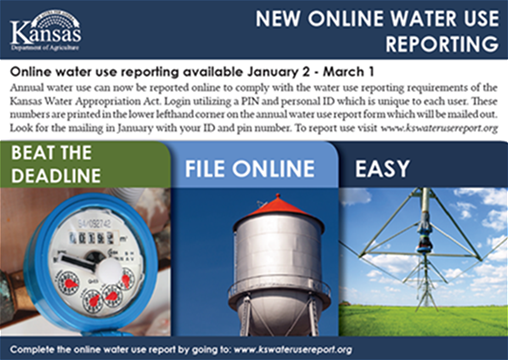
Water use reports to state due March 1

KDA

MANHATTAN, Kan. —The Kansas Department of Agriculture’s Division of Water Resources reminds water right owners throughout the state that the deadline for filing water use reports is March 1. To aid in the reporting process, reports can now be filed online. K.S.A. 82a-732 requires the owner of a water right or permit to file a complete and accurate water use report.

To file online, go to www.kswaterusereport.org to start the process of completing your report. You will use the PIN and personal ID found on the lower left-hand corner of the report form mailed to you in January. Instructions are provided throughout the filing process. If you prefer to file by mail, the completed report form must be postmarked by March 1.

Failing to submit your water use report may result in suspension of all water use under such water right or permit. If the water use report is not received by March 1, the landowner may be assessed a fine for up to $1,000 per water right or permit. Kansas water use data reporting is essential for management of the state’s water resources, to ensure the people of Kansas — and the officials responsible for managing or monitoring water resources — have access to information about how water is used and how much water is used.

For more information or assistance, please contact your local Division of Water Resources office, call the KDA–DWR Manhattan office at 785-564-6638, or visitwww.agriculture.ks.gov/DWR.

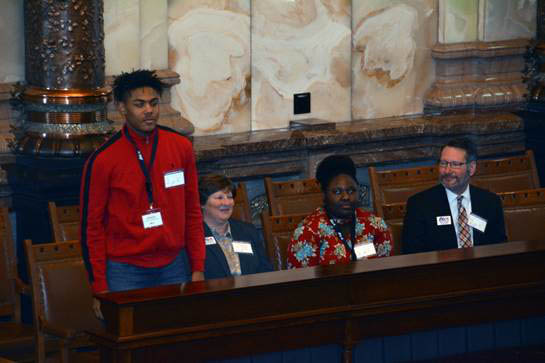
At-risk youth visit with lawmakers about program to combat generational poverty

A high school student in the JAG-K program at the statehouse.

DCF

TOPEKA – More than 225 Kansas high school students, representing Jobs for America’s Graduates-Kansas (JAG-K) programs traveled Wednesday to Topeka to visit the Kansas Statehouse. Students had the opportunity to interact with legislators and discuss the benefits of the JAG-K program that is designed to ensure at-risk youth graduate from high school and have success as adults.

“We wanted to come to the Capitol and get tours, but we also wanted to come and promote JAG-K,” said Megan Londeen, Southwest Regional JAG-K President. “I think that 100 percent of students could benefit from being in JAG-K.”

JAG-K was recognized at 10 a.m., on the Kansas House of Representatives floor, and at 2 p.m., on the Kansas Senate floor.

JAG-K is a multi-year program for students in grades seven through 12, that offers tools to successfully transition students into postsecondary school, the military or directly into the workforce with marketable skills. Participants in the program face multiple barriers to success. Kansas adopted the program in 2013.

JAG-K is one of the most successful JAG startups in the country. In 2016, JAG-K students reached a 93 percent graduation rate, thanks to the supports and services offered by JAG-K Career Specialists. The JAG-K Class of 2017 already has achieved a 97 percent graduation rate.

JAG-K is primarily funded through Temporary Assistance for Needy Families (TANF) dollars, through the Kansas Department for Children and Families (DCF). Funds are available through an annual federal block grant.

“JAG-K is one of many poverty-prevention programs that DCF funds, helping numerous Kansas youth achieve a brighter future,” said Secretary Gina Meier-Hummel. “This is a wonderful program, and I am so excited that these students had the opportunity to come to our State Capitol and experience the legislative process firsthand.”

“Education is so fundamentally important to the success of Kansas children,” said Governor Jeff Colyer. “JAG-K is equipping Kansas students with the right tools to have a successful, prosperous future.”

JAG-K is a 501(c)3 not-for-profit organization and an affiliate of the national JAG program that operates in 34 states. In addition to school districts and DCF, JAG-K partners with the Kansas State Department of Education. Other JAG-K funding sources include the Aetna Foundation, Amerigroup Foundation, AT&T, and John Deere Coffeyville Works.

To learn more about JAG-K visit, www.jagkansas.org. To learn more about poverty prevention programs funded by DCF visit, www.dcf.ks.gov.

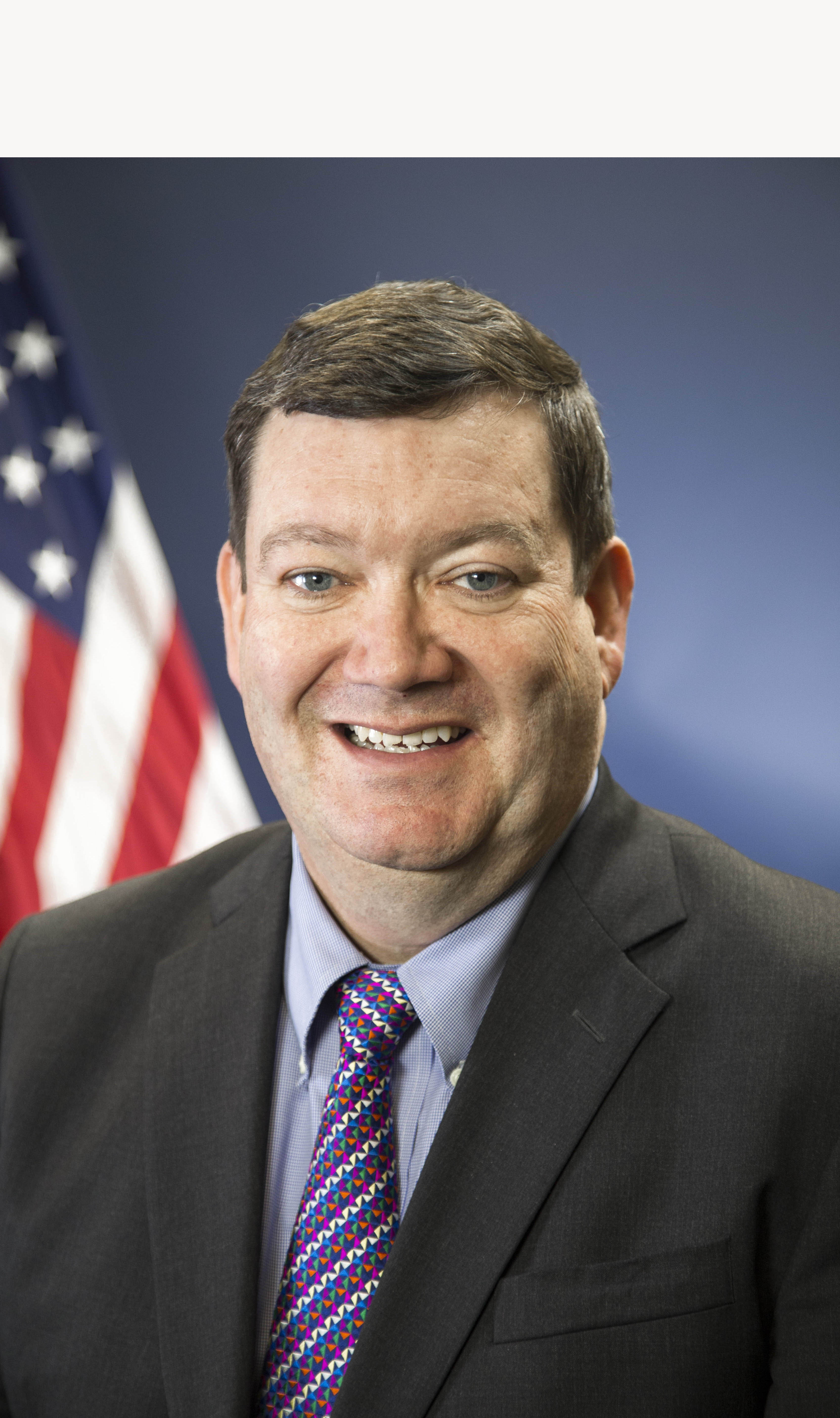
New U.S. Attorney for Kansas announces management team

Stephen McAllister, U.S. Attorney for Kansas

OFFICE OF U.S. ATTORNEY-KS

KANSAS CITY, KAN. – Newly appointed U.S. Attorney Stephen McAllister has announced the members of his management team.

“I have spent the past few weeks getting to know our personnel,” said McAllister, who was sworn in Jan. 25. “This team has my full confidence and support and I believe the members will put us in a strong position to pursue the priorities of our office.”

Tom Beall, who served as interim U.S. Attorney, will become First Assistant U.S. Attorney. Assistant U.S. Attorney Emily Metzger will be chief of the district’s civil division and civil coordinator in the Wichita office. Assistant U.S. Attorney Duston Slinkard will take over as chief of the criminal division for the district and criminal coordinator in the Topeka office.

Assistant U.S. Attorney Debra Barnett will serve as criminal coordinator in the Wichita office. Assistant U.S. Attorney Scott Rask will be criminal coordinator in the Kansas City, Kan.

In the civil division, Assistant U.S. Attorney Chris Allman will be civil coordinator for the Kansas City, Kan., office. Assistant U.S. Attorney Jackie Rapstine will be civil coordinator in the Topeka office.

Assistant U.S. Attorney James Brown will serve as appellate chief. Assistant U.S. Attorney Carrie Capwell will serve as senior litigation counsel.

McAllister was nominated by President Donald Trump and confirmed by the U.S. Senate. He is in charge of a staff of more than 100, including 50 attorneys, who work in offices in Topeka, Wichita and Kansas City, Kan.

Kansas communities may apply now for designation as an Opportunity Zone

KDC

TOPEKA – On Tuesday, Governor Jeff Colyer, M.D. announced that the Kansas Department of Commerce is now accepting proposals from communities to designate eligible low-income census tracts as Kansas Opportunity Zones under the new Federal Opportunity Zones program. Opportunity Zones are a new economic development tool enacted by the Tax Cuts and Jobs Act of 2017 designed to encourage long-term investments in low-income urban and rural communities.

“One of the primary focuses of my administration is helping boost urban and rural communities that have been struggling with population decline, lack of jobs, and crumbling infrastructure,” said Gov. Colyer. “The Opportunity Zone program is a great opportunity for those who want to invest in their communities and be a proactive part of the solution.”

Opportunity Zones provide a tax incentive for the re-investment of unrealized capital gains into Opportunity Funds. The purpose of these funds is to invest in economically distressed areas designated by the Governor. The program provides deferral and reduction of capital gains taxes when the gain is invested in a Qualified Opportunity Fund and maintained for at least five years. Additional tax incentives are available for investments held for periods of seven and 10 years.

Based upon the number of low-income communities identified by the Federal Census, the Governor can designate 70 census tracts in Kansas as Opportunity Zones. Census tract eligibility is based upon population and income. Information about census tract eligibility for this program may be found at https://kansascommerce.gov/opportunityzones.

In addition to the federal eligibility criteria, the State will consider several other factors in determining which census tracts will be designated as Kansas Opportunity Zones. These factors include an indication of community interest and support for additional investment, the potential of at least one “ready to go” or otherwise identifiable project, and whether the identified project addresses one of the following target uses: industrial/business development, housing or agriculture. While these factors will be considered during the designation process, eligible communities that do not meet one or more of these criteria may still be considered for Opportunity Zone designation.

“We encourage Kansans to take advantage of this special opportunity to invest in their communities and stimulate economic growth in our state’s rural and economically disadvantaged areas. I am excited to see the impact this will have on our state,” said Robert North, Interim Secretary for the Kansas Department of Commerce.

Communities interested in submitting proposals to be considered as a Kansas Opportunity Zone should submit a letter of interest by March 1, 2018. Letters of interest should be on official local government or economic development organization letterhead and must include:

  • The eligible census tract number;
  • A statement of community interest and support for additional investment;
  • A brief description of the tract and note whether it is predominantly commercial, industrial, residential or a mix;
  • A description of any recent development activity, such as business or housing developments or other investments in the area, or any anticipated new developments or investments;
  • The proposed targeted use of the area; and
  • At least one identified or potential project.

Letters of Interest should be addressed to the Kansas Department of Commerce, Attn: Business Development, 1000 SW Jackson, Suite 100, Topeka, KS  66612. Letters may also be submitted by email to [email protected].

Kansas has until March 21, 2018 to submit the Opportunity Zone recommendations to the U.S. Department of Treasury

 Kansas State Treasurer implements federal changes for ABLE, 529 accounts

OFFICE OF KS TREASURER 

TOPEKA – Individuals living with a disability can now roll funds saved within a 529 Education Savings Account into their ABLE Account. Additionally, Learning Quest 529 Education Savings Account holders can utilize their funds for K-12 education tuition. These changes came about due to tax reform on the federal level. Like with past federal tax changes, the Kansas Department of Revenue will implement the changes as prescribed by Congress. 

“Since the day tax reform was approved on the federal level, our office has received numerous calls from around the state wondering about its impact on ABLE and Learning Quest Accounts.” said Kansas State Treasurer Jake LaTurner. “Now that the dust has settled, it is clear that Kansans living with a disability and those saving for their education have significantly more flexibility. Our hope is that these changes will only increase a culture of saving, which is critical to the next generation’s future.” 

ABLE (Achieving a Better Life Experience) allows Kansans living with a disability to save for their future. Families and individuals can save in tax-advantaged accounts for disability-related expenses. The new tax law allows these individuals to rollover funds from a 529 Education Savings Account to their ABLE account without any tax penalty. 

“Any person, including those living with a disability, should be given every possible incentive to save,” said Rocky Nichols, Executive Director of the Disability Rights Center of Kansas. “We look forward to working with Treasurer LaTurner to implement these changes as smoothly as possible.” 

The Kansas Treasurer’s Office also administers the Learning Quest 529 Education Savings Program, which can help Kansans save for education expenses. The program provides tax advantages under both Kansas and federal law. Investments in 529 earnings are not taxed by the federal government or the state of Kansas. Kansans can receive a $3,000 individual or $6,000 tax deduction per beneficiary on their Kansas taxes. Prior to tax reform, funds in a 529 could only be used for higher-education expenses. 

For more information on these initiatives, please visit learningquest.com and ks.savewithable.com

Copyright Eagle Radio | FCC Public Files | EEO Public File