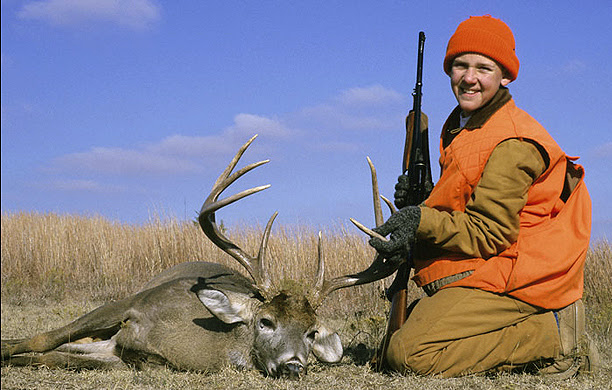
PRATT – Hunters who purchased a deer permit for the 2017-2018 deer seasons are asked to take a close look at their e-mail inbox and spam folder as they may have been randomly selected to complete a Kansas Department of Wildlife, Parks and Tourism Deer Harvest Survey.
The e-mail will come from the address [email protected] with the subject line “2017-18 Deer Harvest Survey,” and it only takes about three minutes to complete. Even if a hunter didn’t hunt after purchasing a permit, or was unsuccessful, they are still encouraged to complete the survey as all information is important to staff.
Data gathered from the survey helps staff estimate the number of deer killed, hunter success rates and activity, hunter opinions and more, all of which help biologists develop deer management policies and hunting regulations.
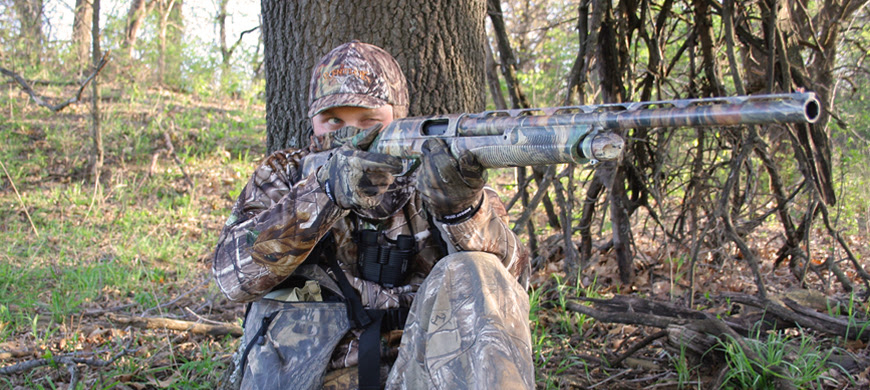
PRATT – Everyone likes a good sale, and hunters are no exception. That’s why the Kansas Department of Wildlife, Parks and Tourism is giving turkey hunters the equivalent of an “early bird special” (pun intended) by offering discounted spring turkey permit/game tag combos through March 31.
Hunters who purchase spring turkey combos between March 1 and March 31 can save $7.50 when compared to purchasing the spring turkey permit and turkey game tag separately after March 31.
2018 SPRING TURKEY SEASON DATES
YOUTH/DISABLED SEASON: APRIL 1-17, 2018
ARCHERY SEASON: APRIL 9-17, 2018
REGULAR SEASON: APRIL 18 – MAY 31, 2018
Any resident or nonresident hunter may purchase a turkey permit (good for one bearded turkey) valid in units 1, 2, 3, 5, and 6. Hunters with a spring turkey permit are eligible to purchase one spring turkey game tag (good for one additional bearded turkey) valid only in units 1, 2, 3, 5, and 6.
In addition to a turkey permit and game tag, spring turkey hunters must also possess a valid Kansas hunting license, unless exempt by law.
TOPEKA – Business Appreciation Month will again be recognized statewide in June, serving as a tribute to Kansas businesses for their contributions to our state. The Kansas Department of Commerce is now accepting nominations for Business Appreciation Month awards, affording the opportunity for individuals and organizations to nominate Kansas businesses that grow jobs and support their local communities.
Robert North, Interim Secretary for the Kansas Department of Commerce, says, “Kansas businesses are the engines of economic growth. They better the quality of life in our state by creating jobs, investing in our communities and supporting local activities. In 2018, we are once again excited to honor the businesses in our state and invite you to join us by nominating the successful businesses in your community for the 2018 Kansas Business Appreciation Month Awards.”
The top nominees will be recognized at the Team Kansas awards banquet on June 5 at the DoubleTree hotel in Lawrence, and the winner will take home the 2018 Governor’s Award of Excellence, the highest award given to a business by the state.
Nominations will be accepted in four categories: manufacturing/distribution, retail, service and hospital/non-profit. Businesses can be nominated by an individual or organization, and nominators may submit multiple companies for consideration. The nomination deadline is Friday, March 30 at 5 p.m.
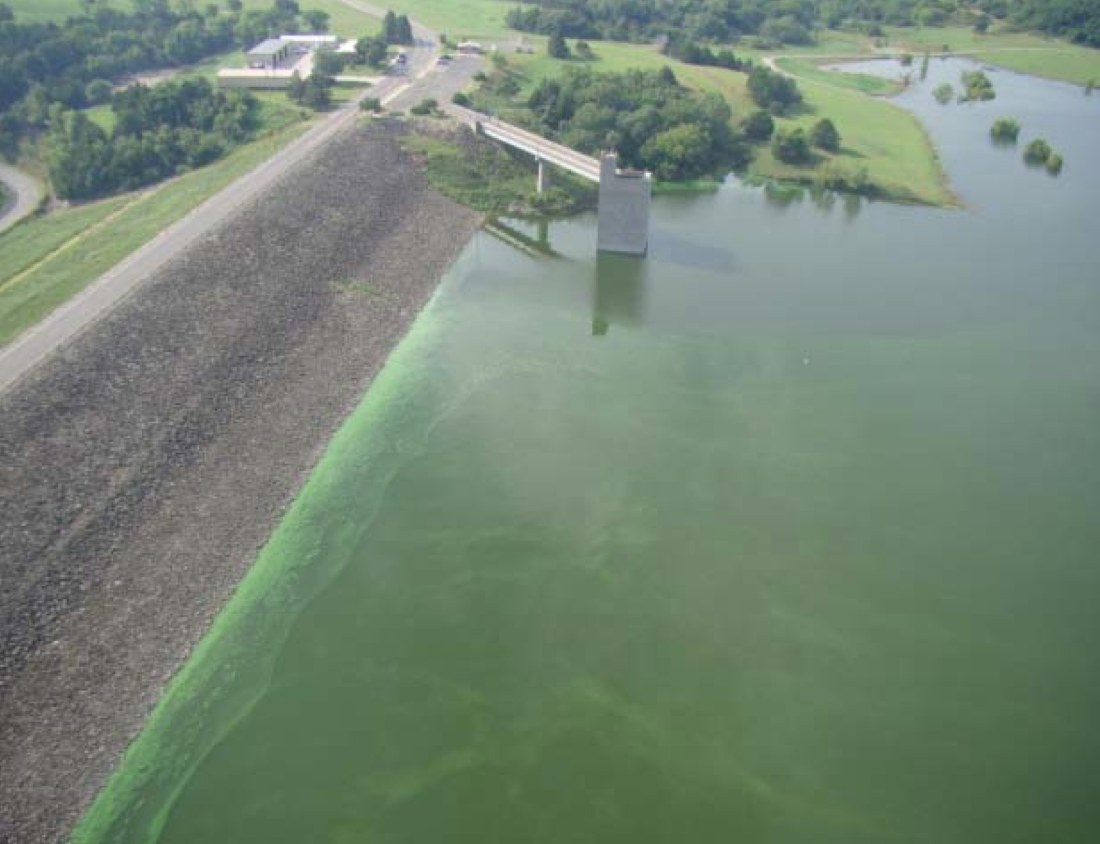
TOPEKA – The Kansas Water Office (KWO) was recently awarded $2.88 million through the Natural Resources Conservation Service (NRCS) Regional Conservation Partnership Program (RCPP) to improve water quality conditions within the Milford Lake Watershed. Runoff from precipitation events is a source of nutrient loading contributing to aquatic conditions which promote formation of harmful algal blooms (HAB) within Milford Lake. Runoff also erodes soil which ends up in waterways and is transported downstream, eventually contributing to the sedimentation of the lake.
“We are elated the Kansas Water Office Milford Lake project was selected for funding and appreciate the support of the 28 contributing partners,” said Governor Jeff Colyer, M.D. “As this lake serves as a water source to many Kansas communities, this project exemplifies the potential for a comprehensive watershed approach and presents a tremendous opportunity to impact nutrient loading within the lake.”
Milford Lake supplies water to several utilities and cities who service nearly one million Kansans, more than one-third of the state’s population. The frequency of HABs over the years within the lake have created a heightened concern among lake stakeholders that blooms will adversely impact public water supplies and their ability to provide safe, potable water.
This project serves as one of the largest efforts undertaken within the Milford Lake Watershed to bring together partners to work with NRCS on implementation of conservation practices. The KWO is the lead partner with 28 other entities contributing to the project.
“The Kansas Natural Resources Conservation Service is delighted to be working with the Kansas Water Office to improve water quality in the Milford Lake Watershed. NRCS has dedicated conservationists that are ready to provide technical assistance and conservation planning to help producers identify conservation practices to address resource concerns in the watershed,” said Sheldon Hightower, Kansas NRCS Acting State Conservationist. “We have a great relationship with the Kansas Water Office and I appreciate their leadership in this project.”
The project will implement livestock and cropland-related conservation practices within the Milford Lake Watershed to decrease nutrient runoff and sediment.
“HABs have been a growing issue for our state dating back to at least 2010. In 2011, the Kansas Department of Health and Environment first listed Milford Lake as having a significantly large confirmed harmful blue-green algae bloom,” said Tracy Streeter, KWO Director. “Unfortunately HABs have been detected within Milford Lake every year since 2011 and we are pleased to receive this grant to help address this priority in our state.”
The partnership team consists of state agencies, public water suppliers, farm organizations, local units of government, university and state researchers, county conservation districts, agricultural groups, private businesses, and non-profit organizations.
This is not only an issue in Kansas but a growing nationwide problem. The American Water Works Association (AWWA) is finding ways to help public water suppliers address this issue across the country.
“In recent years, Kansas has been a leader in bringing together all stakeholders to understand and find solutions for the unique challenges facing the state’s water supply,” said Mike Armstrong, Kansas Water Authority member and General Manager of WaterOne, an AWWA public water utility member serving 425,000 customers in the Johnson County area. “In eastern Kansas where we have an ample supply of source water, the challenge is protecting water quality. WaterOne is eager to work closely with agricultural interests as partners in addressing upstream factors that affect downstream quality.”
The project will also provide improvements such as improving fish and wildlife habitat, increasing soil health, testing of innovative phosphorus reduction technology, and helping ensure future agricultural productivity.
The following are the 28 partners contributing to the success of the project:
Acorns Resort; City of Lawrence; City of Olathe; City of Topeka; City of Wakefield; Clay County; Clay County Economic Development Group; EcoPractices (Sustainability Partners); Flagstop Resort & RV Park; Friends of the Kaw; WaterOne of Johnson County; Kansas Alliance for Wetlands and Streams; Kansas Biological Survey; Kansas Corn Growers Association; Kansas Department of Agriculture – Division of Conservation; Kansas Department of Health and Environment; Kansas Department of Wildlife, Parks and Tourism;Kansas Farm Bureau; Kansas Forest Service;Kansas Soybean Commission;Kansas Water Office; National Sorghum Producers; Riley County Conservation District; Sustainable Environmental Consultants; The Nature Conservancy; Thunderbird Marina & RV Resort; Westar Energy.
For more information about the project visit www.kwo.ks.gov
TOPEKA – In the United States, a baby is born with a birth defect every 4½ minutes, about 120,000 babies each year, with approximately 1,150 cases occurring in Kansas. Birth defects are the most common cause of death in the first year of life and the second most common cause of death in children ages one to four years.
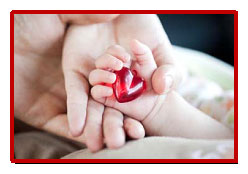
Critical Congenital Heart Defects (CCHD) are among the most common birth defects, accounting for up to 30 percent of infant deaths due to birth defects. Babies born with a CCHD may appear healthy at first and may be sent home with their families before their heart defect is detected. These babies are at risk for having serious complications within the first few days or weeks of life and often require emergency care.
The Kansas Department of Health and Environment (KDHE) Newborn Screening Program is pleased to announce that Kansas has added CCHD as one of the required Kansas screenings authorized by K.S.A. 65-180(i). Additionally, KDHE is pleased to join the Pediatric Congenital Heart Association in recognizing the annual Congenital Heart Disease Awareness Week (February 7-14) to raise awareness of critical congenital heart defects, including screening, the need for research, and access to quality care.
Since 2014, the Kansas Newborn Screening Program has been working with the Kansas Hospital Association, American Heart Association, March of Dimes, parents, and physicians from private and hospital-based practices in a quality initiative to implement CCHD screening. The initiative’s comprehensive approach focused on accepted protocols including education, screening, diagnosis, short- and long-term follow-up, data collection, evaluation and quality assurance.
TOPEKA – The annual Kansas Rural Opportunities Conference affords an opportunity for entrepreneurs, small business owners, economic development professionals, community representatives and telecommunications and internet service providers to come together with state and local officials to discuss the unique challenges and exciting potential presented by rural Kansas. The 2018 conference is scheduled for April 24-25, 2018 at the Meridian Center in Newton, Kansas.
While rural areas in Kansas face many challenges, including a declining population, scarcity of skilled professionals in critical fields and long commutes to reach jobs, there are many positive opportunities. Rural Kansas offers a healthy environment, educated and hardworking citizens, natural resources and room to grow.
The Kansas Rural Opportunities Conference will address areas of concerns and how to capitalize on the advantages inherent in rural Kansas.
“A key goal of our administration is to create an environment that allows entrepreneurs and small business owners to innovate and expand,” says Kansas Governor Jeff Colyer, M.D. “It is vital to find creative ways to promote the best of rural living to those interested in making their home or establishing a business in the rural areas of our great state. With programs such as our innovative Rural Opportunity Zones, Kansas can become an example for the nation on how to revitalize rural communities.”
Exploring and understanding the opportunities of rural Kansas is vital to returning vibrancy to these areas of the state. The 2018 Rural Opportunities Conference will leverage common goals and audiences in support of economic advancement in rural Kansas.
This year’s presentation topics, panel discussions and “Table Talk” conversations will focus on the following themes:
Improving Quality of Life
eConnectivity
Support Rural Workforce
Harnessing Technology
Developing Rural Economy
Each subject will be followed by a panel discussion to explore the topics. The conference fee is $75 per person and includes all sessions and meals.
Visit KansasCommerce.gov/ROC for updates on the full conference schedule, speaker biographies and hotel information as they become available.
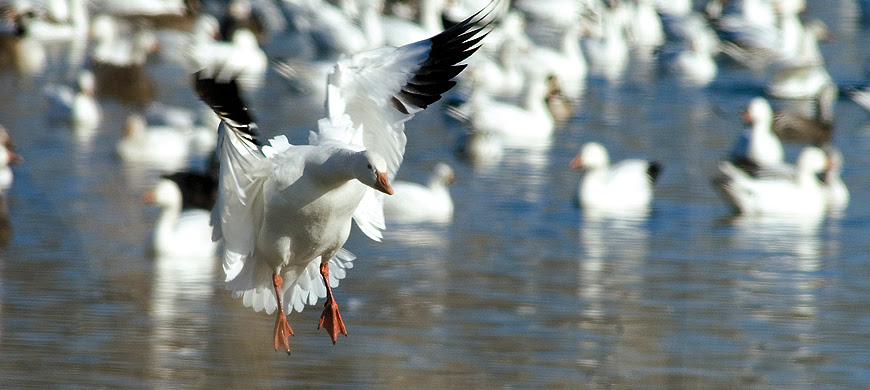
PRATT – While making memories and enjoying healthy meat that rivals even the best “free range” option are reasons to enjoy the Light Goose Conservation Order, there is a greater benefit to this special season that hunters may not be aware of – saving birds. The Light Goose Conservation Order, Feb. 19-April 30, 2018, is a unique, federally-authorized season designed to increase harvest of overabundant “light” geese (Ross’ geese, and both lesser and greater snow geese). Though some may see it just as an opportunity for goose hunters to stay afield a little longer (which certainly is a plus), the season was established to control the extraordinary numbers of light geese that have denuded portions of their fragile arctic tundra breeding habitat. The damage caused, which may take decades to recover, impacts more than just the geese, too – other bird species nest there, including semi-palmated sandpipers and red-necked phalaropes.
To increase hunter success, the special season permits hunting methods not allowed during the regular goose seasons, including the use of electronic calls and unplugged shotguns. Extended shooting hours are one-half hour before sunrise to one-half hour after sunset. And there is no daily bag or possession limits. Apart from a hunting license, Kansas hunters participating in the conservation order simply need the same three items required during regular goose seasons: a Kansas HIP Permit, State Waterfowl Stamp, and Federal Waterfowl Stamp.
It’s not too often that Kansans are called upon to hunt in order to “save the day,” but under these unique circumstances, one could argue that’s exactly what the Order is – an opportunity for hunters to help. If you’re a goose hunter, consider hunting the Light Goose Conservation Order. You’ll feel good knowing you’re actively helping both the species you’ve come to appreciate, and other critical birds and their habitat, as well.
For more information on this season, visit www.ksoutdoors.com and click on “Hunting,” “Seasons & Limits,” then “Migratory Bird Seasons.”
TOPEKA – Applications are now being accepted for companies seeking investment through the Kansas Angel Investor Tax Credit (KAITC) program. The program offers Kansas income tax credits to qualified individuals who provide seed-capital financing for emerging Kansas businesses engaged in development, implementation and commercialization of innovative technologies, products and services.
The KAITC Program is administered by the Kansas Department of Commerce and designed to bring together accredited angel investors with qualified Kansas companies seeking seed and early stage investment. The purpose of the Kansas Angel Investor Tax Credit act is to facilitate:
The availability of equity investment in businesses in the early stages of commercial development.
Assist in the creation and expansion of Kansas businesses, which are job and wealth creating enterprises.
Applications for certification will be accepted only for Kansas businesses in the seed and early stage rounds of financing.
Companies must meet the following criteria to be certified as a Qualified Kansas Business:
The business has a reasonable chance of success and potential to create measurable employment within Kansas.
In the most recent tax year of the business, annual gross revenue was less than $5,000,000.
Businesses that are not Bioscience businesses must have been in operation for less than five years; bioscience businesses must have been in operation for less than 10 years.
The business has an innovative and proprietary technology, product, or service.
The existing owners of the business have made a substantial financial and time commitment to the business.
The securities to be issued and purchased are qualified securities.
The company agrees to adequate reporting of business information to the Kansas Department of Commerce.
The ability of investors in the business to receive tax credits for cash investments in qualified securities of the business is beneficial, because funding otherwise available for the business is not available on commercially reasonable terms.
Each applicant must sign a Qualified Company Agreement with the Kansas Department of Commerce.
Certification of companies must meet mandates established by Kansas statute to allow accredited Angel Investors to receive the Kansas Angel Investor Tax Credit.
Applications for companies seeking investment are accepted from February 1st, 2018 through August 31st, 2018. For complete information on the Kansas Angels Initiative, visit https://kansasangels.com.
TOPEKA – The Kansas Department of Commerce will host the annual Kansas International Trade Day conference on June 5 in Lawrence. The conference will feature speakers and sessions designed to help Kansas businesses start exporting or grow existing exports. The event will also feature success stories from the 2018 Governor’s Exporter of the Year Award finalists, as well as exhibits from export service providers.
The Kansas International Trade Day conference will include sessions on the following topics:
· How to Pick a Market (the How, Why and What of determining where in the world businesses should sell their goods).
· Financial Options for International Buyers (developing an understanding of financing export sales through the EXIM Bank).
· Growing Kansas’ Global Partnerships (featuring a panel of Consuls General from Canada, Mexico, China and the UK)
· Getting in Front of the Customer (marketing globally using federal and state financial assistance programs)
The conference will also feature a panel of representatives from companies that are in the running for the prestigious Governor’s Exporter of the Year award. These companies will share their success stories with advice on how to grow a successful export business in Kansas.
Registration and exhibits will open at 9:00 a.m. on Tuesday, June 5. Opening remarks will begin at 10:00 a.m. and the conference will conclude at 5:00 p.m. The conference will be held at the at the DoubleTree by Hilton Hotel, 200 McDonald Dr., Lawrence, Kansas.
The “early bird” rate to attend the conference is $50 for anyone registering prior to May 1. Those registering after May 1 will pay $75. The registration fee includes lunch. To register or learn more about the agenda, speakers and sponsorship opportunities, please visit KansasCommerce.gov/2018TradeDay.
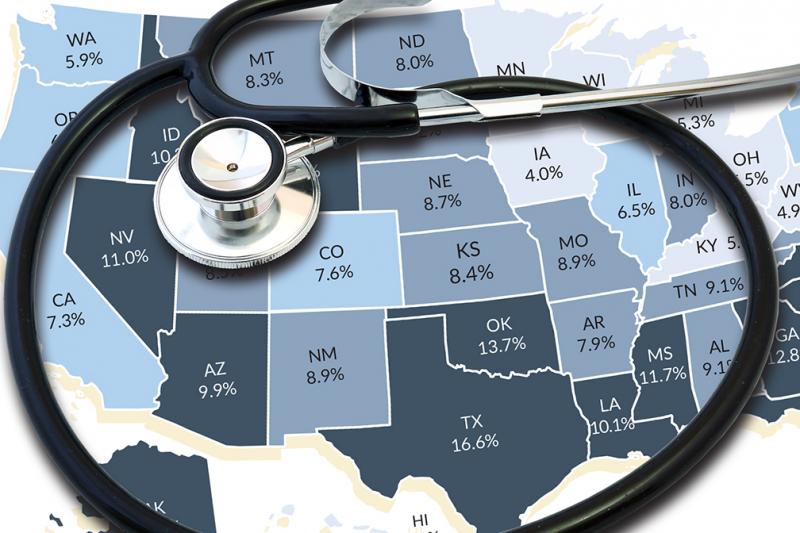
In 2016, there were 239,578 Kansans who were uninsured, including 36,752 children age 0-18. This translates to an uninsured rate of 8.4 percent, ranking Kansas below 30 other states, and similar to the U.S. average of 8.5 percent.
The uninsured rate in both Kansas and the U.S. dropped by about one-third between 2009 and 2016.
People living in states that expanded Medicaid had an uninsured rate almost half that of people living in non-expansion states (6.5 percent compared to 11.6 percent).
Racial and ethnic minorities in Kansas were much more likely to lack insurance than non-Hispanic Whites. For instance, Kansans who are Hispanic, Any Race, were three times more likely, and non-Hispanic Blacks were two-and-a-half times more likely,
to be uninsured than non-Hispanic Whites (19.8 percent, 16.1 percent, and 6.0 percent, respectively).
Four out of ten (43.1 percent) uninsured adult Kansans had family income at or below 138 percent of the federal poverty level (FPL), and may qualify for Medicaid if expanded.
Two-thirds (67.8 percent) of uninsured children in Kansas were in families with income below 243 percent FPL, and may have already been eligible for Medicaid or CHIP.
Three-fourths (75.3 percent) of uninsured adult Kansans were working. Those working part-time were more than twice as likely to be uninsured as those working full-time, year-round (18.1 percent compared to 7.4 percent).
Check out the infographic, Health Insurance in Kansas 2016, for a visual depiction of how many Kansans had insurance coverage or remained uninsured.
The Annual Insurance Update 2018 uses data from the 2009 through 2016 U.S. Census Bureau’s American Community Survey (ACS) Public Use Microdata Samples (PUMS) as the primary data source. To view reports from previous years, visit this page.
The Kansas Health Institute (KHI) delivers objective information, conducts credible research, and supports civil dialogue enabling policy leaders to make informed health policy decisions that enhance their effectiveness as champions for a healthier Kansas. Established in 1995 with a multiyear grant from the Kansas Health Foundation, KHI is a nonprofit, nonpartisan educational organization based in Topeka.
TOPEKA — The Kansas Supreme Court issued a proclamation Wednesday recognizing February 10 through 17 as National Court Reporting and Captioning Week and encouraged all Kansans to join the state court system in its observance of the week.
“In ancient Egypt, scribes were considered the literate elite, recording laws and other important documents,” said Chief Justice Lawton Nuss. “Since that time, scribes have served as impartial witnesses to history, including when America’s founding fathers drafted the Declaration of Independence and Bill of Rights.”
Today, court reporters and captioners are present in Congress, preserving members’ words and actions, and in courtrooms nationwide.
They are also responsible for closed captioning on television, at sporting events, and in other community and educational settings, bringing information to millions of deaf and hard-of-hearing people every day.
“Court reporters and captioners, like their scribe predecessors, play an important role in capturing and preserving court proceedings and in preserving our nation’s history,” Nuss said. “They truly are guardians of the record, and I invite my fellow Kansans to join with me to recognize their important contributions.”
Danielle Murray, an official court reporter for Johnson County District Court and president of the Kansas Court Reporters Association, said she hopes the proclamation helps publicize the need for more court reporters and captioners.
“Court reporters play a vital role in our system of justice in the state of Kansas, and we are experiencing a shortage of qualified court reporters in our state,” she said. “We have many unfilled positions, and it is our hope that this week will bring awareness to the profession and help get students into our court reporting schools and eventually fill our positions.”
For more information about the organization, go to www.kcra.net.
TOPEKA—The Office of the Kansas Securities Commissioner has issued a cease and desist order against Jesse W. Harris, Sedgwick, KS, and Harris Custom Projects LLC, Wichita, for alleged violations of the Kansas Uniform Securities Act (KUSA).
The cease and desist order alleges that Harris violated the KUSA by soliciting more than $5 million in investment funds during 2017 from multiple investors, purportedly for use in the purchase and resale of concrete in connection with construction jobs.
Investigators in the Securities Commissioner’s office allege Harris used the money for purposes unrelated to investment in concrete. In addition, investigators said, Harris used money from some investors to pay back money received from other investors, which is generally regarded as a Ponzi scheme.
The Kansas Securities Commissioner urges any individuals who have had dealings with Jesse W. Harris and Harris Custom Projects LLC to contact the Office of the Securities Commissioner at 785-296-3307 or email [email protected].
The violations listed in the order are currently allegations. Harris and Harris Custom Projects LLC may request a hearing to dispute the allegations within 33 days after service of the order.
The cease and desist order can be viewed online at www.ksc.ks.gov.
Stilwell – Rob Hodgkinson, former Libertarian Party of Kansas State Chair, filed Wednesday to be a candidate for Kansas Secretary of State in 2018.
Rob Hodgkinson brings a diverse skill set in his bid to become Kansas’s next Secretary of State. Hodgkinson will seek the Libertarian nomination at the party’s April 20 – 22 convention. His experience qualifies him as the candidate who best meets the voters’ expectations for the position that oversees elections and business services.
Experience in small business:
Hodgkinson’s heart is with small business. “My real estate business is a small business, and having owned small remodeling businesses I know that small businesses encounter enough challenges. They need simplicity when dealing with the Secretary of State’s office.”
Experience with Kansas election law:
Hodgkinson is a former chairman of the Libertarian Party of Kansas and a former officer of the Libertarian State Leadership Alliance, where he served as treasurer. Hodgkinson has been vocal (testifying in committees) for fairness and inclusiveness for minor parties and independent candidates. Kansas needs fair, competitive elections.
“Too often, we have coronations in place of true elections. None of Kansas’s four congressional districts will have a competitive election this year. Not one. The Statehouse is no better. Last election, a large number of statehouse seats saw little if any opposition. Laws being proposed today like HB2539 are intentionally stifling participation in the election process.”
Election of the Secretary of State is one of the races that helps determine ballot access in Kansas. A party’s candidate must get at least 1 percent of the vote to secure automatic ballot access as a minor party, a status the Libertarian Party of Kansas has maintained since 1992.
Transparency:
Hodgkinson is an advocate of transparency in government. “Proposed laws like HB2251 must be prioritized. Transparency in elections equals the ability to audit the results, something we cannot do today.”
 KDWPT
KDWPT