We have a brand new updated website! Click here to check it out!

Key health policy bills recap from ’17 Kansas legislature

KHI

TOPEKA – During the 2017 session—which ended with sine die on June 26 and matched the record-setting, 114-day 2015 session—legislators dealt with many issues, including the budget and school finance, and also addressed health-related bills (more than 80 introduced in the first month of the session). Several key issues emerged:

  • A bill to enact Medicaid expansion in Kansas made it all the way to the governor’s desk but was vetoed. A veto override attempt failed.
  • Legislators reversed a 4-percent reduction in KanCare provider payments that was initiated in 2016. The same bill provided additional funding for Community Mental Health Centers.
  • The Kansas Department of Health and Environment was directed to develop a strategic plan to address the diabetes epidemic.
  • Law enforcement is now allowed to transport a person in custody to a crisis intervention center for observation and treatment for up to 72 hours.
  • The concealed carry law was revised to prohibit the carrying of concealed firearms in certain health care buildings.

Stay tuned! KHI is preparing a 2018 Legislative Preview, which will provide a glimpse into the important health issues legislators may face in January.

The Kansas Health Institute delivers credible information and research enabling policy leaders to make informed health policy decisions that enhance their effectiveness as champions for a healthier Kansas. The Kansas Health Institute is a nonprofit, nonpartisan health policy and research organization based in Topeka, established in 1995 with a multiyear grant from the Kansas Health Foundation.
2017 upland bird hunting forecast available

KDWPT

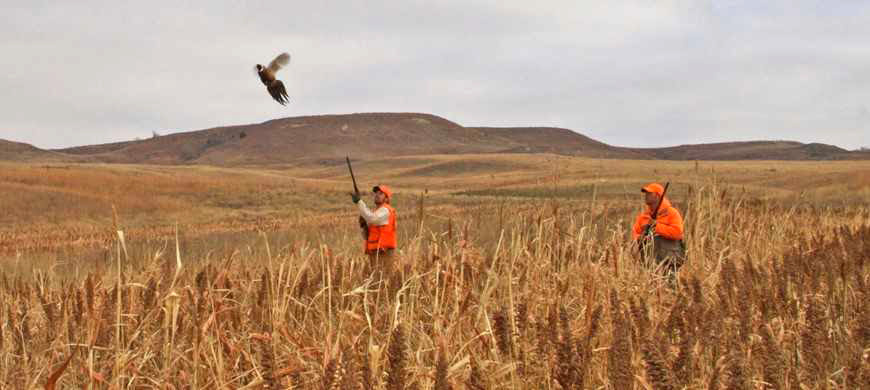
PRATT – The wait is over for Kansas bird hunters. The 2017 Kansas Upland Bird Hunting Forecast is available online and in printed form. The report summarizes data from spring and summer surveys and predicts what pheasant, quail and prairie chicken hunters may experience across Kansas this fall. The good news is that it’s good news.

Biologists create the forecast using surveys of breeding populations and reproductive success of pheasants, quail, and prairie chickens. Breeding population data are gathered with spring whistle count surveys for quail, crow count surveys for pheasants and lek count surveys for greater prairie chickens. Last spring, pheasant crow count numbers were back to pre-drought averages and quail whistle counts were the highest recorded since the survey began 20 years ago. Lek counts for greater prairie chickens were down slightly.

The most important factors in predicting fall bird numbers include nesting success and chick survival, both of which depend on habitat conditions and spring and summer weather. Habitat conditions were good to excellent across Kansas and much of the state received adequate precipitation through spring and summer. The biggest limiting factor this year was the April 29 snowstorm that dumped as many as 20 inches of snow in areas of western Kansas. The storm caused mortality in adult quail and occurred during peak laying for pheasants. Other weather events, such as heavy rain and hail, can also impact bird populations locally.

Overall, the data indicates that pheasant hunting will be fair to good this year. While the 2016 pheasant harvest was low, the average daily bag per hunter was above average, suggesting an above-average harvest could have occurred had there been greater hunter participation.

Quail hunting in Kansas should be good to locally great in 2017. Precipitation patterns observed over the past five years have altered vegetation, increasing both the quality and quantity of habitat and allowing for a modern quail boom.

While prairie chicken lek counts were down slightly this year, hunting opportunities should be good throughout the Greater Prairie Chicken Hunting Unit. The best opportunities this fall will be in the Smoky Hills Region (northcentral), where populations have been increasing.

For more detailed information and regional breakdowns for all three species, consult the 2017 Upland Bird Hunting Forecast at www.ksoutdoors.com or pick one up at any Kansas Department of Wildlife, Parks and Tourism Office. The full forecast will also be featured in the 2017 November/December issue of Kansas Wildlife & Parks Magazine.

Kansas state parks director elected to national post

KDWPT

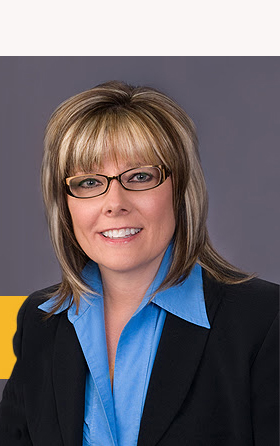
PRATT – Linda Lanterman, director of the Parks Division for the Kansas Department of Wildlife, Parks and Tourism (KDWPT), was elected president of the National Association of State Park Directors (NASPD) at their annual meeting held September 5-8 in Missoula, Montana. Lanterman has worked for KDWPT for 25 years and has been Parks Division director since 2010.

Lanterman oversees a staff of 120, 26 Kansas state parks and an annual budget of $12 million. She began her service with the department in the Human Resources Section, then served as the assistant chief of the Licensing section and assistant director of the Parks Division. She graduated from Wichita State University in 1991 with a Bachelor of Administration degree in Accounting. The Kansas Recreation and Park Association named her a distinguished fellow in January 2015.

“I feel honored to be chosen President of NASPD,” Lanterman said. “America’s state parks are part of the fabric of our nation’s quality of life. Close to home, state parks in every state offer outdoor opportunities that provide lasting memories for our visitors to share with subsequent generations. America’s state parks are staffed with passionate and competent employees who work tirelessly to help create those memories. We want to support our staff and give them the tools to execute their jobs in the most efficient and passionate way.”

“Linda brings a diversity of state park experiences, from daily operations and grants administration to innovative budgeting strategies that help make state parks more fiscally sustainable,” said Lewis Ledford, NASPD executive director. “Her energy and resourcefulness will serve America’s state parks well in continuing to forge public and private partnerships and secure corporate support.”

About NASPD

The NASPD helps state parks effectively manage and administer their systems. Its mission is to promote and advance the state park systems of America for their own significance, as well as for their important contributions to the nation’s environment, heritage, health, and economy.

Kansas to receive federal funds to fight opioid epidemic

OFFICE OF U.S. ATTORNEY

TOPEKA – Kansas will receive more than $500,000 in federal grants to help fight the opioid crisis, the U.S. Justice Department announced Friday.

The city of Wichita will receive $398,972 from the Adult Drug Court and Veterans Treatment Courts grant program. The grant is aimed at supporting drug courts that hold offenders accountable and reduce victimization by intervening early in the process to prevent crimes. It also supports programs to assist offenders who are veterans.

The Kansas State Board of Pharmacy will receive $178,680 to support the state’s prescription drug monitoring program. The pharmacy board oversees K-TRACS, a system for monitoring prescriptions for controlled substances.

The grants are part of nearly $59 million the Justice Department announced Friday it will spend to strengthen drug court programs and address the opioid epidemic nationwide.

In 2016, nearly 60,000 Americans lost their lives to drug overdoses, an increase from the 52,000 overdose deaths the year before. The majority of these deaths can be attributed to opioids, including illicit fentanyl and its analogues.

“Today, we are facing the deadliest drug crisis in American history,” said Attorney General Jeff Sessions. “These trends are shocking and the numbers tell us a lot – but they aren’t just numbers. They represent moms and dads, brothers and sisters, neighbors and friends.”

League of Kansas Municipalities elects new membership

(Photo courtesy LKM)

By MEGAN GILLILAND
LKM

TOPEKA – Over 500 local government officials – including elected and appointed staff – traveled to Wichita this past weekend to attend the League of Kansas Municipalities (LKM) annual conference. The 2017 conference focused on the theme of resiliency in cities. Over the course of three days, the officials spent time focused on the challenges of governing on many levels – managing fiscal challenges, addressing aging infrastructure, improving citizen engagement, maintaining quality personnel, discussing public policy and the opioid crisis, and strategizing solutions for blight and nuisance issues.

On Monday, September 18, the Convention of Voting Delegates for the League of Kansas Municipalities selected new officers and directors for the Governing Body. The delegates elected Wichita Mayor Jeff Longwell as President and Pittsburg City Manager Daron Hall as Vice President.

“I am honored to serve as the President of League of Kansas Municipalities,” said Longwell. “As the voice of Kansas’ cities, the League plays a key role in local government. We advocate for, and provide guidance to, hundreds of cities across the state and I am excited to lead the effort.”

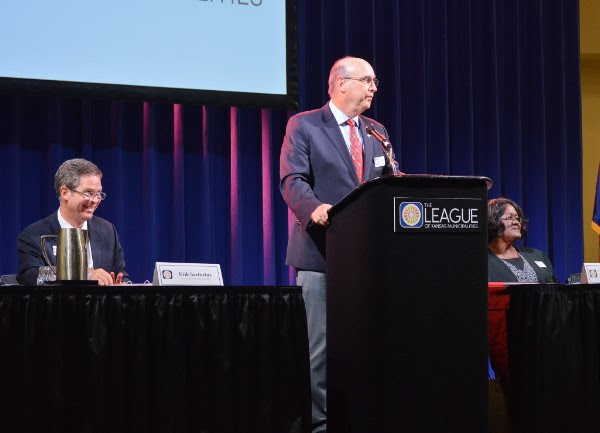
Mayor Jeff Longwell addresses the Convention Delegates at the League of Kansas Municipalities Annual Conference on September 18, 2017 in Wichita. Erik Sartorius, League Executive Director (left) and Past-President Kim Thomas, Mayor of Stockton (right), look on. (Photo courtesy LKM)

Longwell was elected Mayor of Wichita in 2015 after serving on the city council since 2007. He is a long-time resident of Wichita and grew up in a west side neighborhood and attended West High School and Wichita State University. Longwell served on the Maize School Board for 12 years, prior to his city council service. Mayor Longwell has advocated for numerous local government initiatives including government accountability, accessibility and transparency, economic development and job creation, strategic regional partnerships, improving the quality of life in Kansas cities, public transit and developing strong infrastructure.

Daron Hall, City Manager of Pittsburg, was selected as the Vice President of the Governing Body. Hall has served as City Manager for Pittsburg for 5 ½ years and has served in public administration for 26 years. He has an undergraduate degree from Washburn University and a Masters of Public Administration from Texas A & M University.

“I look forward to working with the League to improve the communities in the state,” said Hall. “Our work helps to improve the quality of life in Kansas cities and make it as good as it can be.”

Convention Delegates also selected three existing Governing Body members to continue their director positions for an additional, three-year term: Kendal Francis, City Manager, Coffeyville; Jerry Lovett-Sperling, City Clerk, Lindsborg; and James Toews, Mayor, Inman. Jason Jones, Councilmember from Hesston was appointed to a three-year term.

The League is proud to welcome these city officials to the 2017-2018 Governing Body.

Established by municipal officials in 1910, the League of Kansas Municipalities is a voluntary, nonpartisan organization of over 500 Kansas cities. The League works for its member cities through advocacy, legal advice, education and other services. Follow the League of Kansas Municipalities on Facebook or Twitter.

Kan. benefits eligibility system upgraded, launches ahead of schedule

DCF

TOPEKA – The Kansas Department for Children and Families (DCF) is proud to announce that its integration into the Kansas Eligibility Enforcement System (KEES) is complete. On Aug.18, the agency’s eight antiquated eligibility systems were replaced by KEES. It was estimated that online processing of welfare benefits applications would halt until early September, when the new system launched. The improved system went live ahead of schedule, on Aug. 28. Medicaid processing was also temporarily delayed. It has also now resumed.

“Our staff members have worked hard preparing for this transition, and with the support from Accenture and the Kansas Department of Health and Environment (KDHE), we have ensured minimal disruption in application processing,” said DCF Secretary Phyllis Gilmore. “After several years of collaboration, preparation and anticipation, we can officially consider this project successfully completed.

At 9 a.m., on Friday, Sept. 22, KDHE Chief Information Officer Glen Yancey will present details of the successful completion of KEES to the Joint Committee on Information Technology, in room 159-S, at the State Capitol Building, Topeka.

KEES is a computer system that allows Kansans to apply online for medical and social services, including welfare benefits, Medicaid and more. This system upgrade involved DCF welfare benefits programs, such as cash, food and child care assistance, among others.

Accenture is the contracted partner to the State that created the KEES system. The KEES project was launched in several phases. The second phase, which launched in July 2015, incorporated the State’s Medicaid system.

The upgraded online eligibility system includes many features that benefit clients and allow State agencies to more effectively communicate information. This is expected to improve accuracy and efficiency in processing.

One of the features of the system is a new Self-Service Portal for low-income Kansans to monitor the progress of their welfare benefits applications. Clients can also view their case details, benefit amounts and history, view pending verifications needed for processing and upload documents directly to their case.

“An estimated 1,000 DCF staff members have been trained to use the KEES system, as the system covers a wide range of agency programs and services,” Secretary Gilmore said. “This was a major project, and we are excited that we have a new tool to better serve Kansans in need.”

Staff members are now able to perform data entry into a single system that covers multiple programs. This allows for better use of staff time and minimizes human errors that can delay benefits distribution.

Promoting efficiency and effective customer service is a priority for the agency. In 2013, DCF implemented new business processes that reduced eligibility determination from approximately 30 days to less than 10 days, with many clients now receiving same-day determinations.

Reauthorizing Children’s Health Insurance Program affects 38,000 Kansas kids

KHI

TOPEKA – The Balanced Budget Act of 1997 created the Children’s Health Insurance Program (CHIP) to cover uninsured, low-income children who are not eligible for Medicaid. All states, including Kansas, have expanded children’s coverage through the program. Congress last reauthorized CHIP in 2015, but funding was approved only through September 30, 2017.

On September 12, 2017, Senate Finance Committee leadership announced a bipartisan plan to extend CHIP for five more years. However, if the reauthorization deal falters in either the Senate or the House, CHIP funding could still expire.

The Kansas Health Institute has published an issue brief that examines how Kansans could be impacted by federal decisions regarding CHIP.

  • Unless Congress acts soon, authorization for federal funding for the Children’s Health Insurance Program will end on September 30, 2017, impacting approximately 38,000 low-income children in Kansas.
  • If funding is not reauthorized, states with separate CHIP programs, such as Kansas, could choose to wait before terminating their programs, or they could plan to transition children to other coverage options.
  • If CHIP is not reauthorized, states can spend carryover and redistributed funds in federal fiscal year 2018. Kansas’ federal funds likely
    would be exhausted by the end of March 2018.
  • The Senate proposal to extend CHIP five years would preserve an additional 23 percent in federal match rate for CHIP through 2019.

The Kansas Health Institute delivers credible information and research enabling policy leaders to make informed health policy decisions that enhance their effectiveness as champions for a healthier Kansas. The Kansas Health Institute is a nonprofit, nonpartisan health policy and research organization based in Topeka, established in 1995 with a multiyear grant from the Kansas Health Foundation.
NC Kansas companies participate in trade mission to China

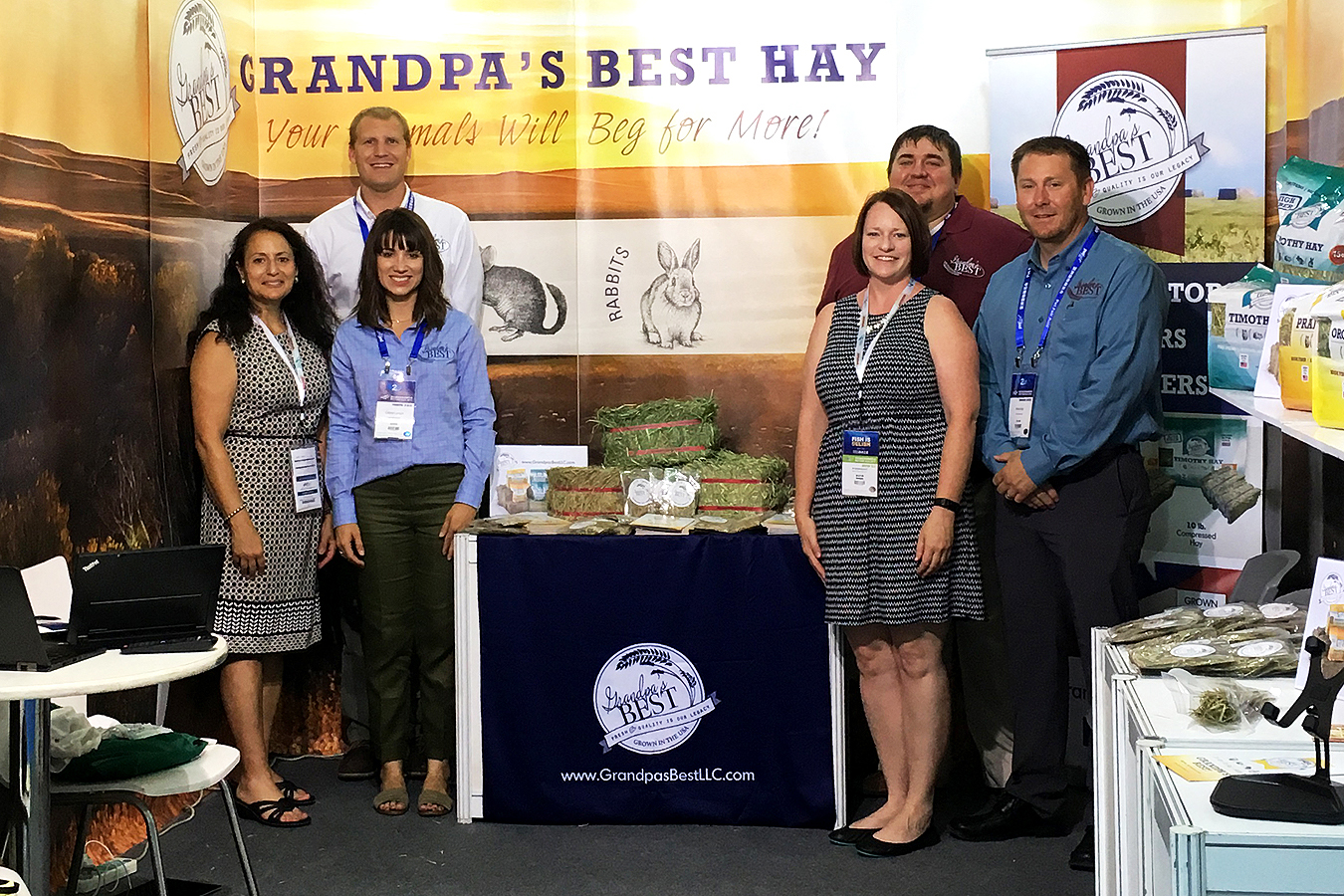
Kansans spent a week in China this August on an agricultural trade mission to expand export market opportunities. From left: Lynne Hinrichsen, KDA; Chase Larson, Grandpa’s Best Hay; Celine Larson, Grandpa’s Best Hay; Suzanne Ryan-Numrich, KDA; Adam Robertson, Best West Fabrication; Mike Kasl, Best West Fabrication.

KDA

MANHATTAN — The Kansas Department of Agriculture led a trade mission to China in August 2017 to provide an opportunity for Kansas small businesses to research new markets. Chase and Celine Larson of Grandpa’s Best Hay LLC in Belleville, Mike Kasl and Adam Robertson of Best West Fabrication in Belleville, and Will Henry and Michael Cheng of Extru-Tech Inc. of Sabetha joined KDA staff members Suzanne Ryan-Numrich, international trade director, and Lynne Hinrichsen, agribusiness development director, on the trade mission.

The purpose of the mission was to attend Petfood Forum China and participate in the trade show at Pet Fair Asia. In addition to participating in the trade show, the delegation had meetings with the Agricultural Trade Office of the U.S. Department of Agriculture where the team gained useful insight on industry issues in the China market.

“Valuable lessons were obtained from this trade mission to China. Grandpa’s Best found a lively market in Asia with opportunities to form long-term, trusting business relationships — the kind only face-to-face dialogue can give,” said Larson. “Our team is grateful for the chance to have made a lasting presence in a region full of great opportunities.”

Global trade is a key economic engine of U.S. agriculture and rural America, including Kansas. China is one of the state’s top five trade partners, and in 2016, Kansas exported over $207 million in agriculture commodities to the Chinese market.

“In China, guanxi — or relationships — are key. This trade mission allows us to provide Kansas companies not only the chance to explore market opportunities but also the opportunity to start building relationships with potential trade partners,” said Suzanne Ryan-Numrich. “The Chinese market can be challenging but it offers a lot of potential for those willing to put in the effort.”

The trade mission was funded in part through a cooperative agreement with the U.S. Small Business Administration using a State Trade Expansion Program (STEP) grant.

KDA strives to encourage and enhance economic growth of the Kansas agriculture industry by exploring and expanding both domestic and international marketing opportunities. If you are interested in participating in upcoming trade missions, please contact Ryan-Numrich at [email protected] or call 785-564-6704.

State closes unlicensed adult care home in Topeka

KDADS

TOPEKA – The Kansas Department for Aging and Disability Services (KDADS) has moved to permanently shut down an adult care home in Topeka that has been operating without a license.

The facility, located at 125 SW Western Avenue, is called Twin Lanterns and was operating as an unlicensed adult care home for individuals with developmental disabilities and mental health challenges, advertising itself as an “adult foster home.” Ronald Wayman, who owns the property, and Tamera Coolberth (Atherton) are co-owners and operators of Twin Lanterns.

At the request of the agency, District Court Judge Franklin Theis has signed a restraining order and temporary injunction to close the facility and an Order to Show Cause why the injunction should not be made permanent.

KDADS is the state agency responsible for the regulation and licensing of adult care homes for individuals with disabilities.

After KDADS filed a Motion for Temporary and Permanent Injunction, District Court Judge Franklin Theis granted the motion and issued a Temporary Injunction enjoining Coolberth and Wayman from owning and operating an unlicensed adult care home. Judge Theis also issued an Order to Show Cause as to why the injunction should not be made permanent.

In August, after an inspection by KDADS staff, KDADS issued a cease-and-desist order to Wayman and Coolberth .

Wayman previously told the agency that he discharged individuals living in the residence to the Topeka Rescue Mission and family or friends, but the agency has been unable to verify that statement, and Wayman has not yet provided KDADS with a list of the individuals who had been living in the home so the agency can ensure that they are appropriately cared for and housed.

In the Order for Temporary Injunction, Judge Theis found immediate and irreparable injury, loss or damage would result to the residents of Twin Lanterns if the Temporary Injunction was not granted.

The City of Topeka earlier this year issued a notice to Twin Lanterns that it was violating the City of Topeka Zoning Code because the operators were running an unlicensed group home without a conditional use permit.

A Show Cause hearing has been scheduled for September 29, 2017. The temporary injunction remains shall in place until vacated or modified by court order.

Kansas maintains low infant mortality rate

KDHE

TOPEKA – “We are excited to report that we had the lowest ever recorded infant mortality rate in the history of the state in 2015 and we have maintained that rate again in 2016,” said KDHE Secretary Mosier, MD, MBA, FACS. The state recorded 223 resident infant deaths in 2016 the lowest number ever recorded. The infant mortality rate for the state was 5.9 infants per 1,000 live births. This was unchanged from the 2015 infant mortality rate. A decline in the number of births to Kansas resident women was responsible for the unchanged rate. Kansas recorded 38,048 resident births, a 2.8 percent decrease from the 39,126 births in 2015.

The long term trends for White non-Hispanic and Black non-Hispanic infant mortality rates show a decline. The Black non-Hispanic infant mortality rate in 2016 was 15.2 infant deaths per 1,000 live births, almost three times higher (2.9) than the White non-Hispanic infant mortality rate of 5.2. The infant mortality rate for Hispanic origin was 5.1 per 1,000 live births.

KDHE continues to collaborate with community providers and organizations on several key initiatives to continue the progress made in decreasing cases of infant death and disparities in infant mortality. Initiatives include the Infant Mortality Collaborative Improvement and Innovation Network (IM CoIIN) and reducing the state’s early elective delivery rate.

To learn more about these initiatives and others please visit our website at www.kdheks.gov/bfh. To review statistics visit www.kdheks.gov/phi.

2017 Kansas Energy Conference to highlight renewable energy

KDC

TOPEKA — Registration is open for the 2017 Kansas Energy Conference, which will be held Sept. 26 and 27 in Wichita. The 2017 conference is co-sponsored by the Kansas Department of Commerce and the Clean Energy Business Council.

The Kansas Energy Conference will highlight the latest developments in the state’s renewable energy sector, focusing on how technology will accelerate the move to a clean energy economy and the role that Kansas can play to lead this transition. The day-and-half conference will feature three general sessions and several breakout sessions focusing on public sustainability programs, wind, solar, green efficiency programs, renewable energy storage, and oil and gas.

Speakers for this year’s conference include Greg Greenwood, Senior Vice President of Strategy for Westar Energy, Jeff Glendening, State Director for Americans for Prosperity (Kansas Chapter), and JR Tolbert, Vice President of State Policy for Advanced Energy Economy.

A new optional offering this year is a Pre-Conference Wind Farm Tour, enabling conference attendees to experience wind energy production up-close. For a nominal fee, attendees will participate in an engaging tour of the Kingman Wind Energy Center.

Another bonus with this year’s conference is a post-conference Distributed Generation Workshop, ideal for those who are unable to attend the full conference. This workshop will kick-off the Clean Energy Business Council’s “Around the State” initiative, which will include a total of four community workshops aimed at increasing exposure about market opportunities in renewable energy within Kansas. The workshop is free to conference attendees and available to others for a nominal cost.

The conference will be held September 26, 8:30 a.m. – 4:45 p.m., and September 27, 8:00 a.m. – noon at the DoubleTree by Hilton Wichita Airport, 2098 S. Airport Road in Wichita. Exhibits will be open from 9:45 a.m. – 6 p.m. on September 26 and 8:00 a.m. – noon on September 27. A reception is planned from 4:45 p.m. – 6 p.m. on September 26. The Pre-Conference Wind Farm Tour will be held on Monday, September 25, from Noon – 4:00 p.m, while the Post-Conference Distributed Generation Workshop will be held Wednesday, September 27, from noon – 5:00 p.m.

SPONSORS: Next Era Energy, Polsinelli, Tradewind Energy, Apex Clean Energy, Cromwell Solar, Distributed Energy Association, EDF Renewable Energy, EDP Renewables NA, Foley Power Solutions, Grain Line Express Clean line, ITC Great Plains, Kansas Soybean Commission, Midwest Energy, MC Power, NEC Energy Solutions, Olsson Associates, Stanion Wholesale Electric Company, Stantec Consulting Services, Westar, Wilson & Company.

REGISTRATION INFO: The deadline for conference registrations is September 20. A complete itinerary and online registration is available through the Kansas Energy Conference web page at KansasCommerce.gov/EnergyConference.

KS Supreme Court’s new statewide centralized case management system is ‘evergreen solution’

KS SUPREME COURT

TOPEKA — The Kansas Supreme Court announced today it has selected a vendor to provide a centralized case management system that will allow all district and appellate case data to reside on a single web-based platform and transform the way the state court system serves the people of Kansas.

The court selected the Odyssey Case Manager™ developed by Tyler Technologies of Plano, Texas, paving the way for the project to move into contract negotiations.

“Of the options offered, the Odyssey system most closely meets the needs of our district and appellate courts, the legal community, and the public,” said Chief Justice Lawton Nuss. “It will require some customization, as we would expect with any off-the-shelf product, but it’s an evergreen solution that won’t require us to make costly upgrades every few years.”

Odyssey was recommended by the eCourt Steering Committee, which was formed in 2015 to identify key requirements for a centralized case management system and to review proposals made by vendors through a competitive bid process. Justice Dan Biles serves as chair of the committee and its members include representatives of the appellate and district courts, including justices, judges, court administrators, clerks, and information technology staff. eCourt subcommittees with wider ranging representation of court personnel and members of the legal community focused on specific areas such as infrastructure, requirements, and rules, and their findings were reported to the steering committee.

“Odyssey will integrate well with our existing electronic document filing system to create a central case processing environment amounting to a statewide web-based courthouse,” Biles said. “We anticipate this will improve overall court efficiency and ensure that judges have complete, real-time information with which to make the most effective dispositions.”

Tyler Technologies said it will offer at a discount its prosecutor module within the Odyssey suite to any district or county attorney offices that want to use it. This will encourage greater statewide usage of the technology for a significant portion of the court’s caseload.

The installation of the centralized case management system is a key component in the Kansas Supreme Court’s eCourt plan. It will complete the conversion from local, paper-driven processes to a statewide electronic one. It will provide attorneys, judges, and court personnel using an internet connection immediate access to authorized case information, details, and records from across the state.

The primary goals of the centralized case management system implementation are to:
Improve case processing in the district and appellate courts.
Increase the efficiency of information delivery to district and appellate court judges.
Increase operational efficiency and effectiveness through automating certain activities and streamlining other operations.
Improve data quality and integrity.
Improve performance measurement, analysis, and reporting through enhanced information collection, storage, retrieval, and analysis.
Enable work sharing between district courts, primarily among clerks and court services officers.
Maintain and improve data sharing between various governmental and public entities.
Maintain and improve the ability to process electronic payments.
Enable web-based sharing of public information.
The conversion to the centralized case management system is expected to take three to four years. Once the system is designed and completed, it will be launched in pilot courts before a statewide rollout.

The 2014 Legislature established the Electronic Filing and Case Management Fund with deposits from docket fees dedicated to finalizing the efiling project and implementing centralized case management under the Supreme Court’s eCourt plan. By statute, each year through fiscal year 2019, the first $3.1 million received in docket fee revenue will be deposited into that fund. In fiscal year 2020 and later years, the first $1 million in docket fee revenue is directed into the fund for things such as maintaining eCourt components.

September is Mental Health Recovery Month

KDADS

TOPEKA – Every September, the Substance Abuse and Mental Health Services Administration (SAMHSA) within the U.S. Department of Health and Human Services (HHS), sponsors National Recovery Month to increase awareness of behavioral health conditions. Mental and substance use disorders are prevalent in Kansas communities, and the Kansas Department for Aging and Disability Services (KDADS) believes it’s imperative that individuals understand how and where to seek help.

KDADS supports programs in prevention, treatment and recovery. Focus on recovery includes initiatives that provide one-to-one support services from peers who have been successful in the recovery process in Kansas communities. These services can effectively extend the reach of treatment beyond the clinical setting into the everyday environment.

“Individuals who experience a mental health, substance use and/or gambling disorder often feel isolated and alone. Too many people are unaware that prevention works, treatment is effective and people can and do recover,” said KDADS Secretary Tim Keck.

KDADS is working to incorporate peer support services across all of the state’s behavioral health systems:
 Consumer Run Organizations (CROs) are dedicated to improving the lives of adults with mental health issues using peer support. CROs provide one-on-one and group peer supports, self-help groups, employment support, life-skills training, health and wellness activities and support for individuals who are transitioning from state institutions to living in the community.
 Crisis Intervention Teams (CITs) provide training for law enforcement to help deal with individuals experiencing a mental health crisis they encounter. Many times this training allows individuals to be diverted from jail to treatment settings, helping them to stabilize and remain in the community.
 An important focus for KDADS is increasing peer and family supports for children with mental health needs. This is critical in engaging children and families while building the relationships needed to improve children’s overall health. Working with state’s Community Mental Health Centers (CMHCs) on existing programs and developing new services to meet the needs of Kansas families KDADS is expanding the services provided in the home, community settings and schools. KDADS is also implementing System of Care grant funding in pilot areas to fill gaps in service for youth with a serious emotional disturbance.
 KDADS takes a recovery-oriented approach to substance use disorder treatment for those with drug and alcohol problems, employing a coordinated network of community-based services and person-centered supports and builds on the strengths and resilience of individuals, families and communities to achieve abstinence and improved health, wellness and quality of life.
 Kansas received a grant from SAMHSA earlier this year to fund treatment for opioid use disorder (OUD) in the state and to reduce the number of persons with OUD and the number of opioid overdose related deaths through prevention, treatment and recovery activities.
 Prevention coalitions across the state are diligently working to reduce underage drinking, substance abuse, suicide and other behavioral health issues. These KDADS-funded communities are providing education and awareness to schools, parents, law enforcement and other community members.
 KDADS funds problem gambling services including treatment with not out-of-pocket expense for gamblers and their concerned friends and families, and supports community-based task forces that provide education and a helpline for crisis services, ensuring that information on problem gambling prevention and treatment services are available to Kansans.
 Suicide prevention efforts statewide are supported through community prevention coalition efforts and the Kansas Suicide Hotline, which is operated at Headquarters Counseling Center in Lawrence. Suicide is the second leading cause of death among Kansans ages 15-44.

Thousands of Kansans’ lives have been transformed through recovery. Since these successes often go unnoticed by the broader population, September is an opportunity to share the successes of recovery and inform communities of available programs and services. Sharing stories of success helps to increase awareness and furthers a greater understanding about mental health, substance use and gambling disorder.

“Mental health, substance use and gambling disorders can be treated just as successfully as other health issues such as heart disease and diabetes. Support from families and communities is essential to successful recovery from any health condition,” Secretary Keck said. “KDADS believes in recovery from a mental health, substance use and/or gambling disorder. It can be done.”

Copyright Eagle Radio | FCC Public Files | EEO Public File