We have a brand new updated website! Click here to check it out!

Kansas antelope application deadline June 9

KDWPT

PRATT – Once common across the Kansas prairies, antelope, or pronghorn, now only inhabit the far western third of the state with a few remnant populations in the Flint Hills and the Red Hills. In the western counties, the population is healthy where suitable shortgrass prairie is found and numbers support limited hunting seasons. It is a popular and unique big game hunting experience for Kansas hunters, who must enter a lottery drawing for firearm and muzzleloader permits. The online application deadline is June 9, 2017.

Three management units are open to antelope hunting, Units 2, 17 and 18 with 180 firearm permits and 50 muzzleloader permits available to Kansas residents and nonresident tenants only. Demand is high and preference points, which are awarded to unsuccessful applicants, are required to draw general resident permits.

Applications can be made online by visiting www.kshuntfishcamp.com or by calling (620) 672-0728. Hunters may apply for either a general resident permit, a landowner/tenant permit, a youth permit, or purchase a preference point.

Firearm and muzzleloader permit prices (including application and online convenience fees) are as follows: General Resident Application – $62.50, Resident Landowner/Tenant Application – $37.50, Resident Youth Application (age 15 and under) – $22.50, Nonresident Tenant Application – $97.50, Preference Point only –$11.50.

Antelope archery permits are sold over the counter and are available to residents and nonresidents: General Resident – $52.50, Resident Landowner/Tenant – $27.50, Resident Youth (age 15 and under) – $12.50, Nonresident Tenant – $87.50, Nonresident – $302.50, Nonresident Youth (age 15 and under) – $102.50.

The 2017 Archery Season is Sept. 23-Oct. 1 and Oct. 14-31. Muzzleloader Season is Oct. 2-9, and the Firearm Season is Oct. 6-9.
June is proclaimed Kansas Dairy Month

KDA

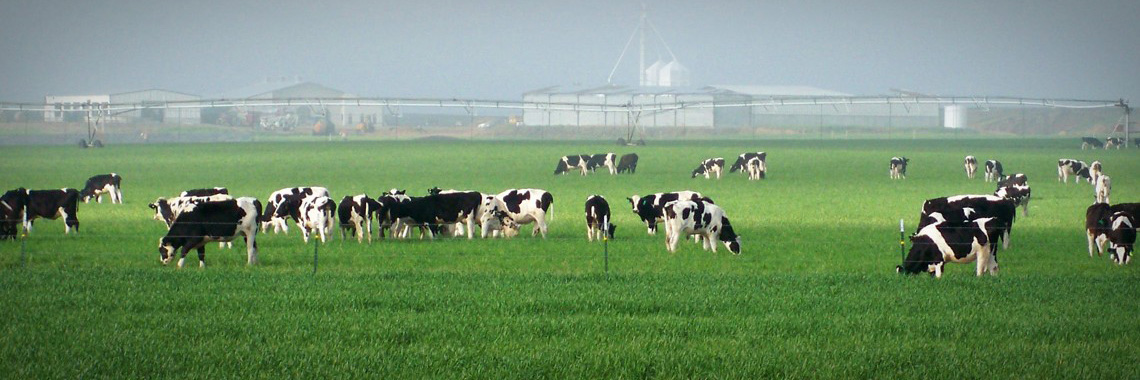
MANHATTAN — The Kansas dairy industry is a valued member of Kansas agriculture, and contributes to the economy both locally and statewide. The Kansas Department of Agriculture is pleased to celebrate our hard-working dairy farmers during the month of June as Governor Sam Brownback has proclaimed it Kansas Dairy Month.

“Kansas dairy farmers are an important part of the economic growth of the agriculture industry,” said Jackie McClaskey, Kansas Secretary of Agriculture. “Their success is a reflection of their hard work and commitment to improving the industry through innovations in dairy farming and milk processing.”

In 2016, the value of milk produced in Kansas was $530 million, and Kansas dairy farms increased milk production by more than 4.8 percent. There are 290 family-run dairy farms with more than 152,000 dairy cows, and growth in the Kansas dairy industry means economic growth for local communities and the state, and more safe and nutritious dairy products for families in Kansas and across the region.

Kansas dairy farms are becoming more progressive, by adding new advanced technologies like robotic milking machines. As the Kansas milk production grows, milk processors too are making significant investments in new milk processing facilities so that more of that Kansas milk stays in Kansas for processing, and contributing to the economic growth of the state.

KDA’s dairy and feed safety program is committed to serving the dairy farmers in our state by supplying resources to help their farms and processing operations grow and thrive. The dairy inspection team helps them stay on the forefront of the dairy industry by providing information and education and by advocating for the dairy industry both locally and nationally.

Follow KDA on Facebook and Twitter to learn more about Kansas dairies and to celebrate Kansas Dairy Month this June. For more information about KDA’s dairy program, go to agriculture.ks.gov/dairy or dairyinkansas.com.

Get to clicking; annual KDA photo contest opens today

KDA

MANHATTAN — Every day, farmers and ranchers see the beauty of agriculture surrounding them while they work to bring quality products to our tables. Document this experience by capturing the moments of bliss, struggle and joy in agriculture and enter your pictures into the Kansas Department of Agriculture’s annual photo contest. KDA will begin accepting photos on June 1. Photos will be accepted throughout the months of June and July.

This year, KDA’s photo contest categories will celebrate different aspects of Kansas agriculture. Technology at Work, Animals of Agriculture, From Farm to Table, and The Beauty of the Farm categories will showcase the broad spectrum of what agriculture means in Kansas, from the advances in technology, to the animals and crops, to the beautiful landscapes of Kansas farms, all while producing food, fiber and energy for Kansas and a growing world. There will also be a Youth division for young photographers under the age of 19.

KDA serves to advocate for and promote the agriculture industry, the state’s largest industry, and these photos capturing the beauty of Kansas agriculture will be used to promote the state’s largest economic driver.

Guidelines for the contest can be found at: agriculture.ks.gov/photocontest. After submission, the Kansas Department of Agriculture is granted permission to use any photograph for publications, social media, websites, displays, etc. without payment or other consideration from the photographer.

Follow KDA on Facebook, Twitter, Pinterest and Instagram for more details on the contest, including deadlines, divisions and prizes. For more information, contact KDA director of communications Heather Lansdowne at [email protected] or (785) 564-6706.


Free fishing in Kansas this weekend

KDWPT

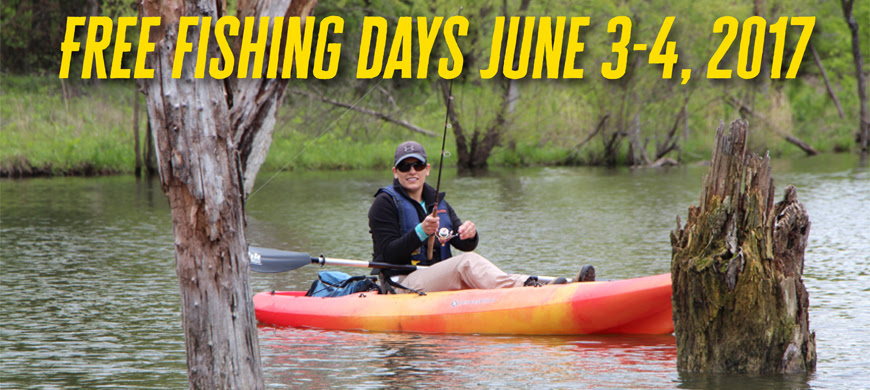
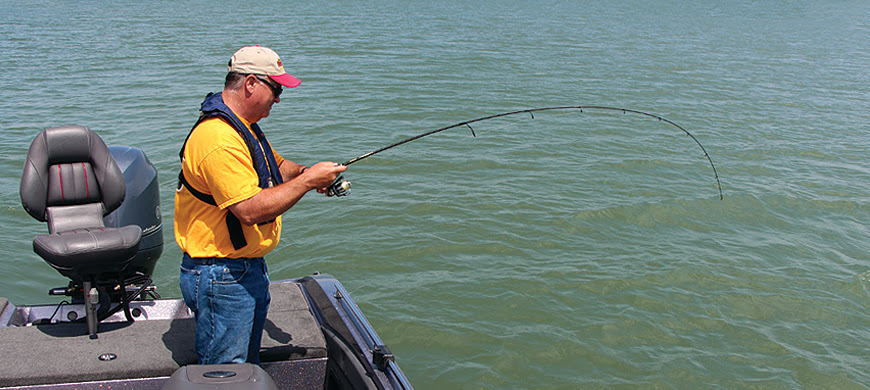
PRATT – In accordance with National Fishing and Boating Week, June 3-11, Kansas anglers will fish for free on June 3 and 4. That means that anyone may fish in Kansas without a fishing license. Landowner permission is necessary to fish any private ponds or streams unless they are enrolled in the F.I.S.H. program.

Kansas Department of Wildlife, Parks and Tourism (KDWPT) fisheries biologists manage 24 federal reservoirs, 200 community lakes and 40 state fishing lakes, and there are dozens of private ponds and streams enrolled in the F.I.S.H. program. Just go to www.ksoutdoors and click “Where To Fish” in the “Fishing” pull-down menu.

Kansas lakes and rivers are known for producing big crappie, abundant channel catfish, huge flathead catfish and giant blue catfish. However, thousands of farm ponds that dot the rural landscape are filled with largemouth bass, bluegill, crappie and catfish. Federal reservoirs are known for producing great walleye, wiper, crappie and white bass fishing. To learn more about which lakes produce the kind and sizes of fish you prefer to catch, go to “Reports and Forecast.”

The 2017 Fishing Forecast compiles data collected by biologists throughout the year so anglers can find lakes that have, for example, good populations of keeper-sized channel catfish, or big white bass. The forecast provides ratings for each species of sport fish for ponds, lakes and reservoirs.

Biologists also provide updates on fishing and lake conditions on their “Weekly Fishing Reports.” Anglers can use the atlas, forecast and fishing reports to find the best fishing available in their area.

Other great angling tools available on www.ksoutdoors.com include the fisheries district newsletters. These quarterly newsletters are produced by fisheries biologists, who include sampling, stocking and habitat information for lakes in their district, as well as other information that will help anglers catch more fish. The newsletters can be read online, or anglers can sign up to receive them by email.

And the final tool that every angler should have is a copy of the 2017 Kansas Fishing Regulations Summary, which can be downloaded online, picked up anywhere licenses are sold and at all KDWPT offices. The regulation pamphlet is packed with information, including length and creel limits, equipment restrictions, and season dates. It also includes a map showing lakes containing aquatic nuisance species (ANS), along with ANS regulations and prevention tips. Color illustrations of popular sport fish are included, as well as listing of state records. And anglers who catch a fish not big enough to qualify for a state record, there is the Master Angler Award program, which provides certificates to anglers who catch fish that meet or exceed established lengths. A Master Angler Award application is included.

Kansas waters provide a wide variety of quality angling opportunities, and you can discover them at www.ksoutdoors.com. You can also enjoy them for free this weekend.

🎥 An update from the Kansas House Minority Leader

Veto Session Policymaking

Tensions are high in the Kansas statehouse, a not unexpected outcome of the long veto session. The video above is a descriptor of what’s happening in the legislature and efforts underway to ensure the adoption of policies that are more fair and balanced for all taxpayers.

There have been competing views on tax policy, including within the Democratic caucus. I believe we’re close to finding common ground and can soon pass a plan that will better position us in the future. It’s not going to do all it needs to do. That’s been hard to accept.

Most of us came to the House this January ready to quickly repeal the Brownback tax experiment, pass Medicaid expansion, restore due process, and a host of other meaningful things. Those changes haven’t happened and some may not happen this session.

We’re not giving up though. It remains a priority of mine and my Democratic colleagues to:

  • End the Brownback tax experiment and the “borrow and spend” philosophy
  • Strengthen the stability of KPERS and fund appropriate highway/bridge maintenance and development
  • Pass a constitutionally sound school funding formula that enables our students to have the greatest opportunity for success at every grade level in every county
  • Debate (and ultimately pass) measures that restore gun safety in our hospitals, mental health centers, and college campuses
  • Provide sufficient resources for Osawatomie/Larned hospitals and our mental health centers
  • Expand Medicaid and improve the KanCare system
  • Begin oversight of the foster care system so best practices can be applied to improve DCF

I know this has been a long session and we’re all growing weary. Keep the faith – better days, and better policy, can be achieved. Appreciate your support along the way.

Please reach out at anytime, or come by my office for a visit!
[email protected] / 785-296-7630
Kansas Capitol – Room 359W

New guidebook shares 4,500 places to visit in Kansas

KANSAS SAMPLER FOUNDATION

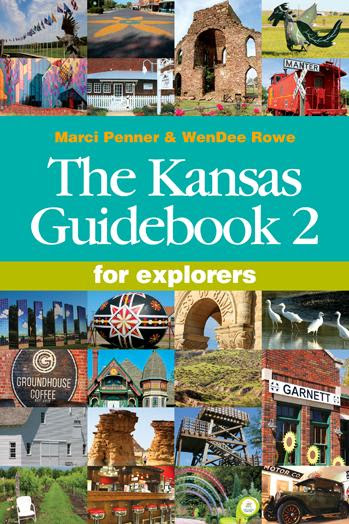
INMAN–Co-authors Marci Penner and WenDee Rowe spent four years traveling to every one of the 626 incorporated cities in Kansas in addition to visiting several hundred spots in the country. The result is The Kansas Guidebook 2 for Explorers, a project of the Inman-based Kansas Sampler Foundation.

The 480-page, coil-bound book weighs over two pounds and is chock full of information that will keep Kansas road trip enthusiasts busy for quite a long time. Along with 4,500 entries that provide descriptions, directions, hours, and contact information, there are also more than 1,600 color pictures. Rowe says, “Many people will be interested in the 843 restaurants, cafes, drive-ins, and soda fountains.”

The book is designed to help achieve the mission of the Kansas Sampler Foundation which is to preserve and sustain rural culture. Penner says, “Though the book reads like a travel guide, it’s intended to help people get to know the state and learn about towns of every size.” Among the diverse entries, guidebook users will find historic bridges, beautiful statues, specialty shops, quirky sites, little known points-of-interest, cemetery finds, and back road scenic drives statewide. Rowe said, “There really is something for everyone whether you are looking for outdoor sites or ways to get to know a town. The more a person interacts with the locals the more special a road trip can become.”

To find retail stores that carry the book or to order online, go to kansassampler.org.

Kansas Notable Books celebrate Kansas cultural heritage

the-last-wild-places-in-kansasKS STATE LIBRARY

TOPEKA–The State Library of Kansas is pleased to announce the 12th annual selection of Kansas Notable Books. The fifteen books feature quality titles with wide public appeal, either written by Kansans or about a Kansas-related topic. The Kansas Notable Book List highlights our lively contemporary writing community and encourages readers to enjoy some of the best writing of the authors among us.

“The Kansas Notable Books Committee considered the eligible books published in 2016. I was delighted to receive the recommended list and make the final decision,” said State Librarian Jo Budler. “Our list is intended to showcase Kansas’ unique talent and history while encouraging residents to visit their library and check out the celebrated titles.”

An awards ceremony will be held at the Kansas Book Festival, on September 9, 2017 at the State Capitol, to recognize the talented Notable Book authors.

Kansas Notable Books is a project of the Kansas Center for the Book, a program of the State Library. Throughout the award year, the State Library promotes and encourages promotion of all the titles on that year’s list at literary events, and among librarians and booksellers.

For more information about Kansas Notable Books, call (785) 296-3296, visit www.kslib.info/notablebooks or email [email protected].

2017 Kansas Notable Books

Fast-Food Sonnets: Poems by Dennis Etzel Jr. (Topeka), Coal City Review Press

Ghost Sign: Poems from White Buffalo by Al Ortolani (Shawnee Mission), Melissa Fite Johnson, Adam Jameson, and J.T. Knoll (Pittsburg), 39 West Press and Spartan Press

Green City: How One Community Survived a Tornado and Rebuilt for a Sustainable Future by Allan Drummond (Suffolk, England), Farrar Straus Giroux Books for Young Readers

Hero of the Empire: The Boer War, a Daring Escape and the Making of Winston Churchill by Candice Millard (Kansas City), Doubleday

Hurt People: A Novel by Cote Smith (Lawrence), Farrar Straus Giroux

Ioway Life: Reservation and Reform, 1837-1860 by Greg Olson (Columbia MO), University of Oklahoma Press

The Last Wild Places of Kansas: Journeys into Hidden Landscapes by George Frazier (Lawrence), University Press of Kansas

Lost and Gone Forever: A Novel of Scotland Yard’s Murder Squad by Alex Grecian (Topeka), G. P. Putnam’s Sons

The Memory of Lemon: A Novel by Judith Fertig (Overland Park), Berkley Books

Mike Torrez: A Baseball Biography by Jorge Iber (Lubbock TX), McFarland & Company

A Nest of Hornets by Robert Krenzel (Shawnee), CreateSpace

Never Enough Flamingos by Janelle Diller (Colorado Springs CO), Worldtrek Publishing

Phog: The Most Influential Man in Basketball by Scott Morrow Johnson (Seattle WA) University of Nebraska Press

Presenting Buffalo Bill: The Man Who Invented the Wild West by Candace Fleming (Oak Park IL) Roaring Brook Press

The Small-Town Midwest: Resilience and Hope in the Twenty-First Century by Julianne Couch (Bellevue IA)


🎥 Kansas National Guard 2nd Combined Arms Battalion, 137th Infantry Regiment participating in combat exercise

Sgt. Luis Hurtado, an electronic warfare specialist with 2d Battalion, 137th Infantry Regiment, Kansas National Guard, drills an antenna for a Duke electronic warfare system onto a Stryker armored vehicle May 23, 2017 at the National Training Center at Fort Irwin. Dukes helps Soldiers prevent remote controlled improvised explosive devices from detonating by neutralizing enemy radio signals. (Mississippi National Guard photo by Spc. Justin Humphreys, 102d Public Affairs Detachment)

KNG

TOPEKA–The 2nd Combined Arms Battalion, 137th Infantry Regiment of the Kansas Army National Guard is participating in a National Training Center combat exercise at Fort Irwin, California, May 18 through June 15.

The 2-137th CAB is training as a part of the 155th Armored Brigade Combat Team, Mississippi Army National Guard, to demonstrate the U.S. Army’s Total Force Policy. Approximately 5,500 Army and Air Force personnel are participating in the joint exercise.

An NTC rotation simulates the tough, realistic operational environment that America’s military forces may face in combat. The training is relevant and adaptable to emerging threats and technologies. The exercise presents scenarios with potential adversaries our nation could face and include guerrilla, insurgent, criminal and near-peer conventional forces.

“Our motivated Soldiers have been working hard and training for more than a year in preparation for this exercise,” said Lt. Col. Jason Nelson, 2-137th CAB commander. “They are ready to demonstrate their exceptional skills and continue to build our partnerships with other units and states.”

(Mississippi National Guard Video by Staff Sgt. Michael Needham, 102d Public Affairs Detachment)

The 2-137th CAB is headquartered in Kansas City, Kansas, with Headquarters Detachments in Topeka, Junction City and Wichita. Company headquarters are in the following locations: Company A, Emporia; Company B, Lenexa; Company C, Wichita; and the Forward Support Company in Manhattan. Units operate the M2A3 Bradley Fighting Vehicle and the M1A2 Abrams tank.

Outdoor adventure camp teaches outdoor skills to youth

KDWPT

PRATT – Each summer, volunteers gather at the Rock Springs 4-H Center near Junction City to introduce 10-, 11- and 12-year-olds to the Kansas outdoors. The Kansas Wildlife Federation started the Outdoor Adventure Camp in the 1980s, and the 2017 camp, scheduled for June 4-9, will mark its 30th anniversary. It’s a remarkable accomplishment, and an admirable legacy for all those who’ve been involved. It’s also left thousands of youngsters with indelible outdoor memories and perhaps skills they’ll enjoy the rest of their lives.

The six-day summer camp is for kids who are curious about the outdoors and want to learn more about it. Boys and girls, ages 10-12, will spend mornings exploring the grounds at Rock Springs with instructors. Afternoons will be spent learning about birds of prey, skins and skulls, bats, streams, and more general topics, including ecology, wetlands, riparian areas, and watersheds. Instructors from the Kansas Department of Wildlife, Parks and Tourism, Kansas State University, the Natural Resource Conservation Service, county conservation districts, the Riley County Fish and Game Association, 4-H clubs, and other organizations will be on hand.

The camp provides an outdoor experience just short of camping in a tent. Campers sleep in screened-in bunkhouses. But it’s not truly primitive; the swimming pool and dining hall are the main hubs of activity during free time.

After dark, participants may prowl for owls, star gaze, or watch bats hunt bugs. Evening swims will be followed by campfire stories and snacks. One evening will feature a friendly fishing competition.

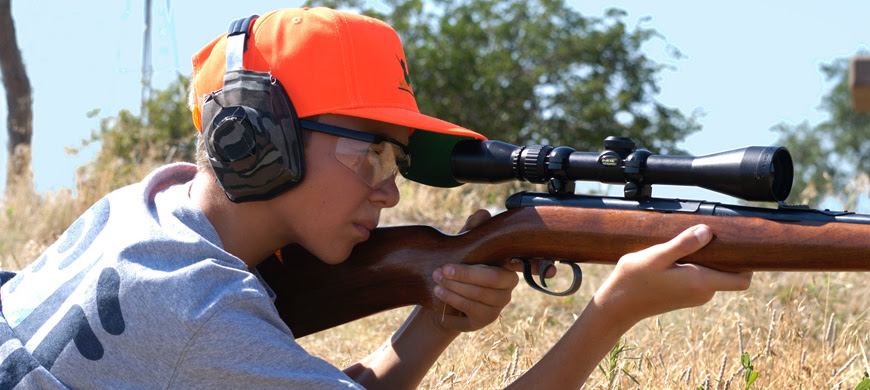
Other activities include scavenger hunts; swimming and canoeing; fishing; rifle, shotgun, muzzleloader, archery, and pellet gun shooting; arts and crafts; and horseback riding. A trip to the Milford Nature Center and Fish Hatchery will occupy one day.

Campers need a swimsuit, sleeping gear, and clothes for a week. Sunscreen, insect repellent, a cap, a fishing pole, and a water bottle are also recommended. Food, instruction, and lodging are all included in the $325 price of the six-day camp. Scholarship may be available. Space is limited to 50 youngsters. For more information or to reserve a spot, contact Tommy or Theresa Berger, (785) 524-6112, (785) 526-7466, or email at [email protected]

Enjoy a Kansas state park this holiday weekend

KDWPT

PRATT – It’s hard to complain about rain when you live in Kansas, but this has been a tough spring for those who love to be outdoors. And as we approach Memorial Day weekend, one of the biggest outdoor weekends of the summer, there is concern about lake levels and campsite availability at many Kansas state parks. However, don’t despair, with a little planning and a phone call or two, you can enjoy a great weekend outdoors.

Kansas state parks staff are busy getting ready for the big weekend and dealing with any issues caused by above-normal lake levels. At many parks, it’s normal for reservable utility sites to be booked ahead of this big weekend, and that’s the case this year at most parks. However, there are walk-in camping sites and primitive camping sites available. Don’t give up on a weekend camping trip because of high-water reports. Call your favorite state park office before you go, and find out what’s available. You can find contact information for all state park offices here: https://ksoutdoors.com/State-Parks/Locations

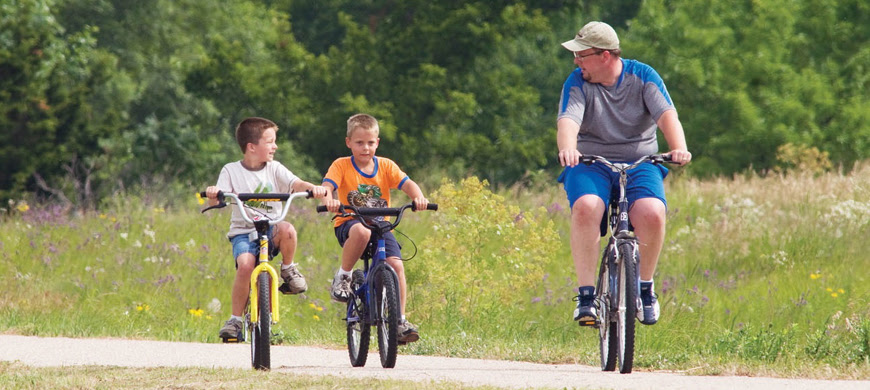
There are also many events planned at state parks this weekend, and spending the day picnicking, fishing, playing on the beach or hiking at a state park can be rejuvenating. A daily vehicle entrance permit gets the whole family in for just $5.

And there’s good news out west at Historic Lake Scott State Park. The health advisory for Lake Scott has been rescinded by the Kansas Department of Health and Environment and the Kansas Department of Wildlife, Parks and Tourism. The advisory was issued on May 9 after a fish kill was reported and testing found elevated levels of e. coli. Recent testing indicates the e. coli has disseminated and the lake is open for regular recreational activities.

If you have a serious case of cabin fever this spring, the only remedy is to get outside and get some sun. Find a state park near you this weekend and, hike, bike, boat, fish or just relax. You’ll be glad you did.

Is your child ready to be home alone?

KDCF

TOPEKA – The summer months mean a welcomed break from school for Kansas kids, but they also signal a shift in the family’s daily routine. Families may be considering leaving children home alone during the summer, instead of opting for a sitter. Safe Kids Kansas, the Kansas Department for Children and Families (DCF) and the Office of the State Fire Marshal have some tips on how to decide if your child is ready to be home alone. And if you decide to keep the kids home, we have some important advice on keeping them safe.

“Developmentally, children are generally ready to be home alone around the age of 12 or 13,” said Cherie Sage, State Director of Safe Kids Kansas. “However, children develop at different rates, so use your own discretion to determine your child’s maturity level and capabilities. For example, if you have an impulsive 13-year-old who is a big risk taker, you might be hesitant to leave him/her alone. On the other hand, a thoughtful 11-year-old, who has a good track record of following household rules might be ready. Most states, including Kansas, don’t have regulations or laws about when a child is considered old enough to stay at home alone or babysit another child.

DCF has some general guidelines to help you make the decision when your child is ready to be home alone:

  • Age—Young children through age six, should never be left alone for even a short period of time. Kids six to nine can be left alone for only short periods of time. Children 10 and older can be left alone, depending on other factors.
  • Length of time alone—Consider whether your child is ready to spend the whole day alone or if only a couple of hours is more appropriate.
  • Maturity—Consider your child’s ability to fend for himself/herself and your child’s level of common sense. Certainly, children with developmental disabilities and emotion issues should be monitored closely.
  • Knowledge of emergency preparedness—Ask your child if he/she knows what to do in the event of a fire, tornado, stranger at the door, etc. Ask “what ifs”.
  • Availability of adults—Children must know how to reach a responsible adult at any point in the day for any reason, even if it’s just to provide reassurance if the child becomes fearful.
  • Insecurity—Children should feel comfortable with the idea that they will be home alone. The more fearful they are, the less likely they will be able to respond appropriately to emergency situations.
  • Behavior—Children who misbehave, vandalize, steal, intimidate neighbors, set fires or are a danger to themselves need close supervision.

“It’s important that parents consider all of the possible risks involved when determining if their child is ready to stay home alone,” DCF Secretary Phyllis Gilmore said. “Never assume your child is ready because he/she seems old enough.”

Each year, more than 3 million kids ages 14 and under get hurt at home—and more than 2,000 children die from unintentional injuries in the home. Fire, suffocation, drowning, choking, firearm and poisoning are among the top leading causes of unintentional home injury death for this age group. “Teach your children about hazards around the home, and make sure they know what to do in an emergency,” says Sage. “The first time your kids stay home alone, it should be for a short time and you should be nearby.”

Safe Kids Kansas also recommends parents take the following precautions to ensure your child’s safety:

  • Carry a cell phone and keep it turned on. Make sure your children know where you will be and what time you will return. In addition to your cell phone number, post emergency numbers (police, fire, EMS, doctor and the poison control hotline, 800-222-1222) and a friend or neighbor’s number by every phone in the home. Teach your child their home address so they can tell emergency personnel where to dispatch assistance, if necessary.
  • Prepare a snack or meal in advance — preferably one that does not need to be heated. If your children will need to cook, remind them never to leave an oven or stove unattended while cooking and to turn it off when they are finished.
  • Make sure potentially poisonous or hazardous household items are locked up out of reach — especially medications, matches, lighters, weapons and cleaning products.
  • Review your family’s emergency plans and make sure your children know what to do if the smoke alarm or carbon monoxide detector goes off. Practice two escape routes from each room.
  • Review and practice plans for other types of emergencies, such as severe weather. Ensure they know where to go for emergency shelter.
  • Show your children where you keep your first aid kit and how to use basic first aid supplies.

The Office of the State Fire Marshal urges families to teach fire safety to children who might be home alone and how to escape FIRST, then call 911 from outside or at a neighbor’s house. Learn more fire safety tips at FireMarshal.ks.gov/firesafety. And for more information on home safety, call (785) 296-1223 or (785) 296-0351 or visit www.safekids.org.

New food safety website can be used to submit complaints

food-safety-ks-logoKDHE

TOPEKA – The Kansas Department of Health and Environment (KDHE) and the Kansas Department of Agriculture (KDA) have partnered to launch a new food safety website. FoodSafetyKansas.org can be used to submit food-related illness complaints regarding restaurants, events or food items purchased at a grocery or convenience store. It can also be used to submit complaints about food establishments that did not cause an illness, such as observed problems with pests or lack of employee handwashing.

KDA handles complaints that do not involve illness, and performs inspections of all restaurants for which a complaint was submitted. KDHE processes illness complaints and begins an outbreak investigation if the complaint involves multiple people from multiple households, and those people have nothing else in common that could have caused their illnesses.

The goal of FoodSafetyKansas.org is to improve accessibility and reduce the number of anonymous complaints. Anonymous complaints hurt KDHE’s ability to start an investigation and confirm an outbreak.

KDHE typically investigates 10 to 30 food-related outbreaks each year. Most foodborne disease outbreaks reported in Kansas are caused by norovirus. Outbreaks caused by Campylobacter, Salmonella, Shiga toxin-producing E. coli, Listeria, and Clostridium perfringens have also been seen in recent years.

Free fishing weekend June 3-4 in Kansas

free-fishing-weekendKDWPT

PRATT – Grab your fishing poles and load up the family, and leave your cash at home. Come the first weekend in June the only thing you’ll need for a great time is your lure and line. No fishing licenses are required because June 3 and 4 is Free Fishing Weekend in Kansas.

Now that you know when you’ll be fishing, and likely who you’ll be fishing with, you’ll need to figure out where you’ll be fishing. The Kansas Department of Wildlife, Parks and Tourism has got you covered there, too. Simply visit ksoutdoors.com/fishing and click “Where To Fish” for a list of fishing locations near you, as well as view the 2017 Fishing Forecast and weekly fishing reports.

After you’ve found the ideal spot, view the 2017 Kansas Fishing Regulations Summary for any last details prior to hitting the water. The summary – which contains vital information specific to all public waters and even includes color illustrations to help identify fish – can be viewed online at ksoutdoors.com/fishing, or picked up wherever licenses are sold.

While license requirements are waived for the weekend, anglers must still abide by all other regulations such as length and creel limits, equipment requirements, and more.

With the right location, a variety of baits to choose from, and some cooperative weather, Kansas fishing can be a blast. Give it a try; we bet you’ll be hooked.

Copyright Eagle Radio | FCC Public Files | EEO Public File