We have a brand new updated website! Click here to check it out!

Royals OF Alex Gordon hoping to begin rehab assignment soon

KANSAS CITY, Mo. (AP) – All-Star outfielder Alex Gordon hopes to begin a rehab assignment in the next couple weeks and potentially rejoin the Kansas City Royals for their push toward an AL Central title.

Gordon has been on the disabled list since July 9 with a severely strained left groin. But he has been taking regular batting practice and earlier this week shagged fly balls.

The Royals still have not determined when Gordon will begin a rehab assignment, but the idea is to have him back for the final few weeks of the season.

That would get him back up to speed for the playoffs. Kansas City entered Thursday night’s game against the Los Angeles Angels with an 11 1/2-game lead in the division.

Friday morning kicks off weekend events for new FHSU students

fhsu tiger bannerFHSU University Relations and Marketing

From move-in day to going Greek, Fort Hays State University’s back-to-school programs will help new students transition to life at FHSU.

New Tigers will kick off the school year with the orientation and transition events of the First 40 Days with Tiger Impact Fall Orientation Weekend, headed by Brett Bruner, director of transition and student conduct. Activities are designed to help students make friends, discover campus resources, learn about college issues and transition academically from high school.

“Institutions have a responsibility to support students in their academic and social transition into college,” said Bruner.

The weekend’s events count down to the first day of classes and the annual Back to School Picnic Monday, Aug. 17, on the FHSU quad, where departments and organizations set up booths, hand out merchandise and inform students about themselves.

Students will move into the residence halls Thursday, Aug. 14 from 8 a.m. until noon. A playfair will be at 8:30 p.m. at Lewis Field Stadium, but the weekend’s main events begin with keynote speaker Arel Moodie at 9:30 a.m. Friday, Aug. 14, in the Beach/Schmidt Performing Arts Center.

Moodie will teach success and self-confidence techniques in his signature program “Your Starting Point for Student Success.” Moodie is an author, motivational speaker and businessman who was named in Inc. Magazine’s “30 Under 30” list alongside entrepreneurs such as Facebook founder Mark Zuckerberg. At 23 years old, Moodie co-founded his first business, The Placemaker, a website that helps students find off-campus housing, roommates and sublets.

The weekend’s other major events include:

Friday, Aug. 14, 3-4 p.m., Memorial Union Black and Gold Room — Phired Up, a job fair for new students seeking part-time work. On- and off-campus employers will set up booths in the Memorial Union where students can interact with employers.

7:30 p.m., Beach/Schmidt — Christopher Carter, a mentalist who reads nonverbal cues and teaches students how to spot and interpret them, allowing them to communicate more effectively with one another. Carter’s interactive and theatrical style has made him one of the nation’s most popular college speakers for more than 18 years.

Saturday, Aug. 15, 9:30-11:45 a.m., Memorial Union Sunset Lounge — Big Day Out Service Project, in which students choose to volunteer at off-campus locations such as gardening at Bethesda Place, a Christian non-profit where six men with developmental disabilities live and garden, or sorting and hanging clothes at Jana’s Closet, which provides free professional clothes for women. They can also choose to volunteer on-campus by either packaging food at the Tiger Food Exchange, gardening at the Victor E. Garden or writing greeting cards for the patients at St. Jude’s Children’s Research Hospital.

“Last year we had about 75 students participate in the service project,” said Bruner.

9-11 p.m., McMindes Hall F-2 parking lot — An outdoor headphone disco party will stream music directly to students’ headphones on three different channels, allowing them to choose the station they want. If they choose the red channel their headphones will light up red and so forth.

“It’s really fun to see because it’s silent, and people will sing along to the songs,” said Bruner.

Sunday, Aug. 16, 8 a.m.-2 p.m., McMindes Hall — Mystery Bus, a new activity, will allow students to learn about the community. Three buses will take participants to a series of mystery businesses or centers for recreation and hobbies. Mystery Bus No. 1 lasts from 8 a.m.-2 p.m., bus No. 2 from 10:45 a.m.-2 p.m. and bus No. 3 from 1-2 p.m.

“One of the common complaints that we’ve heard in the past is that students aren’t connecting to the community,” said Bruner. “We wanted to give students an opportunity to connect with a variety of groups in the community.”

8:30 p.m., FHSU Quad — Tiger Impact Weekend will end with the Class of 2019 Candle Lighting Ceremony. Student Government President Ulises Gonzalez, Garden City senior, will address the new FHSU students about what it is to be a tiger and the code of honor that goes with it. Gonzalez and the orientation counselors will hold lighted candles representing the current generation of FHSU students and will then light the candles of the new students.

“It’s something nice to close the weekend and say ‘You’re now part of the Tiger family,'” said Bruner.

After Tiger Impact, students will participate in the First 40 Days at Fort Hays State University, which helps students transition by listing and organizing campus events into a variety of tracks: academic and cultural, personal development and community building, leadership and service, and social. Students must attend two social events and one activity in each remaining category. The events range from Greek recruitment to organizational meetings.

The events of the First 40 Days include many typical campus activities, but the program helps new students decide which groups and activities they want to integrate into their lives as FHSU Tigers.

For the full Tiger Impact schedule, visit www.fhsu.edu/fye/tiger-impact.

For more information about the First 40 Days, visit www.fhsu.edu/fye/welcome-programs.

Federal experts: This El Nino may be historically strong

SETH BORENSTEIN, AP Science Writer

WASHINGTON (AP) — Federal meteorologists say the current El Nino is already the second strongest on record for this time of year and could be one of the most potent weather changers of the past 65 years.

The National Oceanic Atmospheric Administration recorded unusual warmth in the Pacific Ocean in the last three months. El Nino is a heating of the equatorial Pacific that changes weather worldwide, mostly affecting the United States in winter.

NOAA’s Mike Halpert said Thursday the current El Nino likely will rival past super El Ninos in 1997-1998, 1982-83 and 1972-73.

El Nino usually brings heavy winter rain in California, and much of the southern and eastern U.S. Halpert said that’s no guarantee and even past super El Ninos haven’t delivered the rain that California now needs.

Kan. man hospitalized after vehicle hits a tire on I-70 in Thomas Co.

COLBY- A Kansas man was injured in an accident just before 3:30 p.m. on Thursday in Thomas County.

The Kansas Highway Patrol reported a 2013 Kia Sorento pulling a 2003 Colt camper and driven by Michael J. Casey, 58, Meriden, were westbound on Interstate 70 eleven miles west of Kansas 25.

The vehicle struck a tire in the road, continued on for a half mile, and then came to rest on the shoulder.

Casey was transported to Citizens Medical Center in Colby.

Three others in the vehicle were not injured.

All were properly restrained at the time of the accident, according to the KHP.

After years of drought, Arkansas River event runs again

SYRACUSE, Kan. (AP) — After having to call it quits years ago because of low water levels, organizers have rekindled a floating event on the Arkansas River, which once again actually has water in it in Kansas thanks to recent rains around the region.

The Hutchinson News reports the annual Arkansas River Run began in the 1980s and included cruising the Arkansas, located south of Syracuse, in wildly decorated vessels, including horse tanks.

The event was discontinued in the 1990s when it became difficult to predict whether there would be enough water in the river, which originates in Colorado.

But water is again flowing in Kansas, thanks to a deluge of rains.

The run is scheduled for August 22.

Kan. woman hospitalized after SUV hits KDOT mower on I-70

SALINA- A Kansas woman was injured in an accident just after 1p.m. on Thursday in Saline County.

The Kansas Highway Patrol reported a 2002 New Holland Mower driven by Jose A. Maldonado, 61, Salina, was westbound on Interstate 70 just east of Ohio Street

The mower crossed from the median and was completely on the right shoulder of the roadway.

A 2007 Ford Escape driven by Amy S. Hanson, 61, Lawrence swerved to avoid slowed traffic in the right lane, entered the right shoulder, struck the mower and rolled.

Hanson was transported to Salina Regional Medical Center.

Maldonado was not injured.

Hanson was properly restrained at the time of the accident, according to the KHP.

GM recalls 73,000 Chevrolet Cobalts

DETROIT (AP) — General Motors is recalling 73,424 Chevrolet Cobalt small cars globally because improper wiring could prevent the roof-mounted driver’s side air bag from deploying after a crash.

The recall affects Cobalts from the 2010 model year. There are 59,474 in the U.S. and 13,950 in Canada.

GM say Thursday improper routing of a sensor wire in the driver’s side front door could prevent the air bag from deploying.

The Detroit company is aware of one crash with an injury that may be related to the issue.

GM will notify owners. Dealers will inspect the wiring and replace faulty wiring for free.

The recall is unrelated to last year’s recall of millions of Cobalts for defective ignition switches, which could stall the vehicle and turn off the air bags.

3 teens hospitalized after truck rolls in Phillips Co.

GLADE- Three Kansas teens were injured in an accident just after 12:30p.m. on Thursday in Phillips County.

The Kansas Highway Patrol reported a 2000 Ford F150 driven by Lakyn J. Pettijohn, 16, Cedar, was westbound on Kansas 9 two miles east of Glade.

The truck left the roadway and entered the ditch.

The driver over corrected, lost control, and the truck overturned.

Pettijohn and passengers Layne Kenzie Pettijohn, 14, and Ashlyn Taylor Atchison, 15, Agra, were transported to the Phillips County Hospital.

Only the driver was wearing a seat belt, according to the KHP.

Move-in day going smoothly at FHSU

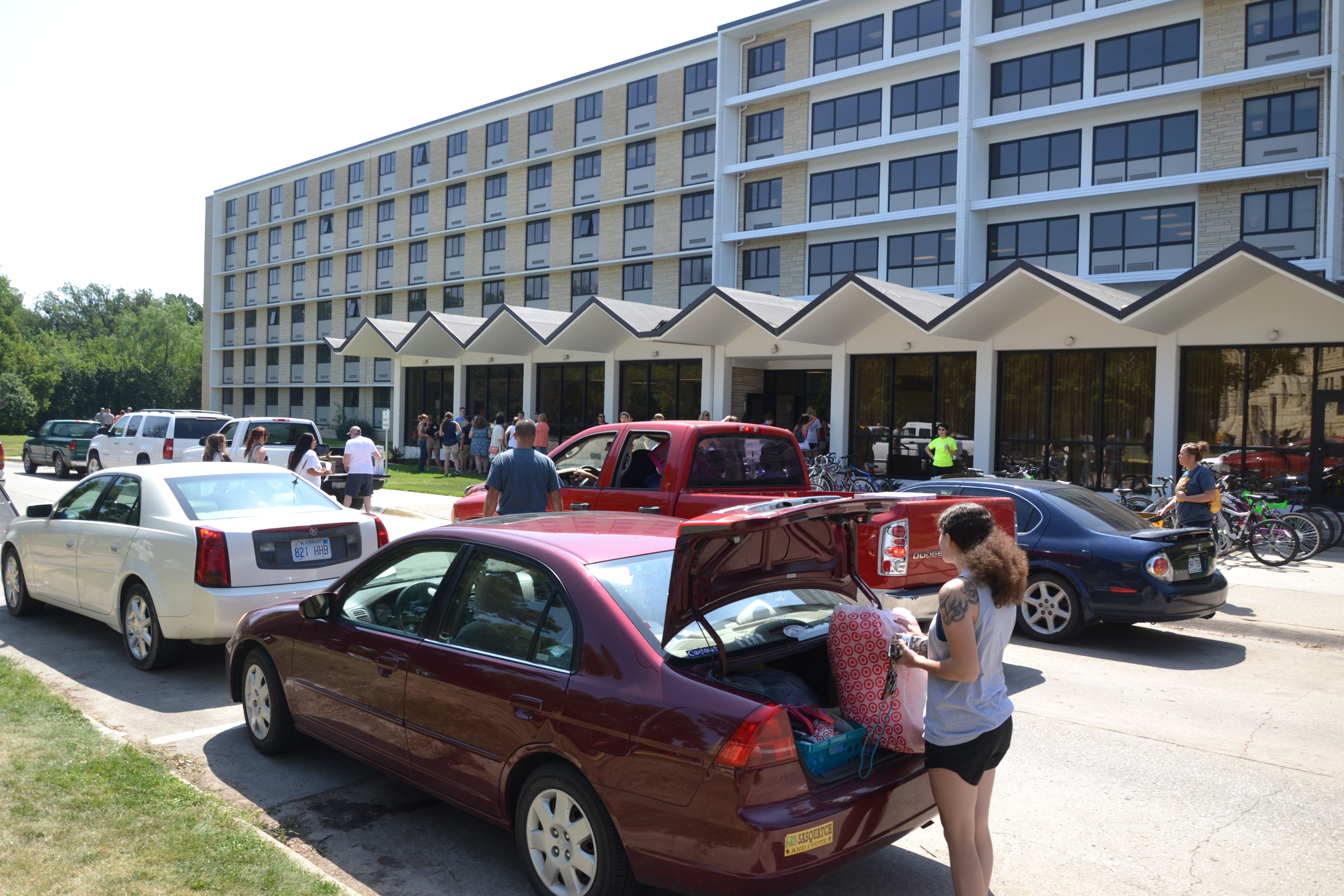
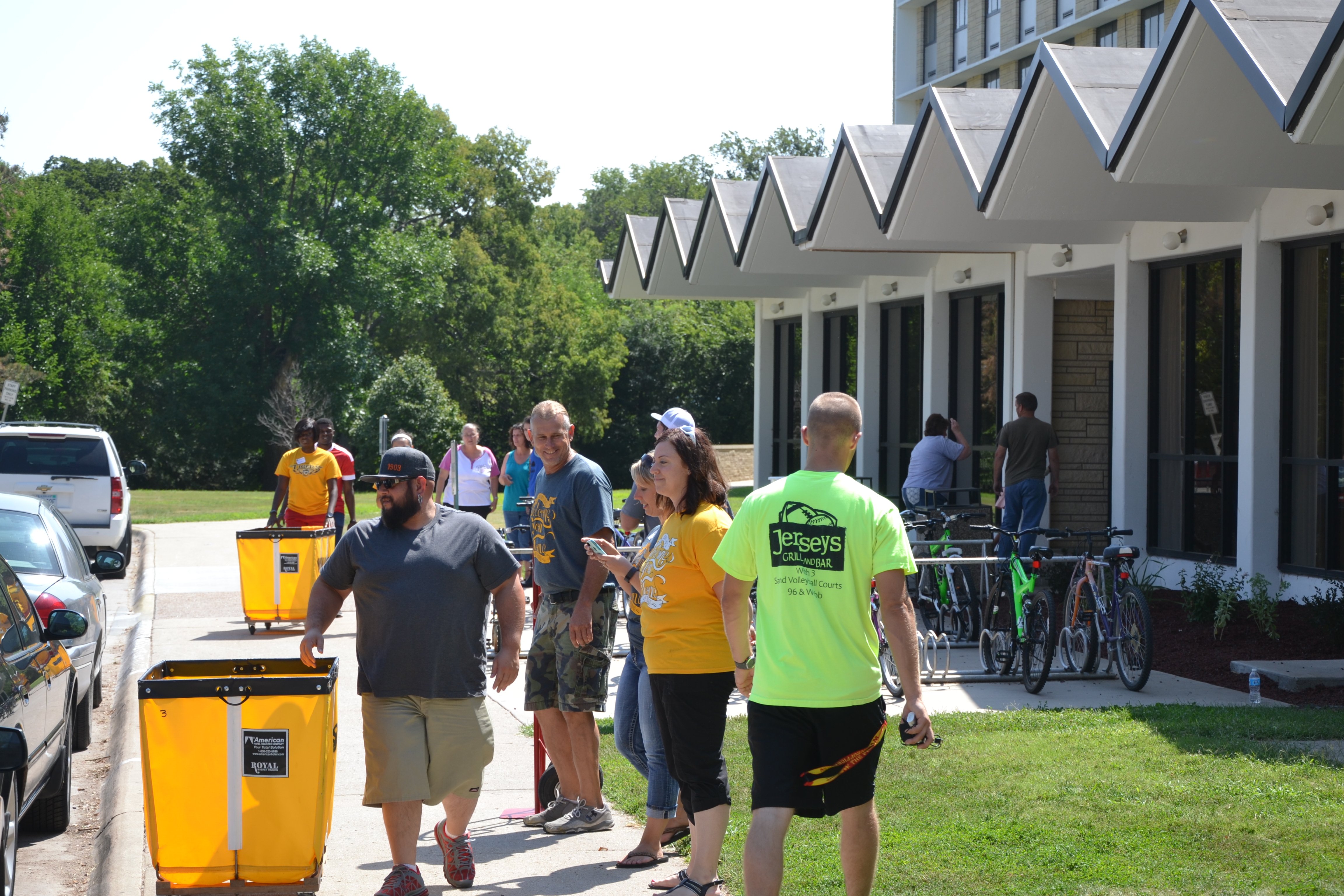
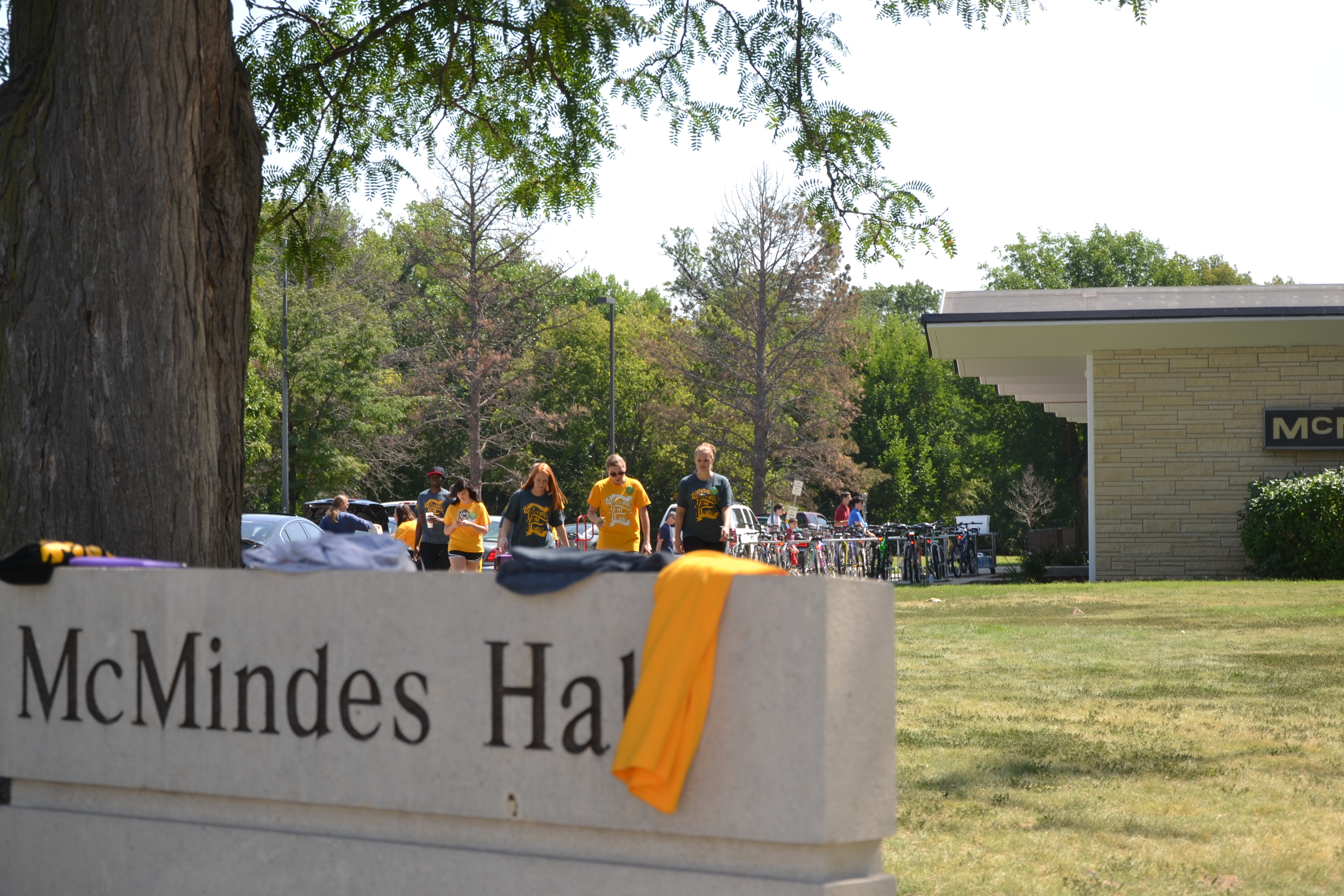
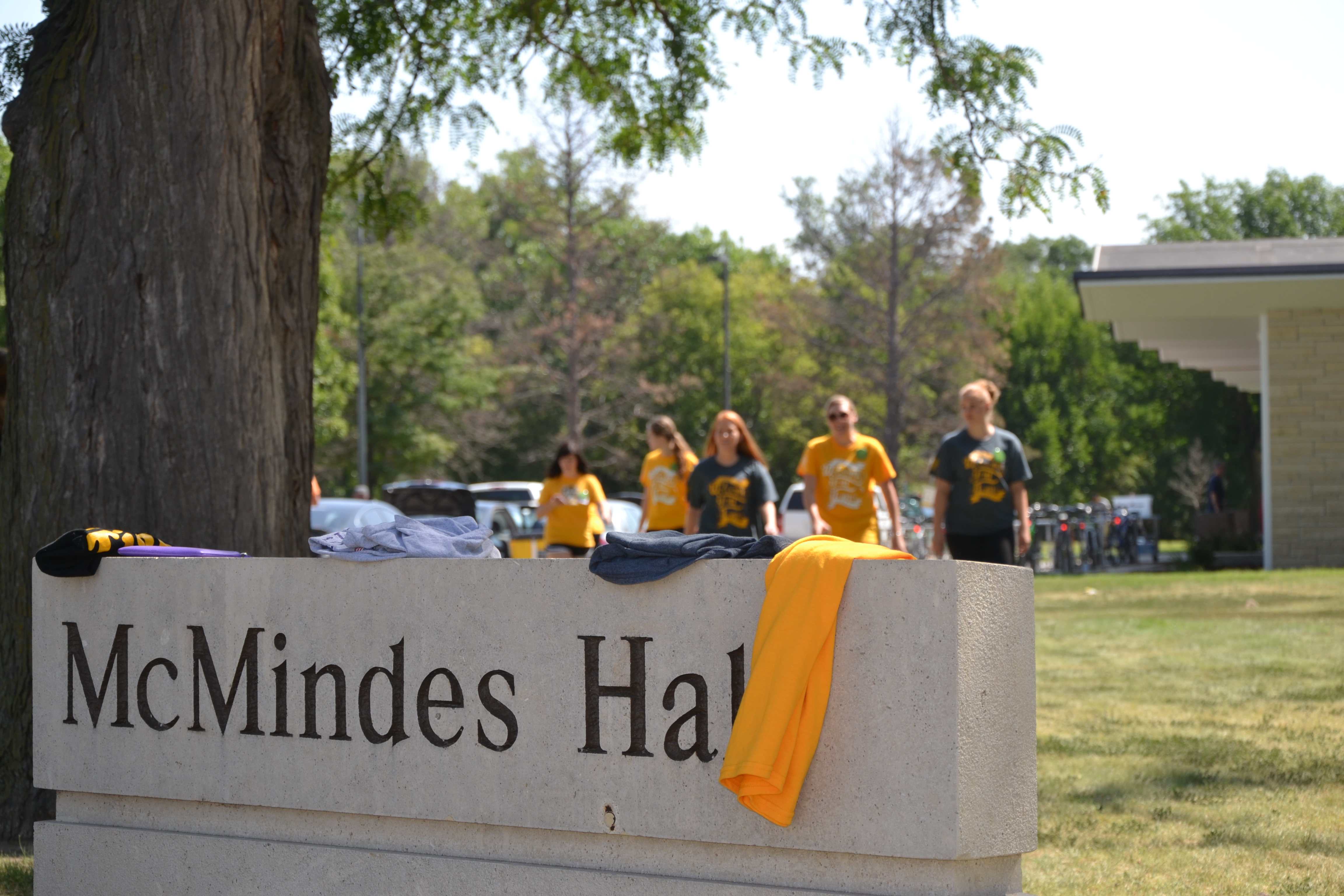
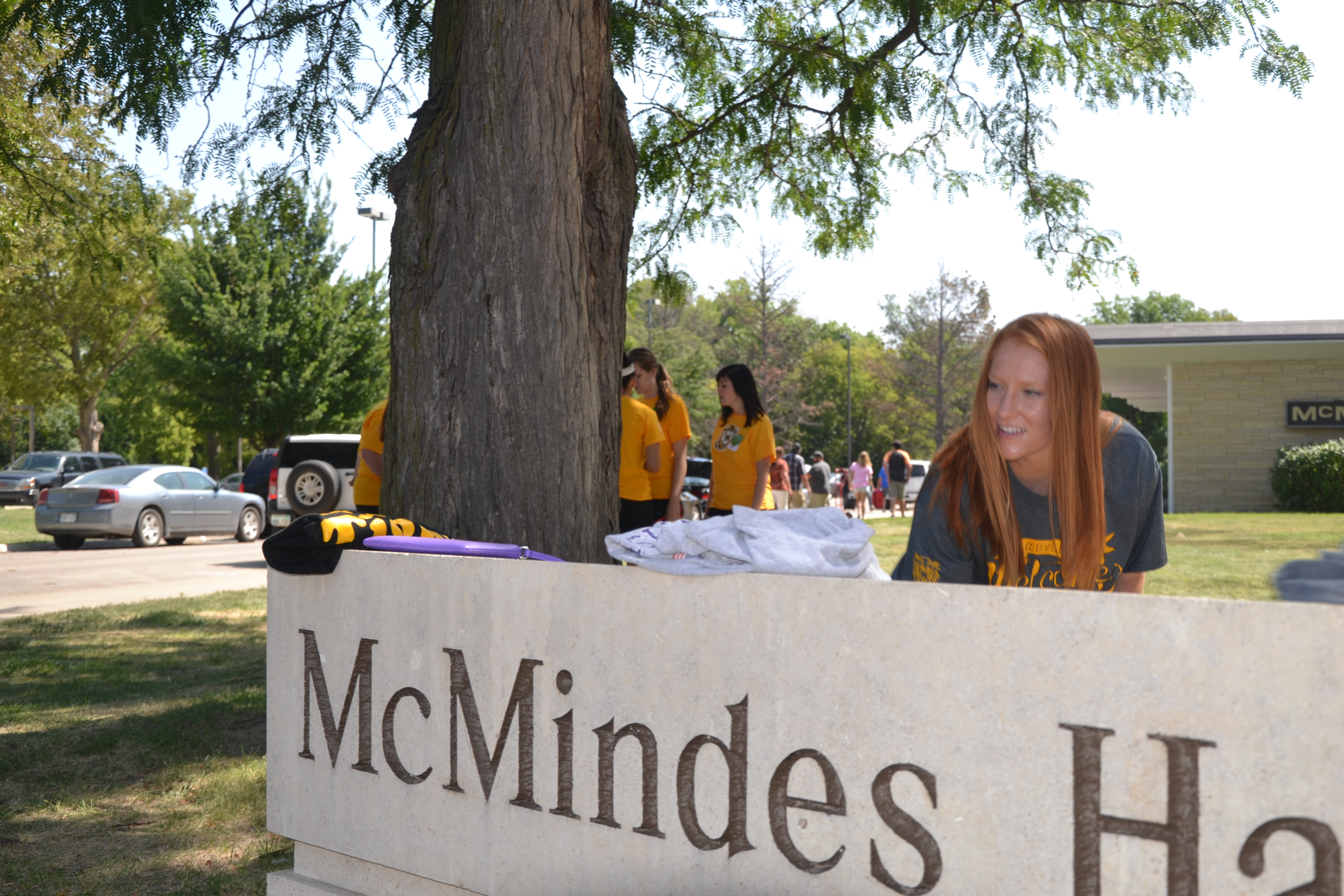
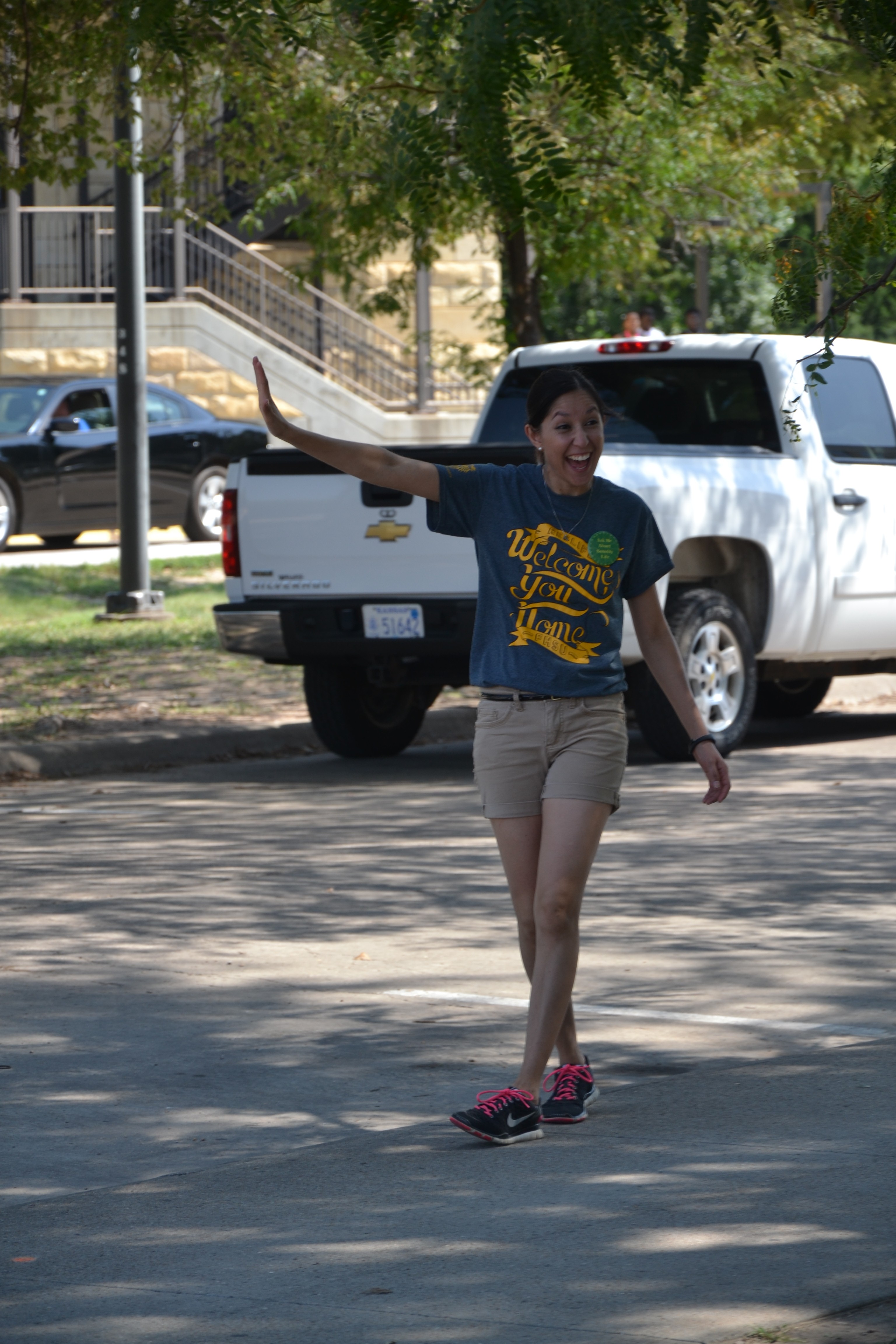
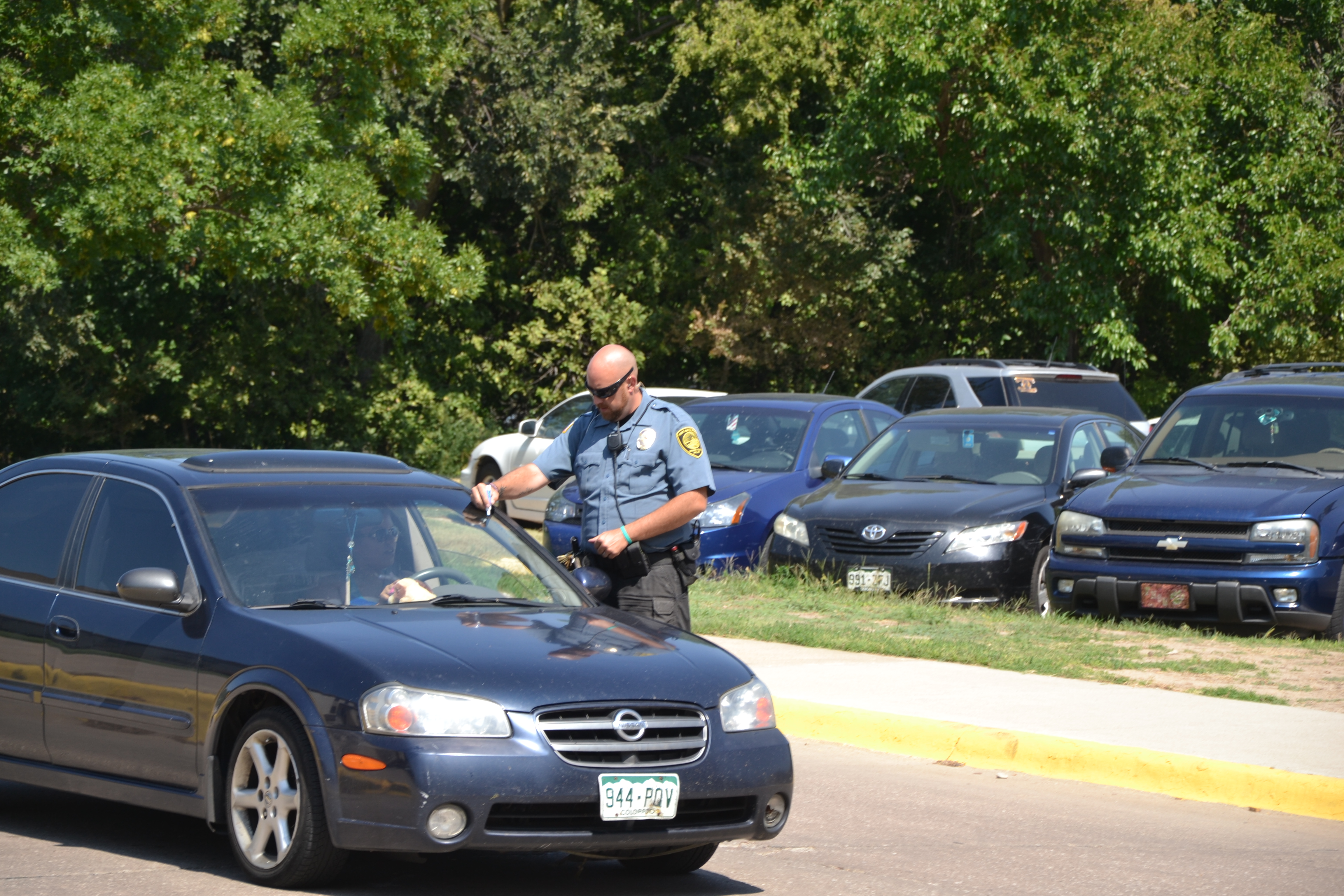
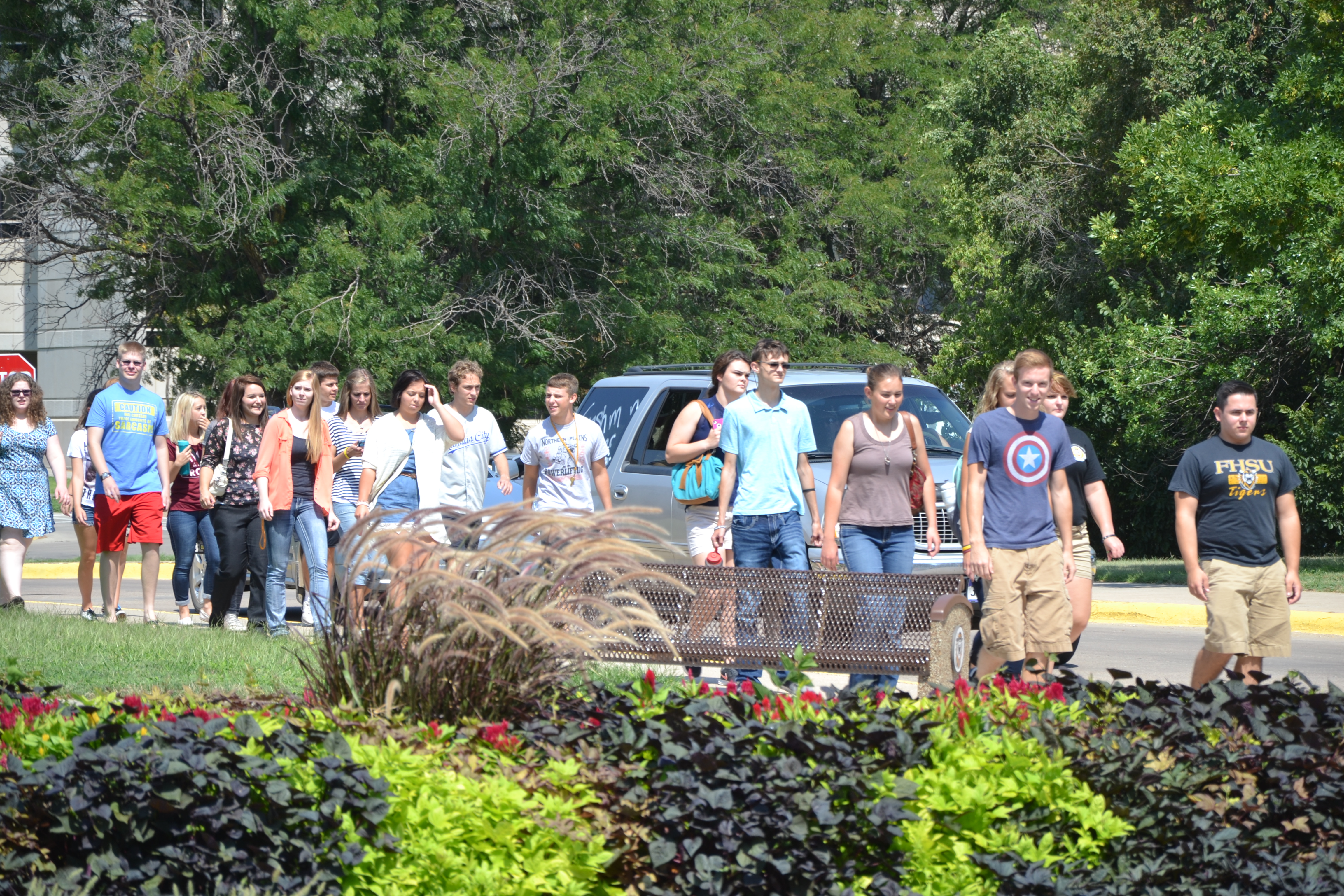
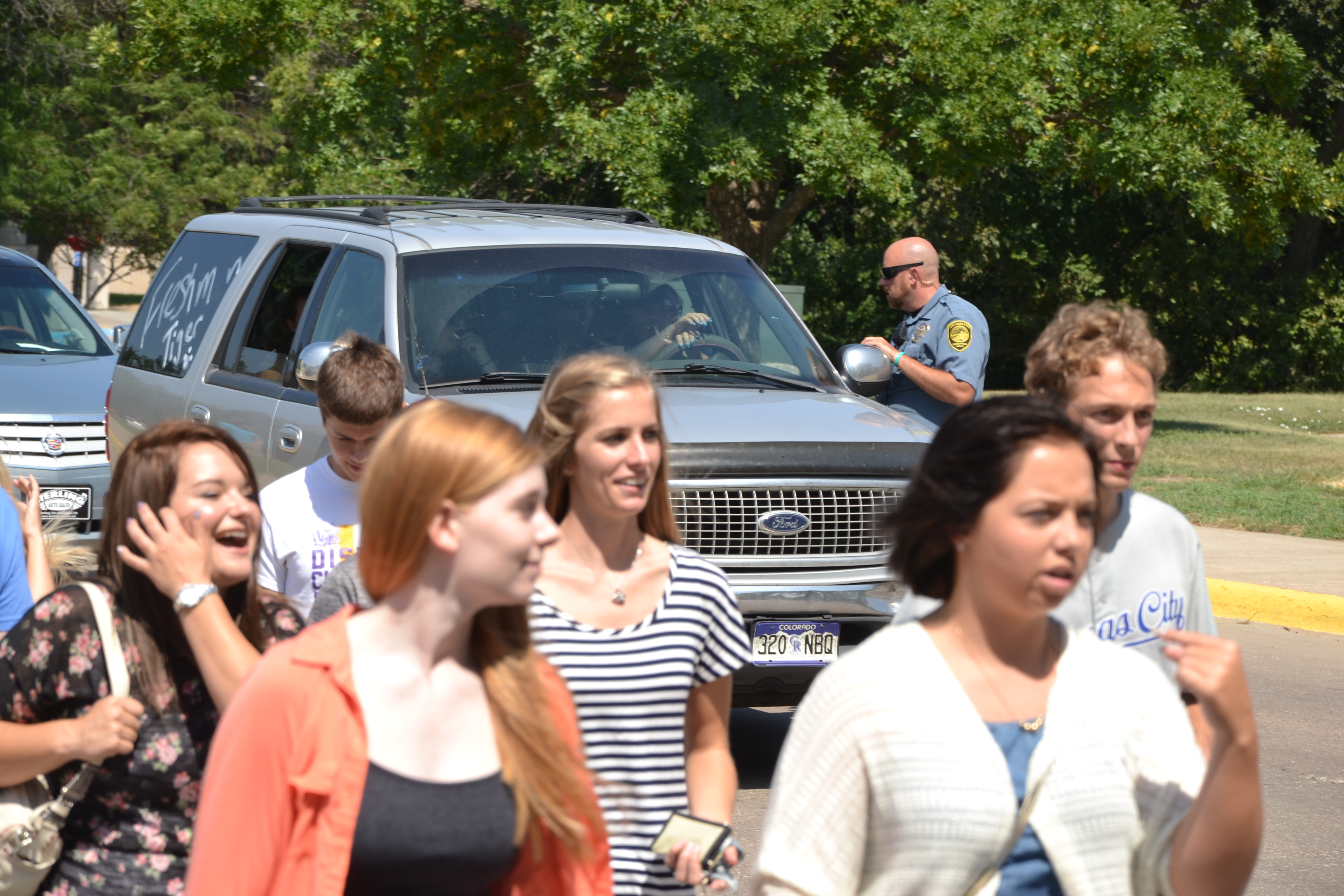
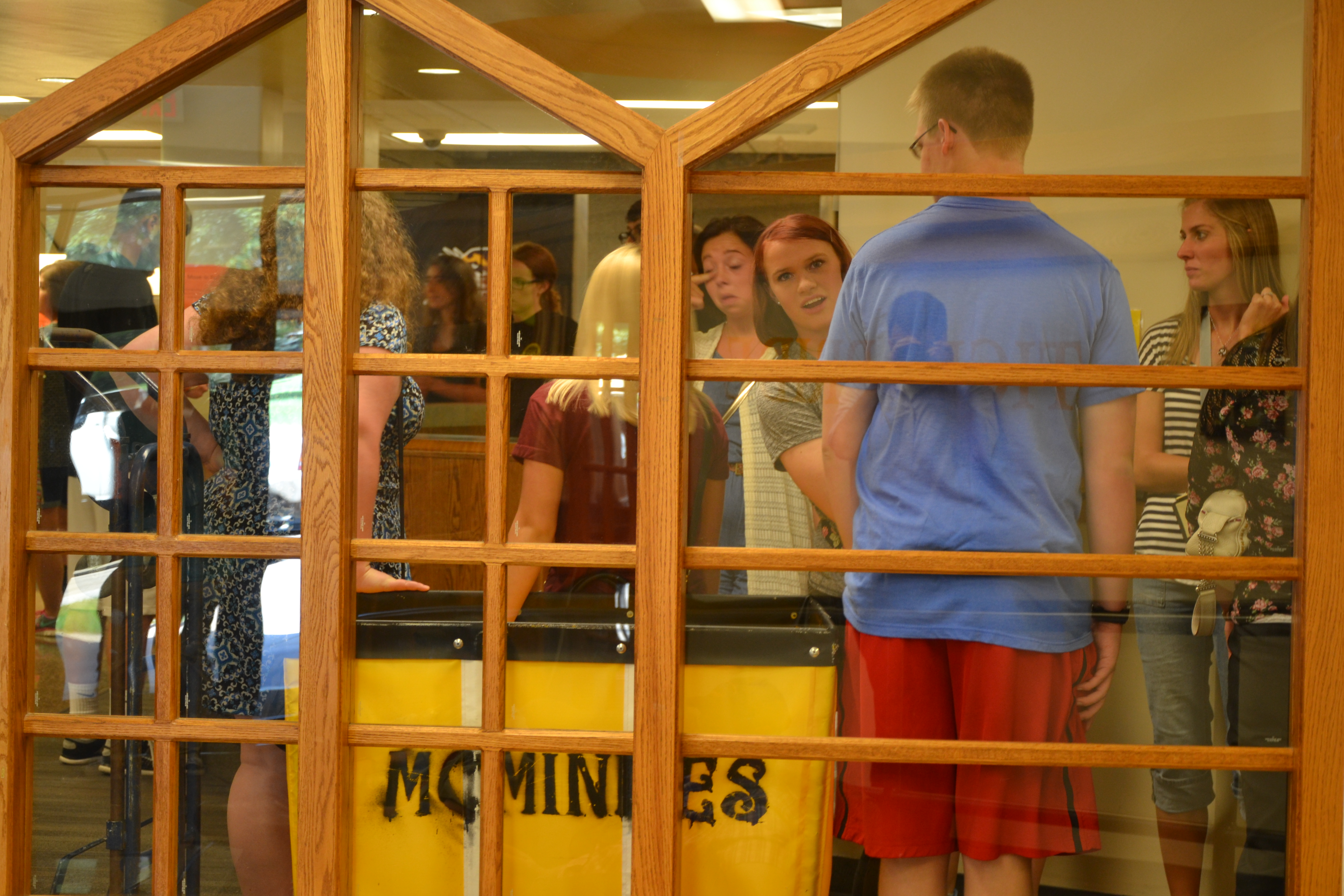
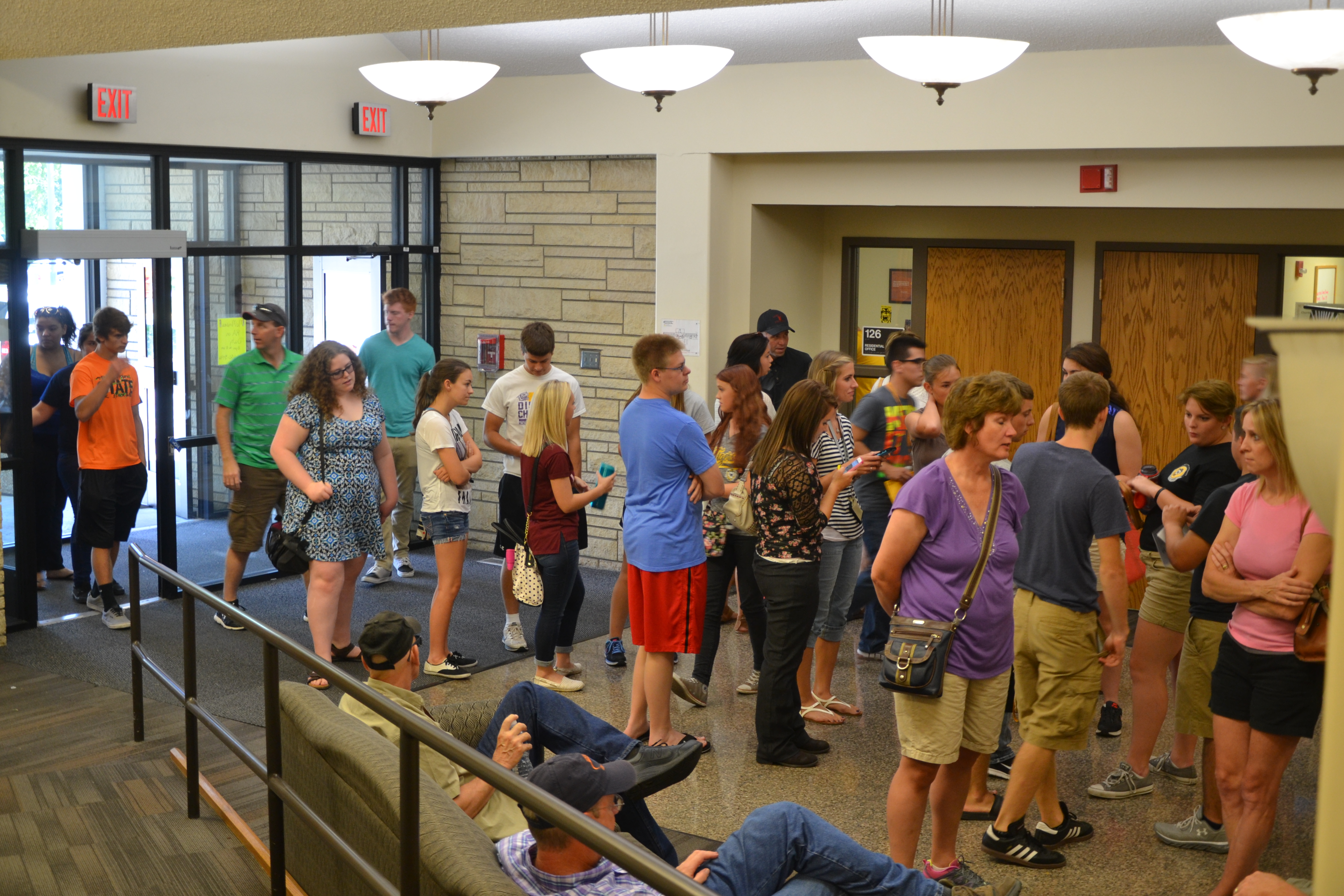
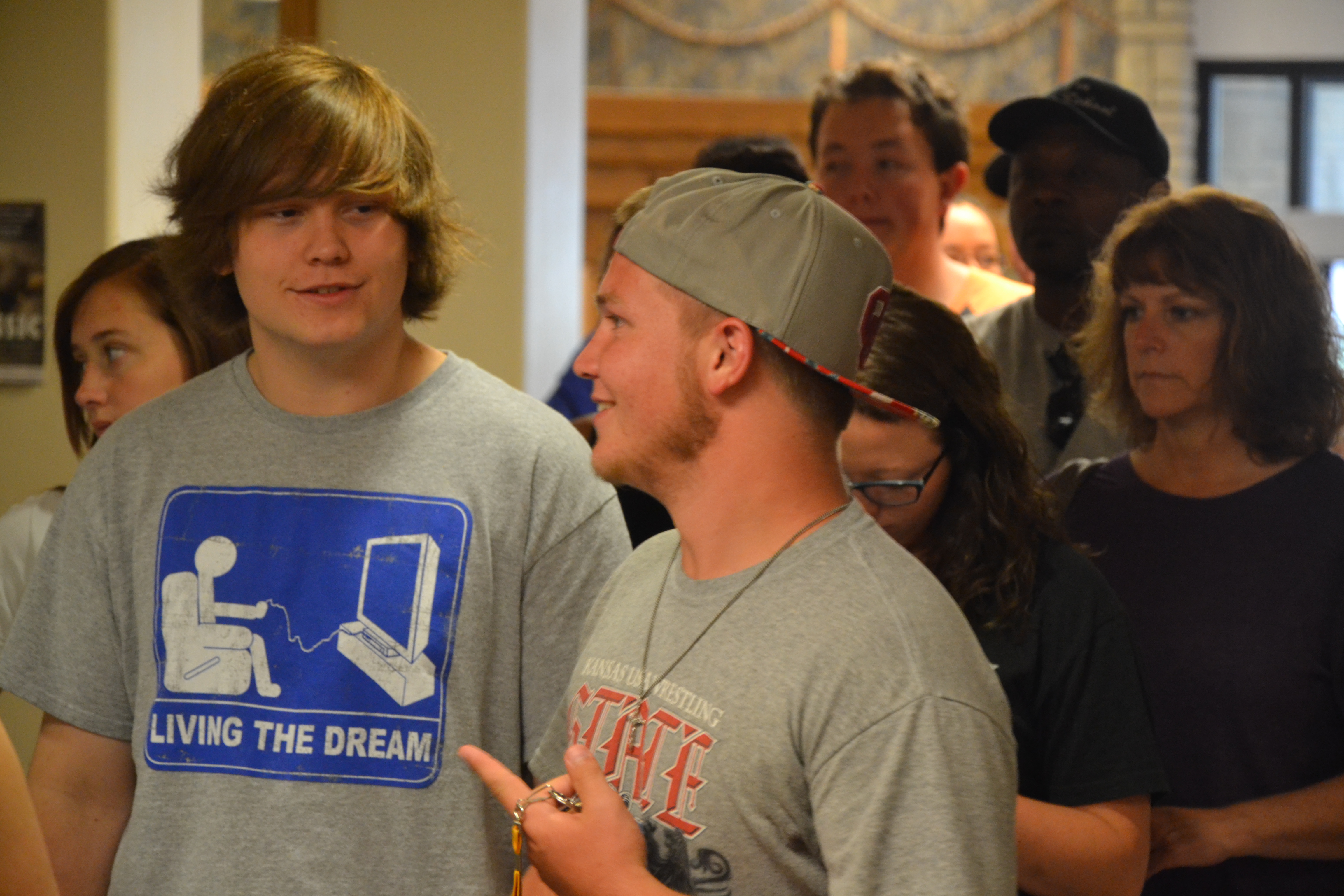
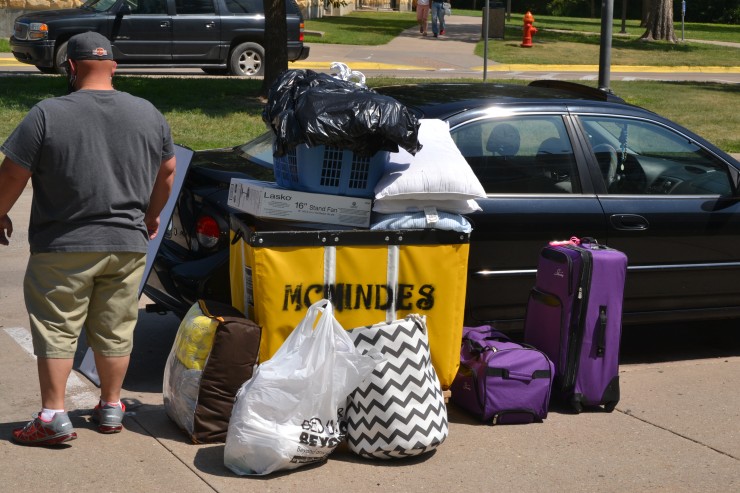
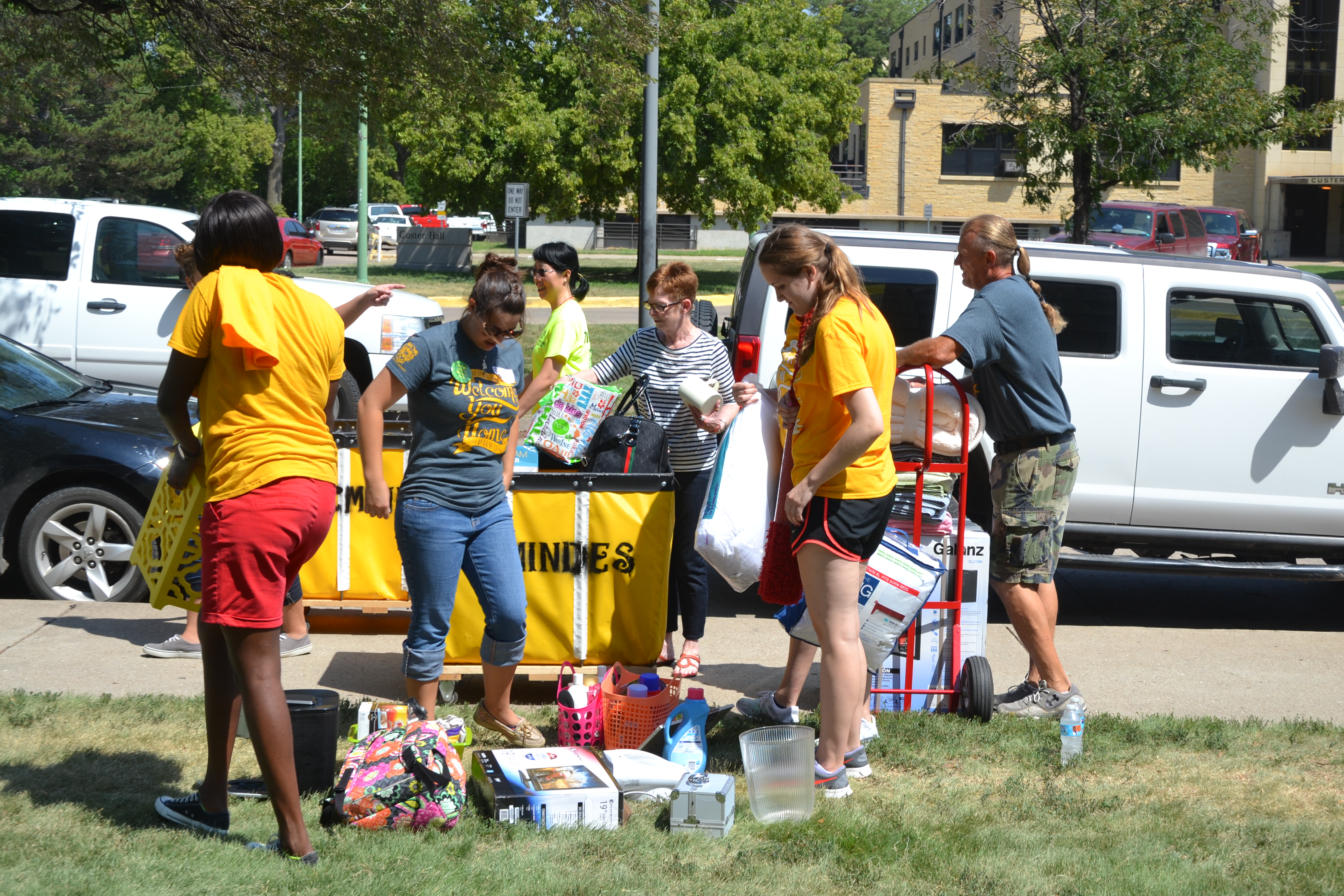
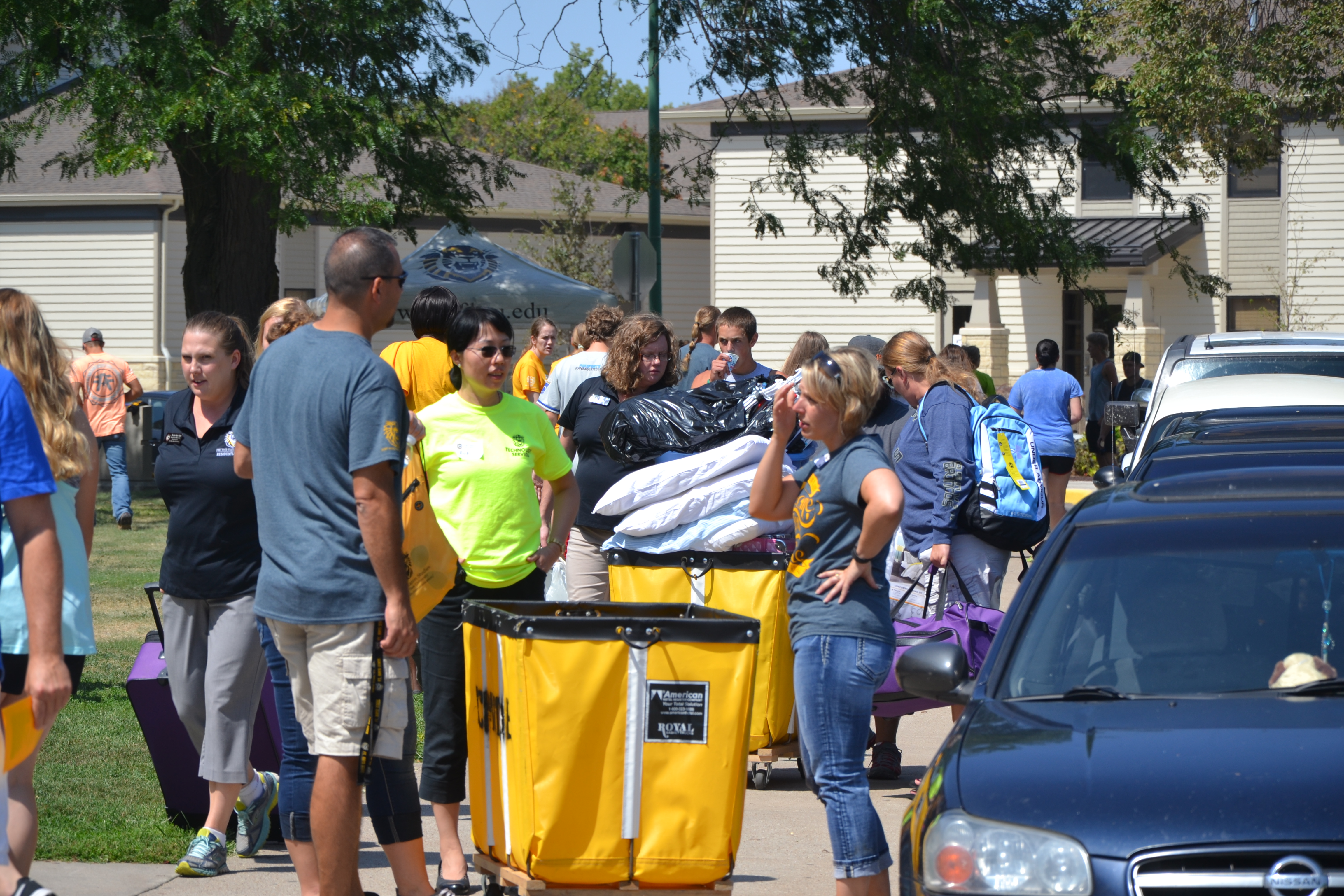
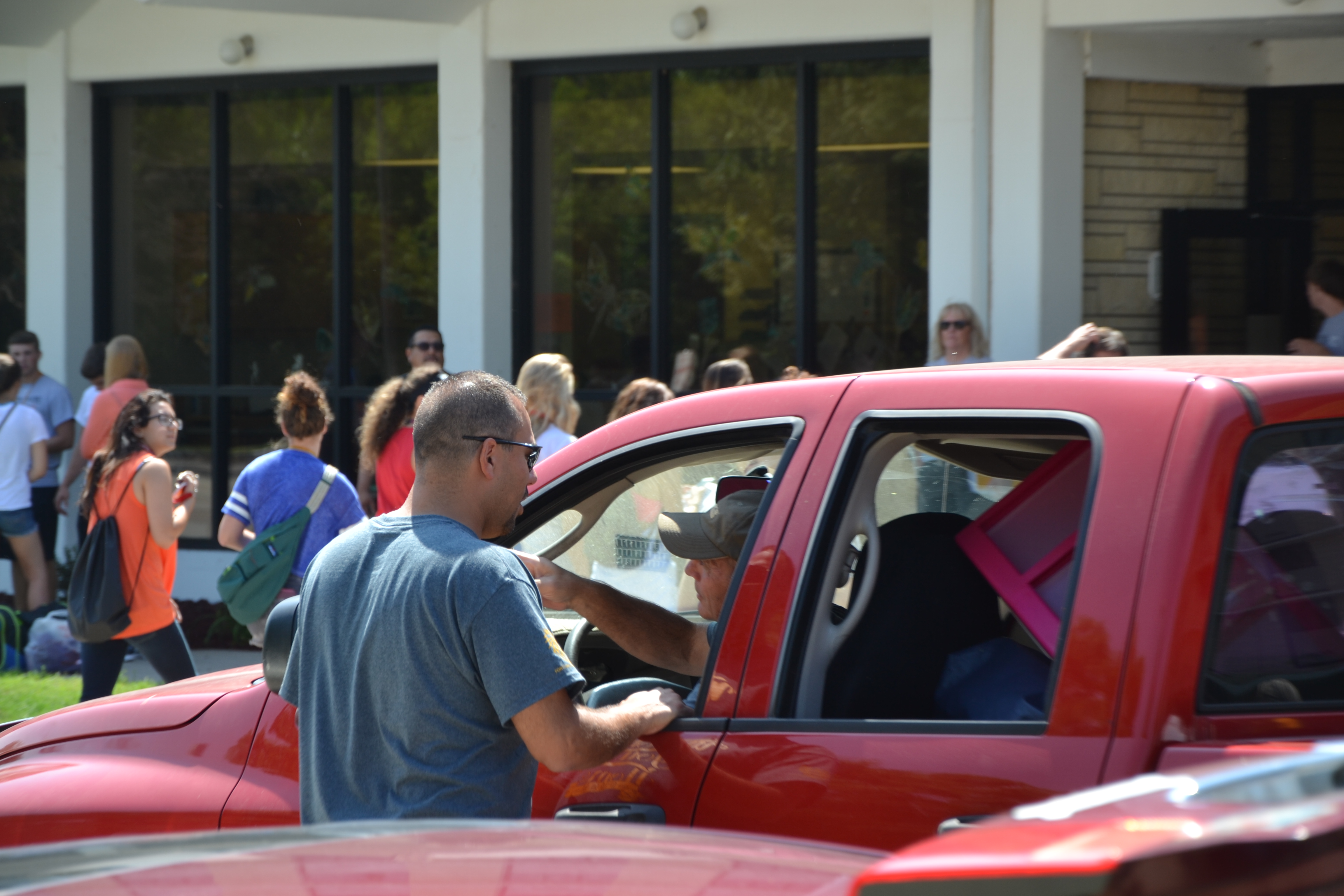
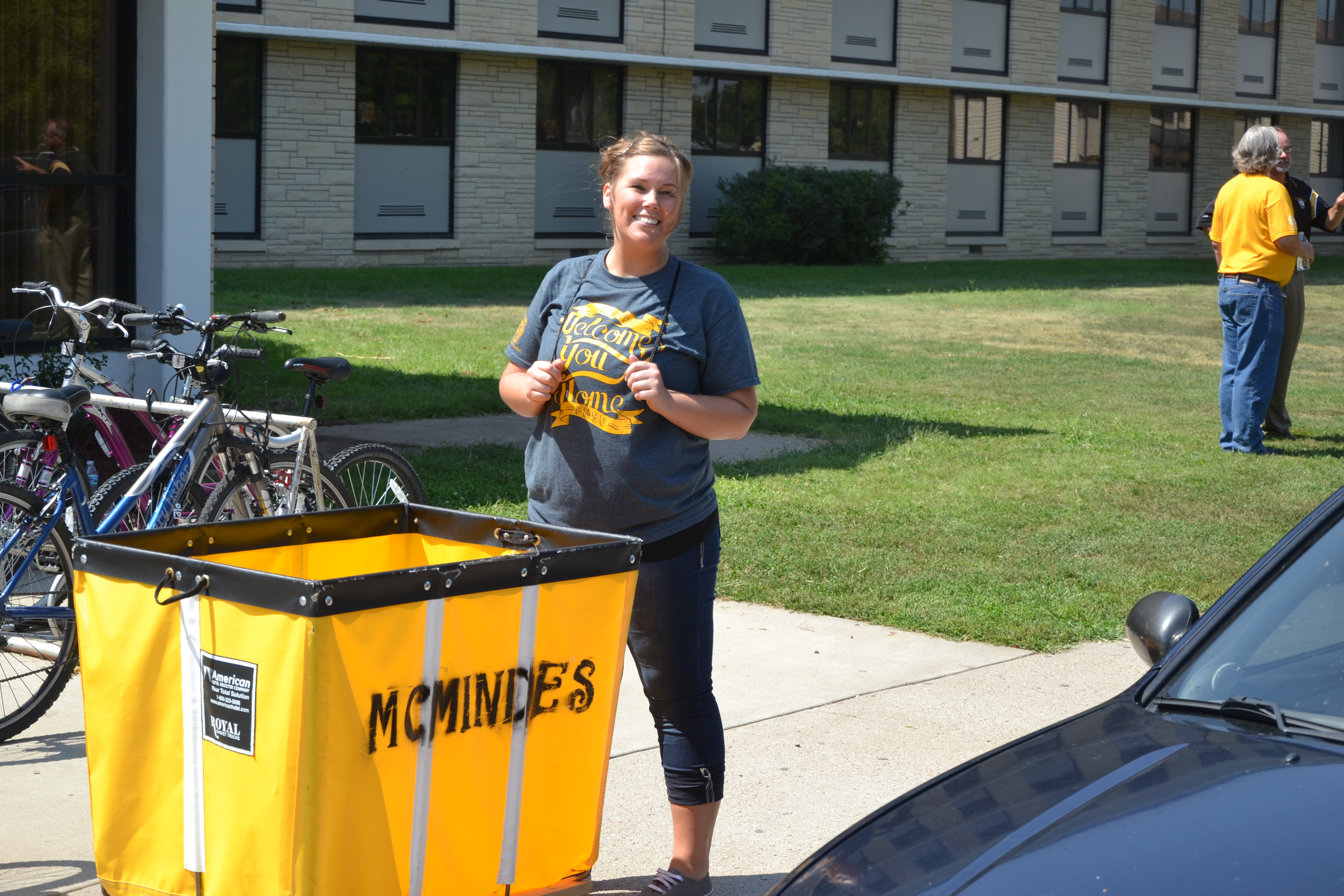
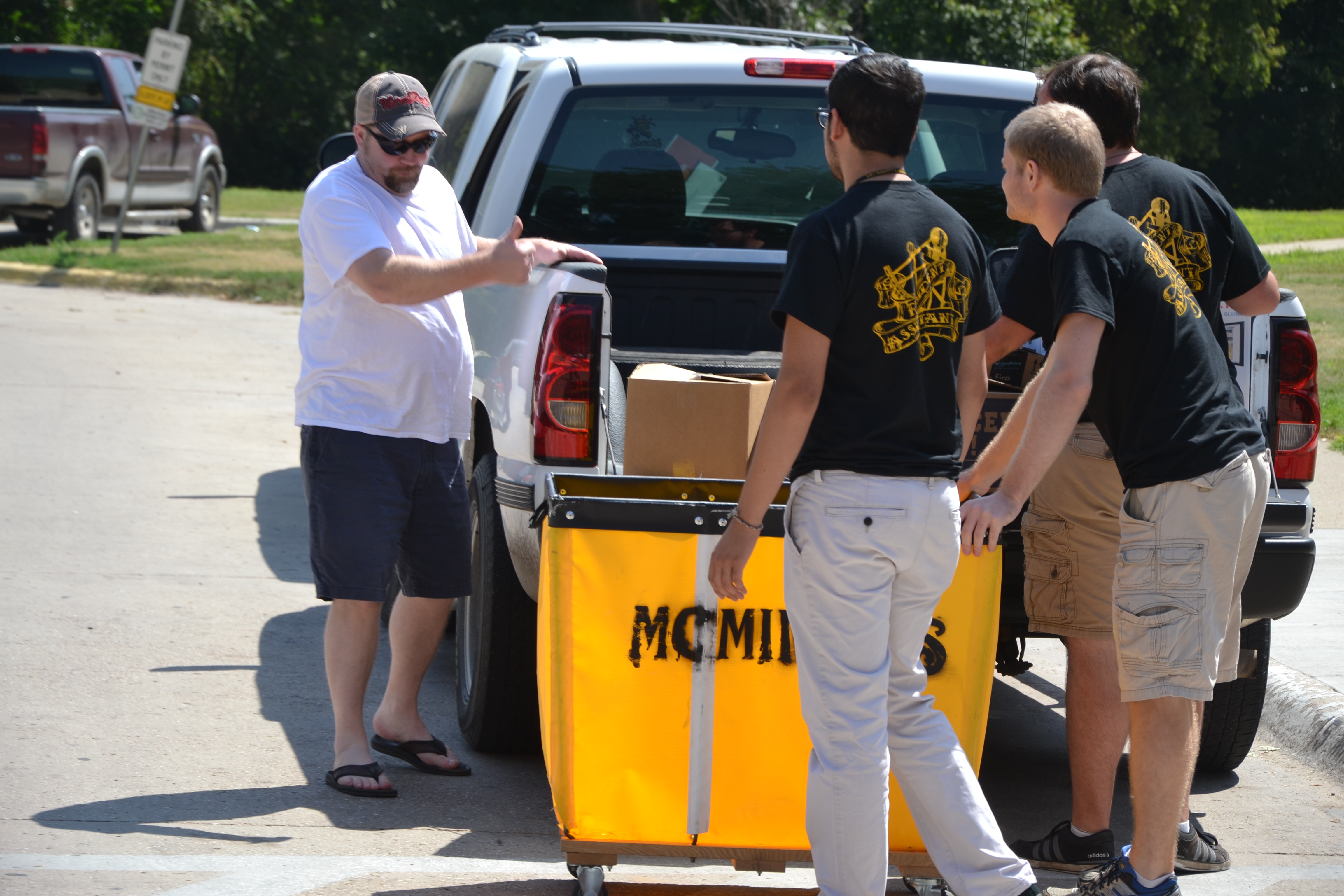
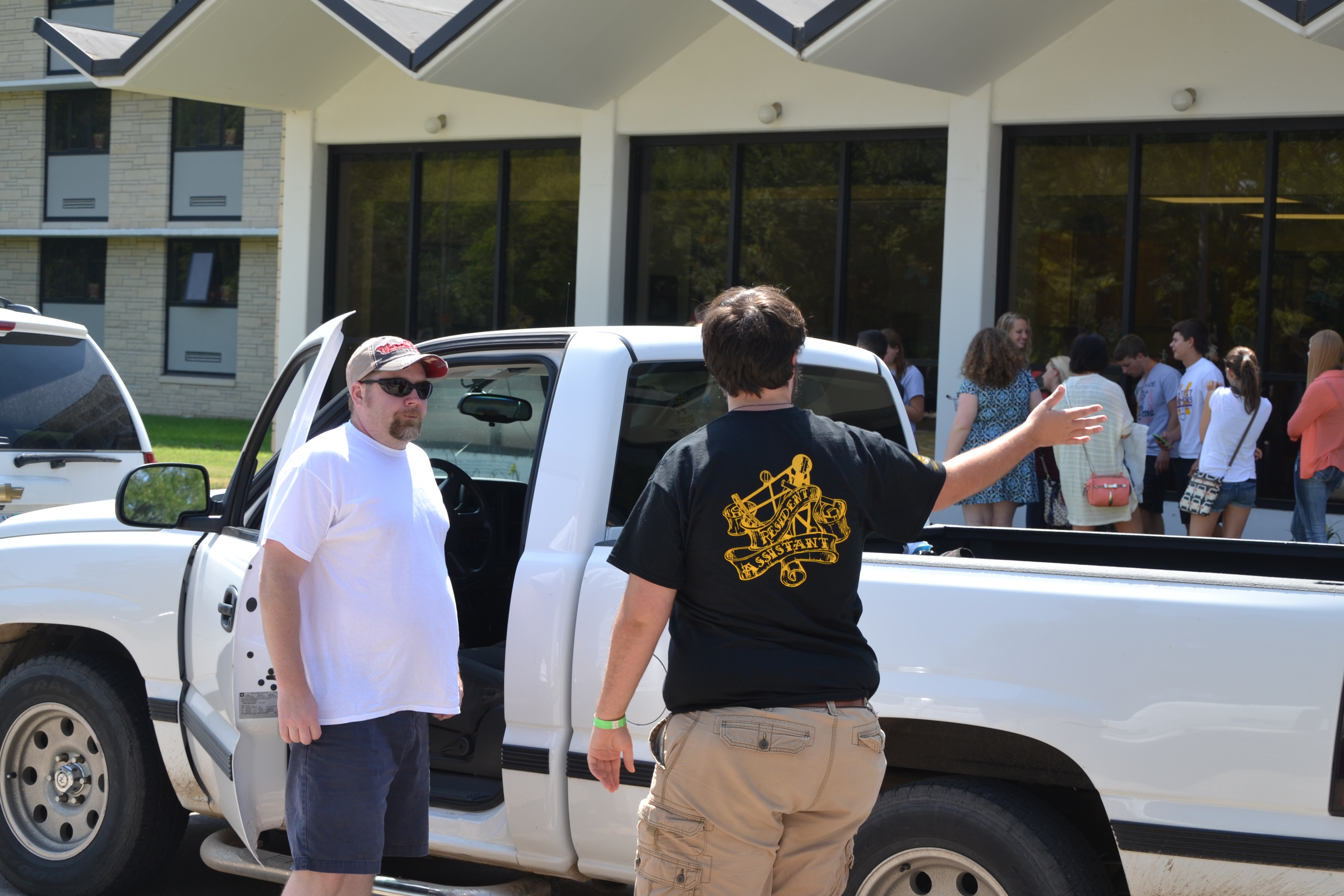
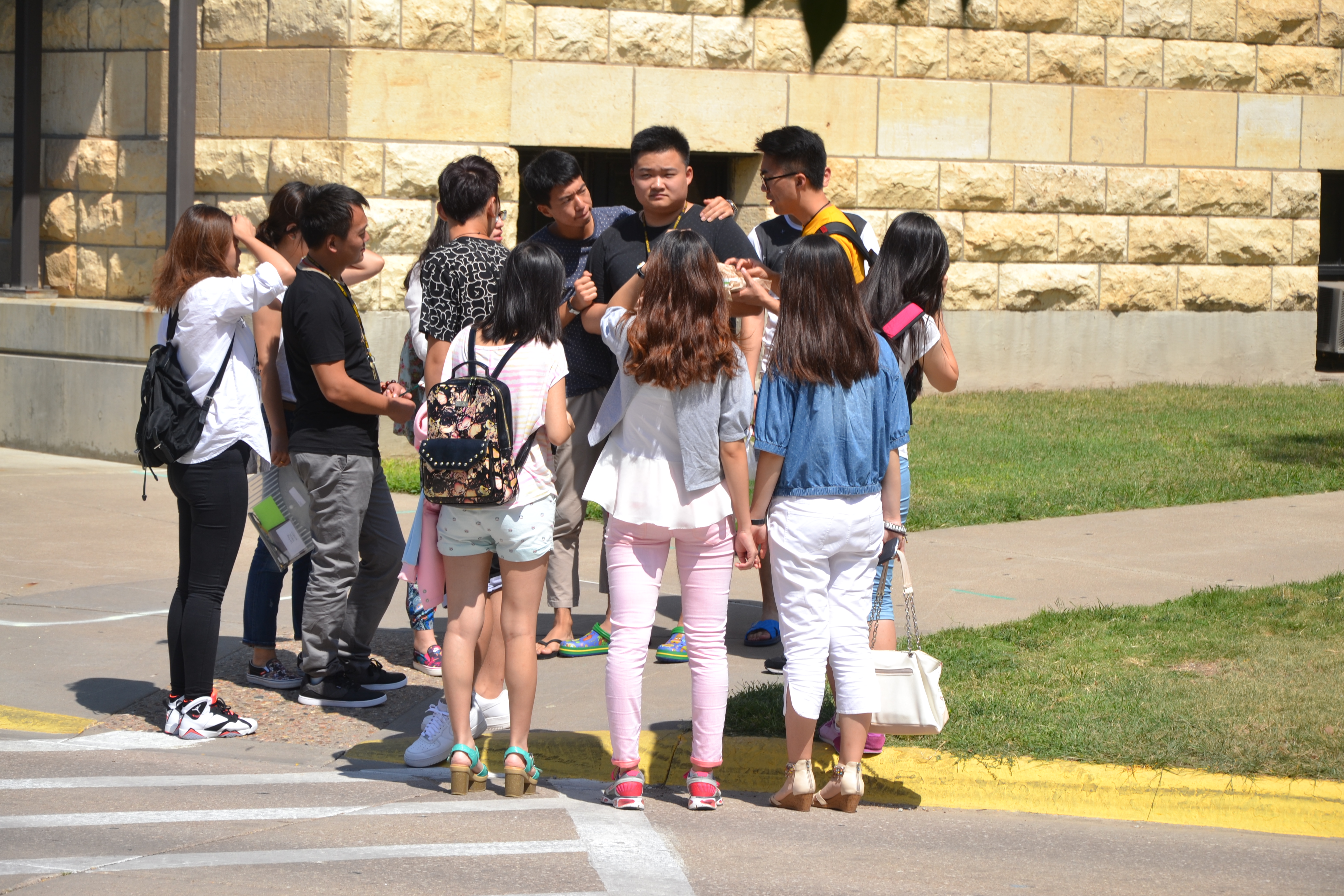
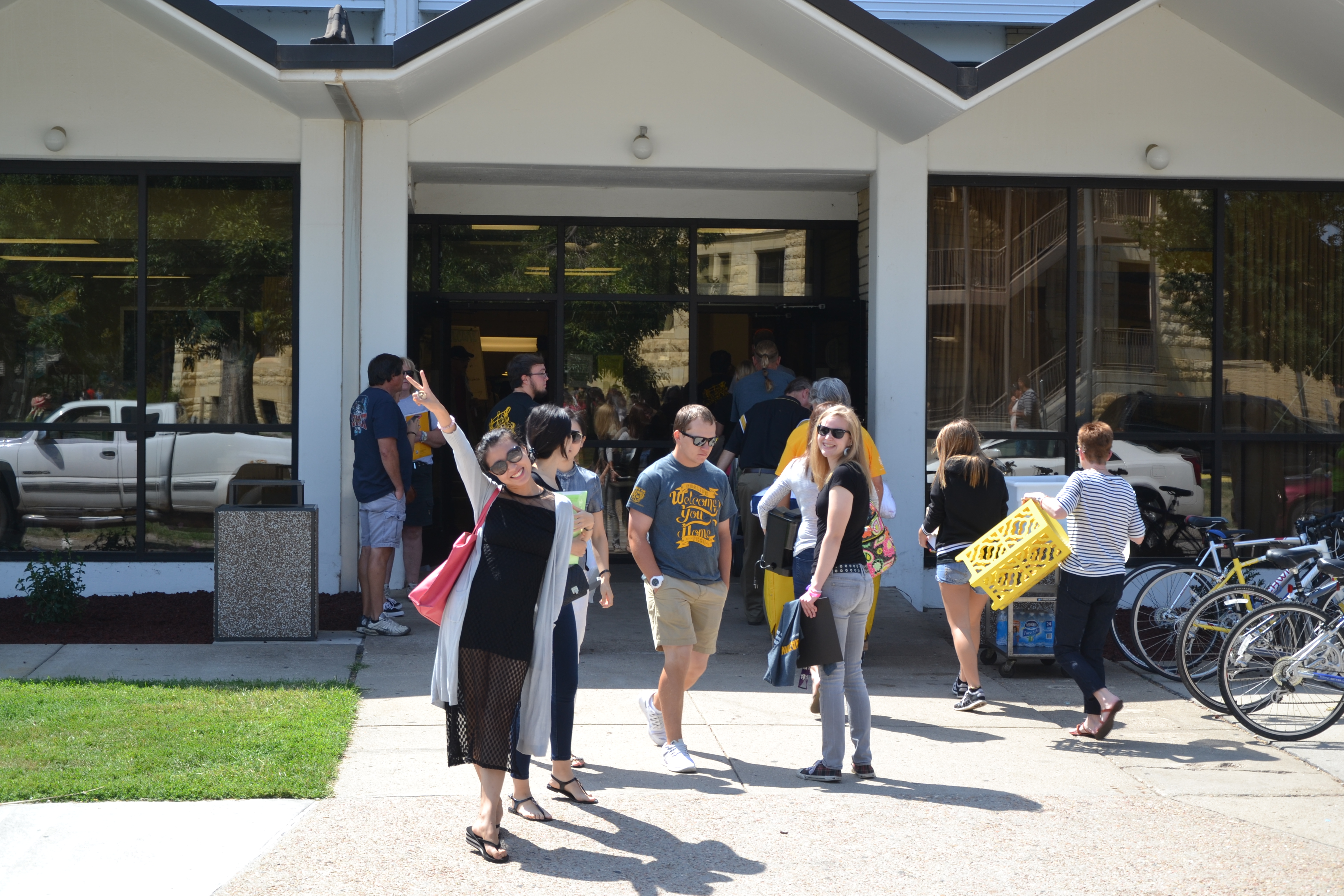
Move-in day at Fort Hays State University began Wednesday, with members of the university faculty, staff and student workers helping get everyone organized and into their home for the next nine months. View some images and video from the day below.

Photos: JAMES BELL, Hays Post

Video: RICKY KERR, Hays Post

Guy ‘Paul’ Strickland

Guy “Paul” Strickland, 75, of Tucson, AZ passed away June 12, 2015 in Tucson, AZ.

Paul was born to Guy and Lucille Strickland on October 25, 1939 in Haxton, CO. He was raised in Winona, KS and attended school and graduated from Winona High School.

He had his own construction business as a builder of different projects (produce sheds, homes, etc.) Later he worked for a company out of Wichita, KS that built the “Sterling House” Retirement Homes. He worked for them all over the country until his retirement.

He is survived by his wife, Cheryl, of the home; his two children, Mike Strickland, of Pueblo, CO and Lara (Ryan) Herboldsheimer, their children, Kody and Kyler all of Sidney, NE; Cheryl’s children, Tammy Anthony, of Modesto, CA and Tracy (Mike) Ridge, their children, Korey and Kylie all of Chandler, AZ; sister, Merry Palmer, of Shakpoee, MN.

Paul’s final peaceful, resting place and service will be at the Russell Spring Cemetery, Russell Springs, KS, in the Strickland Family Plot on Wednesday, September 9, 2015 at 10:30am. Baalmann Mortuary of Oakley is handling graveside services.

Governor’s 50-year plan among hot water topics in Kansas

By Sarah Green

Screen Shot 2015-08-13 at 3.48.57 PM

What started as a charge from Gov. Sam Brownback to state agency staff to develop a 50-year plan to address water issues may now go beyond that time frame. The Kansas Department of Agriculture and the Kansas Water Office in November 2014 released a “draft vision document” after about a year of public input sessions across the state.

Feedback from stakeholders indicated that the plan couldn’t meet all the needs of local areas. Water issues vary widely, even within various regions of the state. New “regional planning teams” were formed to develop appropriate specific goals related to conservation, protection of water quality and education, to name a few.

The latest version of the vision now focuses on “the future of water,” not just the next 50 years. The next version of this long-term plan is scheduled be delivered to the governor and the Kansas Legislature by January 2016.

Reservoir dredging

Expect this to be an ongoing discussion for decades as the state’s reservoirs continue to fill with silt and other nutrients that contribute to water quality issues such as algae blooms. Small lakes, including Mission Lake in Horton, have undergone dredging projects in recent years. John Redmond Reservoir in Coffey County is the most visible current project, with a $25 million, 25-year plan to remove sediment from the lake bottom in order to add storage capacity.
More than 40 percent of the reservoir’s storage space has filled with silt since the U.S. Army Corps of Engineers built the lake in 1964. The reservoir is an important source of water for the Wolf Creek nuclear generating station outside Burlington, which contributes electricity to the state’s major urban areas.

Aqueduct

A coalition has formed to advocate for the construction of an open aqueduct to carry floodwater from the Missouri River to southwest Kansas, where such water would supplement the dwindling supply from the state’s portion of the Ogallala aquifer.

The Kansas Aqueduct Coalition points to a 1982 study by the U.S. Army Corps of Engineers that laid out a preliminary concept for such a project. It would require the construction of a reservoir in the very northeast corner of the state, adjacent to the Missouri River, into which floodwater would be stored. The water would then flow through a series of canals meandering 360 miles across the state — uphill, with the assistance of a series of pumping stations to account for rising east to west elevations. It would then be deposited into a reservoir near the town of Utica, about 80 miles north of Dodge City, according to the study.

The Kansas Water Office and the Army Corps of Engineers released an updated version of the original study earlier this year. It estimated the cost at more than $18 billion for the project, which could take 20 years or more to build. It would cost more than $395 million each year for the electricity to operate the system.

Staff from Groundwater Management District No. 3, the water management district that oversees a portion of the Ogallala (or High Plains) aquifer in southwest Kansas, are the biggest public supporters of the Kansas Aqueduct Coalition, which continues to push for study of the feasibility of the plan. State officials indicated this spring that the project’s high costs could hinder its implementation.


Urban areas worried about cuts

Mandy Cawby, a spokesperson for WaterOne, a water utility that covers a large swath of Johnson County, said her water district is concerned about the possibility of statewide water restrictions.

Water issues in Johnson County are very different than those in western Kansas, she said. WaterOne has made strategic investments in infrastructure over many years to ensure that its customers have “ample” access to water, Cawby said. The district pulls water primarily from the Kansas and Missouri rivers and serves about 400,000 people in all or part of 17 cities in the Kansas City area.

Cawby said she would like to see education efforts related to who uses water in Kansas so that conservation programs can be targeted proportionally to those who use the most water.

“Eighty-five percent of the water is used for irrigation and 10 percent is for people in town,” she said. “Only about 2 percent of municipal water use is for watering lawns. That seems to be the beef if there is one, that it’s not productive to be a turf farmer. I think we are wasting time focusing on lawn-watering, especially when it doesn’t come at the sake of agricultural use.”

An area where she and western Kansas irrigators might agree is their belief that any decisions regarding water use and conservation should be made at the local level.

“It’s not a one-size-fits-all solution, because it’s not a one-size-fits-all problem,” she said. “We can conserve here, but it wouldn’t help do anything for those who need the water. If the state does do something, we want it to be meaningful and we want it to be effective.”

Technology and water conservation

Some cities, such as Hays and Ellis, have made water conservation a priority for years. Those two cities, for example, have made low-flow water fixtures available to residents for free or at low cost. Agricultural producers also are making vast investments in technology to use water more efficiently, including refitting massive center-pivot irrigation systems with hoses to drip water onto fields rather than spray it into the air, and sensors implanted into the soil to gain more accurate information about moisture levels.


Sarah Green is a freelance journalist for KHI News and Heartland Health Monitor, a news collaboration focusing on health issues and their impact in Missouri and Kansas.

A free press in ‘time of war’ — or at home — is not the enemy

Gene Policinski is senior vice president of the First Amendment Center

Journalism is neither criminal activity nor the action of an enemy, at home during domestic strife or overseas in a time of war.

Still, charges have been brought in Ferguson, Mo., against two journalists a year after they were detained in a McDonald’s restaurant by police in the first days of violence during protests over the police shooting and death of Michael Brown.

And a new, 1,176-page Department of Defense “Law of War” manual distributed in June opens the door for U.S. military commanders — and, ominously, for repressive regimes around the world — to deem reporters who operate outside of official channels and who resist censorship as “unprivileged belligerents,” military-speak for spies and saboteurs.

Reporters doing their jobs may be inconvenient or irritating, or witnesses on behalf of the public to activity that is later challenged as illegal, unwise or just plain embarrassing. None of that ought to be subject to official sanction, arrest or worse.

And to connect that Orwellian “unprivileged belligerents” turn-of-phrase with journalists just buys into the kind of despotic thought process that has a Washington Post reporter facing a secret trial in Tehran, accused of espionage and distributing propaganda against the Islamic Republic for simply doing what journalists do: Gather news and fairly report the facts.

Let’s clear out the easy criticisms: The issue is not actions that clearly interfere with lawful police activity, inflame tense situations to create a sensational atmosphere, that directly or intentionally place bystander, police, or American military lives at risk or aid an enemy nation.

Civil authorities and military commanders ought not to have a right — or think they have a right, based on fuzzy guidance from above or by virtue of trained bluster and bravado — to ignore, override or punish journalists in the performance of their legitimate, constitutional “watchdog” role protected in the U.S. by the First Amendment.

A year ago in Ferguson, in one of the first nights following the police shooting and death of Brown, reporters for The Huffington Post and The Washington Post were working in a McDonald’s restaurant. Just in the last few days, the pair was charged with trespassing and with interfering with a police officer’s performance of his duties. Police say the journalists didn’t leave the restaurant fast enough.

About two dozen journalists have been arrested while reporting on the continuing Ferguson protests. Officials recently settled at least one lawsuit brought by a reporter who was arrested, agreeing to pay $8,500 and dropping three charges. At the same time, similar charges against another reporter were dropped.

Editors at the The Huffington Post and The Washington Post have criticized police conduct in the arrests of their staffers. Washington Post executive editor Marty Baron said the decision to pursue charges “represents contemptible overreaching by prosecutors who seem to have no regard for the role of journalists seeking to cover a major story and following normal practice.”

Police and prosecutor conduct around events in Ferguson also seems part of the artful pattern that persists in police actions nationwide, around not just civil disorders but also protests at political conventions or economic summits, of “arrest now, clean it up later” — often with an accompanying financial settlement at cost to taxpayers.

The new U.S. military manual represents a less direct — but just as misplaced — threat to journalists doing their jobs. A New York Times editorial on Aug. 10 also said it would make journalists’ work “more dangerous, cumbersome, and subject to censorship.”

The manual says that U.S. armed forces may withhold protection, censor reports and even deem journalists as “unprivileged belligerents” — which it elsewhere defines as including “spies and saboteurs,” with fewer legal rights in war zones than the armed opposition forces. Driving home a point, the manual says that “reporting on military operations can be very similar to collecting intelligence or even spying.”

The Times’s editorial notes that “to cover recent wars, including the civil war in Libya in 2011 and the war in Syria, reporters had to sneak across borders, at great personal risk, to gather information.” The editorial also properly says, “Authoritarian leaders around the world could point to it to show that their despotic treatment of journalists — including Americans — is broadly in line with the standards set by the United States government.”

The 1,176-page manual’s introduction says it “reflects many years of labor and expertise, on the part of civilian and military lawyers from every Military Service. It reflects the experience of this Department in applying the law of war in actual military operations, and it will help us remember the hard-learned lessons from the past.”

I would add that the manual also ignores the very “hard-learned lessons from the past” — from the world wars to Vietnam to the Gulf wars — that more news reported independently bolsters the public’s understanding and support for the U.S. military, not the reverse.

More than two decades ago, in explaining the Defense Department’s rationale then for journalists to “embed” with active U.S. combat units, officials got it right: “We need to tell the factual story — good or bad — before others seed the media with disinformation and distortion.”

The “fog of war” — or the confusing circumstances surrounding civil disorder — may well make confrontations inevitable between authorities and a news media charged with closely and critically observing and reporting on them.

But that’s no reason for poor judgments, or for policies set in the light of day and calmer times, which encourage or institutionalize a disregard for the needed presence of independent journalists and a free press.

Gene Policinski is chief operating officer of the Washington-based Newseum Institute and senior vice president of the Institute’s First Amendment Center. [email protected]

Appeals court rejects Kan. inmate’s conjugal visit appeal

Robertson- photo Kan. Dept. of Corrections

KANSAS CITY, Mo. (AP) — A federal appeals court has again rejected a Kansas prison inmate’s bid to “co-habitate and procreate” with a woman whose mother the couple were convicted of killing.

The Kansas City Star reports 34-year-old Joshua Robertson sued state prison officials for refusing to allow him to have conjugal contact with 32-year-old Jennifer Self, a woman he describes as his common-law wife.

The pair are serving life sentences for killing Self’s mother in 2002.

Roberts claimed in his suit that his constitutional rights to freely practice his religious beliefs were being violated.

A federal judge and the 10th U.S. Circuit Court of Appeals previously dismissed the suit, finding that a prison inmate has no constitutional right to contact visitation.

The 10th Circuit on Thursday denied an additional appeal.


Copyright Eagle Radio | FCC Public Files | EEO Public File