
By Mallory Houser
KU Statehouse Wire Service
TOPEKA—With a nationwide shortage of psychiatrists, Senate Bill 32 would broaden the Medical Student and Resident Loan Act to include psychiatry, providing an incentive for psychiatry students to practice in Kansas upon graduation.
While there is a psychiatric specialist deficit across the state, rural areas are especially suffering.
Compass Behavioral Health is one of the 26 community mental health centers in Kansas that covers 11,000 square miles of the state. Eight of the 13 counties it serves are considered “Frontier,” with less than six persons per square mile. In these counties, one psychiatrist covers approximately 5,000 lives within 683 square miles, opposed to urban areas where one psychiatrist covers approximately 900 lives within one square mile.
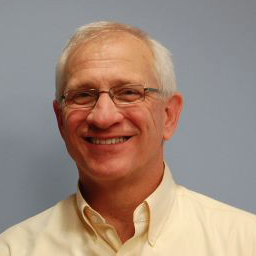
Executive Director of Compass Behavioral Health Ric Dalke faces geographical and resource barriers daily to provide mental health services to rural Kansans. To address this issue, the center has established a tele-psychiatry program, providing services completely on tele-video. While this has been beneficial, Dalke said it is secondary to face-to-face services.
“If people in the eastern part of Kansas can see a psychiatrist face-to-face, people in the western side Kansas should also be able to see a psychiatrist face-to-face,” Dalke said. “It is the best way to provide psychiatric service.”
Another issue Dalke faces is recruiting psychiatrists who are under retirement age and will practice for more than a few years. Dalke believes adding an incentive such as a medical student loan repayment is a step to fix this issue.
“If we can get people out, and they see and experience the people and the culture of rural and frontier Kansas, many of those people stay,” Dalke said.
Legislative Liaison for the Kansas Sheriffs Association Ed Klumpp has similar concerns about Kansans mental health, as law enforcement officers interact daily with people who have mental health issues.
“Law enforcement is usually the primary conduit for getting people help,” Klumpp said.
Law enforcement agencies depend on local services to assist people into treatment before they reach a mental health crisis where officers must take action if they become a risk to themselves or others. Especially in rural areas, Klumpp said SB32 could fill the deficit of psychiatric professionals to prevent escalated instances.
“It’s a matter of having a quantity of trained professionals to provide services,” Klumpp said. “It’s a step in the right direction.”
SB32 was passed in the Senate with a 35-5 vote on last month, and is now in the House Health and Human Services committee. The bill will continue to be discussed once the legislature reconvenes.
Mallory Houser is a University of Kansas junior journalism major from Dallas.