GOVE COUNTY — One person was injured in an accident just after 11:30a.m. Sunday in Gove County.
The Kansas Highway Patrol reported a 2018 BMW motorcycle driven by Shawn Carson, 47, Guthrie, OK., was east bound Interstate 70 five miles east of Quinter.
The driver lost control and the motorcycle went on its side in the median. The motorcycle continued on without the driver and rolled.
Carson was transported to Gove County Medical Center.
BERKELEY HEIGHTS, N.J. (AP) — President Donald Trump says he’s delaying signing a revised version of the North American Free Trade Agreement until after the midterms in hopes of reaching a better deal.
Trump says in a Fox News interview that aired Sunday that he could quickly sign an agreement with Mexico and Canada, “but I’m not happy with it. I want to make it more fair.”
He added that he would wait until after the fall elections.
The president’s decision comes as the U.S. and Canada have been engaged in a tit-for-tat trade dispute over Trump’s tariffs on Canadian steel and aluminum.
Canada announced billions of dollars in retaliatory tariffs against the U.S. on Friday.
In the interview, Trump again threatened to impose tariffs on imported vehicles, saying, “The cars are the big ones.”
YOU FOUND IT! Click the picture for a chance to win Wild West Festival VIP tickets!
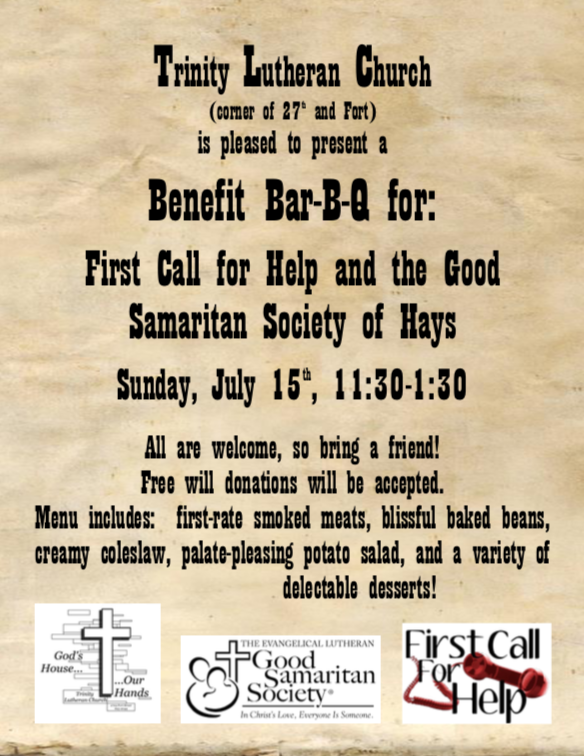
The Trinity Lutheran Church, 2703 Fort St., will have a benefit barbecue for First Call for Help and the Good Samaritan Society of Hays from 11:30 to 1:30 p.m. Sunday, July 15.
The meal will feature a choice of first-rate smoked meats, baked beans, coleslaw, potato salad and desserts.
A free-will donation will be collected. All proceeds benefit First Call for Help and the Good Samaritan Society. The funds raised will help First Call provide education and prevention services, assist those in immediate need and serve Meals on Wheels.
The funds will also help build the Generation Courtyard at the Good Samaritan Home of Hays.
This is a therapeutic, secured, outside area where residents can enjoy the outdoors. There are plans to include a playground area so residents can watch kids play when they come to visit.
YOU FOUND IT! Click the picture for a chance to win Wild West Festival VIP tickets!
GEARY COUNTY — Law enforcement authorities are investigating two suspects following a five-month long investigation into the alleged distribution of methamphetamine in the Junction City – Geary County area, according to a media release.
Williams-photo Geary Co.
The Junction City / Geary County Drug Operations Group, assisted by the Grandview Plaza Police Department and members of the Riley County Police Department, executed a search warrant at 209 Locust Street in Grandview Plaza. They arrested Dereck Jeffery Williams. 24, and Samantha Jean Caivano. 29, both of Grandview Plaza, on suspicion of Unlawful Distribution of Methamphetamine within 1,000 feet of a school.
Williams was booked on a total bond of $575,557, including warrants from Junction City Municipal Court, Pottawatomie County and Riley County. Caivano was booked in on a $250,000 bond. Both were held at the Geary County Detention Center.
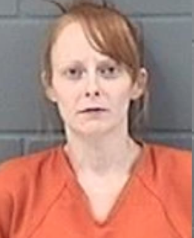
Caivano-photo Geary Co.
Authorities report that the Drug Operations Group seized methamphetamine, marijuana, two firearms, one of which was allegedly stolen, and drug paraphernalia.
The Heartland Community Foundation awarded USD 489 a grant for $3,710 to purchase 100 PREPaRE Crisis training “Workshop 1: Crisis Prevention and Preparedness Comprehensive School Safety” workbooks.
Forty-seven area educators, administrators and first responders took part in the first training on May 31.
The next Workshop 1 training session is scheduled for Aug. 6. An additional 50 school and district staff personnel will participate in this training.
Julie Zollinger, Theresa Clark and Josh Tanguay will facilitate the upcoming crisis workshops.
Zollinger and Clark received their train the trainers’ crisis certification through a previous grant that was awarded by the Heartland Community Foundation.
“USD 489 wishes to extend its heartfelt thanks to the foundation for its continued support of education and the safety of students and staff in Hays area schools,” the school district said in a news release.
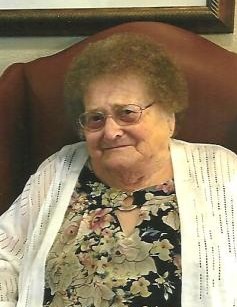
Irene Mae Hrabik, 90, Hays, died Thursday, June 28, 2018 at HaysMed.
She was born March 9, 1928 in Bunker Hill, Kansas the daughter of Adam and Laura (Stoppel) Hilgenberg. She was united in marriage to Lee G. Hrabik in Wilson, Kansas and they were blessed with three children before they later divorced. She was a custodian and housekeeper working at Hadley Hospital, St. Anthony’s Hospital/Hays Medical Center, and High Plains Mental Health Clinic. Her hobbies included going to garage sales, crocheting, sewing, embroidery, flower gardening, and she was an excellent cook who was known by her family and friends for her delicious fried chicken on Sundays. She was very hard working and she collected angels, salt and pepper shakers, and birds from Mexico, and she loved spending time with her family and grandchildren.
Survivors include a son; Jay Hrabik and wife Jane of Lyons, Kansas, two daughters; Lona Werth and husband Bernie and Linda Hammersmith and husband Gary, all of Hays, a sister-in-law; Blanche Hilgenberg of Hays, eight grandchildren; Shelly Jones and husband Matt, Adam Hrabik, Aaron Hrabik, Carol Gorges and husband Russell, Robert Blatcher and wife Alicia, Melissa Weaver, Scott Werth and wife Chanell, and Dustin Werth and wife Megan, a granddaughter-in-law; Rose Hammersmith, and eleven great grandchildren.
She was preceded in death by her parents, two brothers; Leroy “Shot” Hilgenberg and Albert Hilgenberg, and by a grandson; Dean Hammersmith.
A celebration of Irene’s life will be at 10:00 am on Monday, July 2, 2018 at the Trinity Lutheran Church, 2703 Fort Street, Hays, with Pastor Marie Sager officiating. Burial will follow in the Dubuque Lutheran Cemetery southwest of Dorrance, Kansas. Visitation will be from 5:00 pm until 7:00 on Sunday at the Hays Memorial Chapel Funeral Home, 1906 Pine Street, and from 9:00 am until service time on Monday at the church. Memorials are suggested to Hospice of HaysMed, in care of the funeral home. Condolences and memories of Irene may be shared with the family at www.haysmemorial.com
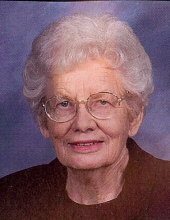
Eleanor Grout, 96, of Winterset, Iowa, died Tuesday, June 26, 2018 at Madison County Memorial Hospital in Winterset. Funeral services will be held 10:30 AM Thursday, June 28, at New Bridge Church in Winterset with Rev. Dr. John Shaull officiating. Burial will be in the Clark Cemetery at Madison County, Iowa.
Eleanor was born on September 22, 1921, at Hays, Kansas to Joseph and Carolina (Wagg) Sauer. She was married on June 3, 1947 at Ellis, Kansas to Claude Grout. She had been a resident of Winterset since 1948, having come from Colorado. She had taught school for two years, had worked at Mountain State Telephone Company in Denver, Colorado, and had spent most of her time as a homemaker. She had been a member of the New Bridge Church.
Eleanor is survived by her daughters, Claudia (Dennis) Royal of Winterset and Bonnie (Gordon) Caldwell of North Port, FL; brother-in-law, Jack Fox of Ellis, KS; grandchildren, Lindsey Royal, Michael Orange, Elliott Caldwell, Drew Caldwell, and Erin Caldwell; step grandson, Allen Royal; great grandchildren, Savannah Orange, Lily Caldwell, Logan Caldwell, Caleb Carter and Eve Carter; step great grandchildren, Natashua Kufchak, Ryan Royal, and Kyle Royal; and step great great grandson, Alex Kufchak.
She was preceded in death by her parents, Joseph and Carolina (Wagg) Sauer; husband, Claude Grout; brother, Ernest Raymond Sauer; and sister, Wilma Fox.
Visitation will be Wednesday from 3 to 8 PM at the New Bridge Church with family receiving friends from 5 to 7 PM. Memorials may be directed to her family for a future designation.
Funeral arrangements are being handled by Caldwell-Parrish Funeral Home-Collins Chapel in Winterset. Online condolences may be left at www.caldwellparrish.com.
Every year, in the state of Kansas, more than 5,000 offenders are admitted and released from incarceration from correctional facilities. To reduce recidivism (returns to prison) and facilitate reentry and transition to the community at release, the Kansas Department of Corrections offers a variety of programs, and works to prepare inmates for, and provide access to, work release and prison-and-non-prison-based private industry employment when it is safe for the community and the inmate has a need for such a program. Presently, across the state of Kansas, there are several non-prison-based workforce programs which are serving to reduce the likeliness of recidivism by allowing offenders the opportunity to develop and improve upon their job and life skills, and become tax-paying, law-abiding citizens.
Since its inception last fall, an Inmate Workforce Program agreement, entered into by the Norton Correctional Facility (NCF), a correctional facility of the Kansas Department of Corrections, and Husky Hogs, LLC, a private sector business located in Long Island, Kan. (Phillips County), has been met with a mixed array of opinions from members of the surrounding communities. The program has generated a plethora of interest – and, likewise, has sparked concern – as those unfamiliar with inmate employment have searched for answers to their most sought-after questions. The following is an investigative journalism piece which provides an in-depth look at the creation of this program in northwest Kansas and the ways in which offenders are prepared for and selected for participation, details on the procedures and policies in place to ensure safety and security, details on work duty performance based on eyewitness account, and feedback concerning the impact the program is having on those civilian employees working alongside offenders.
Workforce Program History
Since 1979, various non-prison-based workforce programs have employed inmates across the state of Kansas. Zephyr Products, Inc., a metal manufacturing company located in Leavenworth, Kan., presently employs 71 Lansing Correctional Facility (LCF) inmates, while Henke Manufacturing, a Leavenworth-based commercial duty snow management equipment and allied products manufacturer, has also partnered, since 1993, with Lansing Correctional Facility to employ, as of present time, 22 inmates. Other current partnerships in the state of Kansas, include: Wifco Steel Products, Inc., partnership with Hutchinson Correctional Facility since 2008, 24 inmates employed; Cal-Maine Foods, partnership with Hutchinson Correctional Facility since 2008 (started with Ellsworth Correctional Facility in 2005), 31 inmates employed; and MFL, Inc., partnership with Topeka Correctional Facility since 2007, 22 inmates currently employed. In addition, 39 inmates are presently employed, through a partnership with Larned Correctional Mental Health Facility, at Redbarn Pet Products, Inc., Kirby Custom Cattle Processing, LLC, and LaCrosse Furniture Co.
The first Kansas Department of Corrections non-prison-based private workforce program in northwest Kansas began in 2006 with inmates from the Norton Correctional Facility’s Stockton Unit being employed at Shultz Manufacturing, located in Plainville, Kan. The program continued until the company closed about a year later. A1 Plank and Scaffold Manufacturing was added in 2007, which was successful until the business was closed and relocated elsewhere in the United States. Wilkens Manufacturing was also added in 2007 for employment of Stockton offenders at their plant. The agreement was re-established in 2012, after the closing and reopening of Stockton in 2010, and has remained successful since. The Hess Industries (Hays, Kan.) program was established in 2011, and also employs Stockton offenders.
In an agreement entered into by the Norton Correctional Facility and Husky Hogs, LLC, an Inmate Workforce Program was created to employ, in a manner consistent with their proper training and rehabilitation, a maximum of 25 inmates, while ensuring no civilian employees of the private company would be displaced. After entering into the agreement, the Norton Correctional Facility’s unit team staff began reviewing cases, addressing readiness, determining eligibility based on a stringent set of selection criteria, and preparing offenders for placement.
Preparing and Screening Inmates
To prepare inmates for work release, unit team staff, as part of ongoing case management, reviewed cases that were 12-96 months from release to determine whether an inmate was a likely candidate for future referral for work release. Additionally, the unit team began working with each candidate to help him prepare for work release or private industry employment, addressing, among many topics, barriers to minimum custody (such as detainers, disciplinary reports, other behavior issues, etc.), job readiness, and anti-social thinking.
In determining eligibility, every offender is screened to determine if he is a good candidate for work release placement. An inmate is eligible for work release, in accordance with the selection criteria of the Kansas Department of Corrections, provided: (1) he does not have a diagnosis of pedophilia, or an Axis I diagnosis of not otherwise specified exhibitionism, fetishism, frotteurism, sexual masochism, sexual sadism, transvestic festishism, or voyeurism; (2) the inmate is managed as a sex offender who is not precluded by #1, and he has successfully completed sex offender treatment or obtained an override from treatment; (3) the inmate is physically capable of seeking and maintaining employment, with reasonable and available assistance for any physical limitation; (4) any medical or mental health treatment needs can be adequately addressed in the work release setting, including the ability to access necessary medication; (5) the inmate has no history of escapes from a secure facility in the last 10 years; (6) the inmate is not currently, and has not within the past year been, involved in organized criminal activities, including gang or security threat group activities; (7) the inmate has not been convicted of a Rule 1 disciplinary infraction or a Rule 2 infraction for arson, or dangerous contraband not involving a weapon or statutory violation (felony crime) within the last six months; (8) the inmate does not have a pending felony detainer or a misdemeanor detainer that it is known will require him to serve more than 60 days in a local jail after release from the Kansas Department of Corrections; (9) the inmate’s history does not reflect current, ongoing violent, assaultive, or dangerous behavior; and (10) there are no other indicators the inmate is too great a risk to the community if placed in a work release setting, including recent behavior, discharge summaries from treatment or a Clinical Services Report reflecting high risk for violent behavior, or otherwise. Following screening, the unit team concludes whether or not a referral to work release is appropriate. Once a referral has been completed, procedures are in place to make a final determination as to whether the inmate will be granted placement.
“Security is always the top concern for Department of Corrections staff,” says Kansas Department of Corrections Director of Public Affairs and Chief of Staff, Samir Arif. “The appropriateness of job settings and security risks of inmates are constantly checked and rechecked. This is no different for offenders who work outside of a prison setting. Inmates are chosen to participate in this program because they have proven themselves to not be a risk to the community.”
Once final determination is made, Husky Hogs, LLC receives employment applications completed by inmates, and Human Resources begins to conduct background checks, and determines whether or not each inmate would be a good fit based on the qualifications and job experience on his employment application. The Husky Hogs leadership team, which consists of Human Resources, either one or both Husky Hogs, LLC General Managers, and the direct supervisor(s) of the open position(s), then conducts in-person interviews with each inmate at the correctional facility. Inmates chosen for hire are then placed in the appropriate position based on their skills.
Preparing Civilian Staff
Husky Hogs, LLC first presented the notice of inmates joining the workforce to their leadership staff during leadership training. According to Husky Hogs Director of Inmate Workforce Program, Taryn Graham, the leadership staff collaborated with the group to determine the best way to present the information to the staff, and then put together an educational PowerPoint presentation about Inmate Workforce Programs across the state of Kansas. “We first delivered the PowerPoint to our second-level leadership teams (which we refer to as our Bravo and Delta groups),” Graham said. “Once all our leaders were informed and had all their questions answered, we delivered the same PowerPoint to all of the Husky Hogs, LLC staff.” As part of the onboarding process for any new Husky Hogs employee, an orientation is delivered by Human Resources prior to working with any inmate. Additionally, leadership staff, along with several team leaders, were given an eight-hour training on Offender Supervision, which was provided by the Norton Correctional Facility’s Training Officer.
Hiring Process
The new hire process at Husky Hogs is the same as any new hire, with the exception that the paperwork for inmates is completed at the correctional facility instead of at Husky Hogs’ main office. Offenders complete the same set of documents all employees do, such as: health/allergy information, tax withholdings, an I-9 verification, etc. Inmate employees are also provided with their own copy of the Husky Hogs, LLC Policy and Procedure Manual, which the correctional facility allows them to keep.
Placement and Transportation of Inmates
On December 4, 2017, the Inmate Workforce Program was officially launched when minimum custody inmates were transported from the Norton Correctional Facility to report to Husky Hogs, LLC for their first shift. Inmates are transported from the facility in busses, which are owned by Husky Hogs, LLC and painted to differentiate them, and designated bus drivers have been trained to do the transporting. To account for an inmate’s arrival to, and departure from, the work site, Crew Pack identification cards are put together at the correctional facility which allow the inmates to leave the premises. Prior to departure from the correctional facility or the work site, the transportation driver conducts a role call, verifies each offender with their identification card from the Crew Pack, and marks off their name as they load the bus – this ensures the driver has the correct inmates on board on the correct day.
The transportation bus driver is provided with additional documentation that shows which inmates are scheduled to work on which days, and documentation also accounts for any schedule changes there might be due to an inmate missing work for a medical appointment or a family visitation. When a schedule change is necessary, Husky Hogs works with the correctional facility to accommodate and ensure the inmate doesn’t lose a day of work.
Also on board the transportation bus are Chain of Custody forms, which come off the bus with the inmates to be given to the site manager each morning. Once inmates have stepped off the bus, site managers account for each inmate as they enter the site. The form then leaves the site with inmates at the end of each shift, where the transportation driver conducts another roll call, and confirms each inmate is accounted for on the bus. Once inmates return to the correctional facility, their Crew Packs are provided to the Correctional Officer receiving the inmates, and the correctional facility’s check-in process, which consists of a contraband search of each inmate, is then completed.
At the Work Site
On their first day of work, at the start of their shift, offenders submit to new hire drug testing, which includes a 12-panel cup, as well as a breathalyzer that tests for alcohol. If an inmate should fail either test, though this has never occurred according to Graham, he would be immediately transported back to the correctional facility. Inmates are also part of the quarterly drug testing program for all employees, and tests are conducted at a random time every quarter.
Presently, inmates are employed at three different sites, and the Norton Correctional Facility is notified which inmates are assigned to which sites. Additionally, the correctional facility is provided with further details which include area maps and physical addresses of each site’s barns.
There are multiple job assignments for the inmate staff, including: breeding, farrowing, gestational, weaning, nursery, and finishing. One inmate is assigned to complete maintenance projects within his facility, but helps in other areas as needed. There are no uniformed correctional officers that report to work with the inmates, as the inmates are supervised by Husky Hogs, LLC civilian staff. “After lengthy discussion with the Kansas Department of Corrections on the criteria for individuals to be considered eligible for our work program, it was evident that it was not recommended by the Kansas Department of Corrections, nor did we feel there was a need for correctional officers on site,” Graham said.
Each inmate is assigned to a specific team, and each team has at least one team-leader that is responsible for their team members throughout the day. The teams remain in communication with each other using radios, and all employees are assigned a radio required to be carried on them at all times. Inmates are not allowed to work at any site that does not have a leadership-level supervisor on staff. Additionally, no female is allowed to work alone with an inmate at any given time; any female working with an inmate is always accompanied by at least one male civilian employee.
Vaccinations and medications for the animals are part of the job requirements. While these are tracked and accounted for by management, inmates have been trained to treat the animals by providing vaccinations and medications as necessary for their health and well-being.
Compensation and Benefits
Inmates are employed seven days per week at Husky Hogs, LLC, however each inmate is restricted to working five day shifts (40 hours per week and between the hours of 7 a.m. and 3 p.m.), with two consecutive days off during the week, Sunday through Saturday. Husky Hogs, LLC pays wages to inmate employees at a rate above the state minimum wage, and deducts Federal, State, and FICA/Medicare taxes from inmate payroll checks. Additionally, Husky Hogs, LLC provides Workers’ Compensation coverage for inmate employees, as provided in the Workers’ Compensation laws of the State of Kansas. Inmates are reported as new hires of Husky Hogs, LLC in the state of Kansas, and dependent support withholding orders are sent to Husky Hogs accordingly, which are then withheld from inmate paychecks.
For any inmate placed in a work release program or private industry job, a per diem rate of 25 percent of his income is withheld and payable to the Kansas Correctional Industries Fund for food and lodging. Five percent of each inmate’s paycheck is also withheld to be paid towards court-ordered restitution or to the Crime Victims Reparations Board. After all of the above deductions, 10 percent of each inmate’s remaining wages are deposited into a mandatory savings account for disbursement upon release. Any remaining amount is then put into the inmate’s institutional account. Although private industries can charge inmates mileage to and from their work sites, Husky Hogs has waived this fee.
Because the inmates do not work full-time – employees are required to work an average of 50 hours per week to be considered full-time – they do not qualify for certain benefits such as health insurance and production bonuses. They do, however, qualify for a safety bonus, as they are an integral part of the operation’s safety culture and team.
Performance Reviews and Audits
Within his first 30 days of employment, an inmate completes new employee onboarding, which pertains to Company Culture and safety procedures, with his supervisor. Inmates immediately become a part of the safety program, and attend bi-weekly safety meetings with the team they work with, which includes their civilian co-workers, supervisors, General Manager, and Human Resources. Every employee is required to participate, and bring meaningful near-misses regarding safety to each meeting.
Performance reviews are completed at 30, 60, and 90 days of employment for all inmate and civilian employees. Additionally, inmate employees have a six-month review, and then annually. Reviews include the inmate, their direct supervisor, and Human Resources. Discussions of what is going well, what they need to improve on, and their future goals are a part of the review process. Wages are reviewed at 90-days, six months, and annually, and assessed based on performance.
Periodically, Kansas Correctional Industries conducts random security and labor audits at work release program or private industry job work sites. On February 14, 2018, an audit of the Husky Hogs, LLC work sites was conducted, with no security or safety concerns noted.
An Eye-Opening Experience
Earlier this month, the Telegram’s writer was afforded the opportunity to spend the day observing 19 Norton Correctional Facility inmates as they performed various job assignments at a Husky Hogs work site. While on-site, many of the inmates also provided insight into the experiences they’ve had while participating in the Workforce Program, and civilian staff also offered their thoughts on how inmates have inspired others with their daily desire to demonstrate a strong work ethic.
After starting the morning off with an opportunity to speak to civilian and inmate employees, the Telegram’s writer began the observation process by visiting each of the site’s barns to oversee inmate and civilian employees in their work environment. As members of the team worked to complete the day’s breeding and weaning process of moving piglets out of the farrowing barn, inmates were observed to be extremely diligent in their duties, displaying compassionate assertiveness in carrying out the processes.
As observations of each barn continued throughout the morning, it was quite easy to take notice of the fact that inmate employees truly take pride in their work, find it meaningful and worthwhile, and feel incredibly blessed to be valued, and respected, as key elements and integral members of the team. When the topic of team effort was presented for discussion, not one inmate’s face failed to show true contentment. “When we’re here working to complete our jobs, we are viewed as and treated like men,” one inmate said. “No one looks down upon us, or judges us for mistakes of our pasts.” “It makes me happy to feel that I’m positively contributing to society,” another gentleman said. During observation, one inmate shared with the Telegram’s writer that his favorite part about the job was the compassion he gets to show for the piglets while he’s at work. This particular inmate’s true compassion for animals was evident through the sharing of a heart-warming story in which he rescued a piglet from being suffocated under its mother by performing mouth-to-mouth resuscitation to save its life.
Many of the men take great pride in the fact that they are now able to become financially responsible, support their families, and save earnings that will contribute towards their success upon release from prison. One thing is absolutely certain: the dedication the inmate employees have, and the appreciation they feel from being valued as team members, is undeniable. During observation of, and interaction with, these men, at no point was it possible to recognize anything other than the fact that they feel incredibly fortunate to have been considered for participation in the program.
Team Effort and Civilian Staff Opportunities
Bringing on the inmates has significantly increased the amount of leadership required of the civilians at Husky Hogs and, since the start of the program in December of 2017, eight civilian staff have advanced into team-lead positions. In addition, three civilian staff were hired to fill new managerial roles, with one for a nursery site and two for finishing. Presently, Husky Hogs is recruiting for a Gilt Development Unit Farm Manager to manage the Gilt Development Unit barn, and is also recruiting Swine Breeding personnel to join the team. In May and June of 2018 alone, 10 new civilian staff have joined the Husky Hogs team. As the inmates fulfill the entry-level positions, civilian staff are able to be better utilized in leadership roles.
In visiting with several of the civilian staff members to gather their thoughts on the inception of the program, the Telegram’s writer quickly noted that every civilian employee had nothing but absolutely positive things to say about the Inmate Workforce Program. “I don’t know what we’d do without them,” one civilian said. Civilian employees, both male and female, expressed a high level of satisfaction and gratefulness in the work ethic the inmates have displayed as well. As indicated by one civilian, “Inmate staff inspire and motivate the civilian staff to work harder, smarter, and better.”
“I have had the pleasure of assisting with the implementation of our Inmate Workforce Program, and now play a large role as the Director/Human Resource contact for the program and our inmate employees,” Graham says. “Our Husky Hogs team has built a wonderful relationship with the Norton Correctional Facility and the Kansas Department of Corrections. It is very evident that we, along with the State of Kansas, are true advocates of inmate workforce programs and the rehabilitation opportunities it provides to offenders. This program has exceeded my expectations; the knowledge and hard work the inmates bring to our team is more than we could have asked for. Hearing their testimonies about the impact this opportunity has provided them is the icing on the cake. I am blessed to serve in this role and provide a positive impact in these offenders’ lives.”
“This program has far-reaching benefits for both our staff and our livestock,” said Husky Hogs Public Relations and Risk Manager, Julia Nelson. “From an animal-health standpoint, we now have the ability to schedule our staff so we can provide the highest quality animal care possible. It has given our civilian staff opportunities to advance their careers, play an active role in leading and coaching, and provide the inmate work crew positive experiences and lessons they can use to better their lives upon release. I am very proud to be a part of this program and the positive impact it has had on our operation.”
By offering various impactful programs, such as the Inmate Workforce Program, Kansas correctional facilities have reduced rates of readmission to prison after release by 20 percent since 1999. Every effort is being made to ensure every offender released from prison will have the tools needed to succeed once he rejoins society. The Inmate Workforce Program is just one of the many programs serving to reduce the likeliness of recidivism by allowing offenders the opportunity to develop and improve upon their job and life skills, and become tax-paying, law-abiding citizens. Experiencing success on the job, coupled with the reward of feeling fully valued as an employee, will only serve to further promote the many efforts being made to ensure offenders steer away from continuing a life of crime.
— Republished with permission. Article originally appeared in the Norton Telegram.
Donna KrugA couple of weeks ago a lady asked my 3 ½ year old grandson what his favorite thing to drink was. He quickly answered “water is my favorite.” Of course my daughter was nearby and feeling pretty proud of his answer, knowing that a lot of kids would have chosen a sugary drink as their favorite. With the hotter temperatures here to stay it is the perfect time to remind everyone about the importance of staying hydrated and making water your first choice.
Drinking plenty of fluids each day helps to replenish essential body fluids, and more is needed as summer temperatures and humidity rise. We sometimes forget that 55 B 75 percent of the body=s weight is water; the brain is 70 percent water; blood is 82 percent water, and the lungs are nearly 90 percent water. Water is also responsible for carrying nutrients and oxygen to cells; cushions organs, tissue, bones and joints; removes waste; and regulates body temperature.
In high heat, humidity, and times of high activity, such as working outdoors or participating in athletic activities, water is lost through perspiration, which helps cool the body through the evaporation of fluids on the skin. Exposure to the sun or a sunburn will speed fluid loss, and so will drinking beverages containing caffeine or alcohol, which both act as diuretics. Fluid replacement is essential, but it is best to not wait until you are thirsty. Excessive water loss or dehydration can impair body function and lead to heat exhaustion and/or heat stroke that can be life threatening.
YOU FOUND IT! Click the picture for a chance to win Wild West Festival VIP tickets!
Water is recommended for the majority of the fluid replacement because it is readily absorbed; cool water is preferred because it is absorbed more readily than hot or ice water. Foods that have a high water content are also great to include. Consider choosing melons and other fruits, tomatoes and other vegetables, soups, smoothies, puddings, and gelatin salads. Sports beverages may be helpful for athletes who are exercising more than one hour and are in need of electrolytes and quick energy, but consider diluting them with water in order to reduce calories. Other sweetened beverages like sodas or energy drinks only provide empty calories to your daily food intake. Limit the consumption of these and other high caffeine choices as you strive for a healthier lifestyle.
The bottom line on staying hydrated is to drink fluids before you become thirsty. As we age our ability to sense thirst declines, leaving older people unable to rely on their thirst to prompt them to drink enough fluids. Infants and small children also need to be monitored closely to assure that dehydration does not occur. Little ones lose more fluids because they have a greater proportion of skin surface in relation to their size. Offer water frequently, each time a child passes through the kitchen and before, during and after play.
Donna Krug, is the District Director and Family & Consumer Science Agent with K-State Research and Extension B Cottonwood District. She may be reached at (620)793-1910 or [email protected]
TOPEKA – The Office of the State Fire Marshal, along with the Kansas Department of Health and Environment and Safe Kids Kansas, remind Kansans of the importance of safety around fireworks during this Fourth of July holiday season. Fireworks can be dangerous to both adults and children if not handled properly.
According the Kansas Syndromic Surveillance Program, there were 154 reported fireworks-related injuries during the Fourth of July holiday in 2017. Injuries to the hands were most common and hands or fingers were involved in 38 percent of identified emergency department visits. The eyes, face, or head were involved in over a quarter (28.5 percent) of all visits. The most common victims of fireworks injuries are adult males and children.
According to statistics from the Kansas Fireworks Injury Survey, a voluntary reporting system for Kansas hospitals, adult males
represented 40 percent of all reported fireworks-related injuries, with another 40 percent of reported fireworks injuries affecting children under the age of 18.
“Serious injuries and fires are very likely to occur when fireworks are not handled properly,” Doug Jorgensen, Fire Marshal for the State of Kansas, said. “While the safest approach to enjoying fireworks is to visit public fireworks displays conducted by trained professionals who know how to properly handle fireworks, we understand that individuals will be purchasing and participating in their own displays. We
urge you to be vigilant and cautious to ensure a safe and fun Fourth of July.”
To help the public celebrate safely, the Office of the State Fire Marshal and Safe Kids Kansas offers the following tips for the safe use of fireworks:
• Have an adult supervise all fireworks activities
• Use a long-handled lighter
• Always ignite fireworks outdoors
• Have water nearby
• Never experiment or attempt to make your own fireworks
• Light only one firework at a time
• Never re-ignite malfunctioning fireworks
• Never give fireworks to small children
• Store fireworks in a cool, dry place
• Dispose of fireworks properly
• Never throw fireworks at another person
• Never carry fireworks in your pocket
• Never shoot fireworks in metal or glass containers
• Always purchase high quality fireworks from reliable and legitimate sources
• Always read and follow label directions
In addition, bottle rockets and M80s are not only extremely dangerous, but they are illegal in the state of Kansas. The use or sale of these banned fireworks is considered a crime under Kansas law.