We have a brand new updated website! Click here to check it out!

ARC rolls out plans for new accessible recreation complex

By CRISTINA JANNEY
Hays Post

The ARC of the Central Plains announced its goal of creating an accessible recreation complex in Hays during a Hays Area Chamber of Commerce event Friday.

The complex would include a playground, splash pad and baseball diamond.

The proposed $1.6 million project would be paid for through a fundraising campaign that will ramp up this fall, and the organizers hope to break ground on the first phase of the project by mid-2019. The first phase would be the playground, then the ball diamond and then the splash pad. Start and completion of the project is contingent on fundraising.

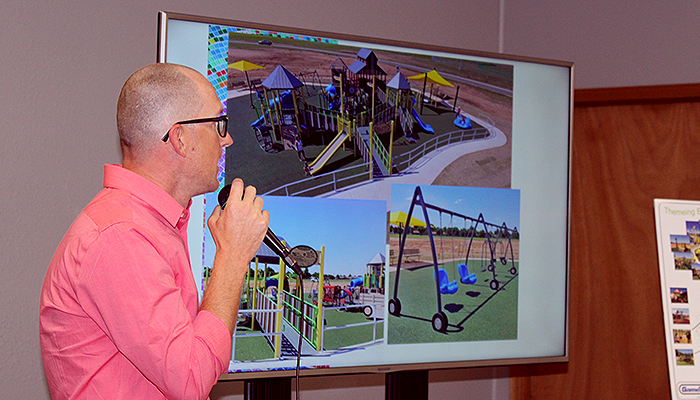
Brent Kaiser, ARC activities director, goes over features of a proposed accessible recreation complex in Hays during a Hays Area Chamber of Commerce Chamber Chat Friday morning.

The ARC is working with the city parks department on the project and will likely present to the city commission in the coming weeks. They are suggesting two locations for the park—one at Aubel Bickle Park and the other at Seven Hills-Optimist Park, which is in northwest Hays. Seven Hills is the ARC’s preferred location. It already has a shelter house and bathrooms. However, they do not know if parking would need to be added. The current park only has on-street parking.

No tax dollars will go toward this project. The ARC has set up a separate fund for its fundraising efforts for the project under its non-profit status. The group developing the park hopes to eventually gift the park to the city of Hays when it is completed.

The cost quoted for the park includes a turnkey facility. This includes landscaping, cost of equipment and labor.

Sarah Meitner of the Northwest Kansas Down Syndrome Society and mother of 4-year-old Abe who has Down syndrome, has been a champion of the project.

When Abe was a toddler, his physical abilities mirrored those of his peers. However, now Abe, who has hypotonia, has difficulty moving his muscles. His brain sends signals to his muscles about how and when to move, but sometimes those signals are delayed or he retains stiffness. He does not have the core strength to climb and swing like his peers.

Abe Meitner, 4, and his sister, Julia, 13, of Hays in a face-to-face Expression swing at an accessible park in Wichita. (Courtesy photo)

“What we would like to create is something that he could explore independently and feel that sense of empowerment while doing so and play collaboratively with his siblings or with other kids who are there,” Meitner said. “They won’t necessarily notice that he is a little bit slower and he is jumping a little bit lower.”

Abe is not alone. There are about 1,400 people with disabilities in the community who could also use this park.

“The impact of play is not just for fun,” Meitner said. “The impact for [Abe] when he plays, it is gross motor skill development, it’s cognition development, it’s fine motor [development] and therapy uses. There are really a host of benefits that can make this even more important.”

The recreation complex would be the only one of its kind in western Kansas and on the Interstate 70 corridor between Kansas City and Denver. Brent Kaiser, ARC director of activities, said he envisioned the park being a destination spot for people from all over the area who come to Hays to shop, do business and for recreation.

All the parks in Hays have wood or rubber chips, which are considered ADA compliant, but Meitner noted they can be difficult for people who use wheelchairs or walkers or who have limited mobility to maneuver in. The playground will have a rubber pad. The ball diamond will have turf with bases level with the ground to prevent tripping hazards for people with limited mobility.

Last year, the ARC started a co-ed softball team, but Kaiser said some ARC participants can’t play because of the uneven fields. The choice was made to use turf so all players in the community could use the space for games and practices.

“I would like to reach as many people as possible in this community, and an inclusive baseball field would be a big part of that,” Kaiser said.

The recreation complex would not only have accessible surfaces, it would have ramps, shaded areas, sensory elements and a shaded quieter area for children who have autism and may be easily over stimulated by sound and bright lights.

Example of an accessible splash pad in another community.

“We want to reiterate this complex is not just for children and adults with disabilities,” Meitner said. “This is for children and adults with all abilities, so they can play together. We don’t want anyone to feel excluded. We don’t want whoever in their house to say, ‘We don’t need a park for those people with disabilities.’ That is not it. This is bringing something new and exciting to our community for the whole community.”

The group is looking at using an ag and oil theme in the park to promote Hays. Kaiser talked about some of the features the group is seeking to install in the park. Some possibilities include slides with rollers and overhead hand holds to allow someone to slide without friction, a disabled accessible merry-go-round, monkey bars that are height accessible for people in wheelchairs and various types of swings for people with physical limitations.

Kaiser showed three types of swings: a harness swing, a disc swing in which someone can lie down, and a face-to-face swing. The group is shying away from wheelchair swings, because people can be injured if they are hit with the swing, and they can be pinching hazards.

Other features will generate light or music.

Examples of accessible sensory equipment.

Various features can be built side by side with features for able-bodied peers, such as monkey bars or swings. Side-by-side play has been found beneficial to children with disabilities, Kaiser said.

The splash pad will use recirculated water to preserve water resources.

Any amount will be taken as a donation for the recreation complex. However, sponsorship opportunities are available. They start at $500 and go up from there. The ARC will also be seeking letters of support for the rec complex to submit as they apply for grants and go before the Hays City Commission for approval.

If you have questions on the recreation complex or wish to donate, email [email protected]. You can also follow the Hays Accessible Recreation Complex on Facebook.


Hays Special Olympics athletes bring home honors from nationals

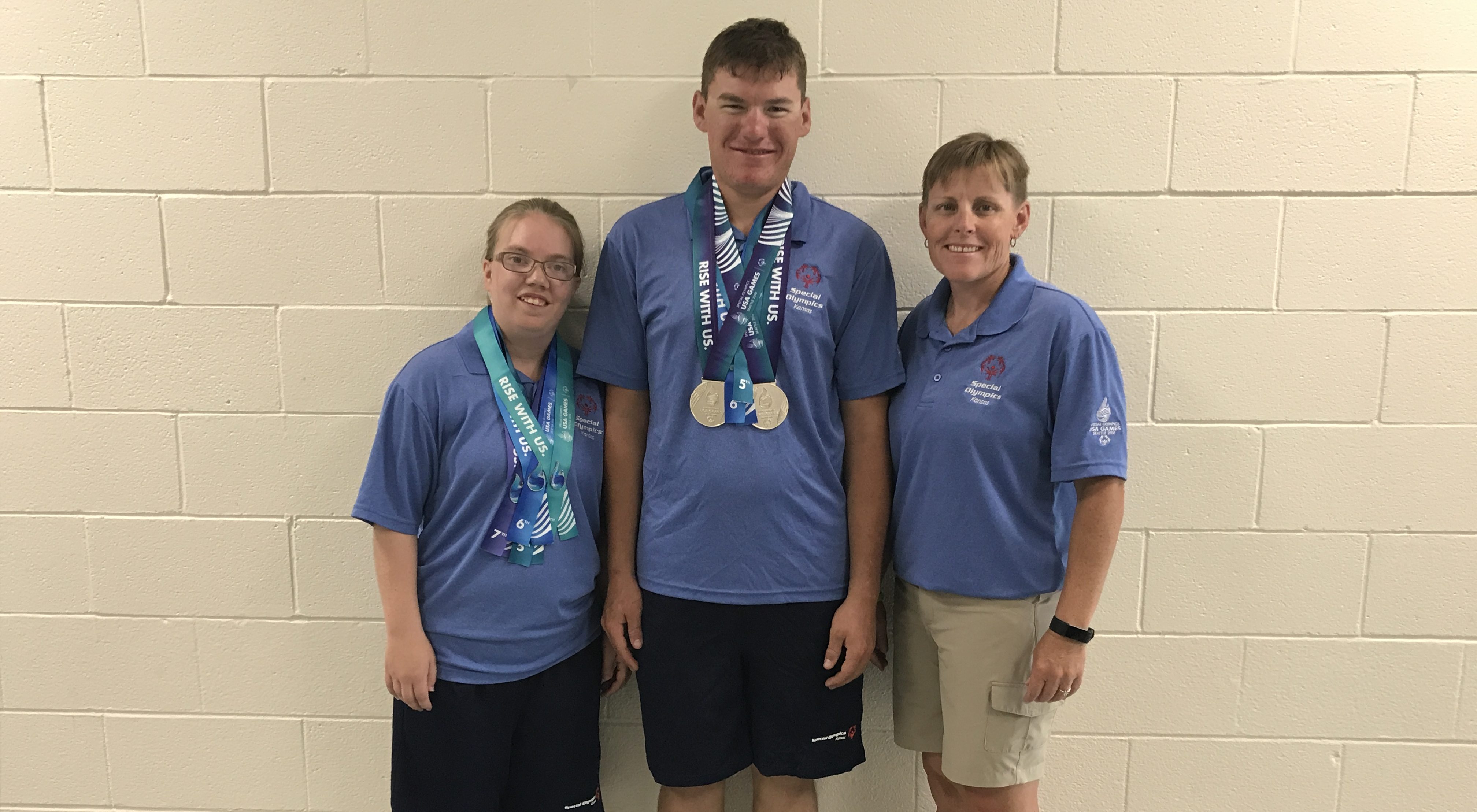
Kacey Dannels and Joseph Reed, Hays Special Olympics athletes, show off their national medals with coach Noalee McDonald-Augustine.

By CRISTINA JANNEY
Hays Post

Two Hays Special Olympics athletes returned from the Special Olympics USA Games in Seattle last week, both with fists full of awards.

Kacey Dannels and Joseph Reed both participated in track events.

Reed won silver medals in the 5,000 and 10,000 meters. He placed fifth in the 3,000 and sixth in the 4X100 relay.

Dannels placed fourth in the mini javelin, fifth in the shot put, seventh in the 100 and was also on the Kansas 4X100 relay team that placed sixth.

Both Reed and Dannels are athletes in The ARC of the Central Plains program and run with the local 5K Club, coached by Noalee McDonald-Augustine of Hays, who was the track coach for the Kansas team in Seattle.

The Special Olympics USA Summer Games are conducted every four years. They attract athletes of varying abilities from all 50 states. The participants ranged from 8 years old to athletes in their 60s. Both Dannels and Reed had to complete a lengthy application process to be selected to participate in the games. They also participated in fundraising for their trip.

Although winning medals is great, both of the athletes and their coach said meeting other athletes from across Kansas and nation was the best part of the games.

“It was a lot of fun getting to meet new people,” Dannels said. “We became close with team Kansas. I have several people on Facebook who have added me. We talked. It was awesome to meet everyone.”

Joseph Reed, Noalee McDonald-Augustine, coach, and Kacey Dannels, along with other athletes at a Special Olympics USA Games ceremony. Courtesy photo

Dannels said she became close with a fellow team Kansas tennis player as well as an athlete from Maryland.

The athletes stayed in dorms in an Olympic-village style setting. All of the Kansas athletes stayed on the same floor, which tightened the bonds between the team members.

The athletes were given pins representing their home states. They were encouraged to trade the pins as a means to become acquainted with athletes from other states. At closing ceremonies the athletes could trade T-shirts.

The athletes participated in a health fair at the games as well. Brooks Sports gave away new running shoes to any athlete who completed at least four stations of the health fair. Dannels brought home a new pair of shoes. She also received a new mouth guard from another station. The Lions Club performed vision screenings and gave away glasses and sunglasses to those who needed them.

“It was so neat that they came prepared for all of us,” Dannels said. “They were treating us like we were athletes. We had all sorts of levels, and they treated everyone like they were at the same level instead of one lower and one higher.”

Joseph Reed, Hays Special Olympics athlete, after winning one of his medals. Courtesy photo

Dannels and Reed with other members of the Kansas team watched their teammates participate in bocce and tennis. The team also took a boat tour of the harbor and a Mariners game, which was Joseph’s first trip to a professional baseball game.

Dannels said she enjoyed opening ceremonies and getting to march into a stadium full of people. As the athletes made their way from the dorms to the stadium, people lined the walkway almost a mile to cheer for the athletes. Members of Dannels’ family made the trip to Seattle to cheer for her during her competition, and Joseph had his own cheering section.

“It was nice that we had that support and people willing to travel and come up and see us,” Dannels said.

Both athletes said the competition was tougher than at their state meets.

Reed ran very closely with an athlete from Florida. He said the runner pushed him to go faster. He finished his 10K in 48:08, which was about 4 seconds faster than his previous personal best.

“It was hard,” he said. “We pushed each other.”

Hays Special Olympics athletes and their coach with two of their fellow athletes in Seattle. Courtesy photo

McDonald-Augustine was impressed with not only Reed’s performance, but her other Kansas athletes and the whole field of competitors.

“Not just Kacey and Joseph, but I had two other track athletes from Kansas,” she said. “All four of them performed great. They worked hard, certainly gave it their all. It was just really awesome to see them compete against others of similar and higher capabilities.”

She said some athletes were running the 100 meters in high school and college times. One of the runners in another section of the 10K posted a time of 35 minutes. McDonald-Augustine really said high performing athletes help inspire others to push themselves further.

Dannels’ next goal is to compete at the national games again in four years in Orlando. Reed is training for a half marathon and hopes to run in the Prairie Fire half marathon in October in Wichita.

The ARC is always in need of volunteer coaches. To learn more, contact Brent Kaiser, activities director, at 785-639-4010 or by email at [email protected].

Catholic Charities offers assistance to those affected by Hays flood

Hays Post

Catholic Charities has announced it will offer assistance to those affected by the July 6 flash flood that hit Hays.

Cash assistance as well as food or clothing is available.

Catholic Charities offers non-denominational assistance. Proof of income is not required, but the organization would like to record addresses of those affected.

Jeanie Warner, Catholic Charities marketing, media and data coordinator, said the organization has contacted the city about the flood damage, but has not been able to determine who or how many people may have been affected.

To receive help, call 785-625-2644 or visit the Catholic Charities office at 122 E. 12th St. in Hays. The local office is open 8 a.m. to 5 p.m. Mondays through Thursdays and 8 a.m to 2:30 p.m. Fridays.


USD 489 families can apply for free, reduced-price lunches

USD 489

Please see attached information regarding the availability of free and reduced-price meals for the upcoming school year.

If you think your children may be eligible, you can apply online at www.EZMealApp.com.

In addition, don’t forget to complete the Consent for Disclosure for the district to waive your child’s fees at enrollment if you qualify for free meals. Paper applications and consent forms are available upon request. 

Also attached to this email is USD 489’s Unpaid Meal Charge policy for all students, adopted by the Board of Education last year.

Unpaid Meal Charge Policy 

Print application link

If you have questions regarding any of this information, contact Jessica Younker, USD 489 director of nutrition serviceat 785-623-2400.

Raising goats a family affair at Sonrise Farm in Pfeifer

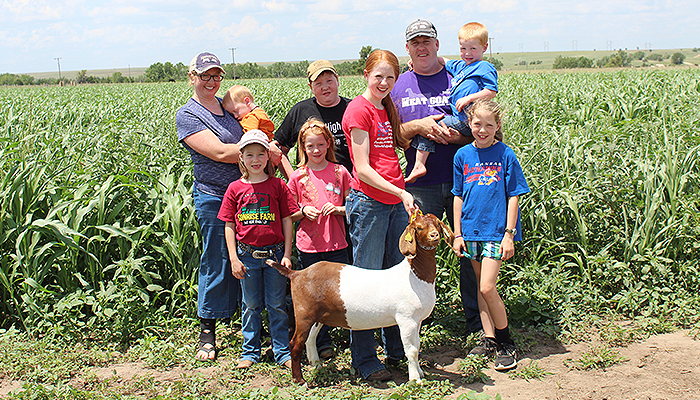
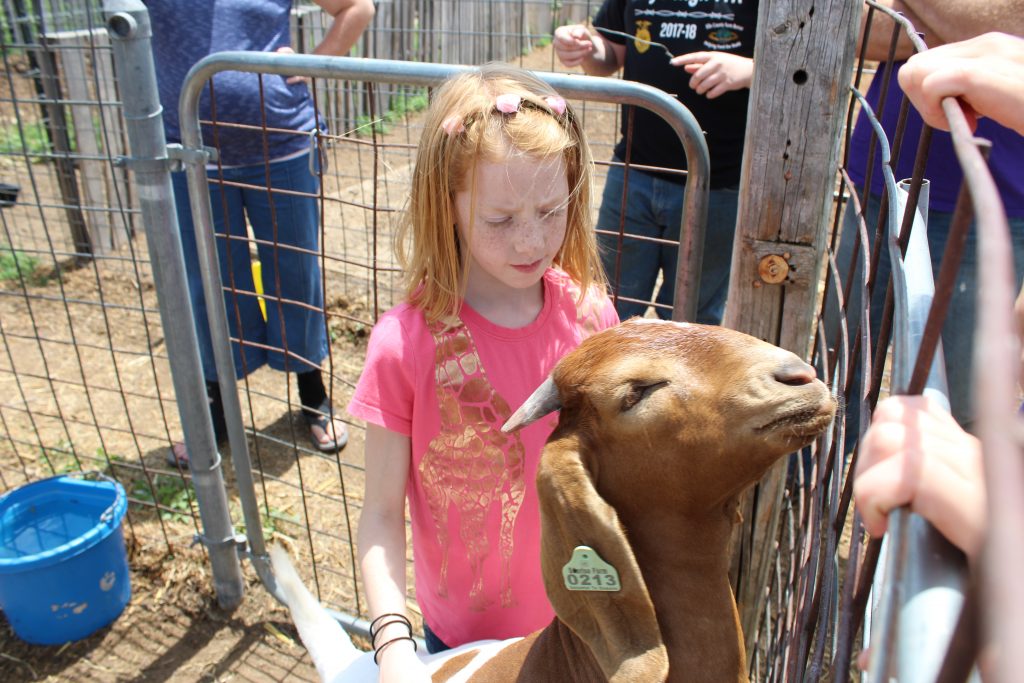
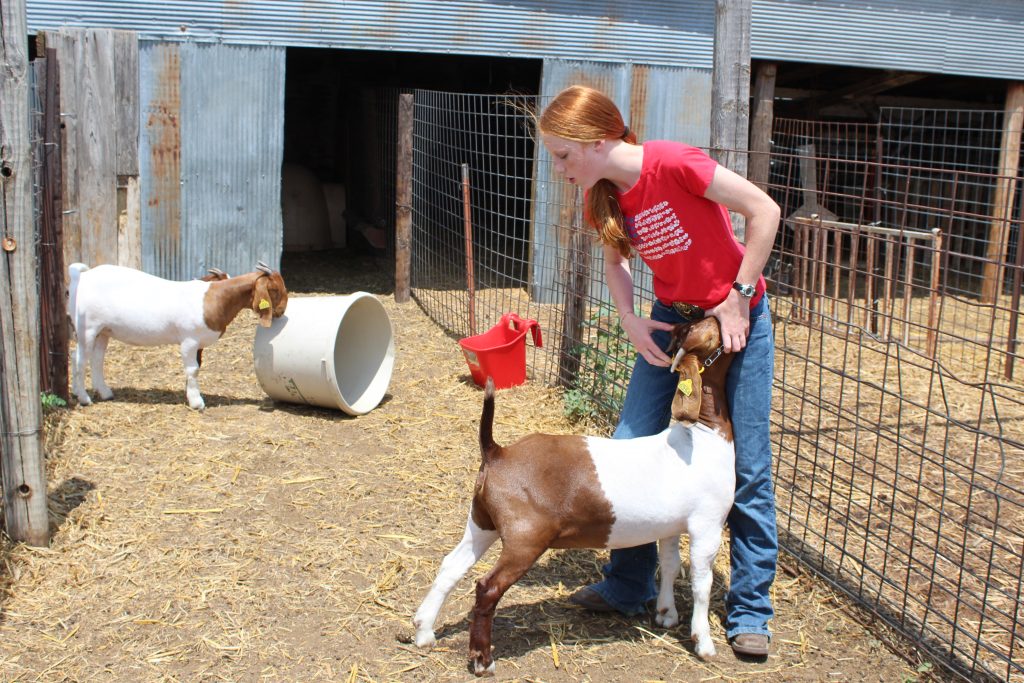
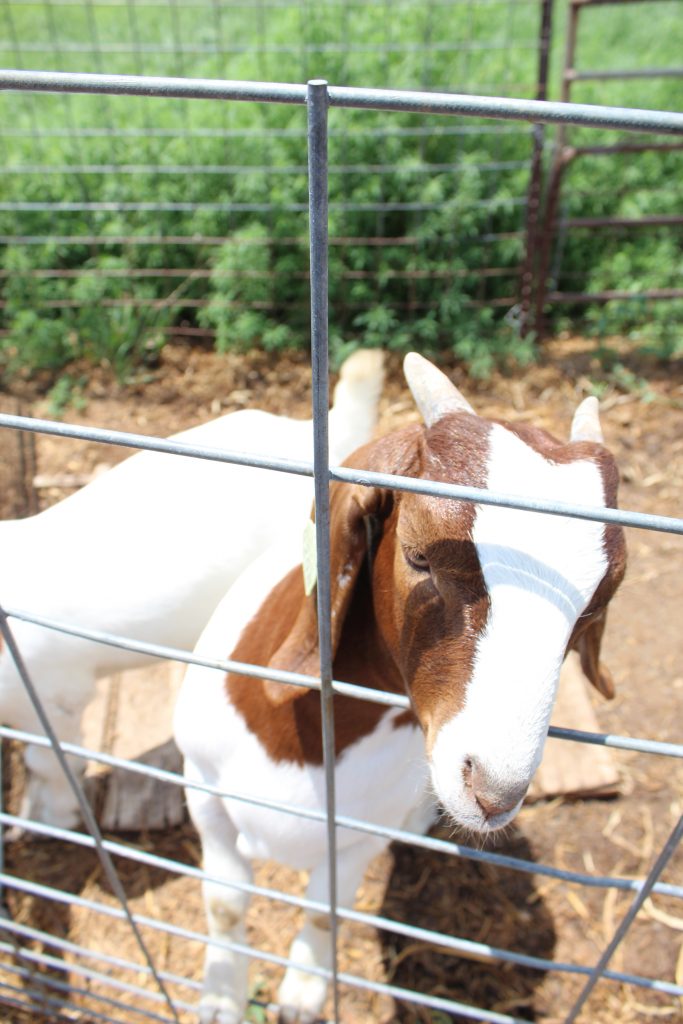
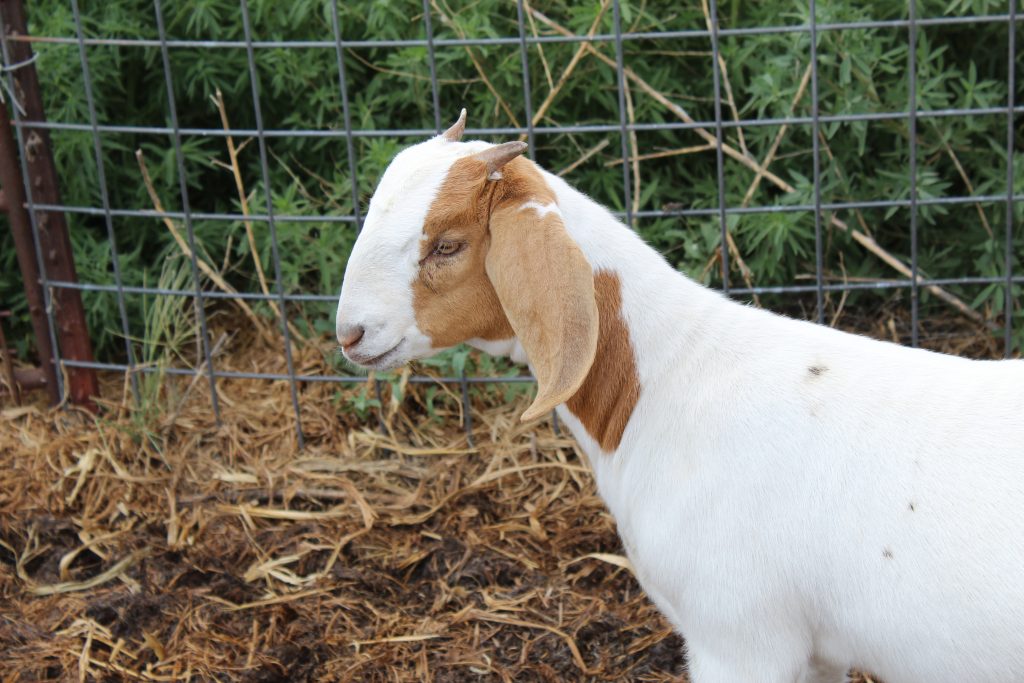
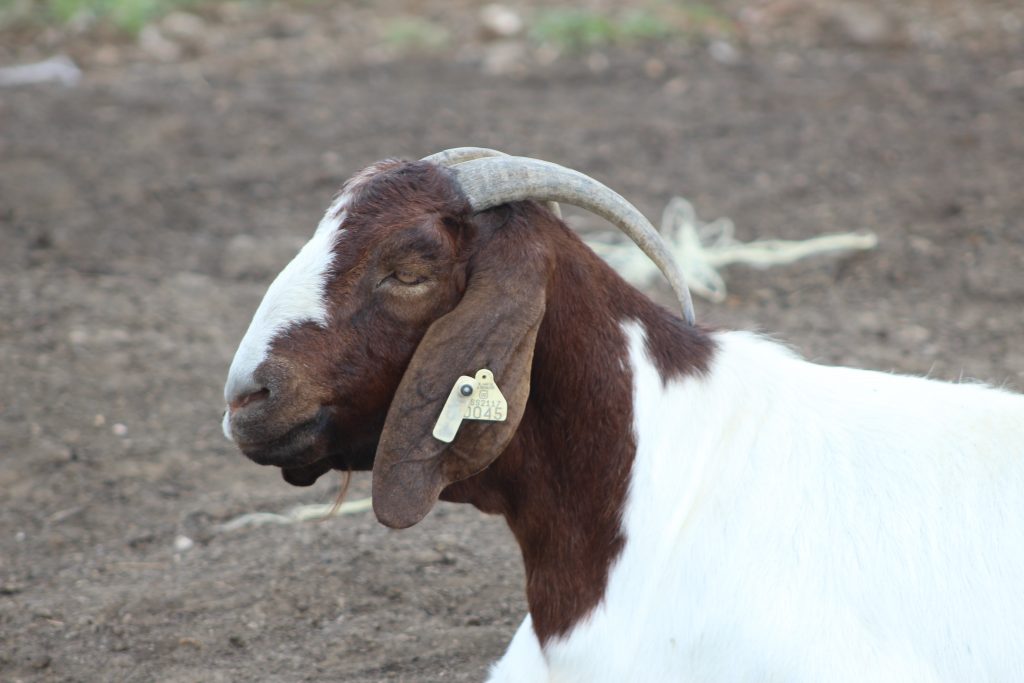
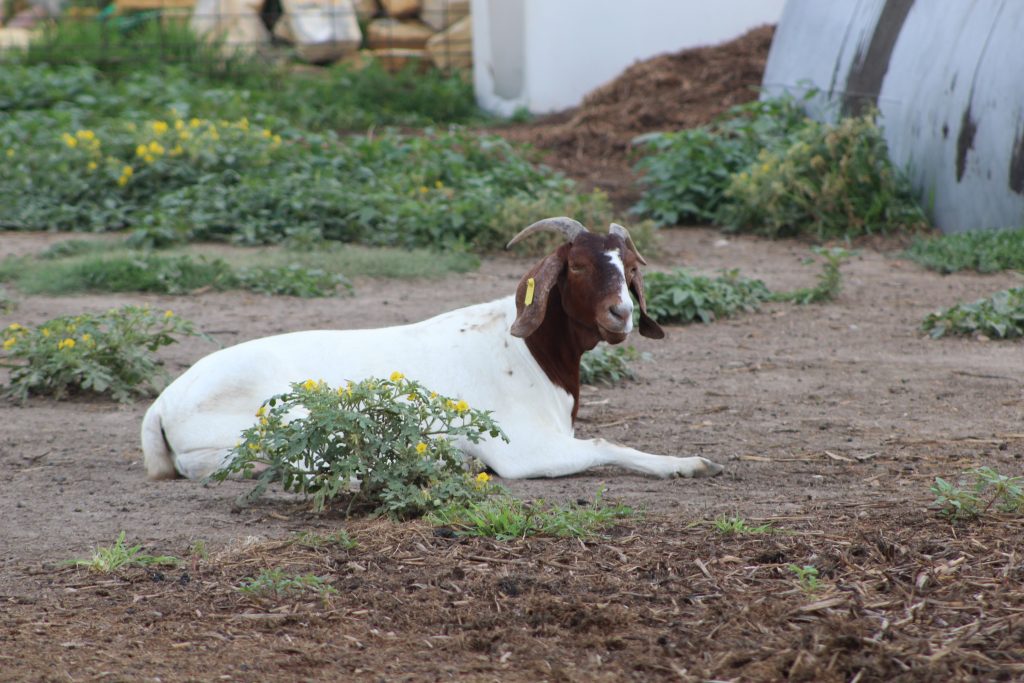
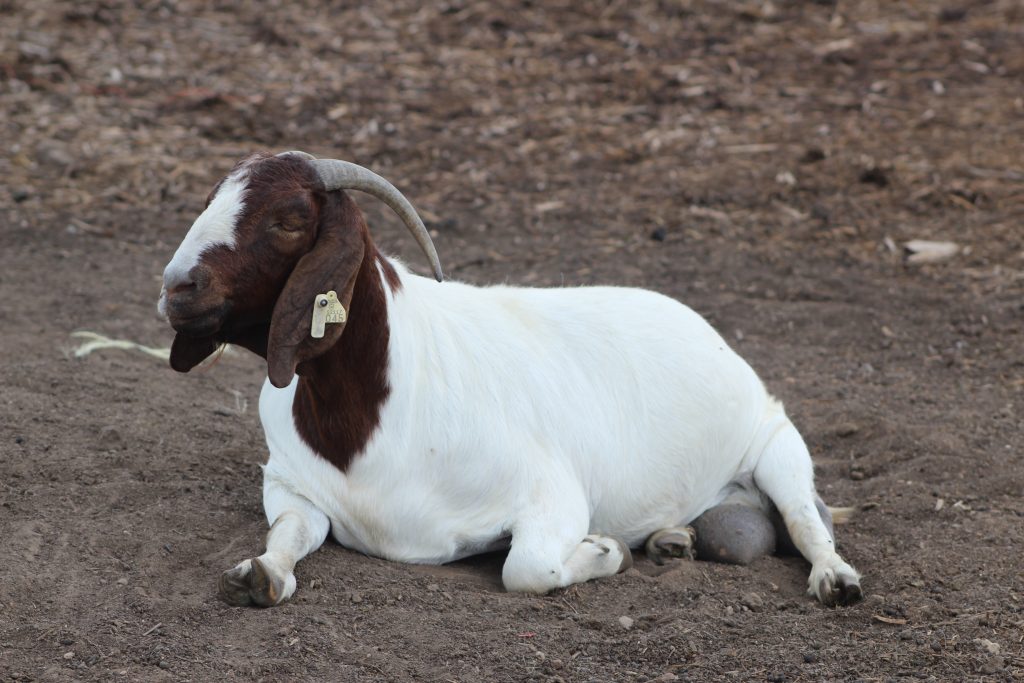
The Neher family with one of their show Boer goats. From left rear: Jessica, Tucker, Kaleb, Jeff, Joshua. Front from left: Mya, Esther, Karli and Ella Neher. The family runs the Sonrise Goat Farm in Pfeifer.

By CRISTINA JANNEY
Hays Post

PFEIFER — You could say goats are the glue that hold the Neher family together.

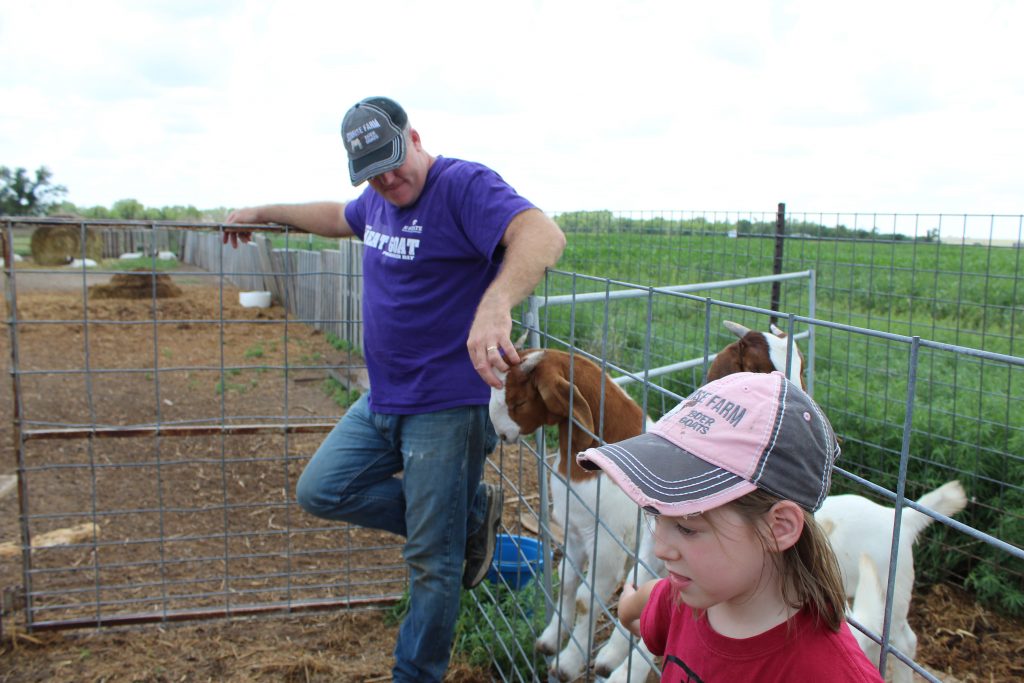
Jessica and Jeff Neher, along with their seven children care for more than 100 goats on their 15-acre Sonrise Farm on the edge of Pfeifer. Jeff is the youth pastor at North Oak Community Church. He and Jessica started raising goats five years ago as a project to teach the children responsibility and life science.

“This is mainly to give our kids responsibility, teach them to work, teach them to be accountable for something,” Jeff said. “For us to play sports, can you imagine us taking seven different kids to seven different teams in seven different directions? We couldn’t imagine that. This is something that our whole family can do together, and we work the goats together. When we go show, we all go together. It is something our whole family can do together.”

Jeff grew up on a dairy farm near Hutchinson, so caring for animals has always been part of his life. He wanted to give that experience to his children.

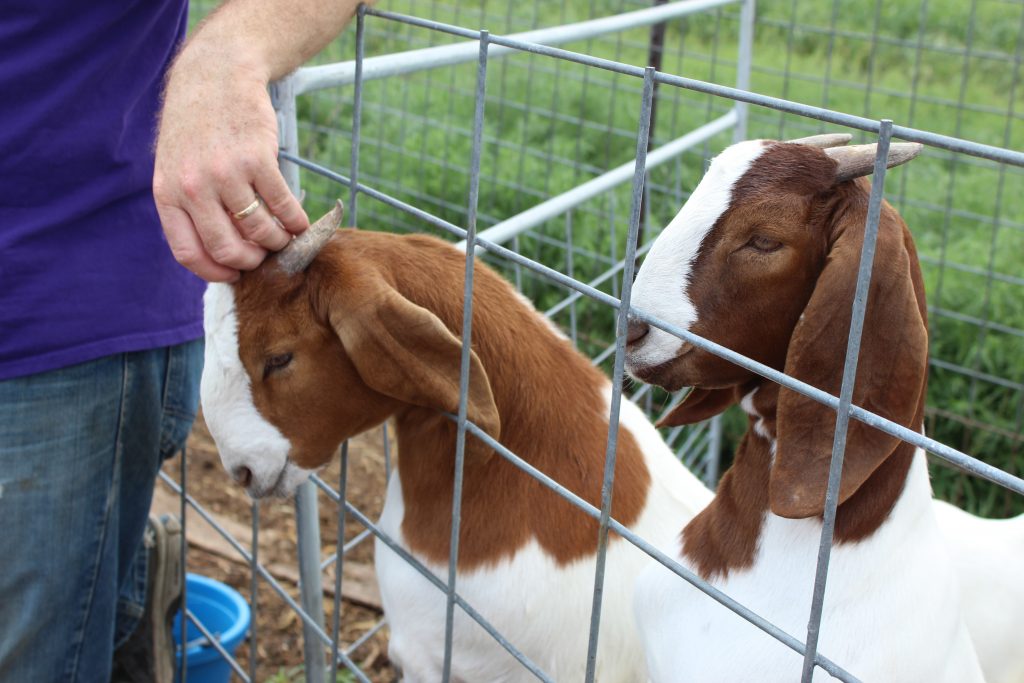
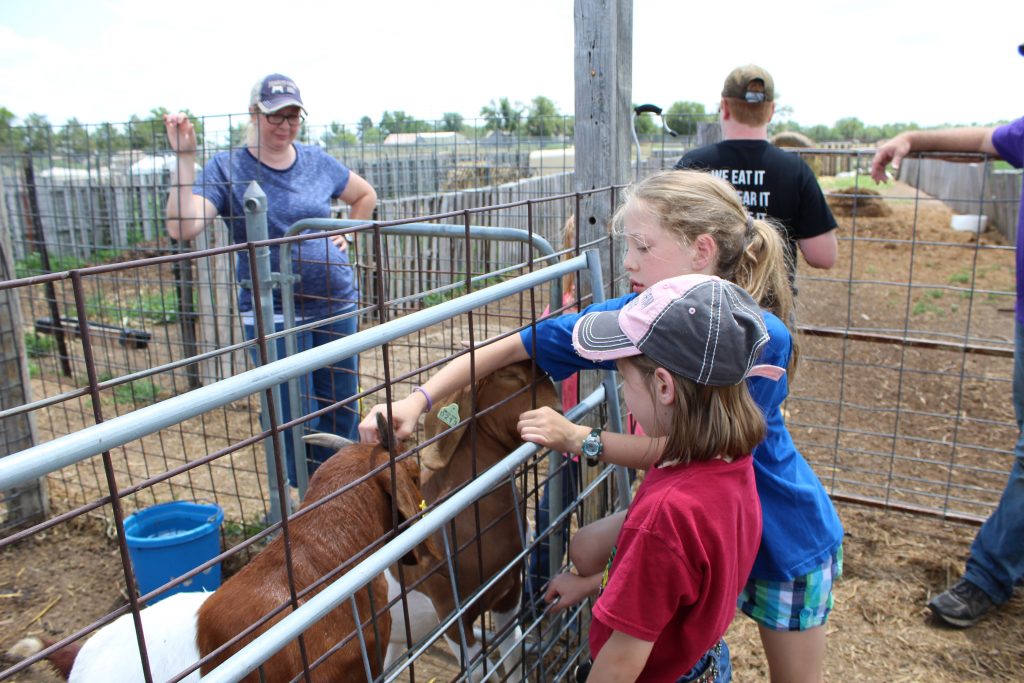
The Nehers primarily focus on show goats that are sold to 4-H youth. The family recently had a clinic for local 4-Hers at their farm.

However, the family also raises meat goats and a few milk goats.

The family originally became involved with goats for their milk. The family was drinking about a gallon of milk per day. A milk cow was too expensive, too big and too hard to handle, so the family decided to purchase a milk goat from a neighbor who had a milk goat dairy. Karli, 13, the oldest daughter, today milks and cares for the Nehers’ three milk goats.

Although you can use goat milk to make soap, lotion or cheese, the Nehers drink most of their goat milk.

The children wanted to show goats at the county fair, but the fair did not have a category for milk goats, only meat goats, so the family bought meat goats.

“It just kind of exploded from there,” Karli said.

The goats breed in the late summer and give birth in January and February to two, three and sometimes four kids (baby goats). The family sells their wethers in the spring primarily to 4-H kids. These are castrated males—the equivalent of steers—that will be raised as show goats. Does, female goats, are sold for show or to breeders to build up their herds. About half of the Nehers’ Boer goats are registered.

The more significant money is made on the show goats, and that is where the family tends to focus. Prices range widely. Goats can sell for as little as $75. Most of the Nehers’ show kids sell for $250 to $300. Bucks cost about $600. The most pricey goat they ever sold brought $1,600. However, an elite show goat from another breeder sold last fall for $56,000.

“A lot of people have the goat deal in Kansas. 4-H wise it has really exploded,” Jeff said. “It is a lot cheaper than a steer. Some of these steers are $2,000, $5,000. A lot of families just can’t afford that, and they don’t have that place to house them. And goats have great personalities. They are kid friendly, and a lot more manageable to feed and take care of.”

Boer goats, which is the breed the Nehers raise, were imported from South Africa to the U.S. in 1993. The biggest challenge in the Kansas climate is parasitic worms. Keeping up with trimming feet and pairing the goats for breeding is also time consuming, Jeff said.

The family also sells some of its herd to processing plants for their meat. Goat meat has more protein than beef and less fat than chicken.

“It is one of the most healthy meats available,” Kaleb said.

The meat is highly sought after by Middle Eastern immigrants, Hispanics and Island people, Jeff said. The U.S. is importing about 1 million pounds of goat meat per week. Most of the meat is shipped to large cities like Chicago, New York and Philadelphia where there are larger concentrations of these immigrant populations. The Nehers are getting about $2.65 to $3 a pound for their goat meat at the sale barn.

Occasionally, the Nehers sell some goat meat locally. A group of Saudi Arabian students from Fort Hays State University visited the farm, butchered and roasted some of the goat meat, sharing some of the feast with the Nehers.

Mya, 6, the youngest girl, crinkled her nose, saying she did not like the taste.

Each child in the family has goat chores. Kaleb, 15, waters and cleans water buckets. Karli, 13, milks the milk goats. Ella, 9, helps with hay. Esther, 8, and Mya, 6, help where they can, such as carrying buckets of water. Joshua is 4 and the Tucker, the youngest, is not quite 2. All three of the oldest children along with Jessica help deliver kids. Goats need more help delivering than a cow, Jessica explained. Ella proudly acknowledged she helped deliver her first kids this winter.

“Boer goats have to be watched closely and often need help when they are kidding,” Jessica said of the birthing process. “That requires a lot of our time. Everybody has to pitch in and be patient. Little kids participate in that they have to be patient with everything. Dinner might not happen, and grandma might be here when they wake up to take care of them because the rest of us are out taking care of babies being born. Kidding season requires flexibility from all of us, and we learn so much, don’t we?”

To learn more about Sonrise Farm, follow them on Facebook or email Jeff at [email protected].


Hays father, daughter team to create dinosaur books

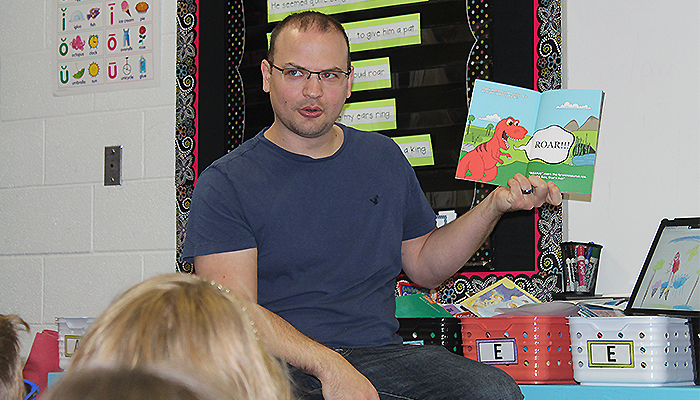
Josh Dechant of Hays reading his book “Hello Roara” to students at the Hays USD 489 Summer Reading Camp.

By CRISTINA JANNEY
Hays Post

What started out as just a fun project for Josh Dechant and his daughter, Marley, to explore reading and science has blossomed into a series of books about a giant, friendly, red dinosaur named Roara.

Dechant, 32, has three books that have been published: “Hello Roara,” “Where’s Roara,” and “Macara’s Treasure.”

Dechant did not start out with the intent to be an author. He is an app designer.

When Marley, now 6, was a baby, he began to read to her. He eventually started to have Marley do small activities with the books. He asked her to look for a cloud or look for a tree. The father and daughter also made up some of their own stories.

Dechant started the Roara project with the intent of creating a hunt-and-find app, but it evolved into a book. Dechant worked side by side with his daughter in the creation of the book and its characters.

“Every piece of Roara, she had a hand in,” Dechant said.

Marley with a “Hello Roara” book

Marley liked to visit the Sternberg Museum of Natural History and specifically enjoyed the T-Rex, although she was initially scared of it. The father and daughter decided their main character would be a dinosaur.

Dechant sketched pictures of the character and other illustrators he had worked with on apps did the same. Marley chose the images she liked best, including Roara’s red color. She also picked the dinosaur’s name.

“All of this time, she was still 2. Basically everything was designed for her,” Dechant said.

He had help creating the characters and original illustrations on the first Roara book. He took those beginnings and reillustrated the first book. Tamara Forge wrote the story after Josh and Marley had worked out the characters. Dechant then self published.

Dechant intended to just create the first book, but a second book was soon in the works.

“People like it, and it was a lot of fun to do,” he said. “I really enjoy it, and Marley really enjoys it, so we ended up doing more than going past that first book. It has really been a fun journey. ”

Dechant does all of his own marketing. He has been selling his books through book fairs and Amazon, and at museums, including Sternberg in Hays and the and Smoky Hill Museum in Salina.

“I really like to talk face to face with people about the book,” he said. “It is not just another book on a shelf. It is something me and my daughter created. It is just a really cool thing for me to talk about.”

They have attended book fairs in Topeka, Las Vegas, and Dechant was invited to speak to a classroom in Berkley, California.

Dechant recently read the Roara books to children in Hays USD 489 Summer Reading Camps at O’Loughlin and Wilson schools. He also told the children the story behind creating Roara and gave them the opportunity to create their own books.

“We had some really cool stories between both schools in all the classrooms that we visited,” he said. “There were just really funny stories that these kids came up with. They are so creative, and they are so awesome at telling their own stuff. It was fun.”

“I had a great time. It was an awesome experience, and I am glad Marley got to come with me,” he said.

Dechant said the Roara books have been popular enough he plans to publish more. He has three more books that have been written and are waiting for illustrations.

“Macara’s Treasure” is the first in a series. Dechant wrote this book and had it illustrated by someone else. The series includes STEAM activities. He has created Adventure Crates to go with the books that include science experiments.

In “Macara’s Treasure,” Macara has been looking for a magical treasure. She finally finds the island where the treasure is hidden, but she forgets her supplies. The reader has to help her create items, such as a compass. The child also goes through a map maze.

Dechant has several of these STEAM books in the works, but they are not yet ready for publication.

“This was just a little project, a fun thing to do with Marley,” he said of the books. “I never thought it would be that big. I never thought I would be invited to classrooms.”

Dechant’s wife owns a dance studio in town. A mother of one of her students realized Josh had written the Roara books. She told his wife “Hello Roara” is her son’s favorite book, and they read it every night before bed.

“How cool is that?” Dechant said. “I think that is just awesome that people are reading it to their kids and they love it just as much as we do.”

Find out more about Roara and print out coloring pages at roararex.com.

Jana’s Campaign receives Nebraska Community Partnership Award

Submitted

Jana’s Campaign Inc. was awarded the 2018 Partnership Award at the Family and Consumer Sciences Teachers of Nebraska Recognition Banquet in Kearney, Nebraska. This award recognizes individuals or groups who help support FCS Education in Nebraska schools. Jana’s Campaign is proud to be chosen as this year’s recipient.

“The staff and board of directors at Jana’s Campaign are honored to receive this award. We know we are only able to do our work and share our prevention message with students because of the great partnerships we have with teachers and schools. Their invitations to classrooms and school assemblies means we can share information about the red flags of unhealthy relationships to help prevent dating and sexual violence before it begins,” said Kim Cebula, executive director for Jana’s Campaign.

Nebraska FCS integrates family and career readiness with technical skill instruction within a critical science perspective. Since 2015, Jana’s Campaign has collaborated with 72 Nebraska FCS teachers and 98 schools to provide education about teen dating violence in addition to their work in Kansas and Colorado.

Jana’s Campaign is a national education and gender violence prevention organization in Hays. The organization was created in honor of Jana Mackey who lost her life to domestic violence in 2008. Mackey, a law student at the University of Kansas at the time, spent years volunteering and helping victims of sexual assault and domestic violence.

In addition to providing prevention education in middle and high schools, Jana’s Campaign also works with colleges and universities to prevent and respond to dating and sexual violence on campus. The organization similarly provides community prevention education through workshops, speaking engagements, community service projects and social media. In 2017, Jana’s Campaign also received the Merit Award from the Kansas Association of Teachers of FCS.

More information about Jana’s Campaign can be found at the website: janascampaign.org

McLaren honored with Citizen Award; WWF parade, egg hunt winners announced Saturday

Hays Post

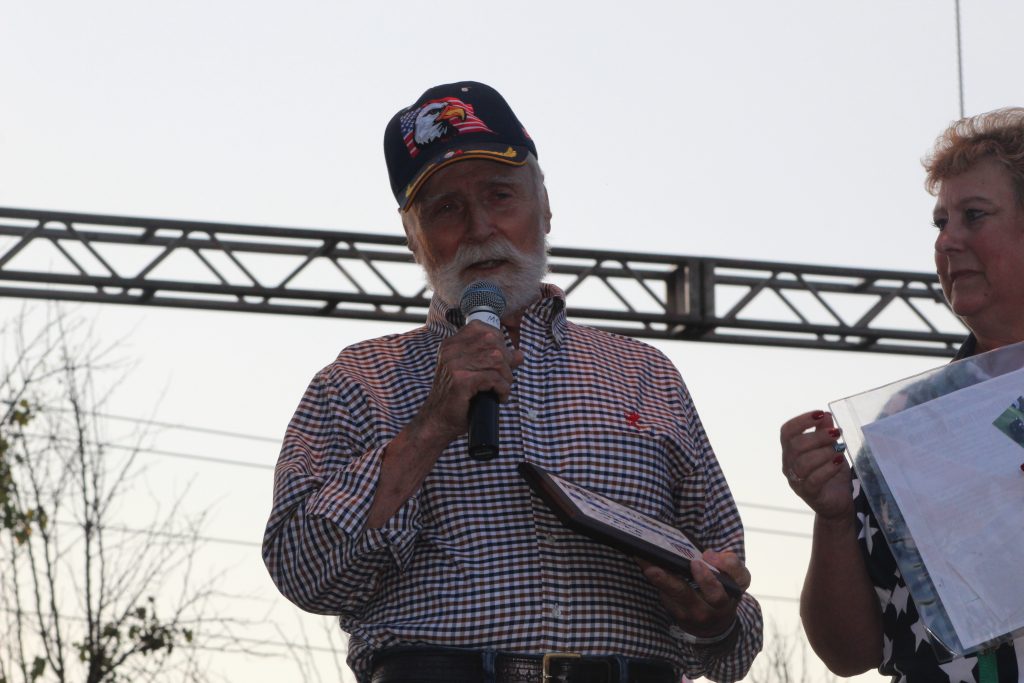
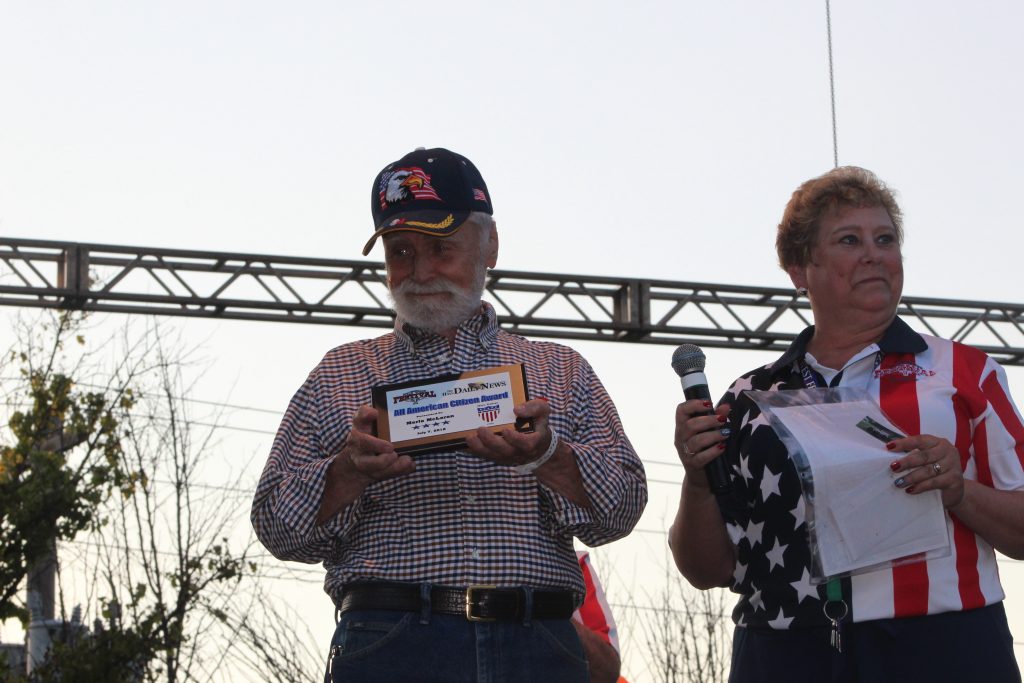
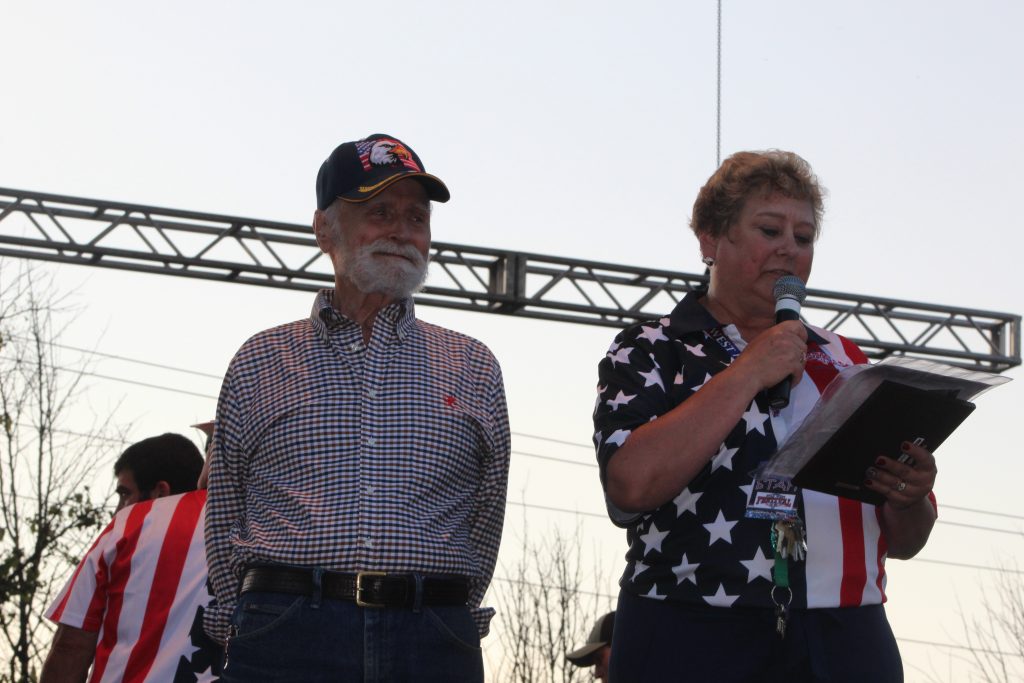
Merle McLaren, 89, of Hays was honored Saturday night with the Wild West Festival All American Citizen Award.

McLaren served in the Air Force during the Korean and Vietnam wars. He is a member of the VFW Honor Guard.

He ran the Hays GMC dealership and was instrumental in development on north Vine Street.

Day Trippin’: U.S. 36 offers history, mechanical marvels, furry friends

By CRISTINA JANNEY 
Hays Post

On the map: U.S. Highway 36 Norton to St. Francis Distance from Hays: 189 miles Drive time: 3 hours

I can’t really call my latest adventure in northwest Kansas a Day Trip.

My nephew and I were on our way to Denver for the an extended weekend and decided to take the scenic route. However, you could complete our U.S. Highway 36 odyssey from Hays to St. Francis in a day if you wished. Diverting from the usual route to Denver, we turned off Interstate 70 at WaKeeney and headed north on U.S. 283.

Norton

Although you pass through Hill City and very close to Nicodemus, which is just west of Hill City on U.S. Highway 24, our first stop was in Norton.

For such a small community, Norton has done much to preserve its historic architecture. Forty-four properties in the downtown are part of the Norton Downtown Historic District, which is on the National Register of Historic Places.

Three gas stations from the 1920s and 1930s have been restored in downtown Norton. All three are on the National Register of Historic Places. The 1934 Kent Filling Station was donated to Norton County and houses the Norton Area Convention and Visitors Bureau, Norton City/County Economic Development and Norton Area Chamber of Commerce.

Norton County Courthouse

We stopped into the office and someone from economic development loaded us up with information on history, attractions and businesses in the county and all along the U.S. 36 corridor. The Underwood Conoco Station, Main and First, circa 1928, is still used as a garage by a local classic car enthusiast, and the Sinclair Station, circa 1925, Washington and First, is used as an office building. The Norton County Courthouse, built in 1929, is also on the NRHP.

The historic Heaton Building, built in 1906, 112 S. Kansas, was recently restored. It houses retail businesses and a coffee shop on its lower floor and offices upstairs. It has beautiful skylights on the second floor. Also in the historic district is the Norton Theatre, built in 1906. The stucco building still has its original green marquee. Today it is run by volunteers.

Destination Kitchen, 115 Main, is filled with kitchen gadgets and premium cookware. They serve lunch in the back, which includes sandwiches, soups and brick oven pizza. The city of Norton was under a boil water advisory during our visit, so we decided to press on to Oberlin for lunch.

“They Also Ran” Gallery

A couple of doors down from the Destination Kitchen is “They Also Ran” Gallery. If you don’t pay attention, you will miss it because it is located on the upper floor of First State Bank. The gallery includes photos and information on all the major candidates who ran and lost their bids for U.S. President. You will likely recognize many names on the walls as people who at some time later won a bid for the country’s highest office.

However, there are also those who tried, tried again, tried yet again and still never had political success, such as Henry Clay who ran repeatedly from 1924 to 1948 for president and was never elected. Two native sons of Kansas are among the also ran. Republican Sen. Bob Dole lost to Bill Clinton in 1996 and Republican and former Kansas Gov. Alf Landon lost to Franklin Roosevelt in 1936 in a landslide. Landon won only two states and neither was his home state of Kansas. Admission is free. Donations are accepted.

Frederic Remington sculpture in lobby of First State Bank in Norton.

The bank also has a number of Frederic Remington sculptures, among them a cowboy on horseback in the main lobby. Remington was noted for his vivid bronze depictions of life in the Wild West.

The Pike’s Peak Express stagecoach once stopped in what is today Norton on its run from Leavenworth to Denver. A replica of Station 15 on the line offers a self-guided tour to see what the station would have looked like circa 1859. William Russell, partner in the Pike’s Peak Express, later was a partner in the Pony Express. According to information on Station 15, William Bonney Sr. was a station manager on the line and William Bonney Jr. AKA “Billy the Kid” was born in one of the line’s stations.


Prairie Dog State Park


Prairie Dog State Park is four miles west of Norton on U.S. 36. Just inside the park entrance is a prairie dog town. You can pull off and take pictures or just observe in a shaded picnic area. Prairie dogs have been historically thought of as vermin by farmers and ranchers, but biologists believe the animals are essential to the prairie ecosystem, turning soil with their burrows and channeling water into the water table. I think they have a high cuteness factor. My nephew was excited to have the opportunity to see the animals for the first time in the wild. A set of binoculars or a telephoto lens will help you get a better look.

Keith Sebelius Reservoir at the park also offers fishing, walk-in hunting, nature trails, water recreation and camping. You will need a state park permit to enter the park. Day permits run $5 per vehicle.

U.S. 36 runs from Indianapolis to Denver, including the entire length of Kansas. We did not stop there, but there is a U.S. Highway 36 Museum in Norcatur, 15 miles west of Norton. The museum is in a former bank and seeks to preserve the history of the highway and the U.S. 36 Association, which was formed in 1913. The association sponsors an annual  garage sale during the third week of September that runs 400 miles from border to border. This year it will be Sept. 14-16.

Oberlin

Hungry, we were looking for an interesting place to eat in Oberlin, and we found it. We stopped at the Teller Room Restaurant/ Landmark Inn, 189 S. Penn. The 1886 brick bank, which is on the NRHP, serves lunch during the week and dinner on the weekends on the ground floor and has suites on the second floor. The menu changes daily. My nephew and I enjoyed quiche with fresh fruit and toast. The formal setting of the restored bank building had my 13-year-old nephew displaying high manners, including a napkin in his lap.

Stroll under the covered canopies downtown to explore a variety of shops and antique stores. As you drive through the community note the barn quilts in residents’ yards. A tour list is available at area business. The Teller Room had information the day we were there.

Oberlin pioneer family sculpture by Hays’ Pete Felten.

The Decatur County Last Indian Raid Museum is an extensive network of historic buildings chuck full of artifacts from the community. The name pays homage to the last known Native American raid in the area in 1878. Cheyenne Chiefs Dull Knife and Little Wolf were fleeing their Oklahoma reservations, seeking to return to the Black Hills. The raid left 19 settlers dead. A monument to those settlers who died in the raid is at the Oberlin Cemetery just off U.S. 36. Admission to the museum is through donation.

If you are in Oberlin during the first week of August, you can attend the longest-running home-owned carnival in Kansas. The carnival has a Ferris wheel and other spinning rides.

A nice photo op is the pioneer sculpture in the middle of Penn St. It was created in 1971 by Hays native Pete Felten.


St. Francis

My brother-in-law has been a long-time Harley owner, so my nephew deemed a stop at the St. Francis Motorcycle Museum, 110 E. Washington, a must. The museum houses more than 115 motorcycles, including rare early Harleys and Indians.

The museum exhibits one of only two known 1902 Orient motorcycles—the earliest manufacturer to use the term “motorcycle.” The museum also houses 30 motorcycles older than 1929 (several of which only five or fewer are known to exist), according to its website. The museum is open seven days a week. Admission is a $7 suggested donation.

Parched from the road, we stopped in Fresh Seven Coffee at Union Square, 312 W. Washington. This coffee house started as a food truck and now is in an enclosed space that is reminiscent of a backyard patio with graffiti art on the concrete ways and brick pavers on the floor. Fresh Seven serves breakfast, lunch and dinner as well as cocktails. Find more on this quirky little coffee shop on the High Plains on Facebook.

Other stops of note in St. Francis are Sawhill Park, which contains a band shell that was constructed by the WPA. It is on the National Register of Historic Paces. The Cheyenne County Courthouse, 212 Washington, is also on the NRHP. The Quincy Gallery and Cheyenne Center for Creativity, 109 N. Quincy, features local and regional artists.
Philip and I’s original intent was to travel up to the Arikaree Breaks, which run north of St. Francis into Nebraska. However, we were tired and decided to press on to Denver. The breaks are sometimes referred to as Kansas’s grand canyon. You will encounter dry-weather roads. Maps are available at the Cheyenne County Museum in St Francis.

West from St. Francis on U.S. 36 a mile and a half and then north on U.S. Highway 27 is the Cherry Creek Encampment. The site was a place of assembly for Native Americans after a massacre of Cheyenne at Sand Creek on Nov. 29, 1864. Members of the Cheyenne, Sioux, and Northern Arapahoes gathered and formed an estimated group of 1,000 warriors to attack Julesburg on the South Platte River in retaliation. They attacked the stage station there on Jan. 7, 1865, and returned to Cherry Creek with plundered supplies to celebrate their victory. Today metal sculptures by Tobe Zweygardt mark the spot.

My next trip will be to Wilson Lake and the City of Wilson to explore Czech heritage in Kansas. See you on the road!

Other links to check out while you are planning your trip:

The Norton Local

Kansas Department of Wildlife, Parks and Tourism 

Oberlin Convention and Visitor’s Bureau

City of St. Francis

Cheyenne County Museum

Cheyenne Theater

Hays officials report safe Fourth of July holiday

By CRISTINA JANNEY
Hays Post

Despite the bangs and pops over the last several days, the Hays Fire Department reported only a couple of minor incidents related to fireworks.

The HFD responded to two small grass fires that were quickly extinguished. Just after midnight Thursday morning, spent fireworks left on a porch reignited and melted siding on a home at 312 E. 13th.

Interim Fire Chief Ryan Hagans said the damage was confined to the exterior of the home and no one was injured.

Hays Police Chief Don Scheibler said the city received 16 fireworks complaints from June 27 through Thursday morning. Most of those complaints were made on Tuesday and Wednesday and were regarding fireworks being shot between 11 and 11:59 p.m., after the hours allowed by city ordinance.

Although the city will continue to track complaints through today, fireworks in the city of Hays are prohibited as of 11 p.m. last night. No tickets were issued, Scheibler said.

He urged people who may have shot fireworks over the holiday to make sure any trash is picked up and any debris cleared from the roadway.

Scheibler also said traffic control for those watching fireworks went smoothly Wednesday night.

Both chiefs said Hays had a quiet and safe Fourth of July holiday.

Hays Christian Church sets Summer Fun Vacation Bible School

Join Hays Christian Church for Summer Fun Vacation Bible School.

Each day students will learn an amazing Bible truth, create an interesting craft, enjoy a tasty snack and play an active game.

Plus there will be great music and tons of fun.

Kids ages 3-high school are invited to the fun at 6:30-8:45 p.m. July 9-13 for ages 3-grade five. Grades six-12 will meet from 9 to 10 p.m.

There will be a closing program, barbecue and bounce house at 10:45 a.m. Sunday, July 15.

All are welcome and there is no cost to attend. Please pre-register at hayschristianchurch.org. For more information, visit the website or call Lori at 785-639-3063.

Copyright Eagle Radio | FCC Public Files | EEO Public File