To find out more about The Post Podcast, or subscribe to mobile notifications click here.
Author: Hays Post
These programs pay Kansas farmers for crops they won’t harvest


By Corinne Boyer
Kansas News Service
GARDEN CITY — Three years ago, rancher and farmer Jay Young got intrigued by a YouTube video.
A North Dakota farmer championed the idea of cover crops — plants that would be considered weeds in many other contexts — as robust plants for his cattle to graze on.
Young applied the cover crop strategy – rotating rye, radishes, turnips, oats and barley – to his land just east of the Colorado border. The plants held the soil in place, trapped nutrients in the ground and made the ground nicely spongy.
Partly as a way to prop up farmers who lost crops to flooding this spring, and partly as a way to protect the soil, a federal farm program now offers farmers in 67 flooded Kansas counties from $30 to $45 an acre to put down cover crops.
Meantime, a fledgling private effort is beginning to offer another cover crop bonus: payments intended to capture more carbon in the soil and reduce greenhouse gasses that contribute to climate change.
This spring, heavy rainfall destroyed crops and delayed the planting season throughout the state.
By comparison, some farmers who used cover crops like Young fared relatively well. Less ponding, more absorption. That’s paying off now when he needs to irrigate the land.
“If I … use less water because I’m utilizing cover crops and capturing more water that is coming out of my sprinklers,” he said, “then I’m being a better steward of the water.”
Karen Woodrich, a state conservationist with the federal Natural Resources Conservation Service, said planting cover crops helps restore soil nutrients.
“Standing water, it might have killed what was already there and kind of pulled the nutrients right out of those fields,” Woodrich said.
Through photosynthesis, plants grab carbon from the air and store it in the soil through their roots.
“Every time you till the soil, you actually are releasing carbon back into the atmosphere,” said Steve Swaffar, the executive director of the No-Till on the Plains.
If plants continuously cover the ground, the root system creates porous soil. Swaffar says healthy soil resembles cake.
“It’s full of small holes. It holds together when you hold it in your hand,” he said. “That allows water to infiltrate down through that soil and then be stored in the soil.”
The plowing of cropland crumbles that cake-like dirt. That prevents water from seeping into the ground. Swaffar says once tilled soil dries out, it’s almost like dust.
“When you get a rain on top of that, you essentially, in the first half inch, seal that structure,” he said. “It just creates kind of like a mud that seals over the surface of the soil and then water can’t infiltrate.”
Ag tech company, Indigo Agriculture, has created a carbon marketplace where growers who sequester carbon are paid and businesses, nonprofits or anyone interested in investing in the marketplace can purchase carbon credits, typically used to offset the release of greenhouse gases from some other activity. The company aims to reduce carbon dioxide by 1 trillion tons.
The company will pay farmers $15 to $20 dollars per acre for every ton of carbon dioxide captured in their soil.
John Niswonger grazes his cattle on cover crops in western Kansas.
“We do our best to raise the crops,” he said. “You’ve got to plant the cover crop out there and keep those roots growing and the photosynthesis is what pumps that carbon back into the soil.
“I don’t understand why they would pay us, but if they do, I guess we’ll take the money,” Niswonger said.
Ed Smith is the head of Indigo Carbon, and oversees the company’s Terraton initiative. If a farmer has a 100-acre field, and puts three tons of carbon dioxide into the ground, Smith says that farmer would be compensated $45 per acre — for a total of $4,500 for the entire field.
Indigo Agriculture began by selling microbes that helped seeds grow faster. After working with farmers utilizing regenerative practices, the company noticed the soil transform from a pale to a dark color.
“The difference in that color is soil organic carbon levels,” Smith said. “They are also doing a service for the planet by taking carbon out of the atmosphere and putting it in the soil, which led us to Indigo Carbon.”
Niswonger signed up for Indigo’s Carbon marketplace, but he says soil carbon sequestration is a more of an industry term.
“It’s more for your university people than it is for anybody that works on the land. I mean … the process happens, and it’s not like we try for it not to happen or try for it to happen,” Niswonger said.
Corinne Boyer covers western Kansas for High Plains Public Radio and the Kansas News Service. You can follow her on Twitter @corinne_boyer or ror email cboyer (at) hppr (dot) org.
Kansas man hospitalized after motorcycle crash during chase

GEARY COUNTY— One person was injured in an accident just after 12:30a.m. Saturday in Geary County.
The Kansas Highway Patrol reported a 2007 Suzuki motorcycle driven by Connor Arthur Amiot, 22, Junction City, was fleeing from law enforcement west bound on Interstate 70. He lost control of the motorcycle and it overturned as he took the Fort Riley exit at a high rate of speed.
EMS transported Amiot to the Irwin Army Community Hospital. He was wearing a helmet, according to the KHP.
High Plains expands psychiatric services in northwest Kansas

 High Plains Mental Health Center this week announced the addition of two new psychiatric service providers who will be available to see northwest Kansas patients close to home. The two additional providers, who will see patients via Telemedicine, join our existing full-time and local medical staff: Dr. Virginia Patriarca, Dr. Mark Romereim, Jamie Malone, APRN, and Joseph Mindrup, APRN.
The additional psychiatric service providers are Cheryl Gore, APRN, and Kelsey Daugherty, DNP. They have begun seeing patients in High Plains’ 20-county service area via telemedicine units in six service locations: Hays, Colby, Goodland, Osborne, Norton and Phillipsburg through a new partnership between High Plains and InnovaTel TelePsychiatry.
Cheryl Gore is a nationally certified APRN specializing in psychiatry. She completed her bachelor’s of science degree in nursing from the University of Arkansas for Medical Sciences and then earned her Master of Science in nursing at Western Kentucky University. She is currently pursuing her PhD in Clinical Psychology. She has completed specialized training in several areas of study, including autism, suicide prevention, chemical dependency, Cognitive Behavioral Therapy and telemedicine. Over the past 24 years, she has held several positions in the behavioral health field, working with patients of all ages.
Kelsey Daugherty holds a Doctor of Nursing Practice from the University of Missouri-Kansas City. She has experience working with children, adolescents and young adults both in-person and through Telemedicine platforms. The majority of her career has been spent in the outpatient setting working as the sole prescriber in a large private practice alongside therapists of varying specialties. Kelsey values having a close, collaborative relationship with the clinicians and specialists with whom she shares patients and fosters these relationships to provide a truly integrated service.
“The additional psychiatric providers will be an important addition to our medical team, allowing us to expand medical access for our patients and reduce wait times. We are glad to welcome them to our team of local service providers,” Executive Director Walt Hill said. “Our staff has been working diligently to offer new patients same-day access to mental health services. We take our mission to provide quality health care to our communities very seriously and are always working to make mental health services more accessible and patient-friendly.”
High Plains has identified rapid access to mental health services as a high priority and is proud to offer same-day access to new patients. Telepsychiatry services are traditional services provided over a secure connection between two computers. The experience will be similar to a traditional office visit in many ways: Patients will be greeted by a nurse and will be able to communicate directly with their medical providers. Any prescriptions resulting from Telemedicine appointments can be filled at local pharmacies. High Plains Mental Health Center is proud to have been an early adopter of Telemedicine services, providing more than 50 service sites throughout northwest Kansas over the past 15 years. High Plains also offers a sliding fee scale for qualifying patients, and patients are not refused services if unable to pay. Medicare, Medicaid and commercial insurance policies are also accepted at High Plains.
“Our motto is we’re here for you, and we take that to heart. We want our communities to know it is OK not to be OK – there should not be any shame or negative stigma associated with seeking care at local facilities,” Hill said. “Mental health care is health care. There is always hope, and there is help.”
Locally owned and operated since 1964, High Plains employs approximately 140 staff members throughout its 20-county service area in northwest Kansas. With a main office building in Hays, High Plains also has full-time Branch Offices in Colby, Goodland, Norton, Osborne and Phillipsburg, in addition to community outreach offices in 14 counties. Other specialized services include Schwaller Crisis Center, a 24-hour crisis hotline and community-based support services for adults and youth. To learn more about High Plains Mental Health Center, visit www.hpmhc.com or find us on Facebook, Twitter and Instagram.
High Plains Mental Health Center is a licensed community mental health center dedicated to the aggressive pursuit of providing a comprehensive mental health program to the residents of northwest Kansas. Embodied in this pursuit are fundamental principles of establishing quality services as close to home as possible, at an affordable fee, and delivered in the least disruptive manner available. Such services will offer a continuum of care so that treatment can be individualized, and our staff can respond quickly and compassionately to those reaching out to us. We’re Here for You.
— Submitted
FHSU’s Loggins receives visiting professor grant
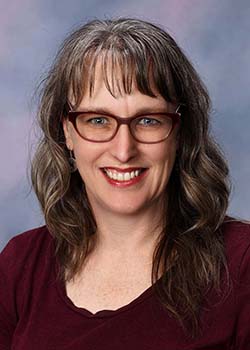

Fort Hays State University’s Dr. Ginger Loggins, assistant professor of informatics, recently received a $4,250 Scripps Howard Foundation Visiting Professors in Social Media grant.
Only six Association for Education in Journalism and Mass Communication (AEJMC) members were selected to receive the grant, which has been funded for nine years this year.
Loggins will work with Scripps Washington Bureau in Washington, D.C. In addition to teaching traditional introductory classes, she helps students produce weekly news and entertainment shows for Tiger Media Network. Her primary research interests include the history of local television news and how racial depictions on television can impact viewer prejudice.
Loggins is spending two weeks working in the news industry and learning first-hand how technology is shifting and changing the way news is delivered. After completing the two-week externship, each visiting professor shares the newfound knowledge and skills to his or her classroom, sharing with students what was learned.
“I am really supportive of these experiences, because they are a win-win for everyone,” said Angela Walters, interim chair of the Department of Informatics. “Dr. Loggins will share what she has learned with her students, and they are the key players in future of news reporting and delivery.”
The second phase of the program funds the travel of a news media outlet representative to the faculty’s campus for a three- to five-day visit.
Each grant provides $3,000 for the visiting professor’s travel, housing and other expenses for the two-week media outlet visit and $1,250 for expenses related to the outlet representative’s campus visit.
The Scripps Howard Foundation is the corporate philanthropy of the E.W. Scripps Company, a news and information company with 52 television stations in 36 markets.
“This will be an outstanding experience for Dr. Loggins,” said Walters. “Her expertise in journalism, storytelling forms and convergent media will serve her well as she takes part in important conversations regarding how technology is changing the news delivery model,” she said.
AEJMC is a nonprofit, educational association of journalism and mass communication educators, students and media professionals, founded 106 years ago in Chicago by a group of 23 journalism educators and practioners. For more information about AEJMC, email Lillian Coleman, AEJMC project manager at [email protected].
Hot, breezy Saturday
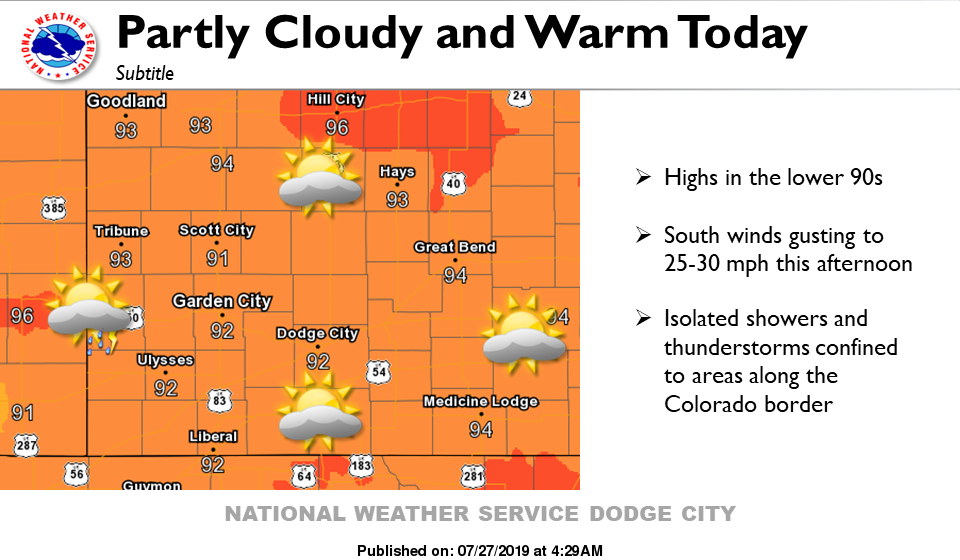
 Today
TodayMostly sunny, with a high near 93. South wind 8 to 17 mph.
Tonight
Partly cloudy, with a low around 70. South wind 11 to 17 mph.
Sunday
A 20 percent chance of showers and thunderstorms after 1pm. Partly sunny, with a high near 94. Breezy, with a south wind 14 to 20 mph.
Sunday Night
A 20 percent chance of showers and thunderstorms before 1am. Mostly clear, with a low around 65. South southwest wind 5 to 10 mph becoming light and variable. Winds could gust as high as 20 mph.
Monday
Sunny, with a high near 91. North wind 6 to 10 mph becoming east in the afternoon.
Monday Night
Mostly clear, with a low around 65.
Tuesday
Sunny, with a high near 95.
Tuesday Night
Partly cloudy, with a low around 69.
Wednesday
Sunny, with a high near 98.
KRUG: Beat the heat with plenty of fluids

We made it through the Barton County Fair with just a couple of hot days. Some of the surrounding counties have not been that lucky. The Ellis County Fair, which started when ours came to an end had several 100 plus degree days in a row.
Since we know it will be well over a month before we can expect temperatures to cool down it is the perfect time to remind everyone about the importance of staying hydrated. Drinking eight cups of fluid a day is recommended under normal circumstances to replenish essential body fluids, and more is needed as summer temperatures and humidity rise.
We sometimes forget that 55 B 75 percent of the body=s weight is water; the brain is 70 percent water; blood is 82 percent water, and the lungs are nearly 90 percent water. Water is also responsible for carrying nutrients and oxygen to cells; cushions organs, tissue, bones and joints; removes waste; and regulates body temperature.
In high heat, humidity, and times of high activity, such as working outdoors or participating in athletic activities, water is lost through perspiration, which helps cool the body through the evaporation of fluids on the skin. Exposure to the sun or a sunburn will speed fluid loss, and so will drinking beverages containing caffeine or alcohol, which both act as diuretics. Fluid replacement is essential, but it is best to not wait until you are thirsty. Excessive water loss or dehydration can impair body function and lead to heat exhaustion and/or heat stroke that can be life threatening.
Water is recommended for the majority of the fluid replacement because it is readily absorbed; cool water is preferred because it is absorbed more readily than hot or ice water. Foods that have a high water content include melons and other fruits, tomatoes and other vegetables, soups smoothies, puddings, and gelatin salads. Sports beverages may be helpful for athletes who are exercising more than one hour and are in need of electrolytes and quick energy, but consider diluting them with water in order to reduce calories.
The bottom line on staying hydrated is to drink fluids before you become thirsty. As we age our ability to sense thirst declines, leaving older people unable to rely on their thirst to prompt them to drink enough fluids. Infants and small children also need to be monitored closely to assure that dehydration does not occur. Little ones lose more fluids because they have a greater proportion of skin surface in relation to their size. Offer water frequently, each time a child passes through the kitchen and before, during and after play.
In addition to replacing fluids it is recommended to wear a hat with a brim and sunglasses; choosing loose, comfortable clothes that breathe; use sunscreen; and take regular breaks to help minimize the effects of heat and humidity.
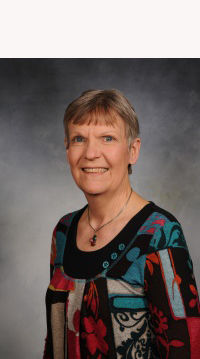
Donna Krug, is the District Director and Family & Consumer Science Agent with K-State Research and Extension B Cottonwood District. She may be reached at (620)793-1910 or [email protected]
This weekend’s Hays-area garage sales

 Hays-area garage sales
Scroll to the bottom for a map of garage sale locations. Hays Post offers FREE garage sale listings weekly. Having a garage sale next weekend? Click HERE to submit your information.
2916 Walnut, Hays
Friday July 26 3-9, Saturday July 27 8 – noon
Clothing, furniture, toys, shoes
—————–
114 West 38th St., Hays
Friday, July 26. 10:00 am-5:00 pm
Girl’s bike, Baseball tees, Baseball gloves, Books, Pet supplies, Christmas decor, Collectibles including Hallmark and Longaberger, Clothing including junior women size mostly small and medium. Formal dresses. Shoes. Lots of miscellaneous. Cash only.
—————–
303 N Main, Plainville
Friday, July 26 5:00 pm – ? Saturday, July 27 8:00 am – 1:00 pm
A little of everything- large sale
——————
1037 250th Avenue, Hays
(2 mi S of bypass on 183-look for sign)
Fri. July 26 4-8 & Sat. July27 8-noon
sofa, desk, office desk chair, lg picnic table, Spot Bot, bed headboard, bar stools, teacher supplies, home decor, kitchen items, tv trays, books, many misc items.
——————
1110 Oakmont St, Hays
Saturday July 27th 10:00-2:00
Furniture, clothes, decor, area rug, dresser, tile flooring, lamps etc…
——————
Governor appoints Bank Commissioner

 OFFICE OF GOV.
TOPEKA – Governor Laura Kelly appointed David Herndon as Bank Commissioner for the state of Kansas.
The commissioner oversees the Office of the State Bank Commissioner, an office that regulates all state-chartered banks, trust companies, mortgage businesses, supervised lenders, credit service organizations, and money transmitters that do business within the state of Kansas.
“I’m pleased to appoint David to serve as Bank Commissioner,” Kelly said. “His extensive banking and leadership experience makes him an unparalleled choice for this position.”
Herndon, a Shawnee resident, has over 30 years of experience in all phases of management. Currently, Herndon is sole proprietor of CMC Professional Services. Previously, he served as senior vice president at VisionBank. Herndon graduated with a master’s degree in banking from the University of Wisconsin, and a bachelor’s degree in business administration from Baker University.
Per K.S.A. 75-1304, the appointed bank commissioner must have at least five years of experience as an executive officer in a state or national bank located in Kansas. While serving as bank commissioner, the commissioner must not be an officer, voting director, employee or paid consultant of any state or national bank or bank holding company, or any affiliate of a state or national bank or bank holding company, or any other entity regulated by the commissioner.
Herndon will serve as Acting Bank Commissioner pending Senate confirmation.
Sister of Kan. priest ran over his computer in attempt to hide child porn
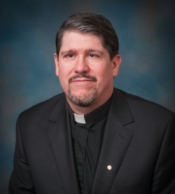
KANSAS CITY, KAN. – A Kansas priest pleaded guilty in federal court Friday to possessing child pornography, according to U.S. Attorney Stephen McAllister.

In his plea, Christopher Rossman, 46, who formerly served at the Annunciation Catholic Church in Baldwin City, Kan., admitted that investigators found child pornography on his Samsung Galaxy tablet. The crime occurred in September 2016 when monitoring software installed on Rossman’s computer devices reported he had visited adult pornography and child pornography websites. The archdiocese forwarded the report to law enforcement.
When investigators tried to find Rossman in Baldwin City, they learned that his sister had taken possession of the Galaxy tablet and tried to run over it a number of times. A forensics examination found files on the device depicting prepubescent females engaged in sexual activities.
Sentencing will scheduled at a later date. The crime carries a penalty of up to 10 years in federal prison and a fine up to $250,000.
Sheriff releases identity of 4-year-old who died at rural Kansas home


SHAWNEE COUNTY — Law enforcement authorities and the Shawnee County Coroner continue the investigation into the death of a child in Shawnee County.
Just after 7a.m. Tuesday, deputies and additional emergency crews responded to the 300 block of South Masche Street in Silver Lake in reference to an unresponsive child, according to Shawnee County Sheriff’s Captain Danny Lotridge.
Upon arrival, first responders triaged her as deceased. On Friday, Shawnee County Deputy Caleb Acre identified the child as 4-year-old Brandy Funk.
Investigators surveyed the scene, spoke to potential witnesses. The Coroner’s Office is looking for a medical cause related to the death of the girl.
Members of the Silver Lake Fire Department, AMR and Silver Lake Police Department also responded to the scene.
Authorities released no additional details on Friday.
—————
SHAWNEE COUNTY — Law enforcement authorities and the Shawnee County Coroner are investigating the death of a child in Shawnee County.
Just after 7a.m. Tuesday, deputies and additional emergency crews responded to the 300 block of South Masche Street in Silver Lake in reference to an unresponsive child, according to Shawnee County Sheriff’s Captain Danny Lotridge. Upon arrival, first responders triaged the child as deceased.
Members of the Silver Lake Fire Department, AMR and Silver Lake Police Department also responded to the scene.
Authorities did not release child’s name or age.
Former KU volleyball volunteer assistant guilty of stealing underwear
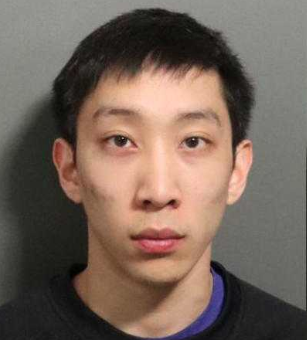
LAWRENCE, Kan. (AP) — A former University of Kansas volunteer assistant volleyball coach has admitted stealing underwear from women on the team.

Twenty-four-year-old Skyler Yee pleaded no contest Friday to two felony counts of burglary, in exchange for prosecutors dropping 13 other charges.
Judge Peggy Kittel found Yee’s crimes were sexually motivated. He must register as a sex offender for the next 15 years.
Kittel granted Yee’s request to serve his sentence in Oregon, where he lives. However, Oregon must accept him, which may require him to serve part of his sentence in Kansas.
Yee was charged in February with 15 counts, including four felonies. The charges include burglary, property damage and theft between December 2017 and January 2019.
He was the women’s volleyball assistant coach from August 2016 until resigning in mid-January.